The old capital of thirteen dynasties and the eastern end of the Silk Road — a city where you can cycle the top of a 600-year-old wall in the morning, stand before a 2,200-year-old terracotta army in the afternoon, and eat hand-pulled noodles in the Muslim Quarter at night. This guide is built from verified facts and real visitor accounts to get you ready before you land.
If Beijing is the China of today, Xi'an is the China of two thousand years ago. This was the capital of thirteen dynasties — including the Qin (of the First Emperor), the Han, and the Tang at the height of its golden age — and the eastern terminus of the Silk Road, where caravans from Persia and Central Asia ended their journey. What makes Xi'an special is that you don't just look at the history here. You walk on it.
Easy to get around — eight-plus metro lines connect the major sights; fares run ¥2–9 (~฿10–45) per ride and stations have English signage. The sights cluster — the City Wall, Bell Tower, Drum Tower and Muslim Quarter are all within walking distance inside the old city; the Terracotta Army is an hour away by bus. A serious food city — Xi'an has some of the best street food in China, big on flavour, heavy on spice and very light on the wallet. See the full city overview at the Xi'an city guide →
Two to three days covers the main highlights without rushing: the Terracotta Army and Huaqing Palace on the first, the City Wall and Muslim Quarter on the second, the Big Wild Goose Pagoda and Datang on the third. Four or five days gives you room to add Mount Hua or a second old capital by high-speed rail.
Day 1: The Terracotta Army for a full morning, with Huaqing Palace on the way back. Day 2: Cycle the old City Wall, the Bell and Drum Towers, then a long evening grazing through the Muslim Quarter. Day 3: The Shaanxi History Museum (book ahead), the Big Wild Goose Pagoda, and Datang Everbright City after dark.
Days 1–3 as above, at a slower pace. Day 4: Mount Hua, one of China's five sacred mountains — 30 minutes by high-speed train from Xi'an North, famous for its vertiginous cliff-edge plank walks (cable cars if you'd rather not climb). Day 5: Luoyang, a second old capital 1.5 hours away by rail, home to the Longmen Grottoes — or a slow day back in the city.
Itineraries for every schedule: 1 day (layover) · 2 days · 3 days · 4 days · 5 days
March to May: warm and dry, temperatures around 15–25°C — ideal weather for cycling the City Wall. September to November: the clearest skies of the year and comfortable temperatures, which many regular visitors consider the best season. Summer (June–August) is hot, 35–40°C; winter (December–February) is cold and dry and can drop below freezing. Full monthly breakdown at when to visit Xi'an →
As of 2026, Thai passport holders enter China visa-free for up to 30 days for tourism. Many other nationalities have similar arrangements. Policy changes without much notice, so check the current rules at China visa-free entry guide → before committing to flights. Have your passport, a hotel booking and a return ticket ready.
Xi'an has a single airport, Xi'an Xianyang International (XIY), about 50 km northwest of the centre. All flights from Thailand land here. There are three main ways into the city — choose based on how many bags you have and how late you arrive.
Line 14 (purple) runs from the airport directly to Xi'an North station (北客站) in about 33 minutes, fare ¥2–7 (~฿10–35). From there, change to Line 2 for the city centre and get off at the Bell Tower (钟楼). Best if you are travelling light with a small group.
Airport buses cost ¥25 (~฿125) on every line and take about an hour, with several routes into the city including the Railway Station and Bell Tower area. Taxi or DiDi runs around ¥120–150 (~฿600–750) to central Xi'an — the better choice if you have several bags or land late, since you skip changing vehicles.
Xi'an's metro is the easiest way to move between sights. Line 2 runs north–south through the Bell Tower (钟楼) and Yongningmen (南门, the South Gate of the City Wall); Lines 3 and 4 reach the Big Wild Goose Pagoda area; Line 14 goes to the airport and Xi'an North. Fares ¥2–9 (~฿10–45). Pay by scanning an Alipay or WeChat Pay QR code at the gate, or buy a single-journey ticket from the machine. Full guide at Xi'an metro guide →
China runs primarily on Alipay and WeChat Pay. Hotels, international restaurants and large department stores accept Visa and Mastercard, but the street food stalls in the Muslim Quarter and most small shops take mobile payment only. Set up the tourist version of Alipay before you leave home — it accepts foreign Visa and Mastercard and works immediately — or withdraw yuan from a Bank of China or ICBC ATM on arrival as a backup. Full guide: paying in China →
The good news in Xi'an is that the main sights cluster inside the old city wall. Stay inside or near the wall and everything becomes easy. Full neighbourhood guide →
The heart of the old city, within walking distance of the Bell Tower, Drum Tower and the Muslim Quarter — you can step out and graze on street food immediately. The Line 2 Bell Tower station is right under the central roundabout. Hotels here span every budget and the position pays for itself.
Staying inside the walls (城墙内) near Yongningmen, the South Gate, means you can be up on the wall cycling first thing in the morning. Several boutique hotels occupy heritage buildings here, giving the most classic atmosphere in the city, and Line 2 is right outside the gate.
A contemporary district in the south of the city around the Big Wild Goose Pagoda and Datang Everbright City, which lights up spectacularly at night with musical fountains and a Tang-dynasty pedestrian street. Big malls and plenty of restaurants; Lines 3 and 4 connect you back to the old city.
If your trip involves day trips by high-speed rail to Mount Hua or Luoyang, or onward travel to other cities, the area around Xi'an North is the most efficient base. Metro Lines 2, 4 and 14 serve it. Not the most atmospheric part of the city, but unbeatable for connections.
Xi'an has more attractions than most visitors can cover in a single trip. These six are the core — the places that best explain why the city is worth the trip. Full details at Xi'an attractions → or things to do and book →
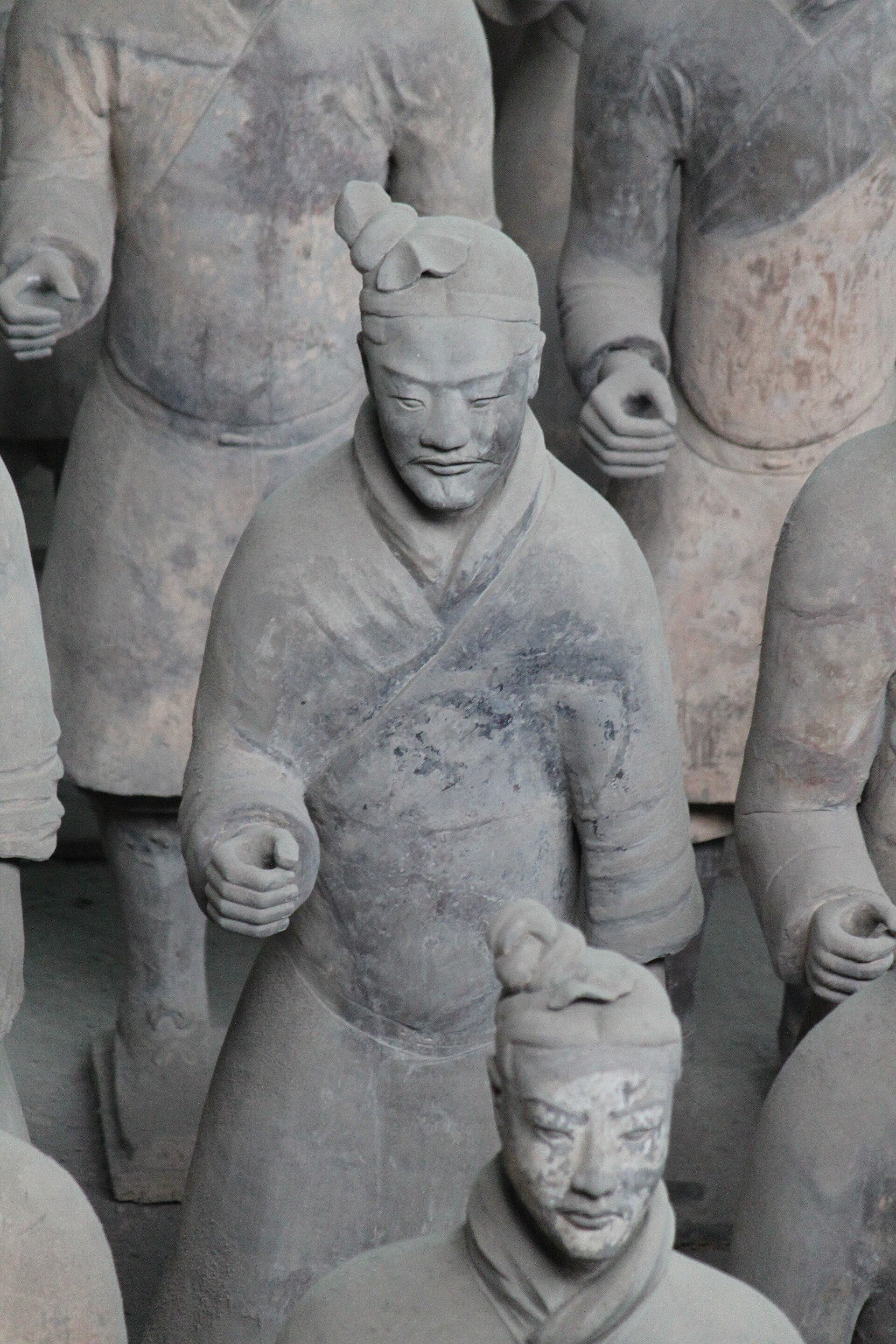
The UNESCO site that put Xi'an on the world map — thousands of life-sized clay soldiers the First Emperor had built to guard his tomb 2,200 years ago, each one with a different face. Come before 9 am to get ahead of the tour groups. Take tourist bus 游5 (306) from Xi'an Railway Station for ¥7.
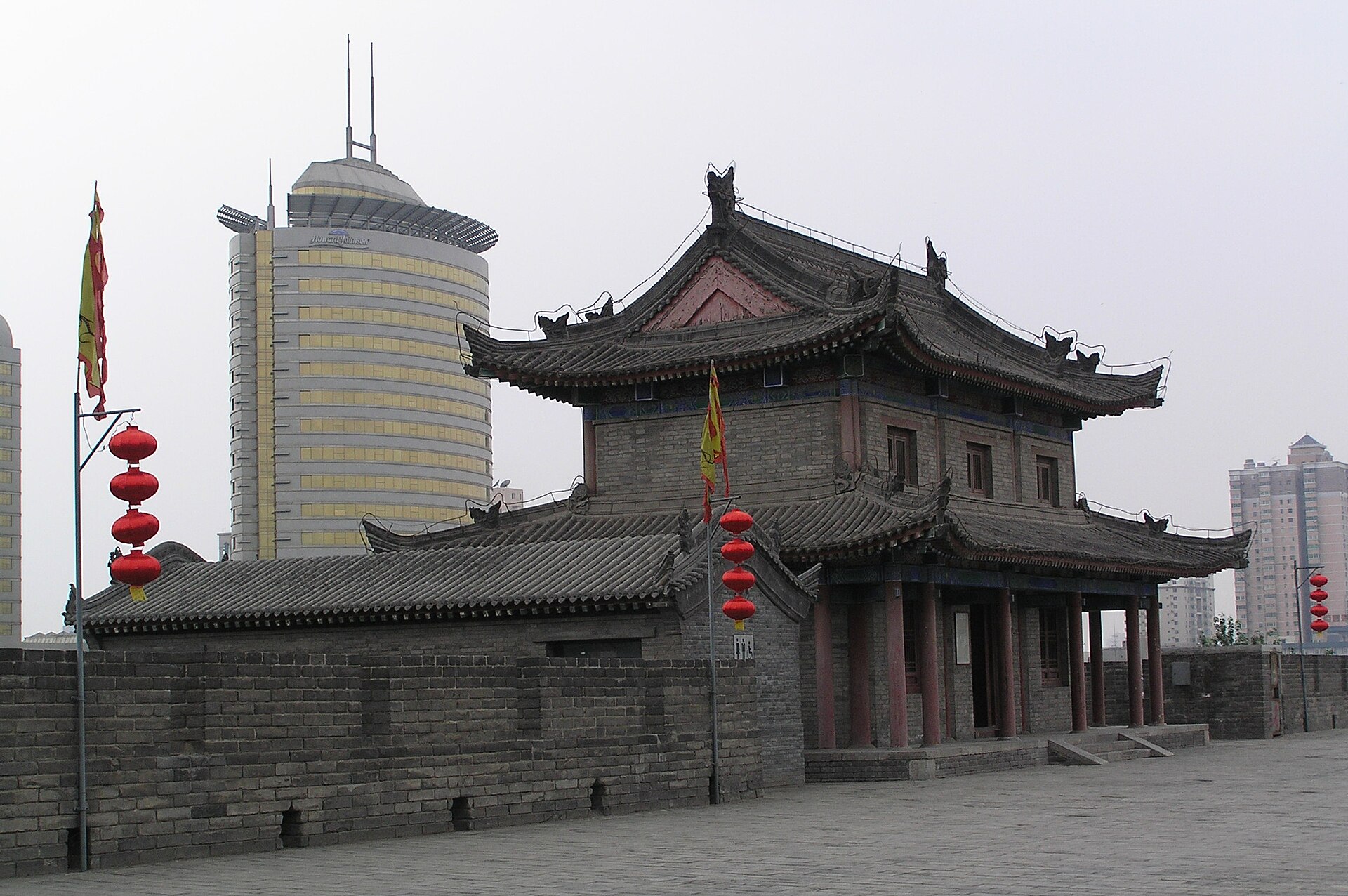
The most complete ancient city wall in China, built in 1370 under the Ming dynasty and running 13.7 km around the old city. It is wide enough to cycle the full loop on top — about 1.5 to 2 hours of riding, with views over the old city on both sides. You can climb up at several gates; the South Gate (南门) is the most convenient.
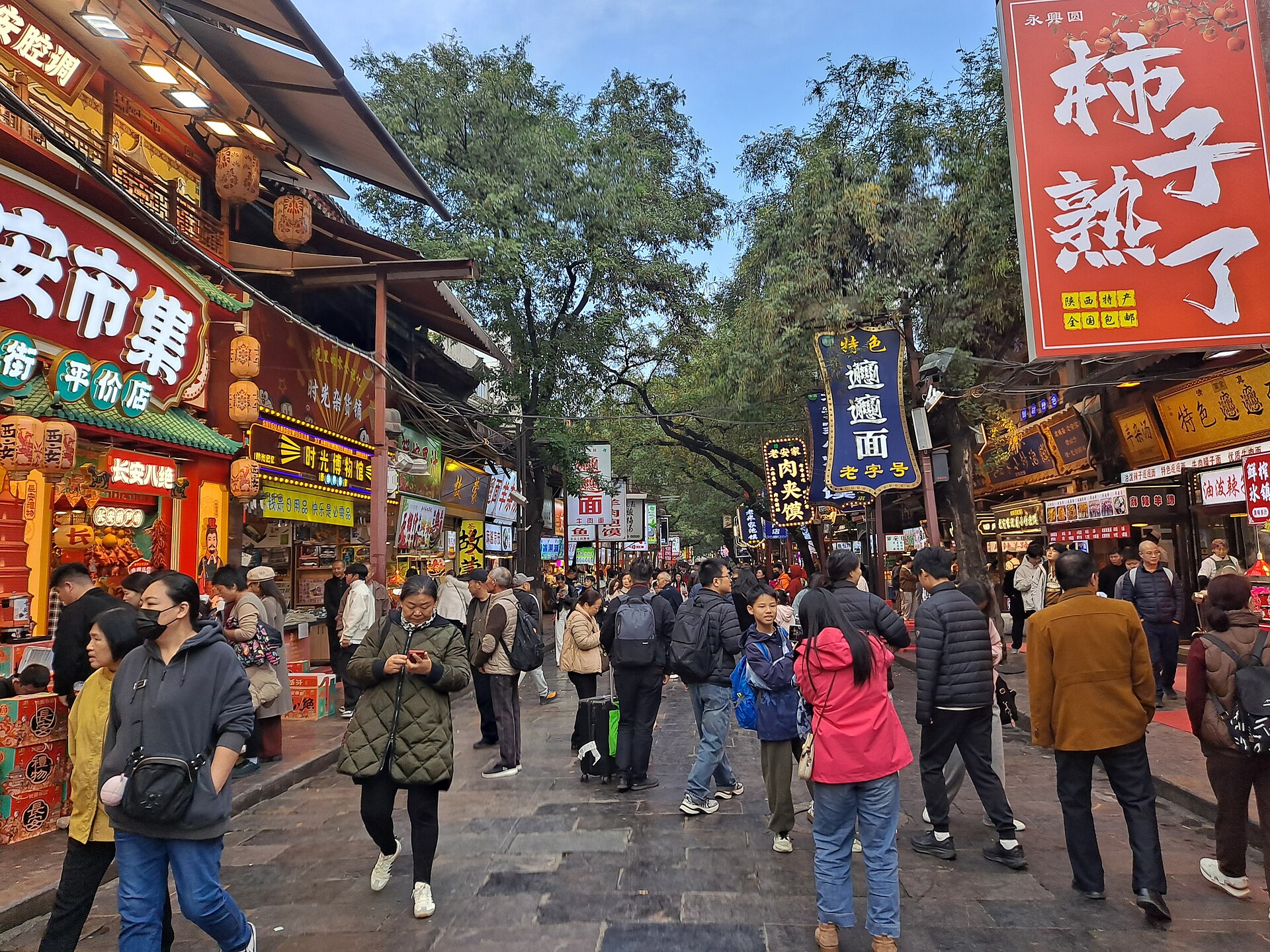
Beiyuanmen street (北院门), behind the Drum Tower, is the best street-food hub in Xi'an — smoke from lamb skewers, the rhythm of noodles being slapped against the bench, spice in the air. Tucked deep inside the lanes is the thousand-year-old Great Mosque (大清真寺), built in a Chinese-Islamic style, its quiet courtyards a complete contrast to the street outside.
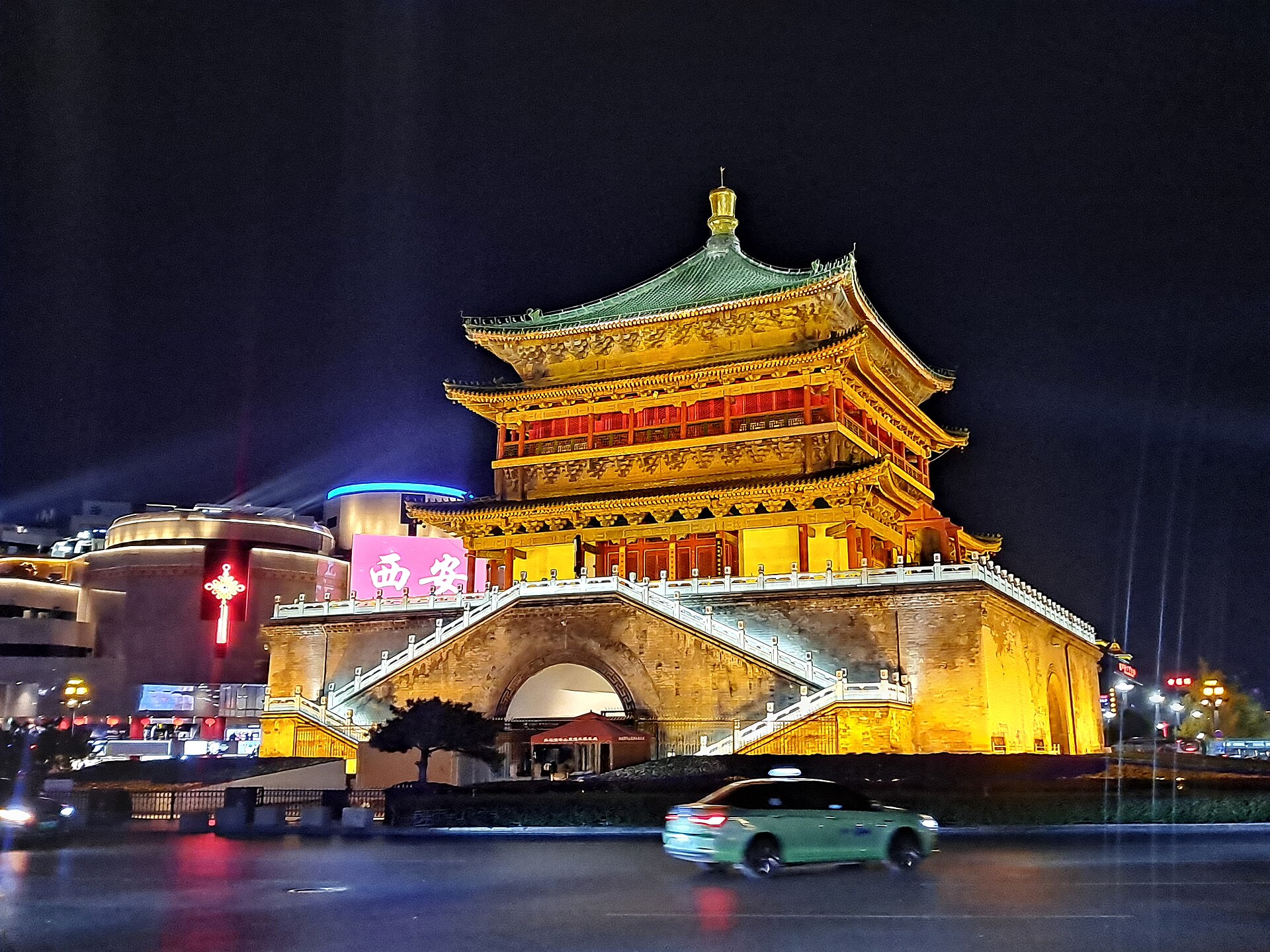
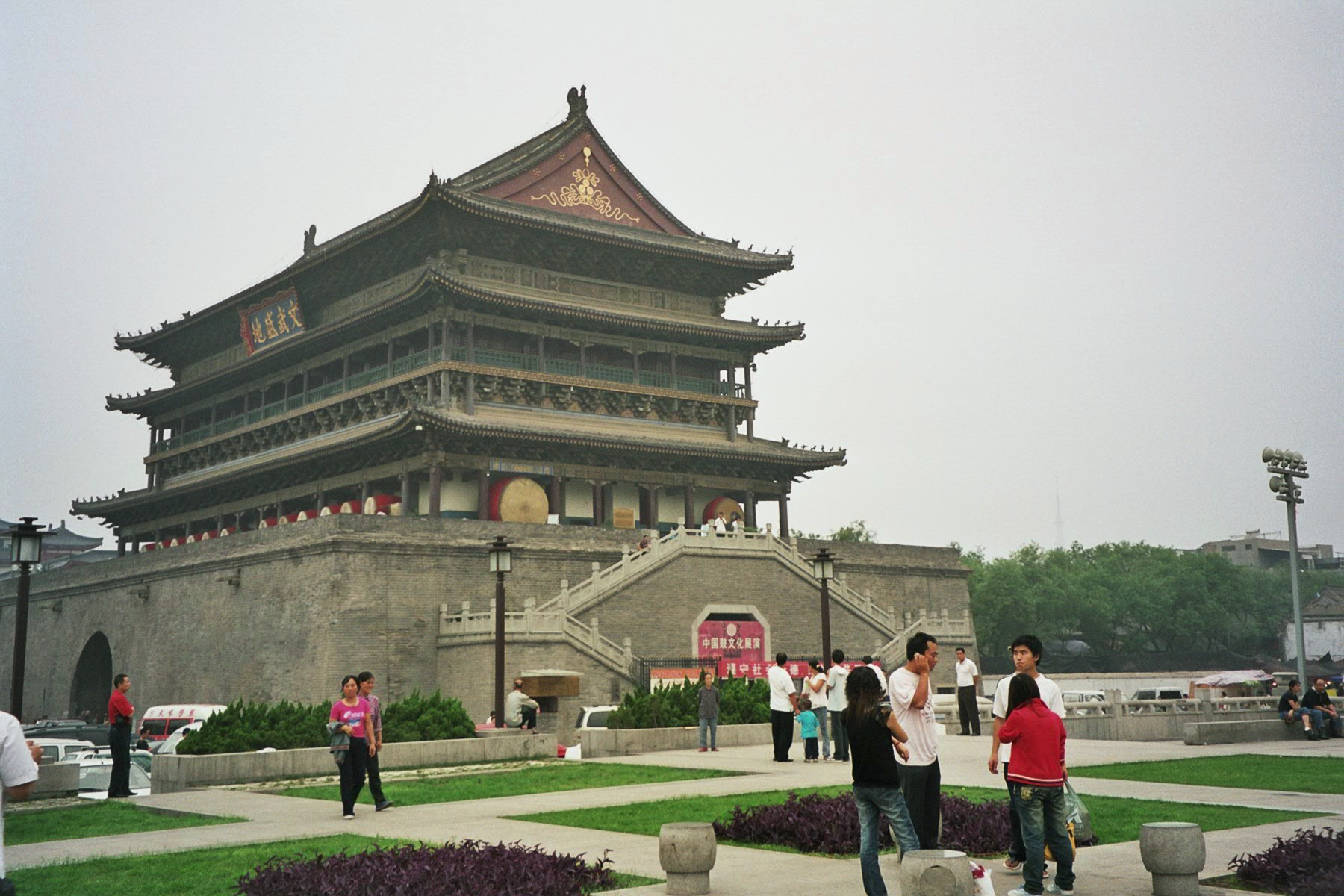
The twin landmark towers that have stood together since the Ming dynasty. The Bell Tower (钟楼) sits squarely in the middle of the central roundabout; the Drum Tower (鼓楼) is a short walk away at the mouth of the Muslim Quarter. Climb up for views over the old city, catch one of the scheduled bell-and-drum performances, and come back after dark when both are floodlit.
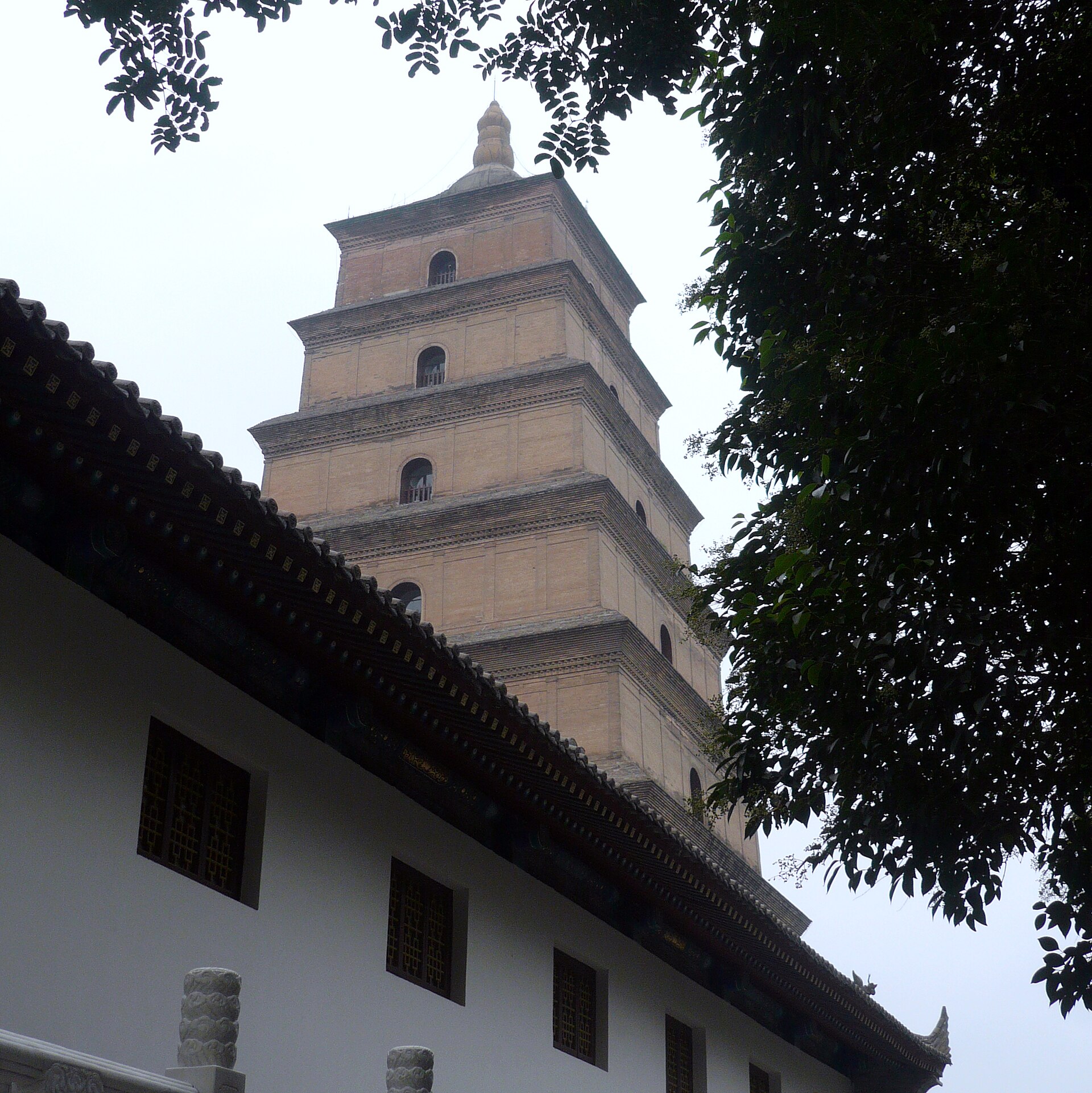
A seven-tier brick pagoda from the Tang dynasty, built in 652 to house the Buddhist scriptures the monk Xuanzang brought back from India — a defining symbol of the city. In front of it lies one of the largest musical-fountain squares in Asia, which performs at set times in the evening to big crowds.
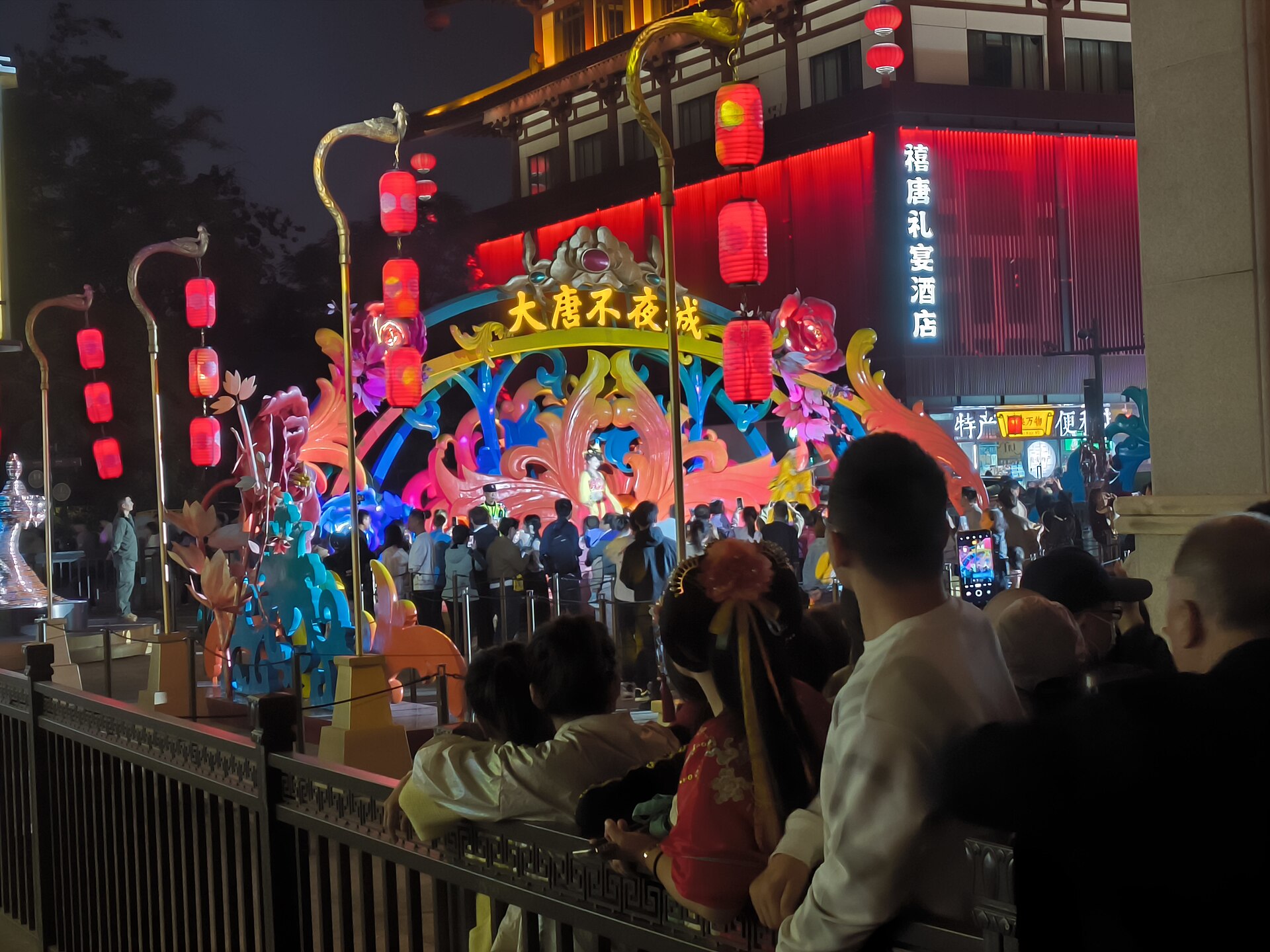
A long Tang-dynasty-style pedestrian street beside the Big Wild Goose Pagoda that lights up gold from end to end after dark, with replica Tang architecture, live street performances and visitors in Hanfu costume posing for photos. The name means "the Tang city that never has a night" — because it stays lit till late.
Xi'an is one of the great street-food cities of China. Centuries of Silk Road trade left the local cooking bold and distinctive — heavy on wheat, lamb and spice, and noticeably different from the food in other parts of China. The Muslim Quarter is the best place to test it. Full guide: Xi'an food guide →
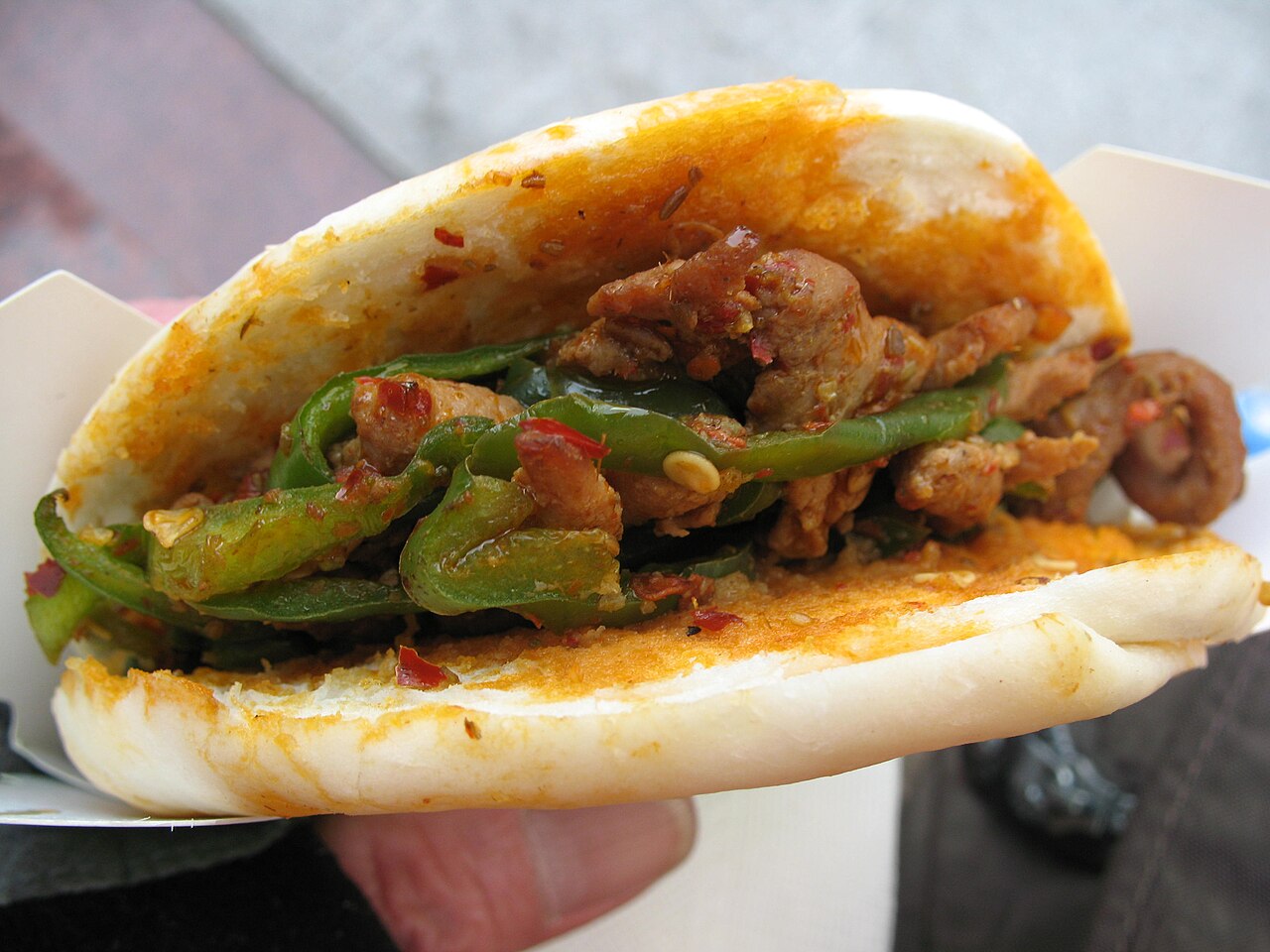
Often called "the world's oldest hamburger" — a flatbread baked crisp outside and soft inside, split open and packed with pork that has been braised in spices and chopped fine until it is dripping. One bite gives you the crunch of the bread and the soft, savoury meat together. You'll find it on every corner of the Muslim Quarter, and it costs almost nothing. More at the roujiamo guide →
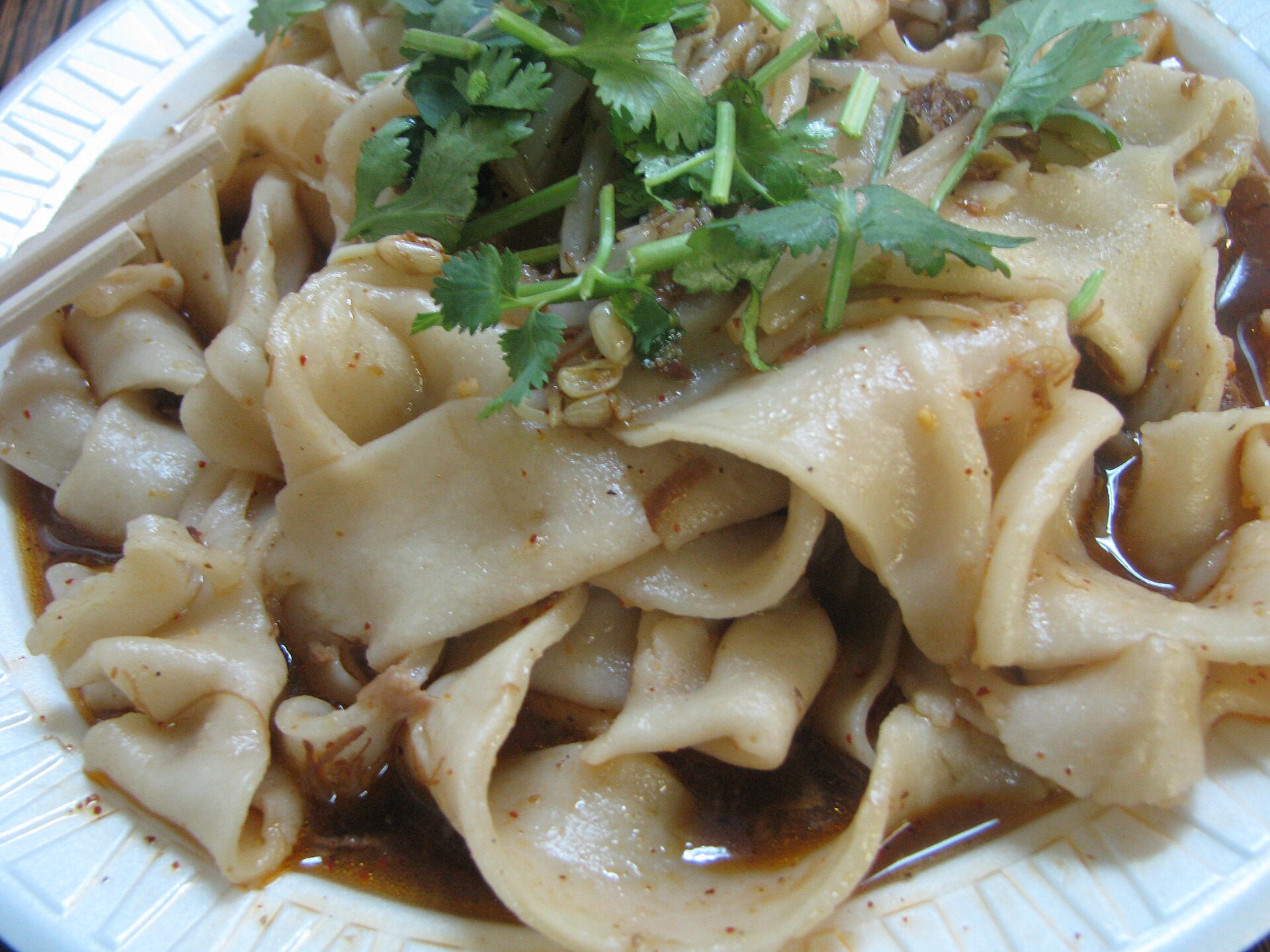
Wide, flat, hand-slapped noodles, topped with chilli flakes and finished with a ladle of sizzling hot oil poured over the top. The name "biang" comes from the sound the dough makes as it is slapped against the bench, and its Chinese character has 58 strokes — one of the most complex in the language. Bold, spicy and unmistakably Shaanxi. More at the biangbiang noodles guide →
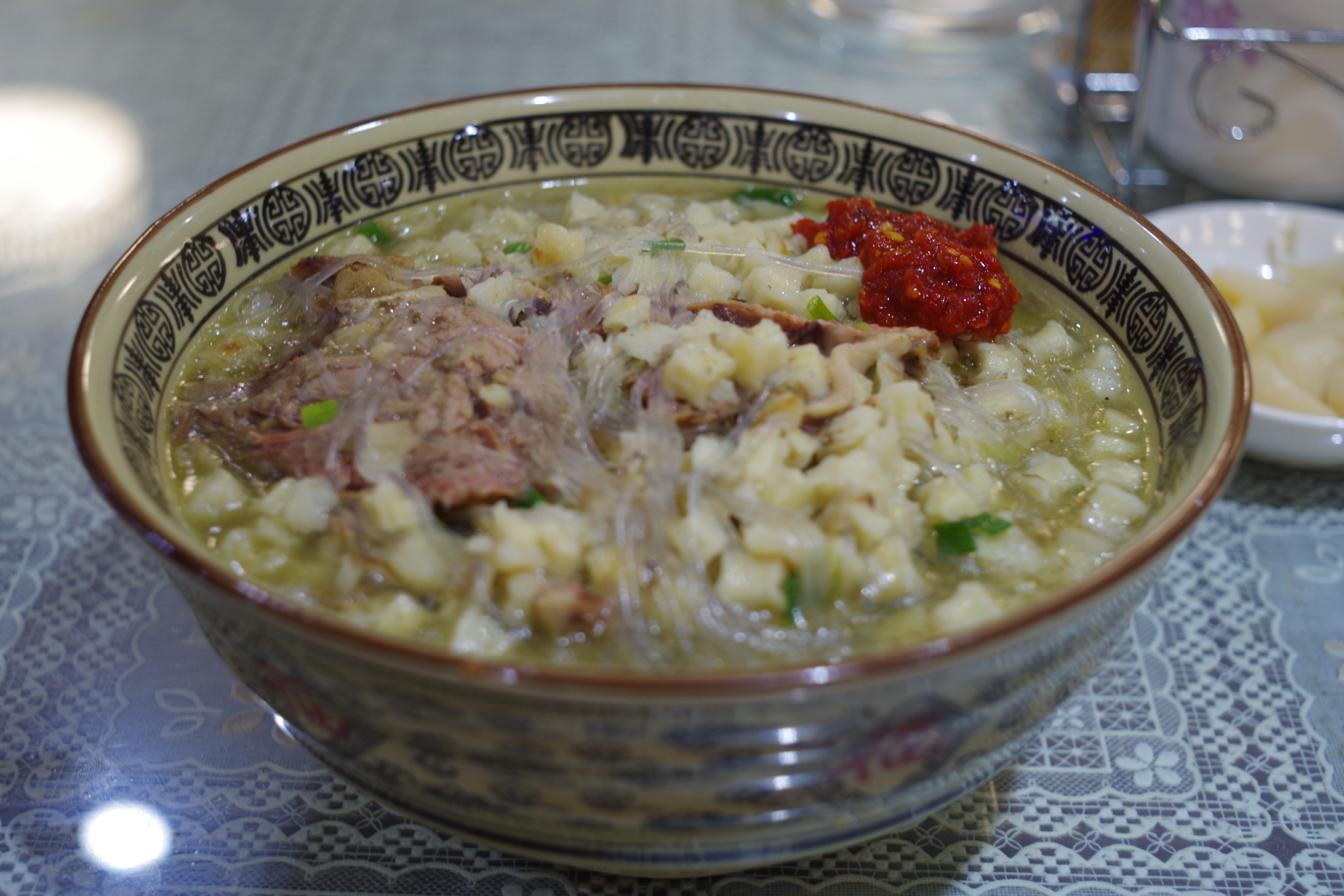
The dish Xi'an is proudest of. You're handed a hard flatbread and tear it into small pieces by hand to fill the bowl yourself — this part is a ritual — then it goes back to the kitchen to be drowned in hot mutton broth, served with pickled garlic and chilli. The most warming thing you can eat on a cold day. More at the yangrou paomo guide →
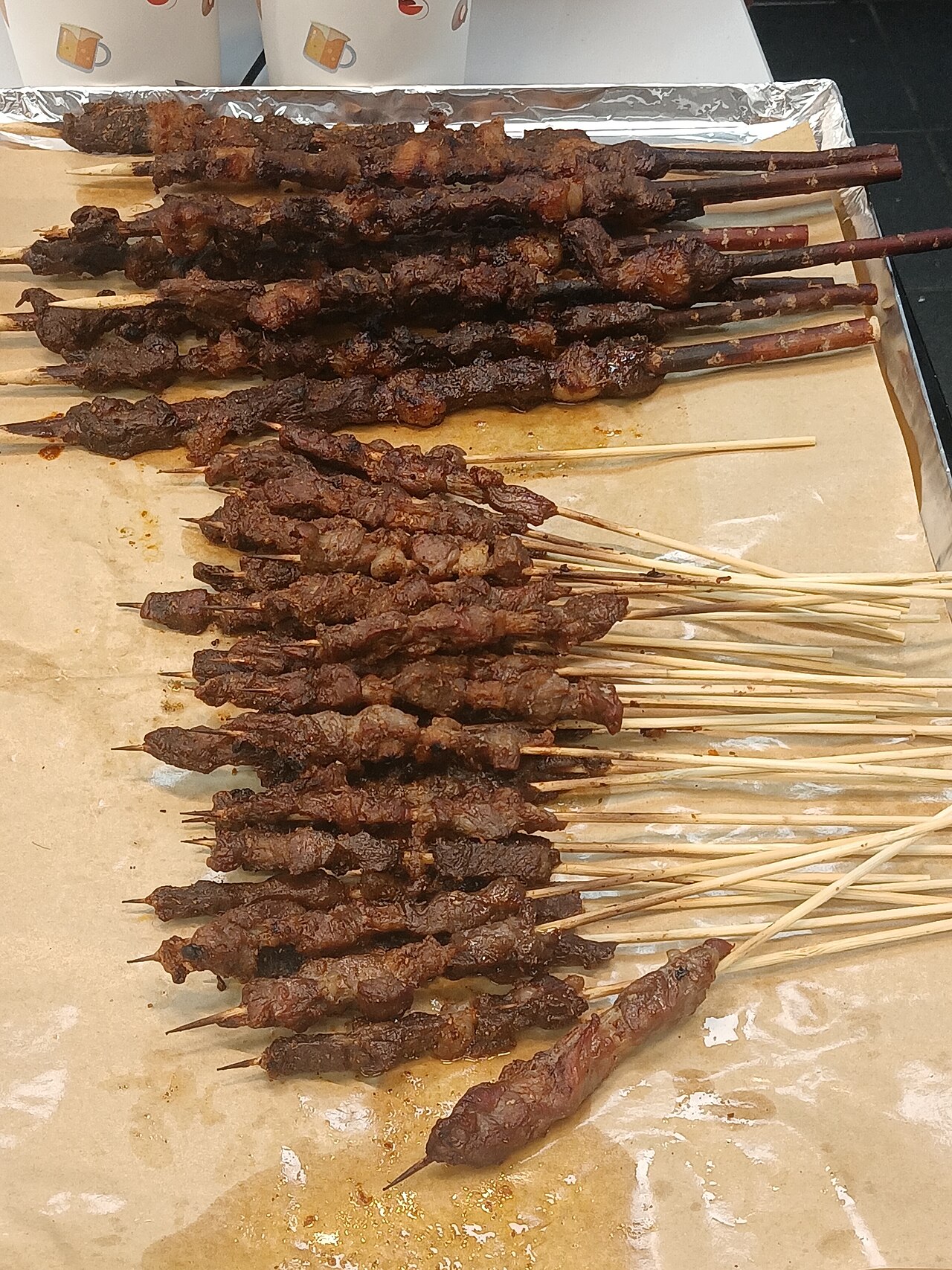
Follow the smoke through the Muslim Quarter — charcoal-grilled lamb skewers dusted with cumin and chilli, boiled dumplings (jiaozi), baked persimmon cakes (shizi bing) and cold liangpi noodles in a sour-spicy sauce. It adds up to a graze-as-you-go dinner that is both filling and fun. See all the spots at Muslim Quarter street food →
More food resources: Xi'an dumplings → · Xi'an cafés → · full food guide →
Have an extra day or two? Xi'an is an excellent launch point. High-speed rail can take you to a sacred mountain or a second historic capital in well under two hours. See them all at day trips from Xi'an →
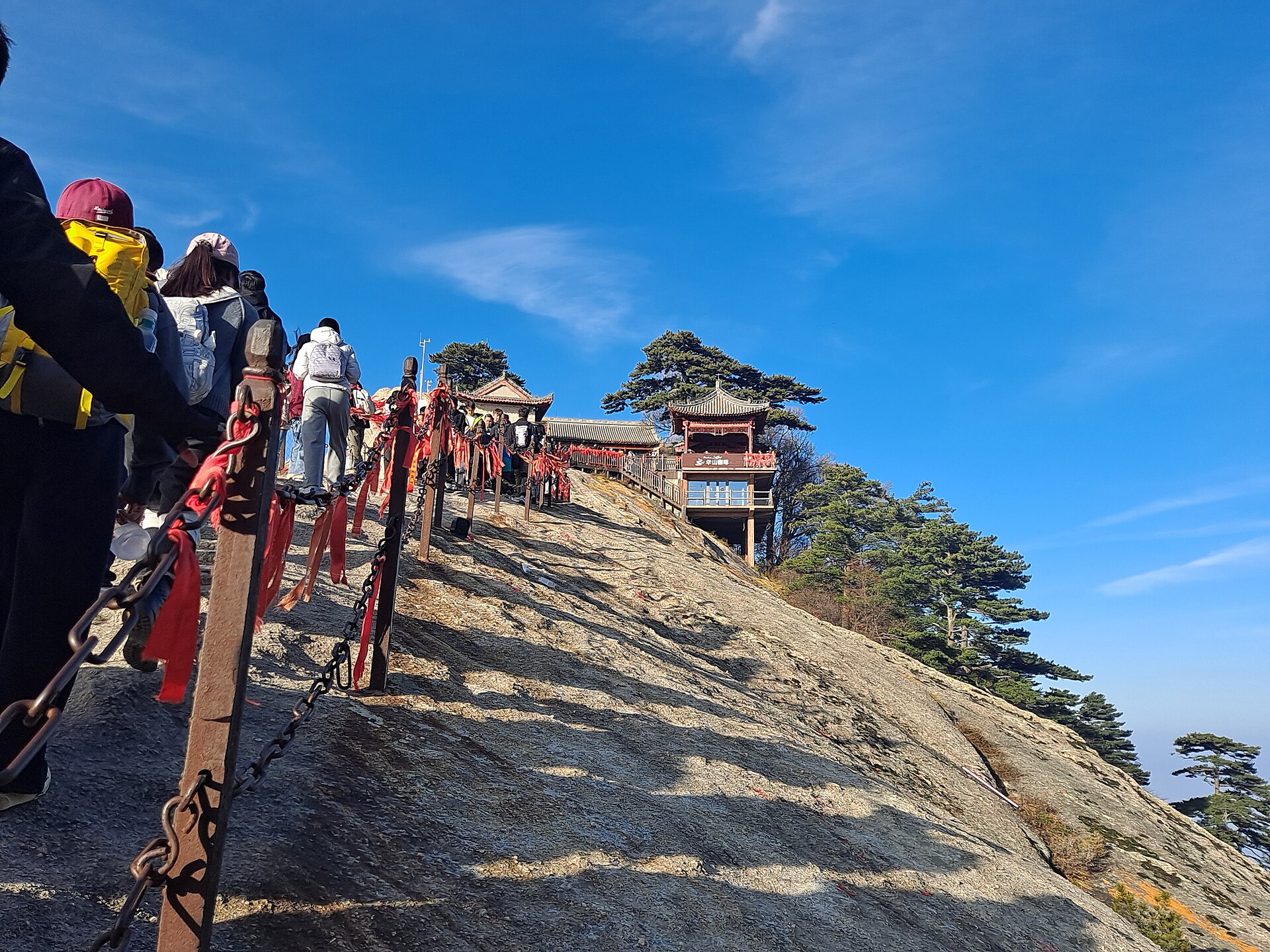
One of China's five sacred mountains — steep granite peaks famous for their nerve-testing cliff-edge plank walks, with cable cars for anyone who would rather not climb. High-speed trains from Xi'an North reach Huashan North station in about 30 minutes (~¥54.5), making this an easy out-and-back in a day.
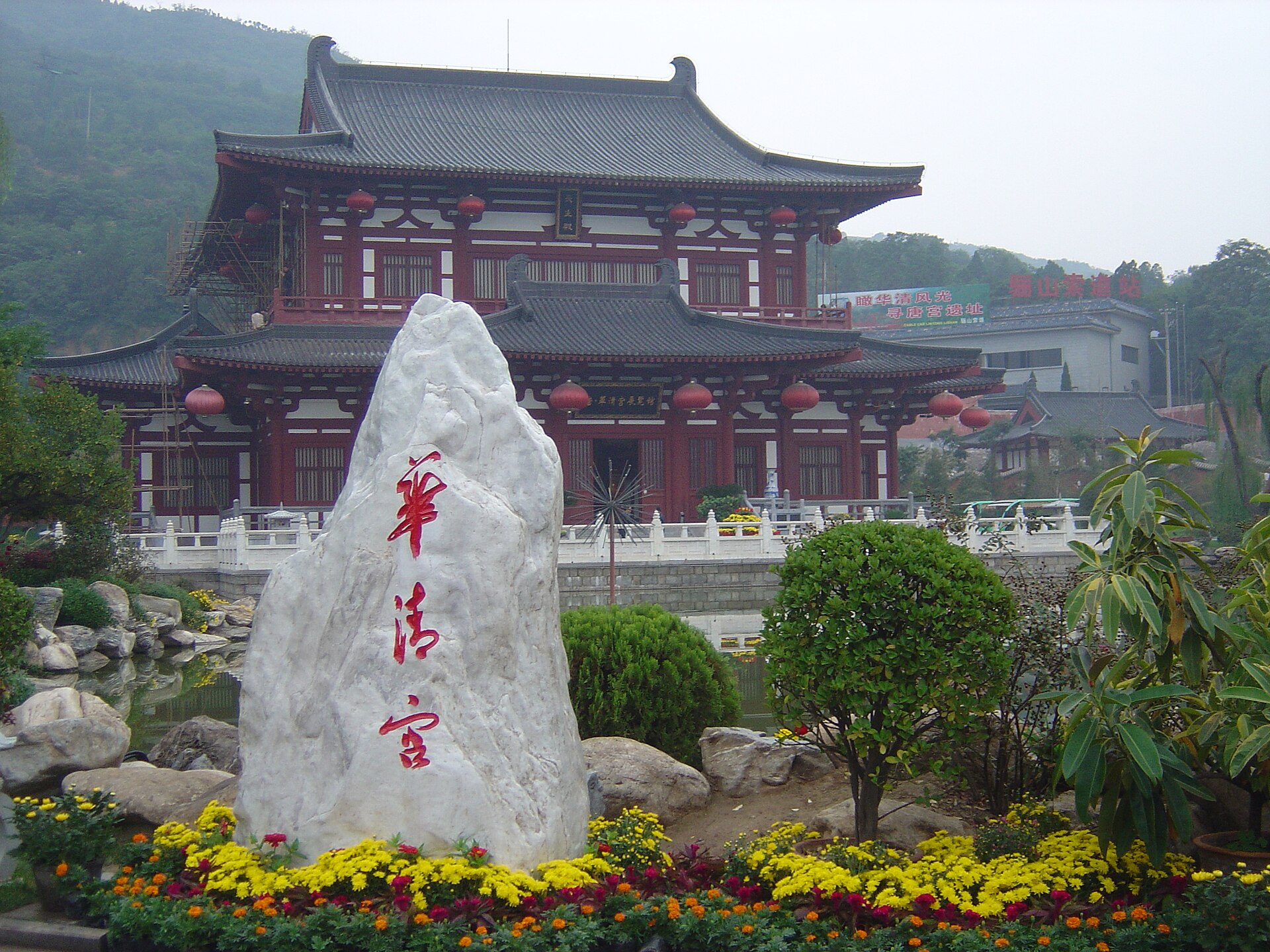
A hot-spring palace at the foot of Mount Li, the summer retreat of Tang Emperor Xuanzong and Lady Yang, and the setting of one of the great Tang love stories. It sits right on the road to the Terracotta Army, so you can fold both into the same trip. In the evening it hosts the spectacular "Song of Everlasting Sorrow" outdoor performance.
Xi'an is excellent value. The street food is cheap and superb, the metro costs very little, and most attractions are inexpensive — even the Terracotta Army is only ¥120–150. Full breakdown: Xi'an trip budget guide →
| Level | Accommodation/night | Food/day | Approx. total/day |
|---|---|---|---|
| Budget | ¥120–250 (~฿600–1,250) hostel or budget hotel | ¥60–120 (~฿300–600) | ¥220–450 (~฿1,100–2,250) |
| Mid-range | ¥350–700 (~฿1,750–3,500) 3–4 star hotel | ¥150–350 (~฿750–1,750) | ¥600–1,200 (~฿3,000–6,000) |
| Luxury | ¥1,200–4,000+ (~฿6,000–20,000+) | ¥400–1,500+ (~฿2,000–7,500+) | ¥2,000–6,500+ (~฿10,000–32,500+) |
Metro fares of ¥2–9 per trip add very little to the daily total. Attraction costs: Terracotta Army ¥120–150 · City Wall ¥54 · Shaanxi History Museum free (reserve ahead) · Big Wild Goose Pagoda ~¥50. More detail at China travel budget guide →
Google Maps, Gmail, Translate, YouTube, Facebook, Instagram, WhatsApp and LINE all stop working the moment you connect to a Chinese SIM or network, unless you have a working VPN. Set it up on your phone at home — configuring a VPN from inside China is harder. Download Amap (Gaode Maps) for navigation; it works without a VPN. For the internet itself, see VPN and eSIM guide →
The Shaanxi History Museum is free but caps daily numbers, and tickets sell out fast. They are released online about seven days ahead, and you'll need a WeChat account to book through the official site. If you miss out, the Qin and Han branch is easier to reserve. Don't count on getting in on the day. See how at the museum guide →
The real bus 游5 (306) to the Terracotta Army is a large official coach parked in front of Xi'an Railway Station, and it has no touts. If someone approaches you offering a ride to the Terracotta Army or an overpriced private tour, that's a fake bus or a rip-off tour. Walk to the large coach with the blue "游5(306)路" sign yourself. The fare is ¥7, paid on board.
Metro stations have English signs throughout, but taxi drivers in Xi'an typically cannot read a romanised address. Save your hotel and key destinations in Chinese characters on your phone, or use DiDi (the ride-hailing app), where you drop a pin in the app and skip the language barrier entirely.
Tipping is not part of Chinese restaurant or taxi culture. Pay the bill total and nothing more — leaving extra can simply confuse staff. In the Muslim Quarter, prices are usually clearly displayed; glance at the price before you order and you'll feel more at ease.
During National Day Golden Week (1–7 October), domestic tourists travel in enormous numbers. The Terracotta Army and City Wall get genuinely crowded, queues stretch past an hour, and hotel and ticket prices double or triple. Chinese New Year (January/February) sees many places close and the weather turn cold. Full seasonal guide: when to visit →