11 dishes to try before you leave Xi'an
Ordered by how singular they are — the plates you won't taste quite like this anywhere else.
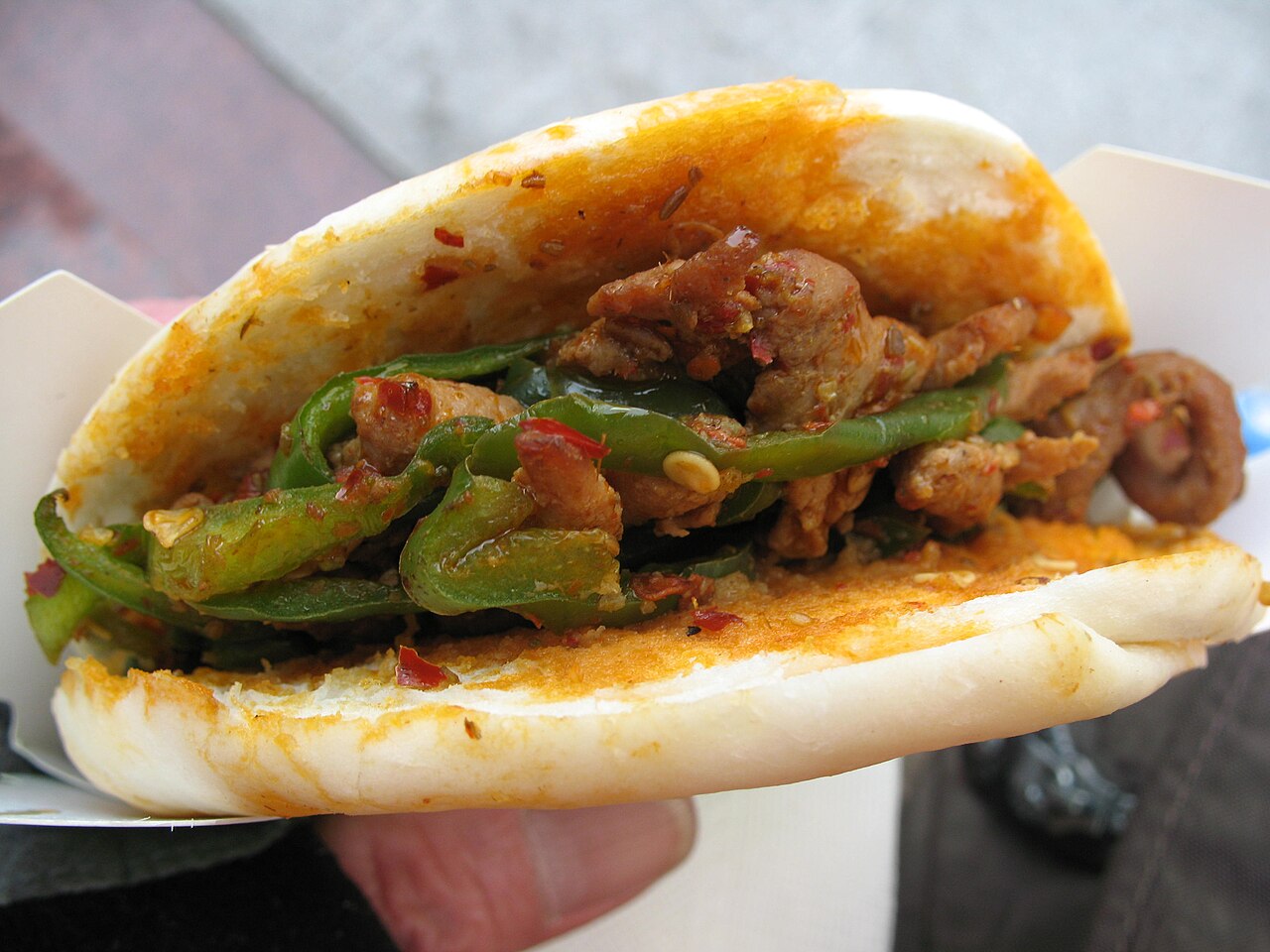 1
1
People call it "the world's oldest hamburger" — but it outranks the comparison. The wheat baijimo (白吉馍) bun is baked until its edges crackle and its centre stays pillowy, then split and packed with juicy braised meat. Two styles: the Han version uses braised pork (la zhi rou) simmered with twenty-odd spices, while the Hui-Muslim version in the Muslim Quarter uses lamb or beef stir-fried with cumin and green chili. One bite gives you crisp bread, sweet-salty meat and a slick of braising juice all at once.
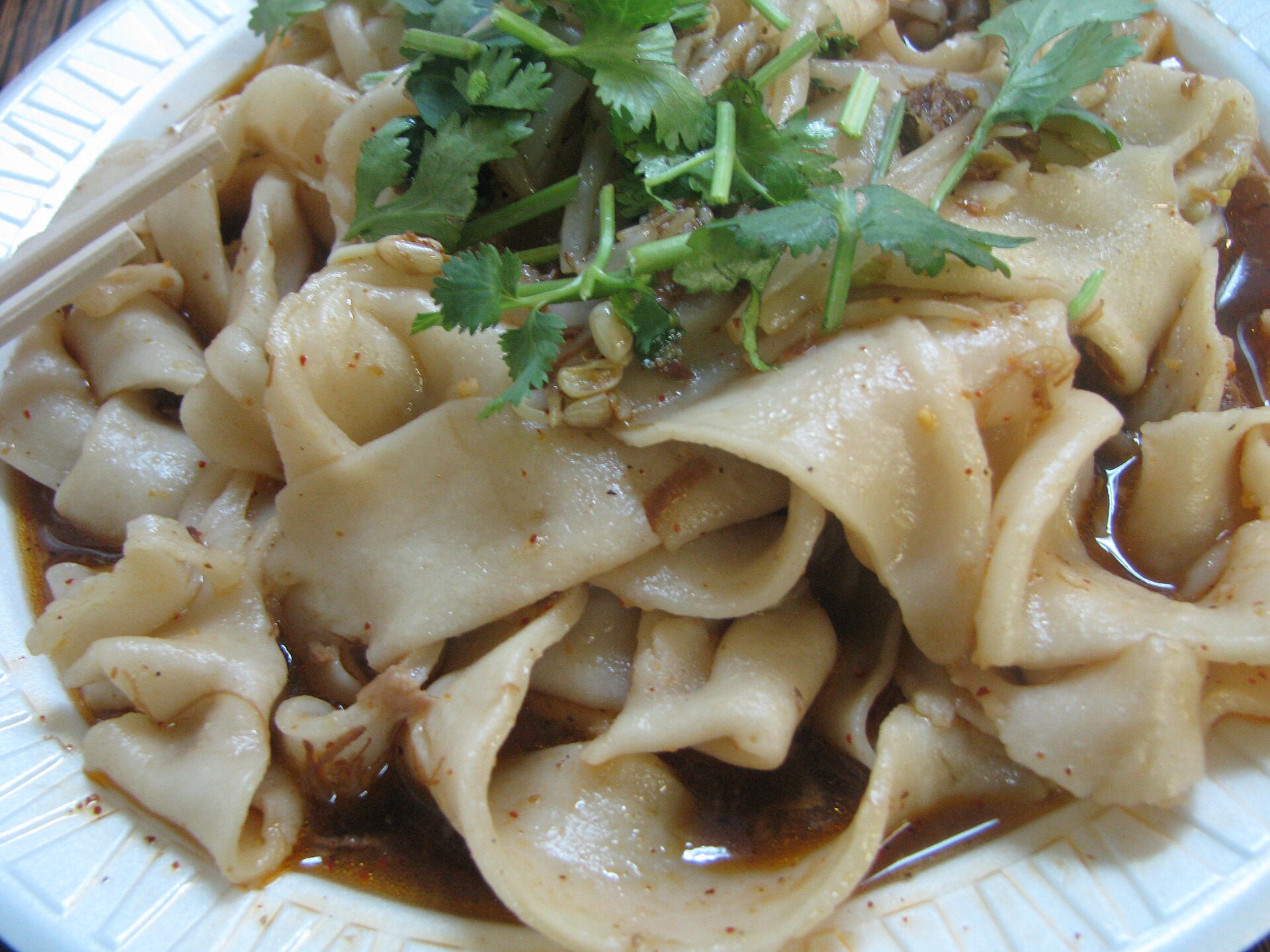 2
2
These noodles are famous partly for their own name — biáng (𰻝) has 57 strokes, so complex that ordinary computers can't type it and shops write it by hand. The noodles are hand-pulled wide and flat like a leather belt; a bowl might hold only 3–4 strands, but each is long and substantial enough to fill you up. The classic preparation is youpomian (油泼面): chili flakes, scallion and garlic piled on top, then a ladle of smoking-hot oil poured over so it sizzles and blooms. Toss it through before you eat.
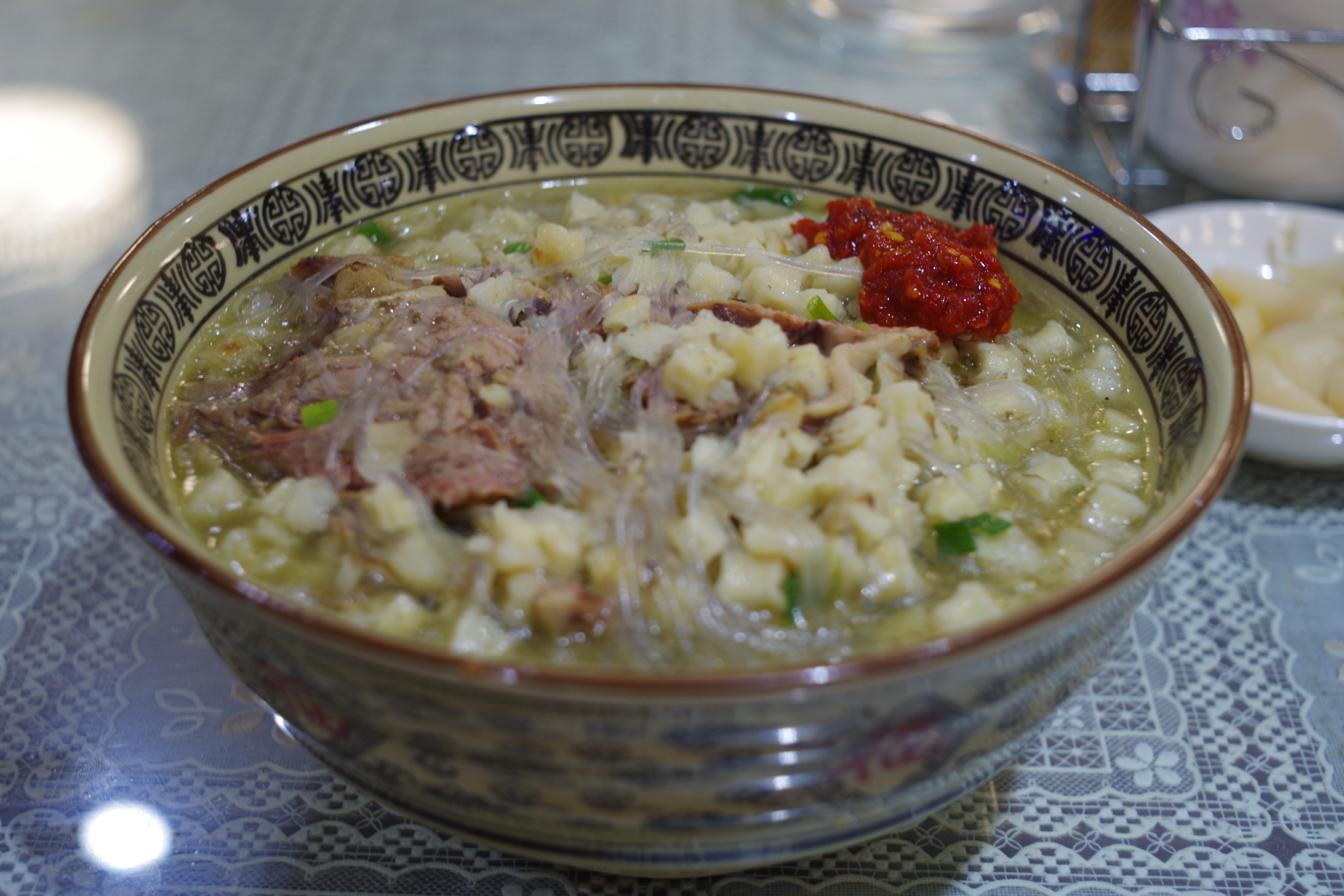 3
3
This is the dish Xi'an is known by, and the ritual is half the fun. The shop hands you a dense round of bread and an empty bowl first — your job is to tear the bread by hand into pieces the size of soybeans (the smaller the better for soaking; it takes 10–15 minutes). You return the bowl to the kitchen, which floods it with mutton broth simmered overnight and glass noodles. Eat it with pickled sweet garlic (糖蒜) and chili paste. Nothing fills and warms you better on a cold day.
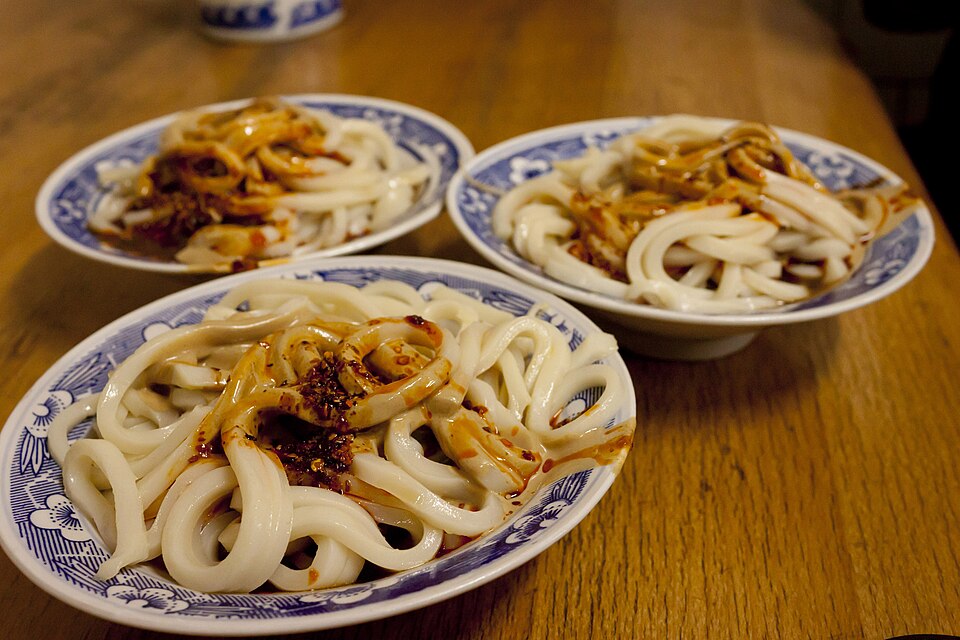 4
4
Wheat or rice starch is steamed into sheets and cut into wide ribbons — slippery, springy, with a bounce somewhere between a noodle and a rubber band. They're tossed with blanched bean sprouts, shredded cucumber and pillowy chunks of wheat gluten (面筋), then dressed with vinegar, garlic and fresh red chili oil, and served cold. The name means "cold skin," but locals eat it all year, winter included. Sour, spicy, cool and refreshing — the perfect foil to rich, greasy food, and impossible to get tired of.
A cold-morning favourite for locals — a thick, almost porridge-like brown soup with a white-pepper heat sharp enough to prickle the tongue. Inside you'll find lamb meatballs, potato, spinach, peanuts and wheat gluten. The Xi'an version differs from the Henan one by leaning on lamb and a heavier hand with spice. A splash of chili oil and vinegar before you slurp, and a roujiamo or fried-dough pancake on the side, and you have a breakfast that wakes you up better than coffee.
 6
6
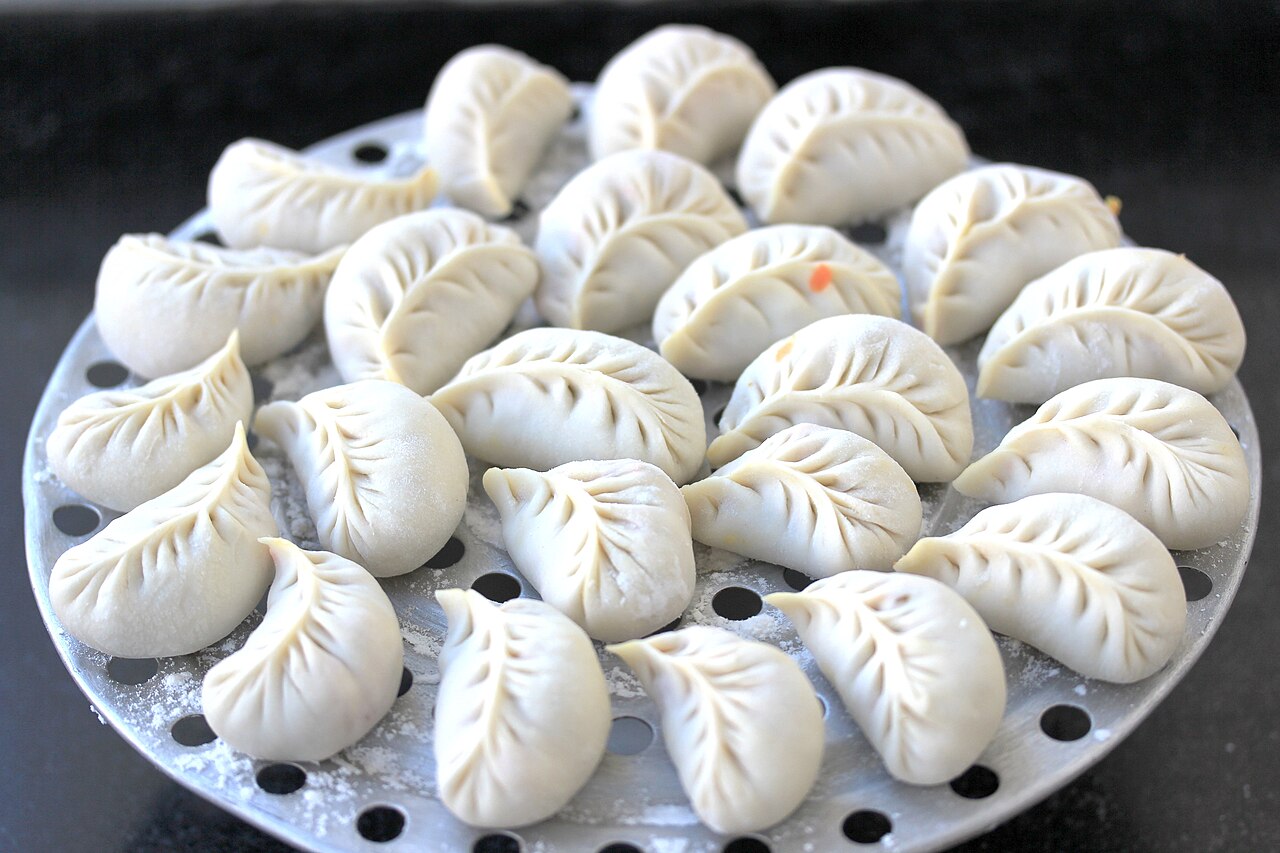
Xi'an elevated the humble dumpling into a whole "dumpling banquet" (饺子宴) — dozens of kinds across one meal, each pleated into a different shape that signals its filling: a goldfish, a walnut, a chicken. Fillings run from pork, shrimp and beef to mushroom and even sweet dessert versions, and it ends with a hotpot of tiny "dragon-pearl" dumplings whose count in your bowl is said to foretell your luck. De Fa Chang has been doing this since 1936 and holds a Guinness record for over 300 dumpling varieties.
Xi'an's take on the soup-filled bun — but unlike Shanghai's, the filling is halal lamb or beef, seasoned with ginger, scallion and a touch of Sichuan pepper. Thin skin holds a pocket of hot broth inside; you eat it like xiaolongbao, biting a small hole to sip the soup first before eating the rest. The famous shops in the Muslim Quarter steam them in big stacked baskets you can watch billowing with steam. Eat them with fragrant vinegar and slivered ginger.
 8
8
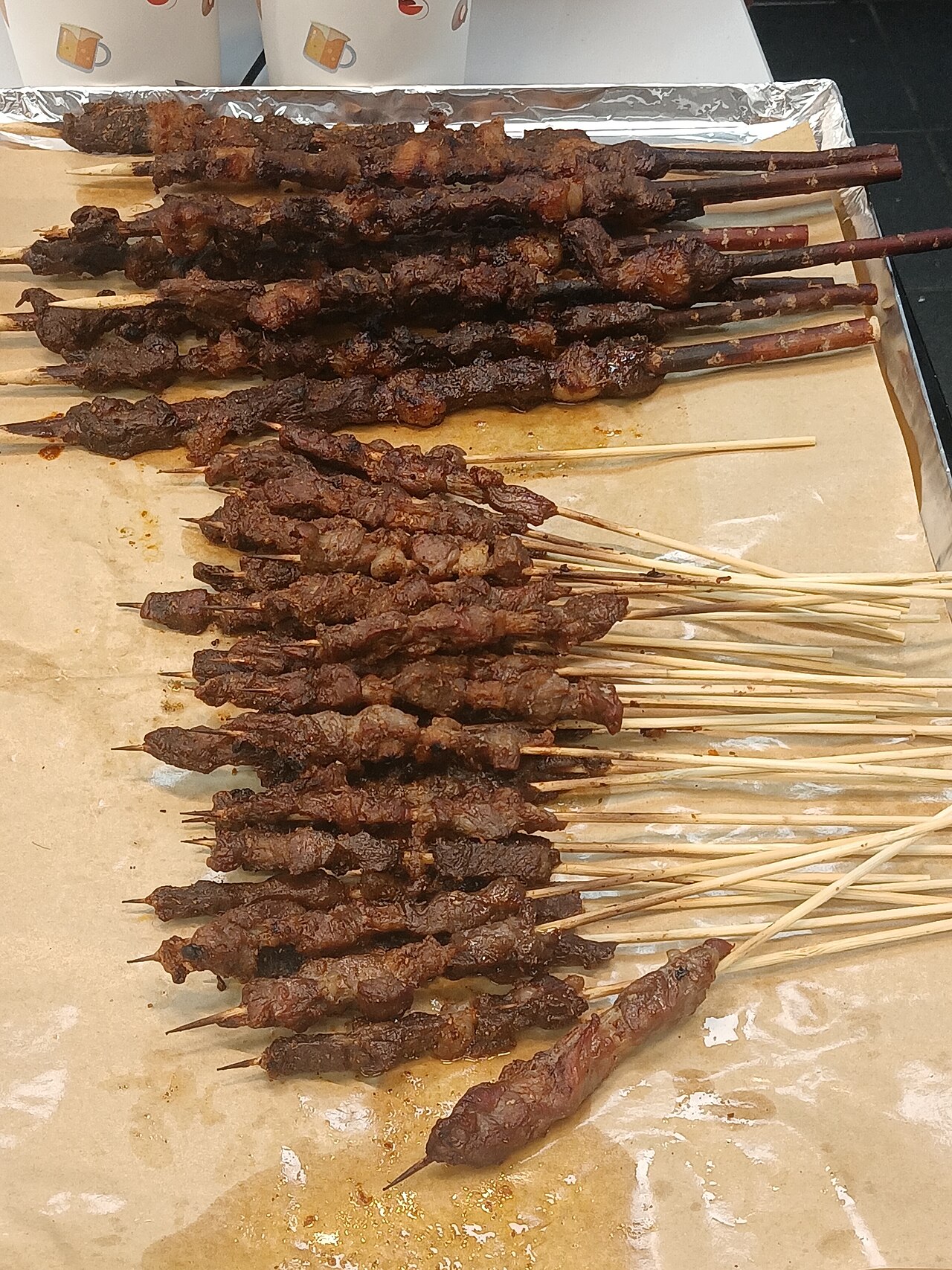
Walk into the Muslim Quarter at dusk and the first thing you meet is cumin smoke drifting down the lane. Cubes of lamb are threaded onto skewers and grilled over long charcoal troughs, the cook fanning the coals and showering them with cumin and chili flakes until the meat glows red with spice. Xi'an's big skewers use red-willow twigs (红柳) instead of bamboo, so the wood's scent seeps into the meat. Each bite delivers the richness of lamb fat and the toasty perfume of cumin — the essential evening snack.
A dish for the adventurous — a soup of pork offal (intestine and stomach) that's been painstakingly cleaned and simmered until any gaminess is gone, leaving a clear, spice-fragrant broth. Torn flatbread, just like in paomo, goes in to soak up the soup. The name "hulutou" (gourd head) comes from the shape of the cut of intestine used, and the dish traces back to the Tang dynasty. Locals consider it a winter restorative — milder and more rounded than you'd expect, and quietly addictive once you give it a chance.
A street sweet you'll see all over the Muslim Quarter — glutinous rice flour steamed in a tiny bamboo mould, round and flat like a little mirror (hence "jing," mirror). Steamed fresh in front of you until soft and chewy, it's set on a stick and rolled in sugar, black sesame, ground nuts and a drizzle of fragrant rose syrup (玫瑰). You get the chew of the rice and a gentle floral sweetness, all for a few yuan — a portable dessert to eat as you wander the lanes.
An ancient Xi'an breakfast named after the "zeng" (甑), an old earthenware steamer. Glutinous rice is layered with Chinese red dates (枣) and red beans and steamed for hours in a big pot until it turns deep red and stickily dense. The vendor scoops it from the pot into a cup so you can see the alternating strata of rice and dates. It's naturally sweet from the dates alone, no added sugar needed — and a cup of it warm on a cold morning is the kind of simple pleasure people here have eaten for generations.