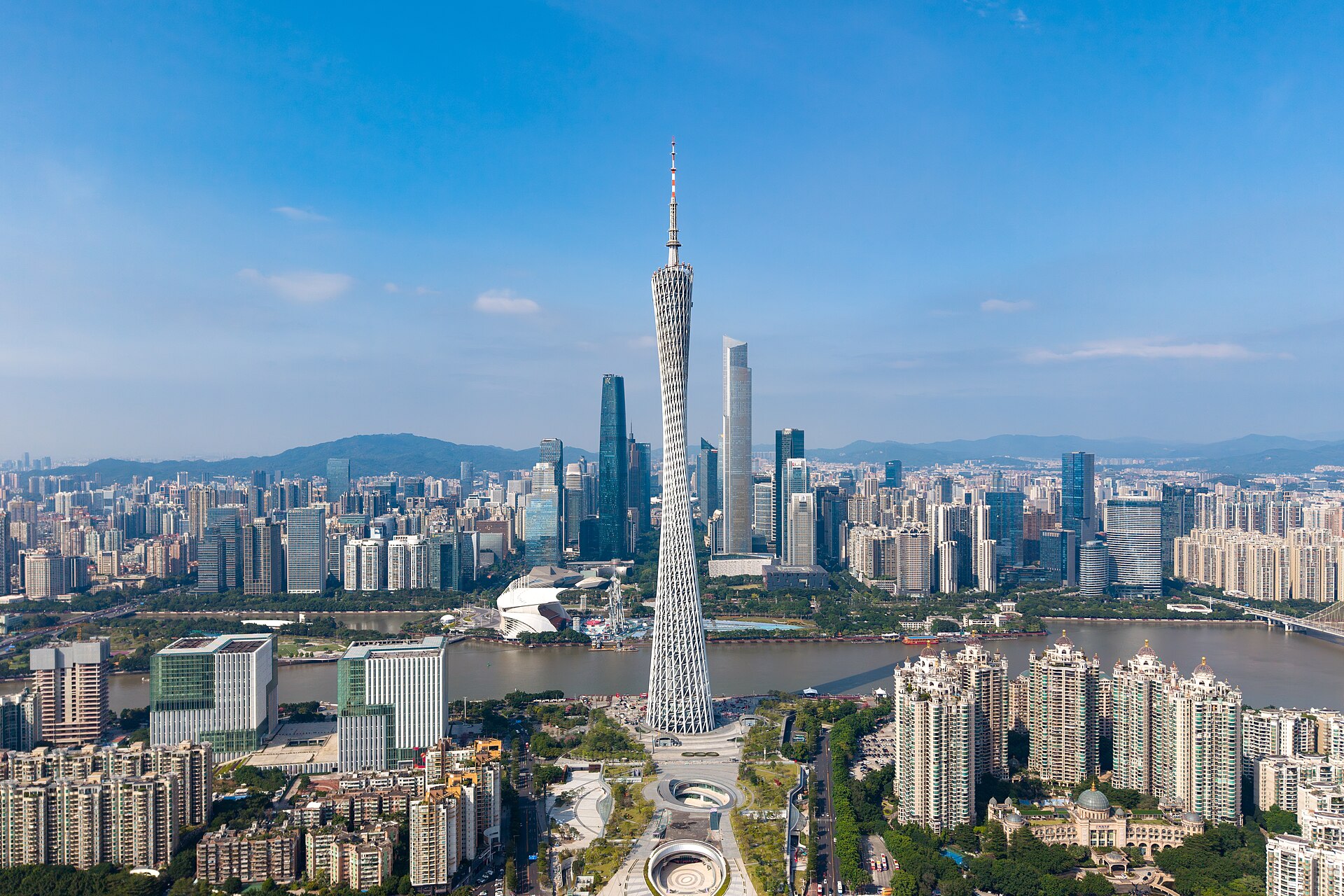
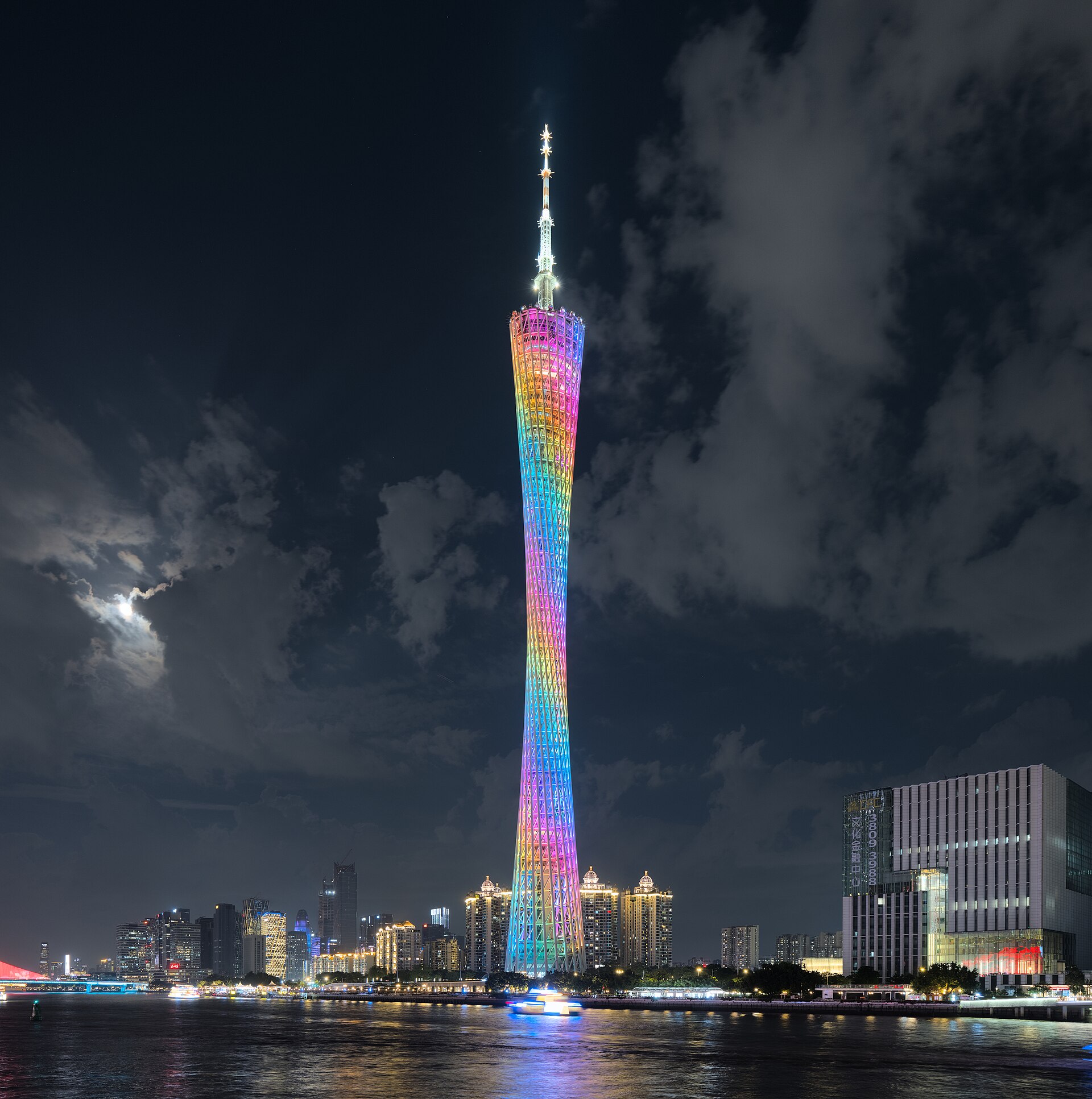
The home of Cantonese cooking — a city where you start the morning with tea and dim sum in a century-old tea house, wander colonial Shamian Island in the afternoon, and end the evening on a river cruise under the 600-metre Canton Tower. This guide is built from verified facts and real visitor accounts to get you ready before you land.
If you love food, Guangzhou belongs on your once-in-a-lifetime list. This is the source of Cantonese cuisine — the dim sum, roast meats and clear soups that define Chinese restaurants in Hong Kong and around the world all trace back here. Locals have practised yum cha — going out for morning tea and dumplings — for over a century. And Guangzhou is closer to home than you might think: roughly three and a half hours' direct flight from Bangkok, much nearer than Beijing or Shanghai.
Easy to get around — the Guangzhou Metro runs around 16 lines and is one of the busiest systems on earth; fares are ¥2–14 (~฿10–70) per ride and reach every major sight. Genuinely safe — crime rates are low and the main districts are well-lit at night. Layered in a way few cities are — colonial Shamian Island, the old Liwan district, centuries-old temples and the glass towers of Zhujiang New Town, with Canton Tower as the centrepiece. And the high-speed rail puts Shenzhen and Hong Kong within an hour.
Two to three days covers the main highlights without rushing: Canton Tower and a Pearl River cruise, Shamian Island and the old Liwan district, Yuexiu Park and Beijing Road. Five days lets you move at an easier pace, fit in dim sum at every meal, and add a day trip to Shenzhen or Hong Kong.
Day 1: Early dim sum, Yuexiu Park and the Five Rams statue, shopping on Beijing Road, then Canton Tower or a Pearl River cruise at dusk. Day 2: Shamian Island, the Sacred Heart Cathedral, the Chen Clan Academy, and Shangxiajiu Pedestrian Street. Day 3: At your own pace, or a day trip.
Days 1–3 as above, at a slower pace. Day 4: A day trip to Shenzhen by high-speed rail (30–35 minutes — a modern city of tech and theme parks) or Hong Kong (48 minutes, separate border control). Day 5: Baiyun Mountain for fresh air and city views, design cafes, and the wholesale markets for shoppers.
Itineraries for every schedule: 1 day (layover) · 2 days · 3 days · 4 days · 5 days
October to December is Guangzhou's best window — dry, cool and clear, around 18–26°C, comfortable for walking all day. January to February is mild (10–18°C) but can turn grey and damp. Summer (Jun–Sep) is hot and very humid, around 33–35°C, with thunderstorms and typhoon season. Full monthly breakdown at when to visit Guangzhou →
Since 1 March 2026, Thailand and China have a mutual visa-free arrangement. Thai ordinary passport holders enter China for tourism, business or family visits and stay up to 30 days per trip without applying in advance. Policy can change without much notice, so check the current rules at China visa-free entry guide → before committing to flights.
Flights from Bangkok land at Baiyun International Airport (CAN — 广州白云), about 28 km north of the city. If you arrive by high-speed rail from another city, you will most likely come into Guangzhou South (Guangzhounan).
Metro Line 3 (north extension): the cheapest option at ¥7 (~฿35), running from the airport down the central spine of the city; you change lines once, total around 50–70 minutes. Airport Express buses: ¥20–36 (~฿100–180) to rail stations and city points, 60–90 minutes. Taxi / DiDi: ¥100–150 (~฿500–750), about 50 minutes — best if you have several bags. There is no maglev as in Shanghai.
The city's main HSR hub. Shenzhen is 30–35 minutes away, Hong Kong (West Kowloon) 48 minutes, Guilin 2.5–3 hours, Changsha 2.5 hours, Wuhan 3.5–4 hours. Guangzhou Station (the older, central one) and Guangzhou East are both more central and connect by metro. Book through Trip.com or the official 12306 app.
The metro is the easiest way to move between sights. Around 16 lines, English signage at stations, fares ¥2–14 (~฿10–70). Key lines: Line 1 for Shamian Island and the old town (alight at Huangsha 黄沙); Line 2 for Yuexiu Park and the Memorial Hall; Line 3 for the airport and the central spine (very crowded at peak); the APM line links the Zhujiang New Town sights. Pay by scanning an Alipay or WeChat Pay QR code at the gate, or buy a Yang Cheng Tong (羊城通) card. Full guide at Guangzhou metro guide →
China runs primarily on Alipay and WeChat Pay. Hotels and large department stores accept Visa and Mastercard. Old tea houses, noodle shops, dessert stalls and most small venues use mobile payment — there is often no card reader at all. Set up the tourist version of Alipay before you leave home: it accepts foreign Visa and Mastercard and works immediately. Alternatively, withdraw yuan from a Bank of China or ICBC ATM on arrival as a backup. Full guide: paying in China →
Guangzhou is a large city, but the main attractions cluster into a handful of districts. Choosing the right one before you book a hotel saves time every day of the trip. Full neighbourhood guide →
The skyscraper district directly across the river from Canton Tower, with Taikoo Hui malls and Metro Line 3 / APM at your door. It is the most practical base for a first visit: central to everything, smooth to get around, and well stocked with restaurants and shopping.
The historic heart of the city, with a pedestrian shopping street, temples, parks and centuries of history around you. Step out of the hotel and you can walk straight into the sightseeing. Plenty of budget and mid-range hotels here.
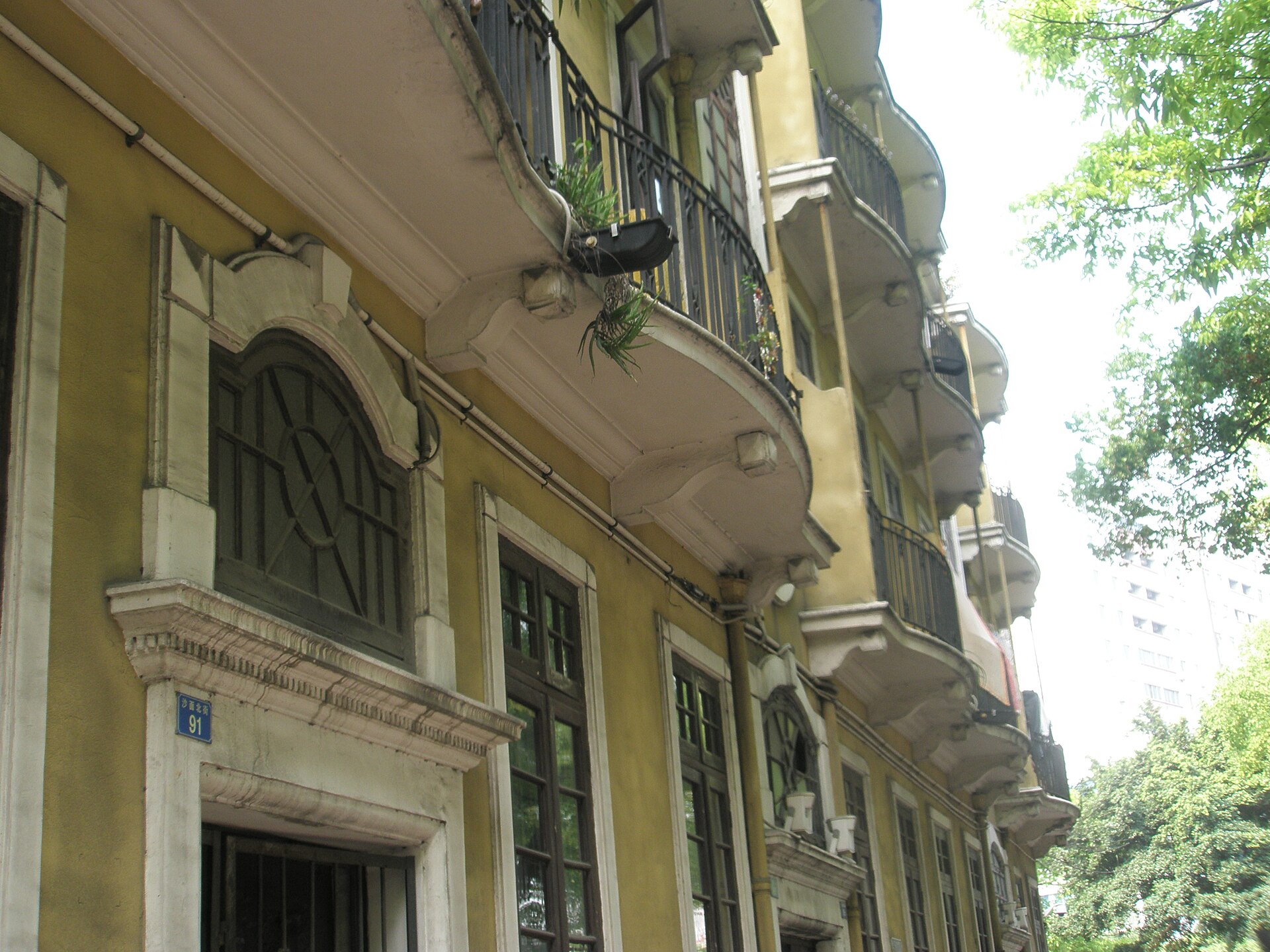
A small riverside island of European colonial buildings, shaded by huge banyan trees, with little traffic and a calm, old-Guangzhou atmosphere. Close to Shangxiajiu and the Qingping market. The choice if you want quiet and a sense of the city's past.
Staying near Guangzhou South is convenient for day trips by high-speed rail to Shenzhen or Hong Kong. Pazhou (琶洲) is the site of the Canton Fair complex, with a cluster of upscale hotels (Shangri-La, Langham, Westin) — handy during the fair, though not the most atmospheric base otherwise.
Guangzhou has more attractions than most visitors can cover in a single trip. These six are the core — the places that best explain why the city is worth the journey. Full details at Guangzhou attractions → or day trips around the city →
The symbol of modern Guangzhou — a slim, 600-metre twisting tower on the Pearl River that shifts colour after dark. There are observation decks, a rooftop Ferris wheel and a Sky Drop. The single view that best captures the contemporary city.
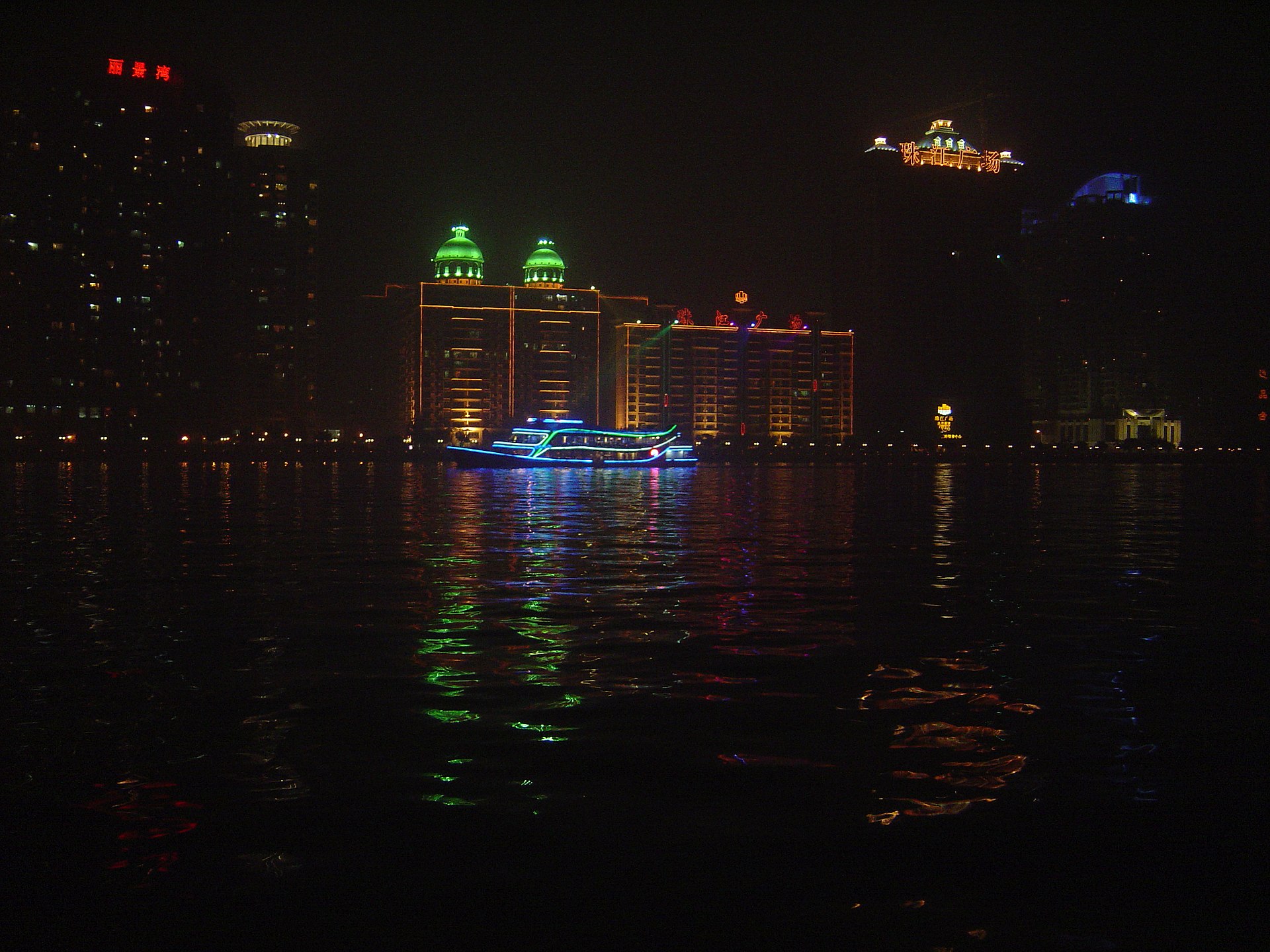
An evening cruise past illuminated bridges, the Zhujiang New Town skyline and Canton Tower mid-colour-change. It is one of those simple things every first-timer should do once — atmospheric, romantic, and the easiest way to see the city's two riverbanks at their best.
A small riverside island that was once a Western concession, lined with European buildings over a century old and shaded by enormous banyans. Quiet, almost car-free, and one of the most photogenic corners of the city — a lovely place to simply walk.
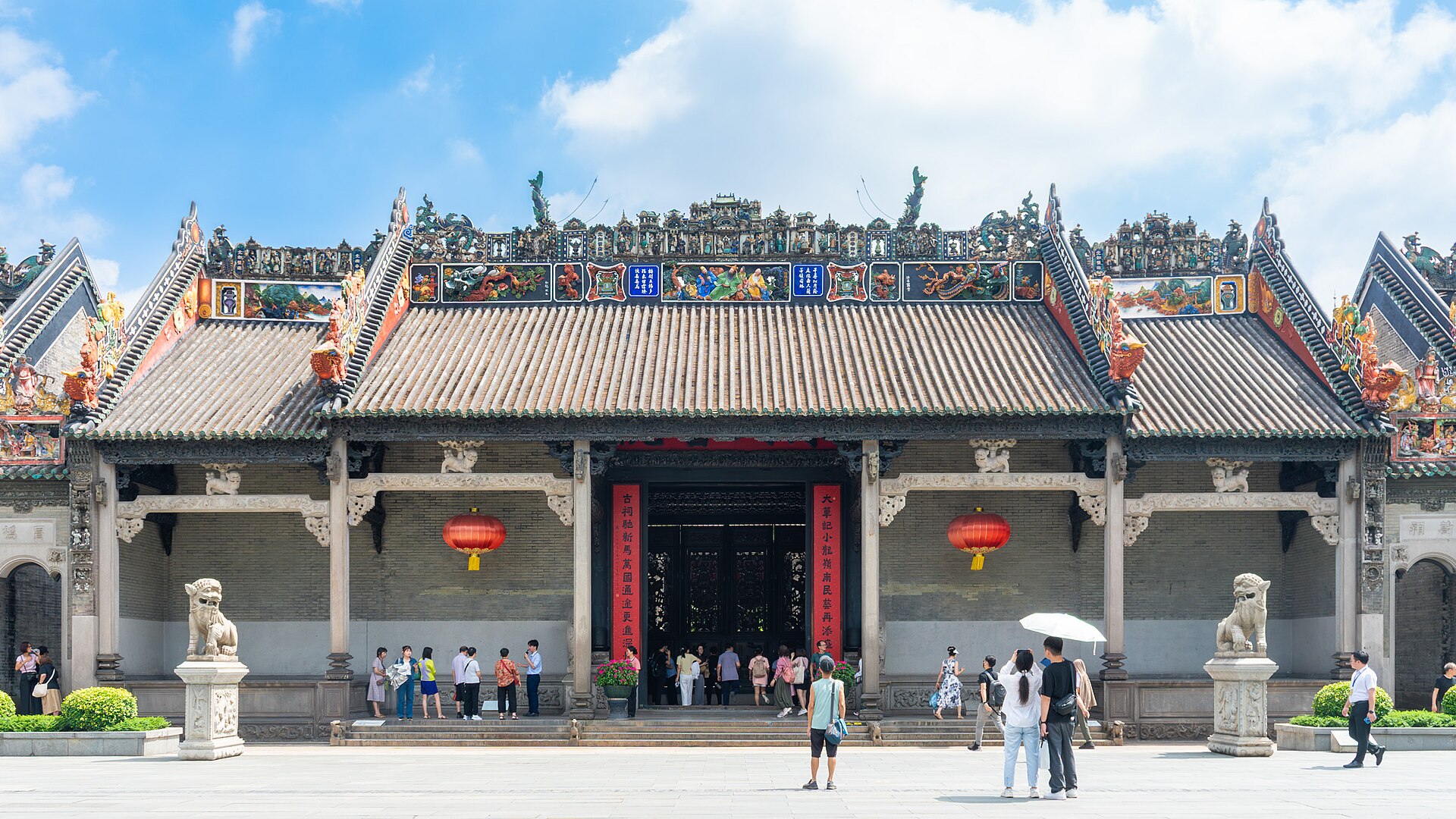
An ancestral hall from 1894 that doubles as a showcase of Cantonese craftsmanship — ceramic roof figures, carved wood and stone, plaster relief, all in one complex. Today it houses the Guangdong Folk Art Museum and is among the most rewarding stops in the city.
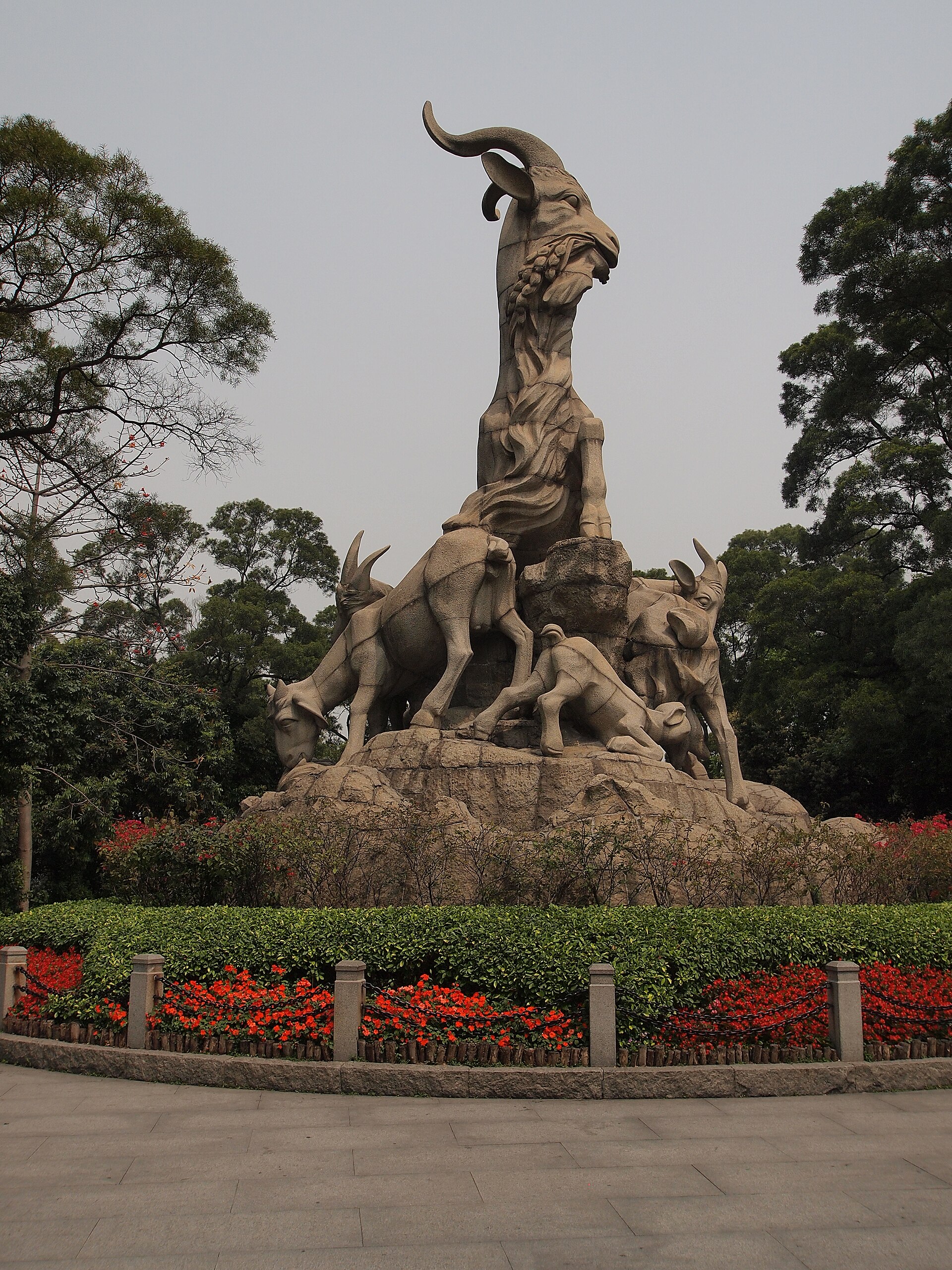
Guangzhou's largest central park and home to the Five Rams statue, the city's emblem. Green hills, a lake and a surviving stretch of the old city wall. Locals come at dawn to exercise and practise tai chi — a relaxed, local slice of the city between the sights.
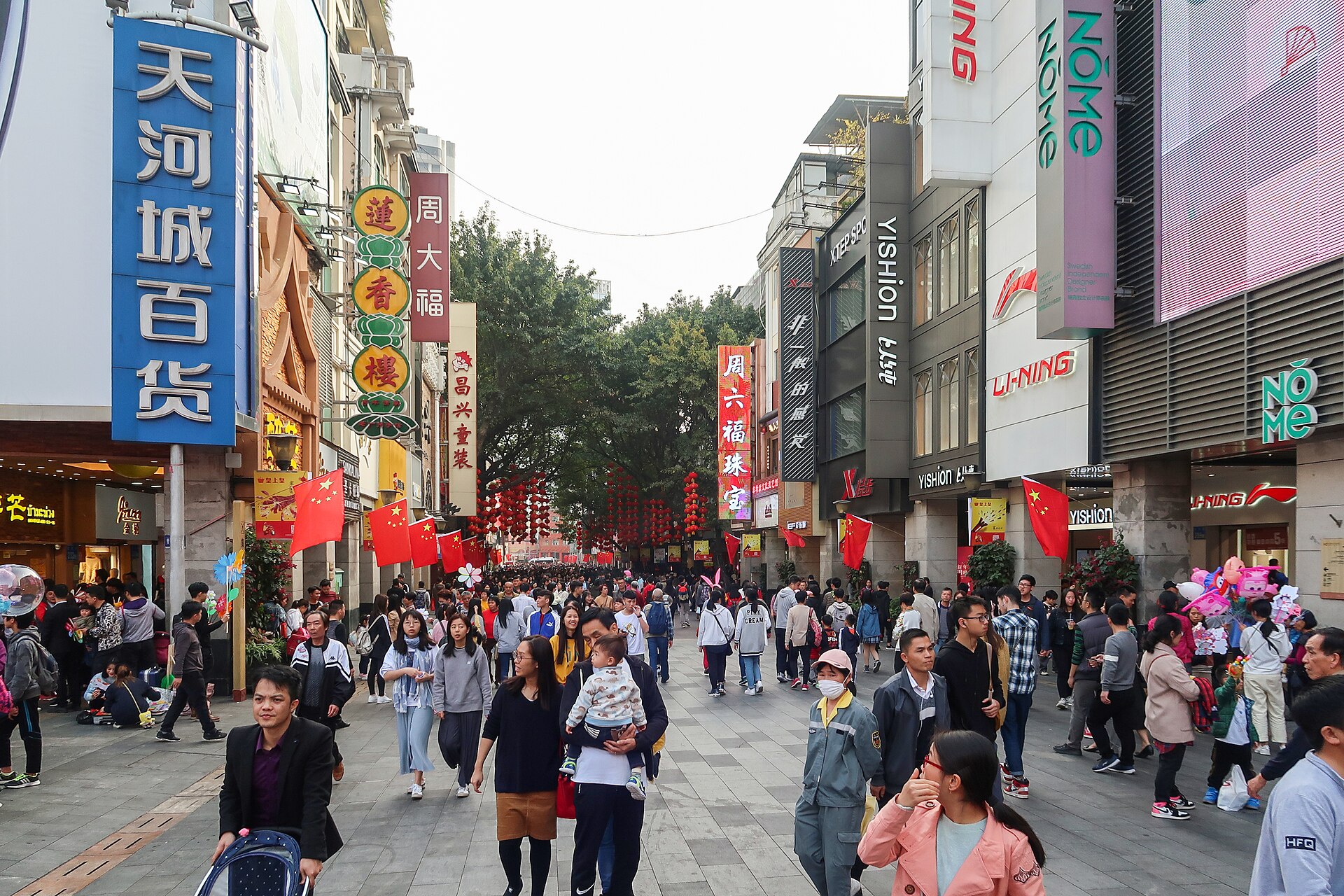
A downtown pedestrian shopping street mixing modern stores with old shopfronts. Its quirk: a section of excavated ancient paving preserved under glass underfoot, so you read the city's history while you shop. Busy and lively in the evening.
For many travellers this is the whole reason to come — Cantonese cooking at the source, from dim sum in old tea houses to celebrated roast meats, congee and noodles, and sweet soups (糖水). The culture of yum cha here goes back over a hundred years. Full guide: Guangzhou food guide →
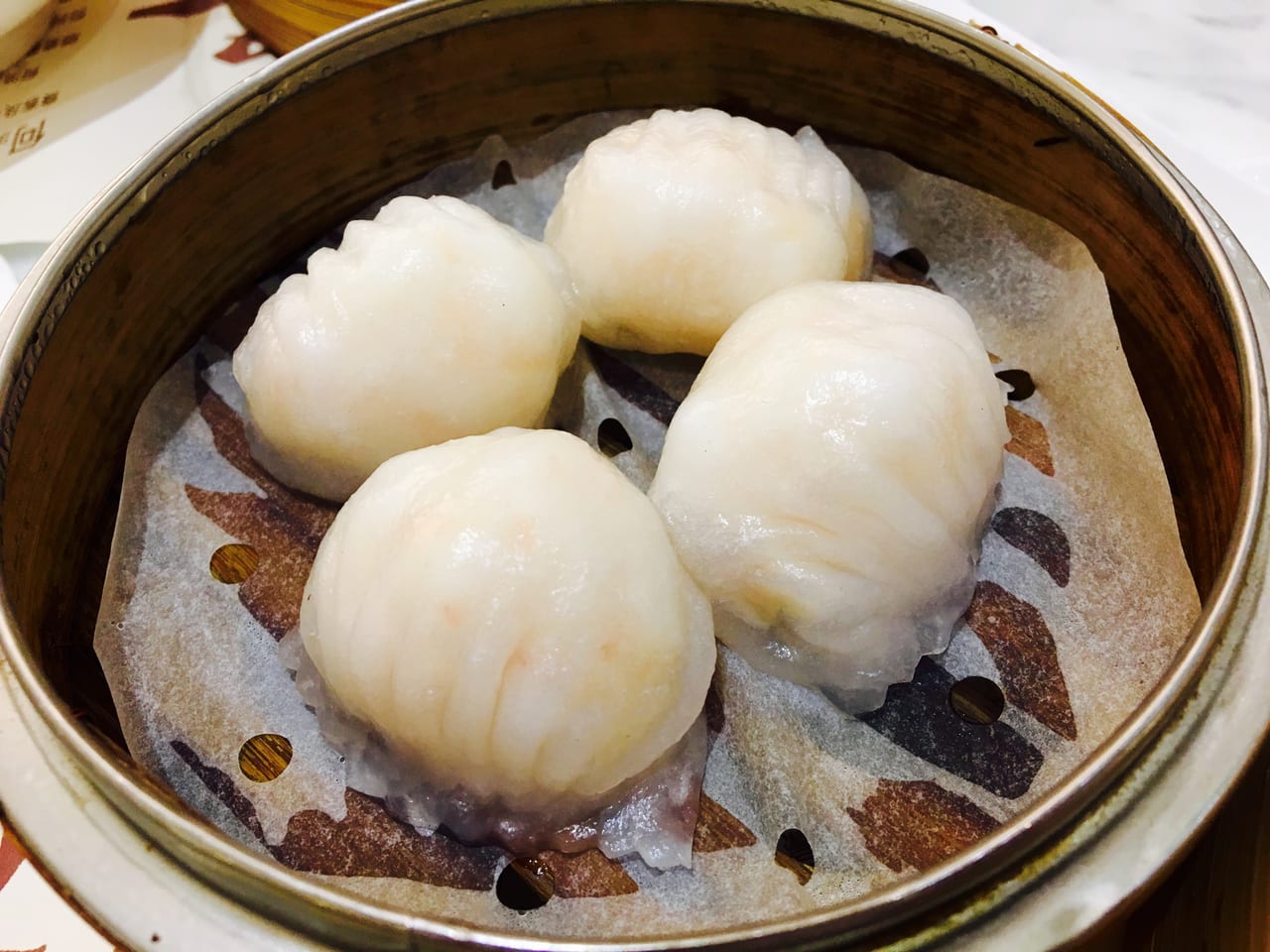
Locals call it yum cha — a long, unhurried morning meal of tea and small dishes. Har gow (prawn), siu mai, char siu bao, sticky-rice parcels: you order a tableful and keep the tea topped up as you go. Doing this once in one of Guangzhou's old, multi-storey tea houses is the most authentic meal of the trip.
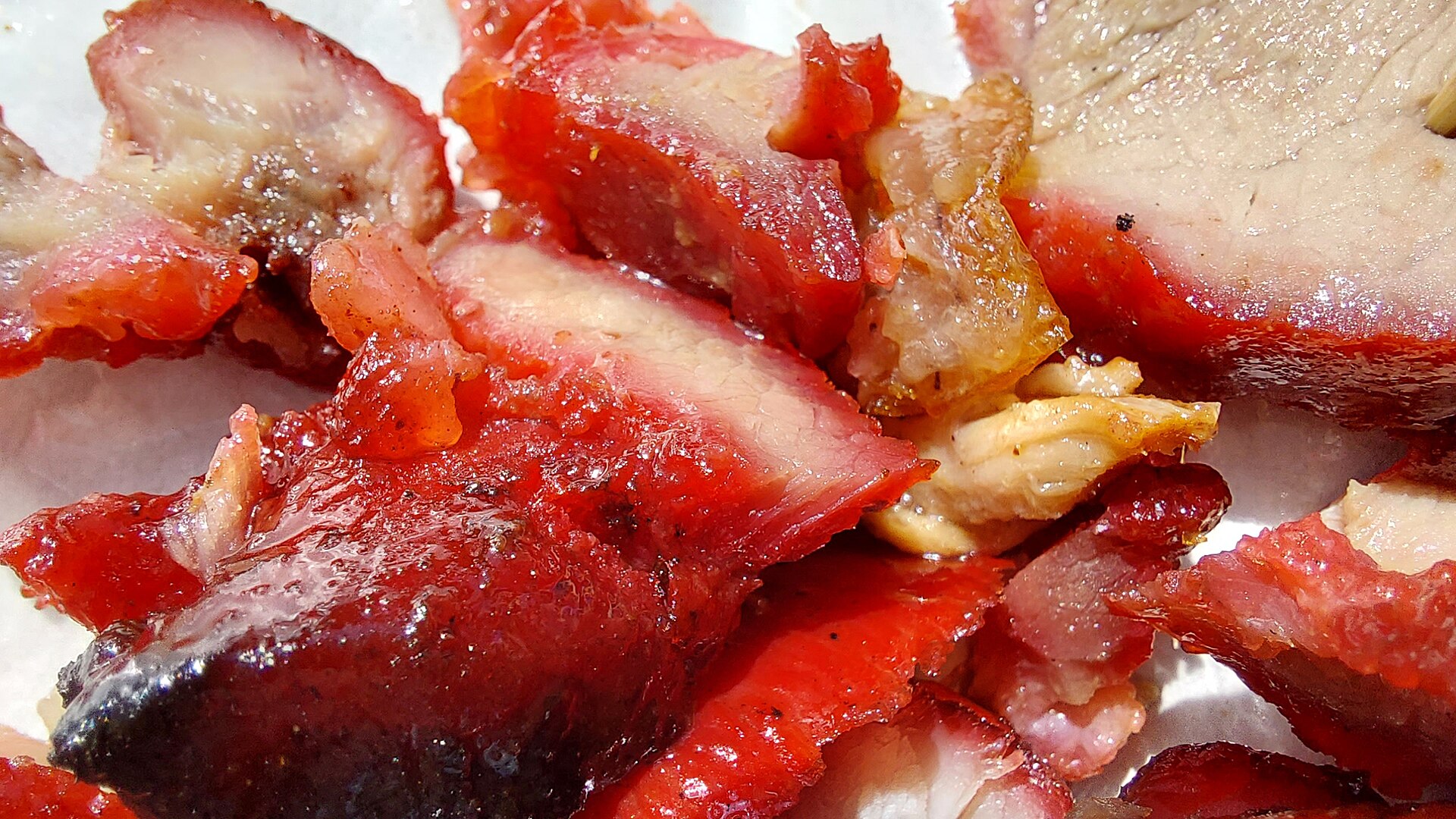
Walk past a roast-meat shop and you see them: glossy red char siu, crisp-skinned pork belly, roast goose and duck hanging in the window. It is a quintessential Guangzhou sight. Served over rice or alongside noodles, the flavours are deep and the technique a serious craft.
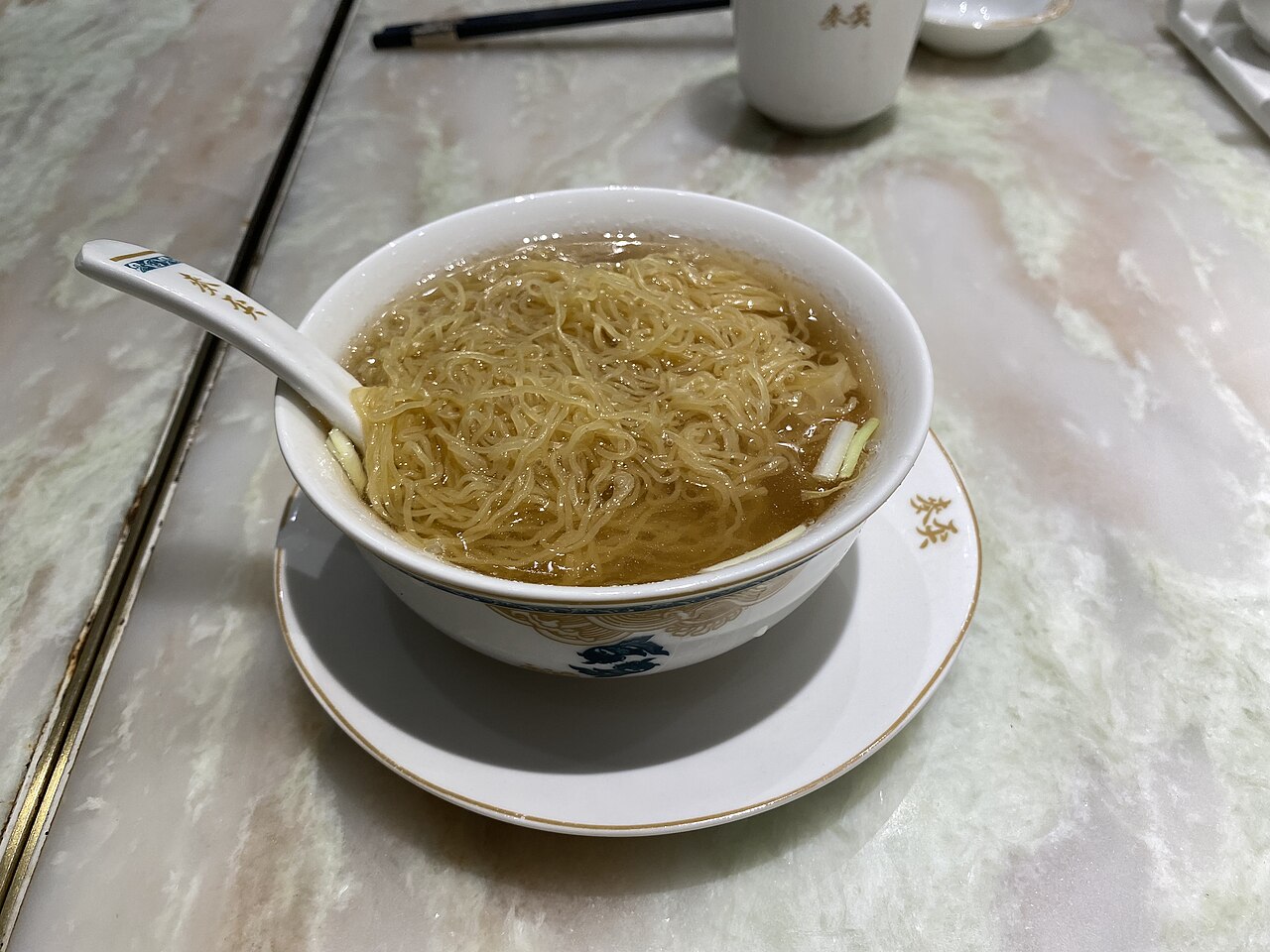
Springy egg noodles with prawn wontons in clear broth; wide rice noodles stir-fried with beef (chow fun); and Cantonese congee simmered until it melts in the mouth. These are the everyday one-bowl meals locals eat daily — found across the city, delicious and very affordable.
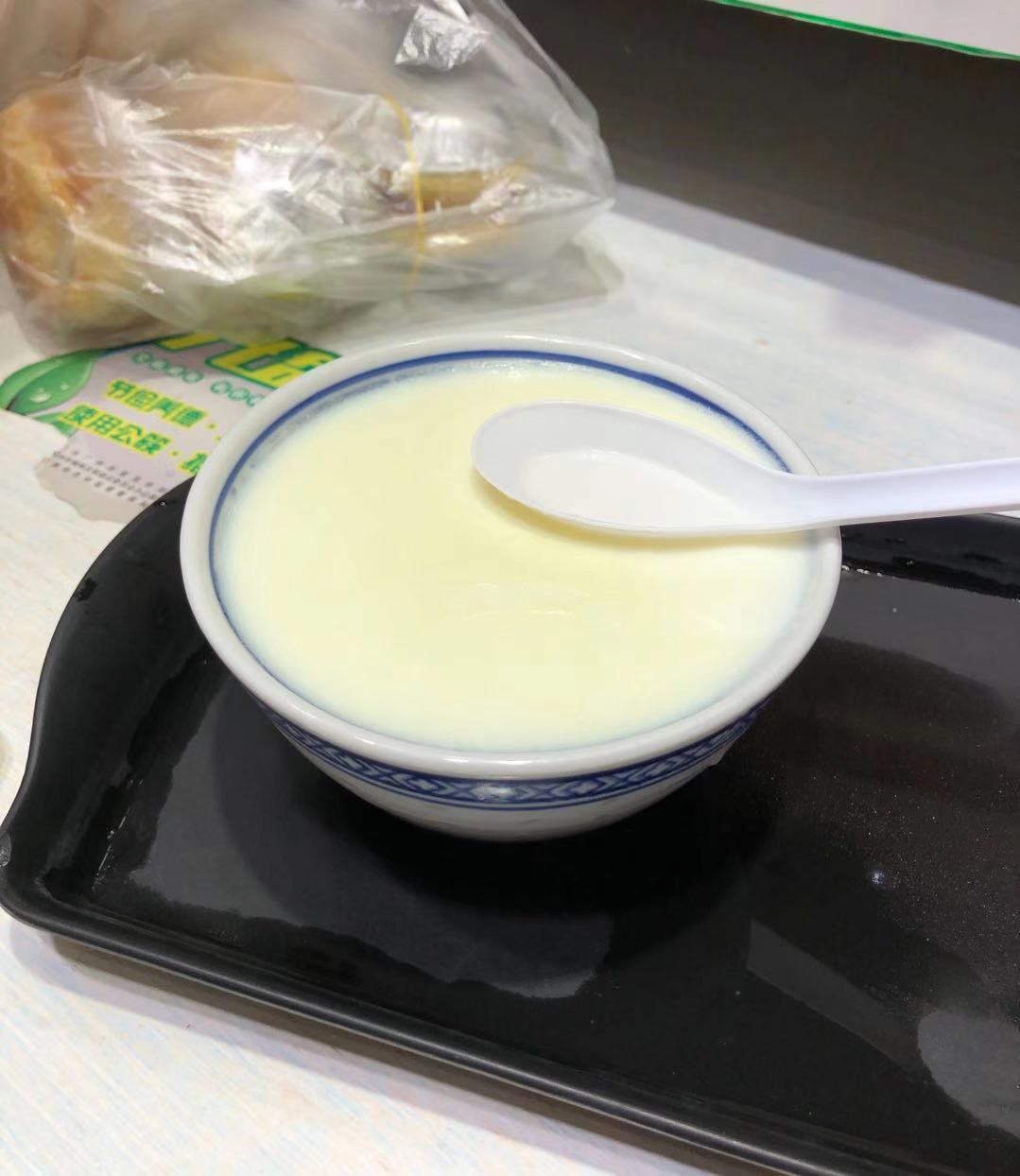
A Cantonese meal ends with tong sui — sweet soups. Silky double-skin milk custard, ginger tofu pudding, mango sago, warm sweet-bean soups. Dessert shops are all over the city and stay open late; it is a dessert culture Guangzhou takes pride in.
More food resources: street food → · Chaoshan cuisine → · cafe guide →
Guangzhou works for almost any budget. The metro is cheap, most attractions are inexpensive, and local Cantonese restaurants are superb value. At the other end, the luxury hotels and high-end dining can climb as far as you like. Full breakdown: Guangzhou trip budget guide →
| Level | Accommodation/night | Food/day | Approx. total/day |
|---|---|---|---|
| Budget | ¥150–300 (~฿750–1,500) hostel or budget hotel | ¥70–140 (~฿350–700) | ¥250–500 (~฿1,250–2,500) |
| Mid-range | ¥400–800 (~฿2,000–4,000) 3–4 star hotel | ¥180–380 (~฿900–1,900) | ¥650–1,300 (~฿3,250–6,500) |
| Luxury | ¥1,200–4,000+ (~฿6,000–20,000+) | ¥500–1,800+ (~฿2,500–9,000+) | ¥2,200–7,000+ (~฿11,000–35,000+) |
Metro fares of ¥2–14 per trip add very little to the daily total. Most attractions are cheap (¥0–30 — Yuexiu Park and Shamian Island are free, the Chen Clan Academy around ¥10), with Canton Tower and the river cruise the main paid items. More detail at China travel budget guide →
Google Maps, Gmail, Translate, YouTube, Facebook, Instagram, WhatsApp and LINE all stop working the moment you connect to a Chinese SIM or network, unless you have a working VPN. Set it up on your phone at home — configuring a VPN from inside China is harder. Download Amap (Gaode Maps) for navigation — it works without a VPN and has English. For the internet itself, see VPN and eSIM guide →
Old tea houses, noodle shops, dessert stalls and market vendors often have no card terminal at all — mobile payment (Alipay or WeChat Pay) is the only option. The tourist version of Alipay accepts foreign Visa and Mastercard and takes a few minutes to set up. Alternatively, withdraw ¥500–1,000 from an ATM on arrival for small purchases. Major chains and hotel restaurants accept credit cards without issue.
Metro stations have English signs throughout, but Guangzhou taxi drivers typically cannot read a romanised address. Save your hotel and key destinations in Chinese characters on your phone, or show the driver an Amap pin. Most drivers accept DiDi (China's ride-hailing app), which shows the route in-app and removes the language barrier entirely.
Tipping is not part of Chinese restaurant or taxi culture. Leaving money on the table may prompt staff to chase after you to return it, thinking you forgot it. Pay the bill total and nothing more. The exception is some international-brand hotels, where a small gratuity for exceptional service is understood but still not required.
This is the trap first-timers don't see coming — the Canton Fair (广交会) runs around mid-April and mid-October, when business travellers fill the city, hotels sell out, and prices climb several times over. Unless you are attending, check the fair calendar before you book flights. Full seasonal guide: when to visit →
Guangzhou sits in China's far south. Summer (Jun–Sep) is hot and humid at 33–35°C, with heavy rain and typhoon season. In March and April the huinantian (回南天) brings humidity so high that walls sweat with condensation. Walking outdoors all day will wear you down — bring an umbrella, breathable clothes, and always have an indoor backup (a mall, a museum, a long dim sum lunch).