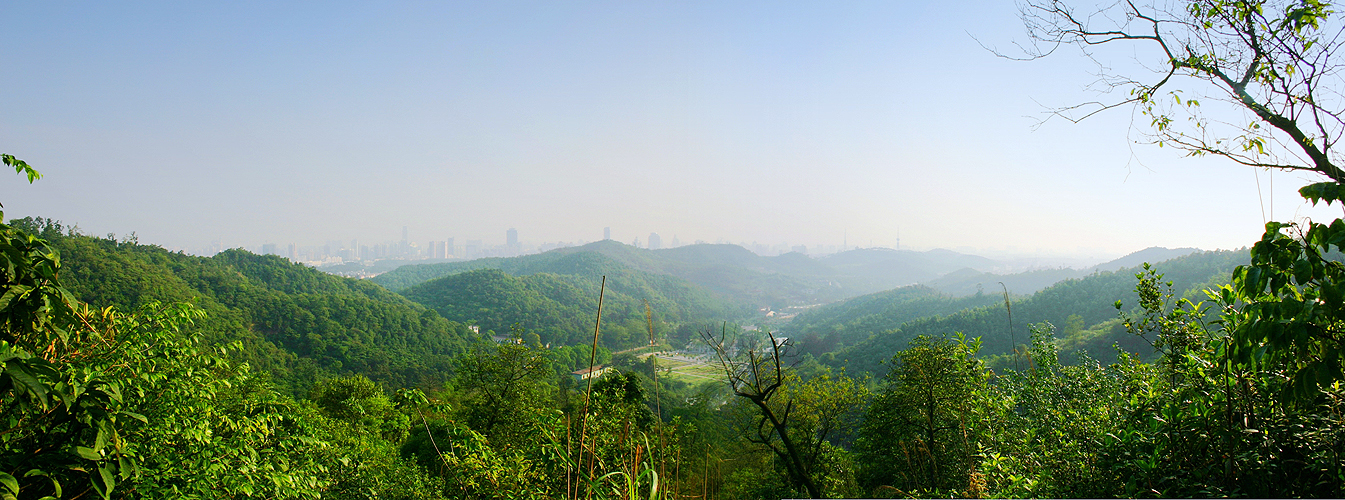
Glowing riverside towers on the first night, colonial brick lanes on Shamian Island the next day, a green mountain above the city on the third morning — three days is exactly enough to see Guangzhou's new and old sides, and eat extremely well doing it.
Guangzhou gets overlooked. Travellers picture factories and wholesale markets and book a connection through it instead of a stay in it. Spend a few days here, though, and you find the birthplace of all Cantonese cooking — the city where dim sum, char siu and roast goose were born and refined over a century — wrapped around one of China's prettiest riverfronts and hiding a colonial-era old town on an island most visitors never reach.
This plan is built for a first visit to Guangzhou. It deliberately leaves out Chimelong (a full day of its own) and out-of-city day trips (see the day-trips guide for those). What it does include is every distinct "world" the city contains: modern riverside Guangzhou, colonial old Guangzhou, the finest Lingnan architecture in the region, a green mountain above town — and, most importantly, the dim sum tables where locals start every morning. Every leg runs on the metro — no taxis needed, no navigation stress.
Want more time? A high-speed day trip to Shenzhen or Hong Kong, or a day at Chimelong, slots in neatly as a fourth or fifth day — or browse all Guangzhou attractions first.
A glass-tower CBD in the afternoon, a 600-metre tower for the view, and a river cruise beneath the city lights — the day that rearranges what you thought Guangzhou was.
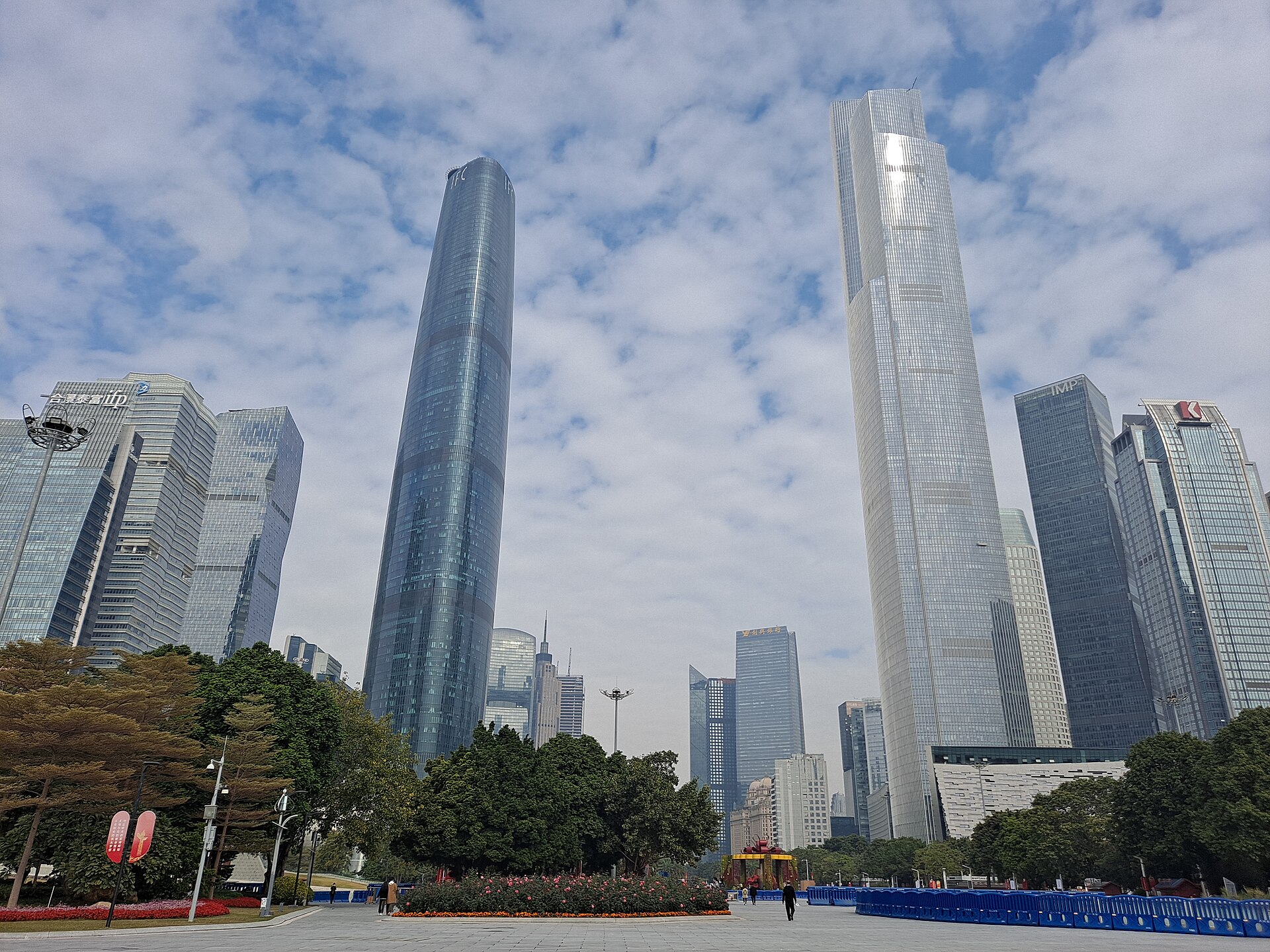
Start the day at Huacheng Square, the heart of the modern Zhujiang New Town CBD — a wide pedestrian plaza flanked by skyscrapers on both sides. At one end stand the sculptural Guangdong Museum and Guangzhou Library; across the river rises Canton Tower. The morning air is cooler, so this is the comfortable time to wander and shoot photos before the heat builds.
If you want to escape the sun, the Taikoo Hui and Mall of the World shopping centres are within walking distance of the station — cafés, restaurants and air-conditioned calm before lunch. Find a dim sum house in the area for your first proper meal: Guangzhou dim sum is something you should not put off past Day 1.
In the afternoon, cross the river to Canton Tower, the city's icon — a slender, waisted "twist" of a tower 600 metres tall and one of the tallest in the world. Ride up for a 360-degree view: there are several deck levels, from the glassed-in floors at 428–433 metres to the open-air deck at 488 metres, the highest. Tickets start around ¥150, and 1.5 to 2 hours is plenty.
Timing tip: go up in the late afternoon, around 4 to 5 pm, and you catch the daytime view, sunset, and the first city lights all in one window — by far the best value. For the deck breakdown and the extra rides (Bubble Tram, Sky Drop), see the Canton Tower guide.
Close the first day with a Pearl River night cruise — the classic Guangzhou experience nobody should skip. Boats run from roughly 7 pm to 9:40 pm and last 60 to 90 minutes, sailing you between two riverbanks that light up the full way: Canton Tower shifting colours, the bridges floodlit, the riverside towers all glowing. It is a completely different read on the city from the one you got at the top of the tower.
Tickets come in tiers, from a standard boat at ¥70–100 up to a luxury vessel with buffet at ¥150–300. The main piers are Tianzi Pier (天字码头) and Dashatou — choose a 7:30 to 8:00 pm departure for both the dusk colours and the full city lights. See the pier and departure options in the Pearl River cruise guide.
An island where time stopped in 1900, a granite cathedral in the heart of the old town, an ancestral hall where every square inch is carved — and yum cha the way Guangzhou actually does it.
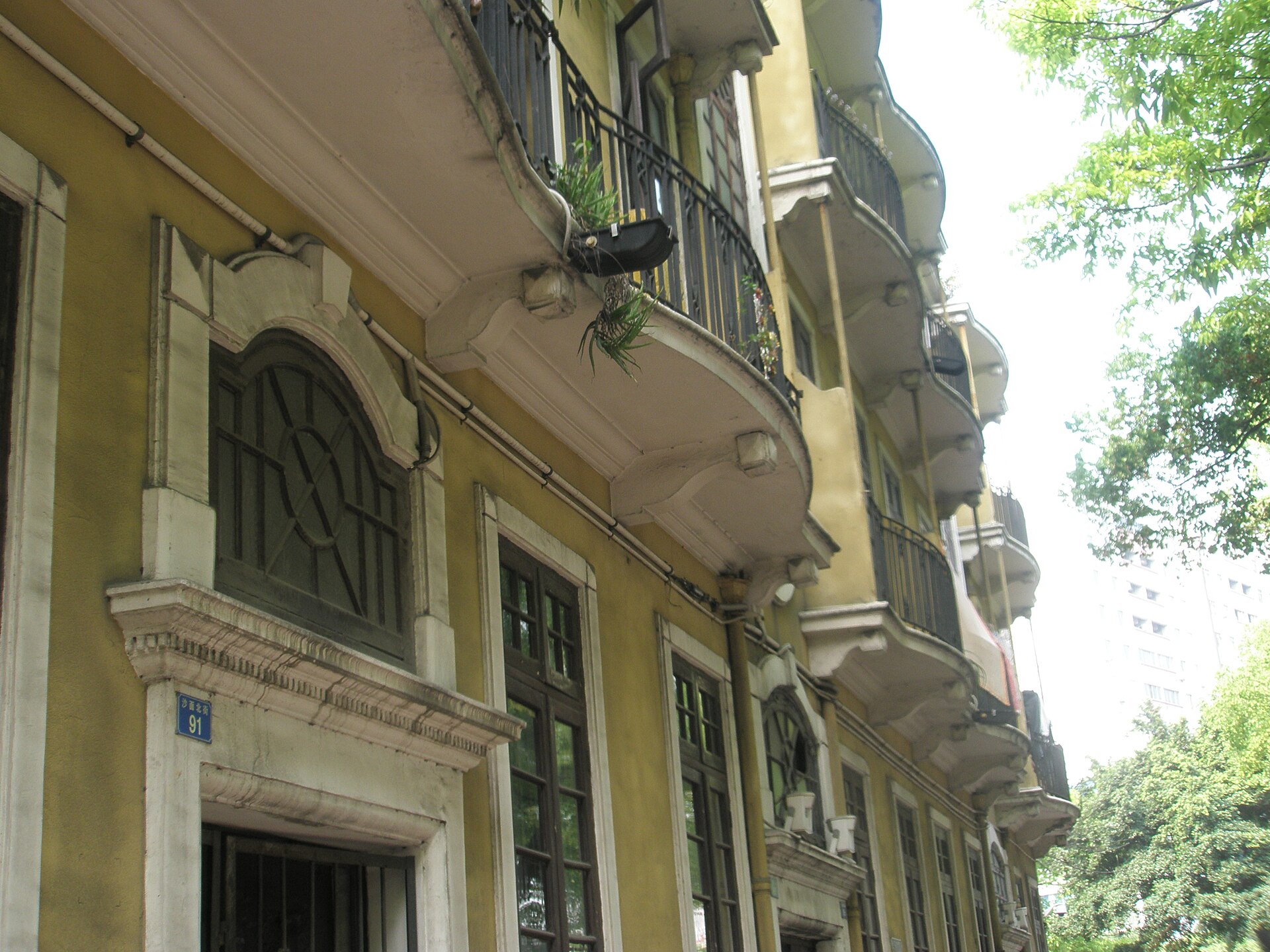
Start the morning on Shamian Island, a small sandbank island on the Pearl River that was a British and French concession in the 19th century. Today it is a quiet, leafy enclave — more than 150 pastel colonial-era buildings, brick-paved streets under big shade trees, cafés inside old mansions, and the distinct feeling of standing in a different city from the Guangzhou bustle around it. Allow 1 to 1.5 hours to wander; read more in the Shamian Island guide.
A short hop north sits Sacred Heart Cathedral — a Gothic cathedral built entirely of granite, more than 130 years old, nicknamed the "Notre-Dame of the East". Entry is free, and you can photograph both the exterior and the interior. Check the opening hours and Mass schedule in the Sacred Heart Cathedral guide.
Near Shamian is Shangxiajiu Pedestrian Street, an old shopping street lined with qilou arcades (骑楼, buildings with overhanging balconies that shelter the pavement) — a maze of shops, local snacks and traditional Cantonese restaurants, ideal for lunch. Try roast goose, crispy pork or a Cantonese dessert: char siu and roast goose are exactly what this district has done well for generations.
Then take the metro to the Chen Clan Academy — the finest Lingnan architecture in the city, built in 1894 and covered, every square inch, in wood carving, plaster relief, rooftop ceramic friezes and cast ironwork. It now houses the Guangdong Folk Art Museum. Tickets are just ¥10, and 1 to 1.5 hours does it justice; read more in the Chen Clan Academy guide.
In the late afternoon, head to Yuexiu Park, the largest park in central Guangzhou. The highlight is the Five Rams Statue — the city's emblem, carved from 130 pieces of granite in 1960 — along with Zhenhai Tower and remnants of the Ming-dynasty city wall. Entry is free, and the early-evening scene of locals out walking and exercising is lovely.
On the park's southern edge stands the Sun Yat-sen Memorial Hall, a beautiful octagonal hall with a blue-tiled roof, built to honour the "father of modern China". Tickets are ¥10. See both sites in the Yuexiu Park guide. Find a Cantonese restaurant for dinner before heading back to the hotel.
A cable car up a green mountain above the city, shopping on a thousand-year-old pedestrian street, coffee or tea whenever you like — the unhurried, flexible final day.
On the last morning, escape the bustle at Baiyun Mountain (White Cloud Mountain), the green hill nicknamed the "lungs of Guangzhou" and the city's favourite escape for generations. Ride the cableway from Yuntai Garden at the southern foot up to Moxing Ridge, the highest peak. The ride spreads the whole city out below you — on a clear day you can pick out Canton Tower as a small spike in the distance.
At the top there are walking trails, gardens and several viewpoints, and the air is noticeably cooler than down in the city. Allow about 2 to 2.5 hours round trip. See the trails and viewpoints in the Baiyun Mountain guide.
In the afternoon, come down off the mountain and back into town to Beijing Road — Guangzhou's oldest and busiest pedestrian shopping street, packed with brands, restaurants, snacks and tea shops, and open late. The curiosity here is the ancient road ruins preserved under glass in the middle of the street, exposing road layers dating back to the Tang and Song dynasties — proof this has been a trading street for over a thousand years. Easy, relaxed shopping; read more in the Beijing Road guide.
When you have had enough shopping, Guangzhou has a fast-growing coffee and tea scene — find a tucked-away café to sit and wrap up the trip. Browse our pick of Guangzhou cafés. Or, if you want a change of scene, this day is flexible — see the half-day swap below.
Save the last night for a serious Cantonese meal — crispy-skin roast goose (烧鹅), char siu and roast pork (烧腊), a clay-pot congee (砂锅粥), or shrimp wonton noodles (云吞面). This city is the origin of all of them. Mid-range restaurants around Beijing Road or Tianhe offer plenty of choice for ¥80–200 per person. For dish-by-dish recommendations, check our Guangzhou food guide.
For this itinerary, Zhujiang New Town / Tianhe is the most practical base — the modern CBD, looking across the river to Canton Tower, with Metro Line 3 and the APM line reaching every stop, and the Taikoo Hui malls next door. The other option is Beijing Road / Yuexiu, the central old downtown. See the full top 10 hotels or browse 6 luxury hotels.
The metro handles everything on this plan. Around 16 lines, all bilingual, fares ¥2–14 per trip. Pay with Alipay or WeChat Pay (scan QR at the gate) or buy a Yang Cheng Tong card at any station machine. Use Amap or Apple Maps for routing — Google Maps is unreliable in China without a VPN.
Set up Alipay with a foreign Visa or Mastercard before you leave home (use the international version of the app). Most Guangzhou shops, restaurants and metro gates accept Alipay or WeChat Pay only — some do not take cash at all. See the Alipay & WeChat Pay guide, and check Thai entry rules in the China visa-free guide.
| Category | Budget | Mid-range | Comfortable |
|---|---|---|---|
| Hotel (per night) | ¥100–200 (hostel / guesthouse) |
¥300–500 (3–4 star) |
¥600–1,200+ (4–5 star) |
| Food (3 meals) | ¥70–120 (local canteens) |
¥120–250 (dim sum + casual) |
¥300–600 (restaurants + cafés) |
| Metro + transport | ¥10–20 | ¥15–30 | ¥30–80 (+ occasional taxi) |
| Admission tickets | ¥15–30 (Chen Clan Academy + cable car) |
¥230–280 (+ Canton Tower ¥150 + cruise ¥80) |
¥350–500 (premium tickets + luxury cruise) |
| Total per day (est.) | ¥195–370 (~$27–52 USD) |
¥665–1,060 (~$92–147 USD) |
¥1,280–2,380+ (~$177–329+ USD) |
Exchange rate used: ¥1 ≈ $0.14 USD · Prices are estimates and may vary by season (avoid the Canton Fair, when prices spike sharply).