CAN into the city — 4 options compared
Most travellers from Bangkok land here. Here's everything laid out clearly, so you can pick what fits your hotel and your budget.
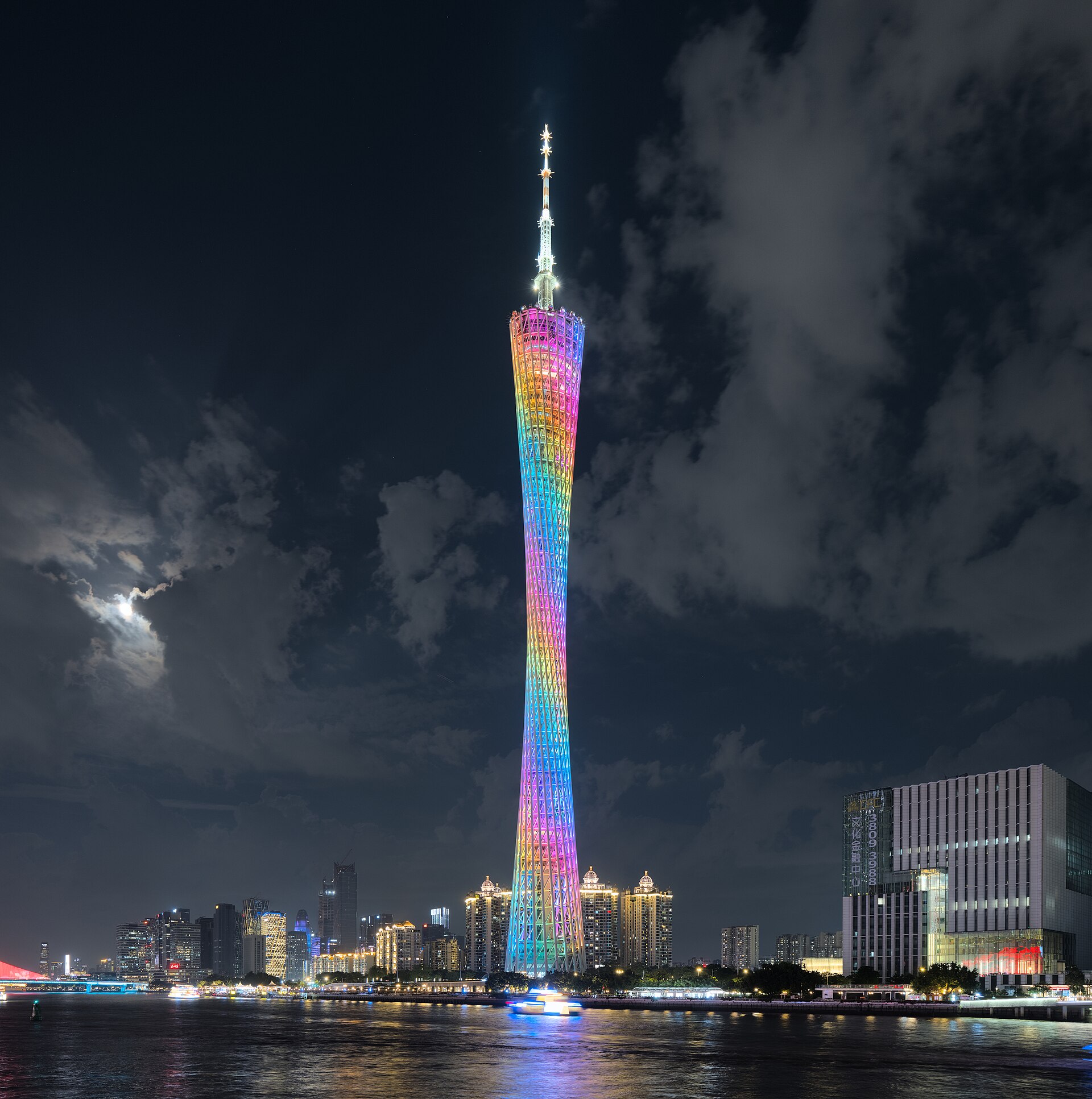
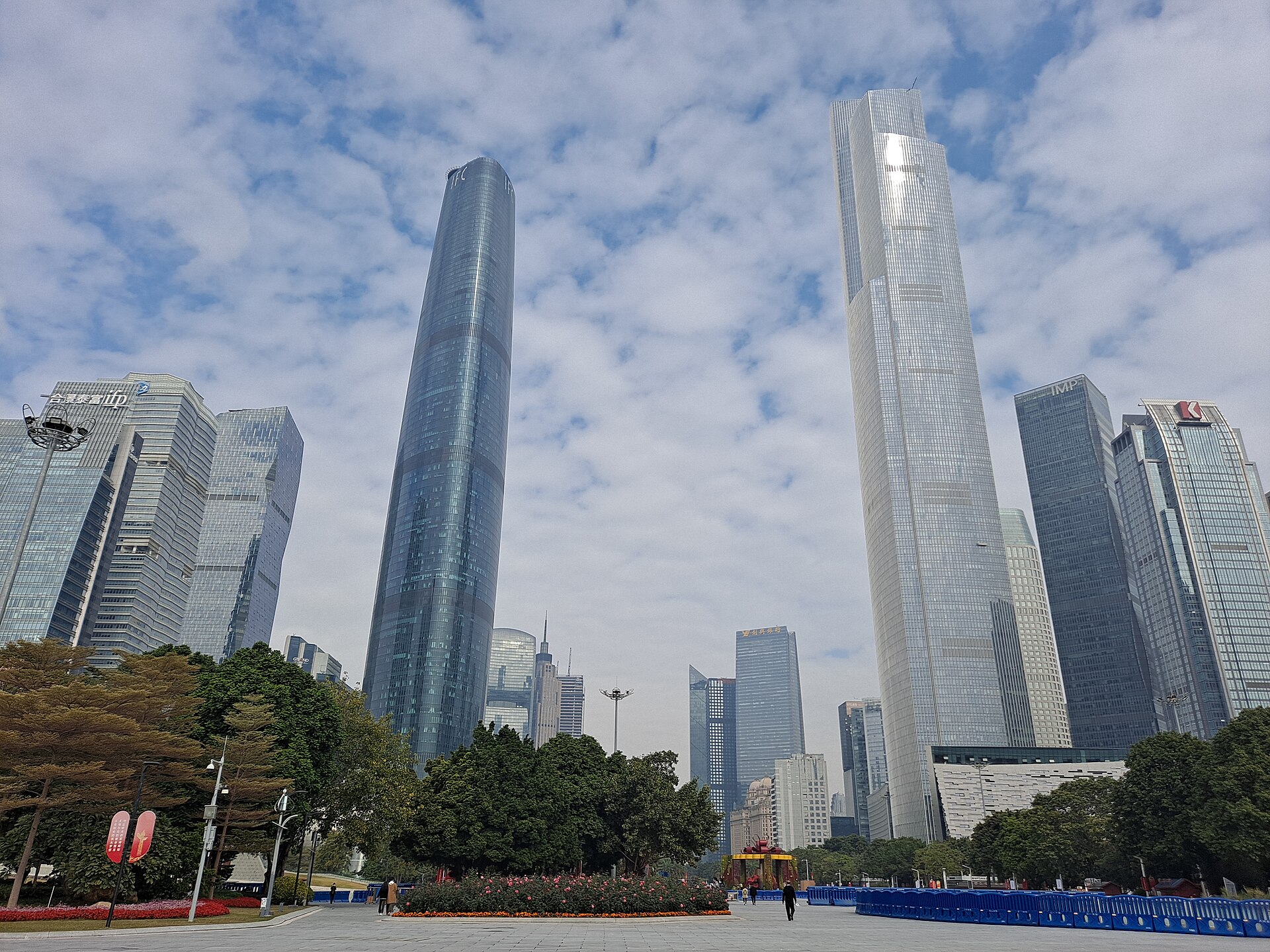
This is the way most people travel. The Line 3 north extension runs from the airport straight down the city's CBD spine, through Tiyu Xilu (体育西路), a major interchange, and Zhujiang New Town (珠江新城), the skyscraper district that looks across the river to Canton Tower. The fare is about ¥7–10 (~฿35–50) and the trip takes roughly 45–70 minutes to the centre. The airport station is 机场北 Airport North, next to Terminal 2; the former 机场南 Airport South (which served T1) is temporarily closed. If you land at Terminal 3, you can't board the metro there directly — take the free airport shuttle to Gaozeng station and pick up Line 3 (or Line 9) from there. One honest caveat: Line 3 is one of the busiest metro lines anywhere on earth at rush hour, and wrangling a large suitcase on board is no fun.
The airport runs several express bus routes direct to the main railway stations, major hotels and city districts. Fares run roughly ¥6–60 depending on distance (most fall in the ¥16–36 range), and journeys take about 60–150 minutes depending on the route and traffic. Buses leave roughly every 20 minutes from around 07:00 until the last flight. The advantage: if your hotel is a long way from a Line 3 station, one of these routes may drop you close by, sparing you the hassle of dragging luggage through several metro changes. Find the stops near Arrivals — look for the "Airport Express" or 机场快线 signs.
A metered taxi from Baiyun Airport to the city centre runs about ¥120–180 (~฿600–900) and takes 40–60 minutes in normal traffic, longer at peak. A night surcharge of roughly 30% applies from around 23:00 to 05:00 — that's standard, not a scam. Use only the official taxi rank at the terminal exit doors (clearly signed, with separate doors for domestic and international arrivals). Don't engage anyone who approaches you inside the hall — these are almost always unlicensed touts quoting flat rates. Confirm the driver starts the meter before you leave the airport, and have your hotel address written in Chinese to show them, as most drivers won't speak English.
DiDi is China's dominant ride-hailing app and works much like Grab or Uber. The fare is comparable to a metered taxi, but you see the price before you confirm, and you pin your destination in the app rather than explaining it out loud. Payment goes through Alipay or WeChat Pay, so no cash changes hands. The downside is that the pickup point at the airport is a designated zone, separate from the taxi rank — follow the in-app directions to find it. Download the app and link your payment method before you leave Thailand, because airport Wi-Fi can be patchy when it's busy — see our China internet & eSIM guide for getting online on arrival.