A city where you can stand before a glittering royal palace in the morning, cross the river on a ฿5 ferry by afternoon, and end the day eating street food under the neon of Chinatown. This guide is built from verified facts and real visitor accounts to get you ready before you land.
Bangkok is one of the most visited cities on Earth, and the reason is simple: nowhere else stacks this much into one place. A 200-year-old royal palace and some of Asia's most dazzling temples. A working river where boats are still real transport, not a theme ride. One of the world's largest weekend markets. Street food good enough to hold Michelin distinctions. And air-conditioned mega-malls waiting for you when the midday sun wins. All of it connected by trains and boats.
Easier to get around than you expect — the BTS Skytrain, the MRT metro and the Chao Phraya express boats reach almost every major sight, with rail fares around ฿17–62 per ride. Eats well on any budget — from noodle carts charging pocket change to rooftop dinners over the river. Works year-round — the heat is real and the rain is real, but get the rhythm right (walk early and late, go indoors at midday) and any season is a good season. This guide walks through it all, one decision at a time.
Three to four days is the comfortable answer — because Bangkok works best when you give each day a zone. One day for the old royal island (palace, temples, riverside), one for the river and Chinatown, one for markets and malls. If your dates cover a weekend, keep half a day for Chatuchak Market. Two days covers the essentials, but you will be moving fast.
Day 1: the Grand Palace, then Wat Pho, then the cross-river ferry to Wat Arun for golden-hour photos. Day 2: ride the Chao Phraya express boat along the river, then Yaowarat (Chinatown) after dark for street food. Day 3: a market morning (Chatuchak if it is the weekend), Siam's malls in the heat of the day, a rooftop or riverside evening.
Days 1–3 as above, at an easier pace. Day 4 goes one of two ways: a day trip out of the city — the ruins of Ayutthaya or a floating market are the classics — or a deeper dig into whichever Bangkok you liked best: Thonburi's cafe lanes, a night market, the museums you skipped.
Itineraries for every schedule: 1 day (layover) · 2 days · 3 days · 4 days — and work out the cost at Bangkok trip budget →
November to February is the kindest stretch of the year — the least rain, the most sun, and temperatures cool enough to walk temple courtyards all day. April is the hottest month, but it brings Songkran (mid-April), when the whole city becomes a water fight. June to October is the rainy season: downpours tend to hit in heavy late-afternoon bursts and then clear, so it is very workable with an umbrella — and hotels get noticeably cheaper. Month-by-month detail at when to visit Bangkok →
As of 2026, travellers from many countries — including most of Europe, the UK, the US, Australia and much of Asia — can enter Thailand visa-free for short tourist stays, typically 30 to 60 days depending on nationality and current policy. The rules do change, so check the latest requirements for your passport with the Thai embassy or an official government source before committing to flights. Have your passport, accommodation details and an onward ticket ready at immigration.
Bangkok has two airports on opposite sides of the city. BKK (Suvarnabhumi), to the east, is the main hub used by most full-service airlines. DMK (Don Mueang), to the north, is the low-cost base — AirAsia and most budget carriers land there. Check which one your ticket says: they are a long way apart. If you are connecting between them, a free shuttle bus runs airport-to-airport for passengers with an onward boarding pass (conditions apply — verify before relying on it).
Airport Rail Link (ARL): from the basement level, about ฿15–45, reaching Phaya Thai in around 26 minutes with a direct BTS connection — the fastest option when roads are jammed. Official taxi rank: take a queue ticket on level 1; you pay the meter plus a ฿50 airport surcharge plus tolls, roughly ฿300–500 to central Bangkok. Grab picks up from designated points, and limousine counters exist if you want the easy version.
There is no rail link inside the terminal. The workhorses are the A1/A2 buses, about ฿30 to BTS Mo Chit / MRT Chatuchak — fast and frequent. Alternatively, a walkway connects to Don Mueang railway station for the SRT Red Line into Krung Thep Aphiwat Central Terminal, around ฿33 (check current timetables). Taxis run roughly ฿250–400 plus the ฿50 surcharge and tolls, and Grab works here too.
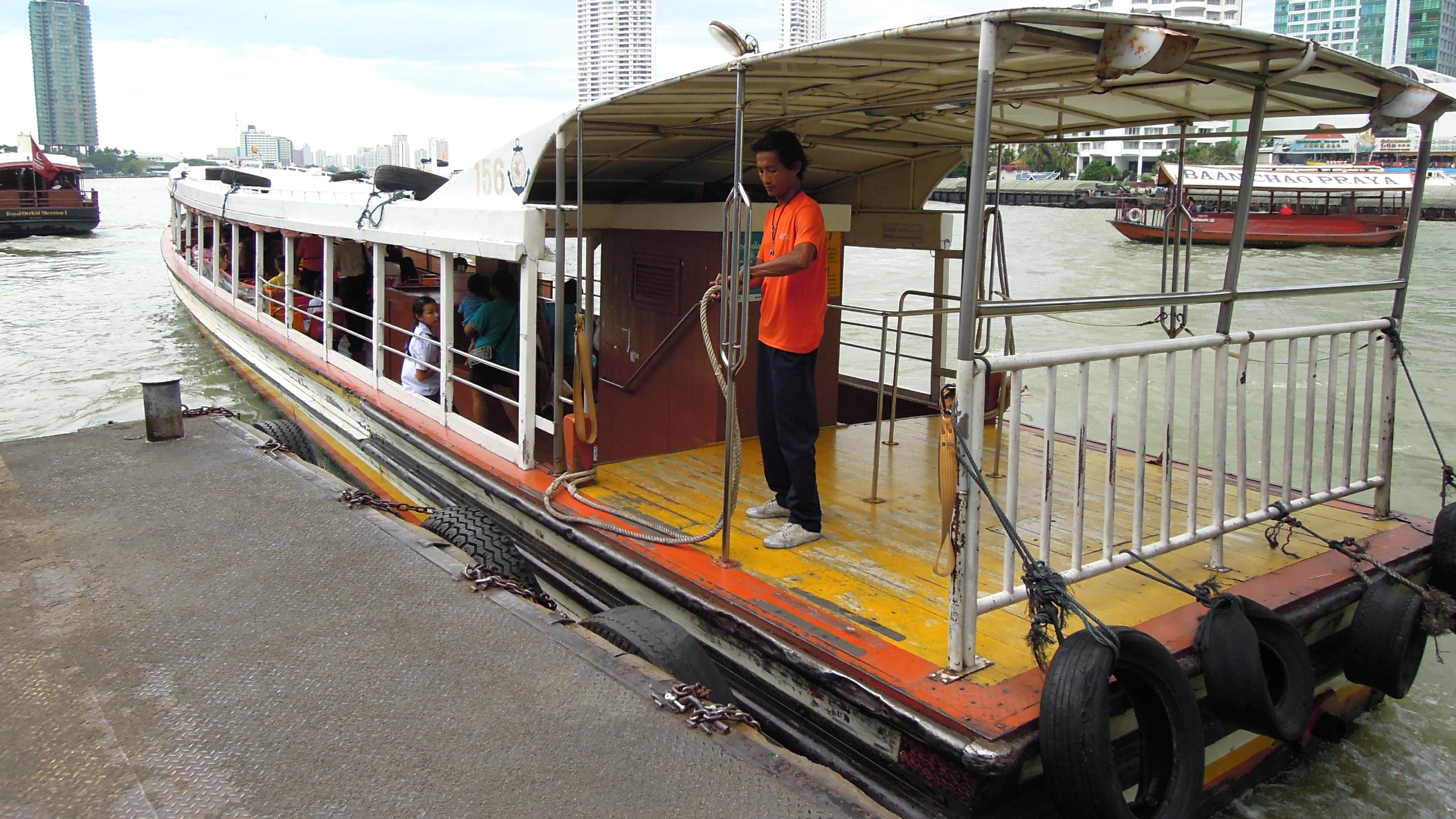
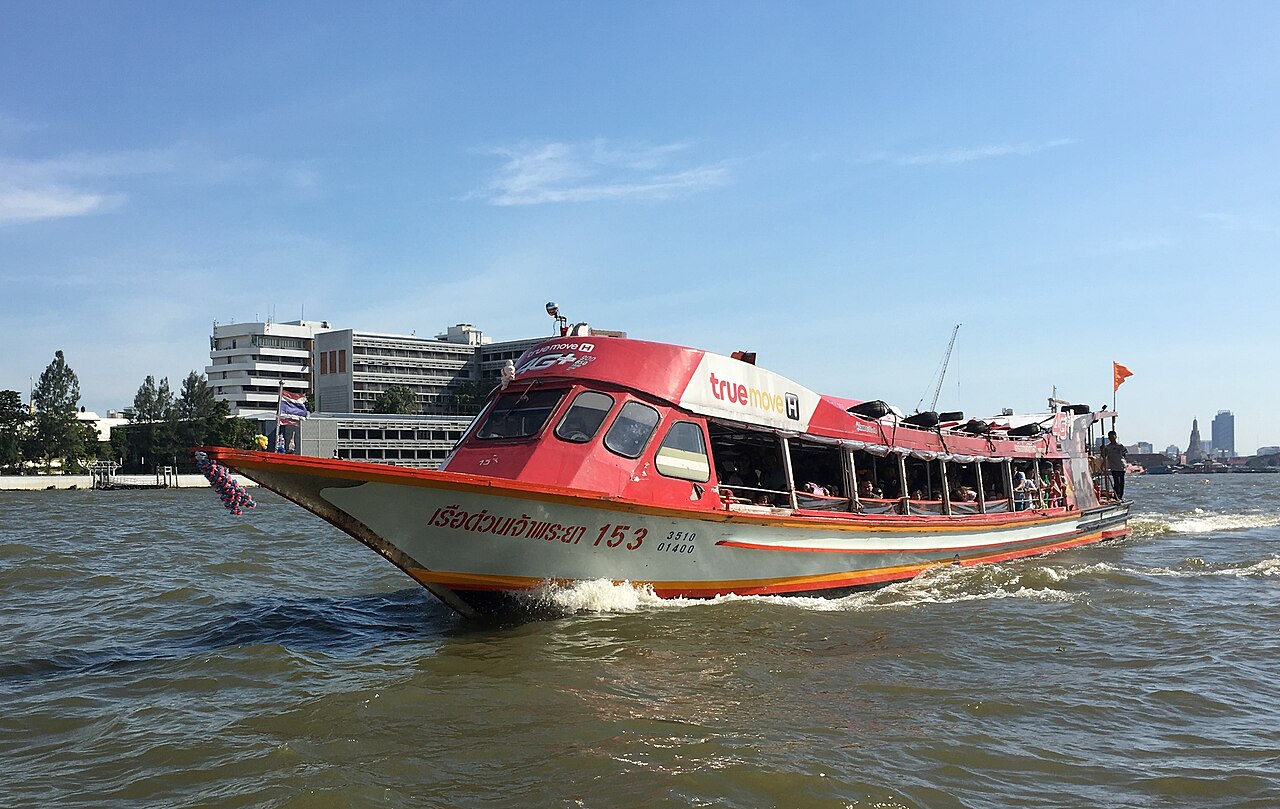
The BTS Skytrain (Sukhumvit and Silom lines, plus the short Gold Line) and the MRT (Blue and Purple lines) are the backbone, with fares around ฿17–62. Stations first-timers use most: Siam, Asok, Mo Chit, Saphan Taksin (for the boats), Sanam Chai (for the palace and temples) and Wat Mangkon (for Chinatown). The Chao Phraya express boat (orange flag, about ฿16 flat) and the ฿5 cross-river ferries are the cheapest, best way to see the riverside. Full guides: BTS & MRT guide → and Chao Phraya boat guide →
Bangkok runs on a mix. Locals scan PromptPay QR codes at virtually every stall, but those QR payments need a Thai bank account — as a visitor you will live on cash for markets, street food and motorbike taxis, and credit cards at hotels, malls and bigger restaurants. ATMs charge foreign cards a fee of about ฿220 per withdrawal, so withdraw larger amounts less often, or bring cash and use a reputable exchange counter (the SuperRich-style money changers usually beat airport rates — compare before you change).
Bangkok is big and its traffic is famous for a reason. The single best decision you can make is to stay on a rail line or by the river — everything else about the trip gets easier. Know each area's personality before you book: full neighbourhood guide →
The Sukhumvit corridor is the most convenient base for eating, shopping and nightlife — the BTS runs the length of it, and malls, restaurants and bars surround you. Hotels span mid-range to high-end. The trade-off: it is far from the palace-and-temples zone, so you will ride the train and a boat, or take a Grab, to get there.
An office district by day that turns into an eating district by night. You get both the BTS and the MRT, Lumphini Park on foot, and Sathorn Pier close by for river trips. Several of the famous rooftop bars are here, and hotels often cost less than the Sukhumvit equivalent.
Wake up to the river, then ride a hotel shuttle boat or the express boat to the temples. This is where Bangkok's grand hotels cluster, with ICONSIAM across the water — but mid-range options hide along the bank too. The right choice when the river is the point of the trip, or the trip is a celebration.
Sleep within walking distance of the Grand Palace, Wat Pho and Khao San Road, and reach the temples before the tour groups. Most beds here are guesthouses and small independent hotels at friendly prices. The trade-off is real: no BTS or MRT — you will move by river boat, ferry and Grab.
The geographic centre of modern Bangkok, with every mega-mall on foot: Siam Paragon, CentralWorld, MBK and the Pratunam wholesale market. Siam station is where the two BTS lines cross, and the ARL at Ratchaprarop sits near the Pratunam side. A practical base for families and shoppers who want to start from the middle of the map.
Bangkok has more to see than any first trip can cover. These six are the core — all realistic within 3–4 days. Full details at Bangkok attractions →
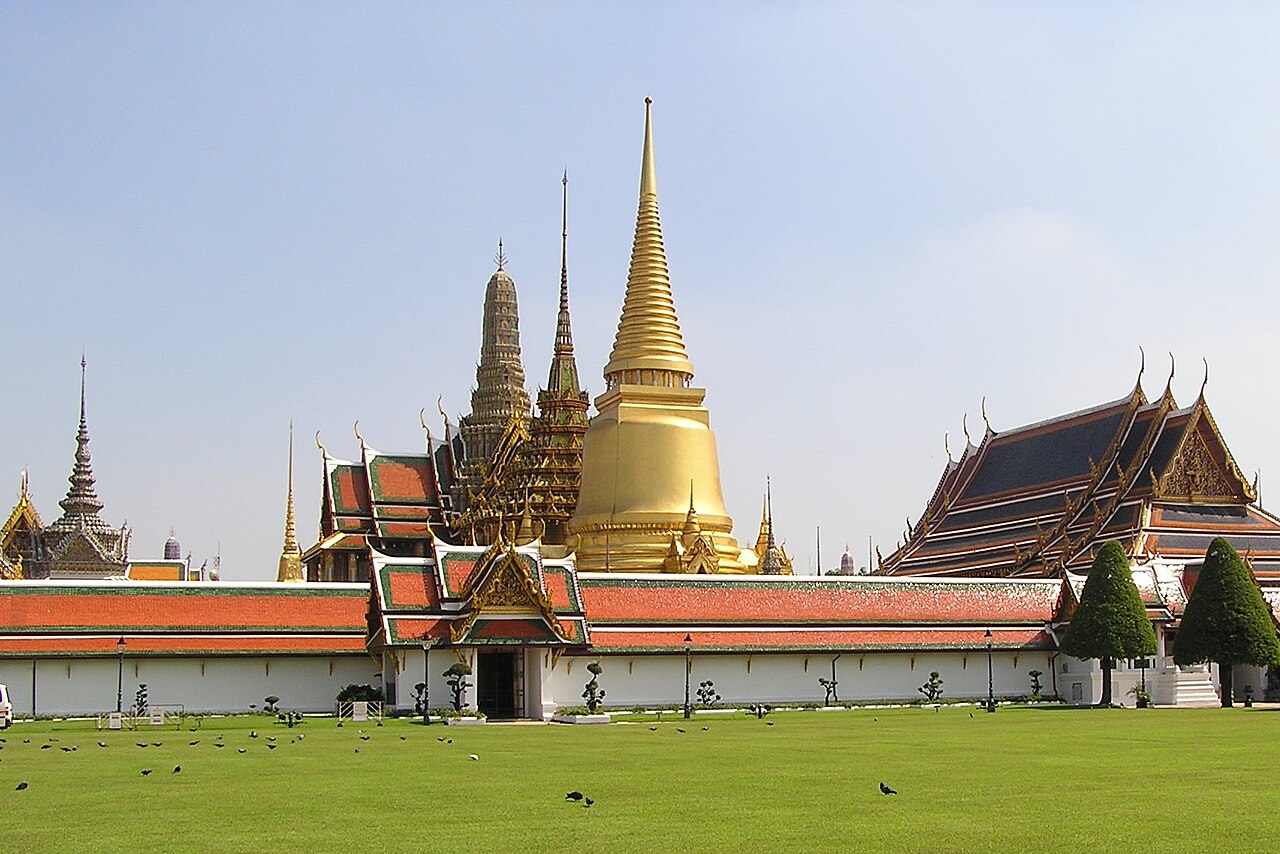
The royal palace complex and the Temple of the Emerald Buddha — the single most dazzling thing in the city and where every first trip should start. Arrive for opening (around 8:30) before the heat and the tour groups. The dress code is enforced at the gate: shoulders and knees covered, nothing see-through or skin-tight. Entry for foreign visitors is about ฿500.
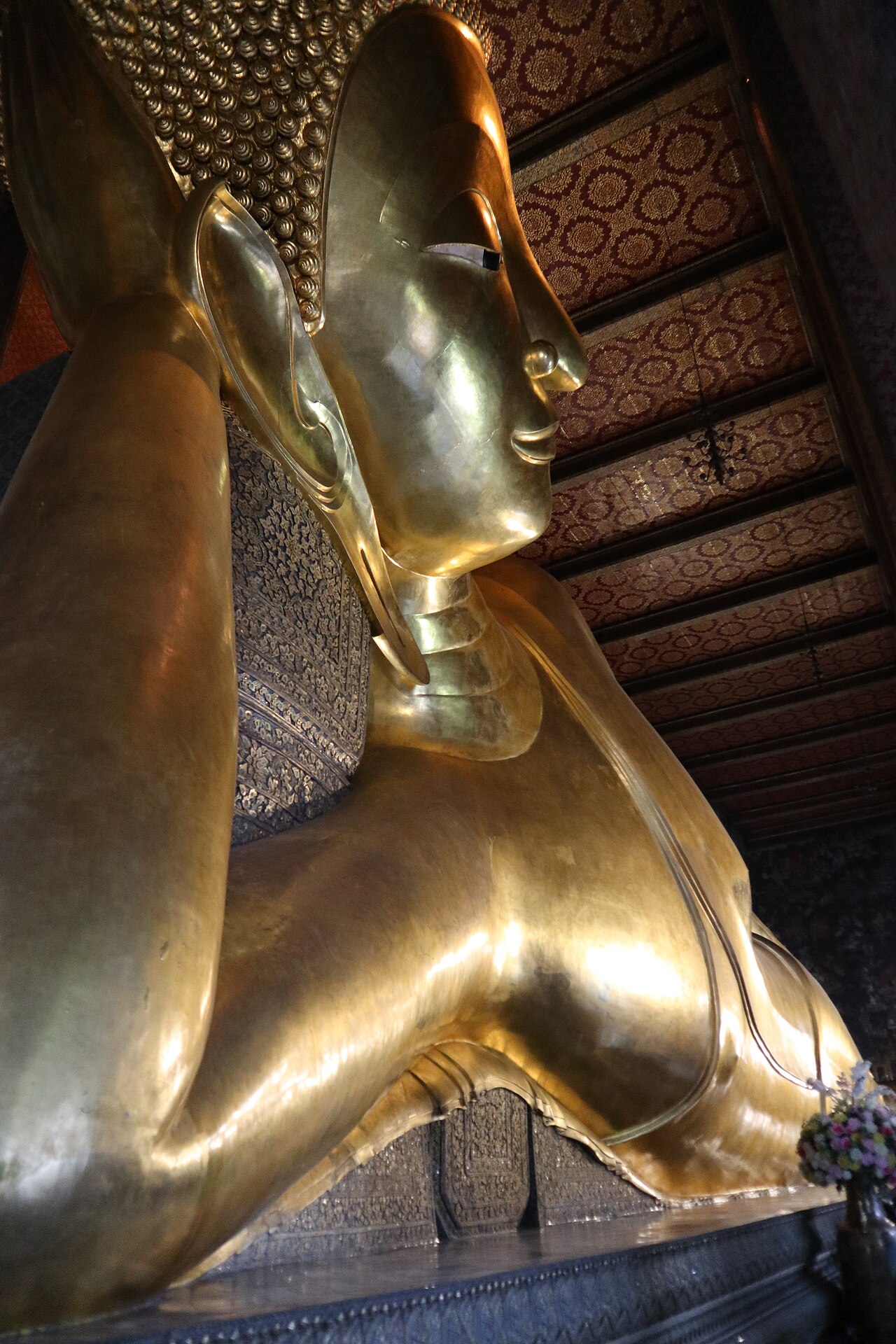
A few minutes' walk from the Grand Palace: a gilded reclining Buddha 46 metres long, filling its hall so completely you can never quite photograph all of it. Wat Pho is also the traditional home of Thai massage — you can book one inside the temple grounds. Entry for foreign visitors is about ฿300 (check before you go).
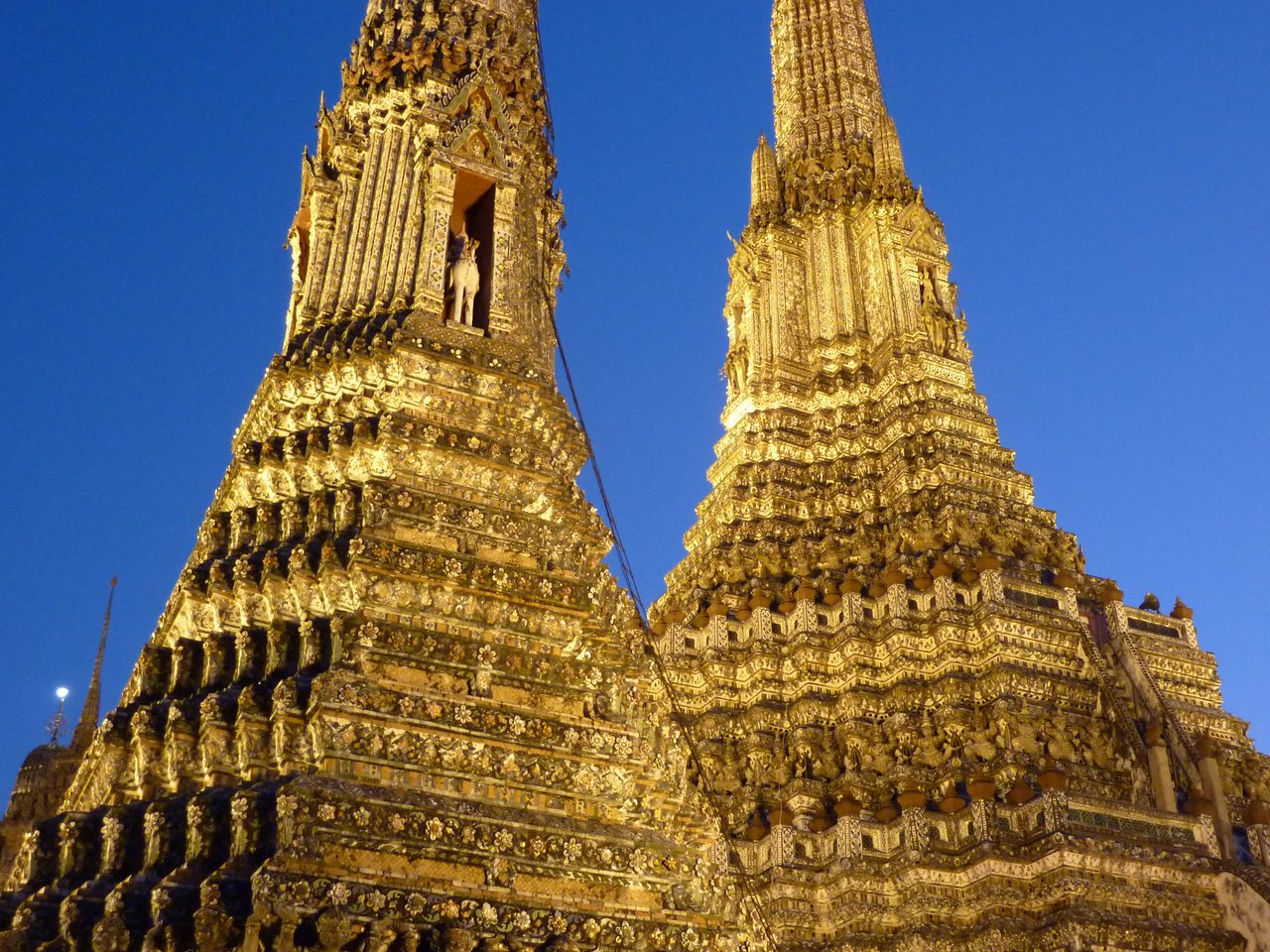
The riverside spire on every Bangkok postcard. Take the cross-river ferry from Tha Tien pier — about ฿5, a few minutes — and the porcelain-encrusted prang gets better the closer you stand. Evening light is the best of the day; afterwards, cross back and photograph it lit up from the opposite bank.
Board the orange-flag boat at Sathorn Pier (connected to BTS Saphan Taksin) and ride upriver past warehouses, churches, temples and river life you cannot see from the road. Hop off at Tha Chang for the palace or Phra Arthit for the Khao San area. At about ฿16 for any distance, it is the best-value sightseeing in Bangkok.
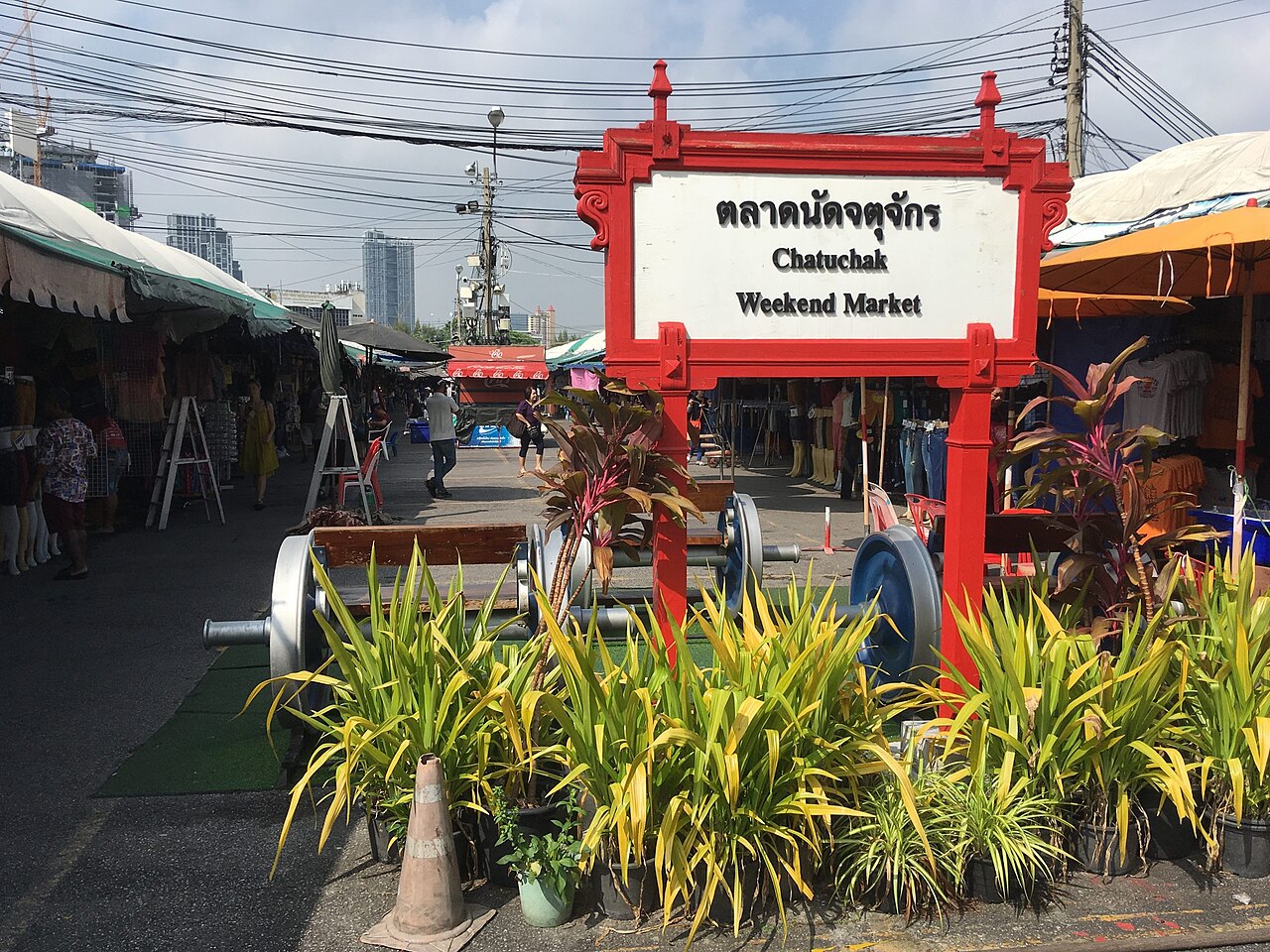
One of the largest weekend markets in the world — clothes, homeware, crafts, plants, antiques and food, in lanes you could wander all day without finishing. It runs in full only on Saturday and Sunday. Go early before the heat peaks, pause for coconut water often, and bargain politely — it is expected.
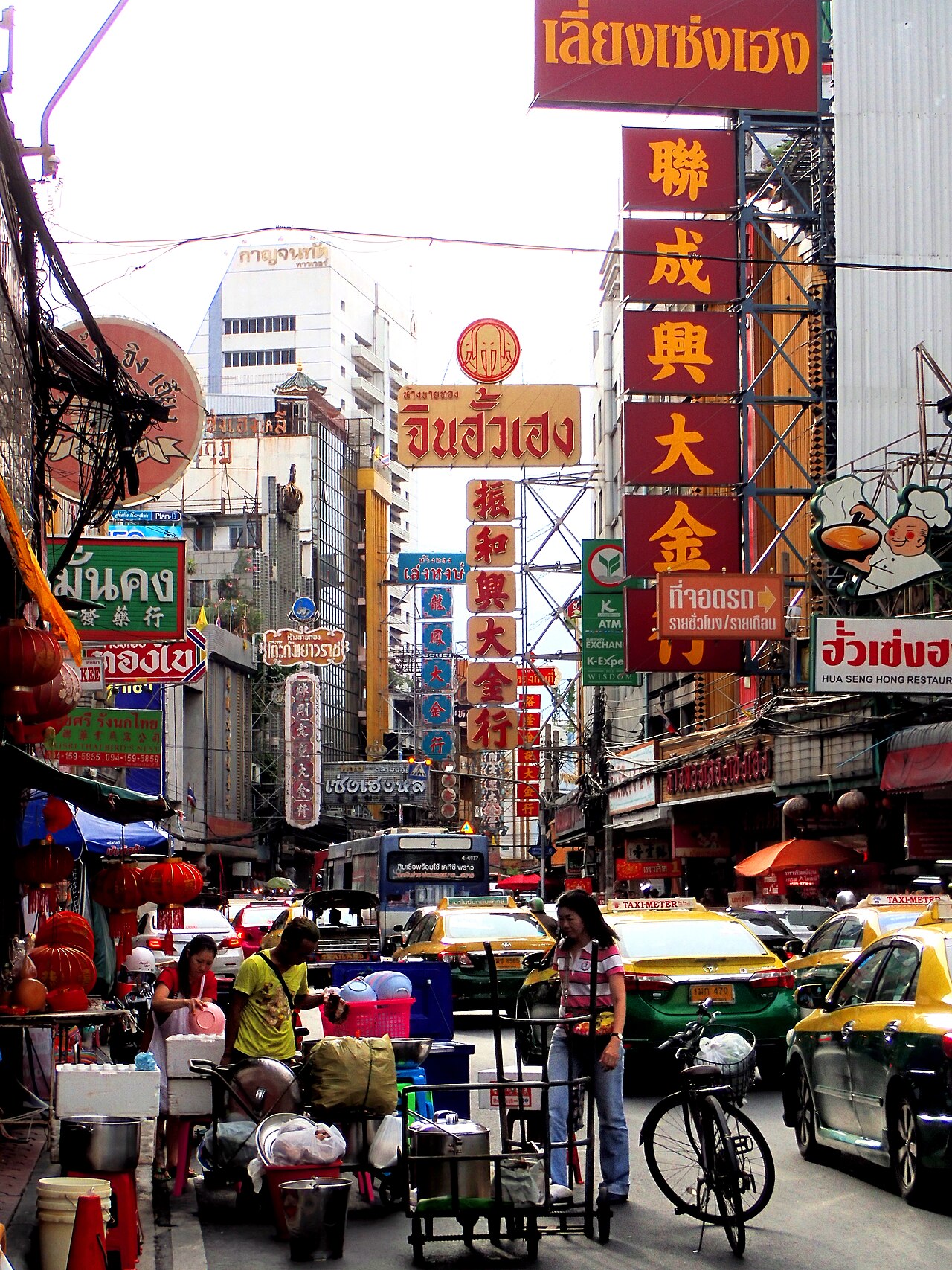
One of the most alive Chinatowns anywhere. By day it is gold shops and old trading lanes; after sunset the whole street turns into a food arena — neon on, carts out, woks roaring. Arrive hungry in the evening and graze stall by stall. That is the correct way to do it.
Bangkok is the street food capital of the world — the city where a sidewalk wok stall can hold a Michelin distinction and a ฿60 plate can be the meal you remember longest. Full guide at Bangkok food guide →
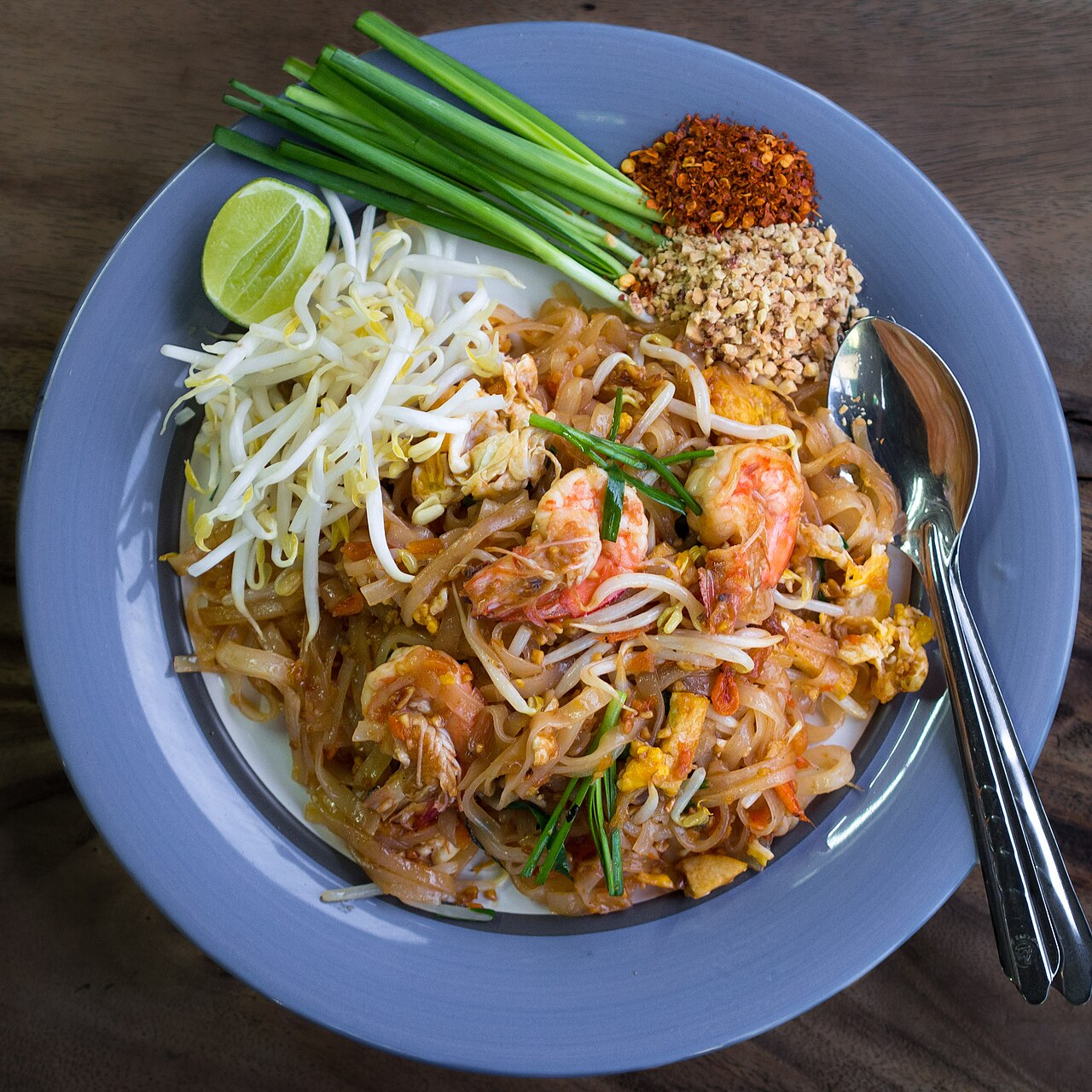
Thin rice noodles wok-fried in tamarind sauce — sour, sweet and salty in one plate, finished with crushed peanuts and a squeeze of lime. Street carts all over the city do it well for around ฿60–100; the legendary old-town houses charge more and earn it. Order it wrapped in a thin omelette if you see the option.
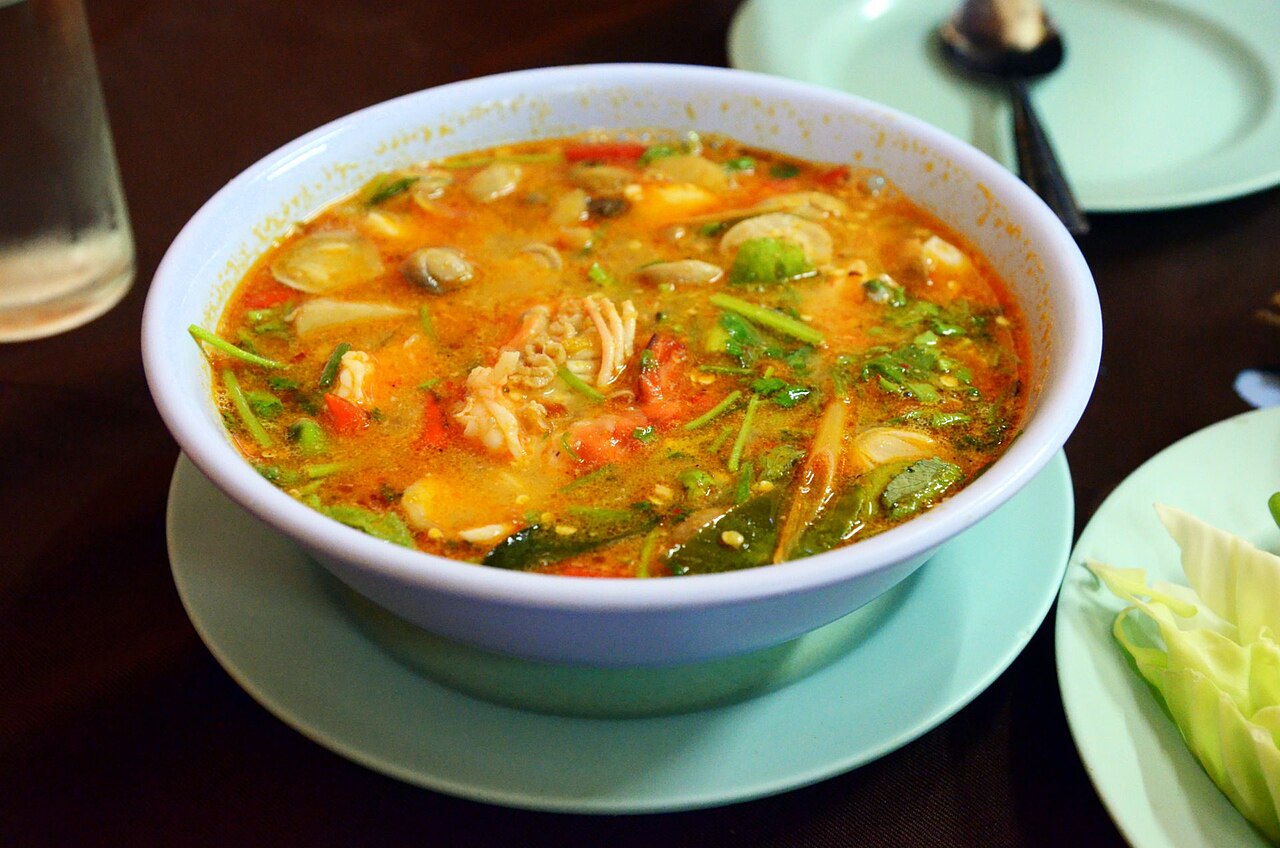
The soup that compresses Thai cooking into one bowl: lime-sour, chilli-hot, fragrant with lemongrass and kaffir lime, loaded with big prawns. It comes clear or creamy, and restaurants at every level do it proudly, from shophouse kitchens to riverside terraces. If you fear the heat, say "phet noi" — less spicy — and they will go easy on you.
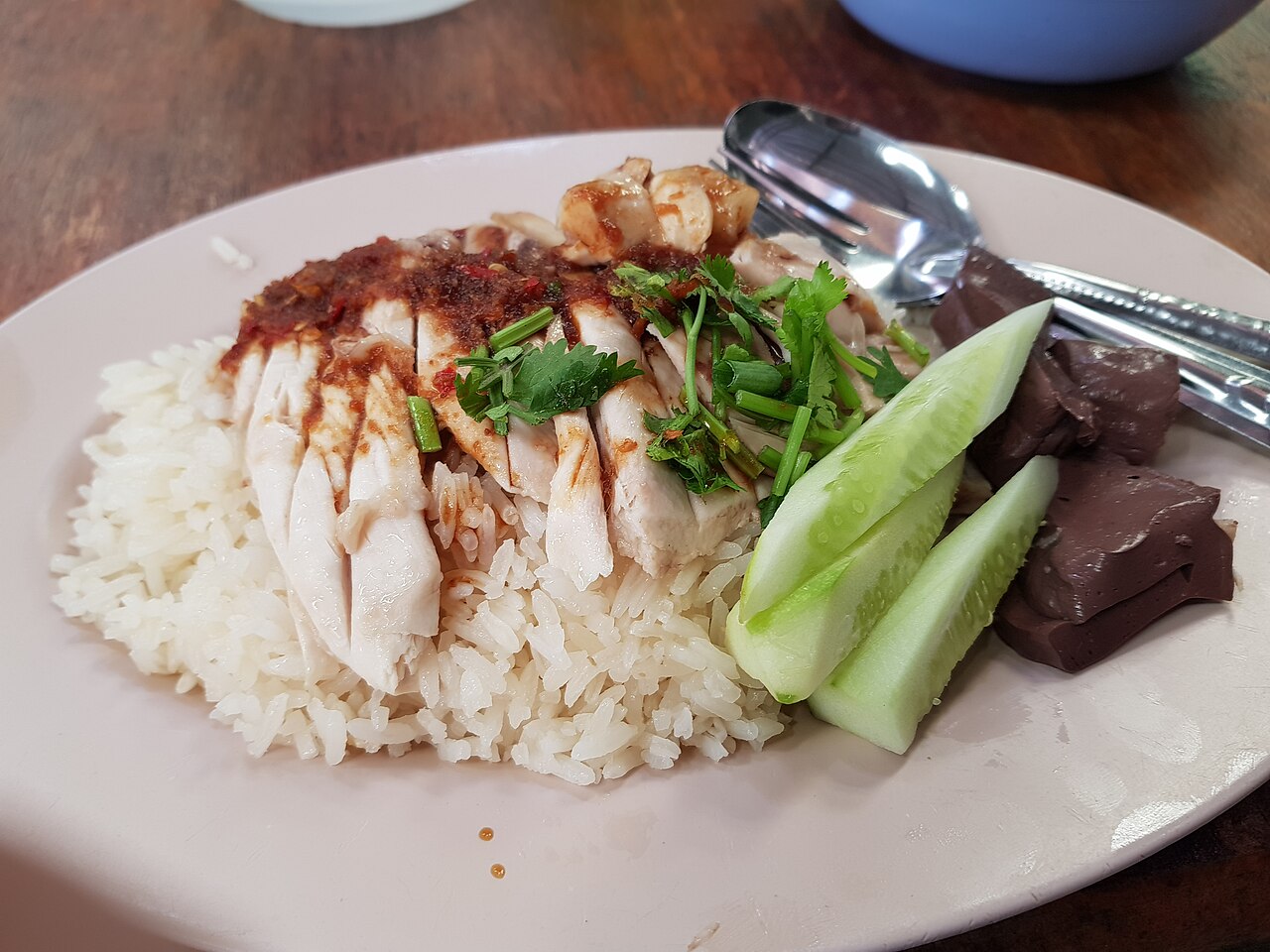
Tender poached chicken over rice cooked in the chicken's own broth, with a ginger-chilli soybean sauce and a cup of soup on the side. It looks simple and it is — which is why the famous Pratunam shops draw queues all day and have held Michelin recognition. At around ฿50–100 a plate, this is lunch the way the city really does it.
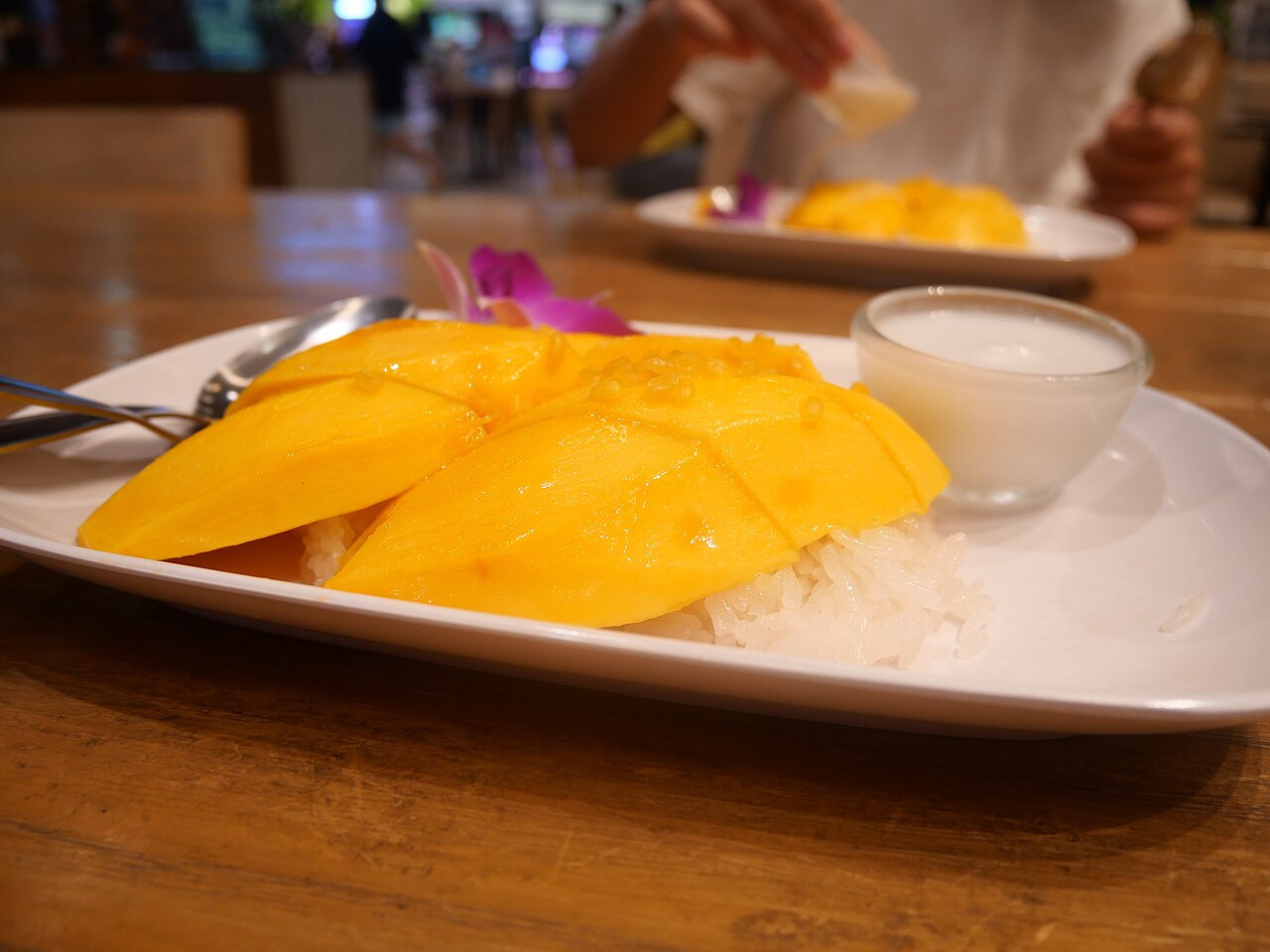
Ripe mango with coconut-cream sticky rice and a scatter of crisp mung beans — three ingredients that became Thailand's most famous dessert. You will find it at markets, dessert shops and food courts across the city. Mango season (roughly March to June) is when it is at its sweetest and most fragrant.
More Bangkok food: street food → · eating Yaowarat → · full food guide →
Bangkok genuinely works on any budget — good hostels are plentiful, a street-food meal costs pocket change, and the trains and boats are cheap. Aim higher and a riverside suite with rooftop dinners will happily absorb whatever you give it. Full breakdown with sample trips at Bangkok trip budget →
| Level | Hotel/night | Food/day | Total/day (rough) |
|---|---|---|---|
| Budget | about ฿300–800 hostel or guesthouse | about ฿200–450 street food + food courts | about ฿800–1,500 |
| Mid-range | about ฿1,500–3,000 3–4 star hotel | about ฿500–1,000 popular restaurants + cafes | about ฿2,500–4,500 |
| Comfort | about ฿4,000–20,000+ 5-star / riverside | about ฿1,000–3,000+ rooftops + fine dining | about ฿6,000–20,000+ |
Transport barely registers — BTS/MRT rides are about ฿17–62, the orange-flag express boat about ฿16, cross-river ferries about ฿5. Major temples charge foreign visitors roughly ฿100–500 each. The biggest saving of all is timing: low-season hotel rates drop noticeably — see when hotels get cheaper →
"Dress modestly" is not a suggestion at the royal temples — it is checked at the gate. Shoulders covered (sleeves, not a draped scarf alone), knees covered, nothing see-through or skin-tight. The Grand Palace is the strictest in the city; fail the check and you queue to rent or buy a cover-up on the spot. Far easier to dress for it from the start.
A friendly stranger near the palace tells you it is closed for a royal ceremony — and conveniently, a tuk-tuk can take you to a "better" temple or a "government" gem sale. Nearly all of these end at a gem shop or tailor paying commission to whoever delivered you. The suspiciously cheap ฿20 tuk-tuk tours work the same way. Major sights are almost never closed all day: walk to the gate and check for yourself.
Bangkok's metered taxis are cheap — the flag drops at about ฿35. The catch: some drivers around tourist areas quote a flat price several times the meter fare. If the driver will not run the meter, get out and hail another, or use Grab, which shows the price before you confirm. Motorbike taxis (the orange vests) are great for short hops down long sois — agree the price first.
The single most confusing thing about Bangkok transport: the BTS, MRT and Airport Rail Link are run by different operators and there is no shared ticket. The Rabbit card works on the BTS only; the MRT sells its own stored-value card and tokens and accepts contactless credit-card tap at the gate; the ARL is separate again. Budget extra patience at rush hour (7:30–9:00, 17:00–19:30) — the trains are genuinely packed.
Tap water in Bangkok is not for drinking — stick to bottled or filtered water. The good news is that 7-Elevens sit on practically every block and never close: cold water, sunscreen, basic medicine, snacks, rice boxes, grilled pork skewers at breakfast. Whatever you are missing, the nearest 7-Eleven probably has it. Ice in restaurants is generally factory-made tube ice and not a typical problem.
English gets you through hotels and malls, but three Thai words change how the city treats you: sa-wat-dee (สวัสดี) — hello; khop khun (ขอบคุณ) — thank you; and the lifesaver, phet noi (เผ็ดน้อย) — "a little spicy, please." Men end a phrase with "khrap," women with "kha," and the smile you get back is real. Use phet noi early and often if chilli is not your sport.
☑ Check the current visa rules for your passport (validity 6+ months)
☑ Pick your dates wisely — see the best months
☑ Book a hotel on a BTS/MRT line or by the river
☑ Pack light, breathable clothes + sunscreen + a temple-modest outfit + a rain layer (Jun–Oct)
☑ Download Grab, and arrange an eSIM or plan to buy a SIM on arrival
☑ From BKK take the Airport Rail Link · from DMK the A1/A2 bus or Red Line
☑ Get a Rabbit card if you'll ride the BTS a lot — the MRT takes credit-card tap
☑ Withdraw cash in larger amounts (ATM fee ~฿220 per pull) or use an exchange counter
☑ Drink bottled water · find your nearest 7-Eleven, you'll be back
☑ Practise sa-wat-dee, khop khun and phet noi on your first street-food order