White sand, clear water and limestone islands across the Andaman Sea — Thailand's largest island, easy to fly into, with everything in one place. This guide is built from verified facts and real visitor accounts to get you ready for your first Phuket trip before you leave home.
Phuket is Thailand's largest island, joined to the mainland by the Sarasin Bridge, with its own international airport and a mix of sandy beaches, offshore islands, a Sino-Portuguese old town, sharp southern Thai food and accommodation at every level from hostel to beachfront resort. That range is what makes Phuket one of the easiest beach destinations to start with on a first trip.
Easy to reach — Phuket International Airport (HKT) has direct flights from across Thailand and abroad, with several airlines competing on fares. Beaches and islands both — the west-coast beaches face the sunset, and you can take a boat to Phi Phi, Phang Nga Bay or the Similan Islands in a single day. Day and night — beach and snorkelling by day, seafood in the evening, markets and walking streets after dark; one trip gives you both rest and a night out. See the full overview at the complete Phuket guide →
Phuket works as both a relaxed and an active trip. Three days is the right amount — beach time, the Big Buddha and Old Town, and one island boat trip all fit comfortably. Four or five days gives you room to add a second island day and never feel rushed.
Day 1: Check in, relax on the beach near your hotel, watch the sunset at Promthep Cape. Day 2: The Big Buddha, then Wat Chalong, then walk Phuket Old Town for snacks and the Sino-Portuguese shophouses. Day 3: Take a boat to Phi Phi or Phang Nga Bay for swimming and snorkelling, then a night market in the evening.
Add a second island day — the Similan Islands (open Nov-May) or a closer one like Coral Island. Add an unstructured beach day to swim, spa or walk the Karon and Promthep viewpoints at sunset. The extra days turn a quick break into a proper holiday for families and couples.
Itineraries for every schedule: 3 days · 4 days · 5 days · or see the Phuket trip budget →
November to April is the prime window: calm seas, clear skies and little rain — the best conditions for swimming and island boat trips, and the only time the Similan Islands are open. May to October is the Andaman monsoon: more rain, stronger surf, and some island tours cancelled, but hotels are much cheaper and the island is quieter. Full detail at when to visit Phuket →
Phuket is a domestic flight within Thailand, so internal travel is simple. International visitors should check their own visa-on-arrival or visa-free allowance for Thailand before booking. What really matters to plan ahead: book accommodation early in high season and over long weekends, since prices rise fast and rooms sell out, and aim your island boat days at the clear-weather days.
Phuket has a single airport: Phuket International (HKT), up at the far north of the island, about 32 km — roughly 45-60 minutes by road — from the west-coast beaches like Patong and Kata. There is no airport rail or train. The main ways in are an airport taxi, a shared minivan, or a private transfer — and the fare varies by which beach you stay in. Choose your area carefully when you book, and you save both time and money.
Metered airport taxis have a counter in the terminal: to Patong about ฿650-900 (45-60 minutes) · Kata/Karon about ฿700-1,000 · Phuket Town about ฿550-800. A shared minivan is cheaper because it drops several hotels, at roughly ฿180-250 per person, but you wait for it to fill and stop along the way.
The Phuket Smart Bus runs from the airport down the west coast (airport-Patong-Karon-Rawai) for about ฿100-170 — the cheapest option, but slow with many stops. A private transfer booked ahead through Klook has a driver waiting with a sign and drops you at the door, which helps if you arrive late or travel as a family.
Phuket has no metro, no train and no convenient city-style public transport. What visitors actually use is taxis (agree the price before you get in — meters are often refused), Grab (limited, and contested with local taxis in some areas), tuk-tuks (pricey for short hops), and the blue songthaew (beach to Phuket Town, cheap but slow and stops in the early evening). To see several parts of the island, renting a car or scooter helps a lot. Full guide at getting around Phuket →
Most places take PromptPay (scan a QR code), and larger shops and resorts take Visa and Mastercard. But market stalls, small shops, songthaews and some seafood places are cash only, so carry some cash. ATMs in Thailand usually charge a foreign-card fee of about ฿220 per withdrawal, so taking out a larger amount at once is cheaper. Shops in tourist areas may accept other currencies, but at a poor rate — pay in baht.
The single most important choice in Phuket is which beach area you book, because they are fairly spread out, each with a different feel and price point. Pick one area and stay put — do not spread a short trip across several. Full neighbourhood guide at where to stay in Phuket → or the beaches guide →
The busiest, most central beach, with restaurants, malls, bars, Bangla Road and convenience stores all walkable. Accommodation at every budget from cheap to mid-range. Good for first-timers who want convenience, something to do at night and not to rely on rides — in exchange for the crowds.
Just south of Patong, with long, quieter beaches and a calmer feel — good for families and couples who want to relax but still have enough restaurants and shops nearby. Clear water for swimming in the dry season, with mid-range pricing.
North of Patong, with upscale resorts and stylish hotels in a quiet, private setting. Suited to honeymoons and to anyone who wants a beachfront resort without the bustle. Prices run higher than other areas, and you'll need a ride to go out.
The southern tip of the island, with a local, low-key feel — close to pretty Nai Harn beach and the Rawai seafood market, where you pick your catch and a stall cooks it. Mid-range pricing, good for escaping the bustle and eating seafood at local prices, near Promthep Cape for the sunset.
A district of pastel Sino-Portuguese shophouses, cafes, local restaurants and street art, with stylish small hotels and budget-to-mid hostels. Not on the coast — you'll need a ride to the beach. Best for people who would rather walk, take photos and soak up the culture than lie on the sand.
The far north next to the airport, with long, quiet beaches and an easy-going feel. Good for the first or last night before a flight, or for anyone who wants real quiet away from the crowds — but it's far from the nightlife and the wider choice of restaurants, so you'll ride to other areas.
Phuket has several beach areas and a few cultural sites, but for a first visit these are the core — the places that best explain why the island is worth the trip. Full details at Phuket attractions → or day trips and tickets to book ahead →
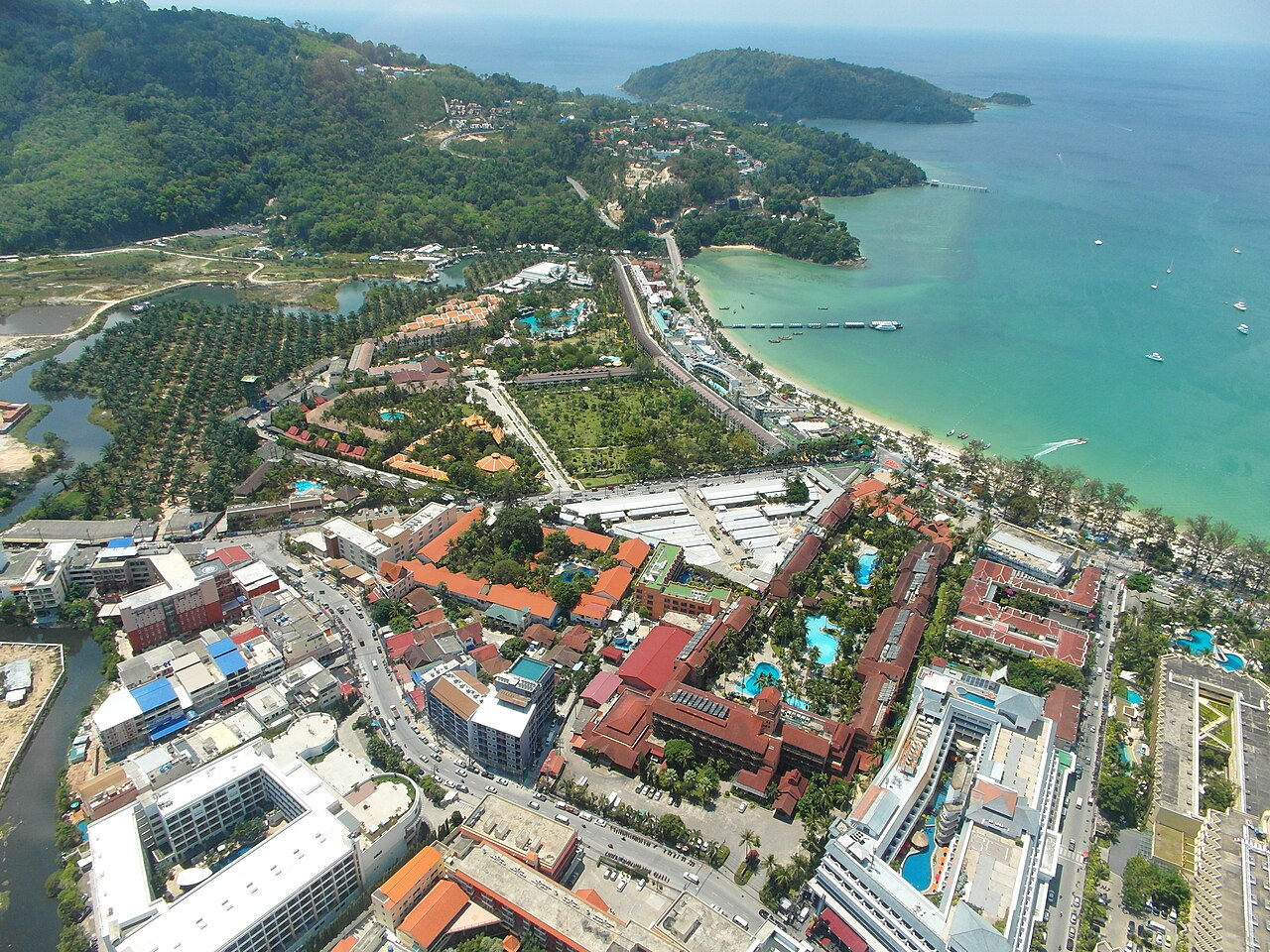
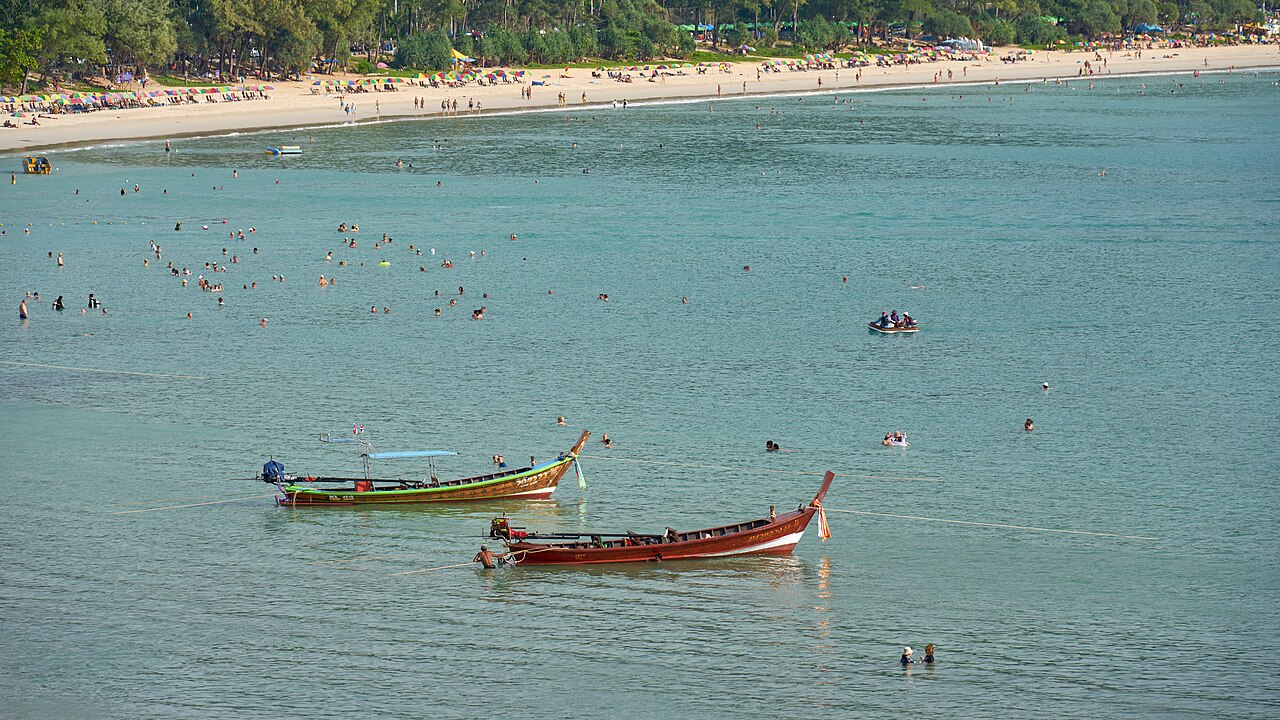
The west-coast beaches are the heart of Phuket. Patong is busy and convenient, Kata and Karon are quieter and family-friendly, Nai Harn and Surin are prettier and calmer. Pick the beach that matches your style and spend real time there. The water is clearest in the dry season.
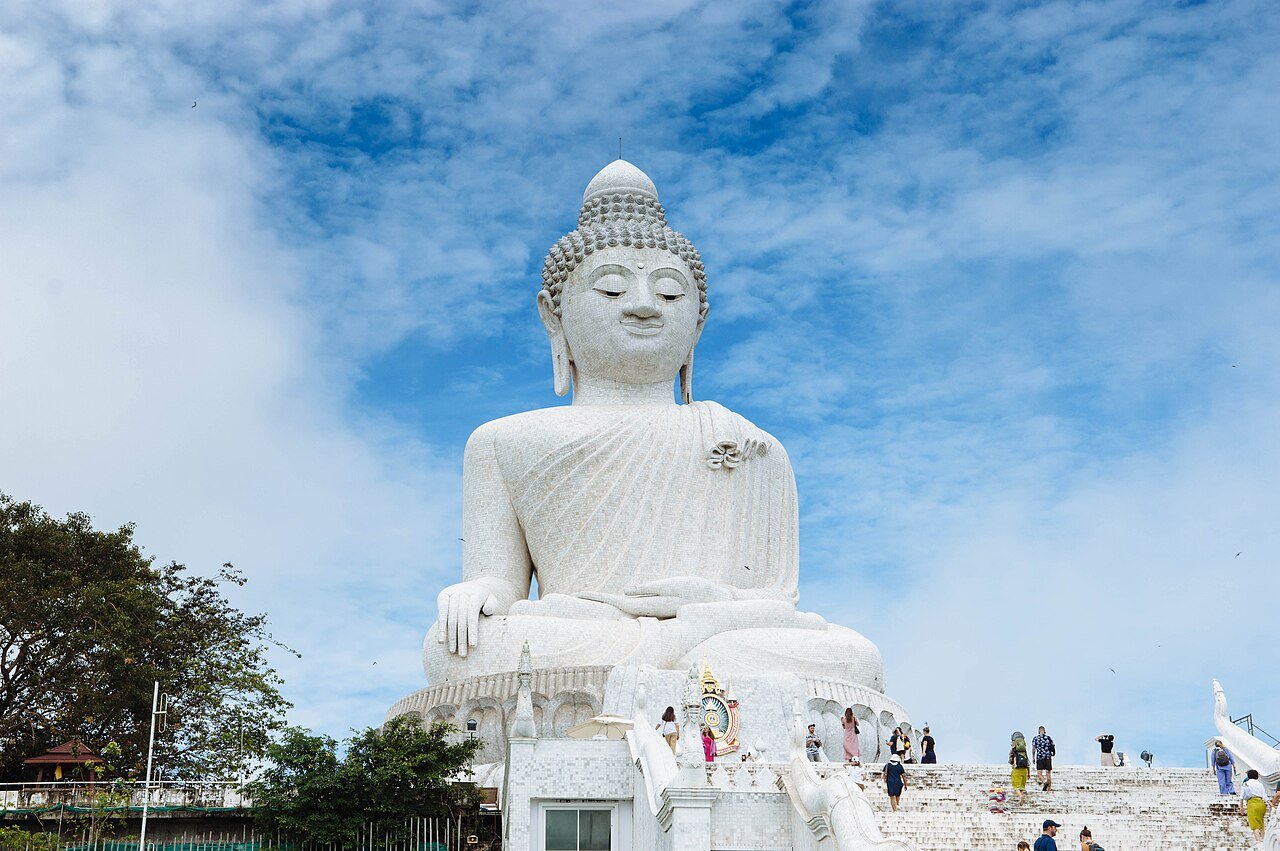
The white Big Buddha sits on Nakkerd Hill with views over the sea around the island, paired with Wat Chalong, Phuket's most important temple. Both are temples, so dress modestly — cover shoulders and knees; wraps are lent at the entrance. The two pair up easily in half a day.
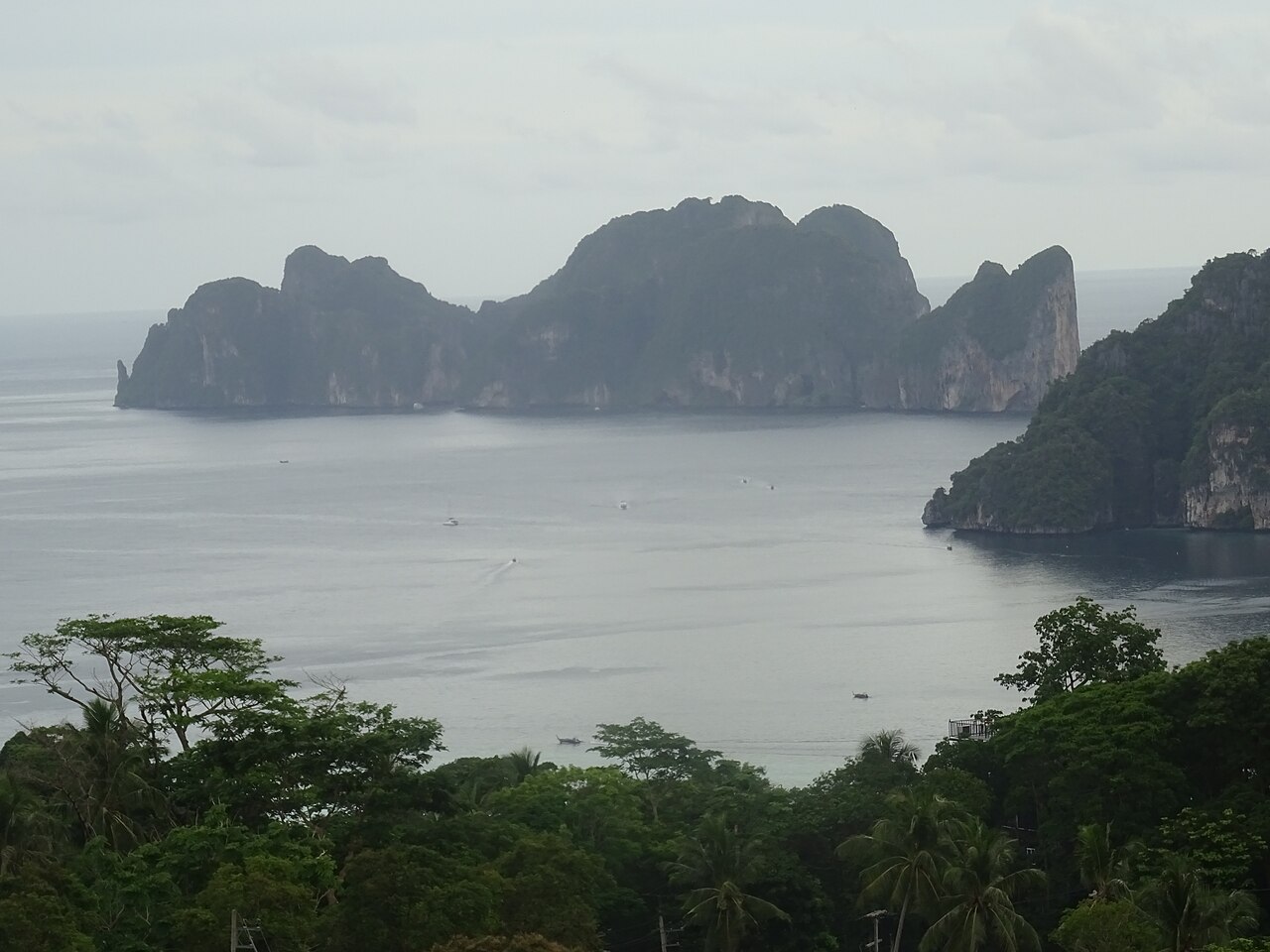
The Phi Phi Islands are the most popular island trip from Phuket — emerald water ringed by limestone cliffs, with Maya Bay, snorkelling stops and photogenic viewpoints. A speedboat does it as a round-trip day out. Booking the tour ahead is easier and usually a better price.
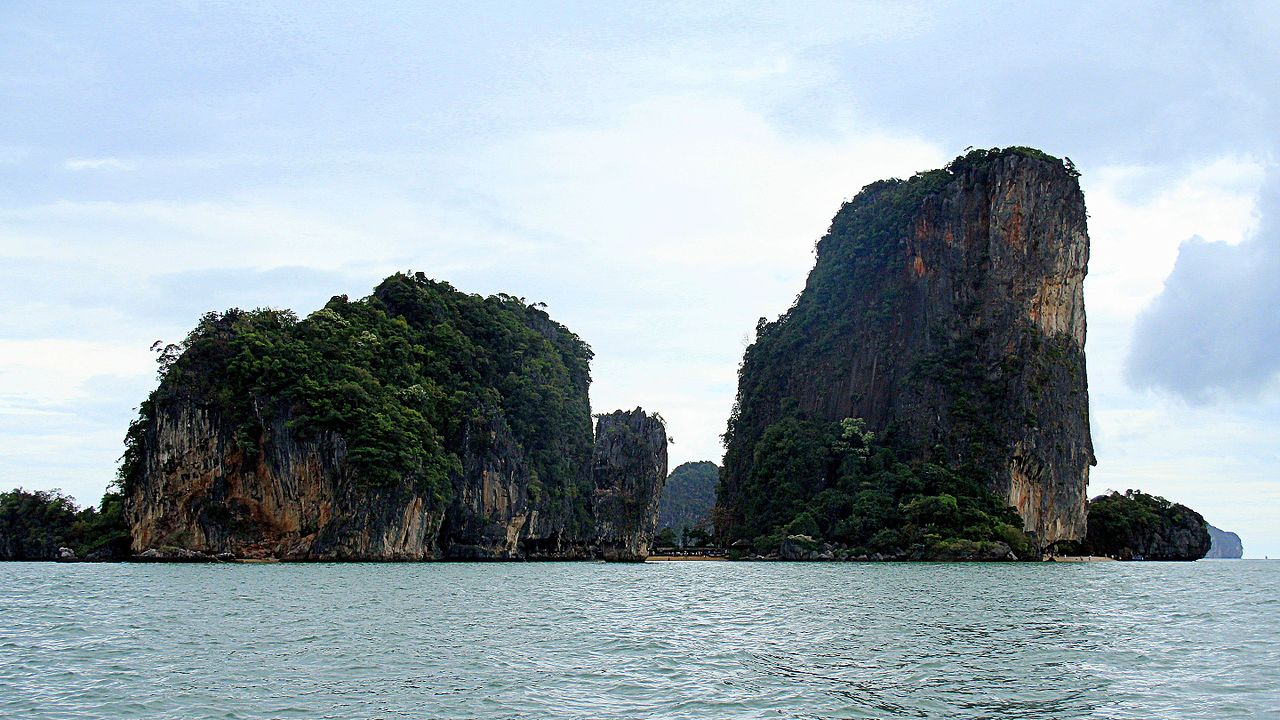
Phang Nga Bay is a calm sea full of towering limestone karsts. The highlight is Ko Tapu (James Bond Island) and kayaking through caves into hidden lagoons — a completely different feel from Phi Phi. Good for people who want quieter nature, as a day out and back.
Phuket's sea is beautiful but has dangerous moments, especially in the monsoon (May-Oct) when the surf is strong and there are rip currents that pull swimmers away from shore — these cause drownings every year. This isn't scare-talk; knowing it before you swim makes a real difference.
A red flag means do not enter the water because of strong surf or dangerous currents — don't push it even if others are in. People drown every year ignoring red flags. Swim where there are lifeguards, never alone, at night, or after drinking. If a current pulls you out, don't fight your way straight back — swim parallel to the shore until you're free of it, then come in.
At some times (often the monsoon) jellyfish drift inshore, including box jellyfish, which have a strong sting. If there is a warning sign, stay out of the water. If you are stung, get out at once, pour vinegar on it (many beaches have a station), don't rub the area, and seek help quickly. Also watch for sea urchins and coral on the rocks — reef shoes help.
Phuket is a seaside island, so the standout is fresh seafood — alongside Phuket's own Hokkien-Chinese-influenced cooking, from Hokkien mee to moo hong and iced desserts like o-aew. Full guide: Phuket food guide →
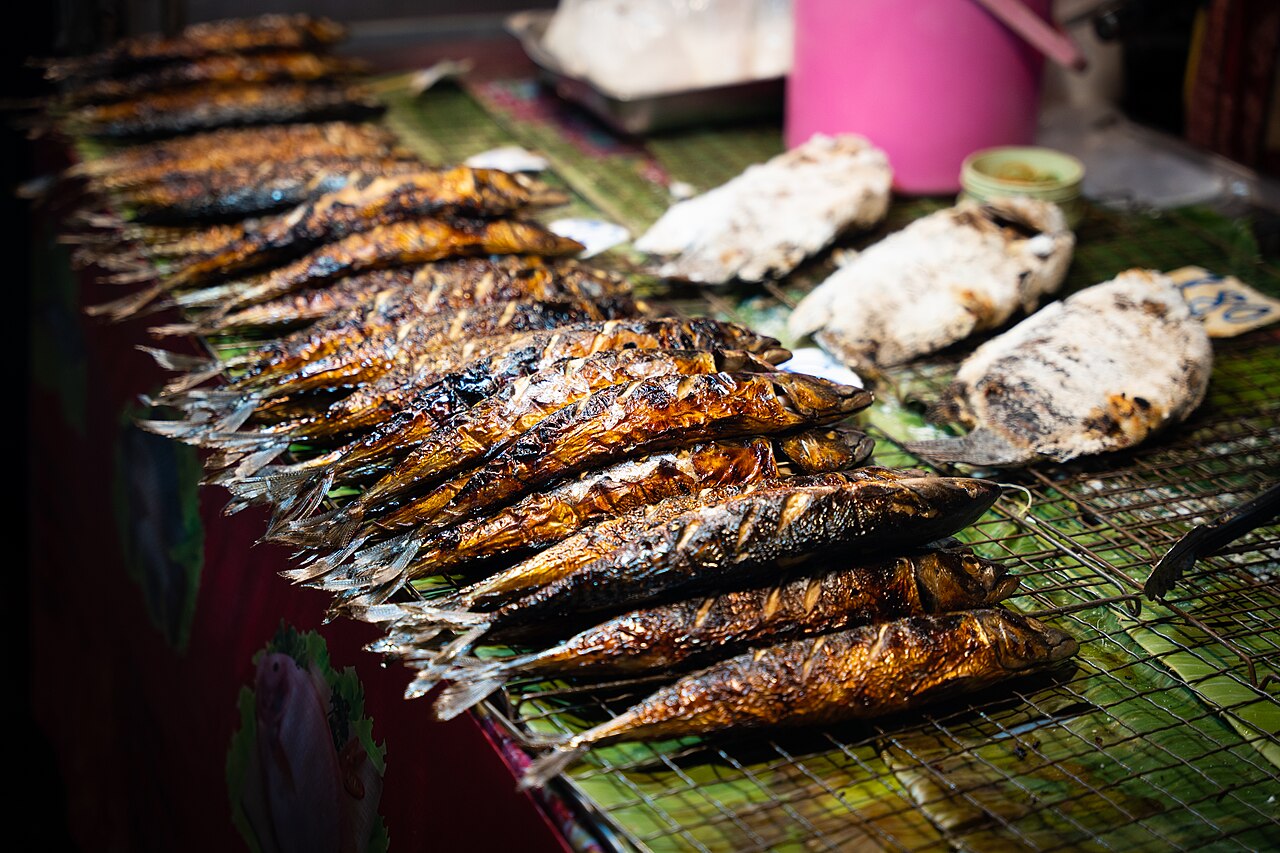
Every visitor agrees seafood is the thing to eat in Phuket. The classic approach is the Rawai seafood market: pick your fresh catch yourself, then pay a stall to cook it (cost of the seafood plus a cooking fee). Fresher and better value than the tourist-strip restaurants. For how to do it without being overcharged, see eating seafood in Phuket →
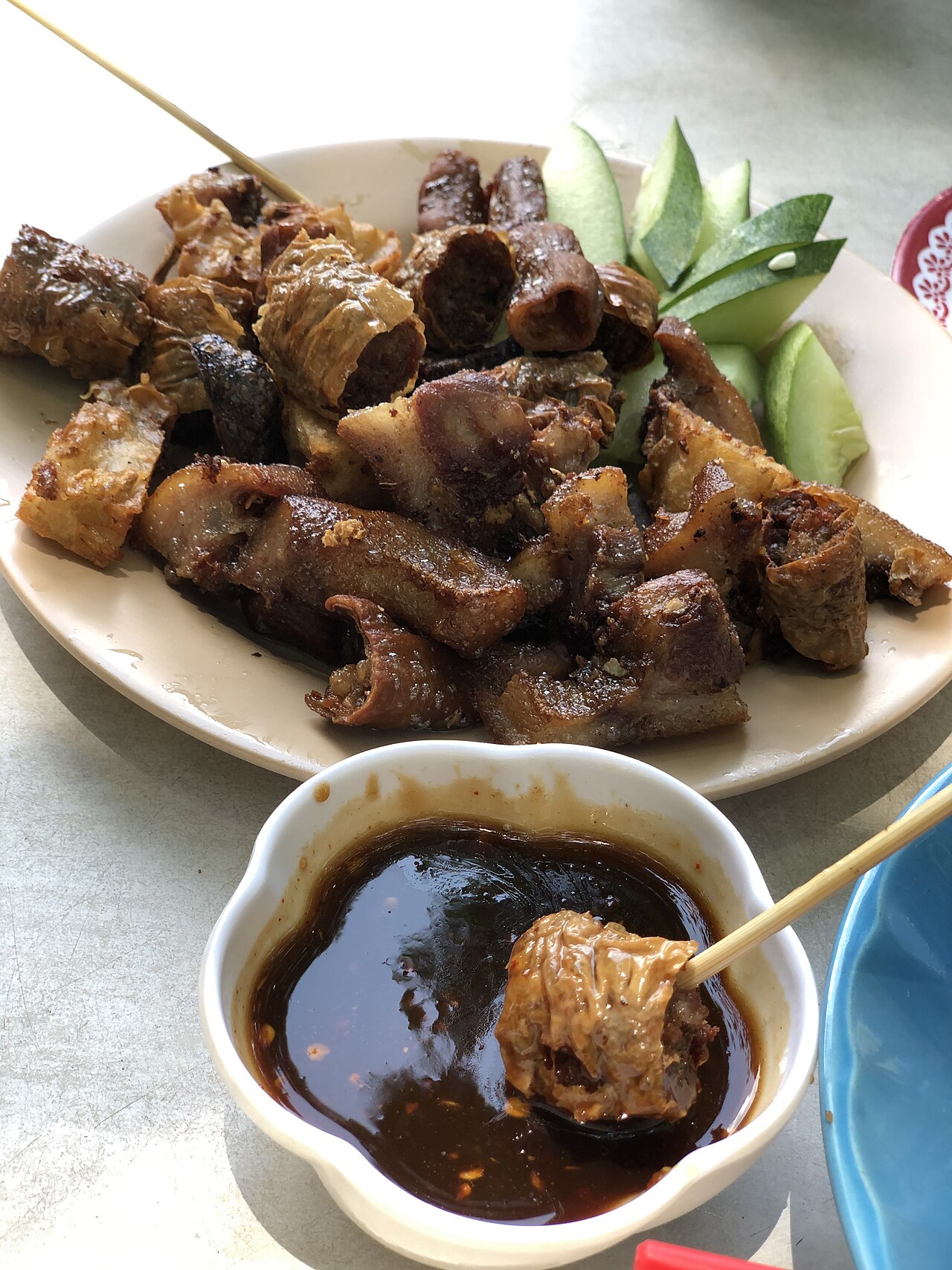
Phuket's local cooking carries a Hokkien-Chinese influence. Moo hong is pork belly braised in soy and spices until tender, eaten with rice — a dish you'll find all over the old town. Pair it with a Phuket-style kopi (old-school coffee). More at the Phuket food guide →
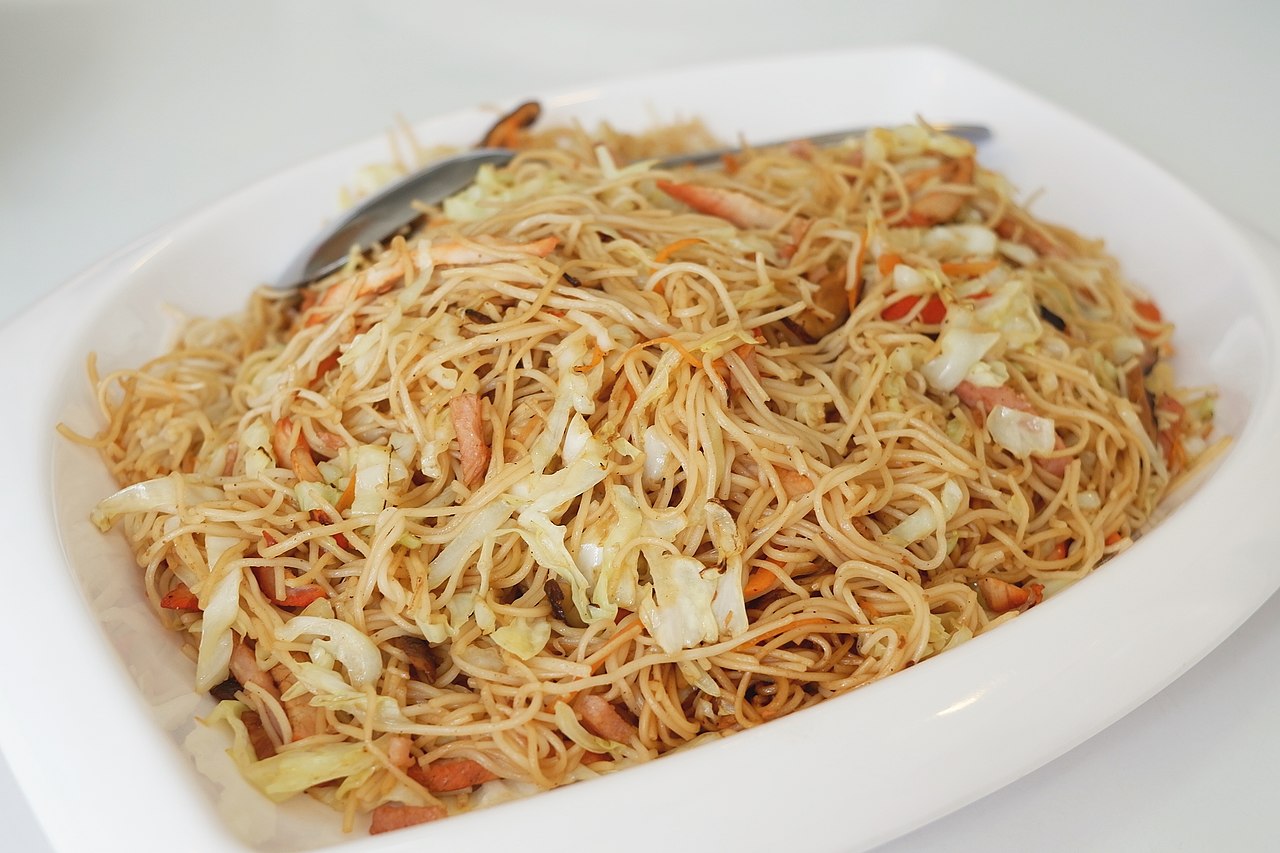
Phuket Hokkien mee is yellow noodles fried in a thick sauce with prawns, pork, squid and vegetables — a taste particular to the island. You'll find it at the old shophouse restaurants in Phuket Town, the lunch locals actually eat. Pair it with street snacks from a night market.
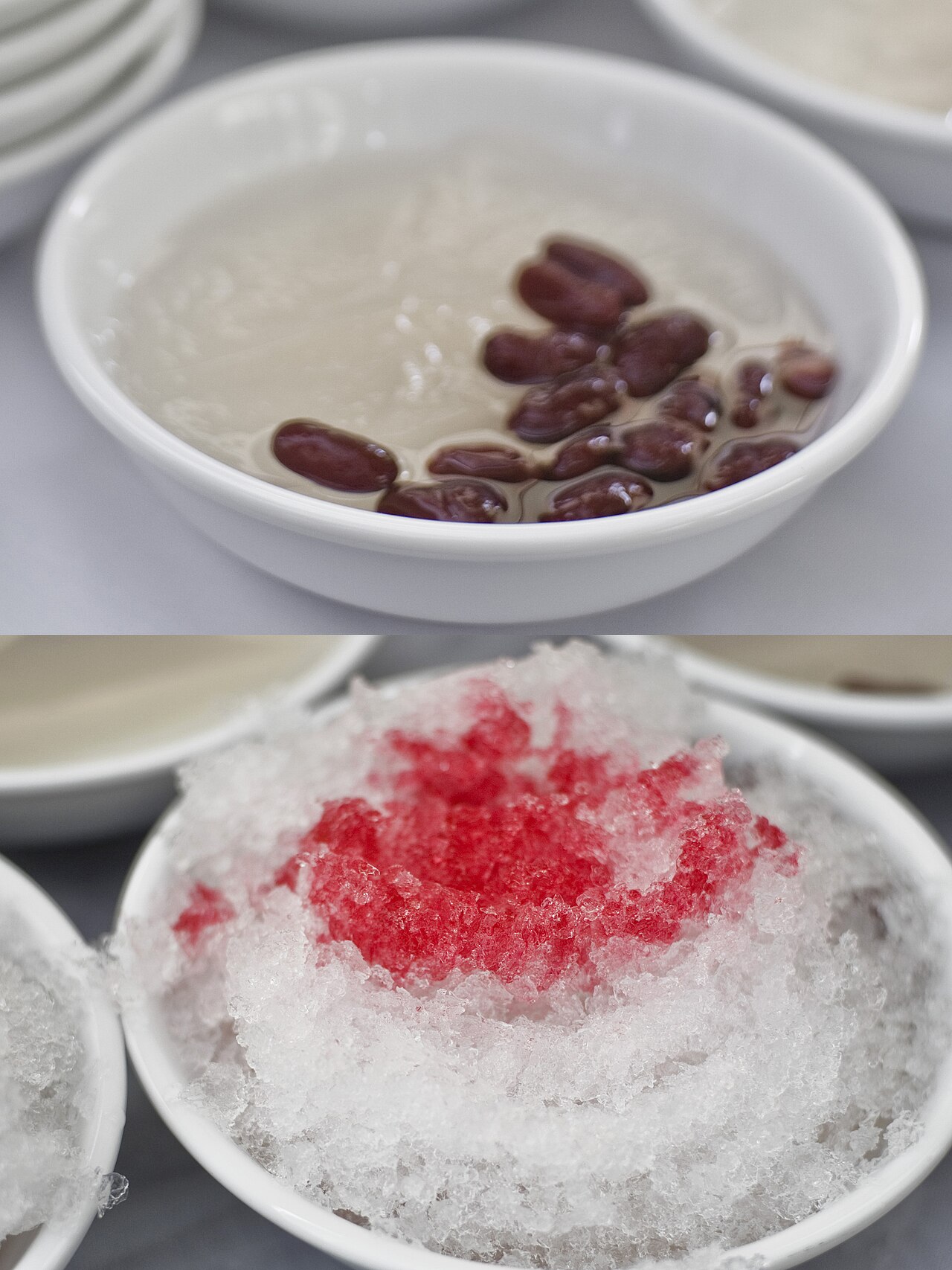
O-aew is Phuket's signature iced dessert: a clear jelly set from banana and plant seeds, served with red beans, shaved ice and syrup. The cool-down after a full day on the beach, cheap and found around the old town. For more local dishes and street food, try a Phuket night market — see Phuket night markets →
Phuket works for a range of budgets. Staying in town or Patong keeps costs down, and seafood at the Rawai market is cheaper than the tourist-strip restaurants. At the other end, the five-star beach resorts at Bang Tao and Kamala can run high. Full breakdown: Phuket trip budget guide →
| Level | Accommodation/night | Food/day | Approx. total/day |
|---|---|---|---|
| Budget | ฿500–1,200 hostel or guesthouse | ฿300–600 | ~฿1,200–2,500 |
| Mid-range | ฿1,800–4,000 3-4 star hotel/resort | ฿700–1,500 | ~฿3,500–7,000 |
| Luxury | ฿6,000–20,000+ 5-star beach resort | ฿2,000–5,000+ | ~฿10,000–30,000+ |
Your main transport cost is taxi/Grab rides between areas (about ฿200-600 per trip by distance), island tours run about ฿1,200-2,500 per person, beaches are free, and a rented scooter is about ฿250-350 a day. More detail at the Phuket trip budget guide →
The most common mistake is booking several areas across a short trip and then losing hours and hundreds of baht a day to rides. Patong, Kata, Bang Tao and the Old Town are fairly far apart — choose one area that matches your style and stay put; the trip is far more relaxing for it. See where to stay in Phuket →
Phuket taxis and tuk-tuks often refuse the meter and quote high to tourists, especially on short hops and at night. Always agree the fare clearly before you get in. Compare with Grab (even if limited in some areas) or the blue songthaew, which has a fixed, much cheaper fare. If you're visiting several spots, renting a car or scooter is better value. See getting around Phuket →
A common scam is renting a jet ski or scooter and then being charged for pre-existing scratches. Always photograph or film all around it before you take it, with the rental staff present to see the existing marks. Choose a place with good reviews, don't leave your passport as a deposit (use a copy or a cash deposit), and a scooter rental legally needs a real licence.
In tourist areas you may be offered a "prize" or "free tickets" in exchange for sitting through a multi-hour timeshare or condo sales pitch — it eats a whole day and the pressure to sign is heavy. Saying no flat-out is easiest. Book tours and tickets through your hotel or a trusted platform instead, and never give card details to people handing out flyers on the street.
Phuket's airport is at the far north of the island, about 45-60 minutes from the west-coast beaches like Patong and Kata — and longer in high-season traffic. Leave plenty of margin, especially on your departure day. Book a transfer or arrange a ride ahead, and allow at least 1.5 hours to reach the airport plus check-in time. See the airport transfer guide →
Tap water in Phuket is not drinkable — use bottled water, cheap and easy to find at convenience stores. For the internet, buy a tourist SIM at the airport (cheap, works immediately) or set up an eSIM with a Thai provider before you fly; coverage is good on the beaches and in town. Pack water-resistant sunscreen and a hat for the tropical sun.