By boat and by road — out to see the real thing
A mix of boat and land trips, with an honest note on which is half a day, a full day, or a trip that needs travel time and a weather check.
 1
1
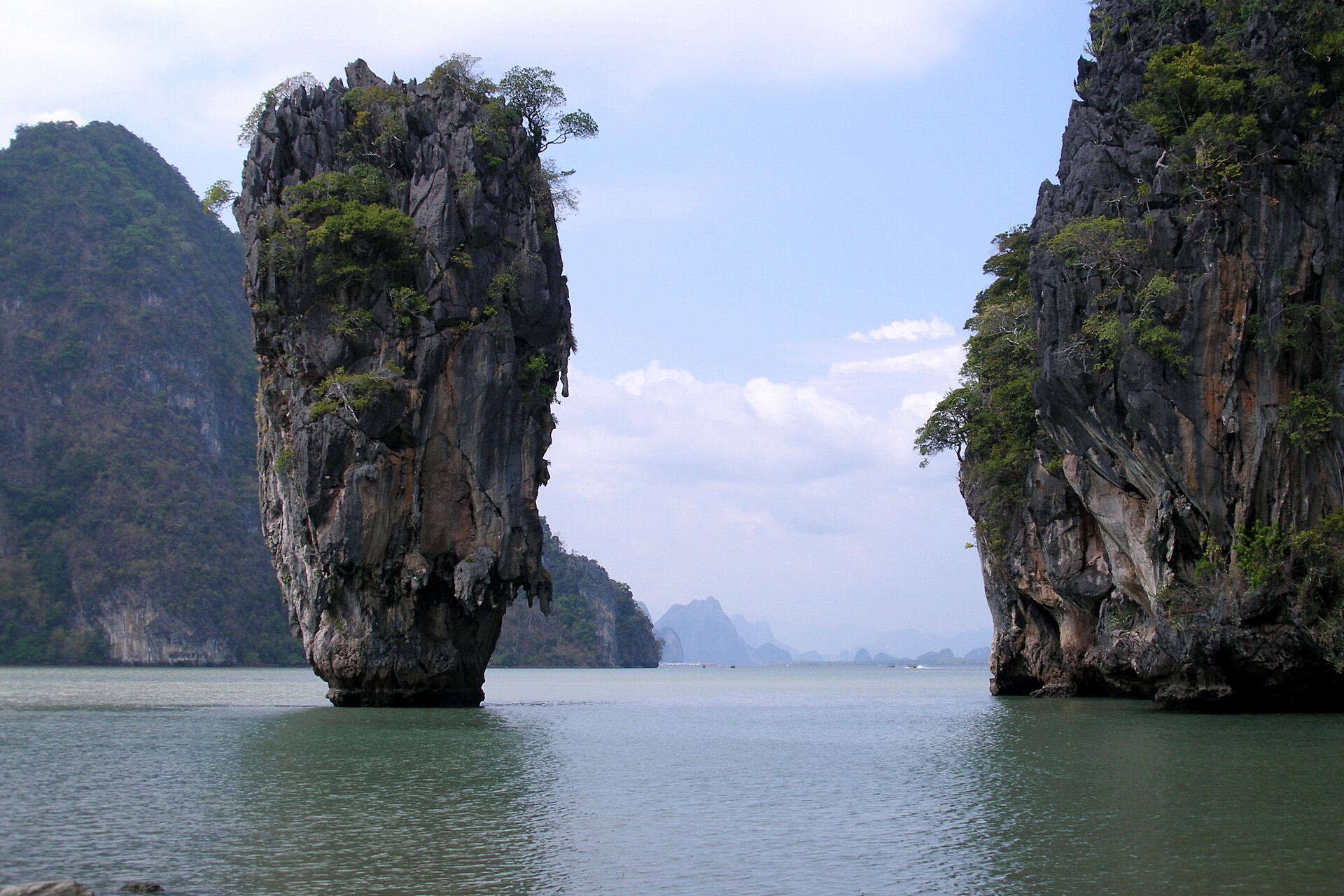
If you only make one trip off the island, make it Phang Nga Bay — a wide bay northeast of Phuket scattered with hundreds of strange limestone karsts rising straight out of the water. The highlight is Ko Tapu, the needle-shaped rock that became world-famous when a James Bond film shot here, so everyone now calls it James Bond Island.
Most tours are full-day and include hotel pick-up, with a stop at the Muslim fishing village of Koh Panyee built on stilts over the water, and time to paddle a sea-canoe or kayak into the caves and hidden lagoons (hong) inside the islands. Honestly, the Ko Tapu viewpoint gets very busy in the middle of the day; an early or late-afternoon tour means fewer people and better light. To compare it with the other island tours, see our Phuket island-hopping guide.
 2
2
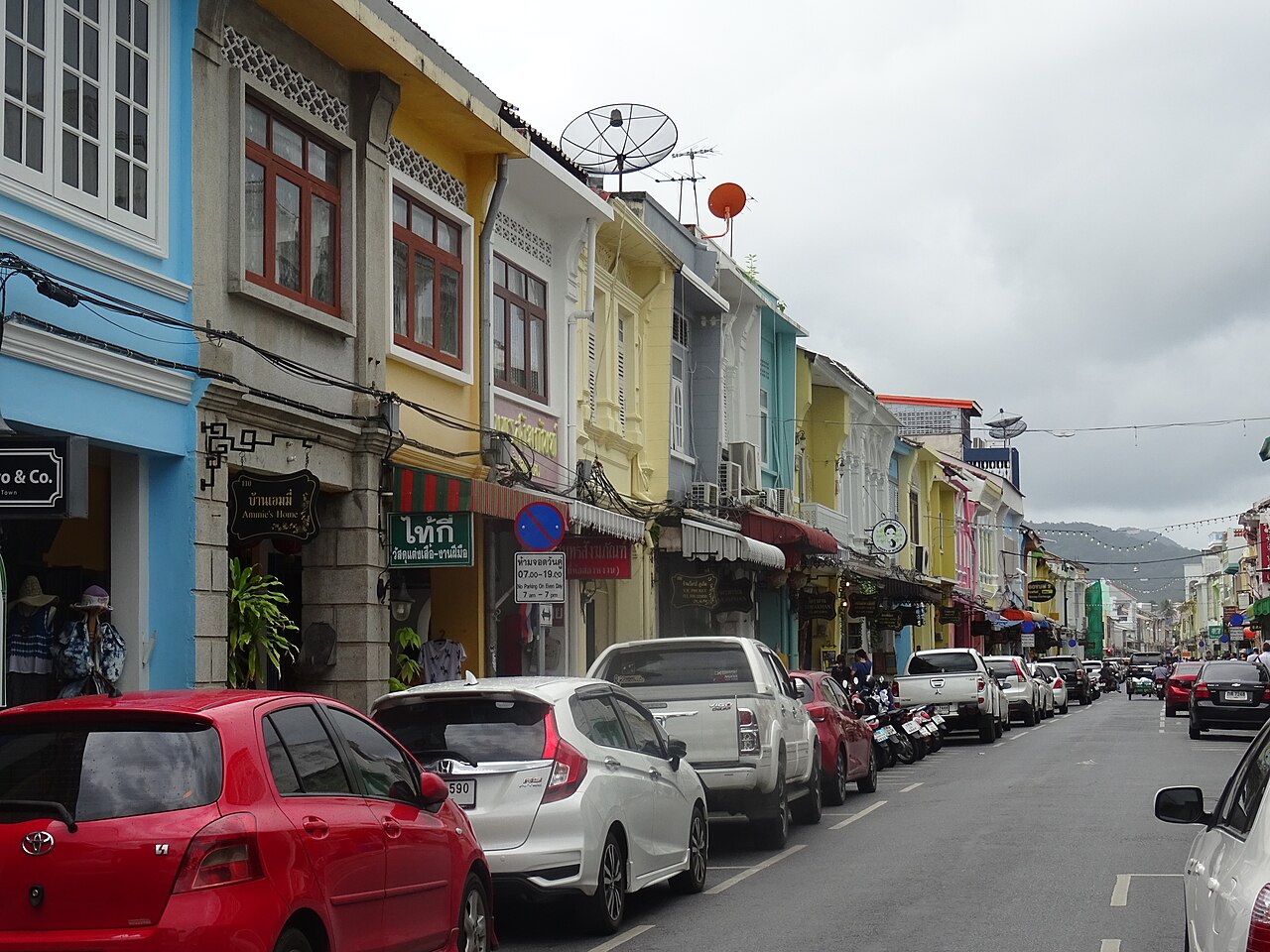
If you want a break from the sea for half a day, Old Phuket Town is the easiest call — it's in Phuket Town, about 40 minutes by road from Patong or Kata. The district still keeps long rows of Sino-Portuguese shophouses (the same Chinese-Portuguese style as Penang), the legacy of the Baba-Peranakan Chinese who came to mine tin here more than a century ago.
The pleasure is wandering Thalang Road, Dibuk Road and Soi Romanee, where the buildings are painted in lovely pastels, dotted with street art, stylish cafés and Phuket's own local restaurants. Come on a Sunday evening and Thalang Road closes for the Lard Yai Walking Street, selling food and crafts. Honestly, it's an easy, unhurried wander, ideal if you like photography and good food. Read our full Old Phuket Town guide.
 3
3
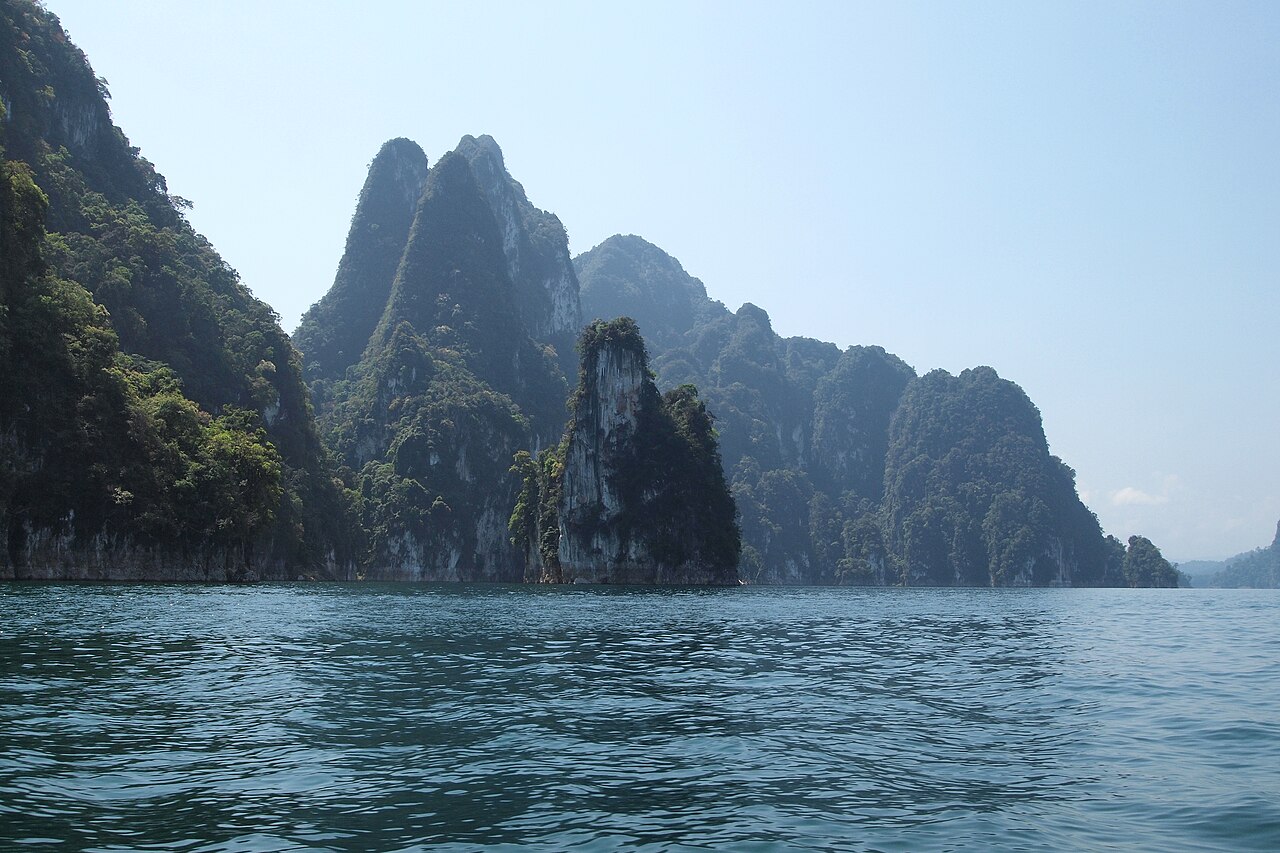
Tired of the sea and craving real jungle? Khao Sok is the answer — a national park in Surat Thani province whose tropical rainforest is older than the Amazon, about 150–180 km from Phuket, around 2 to 2.5 hours by road. The moment you enter the forest the air turns cool and humid, with towering trees, hanging vines and the calls of birds and gibbons.
The sight everyone comes for is Cheow Lan Lake (Ratchaprapha Dam), where sheer limestone karsts rise out of emerald-green water — lovely enough to earn the nickname "the Guilin of Thailand." You take a longtail boat out to see it and can stay on a floating raft house on the lake. Honestly, doing it as a same-day return from Phuket is tiring and rushed, because you lose so much time on the road. To do it justice, stay a night on a raft house — you'll catch the morning mist and quiet kayaking.
 4
4
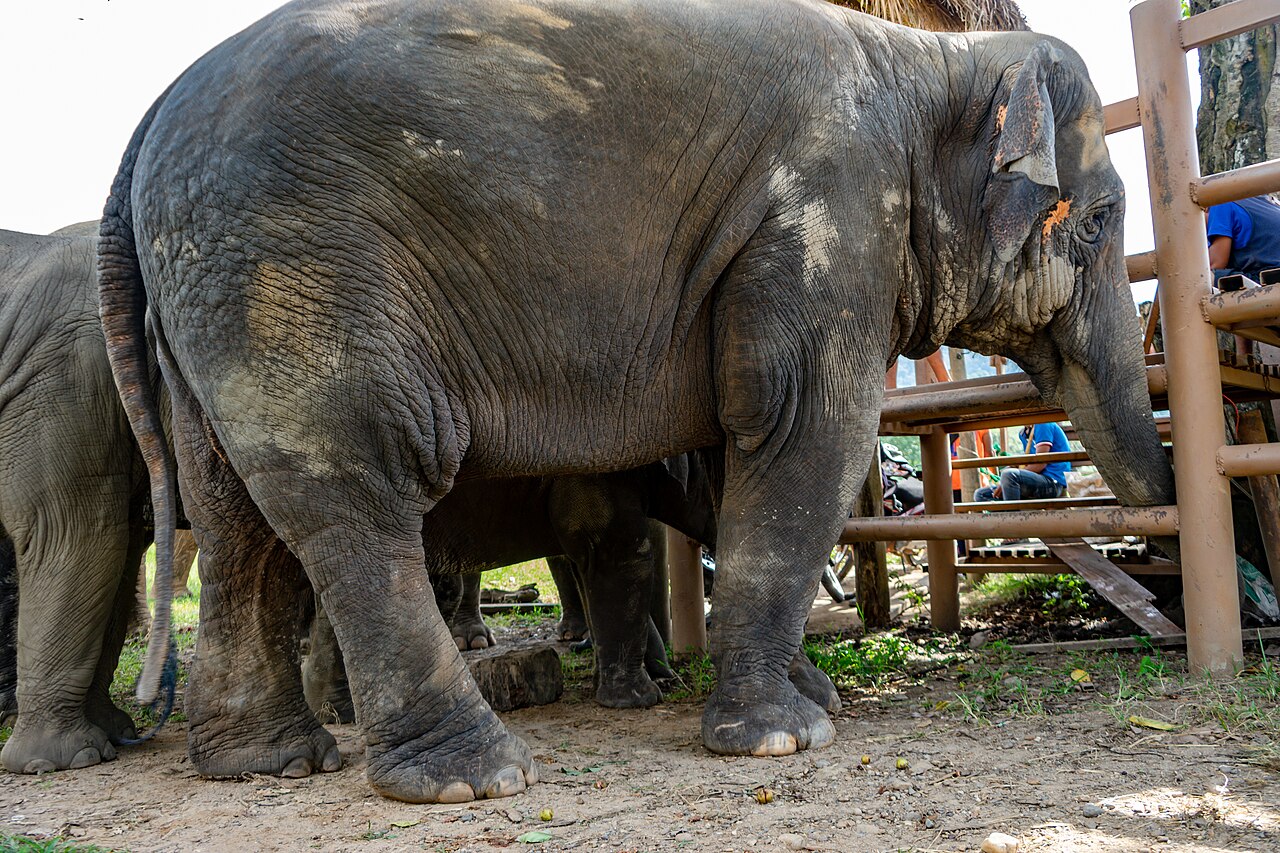
Want to meet elephants up close without harming them? Choose a no-ride ethical sanctuary — Phuket and Phang Nga have several. There's no elephant riding and no show; instead you walk among the elephants in a large area, feed them fruit, and bathe or mud-spa them, while hearing the story of each elephant, many of which worked hard before being rescued.
Honestly, the word "sanctuary" gets used loosely now, so before booking make sure it clearly states no-ride, no-show, and read welfare reviews — if you see a chair or saddle on an elephant's back in the photos, skip it, because that's a riding camp, not a sanctuary. This trip is a real favourite with families and animal lovers; kids usually love the feeding and bathing most of all.
 5
5
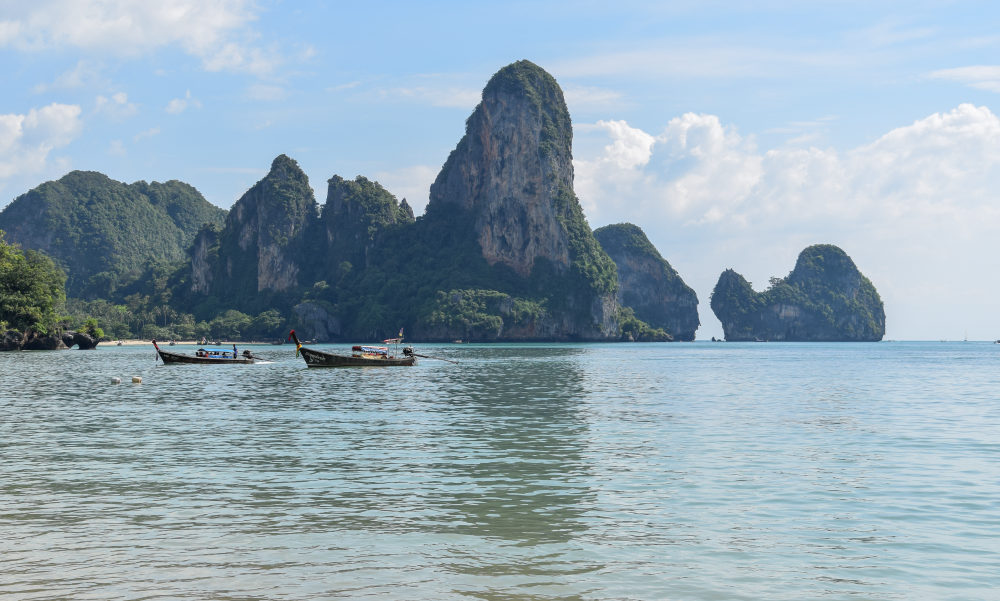
Phuket's neighbouring province, Krabi, is famous for its sheer limestone cliffs by the sea and its fine white-sand beaches. Krabi town and Ao Nang are about 160–180 km from Phuket, around 2.5 to 3 hours by road (off the island over the Sarasin Bridge). The sight most people want is Railay — a headland ringed by cliffs with no road in, reached by a ~15-minute longtail boat from Ao Nang; it's a paradise for rock climbers and anyone after a quiet, beautiful beach.
Honestly, with only one day it's rather rushed, as the round trip on the road eats 5 to 6 hours. It suits people who really want to see Krabi itself and don't mind a tiring day. With two days or more, stay a night in Krabi and take it easy. Read our Krabi travel guide.
Want somewhere quieter than Patong but not far? Khao Lak, in Phang Nga province, sits just north of Phuket, about 1 to 1.5 hours by road over the Sarasin Bridge. It's a coastal town with long, quiet, relaxed beaches — far calmer than the Phuket side, and ideal if you really want to switch off. It's also the departure point for boats to the Similan Islands (open only ~mid-Nov to mid-May).
On the way, or as a separate trip, you can stop in Phang Nga town, with its limestone caves, cave temples and oddly shaped karsts — it's also the inland gateway to Phang Nga Bay. Honestly, Khao Lak is a slow, easy day rather than a place of big-ticket sights, but if you want a relaxed day away from the crowds, it suits anyone who likes peace and quiet. It pairs neatly with a Phang Nga Bay trip on the same route.