The most fun way to eat seafood in Phuket isn't ordering from a menu — you choose it live at the Rawai seafront stalls, then carry it to a restaurant next door to cook your way. This guide walks you through it step by step, and tells you straight how to eat fresh, fairly-priced seafood without getting overcharged.
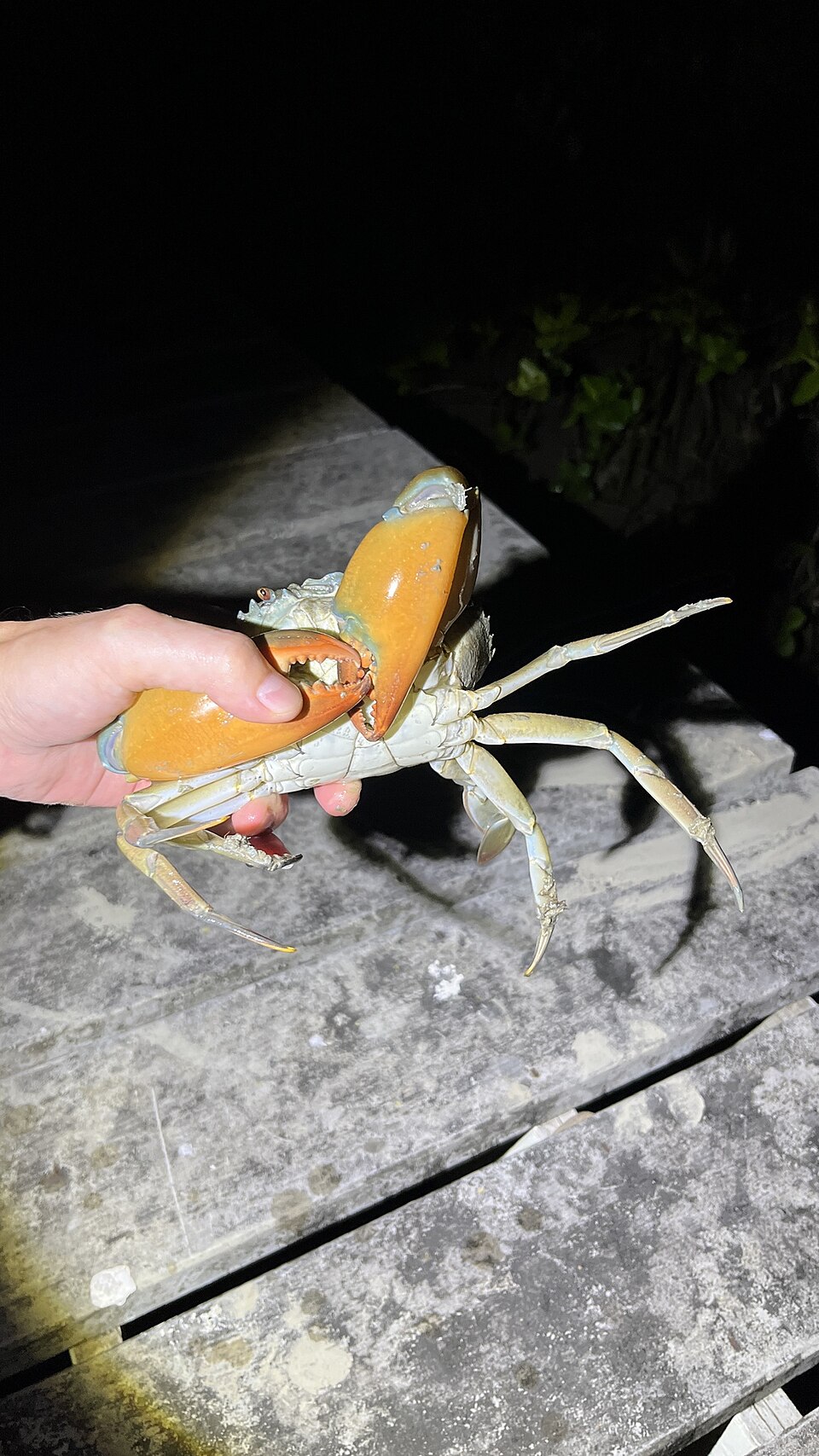
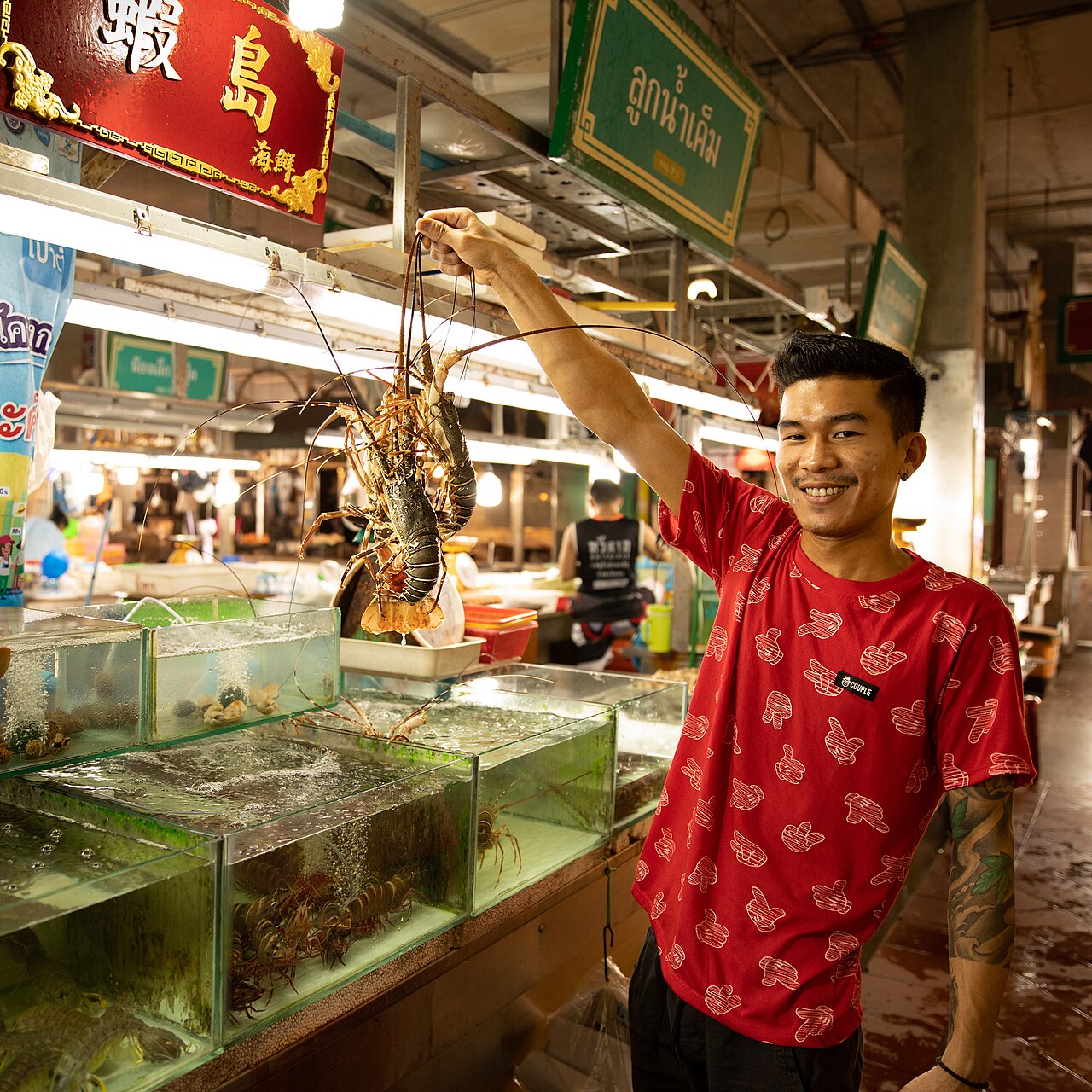
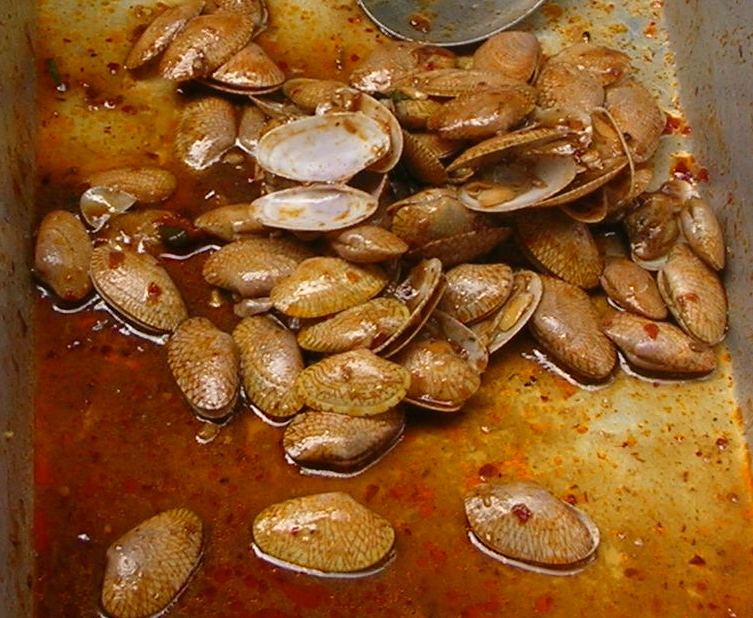
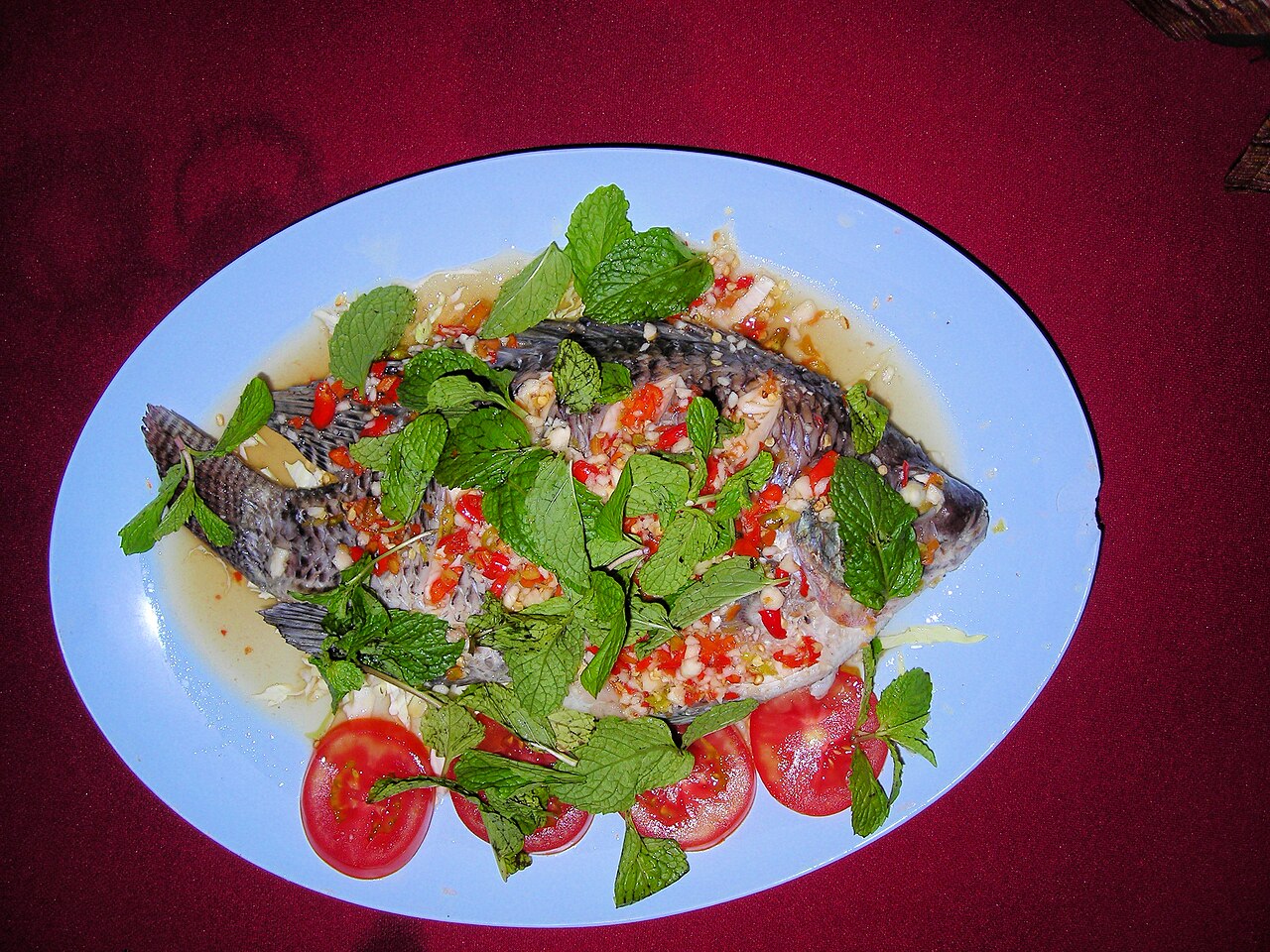
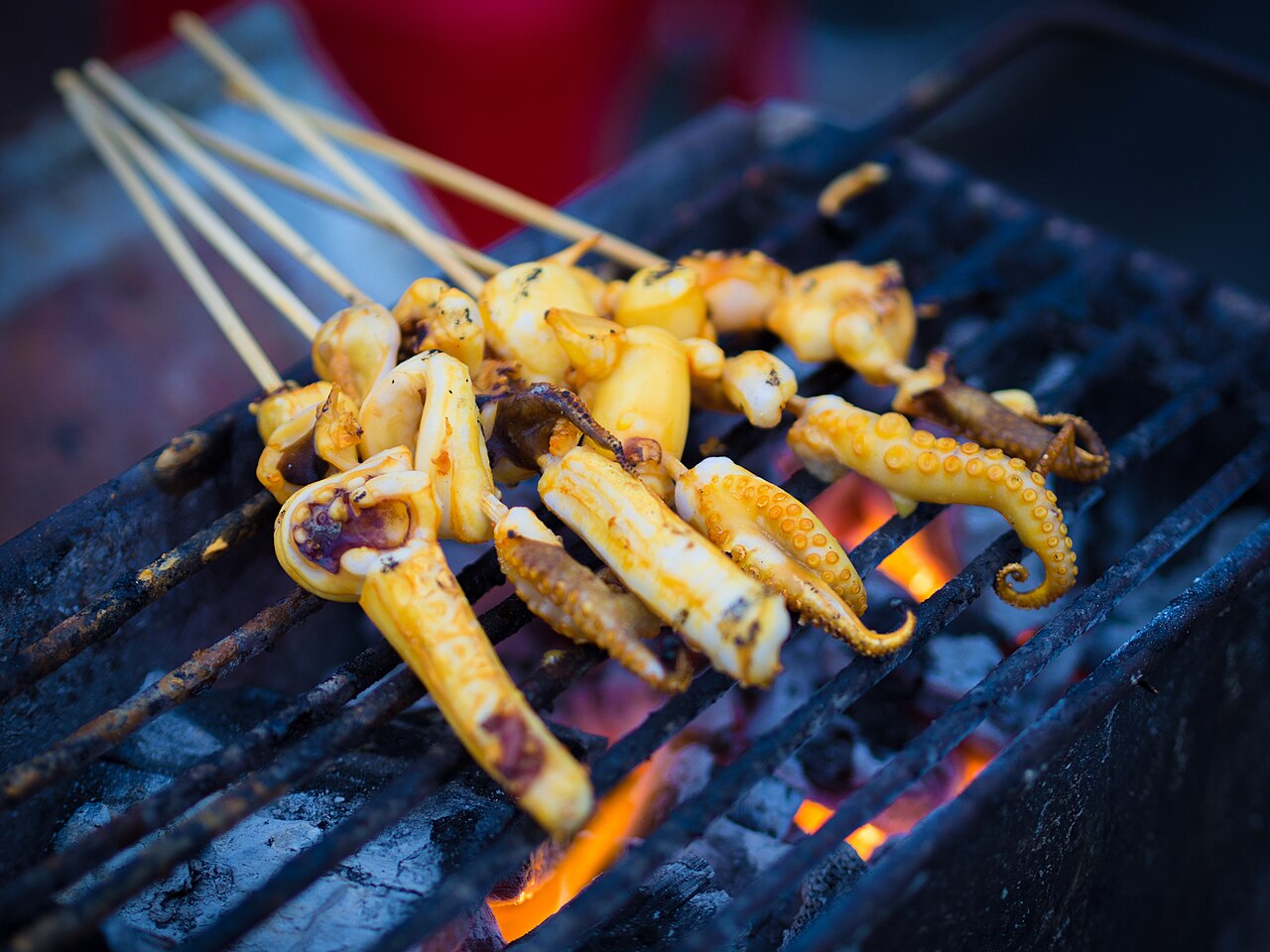
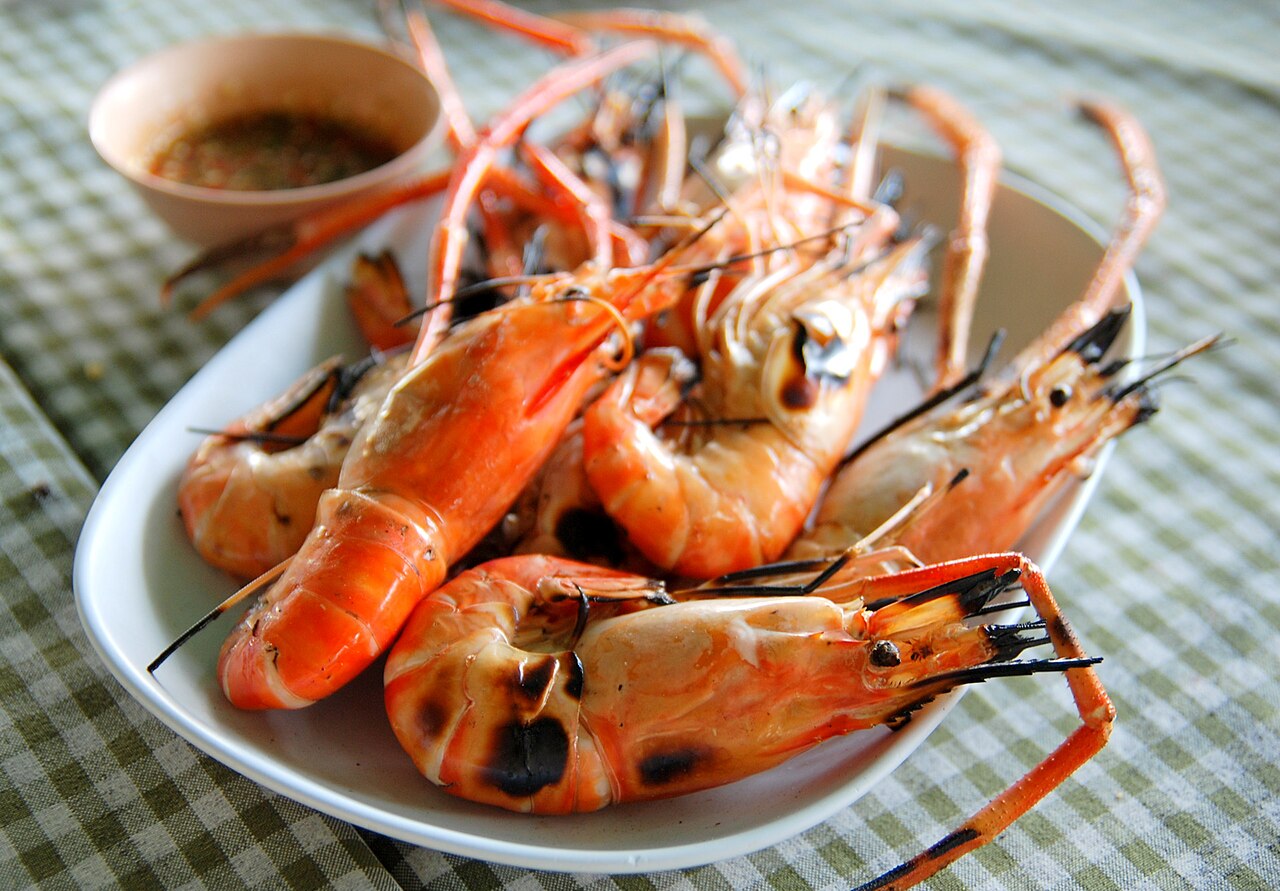
Picture this: early evening at Rawai, a soft sea breeze, the sun starting to drop, and you walk along the seafront road past a long line of seafood stalls. Tubs of ice are piled high with big tiger prawns, big-clawed mud crabs, mounds of cockles, grouper and sea bass laid out on ice. You point at the ones you want, the vendor weighs them in front of you, and you carry the bag across to a restaurant opposite. Fifteen minutes later, the very seafood you just chose lands in front of you as grilled prawns and a fish steamed with lime — this is how Phuket eats the sea, and it's far more fun than ordering off a menu.
Phuket is a big island in the Andaman Sea, so the seafood is fresh and available most of the year. The appeal here is freshness, natural flavour and bold southern-Thai cooking. The methods locals love most keep the sweetness of the meat intact rather than burying it. That "pick it yourself at the stall, then have it cooked" system at Rawai is what lets you control the freshness, the price and the way it's cooked — but there are a few things to know before you walk in, so we'll take it step by step. For the full picture of what to eat in Phuket, read our Phuket food guide alongside this.
Follow this order at the Rawai seafood stalls and you'll eat well, pay fairly, and skip the overcharging
Point at these at the stall, then tell the restaurant how you want them


Go in informed, not as a target, and it's genuinely worth it
Let's say it plainly first — pick-your-own seafood at any Thai seafood market, Rawai included, can occasionally involve over-pricing or short-weighing of tourists. That doesn't mean every stall does it; on the contrary, most stalls and restaurants are straight. But because seafood is priced by weight and rates vary by type, it's an easy place for the unfamiliar to get confused. The trick is to walk in knowing rough market prices, ask clearly, and watch the weigh-in — rather than walking in and letting the bill be whatever they say.
The most common slip is not asking for both prices — forgetting that the seafood price at the stall and the cooking fee at the restaurant are two separate amounts. Some people ask only the stall price and get a shock when the cooking fee is added. The other is leaving water and ice in the bag at the weigh-in, which pads the weight. Ask the per-kilo seafood price, ask the per-plate cooking fee, tip the water out before weighing, and watch the number every time. Do that and you head off almost every headache. Compare a few stalls, read the boards, and decide for yourself.
1
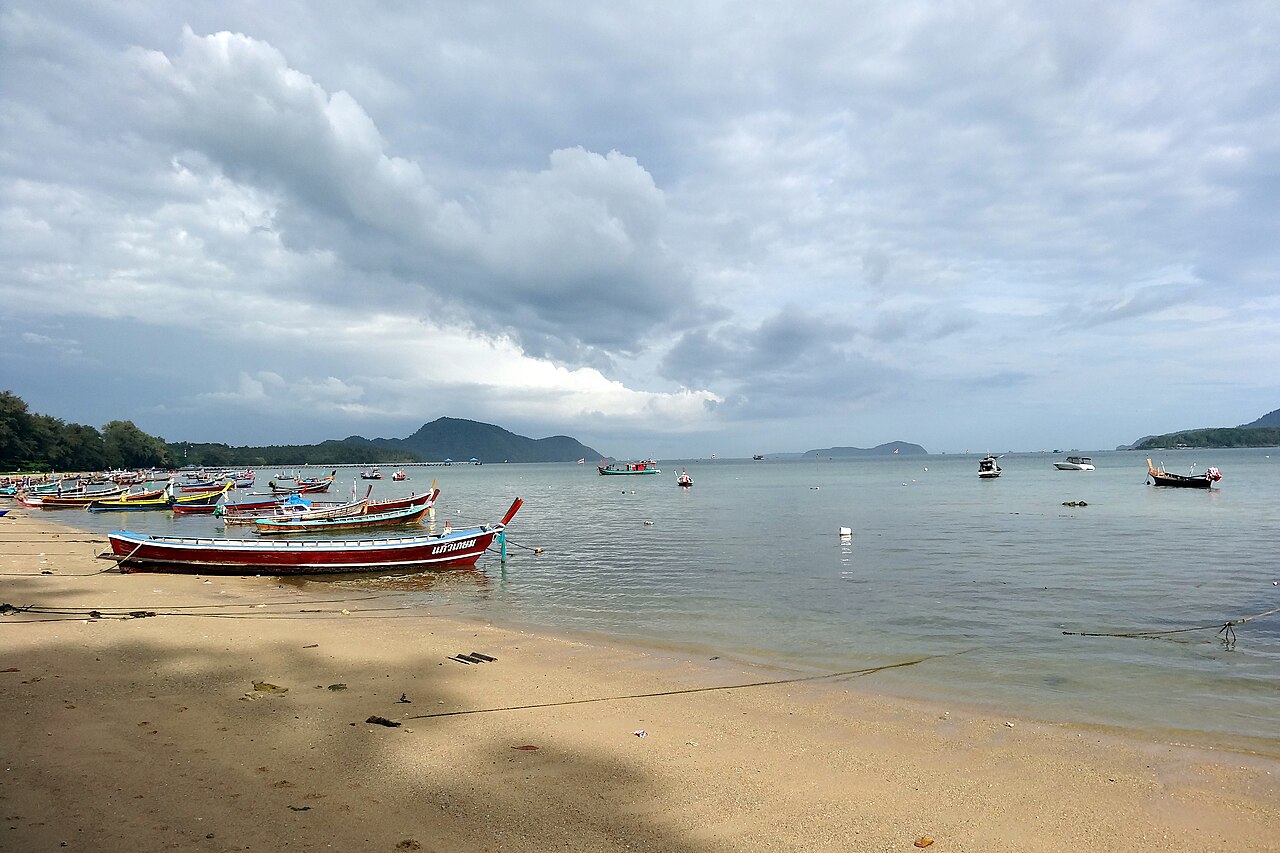
Phuket's best-known pick-your-own seafood area, with a long row of seafood stalls along the seafront road and restaurants opposite to cook what you buy. By evening the sea air is lovely and the breeze cools things down. The draw is choosing it live yourself and controlling the price, ideal if you want the freshest seafood and enjoy the picking. Rawai sits at the south of the island near Promthep Cape, so you can carry on to watch the sunset there.
2
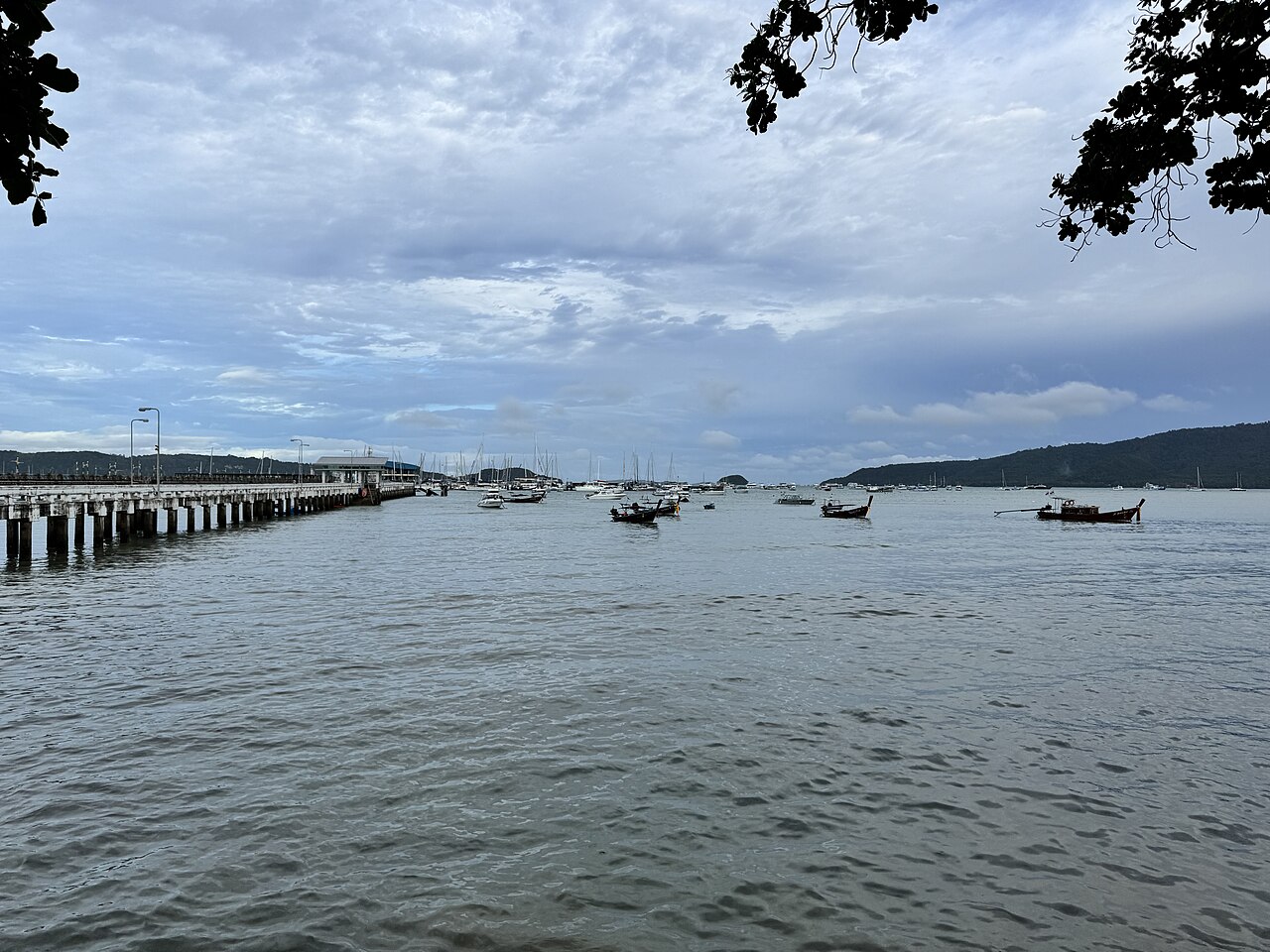
If you'd rather sit down at a proper restaurant than work the stalls yourself, Chalong has long-running waterfront seafood spots people have recommended for years, such as Kan Eang @ Pier. You sit by the water with the breeze and table service, ordering straight off the menu with no weighing to do yourself. You trade the pick-your-own price for comfort — ideal for a special meal or a night you want to relax by the sea. Chalong is south of Phuket Town, near the pier for island boats.
3
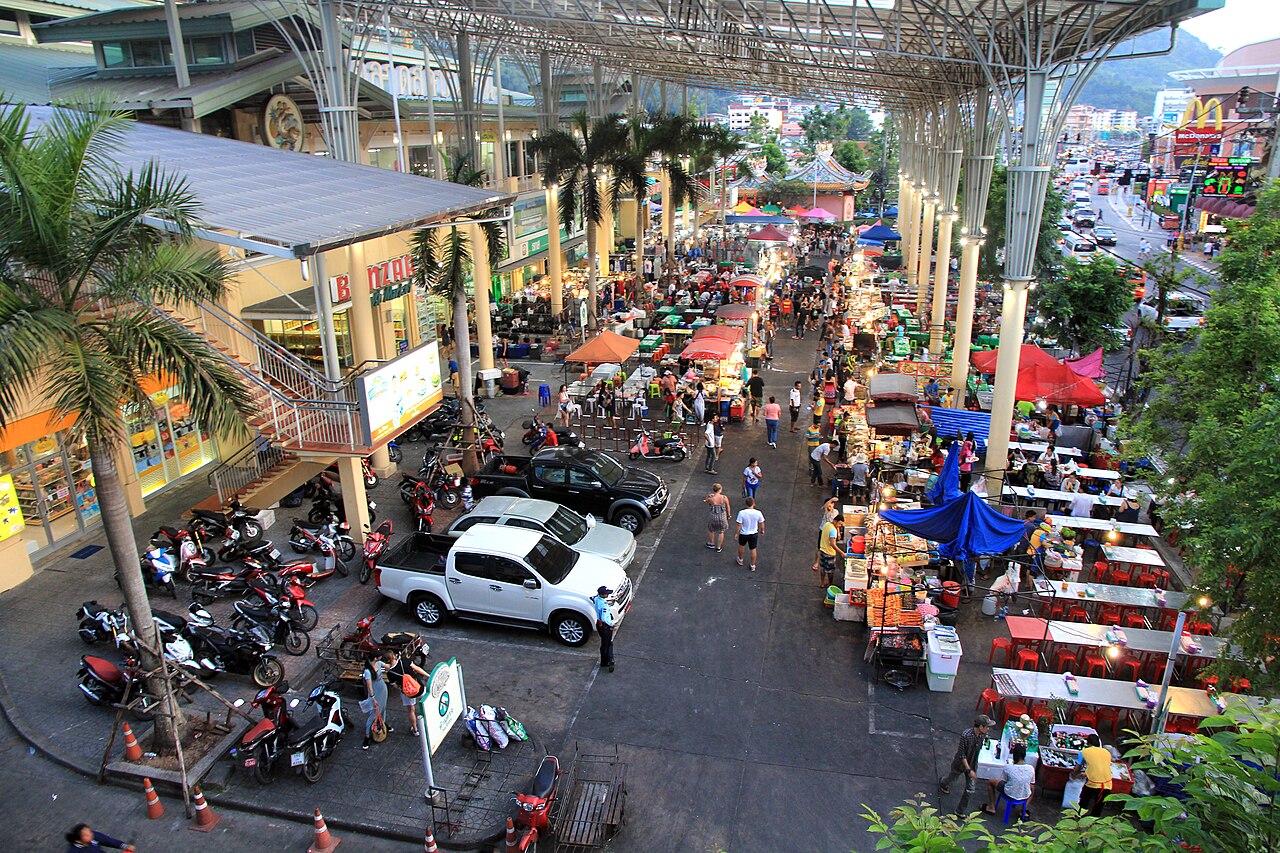
Laem Hin, north of Phuket Town, is known for waterside seafood restaurants and a jetty across to a restaurant on an island in the bay — a more local scene that Phuket residents like. Patong has seafood restaurants plus Banzaan market, where you can pick fresh seafood in the centre of town and have it cooked — handy if you're staying in the Patong area and don't want to travel far. Prices in Patong tend to run higher than Rawai since it's a tourist hub, so ask clearly all the same.