12 sights worth your time
From the island's beaches to its temples and old town, and on to the island trips you reach by boat.
 1
1
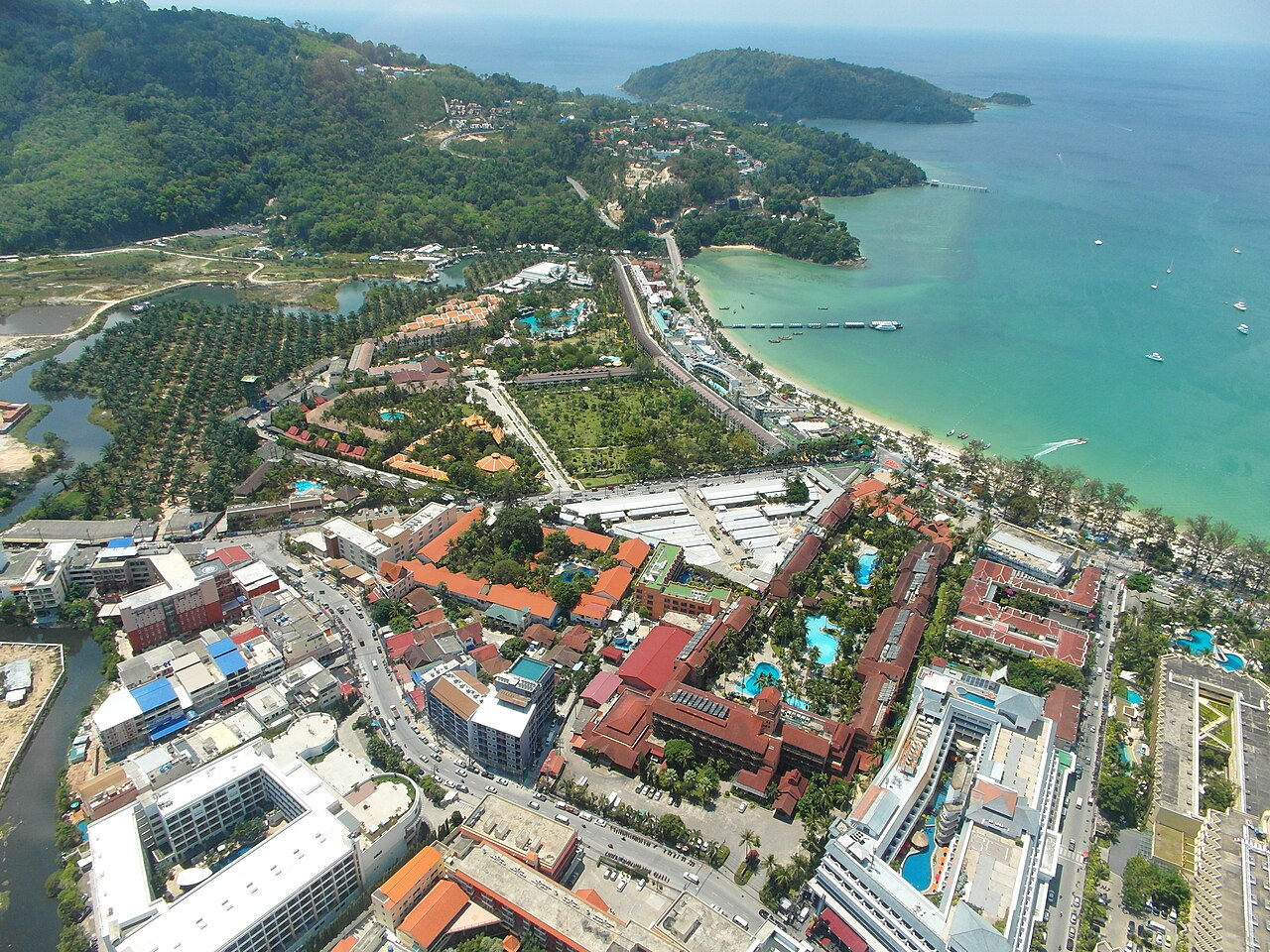
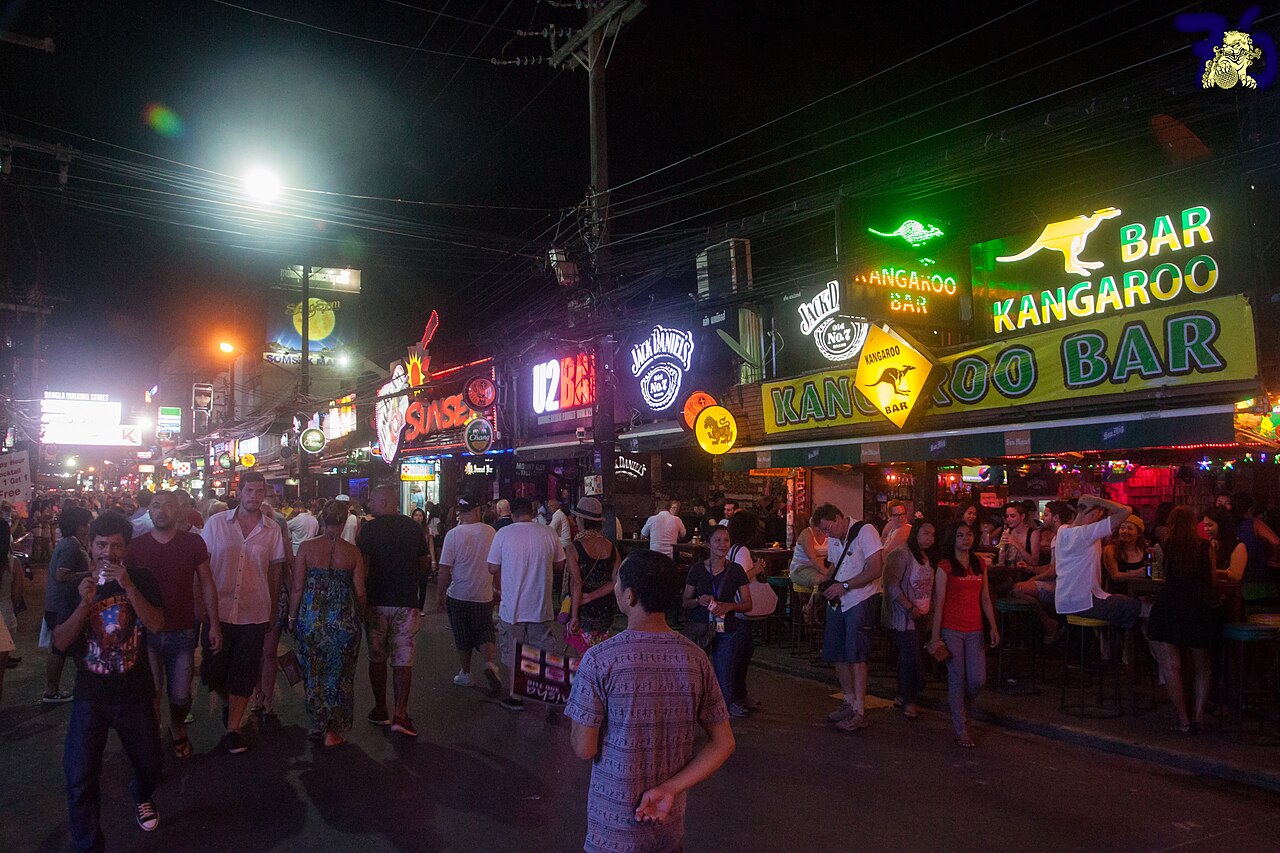
Patong is the heart of touristy Phuket — a curving white-sand beach about 3km long, with shallow water you can swim in and the full menu of water sports: jet-ski, parasailing, banana boat. Behind the sand it's wall-to-wall hotels, restaurants, malls and Bangla Road, the island's busiest nightlife strip after dark. I'll be straight: Patong is the most crowded and frenetic spot on Phuket, ideal if you want energy and everything within walking distance — but if you're after a quiet beach, it isn't the answer. In the monsoon the surf gets strong, so always check the red flag before going in.
 2
2
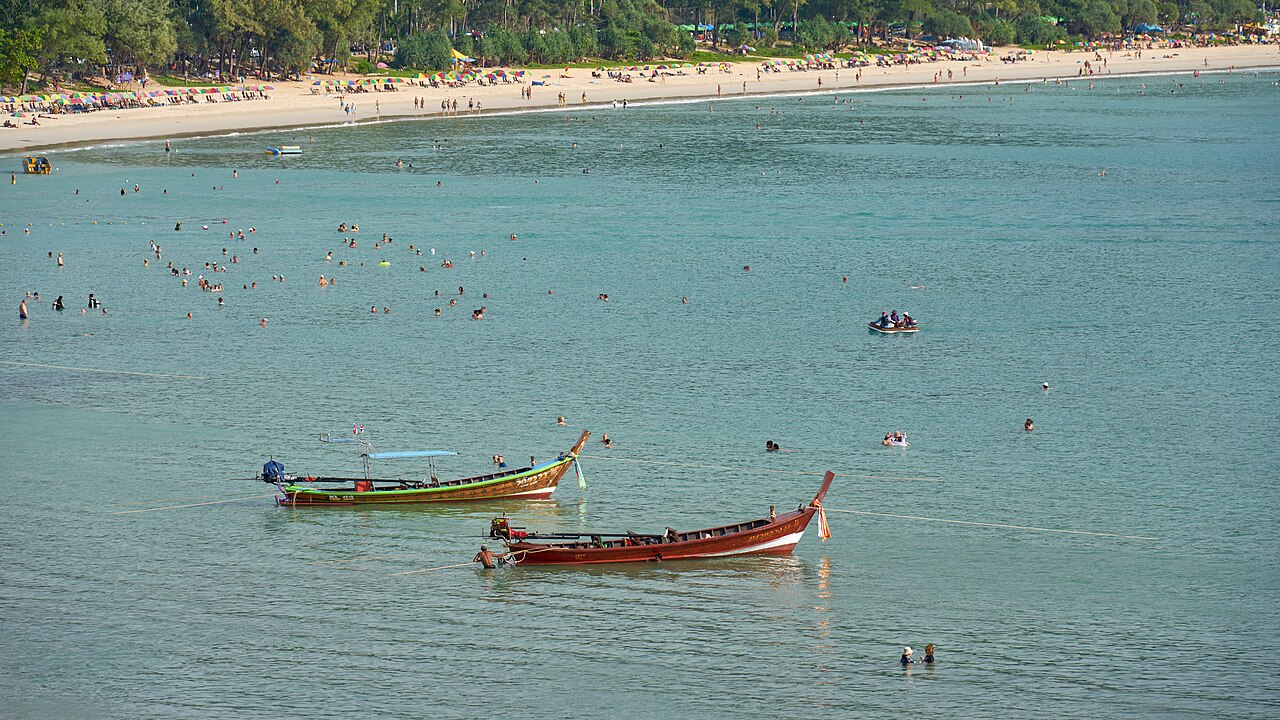
South of Karon comes Kata — a pretty white-sand crescent that's quieter and more easygoing than Patong, with clear water, soft sand and a relaxed feel that suits families and anyone who wants a proper rest. There's a fair scattering of restaurants and places to stay behind the beach, without the chaos. Just beyond is Kata Noi, a small, quiet bay with lovely water. In the monsoon (May–Oct) this stretch picks up enough swell to surf, and there are surf schools, but the waves are strong and the rip currents are dangerous — watch the flags and the lifeguards.
 3
3
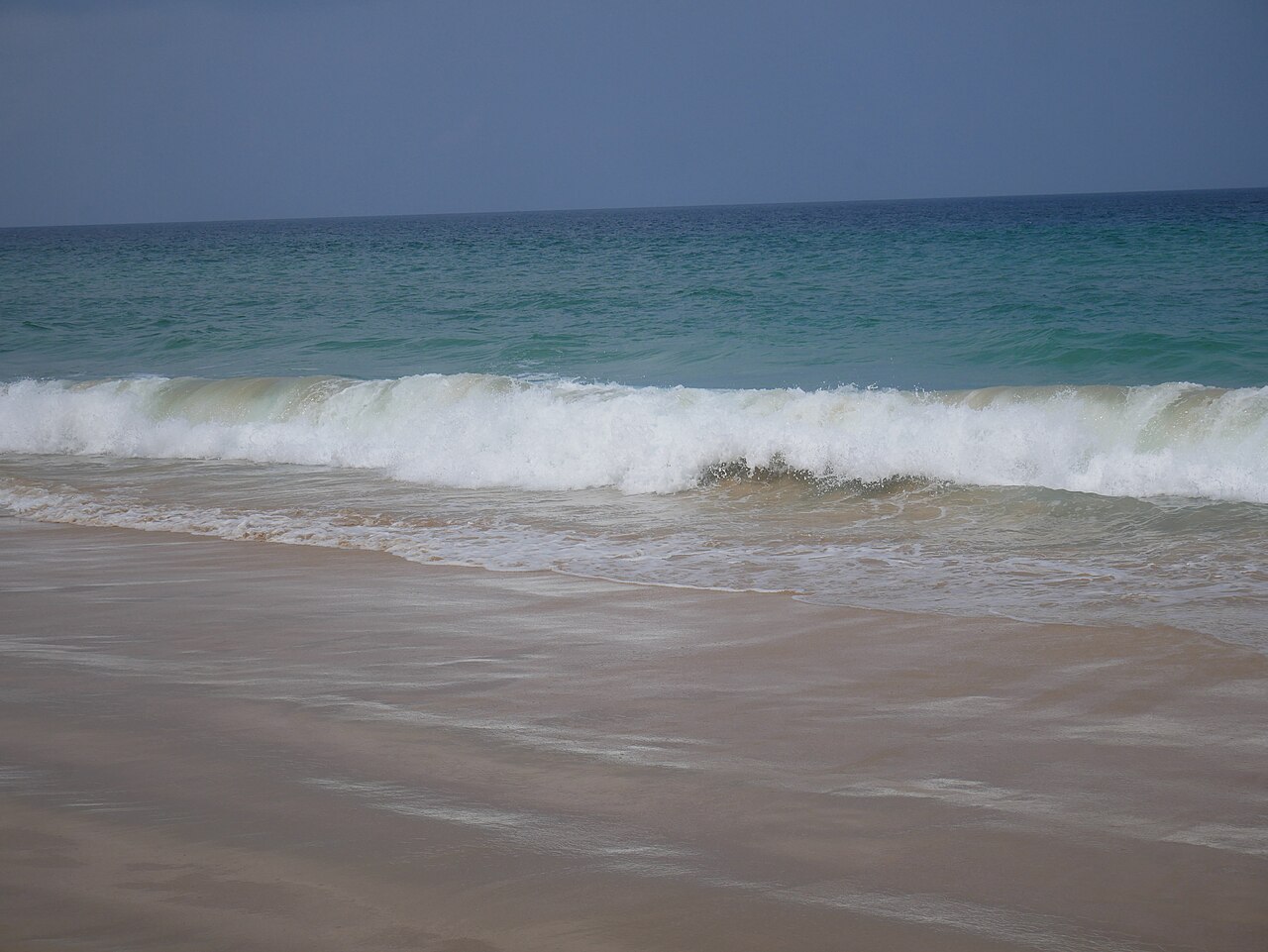
Karon is one of the longest beaches on the west coast — fine white sand that famously squeaks underfoot, and a beach so wide and long that it never feels packed even when it's busy. It sits in the middle, between Patong's buzz and Kata's calm, and it's perfect if you want to lie in the sun with a bit of space around you. There are hotels and restaurants behind the sand, but nothing overwhelming. In the monsoon the surf can be strong with rip currents, so check the red flag before going in.
 4
4
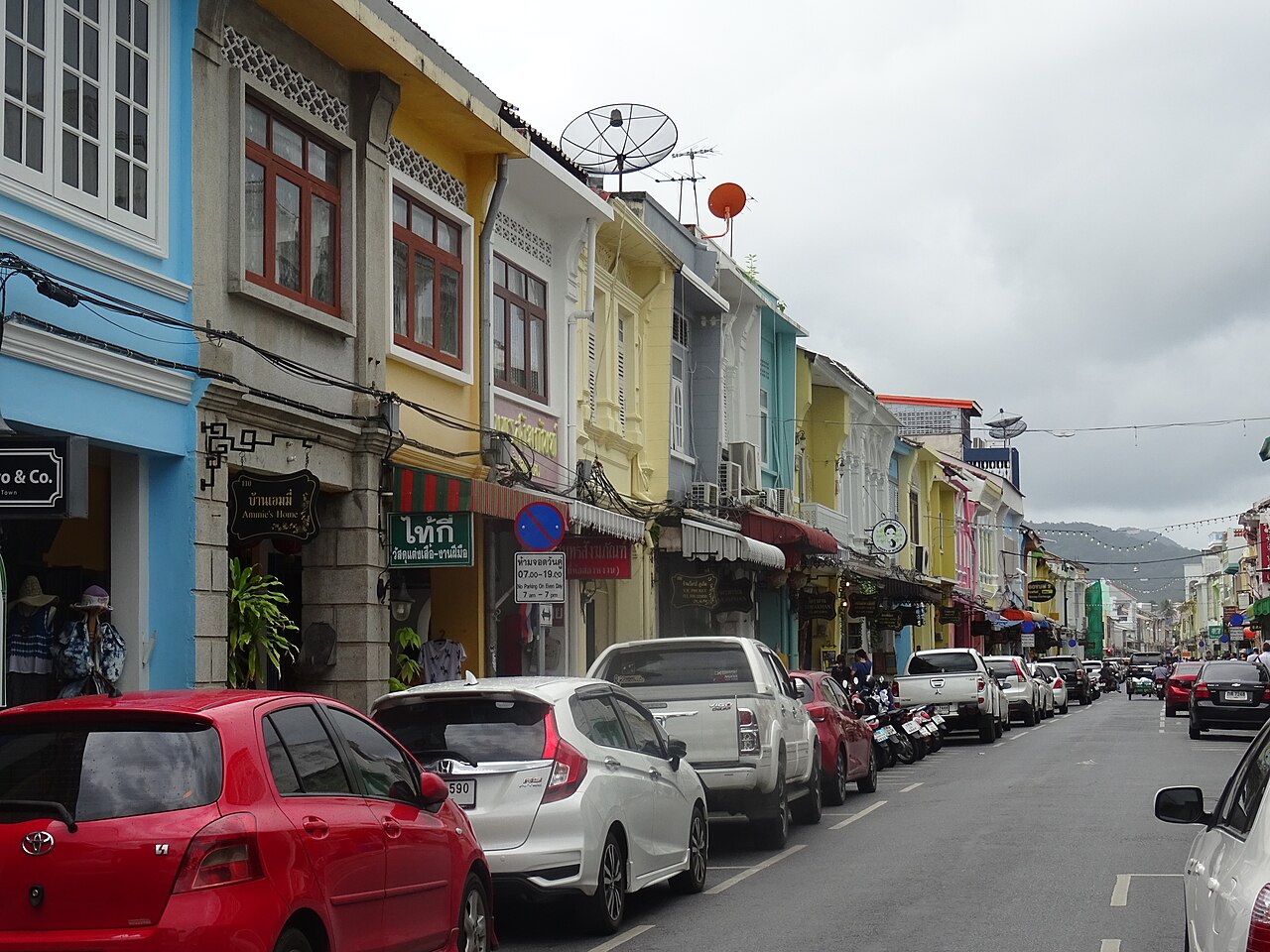
For a change from the beach, head to Phuket Old Town — a district of pastel Sino-Portuguese shophouses that reflect the island's Thai-Chinese (Baba/Peranakan) roots mixed with Portuguese architecture, a legacy of the tin-mining era. Walk Thalang Road, Dibuk Road and Soi Romanee, where the brightly painted houses are a favourite photo spot, with street art tucked into corners, stylish cafes in old buildings, and Phuket's own local food. Every Sunday evening the Lard Yai walking street takes over Thalang Road, great for grazing. The whole quarter is easy to explore on foot.
 5
5
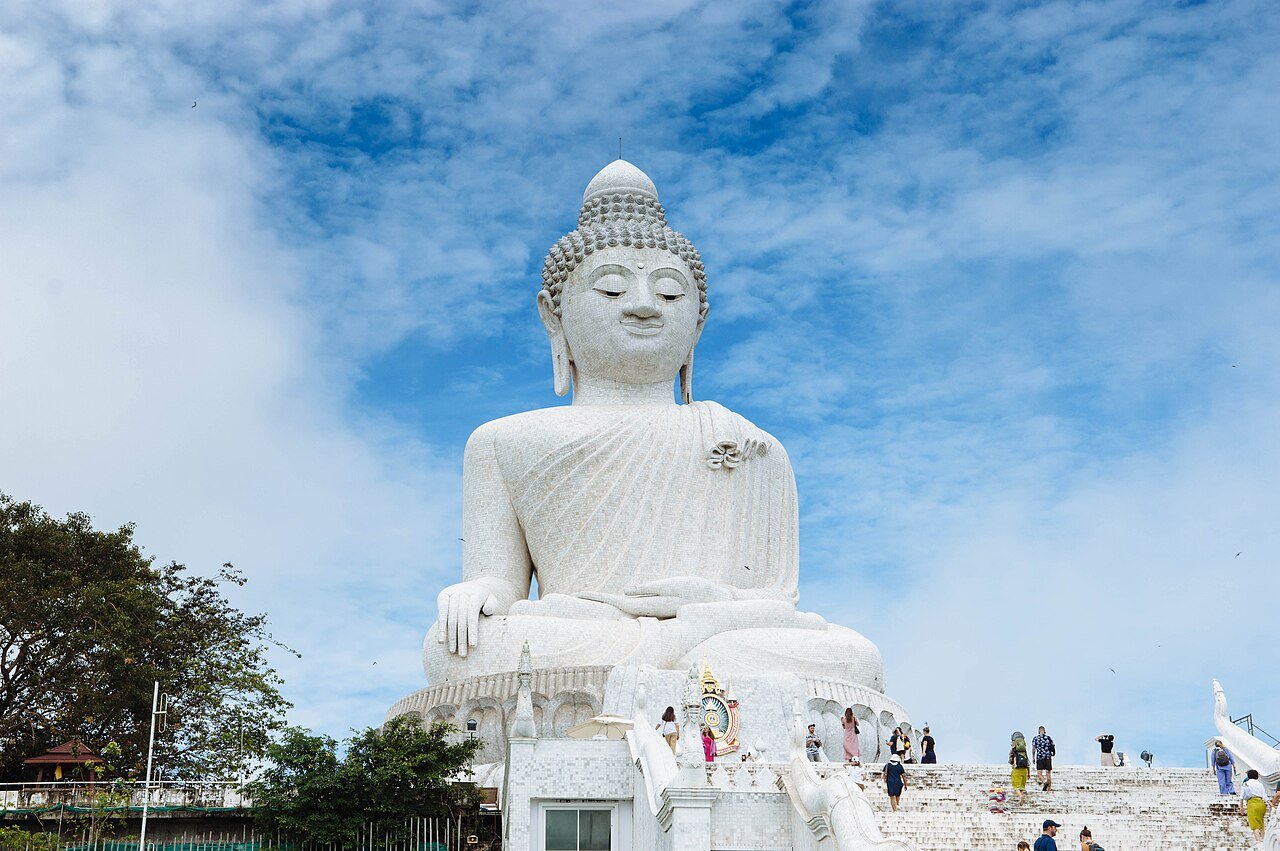
An image you can see from half the island — a white-marble Buddha about 45 metres tall on top of Nakkerd Hill, looking down over Chalong Bay, Kata beach and open sea in every direction. It's a place of real meaning for Phuket locals and a draw for anyone who wants to pay respects and take in a 360° view. The statue is clad in white Burmese marble you can see up close. It's free to visit, with a donation box if you wish to give. As a temple, dress modestly with shoulders and knees covered; sarongs are lent at the entrance.
 6
6
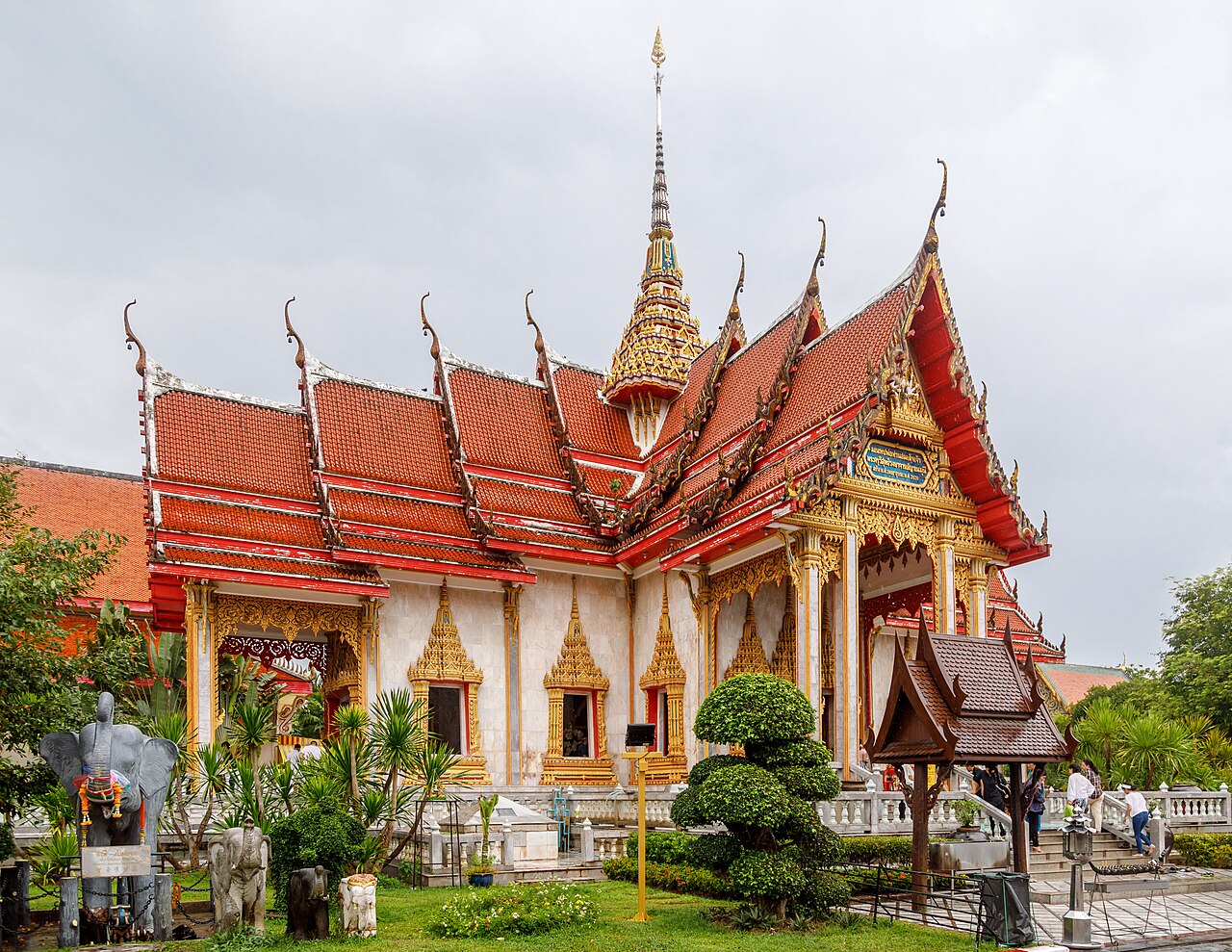
Wat Chaithararam — known to everyone as Wat Chalong — is the temple Phuket holds most dear, famous for Luang Pho Cham, a revered monk who helped local people during a 19th-century rebellion. The temple is lovely, with a tiered Thai-style ordination hall, and the Phra Mahathat Chedi enshrines a relic of the Buddha; you can climb the chedi for the view and to pay respects. People come to make wishes, give thanks and set off firecrackers when a wish is granted. As a temple, dress modestly. It's usually paired with the Big Buddha, which is close by.
 7
7
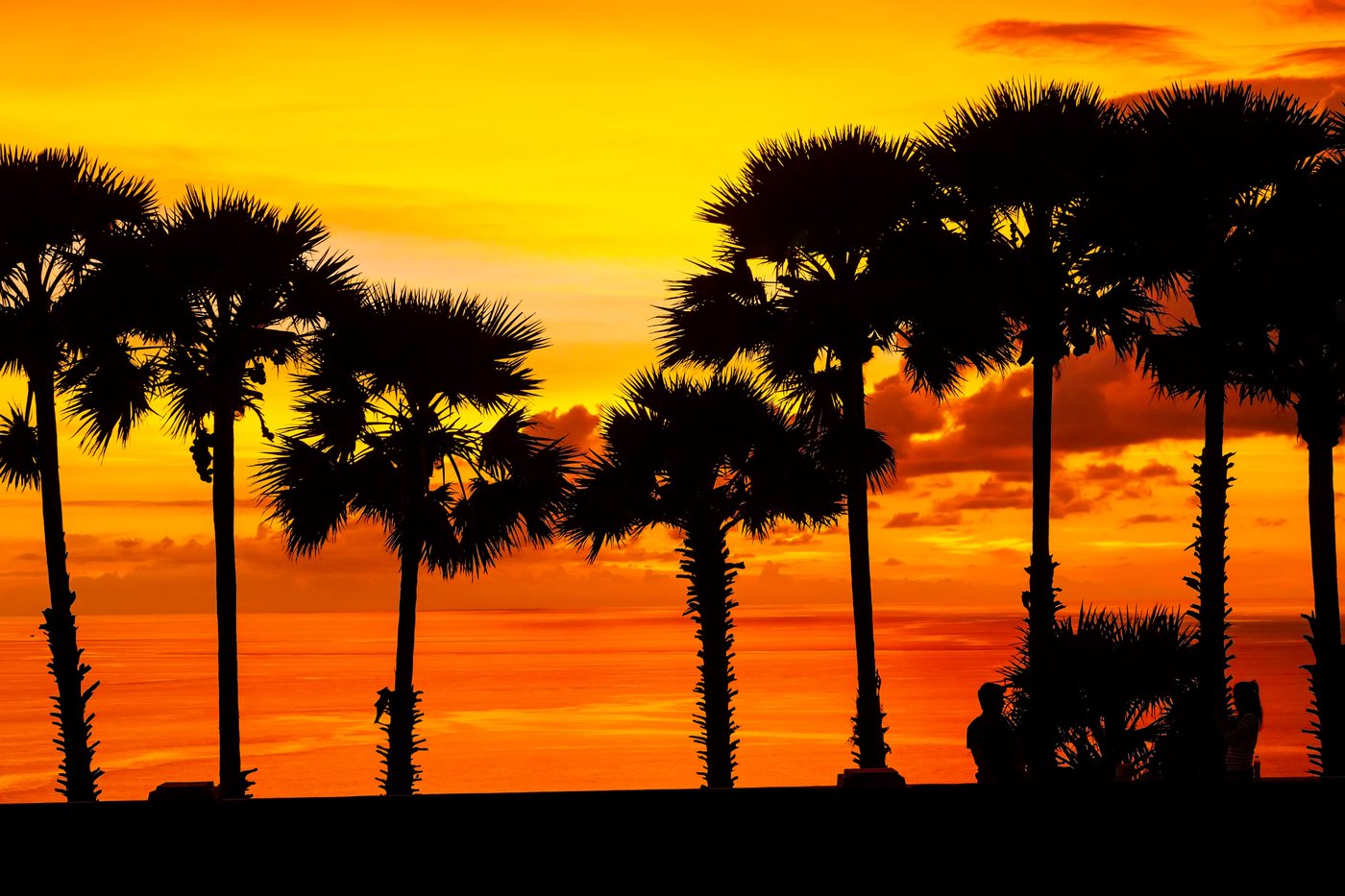
The headland at the far south of the island, and Phuket's legendary place to watch the sun go down — every evening people gather to see it sink slowly into the Andaman, the sugar palms silhouetted against a gold-and-orange sky in the classic shot everyone wants. There's a lighthouse and viewpoints to stroll, plenty of wind and a wide-open view. I'll be honest: on a clear evening it gets very crowded, so come about an hour before sunset to claim a spot. If the sky is overcast or it's the monsoon you may not see the sun clearly, but the atmosphere is still good.
 8
8
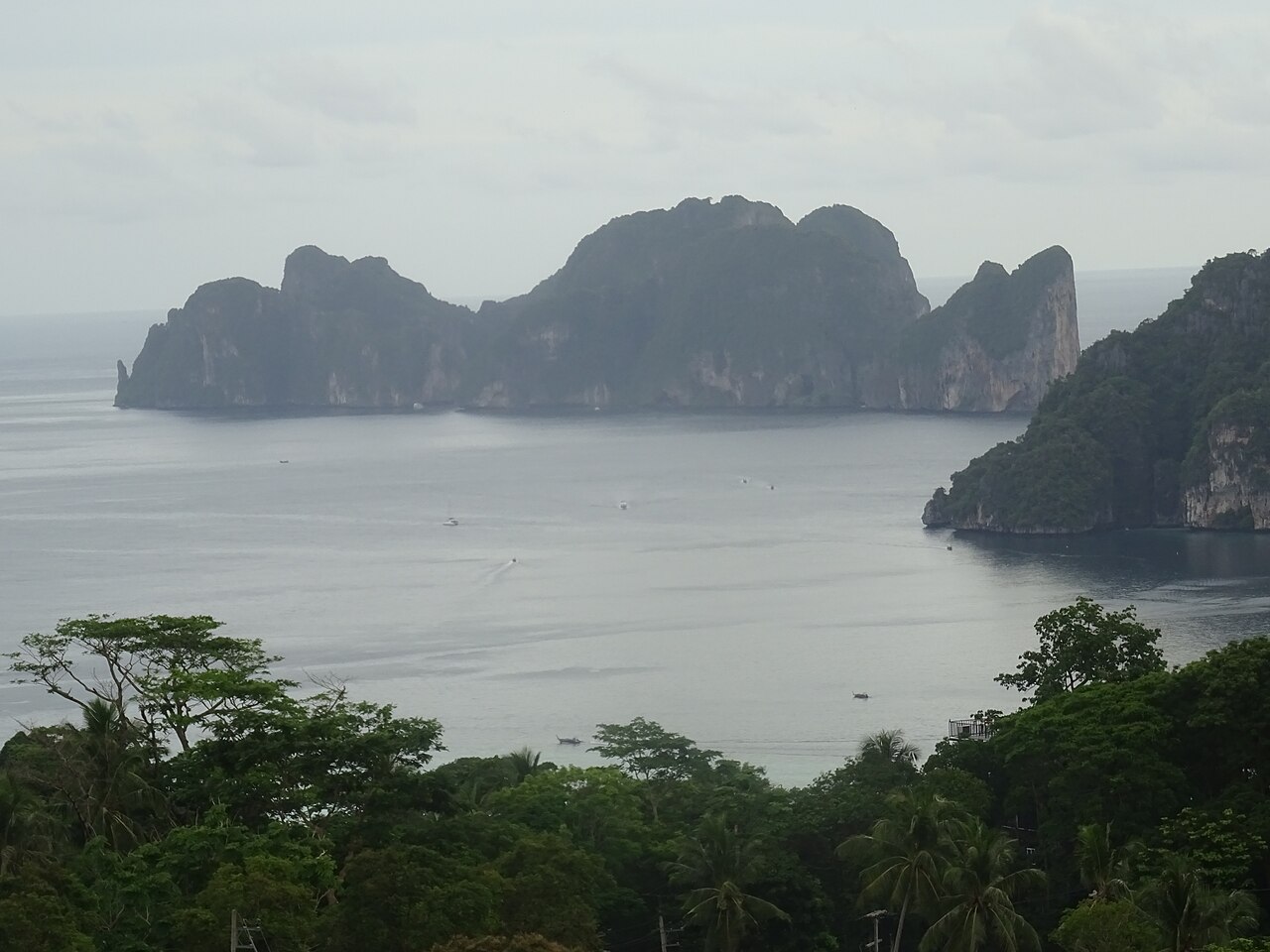
Ko Phi Phi lies between Phuket and Krabi and is the most popular day trip from Phuket — emerald water, sheer cliffs flanking the bays, and Maya Bay, made famous by the film The Beach. It has reopened, but with strict rules to let the coral recover (no swimming in the bay, plus a national park fee). Tours usually stop to snorkel at several spots — Pileh Lagoon, Viking Cave and Bamboo Island among them. It gets very crowded by mid-morning, so go early or pick a tour that leaves before the others. Trips can be cancelled in the monsoon, so check first.
 9
9
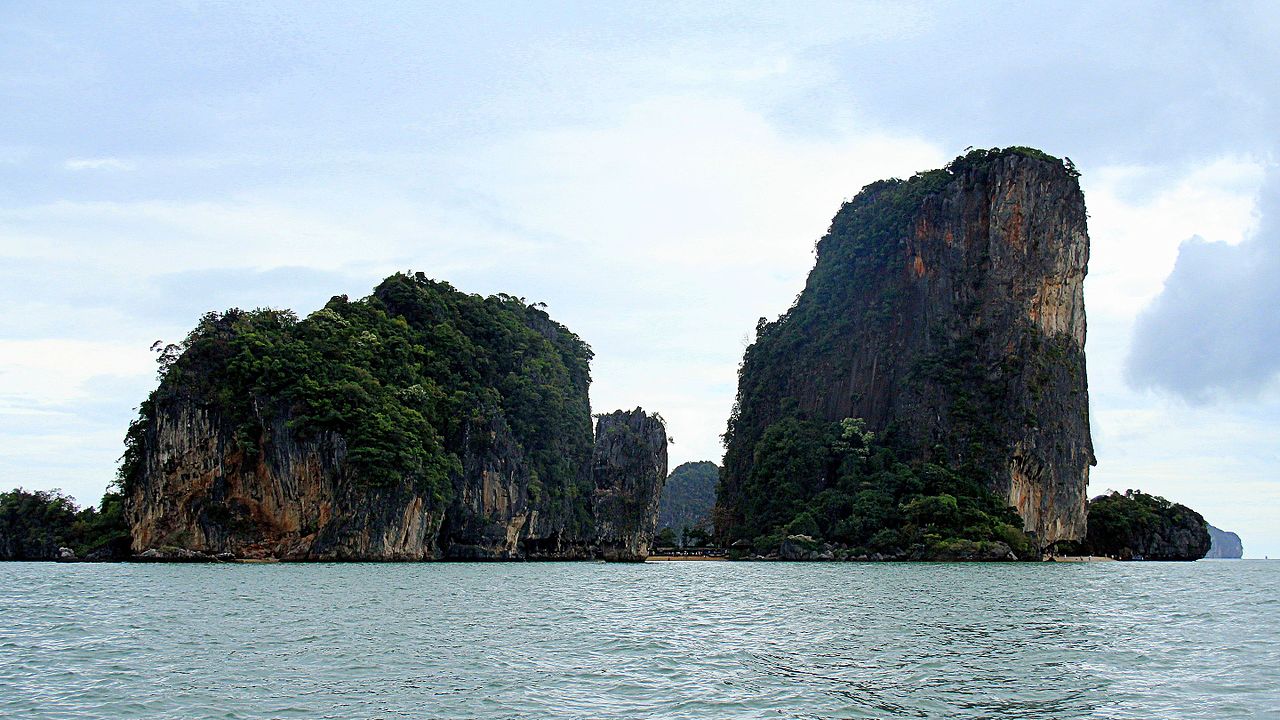
Phang Nga Bay is a sheltered sea studded with strangely shaped limestone karsts rising straight out of the water. The headline is Ko Tapu, the needle-shaped "James Bond Island" made famous by the film, and Koh Panyee, a Muslim village built entirely on stilts over the water. The real magic, though, is sea-canoeing through the caves and hidden hongs into secret lagoons inside the islands. Tours run by speedboat, big boat and canoe. The sea here is calmer than the open water, so it stays runnable more often through the monsoon.
 10
10
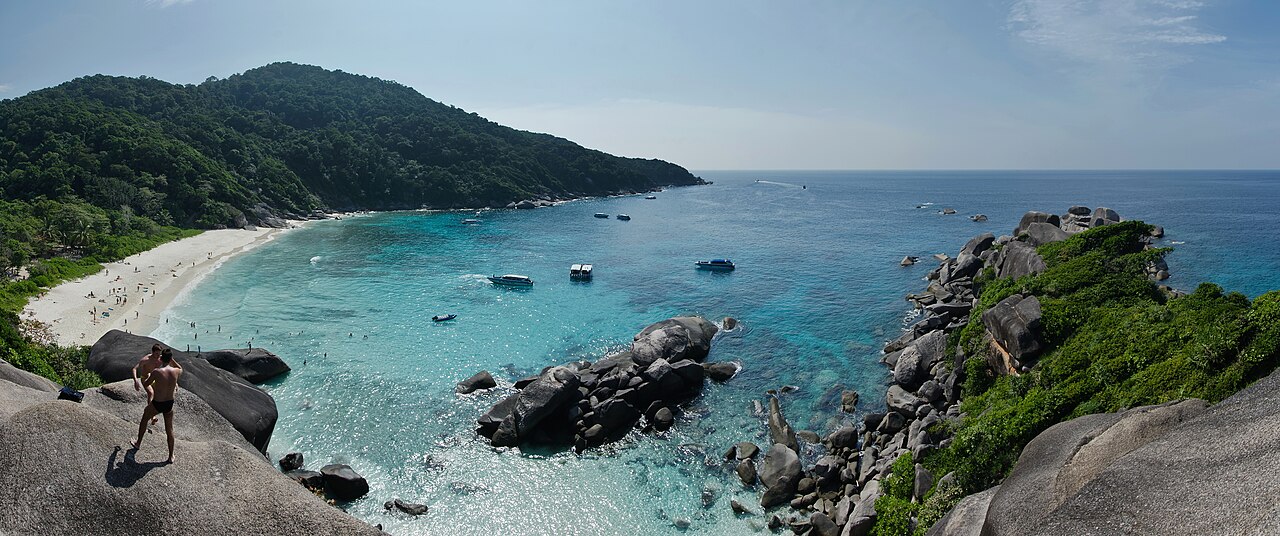
Ask divers where the clearest water in Thailand is, and many will say the Similans — an archipelago in the Andaman where the water is clear enough to see coral and fish sharply, with fine white sand and the distinctive giant granite boulders. It's superb for both snorkelling and diving. Important: it's a national park that closes in the monsoon and is open only from roughly mid-October to mid-May — the rest of the year it's shut to let nature recover. From Phuket you drive up to Tap Lamu pier in Phang Nga, then take a speedboat — a long way out, and the sea can be choppy, so bring something if you get seasick.
 11
11
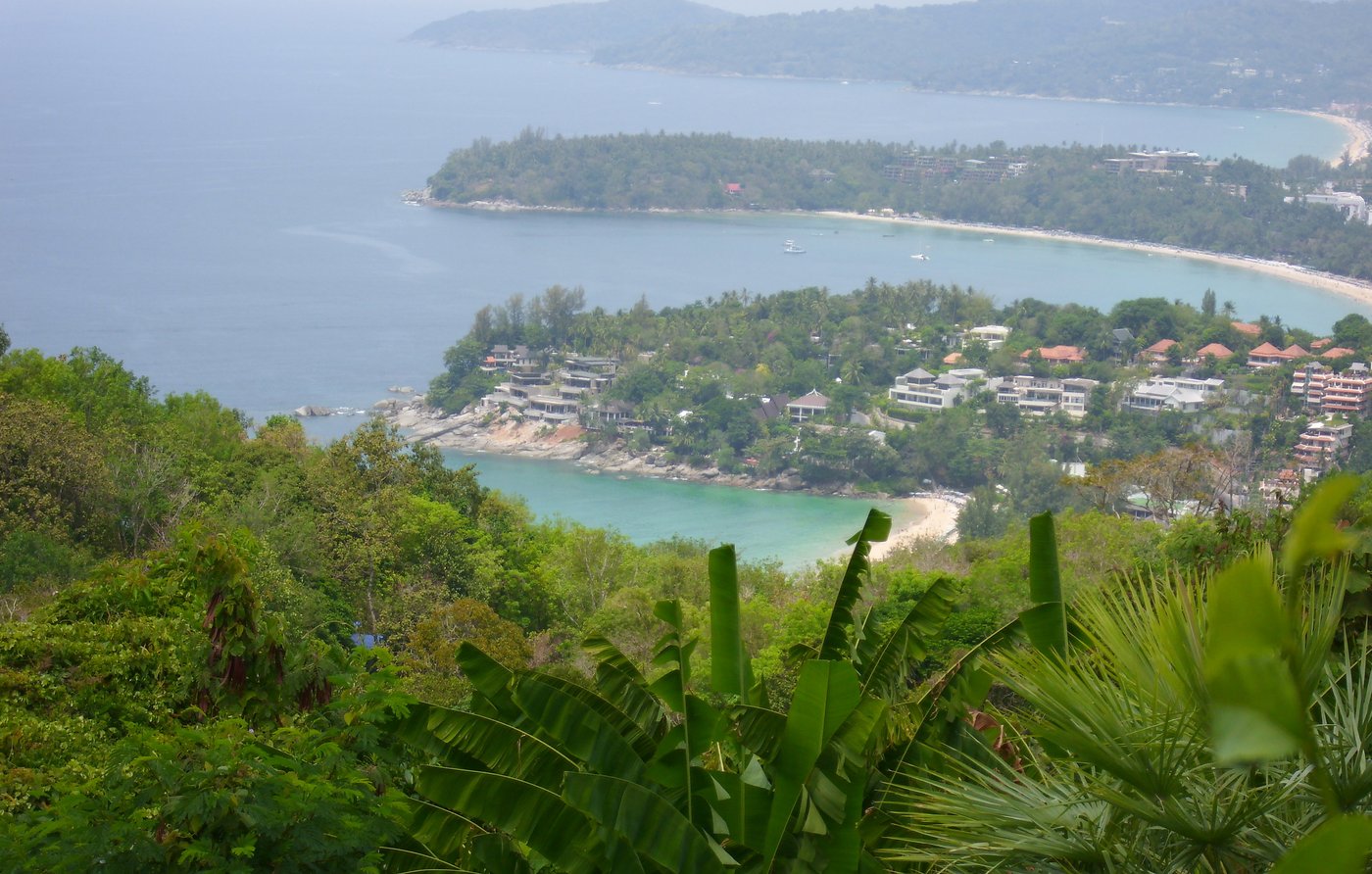
On the hill road between Kata and Nai Harn, Karon Viewpoint (some call it Kata Viewpoint) looks down over three bays in a row — Kata Noi, Kata and Karon, the water shading through gorgeous blues and greens. It's the classic photo stop on a west-coast drive. A little further on is the Windmill Viewpoint at Nai Harn, looking out toward Promthep Cape and the open sea. Both are easy to reach by car or scooter, and they make a good stop in the late afternoon on the way to the Promthep sunset.
 12
12
Let's be honest — Phuket's busiest night out is on Bangla Road in Patong. In the evening it closes to traffic and becomes a walking street packed with bars, neon, live music and a crowd from all over the world. It's fun and full-on, good for the party crowd and for seeing another side of Phuket. To be clear, it's an adult strip with all kinds of bars, not somewhere for young children — if you're travelling as a family, an early-evening stroll to soak up the atmosphere is plenty. Keep an eye on your valuables, and don't follow anyone luring you into a bar that won't state its prices upfront.