Home Phuket Thailand Phuket Beaches About
Home  ›  Asia  ›  Thailand  ›  Phuket  ›  Best Time to Visit
Phuket Seasonal Guide · 2026

Best time to visit Phuket
an honest season-by-season guide

Phuket is a tropical island on Thailand's Andaman coast — sun all year, but two clearly different faces. The dry season (November to April) brings calm seas, clear skies and the islands at their best, with boats running and the Similan park open. The southwest monsoon (May to October) is cheaper and greener, but the west-coast sea turns rough — you'll be checking the sky and the warning flags before you get in.

The short answer
The best window is November–April (the dry season)

If you can only pick one month, pick November or February — the Andaman sea is calm, skies are clear and the beaches and islands are at their best. Boats to Phi Phi and Phang Nga Bay run reliably, the Similan park is open, and you're not yet up against the peak crowds. See our 3-day Phuket itinerary to plan it out.

If budget matters most, May–October (outside the public holidays) brings sharply lower rates, a lush green island and quiet beaches — traded against afternoon rain and rough seas, so this is the time to lean on land-based sights like the Old Town and the viewpoints. But avoid New Year and Songkran, when prices jump and crowds peak — and note that April is the hottest month and September–October the wettest, with the Similan closed.

Phuket's two seasons

What each part of the year actually feels like

A tropical island has only a dry season and a monsoon — each with its upsides and its trade-offs, told straight.
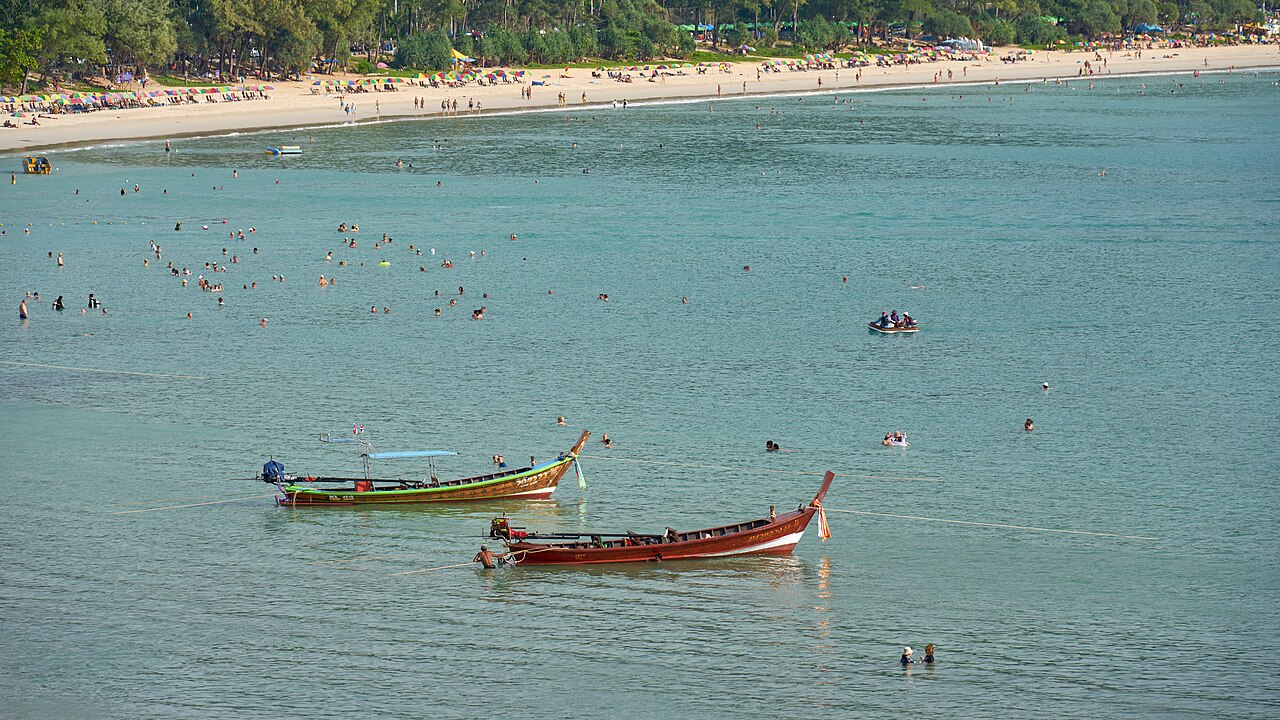
Kata Beach Phuket in the dry season — clear blue sea, gentle waves, white sand and strong sunshine Kata Beach · Dry season The best
Early dry season
November – January · 24–32°C

This is Phuket at its finest. The monsoon ends, the west-coast sea gradually settles, skies clear and rain becomes scarce. Patong, Kata and Karon return to easy swimming, boats to Phi Phi and Phang Nga Bay run daily, and the Similan park reopens. Days sit around 30–32°C with a sea breeze; nights are pleasantly cool. This is when the islands around Phuket look their best all year.

The trade-off: this is the start of high season, so crowds build and hotel rates climb, especially approaching Christmas and New Year. Late November to early December remains the sweet spot.
Temperature: 24–32°C (pleasantly cool at night)
Rain: Very low — clear skies most days
Sea: Calm, gentle waves — islands open
Hotel prices: Climbing, high over New Year
Late November to early December is the sweet spot — a settling sea and clear skies, before New Year prices spike. Book 1–2 months ahead. See the 4-day itinerary.
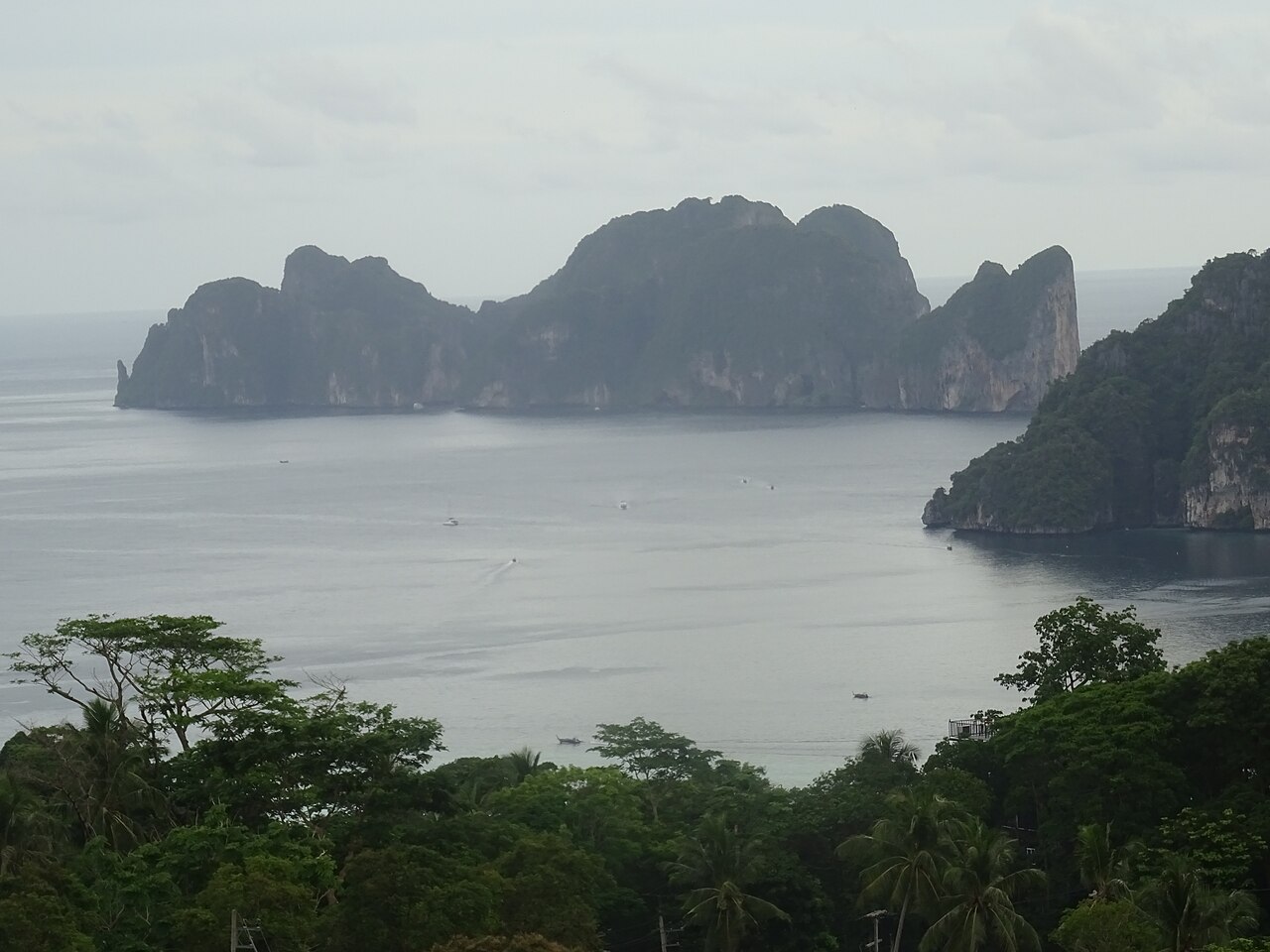
Phi Phi Islands near Phuket — clear emerald water and limestone cliffs, ideal for island trips in the dry season Phi Phi Islands · Peak dry season Best weather
Peak high season
January – February · 23–32°C

The best weather of the year: the sea is at its clearest and calmest, rain is almost absent, and humidity is low. It's the prime window for everything on the water — diving at Phi Phi and the Similan, longtail-boat trips and island-hopping. The water is clear enough to see the coral, and every west-coast beach is easy for swimming.

It's also the peak for prices and crowds. December to early January, over New Year, hotel rates hit their highest and rooms are hard to find. Once the New Year crowds clear, mid-January through February keeps the same fine weather but prices ease and crowds thin — better value.
Temperature: 23–32°C (low humidity)
Rain: The lowest of the year
Sea: Clearest and calmest · best for diving
Hotel prices: Peak over New Year
Over New Year (late Dec–early Jan), Phuket hotel rates hit their highest and sell out fast. If you must travel then, book 2–3 months ahead — or shift to mid-Jan–Feb for the same weather at lower prices.
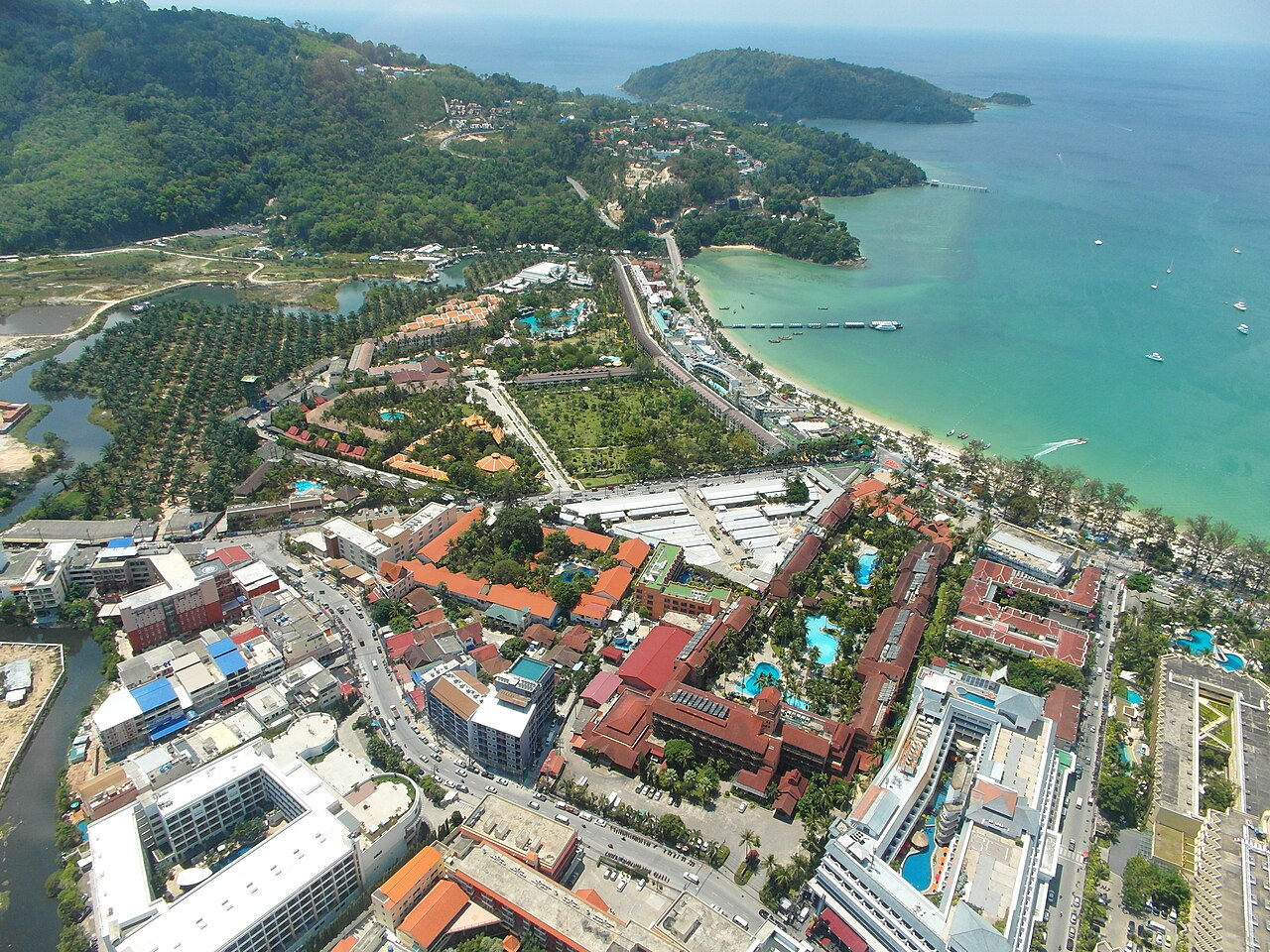
Patong Beach Phuket under strong hot-season sun — sand and the west-coast sea Patong Beach · Hot season Hot + Songkran
Late dry / hot season
March – April · 26–35°C

March is still dry season, with a calm sea and excellent island-hopping; the sun starts to bite harder. April is the hottest month of the year, hitting 33–35°C by day with rising humidity, but the sea is mostly still flat and boats keep running until around the end of the month.

Mid-April brings the Songkran festival (around 13–15 April) — lively and energetic, especially along Patong's beach road — but busy, with hotel rates climbing. Late April brings the first monsoon rains and the swell starts to build, marking the turn into the wet season.

Temperature: 26–35°C (April the hottest)
Rain: Low — first showers arrive late April
Sea: Still calm; swell builds late month
Hotel prices: Climbing over Songkran
Songkran (around 13–15 April) means crowds and climbing hotel rates, and April is the hottest month — pack sun protection and stay hydrated. See Phuket day trips for cool-off alternatives to the beach.
Promthep Cape Phuket in the monsoon — bigger waves and rain clouds over the Andaman Sea Promthep Cape · Monsoon season Check the sky first
Southwest monsoon
May – October · 25–33°C

The southwest monsoon blows onto the Andaman coast and the west-coast sea turns noticeably rougher. Rain picks up — mostly short, heavy afternoon and evening downpours interspersed with sunny days. September and October are the wettest, and October is usually the rainiest month of the year. The Similan Islands park is closed for the whole season (it opens roughly mid-October to mid-May — check each year's dates). Some days boats to Phi Phi and Phang Nga are cancelled due to high swell, and red no-swimming flags fly far more often than in the dry season.

It isn't always grim — prices are low, crowds are thin, the island is lush green, and clear days bring the sea right back to beautiful. But you need a flexible plan and a focus on land-based sights: the Old Town, the Big Buddha, viewpoints, cafes, spas and land trips like Khao Sok. Check the forecast and the beach warning flags daily.
Temperature: 25–33°C (very humid)
Rain: Heavy — heaviest Sep–Oct
Sea: Rough, Similan closed · frequent red flags
Hotel prices: Lowest of the year
In the May–October monsoon the west-coast sea is rough with dangerous rip currents. Check the beach warning flags every time — a red flag means no swimming. The Similan is closed and some days island boats are cancelled, so always keep a land-based backup plan.
Month by month

Phuket every month at a glance

Temperature, rainfall, sea state and crowd levels — in one table for easy comparison.

Month Temperature Rain Crowds Notes
January 23–32°C Very low High (high season) Clearest sea · best for islands · high prices
February 23–33°C Very low High Best weather, gentle waves · prices easing from New Year
March 25–34°C Low Moderate Sea still calm · sun getting stronger
April 26–35°C Low–moderate Moderate (Songkran busy) Hottest · Songkran · first rains late month
May 25–33°C Moderate Low Monsoon begins · swell builds · prices easing
June 25–32°C Heavy Low Monsoon · afternoon rain · cheap · lush green
July 25–32°C Heavy Moderate (Europe holidays) Wet · rough sea · some boats cancelled
August 25–32°C Heavy Moderate Wet · rough sea
September 25–32°C Heaviest Low Heaviest rain · rough sea · cheapest
October 25–32°C Heaviest Low Usually rainiest month · Similan reopens mid-month
November 24–32°C Moderate–low Moderate High season begins · sea settling · skies clearing
December 23–32°C Low High (New Year) Clear sea · good for islands · prices spike over New Year
Sea, swimming & safety

When the sea is best for swimming and islands

The water is warm year-round, but waves, clarity and rip currents shift with the season — here's what to know before you get in. The west coast is more dangerous than it looks.

Nov
Apr
Dry season — calm sea, islands wide open, best for diving
November–April · the prime window for the water

The Andaman sea is at its calmest and clearest, with gentle waves. Boats to Phi Phi and Phang Nga Bay run daily, and the Similan is open for diving (roughly mid-Oct to mid-May). Patong, Kata and Karon are easy for swimming, but rip currents can still occur even in the dry season, so always check the flags. Use our Phuket beaches guide to pick the right beach.

May
Jun
Early monsoon — swimmable on some days, waves building
May–June · check the flags and the sky before every swim

The monsoon sets in and west-coast waves grow noticeably stronger. Some days the sea is still calm enough to swim; on others a red flag is up and the water is off-limits. Mornings tend to be clearer than afternoons. Island boats still run on calmer days, but check with the operator first — and on rough days, switch to land-based sights like the Old Town and the viewpoints.

Jul
Oct
Peak monsoon — check the warning flags every time, Similan closed
July–October · rough sea, dangerous rip currents

The wettest and roughest stretch, with September and October the rainiest of the year. The Similan park is closed, and some days boats to Phi Phi and Phang Nga are cancelled. Rip currents can be deadly, especially at Patong, Karon and Nai Harn. Always watch the warning flags — a red flag means no swimming, no matter how strong a swimmer you are — and swim only in lifeguarded zones. This is the season to lean on land-based sightseeing, which is both better value and safer.

When to plan around

The windows that spike prices or need a plan

Phuket is one of the region's top high-season destinations — these are the windows many travellers don't think about until they've booked.

Late
Dec
Christmas – New Year
Late December–early January · the dry season's peak

The peak of Phuket's high season — the best weather, a clear sea, and the time that lines up with both Thai and many countries' end-of-year breaks. Hotel rates are the highest of the year, with many beachfront resorts setting multi-night minimums, flights are expensive and sell out fast, and beaches and restaurants are crowded. If you must go then, book 2–3 months ahead. If you can be flexible, shift to mid-January through February — the weather is just as good but prices return to normal.

13–15
Apr
Songkran (Thai New Year)
Around 13–15 April every year

Thailand's liveliest New Year festival, when Thai and international visitors fill Phuket — especially Patong's beach road, where the water-fight celebrations are at their biggest. Hotel rates climb and rooms get hard to find, and it falls in the hottest month of the year. The sea is mostly still calm and the islands are doable. To dodge the Songkran crowds, base yourself on a quieter beach than Patong, such as Kata or Nai Harn.

Sep
Oct
September–October (wettest / Similan closed)
Mid-monsoon · the rainiest of the year

This isn't an expensive window, but it's the one to plan most carefully before you go. September and October are the wettest, with October usually the rainiest month of the year, the sea is rough, and the Similan is still closed (it generally reopens in mid-October), with some island boats cancelled. The upside: the lowest prices, a lush green island and quiet beaches. If you go then, plan land-based sightseeing as your core, and keep a spare day for when the sky clears.

Packing by season

What to bring for each season

A hot island means a light bag — these are the things that actually matter for Phuket.

Dry season
November – April
  • Two swimsuits — you'll be in the water and on the islands daily; clear seas, gentle waves
  • High-SPF water-resistant sunscreen — the tropical sun is fierce ☀️
  • Hat and sunglasses — strong sun most days, especially in April
  • Water shoes — some beaches and islands have rocks and coral
  • Snorkel gear if you have it — the sea is at its clearest 🤿
  • Light clothing for hot days — April hits 35°C by day
Monsoon season
May – October
  • Compact umbrella or light rain jacket — afternoon and evening rain is routine 🌧️
  • Quick-dry clothing — breathable fabrics; the humidity is high
  • Non-slip sandals — streets and beaches get wet
  • Sunscreen still essential — strong morning sun before the afternoon rain
  • Waterproof phone pouch — rain arrives fast and heavy
  • Weather app — check the sky and sea before heading out each day 📱
Phuket in every light

Phuket any season

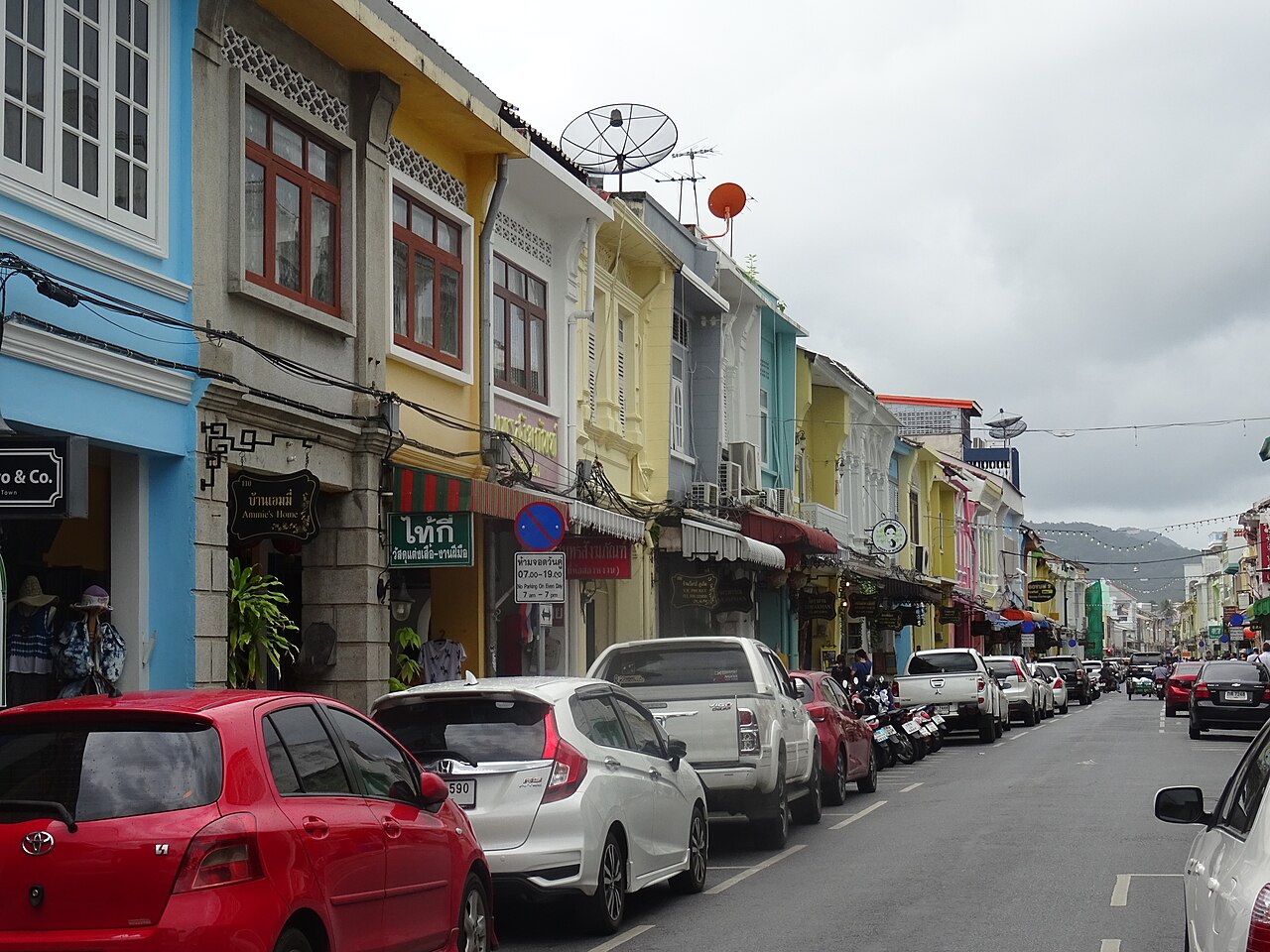
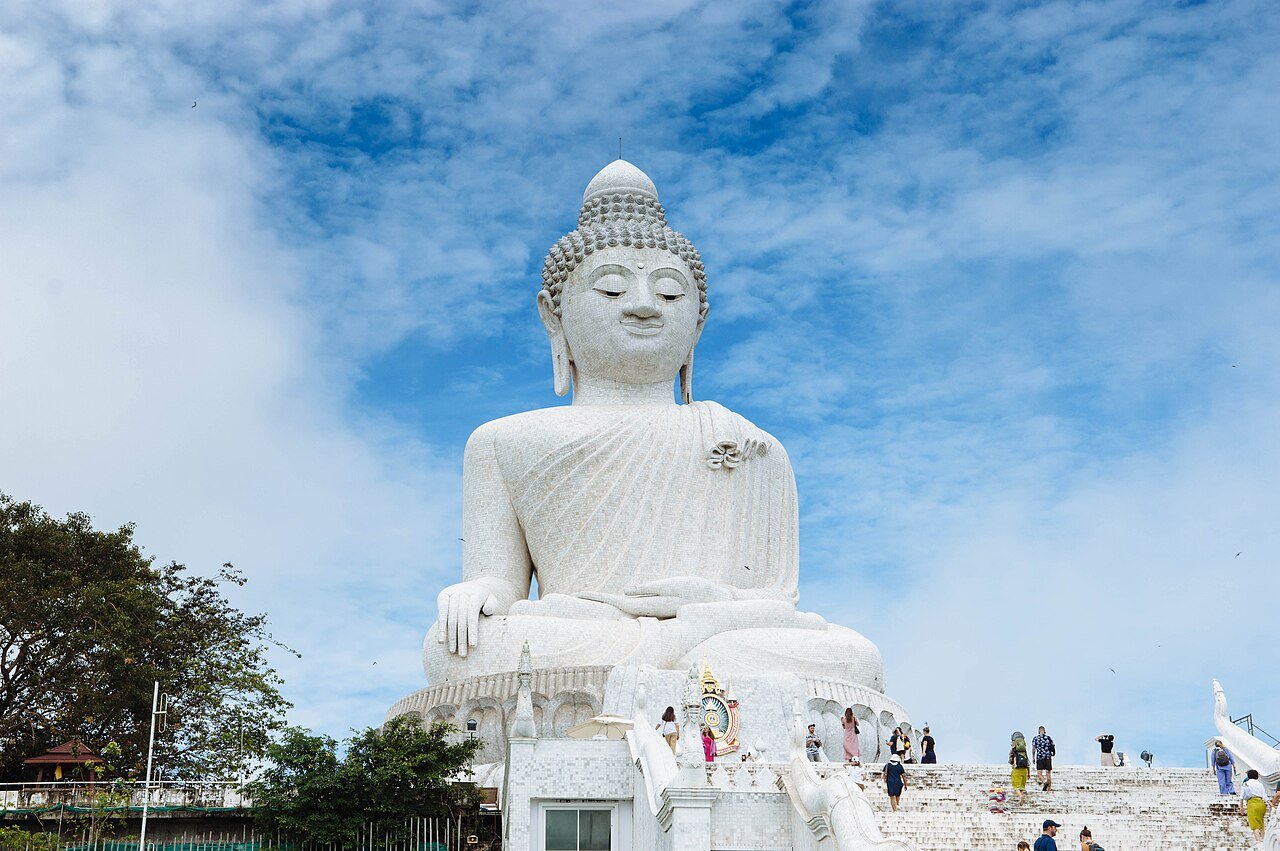
Whatever month you arrive, this island always has something worth seeing — on a rough-sea day, head inland for the Old Town and the Big Buddha.

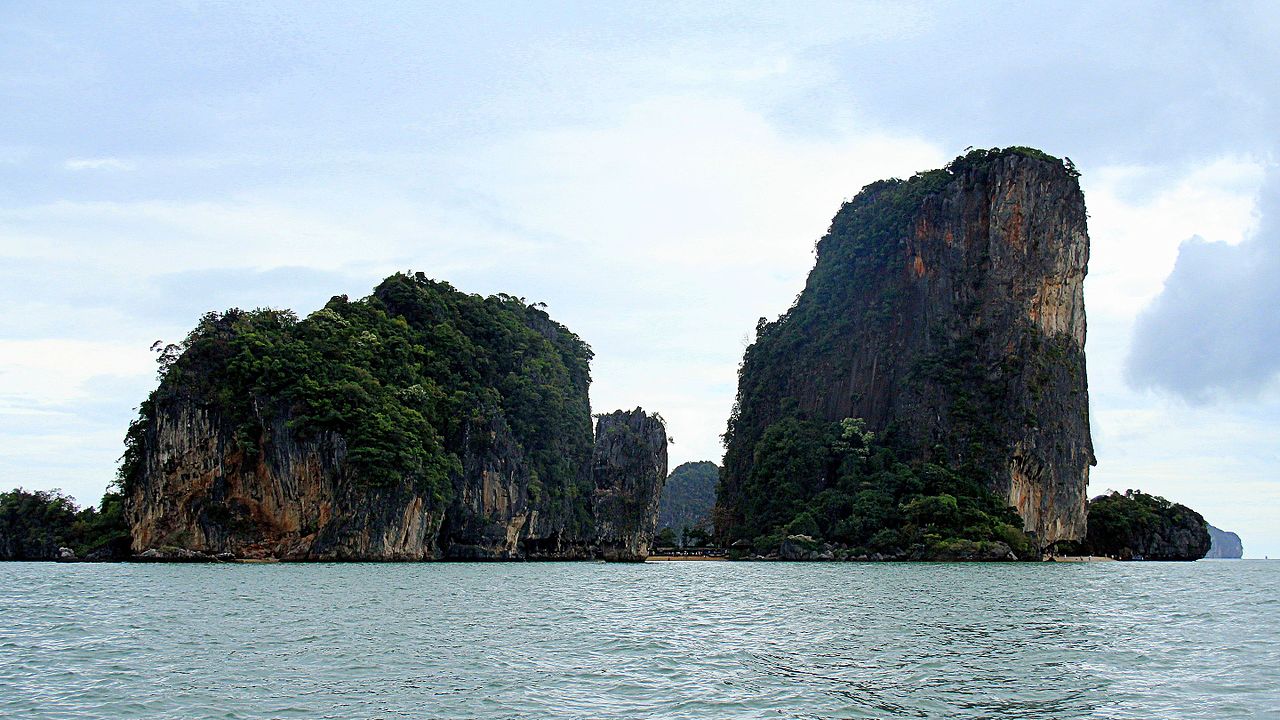
Phuket Old Town — colourful Sino-Portuguese shophouses, a good rainy-day option The Big Buddha of Phuket — a white statue on a hilltop above sea and island views James Bond Island, Phang Nga Bay — limestone karst rising from the sea, a popular boat trip from Phuket
Frequently asked

FAQ · Before you book

When is the best time to visit Phuket?
November to April is the best window — the dry season, when the Andaman sea is calm, skies are clear and the beaches and islands look their best. Boats to Phi Phi and Phang Nga Bay run reliably and the Similan park is open. If you can only pick one month, choose November or February. December and January have the best weather but the highest prices and biggest crowds. See our 3-day itinerary.
What is the rainiest month in Phuket?
May to October is the southwest monsoon, bringing more rain and rough seas, with September and October the wettest — October is usually the rainiest month of the year. Most rain comes as short, heavy afternoon or evening downpours interspersed with sunny days, rather than all-day rain. But the west-coast sea turns rough, red no-swimming flags fly more often, and some boat trips are cancelled.
Can you visit Phuket in the monsoon — are the islands still doable?
Yes, but you have to adapt. During the southwest monsoon (May–October) the west-coast sea is rough, and some days island boats are cancelled because of high swell. The Similan park is closed for the whole season (it opens roughly mid-October to mid-May — check each year's dates). Phi Phi and Phang Nga Bay still run on calmer days. This season suits land sights better: the Old Town, the Big Buddha and the viewpoints.
Which month has the cheapest hotels in Phuket?
The low season of May to October (outside the public holidays) brings the lowest prices. It is the monsoon, so visitor numbers drop and many resorts cut rates sharply, especially in September and October when the rain is heaviest. If you can handle afternoon rain and rough seas, it is excellent value. Prices bounce straight back up over New Year and Songkran. Browse options in our top 10 Phuket hotels.
What is April like in Phuket?
April is still the late dry season, so the sea is mostly calm and the islands are good to visit, but it is the hottest month of the year, hitting 33–35°C by day with rising humidity. Mid-month brings the Songkran festival (around 13–15 April), which is lively but busy, with hotel rates climbing and energetic water-fight celebrations along Patong's beach road. Late April brings the first monsoon rains and the swell starts to build.
Is the sea in Phuket dangerous — what should I know about swimming?
Phuket's west-coast beaches (Patong, Kata, Karon, Nai Harn) have rip currents that can be deadly, especially in the rough seas of the May–October monsoon. Always check the beach warning flags — a red flag means no swimming, no matter how strong a swimmer you are. Swim only in lifeguarded zones marked by red-and-yellow flags, never enter when a red flag is up, and if caught in a rip current, swim parallel to the shore to escape it first. See the Phuket beaches guide for safety details.
Klook · Tours & Activities

Book Phuket island trips in advance — make the most of every clear day

Phi Phi and Phang Nga Bay boat trips, the Similan (in season) and island-hopping tours — book through Klook before you arrive for better prices than at the pier, with the flexibility to shift dates when the sea is rough or the rain comes.

Browse Phuket Activities on Klook →
Wherebest is an affiliate partner of Klook — we may earn a commission when you book through our links, at no extra cost to you.