Phuket's beaches sit at opposite ends of a big island, and there's no metro or train, so the area you pick decides your trip far more than the hotel does. Here is who each one suits — and the honest trade-offs before you book.
This is where Phuket differs from Bangkok. There, you can stay almost anywhere and the BTS or MRT carries you across the city. Phuket has no metro and no train at all, and the main beaches are far apart — Patong to Nai Harn is roughly 18 km, Patong to Bang Tao about 16 km, each a 30–45 minute drive. Book a luxury resort out at Bang Tao but plan to head into Patong for dinner and a night out every evening, and you'll spend ฿400–700 on a taxi or tuk-tuk each way, every day — fares between beaches here are higher than most people expect.
That makes matching the area to your travel style the single most important decision of a Phuket trip. We've split the island into six main areas — each with a distinct character, price level and headline draw, from the lively beach with the nightlife to the quiet luxury resort strip and the café-filled Old Town. Get this right before you book and the rest of the trip falls into place.
Want the lie of the land first? The Phuket beaches guide compares every stretch of sand, or if it's your first trip, start with the Phuket first-timer guide. Otherwise, if you just want a straight answer on where to stay — read on.
For a first trip to Phuket, Patong is the most convenient base. It packs everything into one walkable area — a beach, malls, restaurants, bars, massage shops, convenience stores and the Bangla Road nightlife — so there's no long drive before every meal. Grab and taxi pickups are the easiest of any area, and rooms run the full range, from ฿600-a-night guesthouses to beachfront hotels at ฿3,000 and up. The trade-off: it's lively and noisy well into the night and the beach is crowded. If you don't know the island yet, this is the safe, hard-to-regret choice.
Want somewhere quieter but still close to Patong? Look at Karon next door (a 10–15 minute ride) — a good middle ground between convenience and calm.
See all Phuket hotels →An honest read on the vibe of each area, with ฿ price bands and the sights nearby.
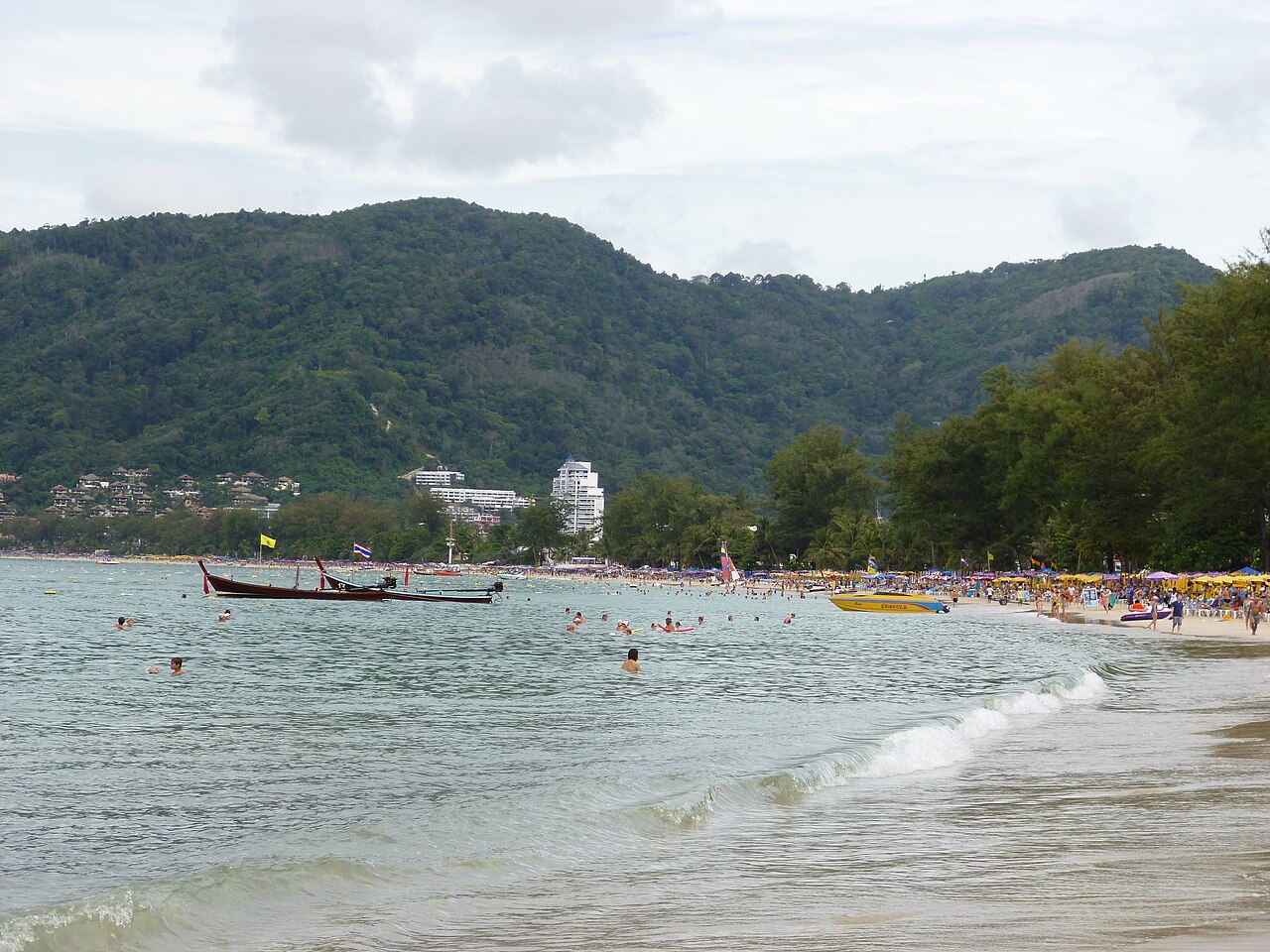
Area 1
Best for: first-timers, anyone who wants a lively base, and night owls — the beach sits right alongside streets of malls, bars, clubs, massage shops and Bangla Road, the heart of Phuket nightlife. You can walk to everything, Grab is easiest here, and rooms come at every price. The trade-off: the beach is crowded, the water is less clear than the southern beaches, and it stays loud into the early hours, so light sleepers should pick a hotel set back from Bangla Road.
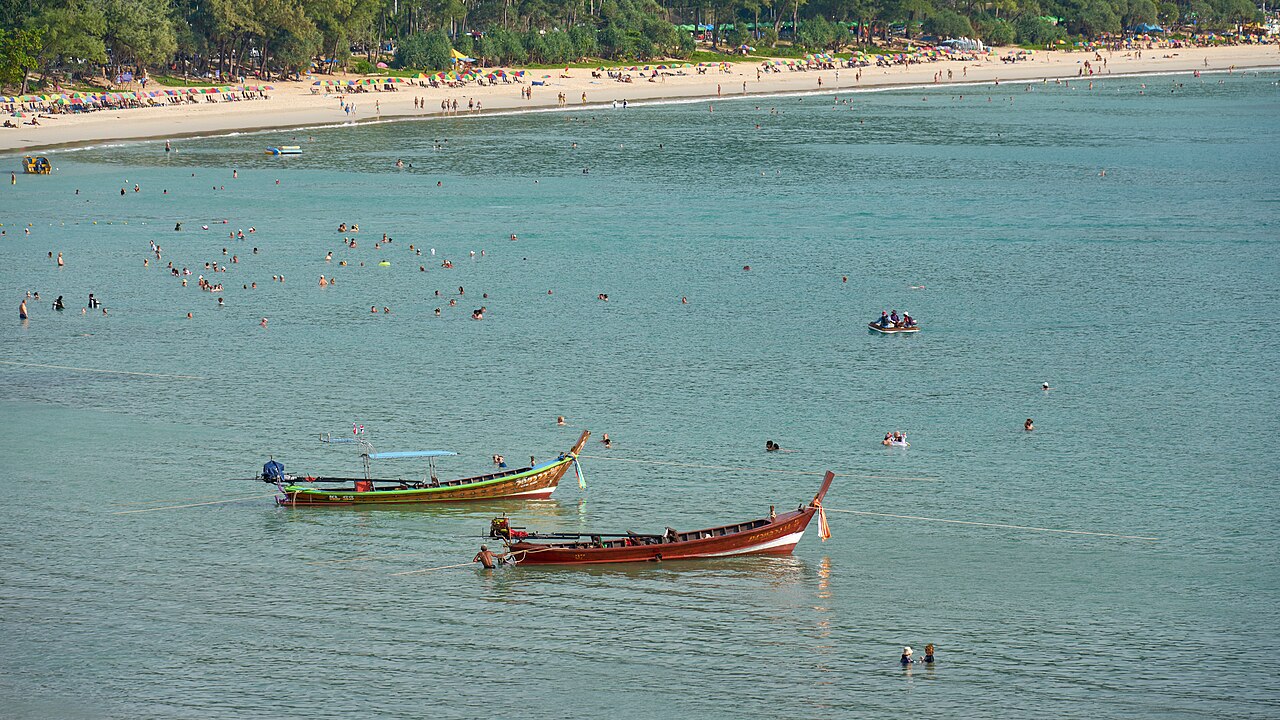
Area 2
Best for: families, couples and anyone who wants a good swimming beach without Patong's chaos — these two beaches sit side by side just south of Patong, with white sand, wide shores and clearer water. There are restaurants and convenience stores within walking distance, the mood is calmer but still has some life, and Patong is close. The trade-off: evenings are quieter than Patong with little nightlife, and in the monsoon months (May–Oct) the surf gets rough, so watch for warning flags before you swim.
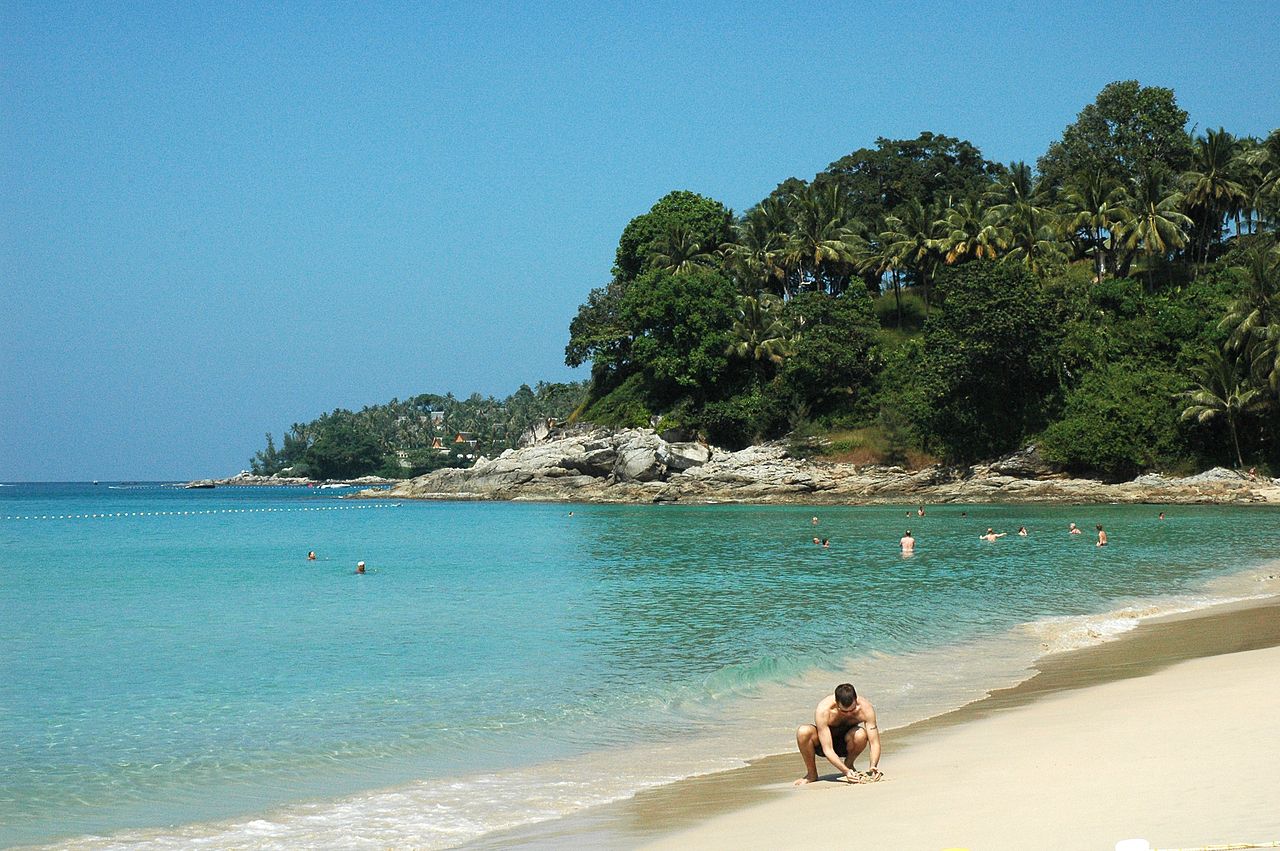
Area 3
Best for: couples, honeymooners, big-budget families and anyone who wants a quiet luxury resort — this north-west stretch of coast is Phuket's upmarket resort zone, above all Bang Tao, home to the Laguna complex of beachfront resorts. The beaches are quiet and clean and most guests spend the day inside the resort, with plenty of stylish stays and spas to choose from. The trade-off: it's away from town and nightlife, there's little to wander to outside the resorts after dark, eating out means calling a car, and prices are the highest of any area.
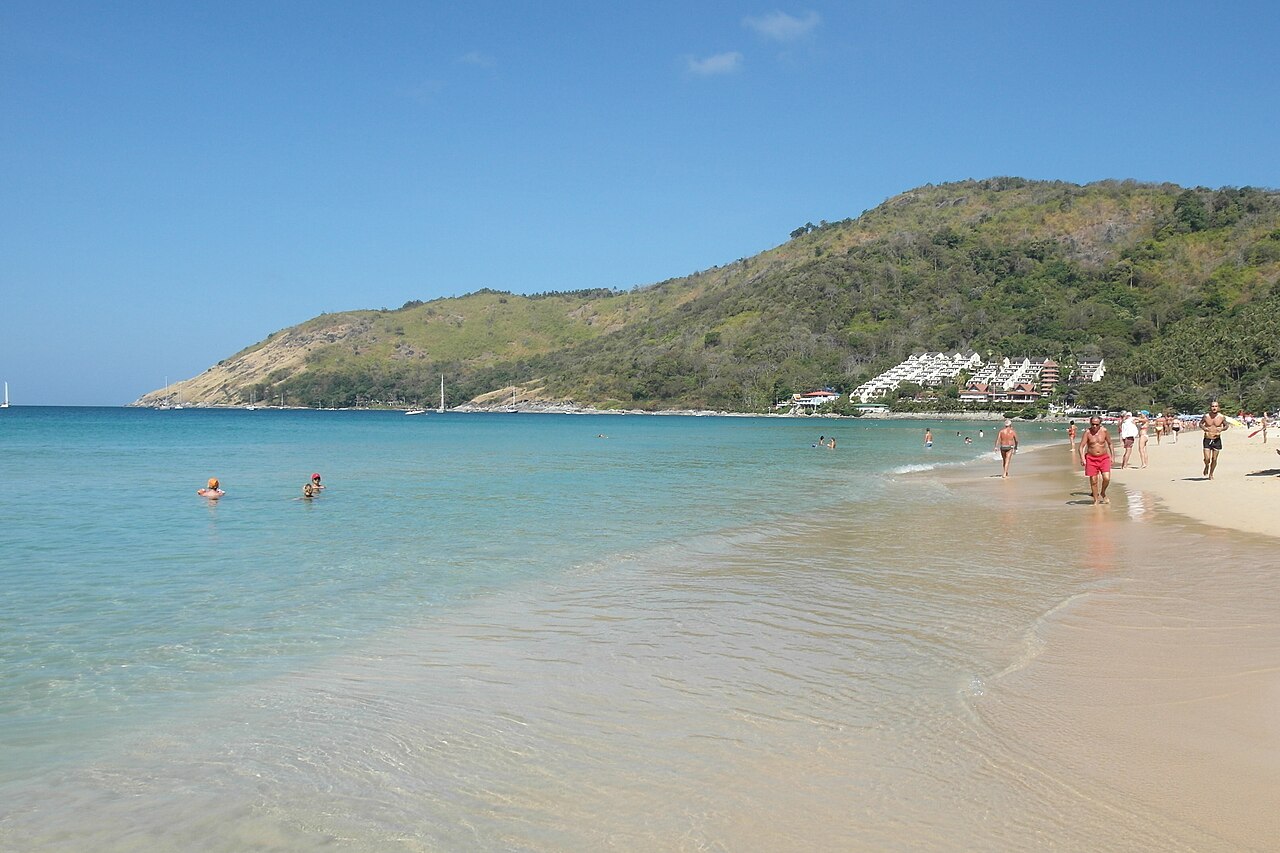
Area 4
Best for: travellers who want a genuinely local feel, seafood lovers and longer stays — at the far southern tip of the island, Nai Harn is a pretty, clear bay ringed by hills, while Rawai is a residential area with a seafront seafood market (pick your catch and pay a stall to cook it). Rooms and food cost less than the main tourist beaches, and you're near Promthep Cape, Phuket's most famous sunset spot. The trade-off: it's furthest from the airport and Patong, getting into town takes a while, and you'll want to rent a car or scooter.
Area 5
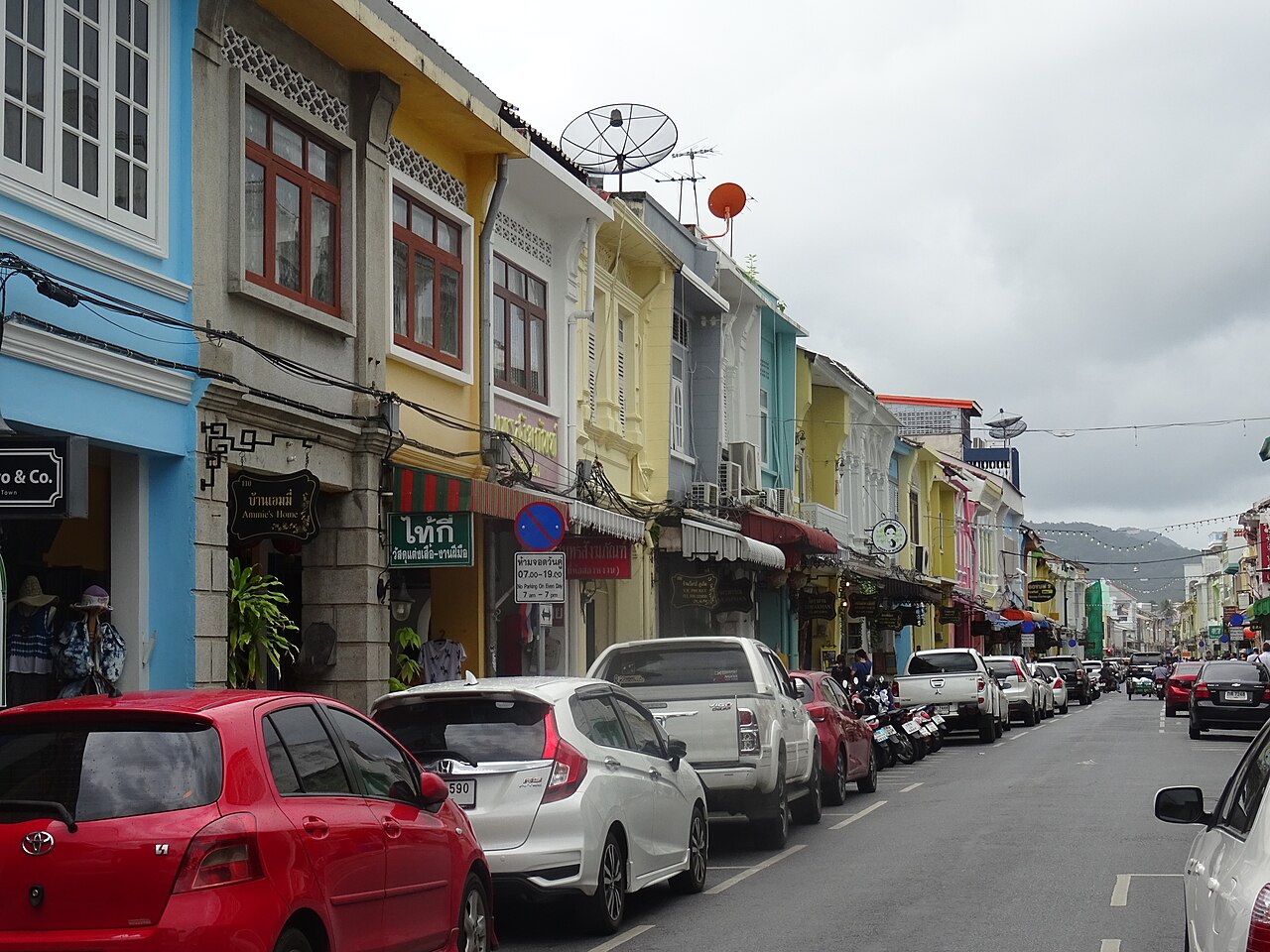
Best for: culture lovers, café-hoppers and budget travellers who don't need to be on the sand — the Old Town has pastel Sino-European shophouses, characterful cafés, street art, good-value local restaurants and a Sunday street market. Stays are stylish conversions in old shophouses and charming guesthouses, and you can explore the whole quarter on foot. The trade-off: you're not on the sea, so a swim means a ~30-minute ride to Patong or Kata.
Area 6
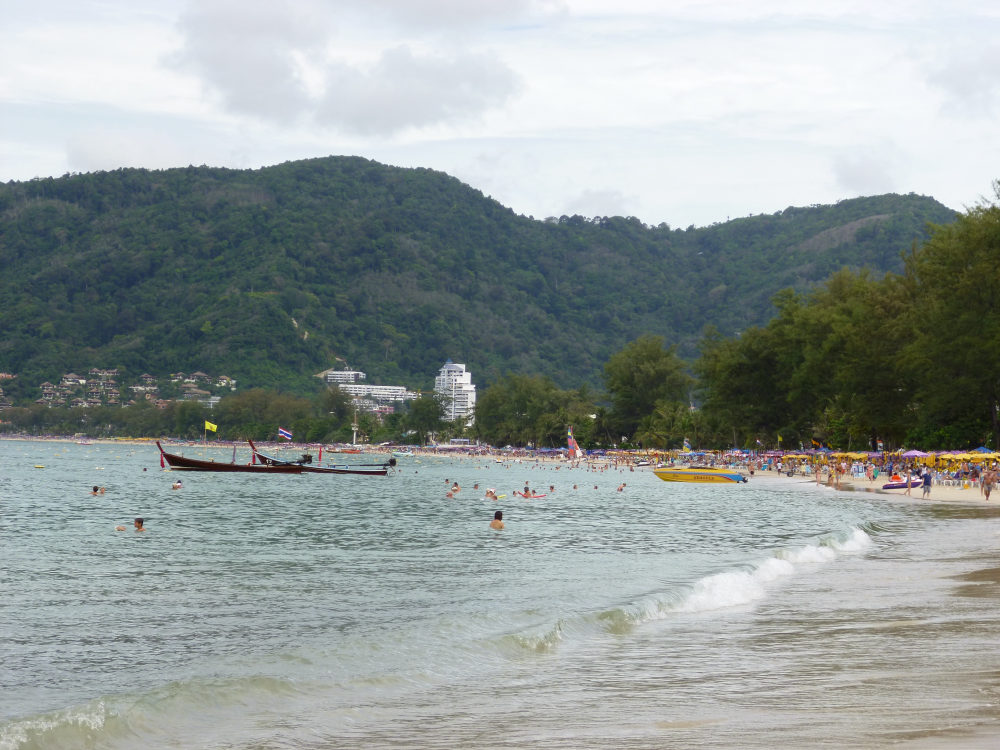
Best for: relaxed or short stays, late arrivals and early departures, and anyone who wants a quiet natural beach — these two beaches at the northern tip sit right by the airport, with long open shores lined with casuarina trees, few people and a very calm mood. Nai Yang is inside a national park, while Mai Khao has private-feeling luxury resorts. It's the easiest area with luggage. The trade-off: it's far from everything, with no restaurants or nightlife to wander to, so you rely on the resort or a rental car — not ideal if you want to see a lot.
First trip + want nightlife → Patong (everything in one place, walkable, easy to get a car) · Family or want a calmer beach → Kata or Karon · Quiet luxury resort → Bang Tao / Laguna, Surin or Kamala
Culture, cafés, smaller budget → Old Town (no beach) · Local feel + fresh seafood → Nai Harn / Rawai · Short stay / early flight / maximum quiet → Mai Khao / Nai Yang by the airport. See every option ranked by real guest scores at Top 10 Hotels in Phuket.
Phuket has no BTS, MRT or train of any kind, so you'll move by metered taxi (agree the meter or price before you get in), tuk-tuk (pricey for short hops), Grab (limited, and hard to get in some spots), a rented car or scooter (best for a spread-out island — though a scooter legally needs a licence and helmet, and accidents are common), and the blue songthaew (beach to town, cheap but slow and stops running early). For getting in from the airport and around the island, see the Phuket getting-around guide and the Phuket airport transfer guide. If it's your first trip, start with the Phuket first-timer guide, which covers money, SIM cards, sea safety and everything else to sort before you land.
A great beach is wasted if you eat at the wrong place — the Phuket food guide covers what each area does best. For fresh, local-priced seafood see the Phuket seafood guide, for the Old Town café scene read Phuket Old Town cafés, and for the evening browse the Phuket night markets.