Home Phuket Thailand Phuket Hotels About
Home  ›  🌏 Asia  ›  🇹🇭 Thailand  ›  Phuket  ›  3-Day Itinerary
🏝️ Phuket Itinerary · 3 Days · 2026

3 Days in Phuket —
Beaches, islands and an old town with character

Day one, sink your toes into the west-coast sand and watch the sun drop at Promthep Cape. Day two, take a boat out to Phi Phi or Phang Nga Bay for a full island day. Day three, walk the Sino-Portuguese Old Town, pay respects at the Big Buddha and climb to a viewpoint — three days is exactly enough to see every side of the Pearl of the Andaman.

Why 3 days

Phuket holds several worlds in one island

Plenty of visitors come to Phuket and never leave the beachfront sun-lounger — and that is a perfectly good holiday. But give it three days and you discover the island is far more than its beaches: there are islands out in the Andaman where the water is clear enough to see the coral under the boat, an old town full of pastel Sino-Portuguese shophouses and good cafés, and a white Big Buddha on a hilltop that looks out over the whole island.

This plan is built for a first visit to Phuket. Each day has one clear theme: a relaxed west-coast beach day, a full island day, and a culture day in town. You will pick one beach as your base and take a taxi or Grab out to each sight, because Phuket has no metro and the beaches sit a fair distance apart. For the lay of the land first, see things to do in Phuket.

Want longer? See the 4-day plan or the unhurried 5-day plan. Not sure which month to come? Read the best time to visit first.

Day One

West-coast beach day — take it slow

Fine white sand · warm Andaman water · a sunset at Promthep Cape — the day that eases you into beach mode before anything else.
01
Day 1
Patong / Kata / Karon & a Promthep Cape Sunset
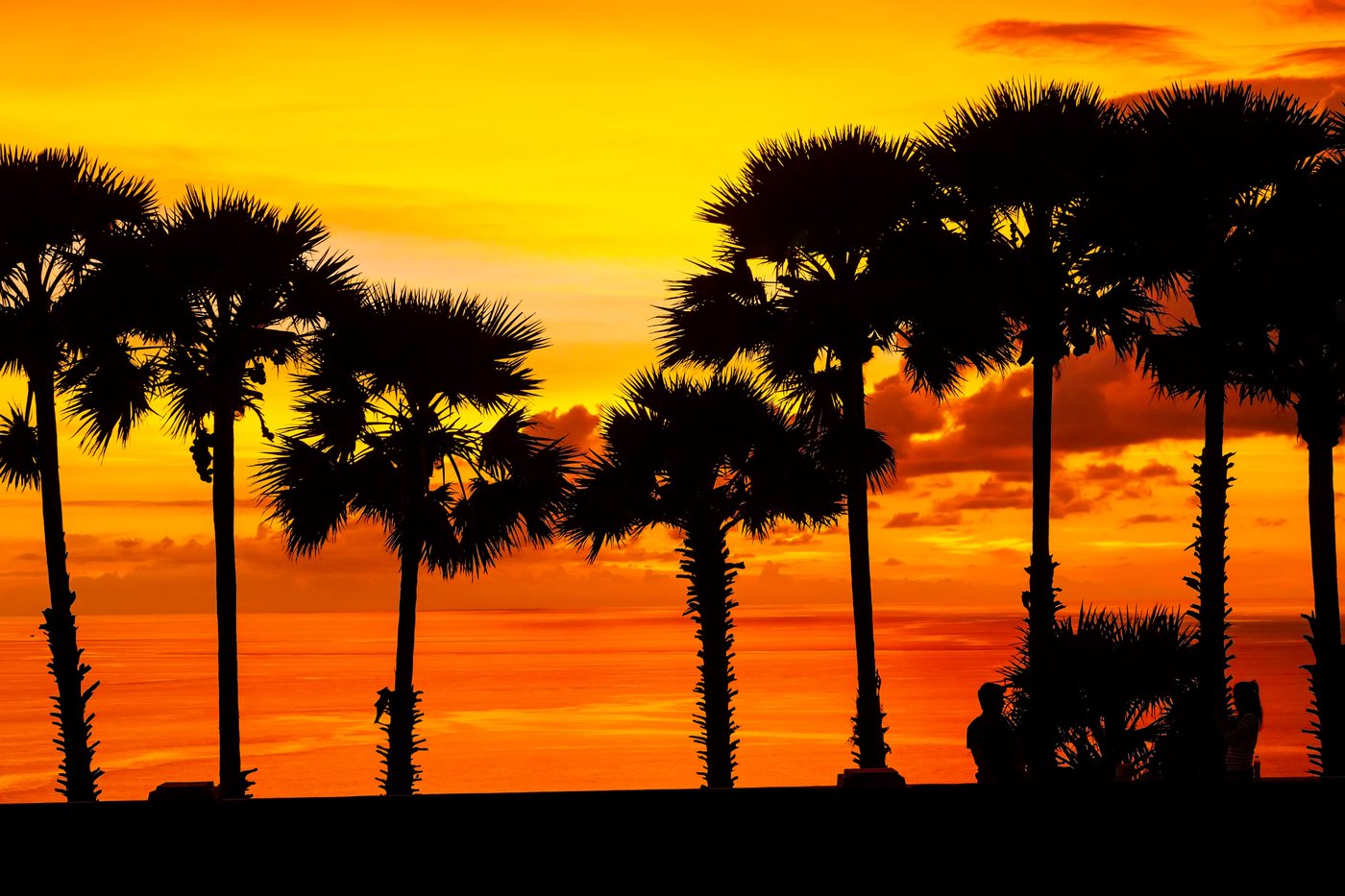
Promthep Cape, Phuket — the rocky headland reaching into the Andaman Sea at sunset, sky glowing orange
Morning · ~3 hours
Into the sea on the west coast — Patong, Kata or Karon

Start the first morning gently. If you are based on the west coast, just walk down to the sand — Phuket's best-known beaches all line this side. Patong is the liveliest, packed with restaurants and water sports; Kata and Karon, just to the south, are quieter, with fine white sand that is good for an easy float. The morning sun is gentler and the water is often calmer than in the afternoon. Pick the beach nearest your hotel today and move on to others later.

All of Phuket's beaches are free to enter, with sun-loungers and umbrellas to hire. To work out which beach suits you — quiet or lively, good for swimming or not — read our Phuket beaches guide first.

Taxi / Grab: Patong ↔ Kata/Karon about ฿200–400 · ~20–30 min (agree the price or ask for the meter first)
Beach entry: Free · sun-loungers / umbrellas to hire about ฿100–300/day
Don't forget: sunscreen, hat, sunglasses · the Phuket sun is stronger than it feels · always check the warning flags before you swim
Safety: in the monsoon (roughly May–Oct) the surf and rip currents are real, and beaches sometimes fly a red flag meaning no swimming — check the flags and listen to the lifeguards every time, and never go in against a red flag.
Afternoon · ~3 hours
Lunch break + water sports or a spa

Phuket's afternoon sun is at its harshest, so duck into the shade for an easy lunch — fresh seafood, or local dishes like Hokkien mee (fried noodles) and moo hong (braised pork belly). Then take your pick: if you still have energy, try the beach water sports (jet ski, parasailing, banana boat), or if you would rather slow down, book an hour of Thai-style spa, which is excellent value. For what local food to seek out, see our Phuket food guide.

In high season (Nov–Apr) the late-afternoon light is lovely for photos, so wander the shoreline hunting for that palm-fringed frame before heading back to the hotel for a short rest ahead of sunset.

Lunch: beachside seafood / restaurants about ฿200–500/person · street food and markets are cheaper
Water sports: jet ski about ฿1,000–1,500/ride · agree the price and terms clearly before you start
Evening · ~2 hours
Sunset at Promthep Cape

Close the first day at the viewpoint locals love — Promthep Cape, the rocky headland at the island's southern tip, looking out over the open Andaman Sea. It is Phuket's most famous spot to watch the sun go down: between about 18:00 and 18:30 the golden light spreads right across the water, and there is a small lighthouse and garden to wander. On the way south you pass Nai Harn and Rawai beaches, worth a stop if you have time. For other lookouts around the island, see our Phuket viewpoints guide.
Open: free admission · open until evening (busiest around sunset)
Getting there: from Kata/Karon about 20–30 min · from Patong ~40 min · a scooter or car is easiest
Taxi / Grab: from the west-coast beaches about ฿300–600 (one way) · a Grab back from the cape can be hard to get, so plan ahead
Tip: arrive 40–60 minutes before sunset to claim a good spot and a parking space (on a clear day it gets very busy) · in the monsoon a cloudy sky may hide the sun, but the sea breeze and mood are still worth it.
Day Two

A full island day — Phi Phi or Phang Nga

The clearest water around · white-sand beaches · limestone karsts rising from the sea — the highlight day, out on a boat away from Phuket itself.

02
Day 2
Phi Phi / Maya Bay or Phang Nga Bay & James Bond Island
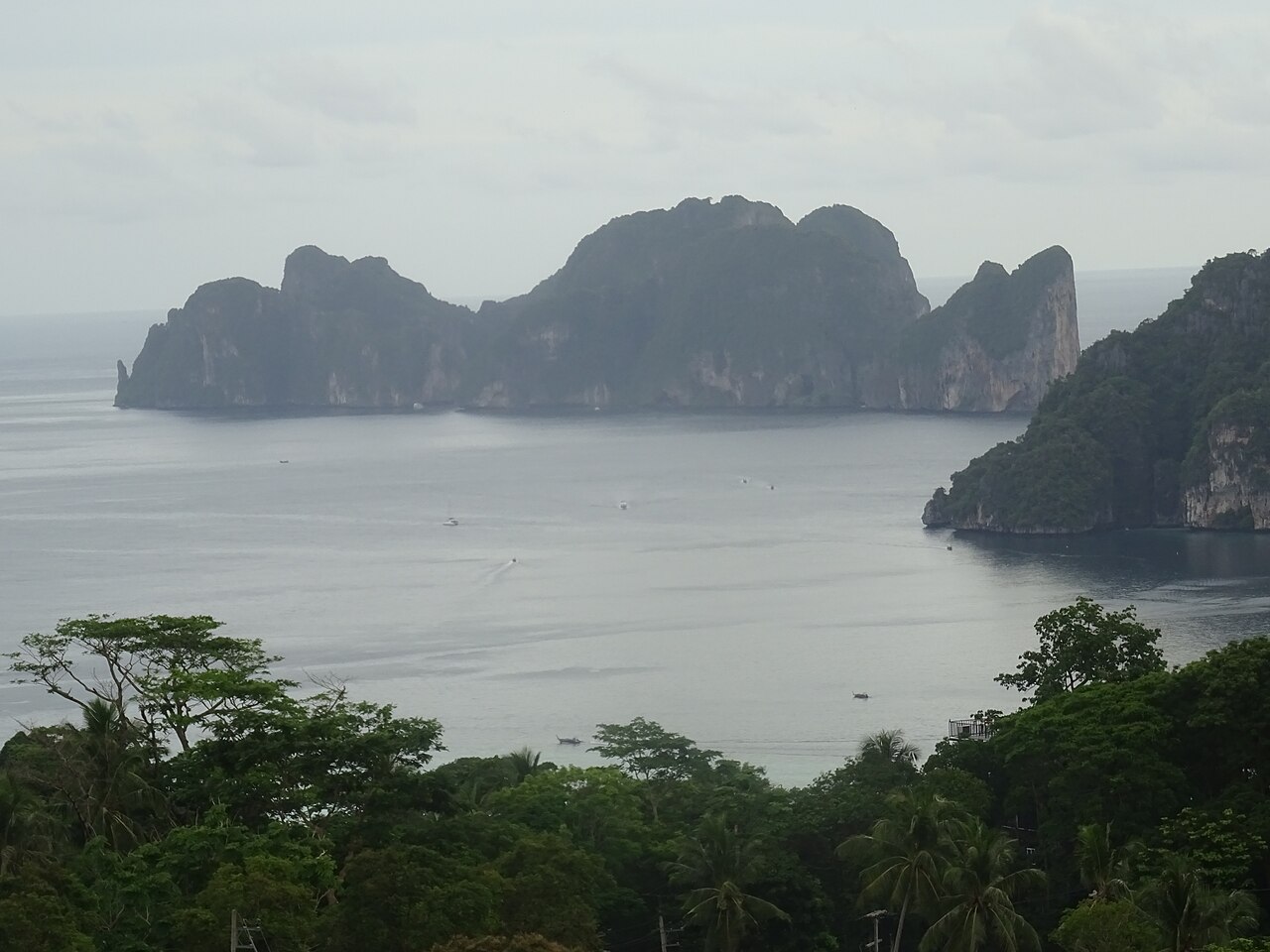
Phi Phi, Phuket — clear blue water, tour boats moored in the bay, white sand and limestone cliffs
Morning · go early, this matters
Boat out to the islands — pick Phi Phi or Phang Nga

Today you need an early start — almost every island tour picks up at the hotel around 07:00–08:00, then leaves from the pier. There are two main options, both worth it but with a different mood:

Phi Phi (including Maya Bay from the film The Beach) is about white-sand beaches, clear water and snorkelling over coral — the prettiest water in the area, best if you want to swim. Phang Nga Bay and James Bond Island is about limestone karsts rising from the sea, caves and paddling a sea-canoe through them; the water is calmer, which suits families and anyone who would rather cruise than swim. Tours run as a full-day group trip, including the boat, lunch, transfers and a guide. Read the detail in our Phi Phi day-trip guide and Phang Nga Bay day-trip guide.

Tour cost: about ฿1,000–2,500/person (full day, including boat, lunch and transfers) · speedboat tours cost more than the big ferries
Hotel pickup: mostly around 07:00–08:00 · back at the hotel in the evening, ~16:00–18:00
Allow for park fees: Phi Phi/Maya Bay and Phang Nga are inside national parks, which usually charge an entry fee — check whether it is included in the tour
Going early is the key: by late morning the tour boats arrive together and it gets crowded; the earliest departures get Maya Bay and the snorkelling spots while they are still quieter. Book ahead, especially in high season and over long weekends. Compare island day tours on Klook.
Afternoon · still on the tour
Snorkelling, sea-canoeing and lunch on the water

In the afternoon the tour usually stops to snorkel over coral and fish (Phi Phi) or to paddle a sea-canoe through caves and visit James Bond Island (Phang Nga), before an included buffet or set lunch. There is normally more time to swim or laze on a beach before the boat heads back. Pay attention to the guide's meeting times so you do not get left behind.

Lunch: usually included in the tour price · let them know in advance about allergies or vegetarian meals
Bring: swimwear under your clothes, a towel, reef-safe sunscreen and a waterproof phone pouch
Evening · ~2 hours
Back to shore + a seaside dinner

In the early evening the boat brings you back and the van drops you at the hotel. Recover from the sun and salt water for a while, shower and change, then head out for dinner near your base — fresh seafood sold by weight, or a night market for local snacks. If you are staying in Patong there is plenty of choice and nightlife. See the markets worth a wander in our Phuket night markets guide and seafood spots in our Phuket seafood guide.

Dinner: seafood by weight about ฿400–900/person · night markets and street food are much cheaper
If you still have energy: Patong has Bangla Road and night markets to wander · Kata/Karon are quieter
Monsoon, please read: roughly May–Oct the sea is rougher, some boat trips may cancel or change stops depending on the weather, and the Similan Islands close (open only about mid-October to mid-May, so check first). If the sea is shut on your island day, swap in the Old Town / Big Buddha / land sights from Day 3 instead.
Day Three

Old Town , the Big Buddha and a viewpoint

Pastel Sino-Portuguese shophouses · a hilltop Big Buddha · Wat Chalong and a three-bay viewpoint — the last day shows you a side of Phuket beyond the beaches.

03
Day 3
Phuket Old Town · Big Buddha · Wat Chalong · a viewpoint
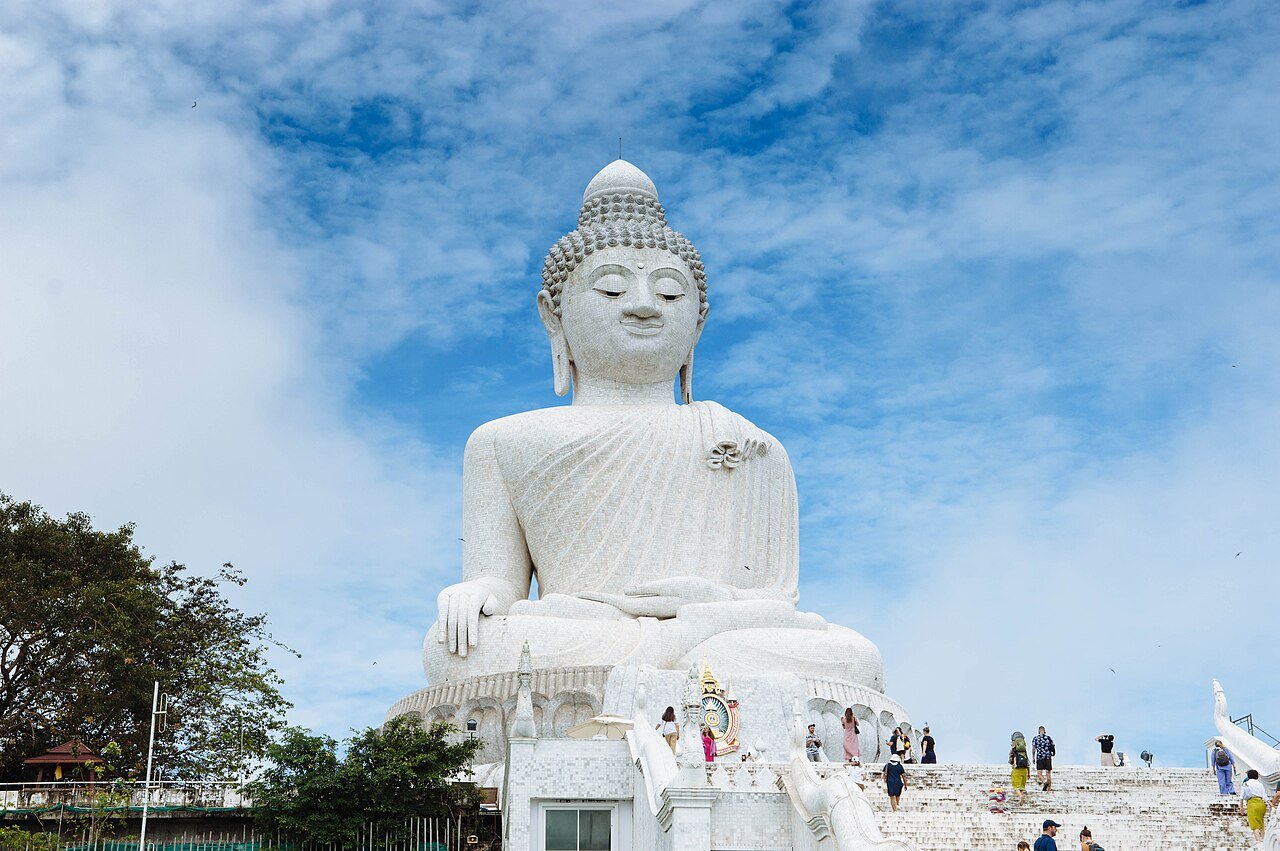
The Big Buddha, Phuket — the white Buddha statue on Nakkerd Hill, overlooking the island and sea
Morning · ~3.5 hours
Walk Phuket Old Town — Sino-Portuguese streets and cafés

Begin the last day in Phuket Old Town — the quarter of pastel Sino-Portuguese shophouses along Thalang Road, Soi Romanee and Dibuk Road. Wander for the street art, stop for an old-style kopi (traditional coffee) and the smart cafés set in restored shophouses, and try a local breakfast like Hokkien mee or Phuket dim sum. It is shady and easy on foot in the morning before the heat builds. For a walking route and photo spots, read our Phuket Old Town guide, and the best cafés in our Old Town cafés guide.

The Old Town is an easy 2–3 hours to explore. Most cafés open a little later (around 9–10am), so there is no need to rush this morning.

Cost: walking the quarter is free · you only pay for coffee or food
Getting there: from the west-coast beaches into town about 30–45 min · taxi/Grab about ฿300–500
Best time: morning before the heat · on Sundays the Lard Yai walking street runs in the evening
Afternoon · ~3 hours
The Big Buddha + Wat Chalong

In the afternoon head up the hill to the Big Buddha on Nakkerd Hill — a white marble Buddha over 40 metres tall, visible from much of the island. From the terrace you look down over Chalong Bay, Nai Harn beach and the surrounding sea in a wide panorama. Then call in at Wat Chalong (Wat Chaithararam), the temple Phuket holds dearest, with its striking pagoda and architecture. Both sit in the south-centre of the island and link up easily by road. For details and the dress code, read our Big Buddha & Wat Chalong guide.

Cost: the Big Buddha + Wat Chalong are free (donations welcome)
Dress code: these are temples — dress modestly, shoulders and knees covered · cover-ups can be borrowed at some points
Getting there: Old Town → Big Buddha ~30–40 min · Big Buddha → Wat Chalong ~15–20 min
Evening · trip's end
A three-bay viewpoint and a last dinner

Finish the trip at a viewpoint — the Karon Viewpoint (Three Beaches) looks down over Kata Noi, Kata and Karon lined up beautifully in the evening light, or go back to Promthep Cape for another sunset if Day 1 was cloudy. Then end with a last plate of Phuket food — fresh seafood, or local specialities like moo hong, o-aew (a cold Phuket-only dessert) and Phuket-style khanom jeen — before you pack up. See all the lookouts in our Phuket viewpoints guide and what to eat in our Phuket food guide.

Mid-range dinner: about ฿300–700/person · night markets and street food are cheaper · seafood by weight depends on size
To the airport: Phuket airport (HKT) is at the far north of the island · from the west-coast beaches about 45–60 min (~32 km) · allow for traffic
🏝️
Want a longer trip?
See the 4-day plan — add a second island, Phang Nga sea-canoeing, or a Khao Sok / elephant day
See the 4-day plan →
Practical info

Where to stay · getting around · budget

🏨
Which area to stay in

For a first trip, the west coast is easiest. Patong suits you for restaurants, markets, nightlife and easy boat-tour pickups (but it is busy). Kata/Karon, just south, are quieter, with lovely beaches and a family feel. The Old Town suits café and heritage lovers but is not on a beach. Pick one base and travel out to each sight. See where to stay in Phuket or the 10 best hotels.

🚕
Getting around

Phuket has no metro — get around by metered taxi (agree the price or ask for the meter first), Grab (available but limited), a rented scooter (licence + helmet; accidents are common, ride carefully), a hire car, or a slow local songthaew (cheap but infrequent). The beaches are far apart, so base yourself at one and travel out. See getting around Phuket and the airport transfer guide.

🌊
When to go + safety

High season Nov–Apr: calm seas, the best beaches and islands. Monsoon May–Oct: rain, rough seas, some red-flag no-swim days, some boat trips cancel, and the Similans close (open ~mid-Oct to mid-May) — but it is green, quiet and cheaper. Always check the warning flags before you swim. Read the detail in the best time to visit Phuket.

Budget

Rough cost per day, per person

Item Budget Mid-range Comfort
Hotel (per night) ฿600–1,200 ฿1,800–4,000 ฿6,000–20,000+
3 meals ฿200–500 ฿600–1,200 ฿1,500–3,500
Transport (taxi / Grab / hire) ฿200–500 ฿500–1,200 ฿1,200–3,000
Island tour / activities Free–฿600
(beach + viewpoint + temples)
฿1,000–2,500
(one island day tour)
฿2,500–5,000+
(speedboat / Similan / private)
Daily total (approx., excl. hotel) ฿800–1,500 ฿2,500–4,500 ฿6,000+

Prices are approximate and vary by season · the biggest cost unique to Phuket is the all-day island tour, plus the airport transfer and any car or scooter hire · high season (Dec–Jan) and long weekends push hotel rates up — check first. Full breakdown in our Phuket trip budget.

Frequently asked

FAQ · 3-day Phuket plan

Is 3 days enough for Phuket?
Three days comfortably covers the main highlights: one west-coast beach day with a Promthep Cape sunset, one island day trip (Phi Phi or Phang Nga Bay), and one day for Phuket Old Town, the Big Buddha and Wat Chalong. What you have to skip is the Similan Islands (which need a very early start and only open in high season, roughly mid-October to mid-May) and a full-day trip like Khao Sok or an elephant sanctuary. If you want those, extend to four days or five days for a more relaxed pace.
What is the best time of year to visit Phuket?
Roughly November to April is the high season — calm seas, the best beaches, and boats running to the islands every day (peak is December to January). Roughly May to October is the southwest monsoon: rain, rougher seas, more days when beaches fly the red no-swim flag, some boat trips cancel, and the Similan Islands close (open only about mid-October to mid-May, so check first). The trade-off is that the monsoon is green, quiet and cheaper. April/May and October are shoulder months. If you come in the monsoon, swap an island day for the Old Town, the Big Buddha or another land trip. Read the detail in the best time to visit Phuket.
Should I choose the Phi Phi or the Phang Nga Bay day trip?
Both are worth it, but they feel different. Phi Phi (including Maya Bay from the film The Beach) is about white-sand beaches, clear water and snorkelling over coral — the prettiest water in the area, best if you want to swim. Phang Nga Bay and James Bond Island are about limestone karsts rising from the sea, caves and paddling a sea-canoe through them; the water is calmer, which suits families and anyone who would rather cruise than swim. With one day, pick one; on a longer trip you can do both. Group day tours run all day at roughly ฿1,000–2,500 per person. See the Phi Phi day trip and Phang Nga Bay day trip.
What is a realistic budget for 3 days in Phuket?
A mid-range budget runs roughly ฿2,500–4,500 per person per day (excluding the hotel), covering two or three meals, taxis or Grab around the island, and tickets or a tour. The biggest single cost unique to Phuket is the all-day island tour at ฿1,000–2,500 per person (Phi Phi or Phang Nga; the Similans cost more), plus the airport transfer and any car or scooter hire. Budget travellers can manage about ฿800–1,500 a day on street food and free beaches; a comfort trip is ฿6,000+. Prices shift with the season. See the full breakdown in our Phuket trip budget.
Which area should a first-time visitor stay in?
For a first trip, the west-coast beaches are the easiest base. Patong suits you if you want restaurants, markets, nightlife and the widest choice of boat tours, though it is busy and crowded. Kata and Karon, just south, are quieter, with lovely beaches and a family feel. Phuket Old Town suits café and heritage lovers but is not on a beach. Phuket has no metro and the beaches sit far apart, so pick one base and take a taxi, Grab or a hire car out to each sight. See our Phuket hotels roundup and where to stay.
How do you get around Phuket — is there a metro?
Phuket has no metro or train. Getting around means a metered taxi (agree the price or ask for the meter before you get in), Grab (available but limited, and hard to hail in some spots), a rented scooter (you need a licence and a helmet — accidents are common, so ride carefully), a hire car, a tuk-tuk (pricey) or hotel and tour transfers. Slow local songthaews run between the beaches and Phuket Town, cheap but infrequent. Phuket airport (HKT) is at the far north of the island, about 32 km (45–60 minutes) from the west-coast beaches. Because the beaches are far apart, pick one base and travel out to each sight. See getting around Phuket.