Two days for pandas, the old town and a proper hotpot, plus a full day at the Leshan Giant Buddha, and a fourth day you choose yourself — Mount Qingcheng and Dujiangyan, or a slow tea-and-shopping day in the city.
Two days in Chengdu already covers the core — pandas, the Kuanzhai and Jinli old streets, Wuhou Shrine, People's Park and a hotpot dinner. But a short trip always has to cut the same thing: a day trip out of the city, which is half the reason people come to Sichuan in the first place. Both the Leshan Giant Buddha and the Mount Qingcheng–Dujiangyan pairing each fill a whole day on their own.
Four days fixes that directly. Days one and two handle the city highlights without rushing. Day three takes a high-speed train to stand in front of the largest stone-carved Buddha on earth at Leshan. And day four is yours to choose — a Taoist mountain and a 2,000-year-old irrigation system, or a slow day sipping tea in a park the way locals actually do.
The difference from the five-day itinerary: this plan keeps no overnight trips out of town and skips a full day on Mount Emei or in Chongqing. It suits travellers with exactly four days who want both the city and a day out, sleeping in Chengdu every night.
Pandas eating bamboo at breakfast, the wide-and-narrow lanes of the old town, and tea in People's Park the local way — a gentle first day that eases you into the slowest-paced city in China.
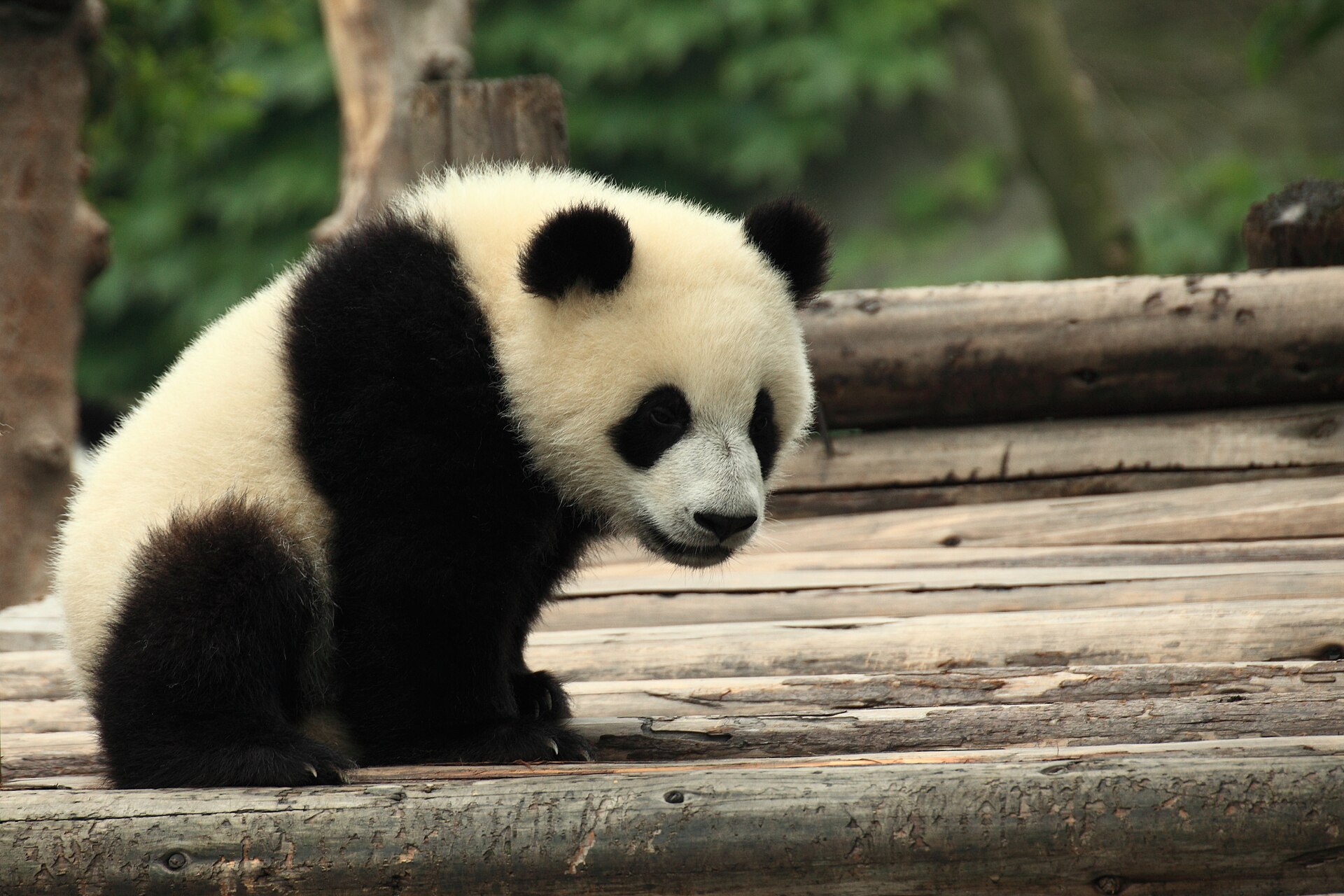
Set an alarm and go early — really early. The Panda Base is at its best right at opening, because the pandas wake to eat bamboo in the morning (roughly 8am to 10am) and then settle into long naps once the afternoon warms up. Arrive late and you mostly see black-and-white lumps fast asleep. Follow the paths through the bamboo to see the giant pandas, the red pandas and the nursery for cubs. Two and a half to three hours here is about right.
Book tickets online in advance to lock in a morning slot, especially in high season when it gets very busy. An electric shuttle runs inside the base for about ¥10 and saves your legs on the uphill paths.
Take the metro back into the city, have lunch, then head to Kuanzhai Alley — three parallel lanes (Wide Lane, Narrow Lane and Well Lane) where Qing-dynasty courtyard houses have been revived into teahouses, snack stalls, design shops and bars. The mix of old and new is genuinely fun. Wander and graze as you go — stinky tofu, street snacks, Sichuan meatballs — for an easy hour and a half to two hours.
Kuanzhai has several old teahouses; pick one, order a cup of Sichuan green tea and watch an ear-cleaning master (采耳) at work — a local ritual you'll rarely see anywhere else.
End the first day the truly local way at People's Park, a short walk from Kuanzhai. The heart of it is the Heming Teahouse (鹤鸣茶社) by the pond — bamboo chairs under the trees, locals playing mahjong and chatting away the whole afternoon. Order one cup of tea and you can sit for hours. This is the slow rhythm that makes Chengdu what it is. See more in our teahouse culture guide.
A Three Kingdoms shrine, the lantern-lit Jinli old street, the city's central square, a 1,400-year-old monastery, and the one mala hotpot you have to try.
Start the morning at Wuhou Shrine — China's most important memorial to the strategist Zhuge Liang and the heroes of the Three Kingdoms era. If you grew up on those stories, this is where they take on physical form: red-and-green gardens, old timber halls and stone tablets. Allow an hour to an hour and a half.
A side gate leads straight into Jinli Ancient Street — a Qing-style lane packed with street-food stalls, souvenirs and teahouses. The snack to try is san da pao (三大炮), glutinous rice balls thrown down a tray with a loud bang. Jinli is lively by day and prettier after dark when the red lanterns light up.
Take the metro to Tianfu Square in the city centre — a broad plaza with a statue of Chairman Mao, ringed by the Sichuan Science and Technology Museum and big shopping malls. It's where you feel the scale of Chengdu as a major city. Keep it short: a few photos and a look around.
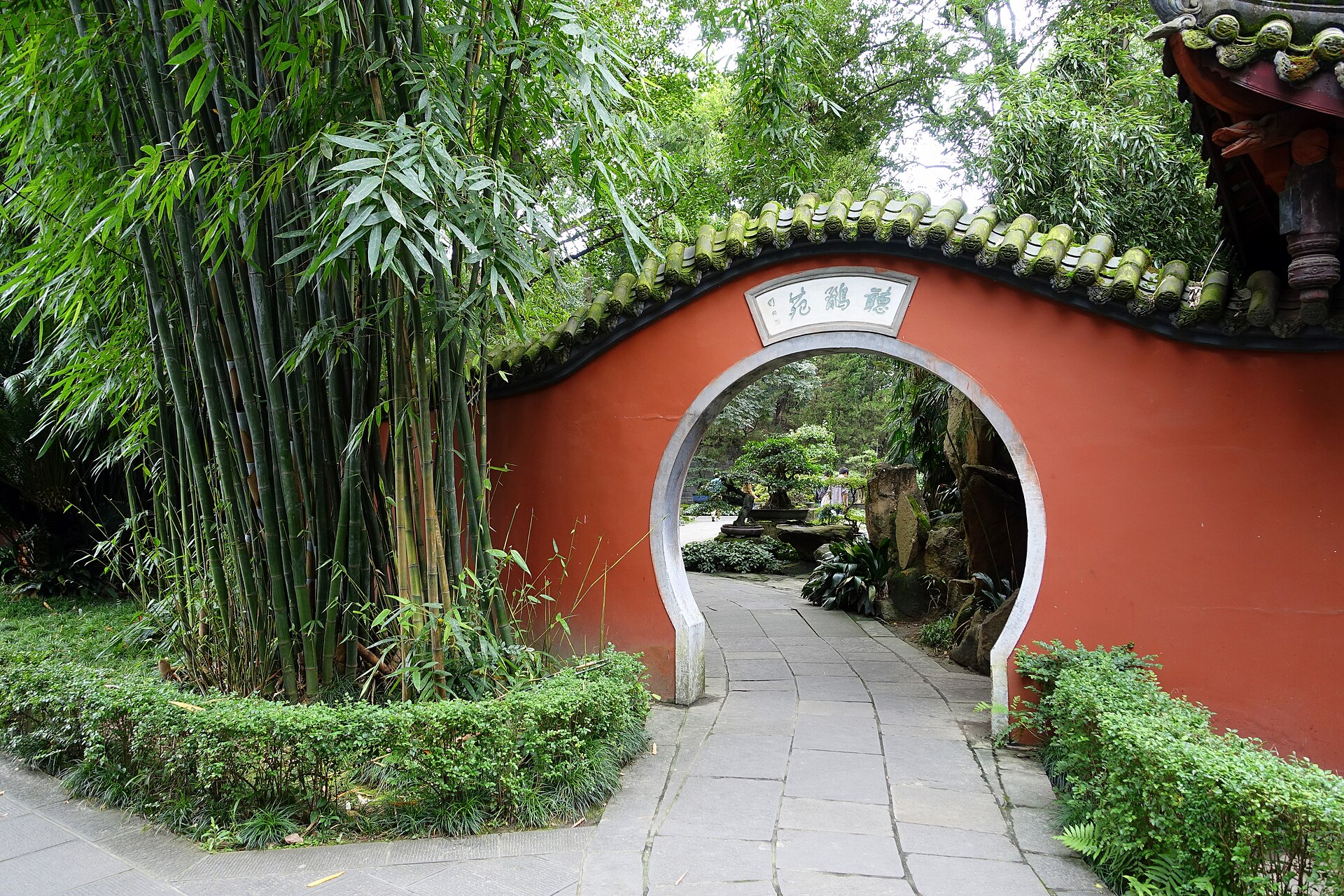
Then head to Wenshu Monastery (文殊院) — the oldest and most beautiful Buddhist temple in Chengdu, founded in the Tang dynasty. Quiet gardens, tall bamboo and the smell of incense, plus a temple teahouse where locals genuinely come to sit and a good vegetarian restaurant beside it. It's the best place in the city to escape the noise. Allow an hour to an hour and a half.
Tonight has to be mala hotpot (火锅) — the heart of Chengdu's food. A red broth bubbles with dried chillies and huajiao (the Sichuan peppercorn that makes your tongue tingle and go numb); you dip in meat, vegetables, tofu and offal to cook. If you don't handle spice well, order a split pot (鸳鸯锅) — clear broth on one side, mala on the other. Chengdu is where hotpot is at its best and cheapest in China.
For the full experience, book a popular restaurant ahead, or just wander the Jinli and Chunxi Road areas where there's plenty of choice. See our Chengdu food guide for more.
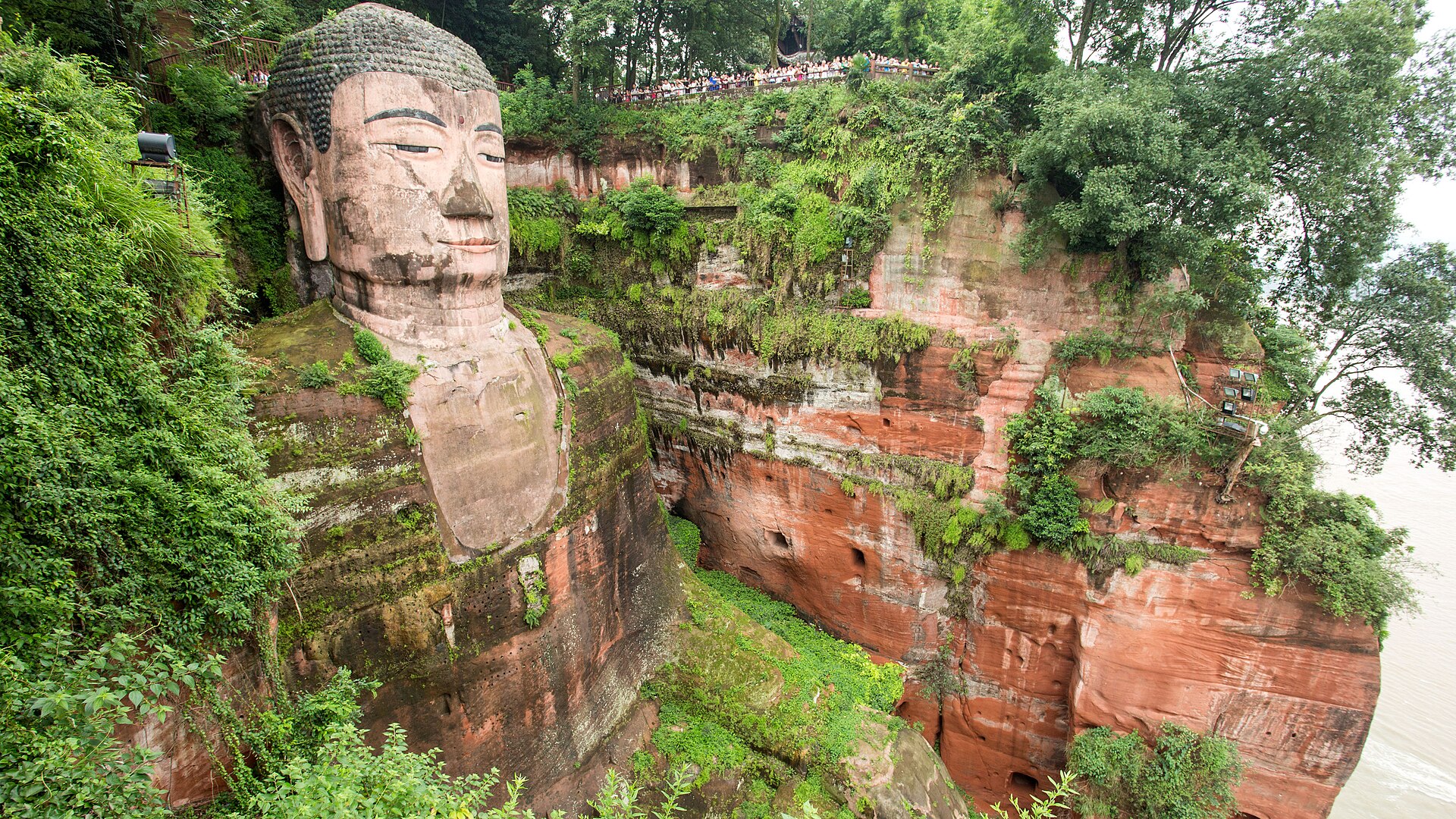
This is the first of the two extra days that make four days more than a short trip — a high-speed train ride to stand beneath a 71-metre Buddha carved into a cliff, the largest of its kind on earth.
Head out early to Chengdu East railway station (成都东) and take the Chengdu–Mianyang–Leshan high-speed line to Leshan station in about an hour. From the station, bus 3 runs to the Buddha viewing area (around 30 to 40 minutes). The Leshan Giant Buddha was carved into the cliff face beginning in 713 AD; at 71 metres tall, a single toe is bigger than a person. It's the largest stone-carved Buddha in the world.
There are two ways to see it: walk down the cliff-side staircase (九曲栈道) to the Buddha's feet for the full sense of scale (long queues in high season), or take a boat to view the whole figure in one frame from the river without queueing for the stairs. The short boat loop takes about 30 minutes.
After the Buddha, keep walking through the Lingyun Hill (凌云山) area, with its old temples, pavilions and a viewpoint over the meeting of three rivers — shady and pleasant for an afternoon stroll. Half a day to late afternoon at Leshan is enough; then take the train back to Chengdu in the evening, with time to rest before your last day.
The last day has two paths — a Taoist mountain and a 2,000-year-old irrigation system by a 40-minute train, or an unhurried day of tea, cafés and shopping.
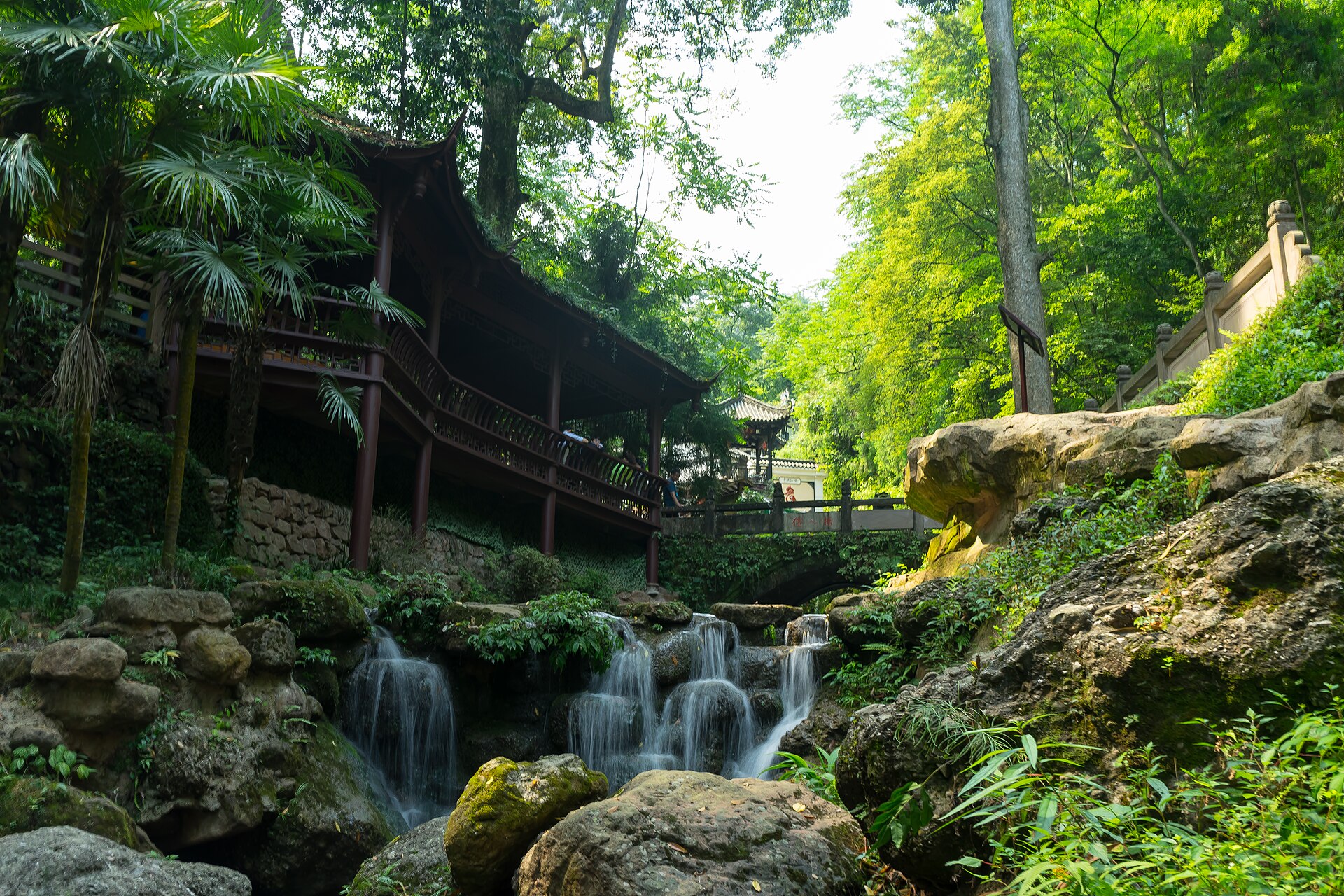
Head out in the morning to Chengdu West station (reachable by Metro Lines 2/6) and take the high-speed train to Qingchengshan in just 23 to 40 minutes. Mount Qingcheng is a sacred birthplace of Taoism — lush green forest, wooden pavilions and trails climbing through the mist. The front mountain takes about half a day to walk, with a cable car and a lake ferry to save your legs.
In the afternoon, continue to Dujiangyan — an irrigation system built more than 2,000 years ago that still works today. A World Heritage Site, it divides the Min River and has protected the Chengdu plain from flooding ever since. Walk the dividing weir and the Anlan suspension bridge, then take the train back to Chengdu in the evening.
Start late at People's Park with a cup of tea and no rush, watching local life go by. If you skipped the ear-cleaning on day one, today's your chance. Then wander the cafés — Chengdu is a fast-rising coffee city, with everything from tucked-away old-lane spots to slick design cafés in the newer districts.
In the afternoon and evening, shop along Chunxi Road, the city's busiest pedestrian street, then move on to Taikoo Li (太古里), an open, airy lifestyle district with the old Daci Temple hidden right in the middle of the luxury malls — old and new side by side. It's a gentle way to close out the trip before you leave.
The Chunxi Road / Taikoo Li area is best for this plan — central, with Metro Lines 2 and 3 reaching the panda base, Kuanzhai Alley and the old town. For days three and four out of town, a base near Chengdu East station is also handy for the trains, but staying central still puts the stations a short metro ride away. See our 10 best hotels in Chengdu.
In the city, use the metro (15+ lines, ¥2–8) by scanning Alipay or WeChat Pay at the gates; station signs are in English. For day trips, take high-speed trains from Chengdu East (Leshan/Emei) and Chengdu West (Qingcheng/Dujiangyan). Book seats ahead on Trip.com and collect tickets with your passport at the station.
Link a Visa or Mastercard to Alipay (international mode) before you travel. Most places take only Alipay or WeChat Pay, and some won't take cash. Download a VPN before you leave too (Google Maps, Instagram and many apps are blocked). See our Alipay guide.
| Item | Budget | Mid-range | Comfort |
|---|---|---|---|
| Hotel, 3 nights | ¥240–540 (~฿1,200–2,700) |
¥750–1,350 (~฿3,750–6,750) |
¥1,500–3,300+ (~฿7,500–16,500+) |
| Food, 4 days | ¥280–440 (~฿1,400–2,200) |
¥520–900 (~฿2,600–4,500) |
¥1,000–2,000 (~฿5,000–10,000) |
| City metro, 4 days | ¥40–80 (~฿200–400) |
¥60–120 (~฿300–600) |
¥120–250 (~฿600–1,250) |
| Tickets + activities (Days 1–2) | ¥105–155 (pandas + Wuhou) |
¥255–405 (+ face-changing show) |
¥455–605 (+ premium tickets) |
| Day 3 (Leshan) | ¥190–270 (rail return + entry) |
¥280–360 (+ river boat) |
¥400–500 (+ first class / guide) |
| Day 4 (your choice) | ¥0–60 (slow city day) |
¥180–280 (Qingcheng + Dujiangyan) |
¥300–400 (+ cable car / guide) |
| Trip total (approx.) | ¥855–1,545 (~฿4,275–7,725) |
¥2,045–3,415 (~฿10,225–17,075) |
¥3,775–7,055+ (~฿18,875–35,275+) |
Exchange rate used: ¥1 ≈ ฿5 · prices are approximate and vary by season — check ticket prices and train times before you go.