A panda eating bamboo in the morning mist, a bamboo chair in a teahouse where time runs slower, and a mala hotpot bubbling away at night — three days is just enough to taste the real Chengdu, with a day trip on Day 3 that you choose yourself.
There's a saying in China that Chengdu is "the city you come to and never want to leave." It doesn't rush the way Beijing or Shanghai do. People here spend whole afternoons in a teahouse, sipping tea, playing mahjong, getting their ears cleaned, and talking about nothing in particular. The best trip here isn't a checklist sprint — it's letting pandas, teahouses and hotpot set the rhythm.
This plan is built for a first visit to Chengdu. The first two days stay entirely within the city and run on the metro, covering everything you came to see — the Panda Base, Kuanzhai Alley, Wuhou Shrine, Jinli, Tianfu Square. That leaves all of Day 3 free for a day trip you pick yourself: the Leshan Giant Buddha, or Mount Qingcheng paired with Dujiangyan.
Less time? See the 2-day plan. Want more? The 4-day and 5-day itineraries add Mount Emei and the museums.
Pandas eating bamboo in the morning haze, grey-brick lanes that still feel lived-in, tea in a park all afternoon, and Chunxi Road's neon at night — a day that gives you every shade of Chengdu.
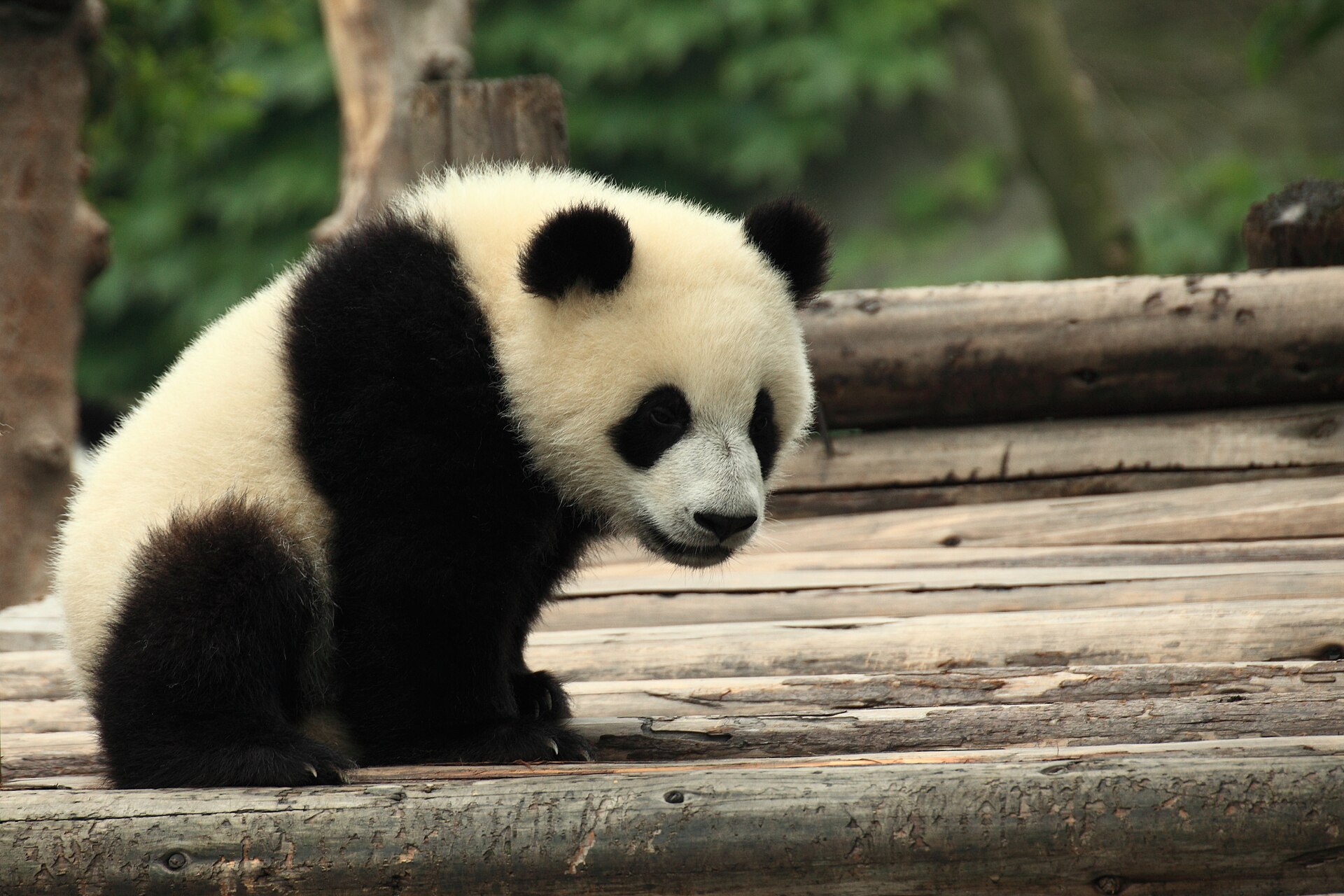
This is the reason to set a 5 am alarm. Be at the Panda Base when the gate opens at 7:30, because pandas are at their most active between 7:30 and 10:00, before the heat sets in. You'll see them climbing trees, tumbling over each other, and working through piles of bamboo. By mid-morning, as it warms up, they retreat to the shade for a long sleep (in summer, anything above 26°C and they go indoors). Follow the bamboo-lined trails for two to three hours, and don't miss the Panda Nursery — with luck you'll spot a tiny pink newborn.
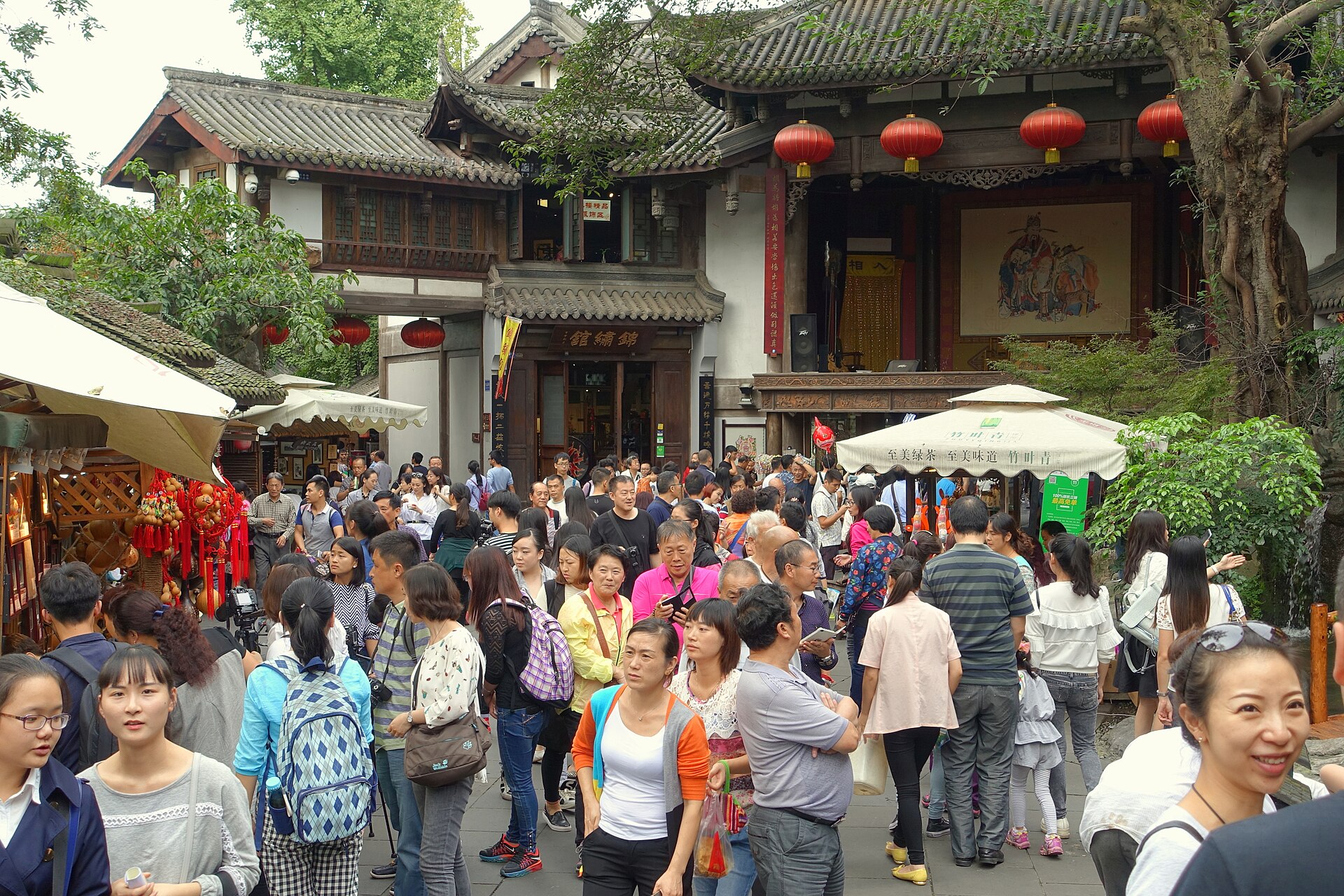
Head back into town for lunch around Kuanzhai Alley — three Qing-dynasty lanes (Wide Alley, Narrow Alley and Well Alley) beautifully restored and lined with teahouses, local sweet shops, gift stores and cafés tucked into old courtyard houses. Wander slowly and graze on Chengdu street snacks as you go; every corner photographs well.
From Kuanzhai Alley it's about a 15-minute walk to People's Park (Renmin Park). Find a seat at the Heming Teahouse (鹤鸣茶社) beside the lake, order a cup of Chengdu's covered-bowl tea for ¥20–40, and watch locals play cards and chat the afternoon away. Some stalls offer the old art of ear-cleaning, and at certain times there's a free Sichuan Opera face-changing show that comes with your tea. This is the heart of Chengdu culture — let the afternoon pass at its own pace.
Take the metro to Chunxi Road, Chengdu's central shopping district, where the evening turns into a forest of neon and glass malls sit alongside older buildings. The adjacent Taikoo Li is an open-air, lane-style precinct with the ancient Daci Temple hidden among the luxury storefronts. Browse the shops, photograph the famous panda sculpture climbing the side of the IFS mall, then find your first Chengdu dinner — a light single-dish Sichuan meal is the move tonight, since tomorrow's hotpot is the real headline event.
A shaded shrine to a legendary strategist, an ancient street where the smell of food fills the whole lane, a city-centre square, and the hotpot night you won't forget.
Start the morning at Wuhou Shrine, dedicated to Zhuge Liang — the famed strategist of the Shu Han kingdom — and Emperor Liu Bei. If you grew up on the Romance of the Three Kingdoms, this place gives you goosebumps: you walk beneath ancient trees, past statues of legendary generals and advisors, through gardens so quiet and shaded they feel a world apart from the city outside. Allow about 1.5 to 2 hours at an unhurried pace.
The clever part: Jinli Ancient Street sits right next to Wuhou Shrine, and you can walk straight through from one to the other. It's the liveliest food-and-souvenir lane in Chengdu — perfect for lunch. Graze through Sichuan street food a bite at a time: san da pao (three sticky-rice balls), mala chicken, red-oil wontons and fried stinky tofu. Snacking your way along beats ordering one big plate.
In the afternoon, ride the metro to Tianfu Square, the centre of Chengdu, anchored by a Chairman Mao statue and ringed by museums. If you're interested in history, the Chengdu Museum here has free entry and an excellent collection. Prefer temples? Swap in Wenshu Monastery (文殊院) instead — a beautiful, peaceful Buddhist temple with its own teahouse to rest in.
Honestly, if you visit Chengdu and skip the mala hotpot, you haven't really arrived. Tonight's the night: a copper pot of fiery red broth bubbling with dried chillies and Sichuan peppercorns (花椒 huājiāo), the ones that leave your tongue buzzing and numb. Dip in thin-sliced beef, tripe, mushrooms and greens, and you'll be sweating and unable to stop. If you can't handle the heat, order a yuanyang pot (鸳鸯) split into a spicy half and a mild half. Famous chains like Shu Jiu Xiang and Xiaolongkan — and countless neighbourhood places — are all over town.
Today is a full day out of the city to one destination — choose between the largest stone Buddha on earth, or a Taoist mountain paired with a 2,200-year-old irrigation system.
Chengdu is a near-perfect base for day trips, with high-speed trains fanning out in every direction. Pick one destination to match your style — both get you back in time for dinner. Book train tickets ahead through Trip.com or the 12306 app (passport registration required), then collect your ticket or pass through the gate with your passport at the station.
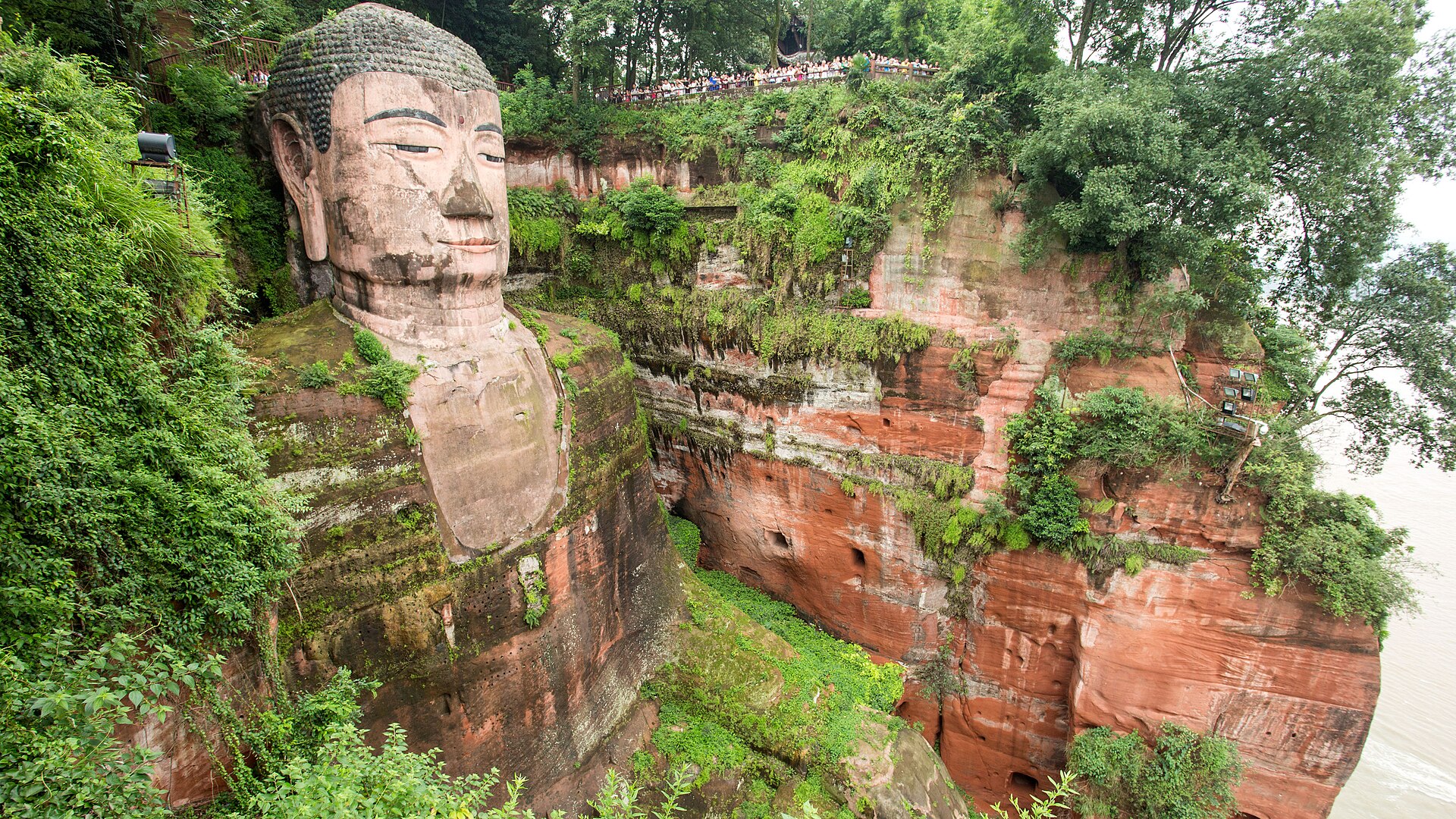
A Buddha carved straight into a cliff face, 71 metres tall, dating to the Tang dynasty — the largest in the world. View it from a boat, or take the cliff-side staircase down to its feet (long queues at peak times). It's a long day with plenty of walking, but more than worth it for the sheer scale. Best for travellers who want a UNESCO-level sight.
Leshan Giant Buddha guide →
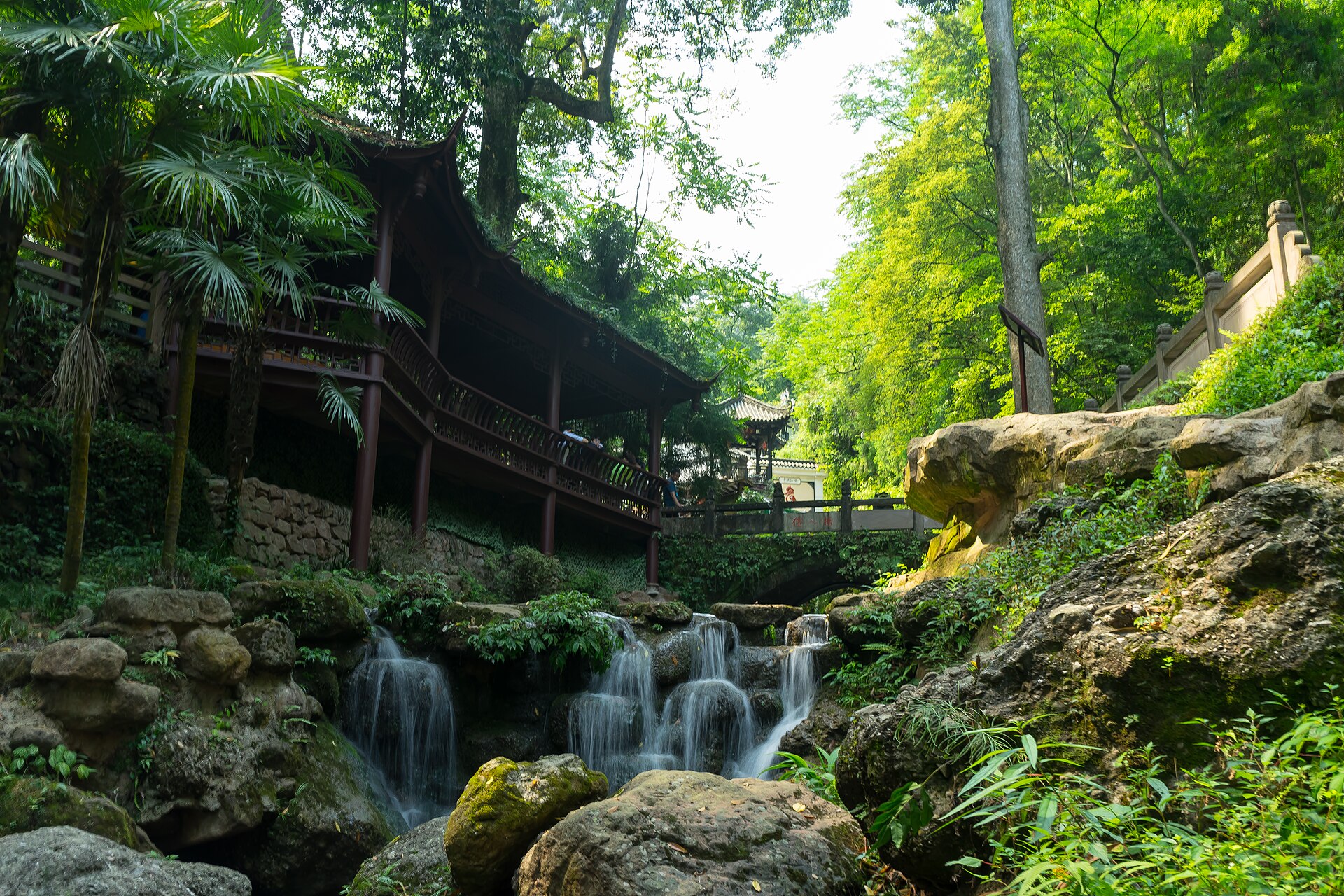
Closer and less tiring. Mount Qingcheng (青城山) is a birthplace of Taoism — misty green forest, old wooden pavilions, and an easy climb (or a cable car). Pair it with the Dujiangyan Irrigation System (都江堰), a 2,200-year-old feat of engineering that still functions today — a genuinely impressive ancient-world UNESCO site. Best for travellers who like quiet nature and history.
Qingcheng + Dujiangyan guide →Back in Chengdu by evening, save the last dinner for genuinely local Sichuan food. If Day 2's hotpot left you wanting more, go again. Or try single dishes — mapo tofu, kung pao chicken, fish poached in chilli oil, or Sichuan wontons in red oil — before heading back to pack. If you fly out early the next morning, leave plenty of time for the airport run (see below).
For this itinerary, Chunxi Road / Taikoo Li is the most practical base — the central shopping district, on Metro Lines 2 and 3, with easy access to every stop in the plan. Mid-range hotels run ¥250–500 per night. For old-town atmosphere, the Kuanzhai Alley area is lovely; for daily train day trips, near Chengdu East Station is convenient. Browse hotels for every budget in our top 10 Chengdu hotels.
The metro handles everything on this plan — 15+ lines, fares ¥2–8 per trip. Pay with Alipay or WeChat Pay (scan QR at the gate) or buy a 天府通 (Tianfu Tong) card at any station machine. Station signs are bilingual, and Google Maps routes work well — you'll need a VPN active on your phone for it to load inside China; otherwise use Amap or Baidu.
Link a foreign Visa or Mastercard to Alipay or WeChat Pay before you leave home. Almost every shop, restaurant and metro gate in Chengdu works by QR scan, and some take no cash at all. See the Alipay & WeChat Pay setup guide for step-by-step instructions.
| Category | Budget | Mid-range | Comfortable |
|---|---|---|---|
| Hotel (per night) | ¥90–180 (hostel / guesthouse) |
¥250–500 (3–4 star) |
¥600–1,500+ (4–5 star) |
| Food (3 meals) | ¥60–100 (local spots) |
¥120–250 (incl. one hotpot) |
¥300–500 (restaurants + cafés) |
| Metro + transport | ¥10–20 | ¥15–30 | ¥30–60 (+ occasional taxi) |
| Admission tickets | ¥55–105 (Panda + Wuhou) |
¥105–250 (+ day trip) |
¥250–500 (+ boat / tour / cable car) |
| Total per day (est.) | ¥215–405 (~$30–56 USD) |
¥490–1,030 (~$68–143 USD) |
¥1,180–2,560+ (~$164–356+ USD) |
Exchange rate used: ¥1 ≈ $0.14 USD · Prices are estimates and may vary by season — check before you go.