成都大熊猫繁育研究基地 — home to dozens of giant pandas and red pandas in bamboo groves on the edge of Chengdu, and the single best place on earth to see pandas up close. Get there in the morning, before they fall asleep.
Picture this: you walk through the gate at half past seven, the morning air still cool, a thin mist hanging over the bamboo. Round the first bend and there they are — four or five round giant panda cubs sitting in a heap, clutching bamboo stalks and chewing with total commitment. One rolls onto its back; another has hauled itself up into the fork of a tree to sleep. This is the moment the whole crowd goes quiet at once, because everyone is staring at the same thing.
This is the Chengdu Research Base of Giant Panda Breeding (成都大熊猫繁育研究基地) — one of the largest and most important giant panda breeding and research centres anywhere, set in the northern suburbs of Chengdu. Founded in 1987 with just six rescued pandas, it is now home to dozens of giant pandas across grounds of bamboo and lakes designed to mimic their natural habitat as closely as a city facility can.
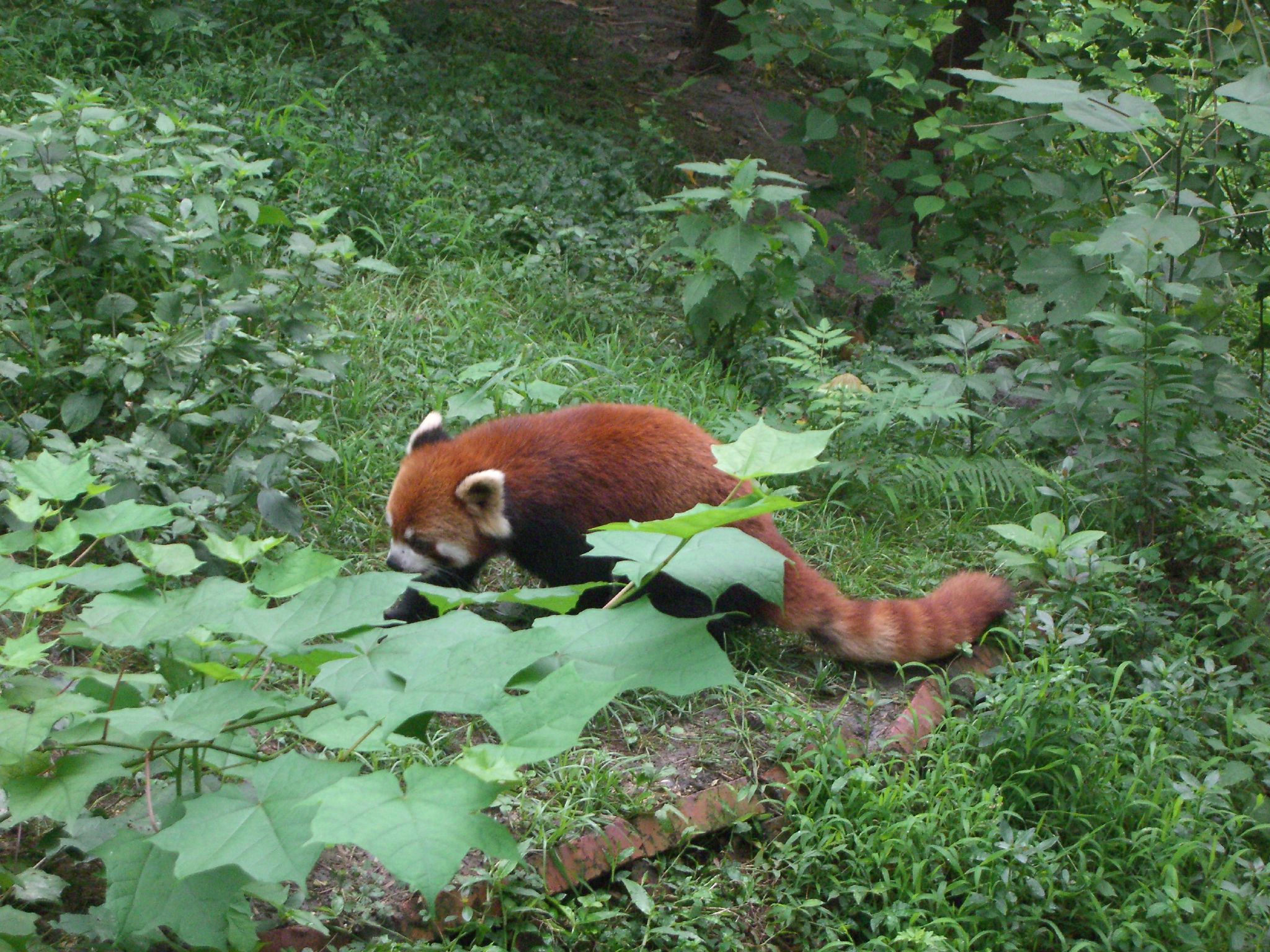
What sets it apart from seeing a panda in an ordinary zoo is the range: you see pandas at every life stage, from pink newborn cubs in the incubators of the nursery to fully grown adults in open enclosures. And the part many people do not expect — the base also has red pandas, small russet-coloured animals that wander along raised wooden boardwalks, sometimes within arm's reach of visitors.
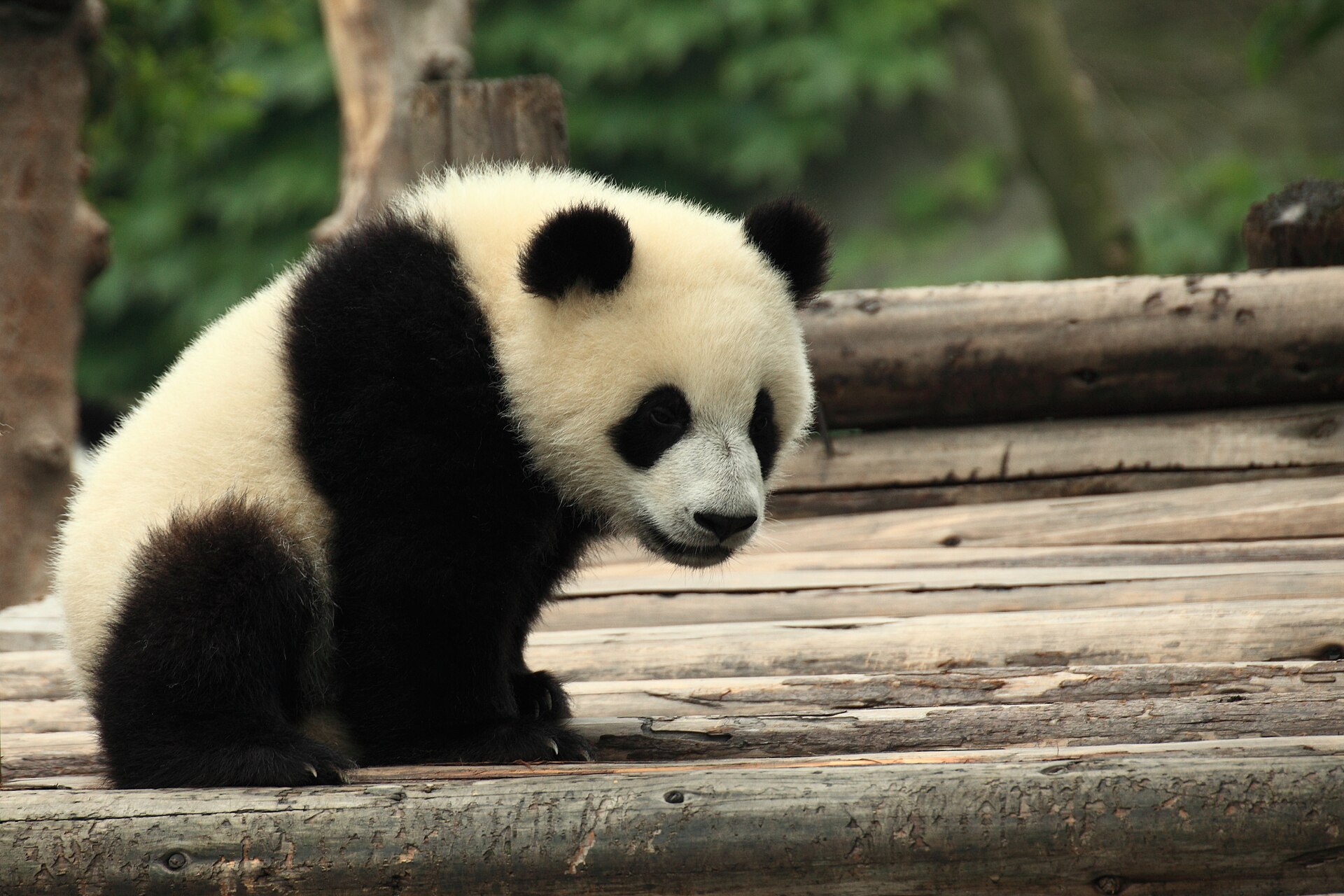
Walk uphill from the gate — head to the younger-panda zones first while they are still awake.
If you visit in the right season — usually late summer to early autumn, when cubs are born — you can see tiny pink newborns in incubators and clumsy crawling cubs behind glass. It is the busiest queue in the base, so come here first thing in the morning. Outside the breeding season there may be no cubs on view.
For most visitors this is the real highlight. Year-old to two-year-old pandas share open enclosures, climbing trees, tumbling off branches, squabbling over bamboo and wrestling each other for fun. The morning feeding window of roughly 8.30–10 am is when they are at their most energetic — after that they tend to look for somewhere to sleep.
Adult pandas live in separate enclosures because they are solitary by nature. Most sit and work through bamboo in the same pose for an hour at a time — calm and endearing in a different way. A grown giant panda eats roughly 12–38 kg of bamboo a day, which is why you will see them chewing for almost all of their waking hours.
Plenty of people leave loving the red pandas more than the giant ones, simply because they are awake and far more agile. This zone has raised wooden walkways running through open enclosures, and if you are lucky a red panda will trot past close by — but never touch them and never feed them.
Between the panda zones there are lakes, tall stands of bamboo and shaded walking paths linking everything together — good for resting your legs and photographing the setting. The base is laid out to feel more like walking through a forest than a zoo, and once you have covered it all you understand why half a day is the right amount of time to allow.
This is the single most important rule of visiting. Pandas are most active in the cool of the morning, and the morning feeding window of roughly 8.30–10 am is the golden hour for watching them eat bamboo, climb and play with each other. As the day warms up they drift off to sleep, and by the afternoon you will mostly see pandas sprawled on their backs or tucked into shady corners.
The aim is to be at the gate the moment it opens at 7.30 am (peak season), then walk straight to the sub-adult enclosures and nursery first and loop back to the other zones afterwards. Do not dawdle on the way in from the gate — by the time you reach the highlight zones, the pandas may already be nodding off.
The base uses a real-name online booking system, with tickets released up to 14 days in advance. The gate usually has no same-day tickets, so you must book before you arrive. The available channels are WeChat (official account / mini program), Meituan, Trip.com, or Klook — the last of which works in English and accepts foreign cards, which is the simplest route for most international visitors.
Adult tickets are around ¥55 (~฿275) — some sources quote ¥58, and prices can change, so check before you go. The in-park sightseeing shuttle is a separate charge of about ¥30 for the day, with unlimited rides.
Pandas are easily startled and can become stressed. The key rules are simple: keep quiet, no shouting, no tapping on glass or railings, and absolutely no flash photography. Do not feed the animals and do not throw anything into the enclosures. All of it is for the pandas' health and safety, directly.
One more thing worth knowing: during China's long public holidays — Golden Week in early October and Chinese New Year in particular — the base gets so crowded you can find yourself shuffling shoulder to shoulder. Avoid those dates if you can. And whatever the season, pack an umbrella or rain jacket: Chengdu sees a lot of drizzle and is often misty.
The base sits in the northern suburbs, about 10 kilometres from the city centre. The easiest and cheapest option is the metro plus a shuttle bus.
A lot of people confuse the two — here is the difference, so you do not end up at the wrong one.
Chengdu has two main places to see pandas, and they are completely separate:
Easy to reach on Metro Line 3, focused on walking around and watching pandas of every age in bamboo grounds. It suits everyone, including families and anyone with half a day. This is the one most visitors mean when they say "go and see the pandas in Chengdu".
Much further out, and known for its volunteer "keeper-for-a-day" programme, where you help clean enclosures, prepare food and spend time close to the pandas. It must be booked ahead and carries a separate cost — and tickets are not interchangeable with the Chengdu base. Go to Dujiangyan only if the volunteer experience is what you are after.
Stay in the city centre or near a Metro Line 3 station for an easy early start to the Panda Base.