Sights, activities, food and day trips — none of them a miss
From the World Heritage island and the seaside campus to cafés, markets and a cross-city trip — with honest price ranges and logistics.
 1
1
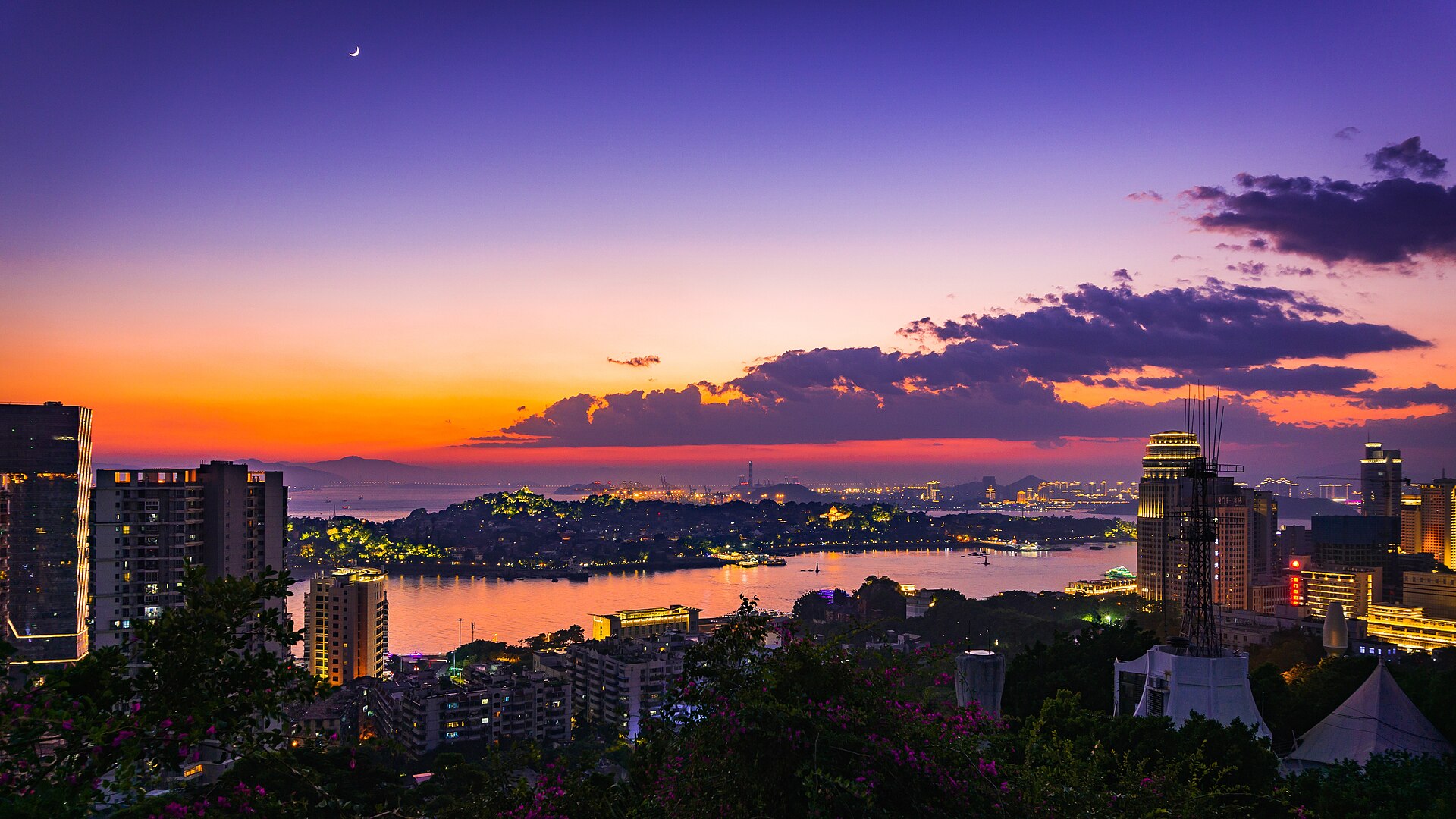
If you could only do one thing in Xiamen, everyone agrees it would be Gulangyu. This little island off the city is a UNESCO World Heritage site, and it is entirely car-free — you walk everywhere, so it stays quiet and shady, like stepping back a century. It was once where foreign consuls and traders settled, so it is full of hundred-year-old European colonial villas, old churches and mansions hidden down twisting lanes. Getting lost here is the whole point: you stumble on cute cafés, shops selling local sweets and a photo at every corner. Board the ferry at the Cruise Terminal (bring your passport), and book a timed ticket ahead on Klook, because tickets sell out fast on weekends.
Book the ferry on Klook → Read more: we wrote a full Gulangyu Island guide — how to book the ferry, walking routes and what not to miss.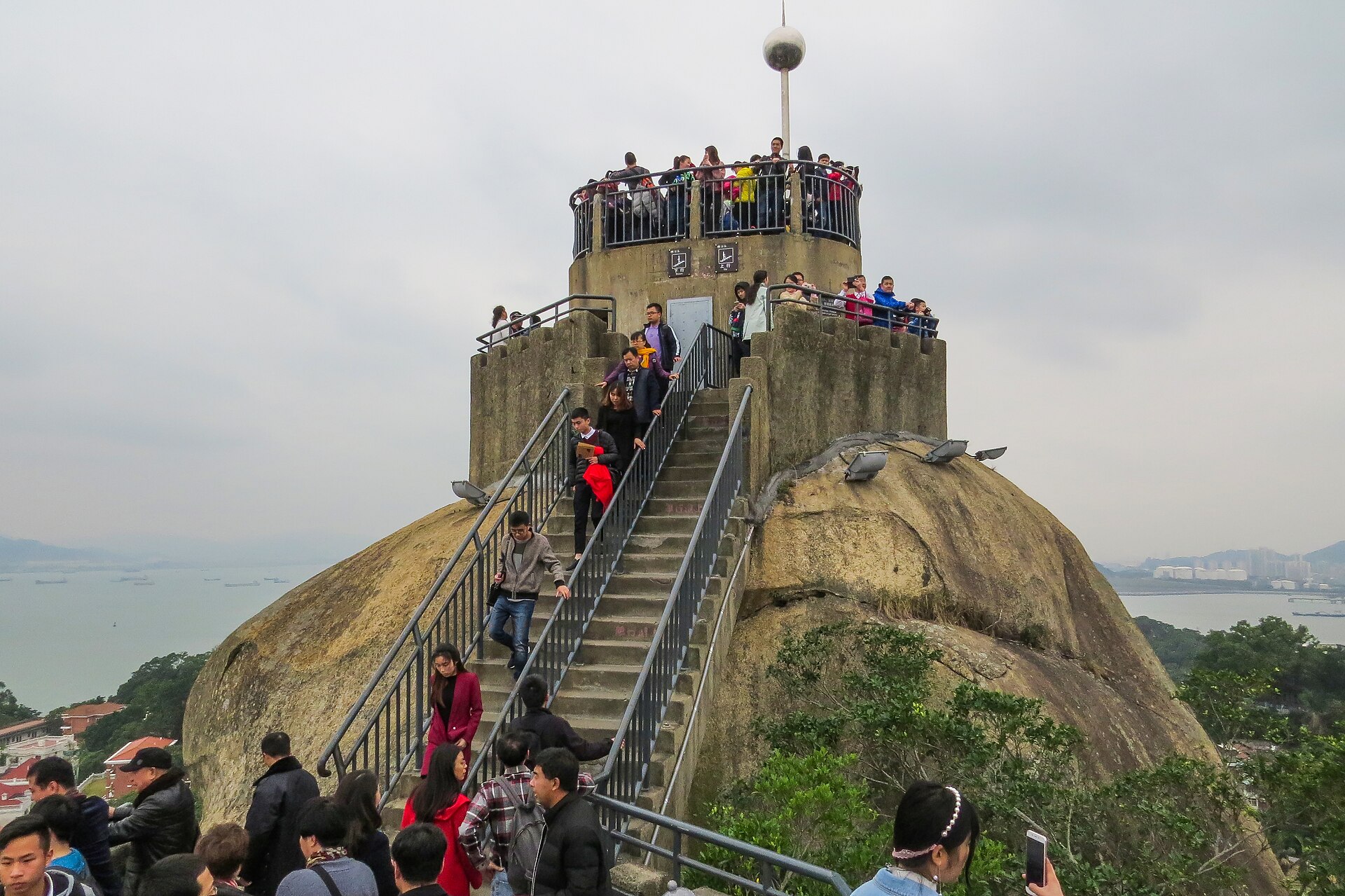 2
2
Once you are on Gulangyu, the spot you cannot miss is Sunlight Rock (Riguangyan), the highest granite peak on the island at about 92 metres. A short climb up the steps brings you to the viewing platform on top, where the view opens up a full 360 degrees: the red-tiled roofs of the whole island spread out in the sea, set against the skyscrapers of Xiamen city across the strait. It is the postcard shot of the city. The same area has an old temple and the Yuyuan garden commemorating Koxinga (Zheng Chenggong), the hero who once based himself here. Go in the morning or late afternoon for softer light and clear skies; it gets busy on weekends, so an early start means a clearer view.
Read more: the Sunlight Rock guide — the clearest times, photo spots and how to buy tickets.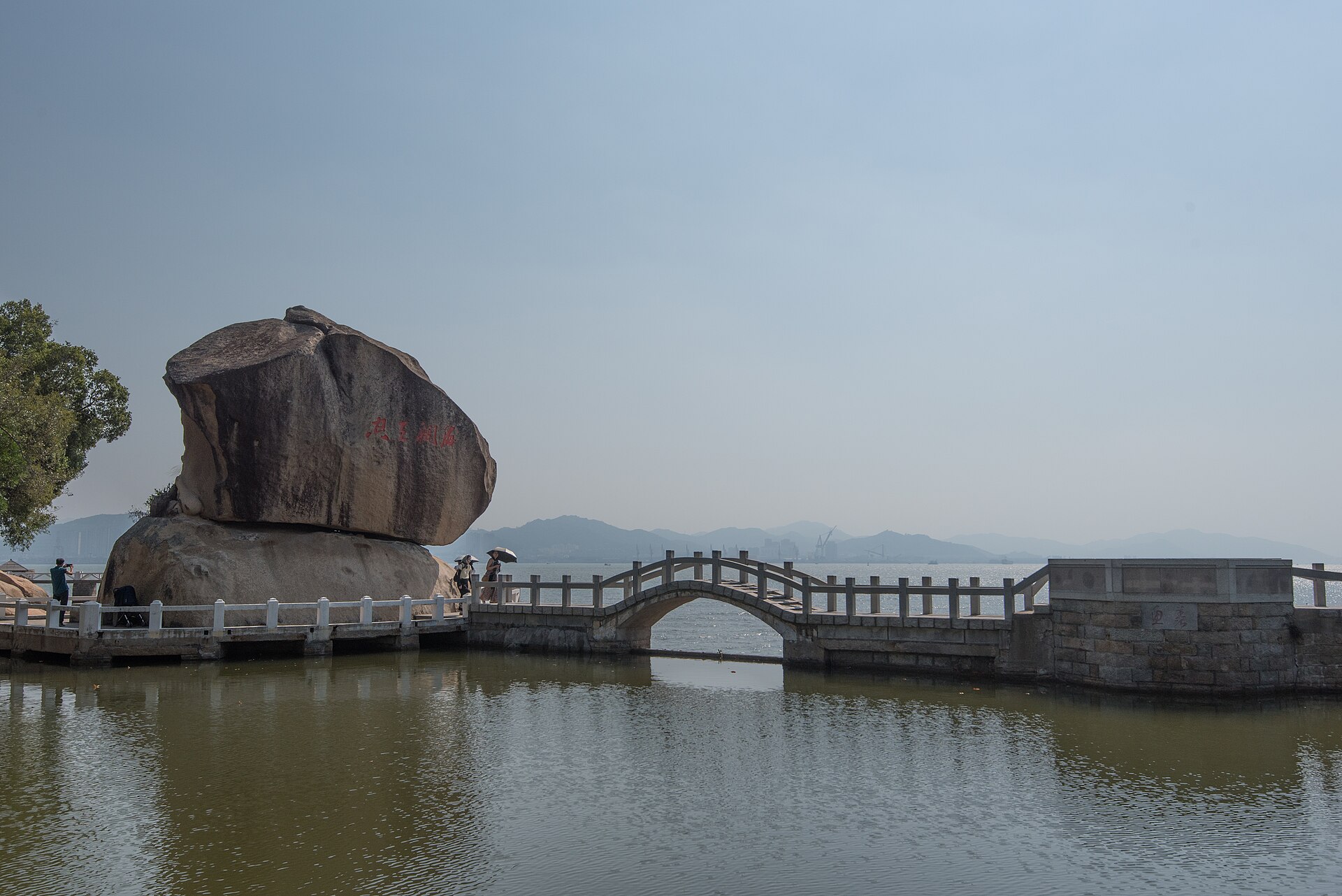 3
3
Gulangyu earned the nickname "Piano Island" because it has the highest density of pianos per head in China and was once home to several famous pianists. Shuzhuang Garden is the prettiest seaside garden on the island, built by an overseas-Chinese magnate in the early 20th century in a southern-Chinese style — a zigzag bridge running out over the sea, pavilions by the beach and a finely designed rock garden. Inside the garden is the Piano Museum, with dozens of rare antique pianos from around the world. Anyone who loves history, music or a beautiful garden will be happy here, and a relaxed wander takes nearly an hour. It pairs nicely after Sunlight Rock, which is not far away.
Read more: the Shuzhuang Garden + Piano Museum guide — the garden highlights and how to time your day on the island.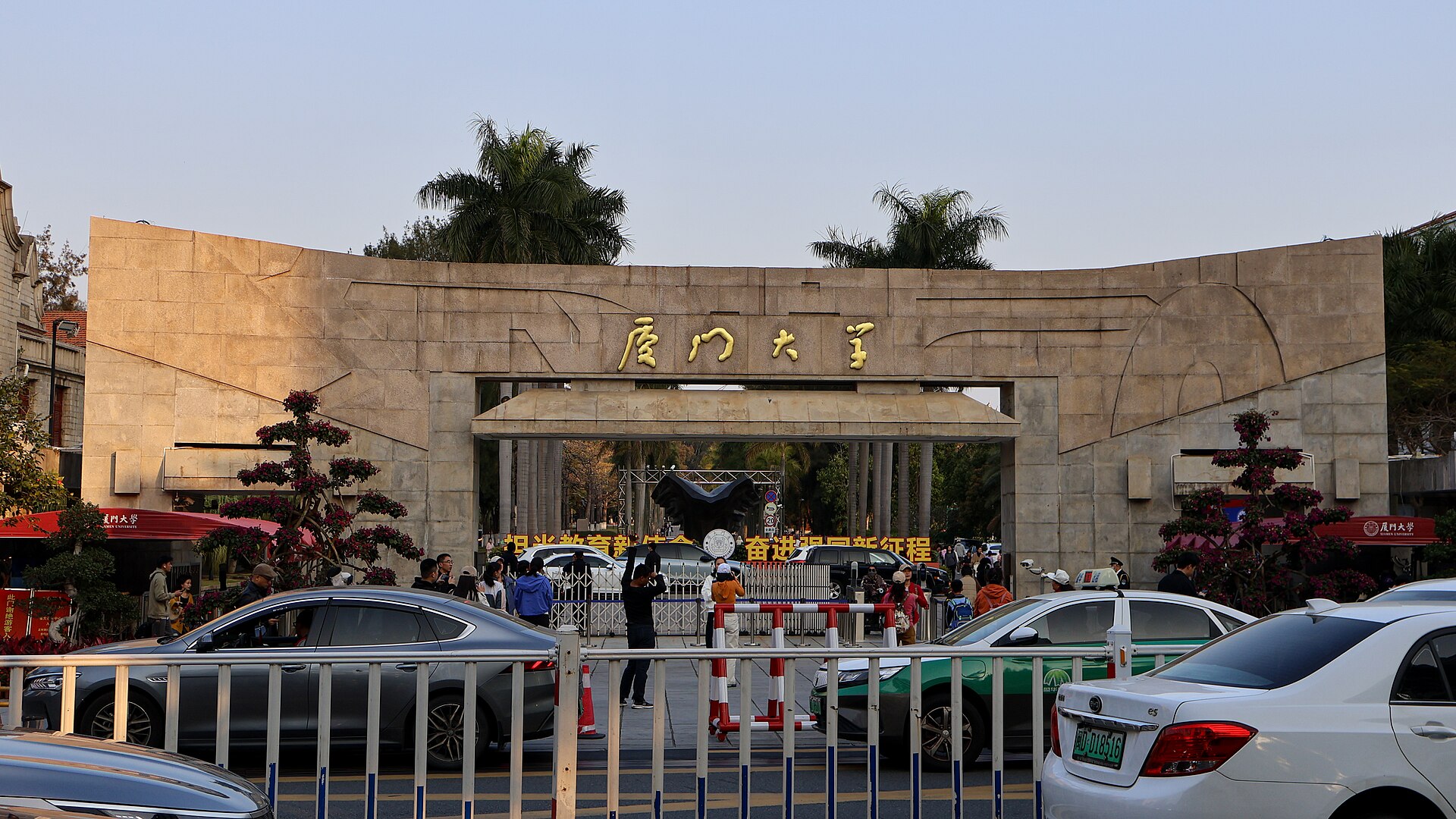 4
4
Xiamen University ("Xiada") is often called the prettiest campus in China. It was founded in 1921 by Tan Kah Kee, an overseas-Chinese businessman, and its red Chinese-roofed buildings sit on Western architecture against a backdrop of mountains and sea. There is Furong Lake, big old trees and a graffiti tunnel painted by the students themselves to walk through and photograph (you must register for a timed slot — entry is free; check the latest rules before you go). Right next door is Nanputuo Temple, a thousand-year-old Buddhist temple at the foot of Wulao Hill, with tiered halls and a fish-release pond; people come to pray and to climb the hill behind for a view over the city. The two pair up nicely in a half-day.
Read more: the Xiamen University guide and Nanputuo Temple — how to register and the highlights.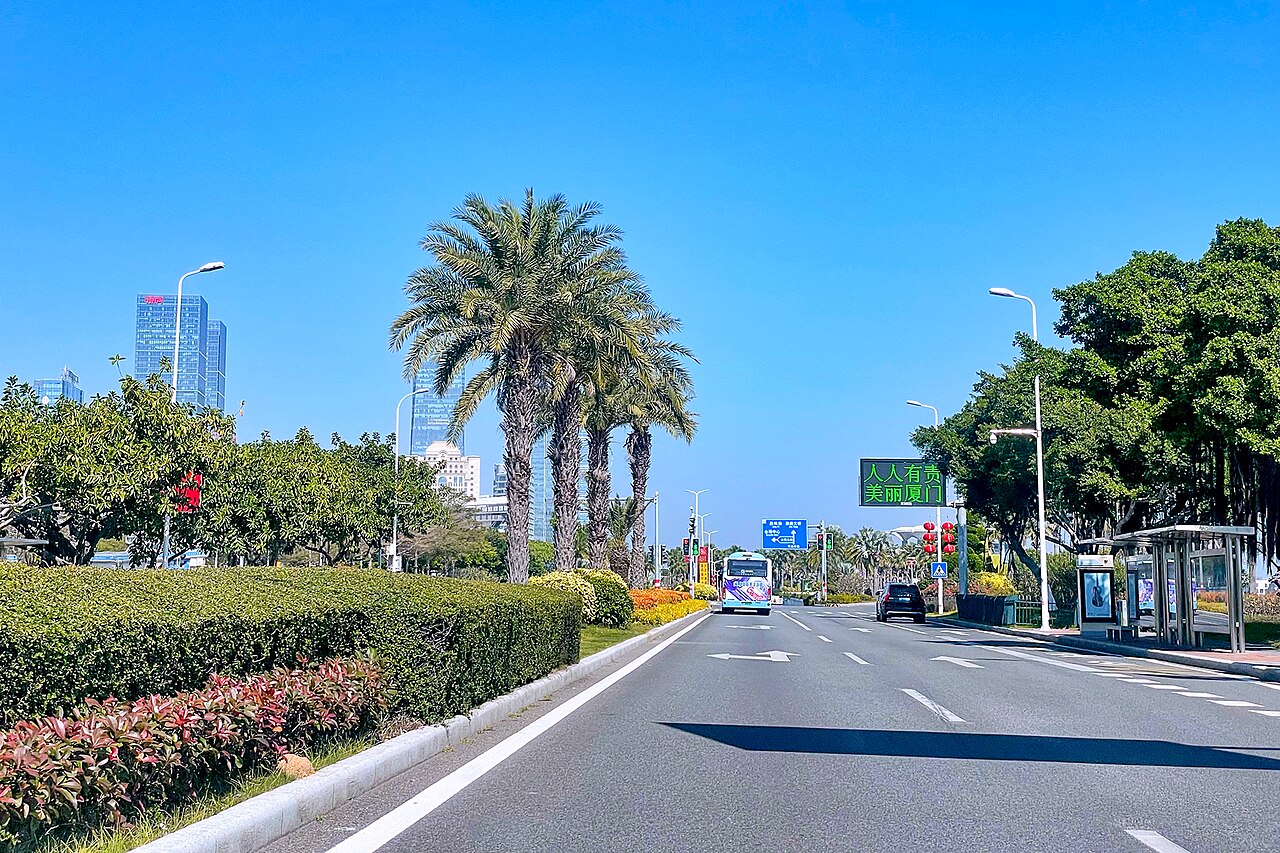 5
5
If you want the easy-going side of Xiamen that locals love, the Huandao Road (the ring road around the island) is the answer. It is a coastal road along the south-eastern shore with a walkway, a running lane and a cycle path running right along the sea, with a cool breeze and views out to the strait, the small islands and, in the distance, Taiwan's Kinmen. The nicest stretches have white-sand beaches, roadside sculptures and rows of palm trees. There are bike-rental points along the way, so you can cycle gently for an hour taking in the view. In the evening, plenty of people come to walk, run and photograph the sunset. It is free all the time and perfect for an evening when you want a break from sightseeing in the city.
Read more: the Huandao Road guide — bike-rental points, cycle routes and the best sunset spots.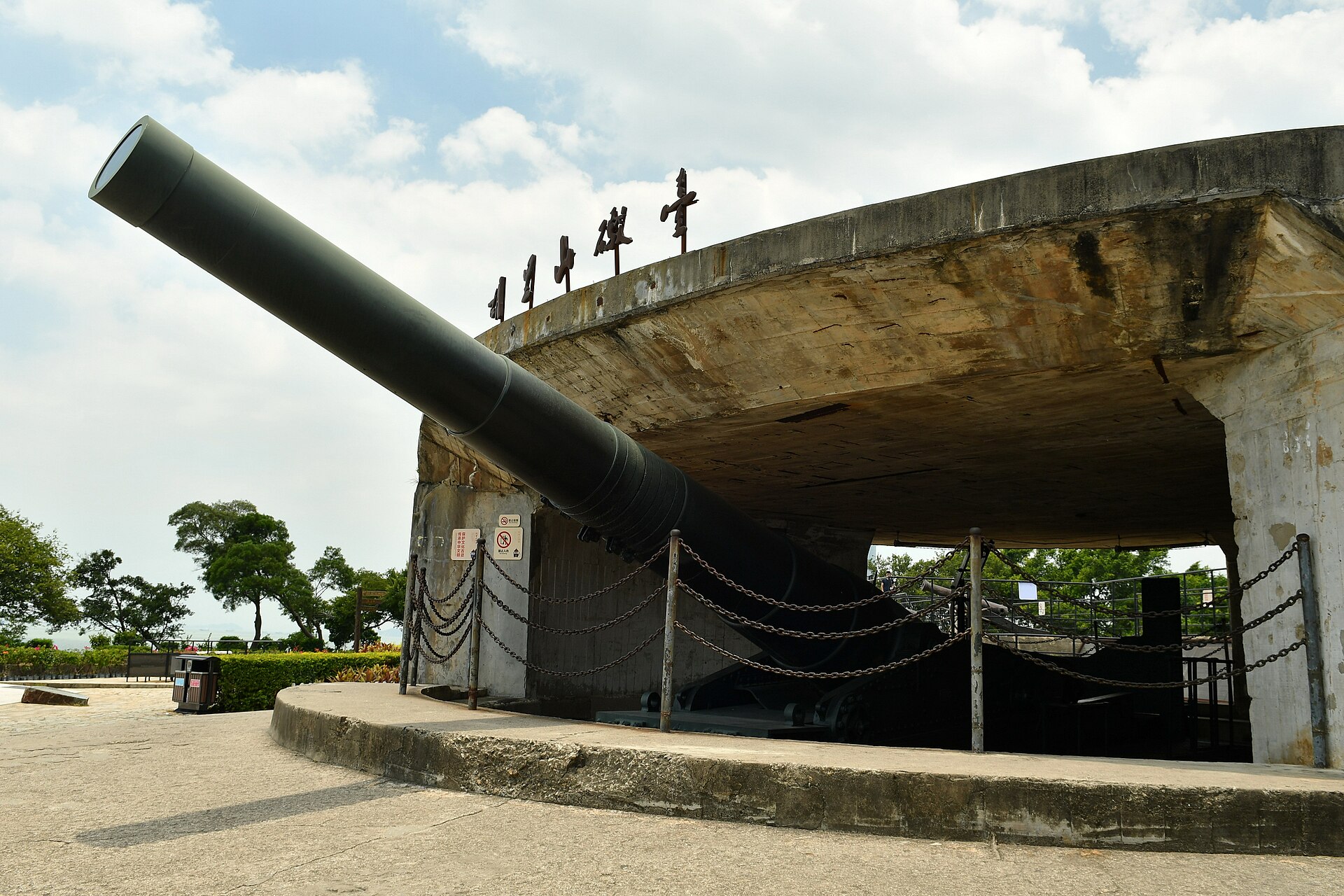 6
6
For anyone who likes history and a sea view, Hulishan Fortress is worth a stop. It is a coastal artillery fort built late in the Qing dynasty in 1894 to defend the city from the sea. The highlight is the giant German Krupp cannon, still in excellent condition — once recorded as the largest surviving coastal cannon in the world. The fort sits on a low hill by the sea on the south side of the island, looking out over the strait to Taiwan's Kinmen on a clear day. On some days there is a re-enactment of soldiers firing the old cannon. You can spend a little over an hour walking the fort, the weapons museum and the viewpoints. It is close to Xiamen University, so the two pair up well.
Read more: the Hulishan Fortress guide — cannon-show times, viewpoints and how to get there.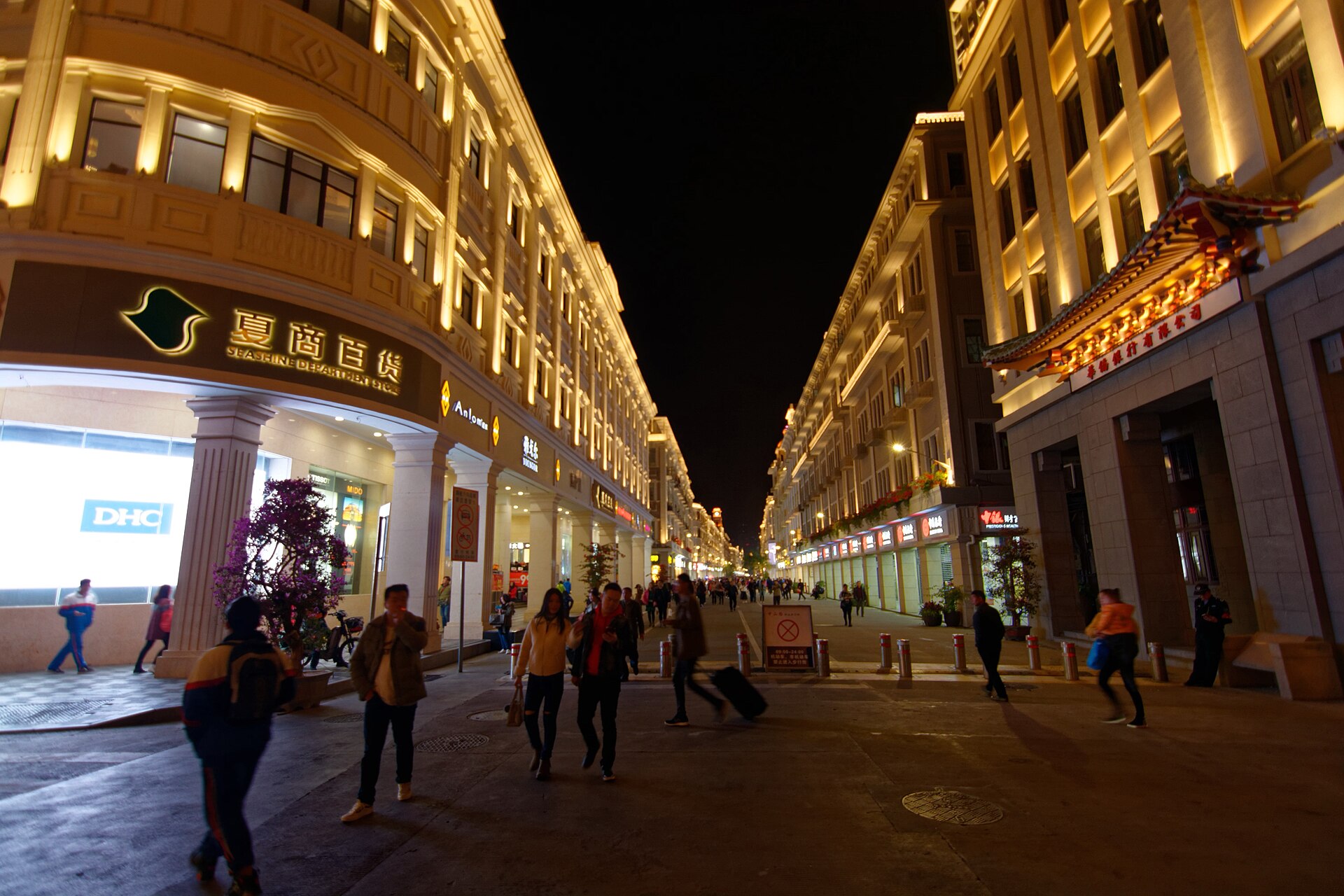 7
7
For a proper plate of local Minnan food, head to the Zhongshan Road area, the main pedestrian street through the old town, lined with old qilou arcade buildings whose covered walkways are typical of Southeast Asia. You can shop, snack and admire the old architecture at an easy pace. Tucked into the lanes behind it is Bashi market (the "Eighth Market"), the oldest fresh market in the city, where locals come for fresh seafood and home-style snacks. Around the market are the dishes you have to try — Minnan popiah (fresh spring rolls), oyster omelette, satay noodles and mung-bean sweets. It is better to graze your way through than to sit at one place: this is the part of town that fills you up and gives you the old-city atmosphere at once.
Read more: the Zhongshan Road + Bashi market guide — the must-try stalls and a food-crawl route.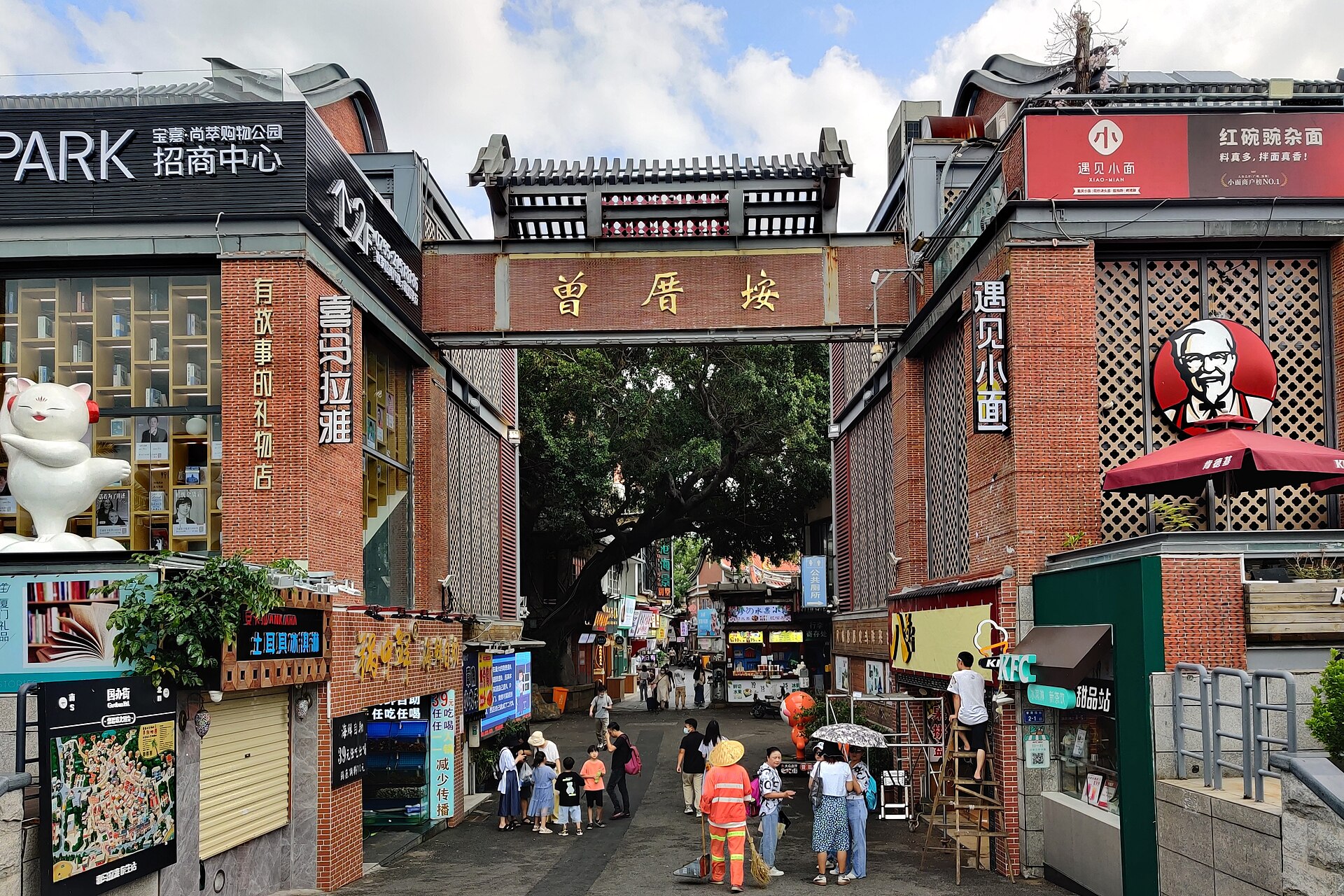 8
8
Shapowei is the neighbourhood that proves Xiamen is not only old buildings and beaches. It was once a boatyard and old fishing harbour around a small inlet in the middle of the city; today it has been turned into a creative quarter — old fishing boats still moored in the inlet, surrounded by stylish cafés, bars, art studios, design shops and bright graffiti. You can wander and shoot photos for a whole afternoon; the mood is the hipster quarter of young Xiamen. Sitting with a coffee watching the fishing boats in the inlet at dusk is a lovely way to slow down. Nearby is Zengcuoan, a seaside village packed with guesthouses, cafés and street food, easy to walk on to. It is free and made for café lovers and a chilled-out evening.
Read more: the Xiamen café guide — the best spots in Shapowei, Zengcuoan and Gulangyu.This is the cheapest, most rewarding thing to do in Xiamen. Metro Line 1 runs from the main island out to the Jimei side and Xiamen North railway station. The stretch people ride for is where the elevated track crosses Jimei Bay — the train comes up out of the tunnel right over the sea, with blue water opening up on both sides as if it were running on the surface. It is especially lovely at sunset, when the orange sky reflects off the water, and many people ride just to photograph this section. The fare is only ¥2–7 (~฿10–35) by distance, paid by scanning an Alipay/WeChat QR or with a transit card. Ride the over-sea section, get off on the Jimei side and walk on to Jimei School Village — a way of seeing the city that locals do but the guidebooks rarely mention.
Read more: the full Xiamen attractions guide — city sights and getting around.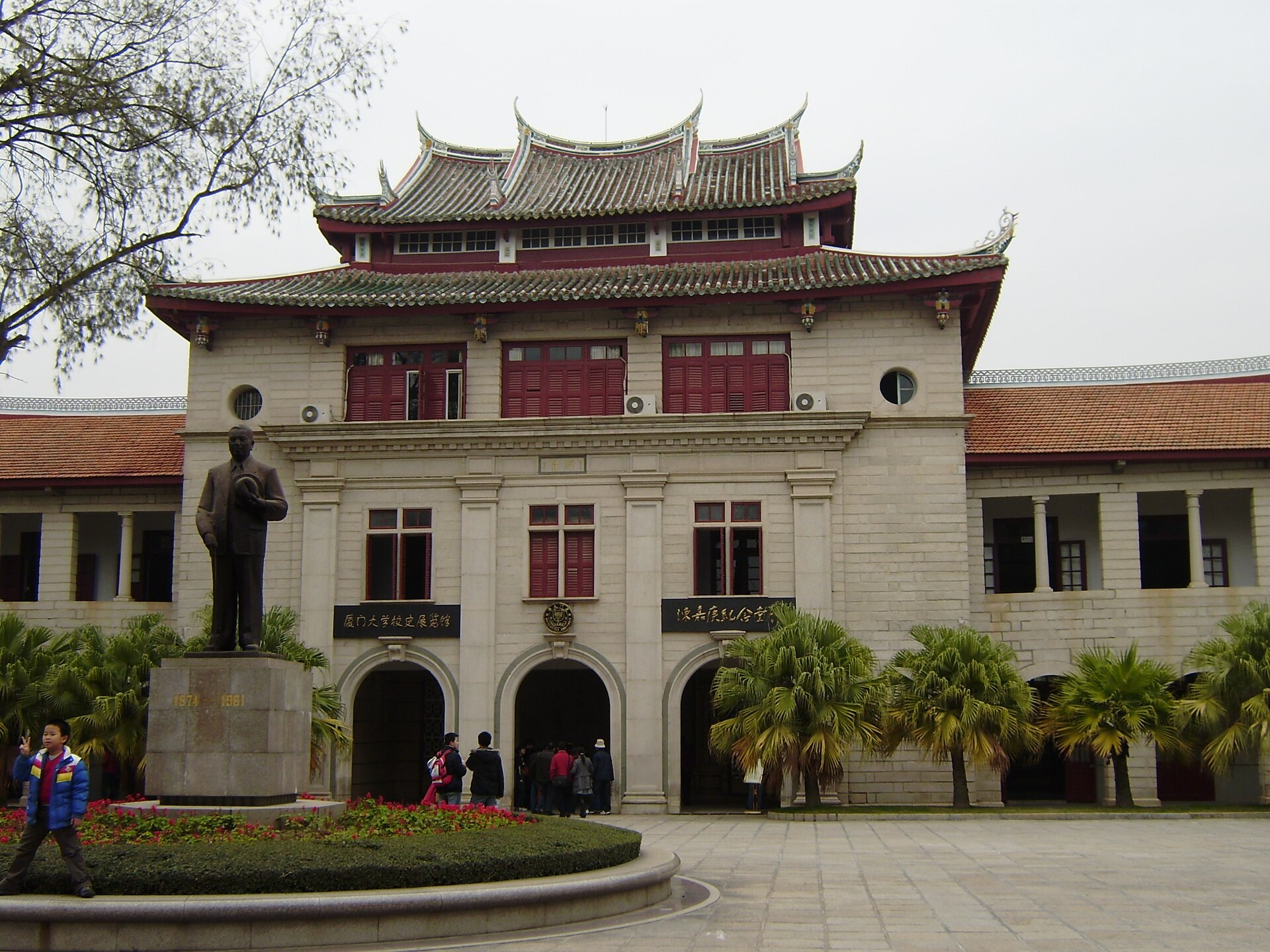 10
10
On the mainland side across from the main island, Jimei School Village is the legacy that Tan Kah Kee — the overseas-Chinese businessman who loved his hometown — built from the early 20th century. It is a cluster of seaside schools and colleges that blend Chinese roofs with Western architecture beautifully. You can walk the old teaching halls, Aoyuan park and the Tan Kah Kee memorial that tells his life story. The mood is quiet and shady, very different from the city centre. Metro Line 1 brings you straight here, so it pairs perfectly with the over-sea metro ride above. It suits anyone who likes architecture and history.
Read more: the Jimei School Village guide — the highlights, a walking route and how to get there.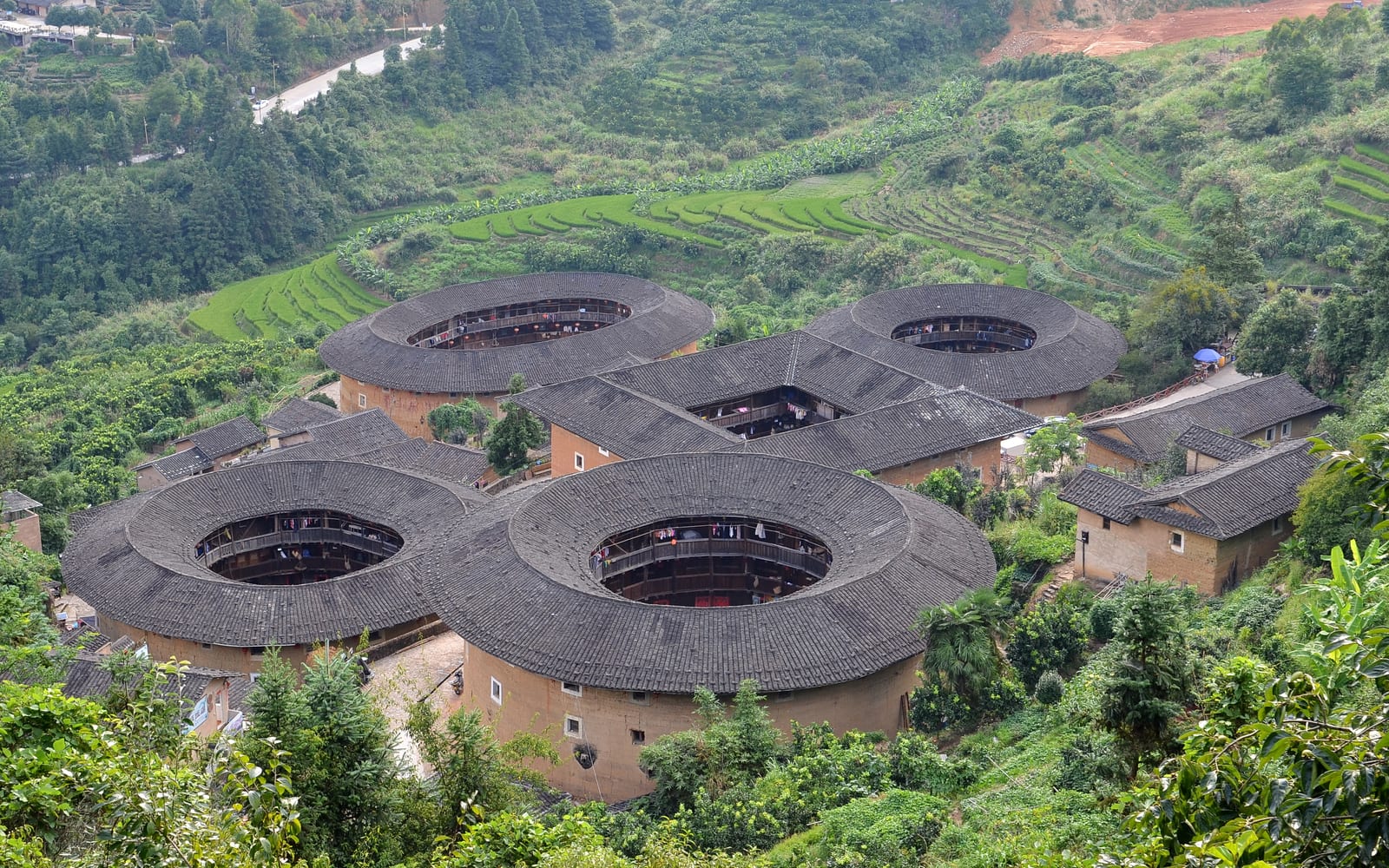 11
11
If you have a spare day and want to see something unlike anywhere else, the Fujian Tulou are the answer. They are giant round (and square) earthen houses the Hakka people built from rammed earth over hundreds of years, with metre-thick walls to keep out bandits and enemies. Inside, they are multi-storey homes where a whole clan of a hundred people could live together. UNESCO has listed them as World Heritage. The popular clusters to visit are Yongding and Nanjing in rural Fujian, around 3–4 hours by road each way from Xiamen. The easiest way is to book a one-day tour with return transport and a guide on Klook, since doing it on public transport is awkward and means several changes. Allow the whole day for the long drive — but it is worth it for what you get to see.
Book a Tulou tour on Klook → Read more: the Xiamen day trips guide — Tulou · Quanzhou · Zhangzhou, with how to get there.Xiamen is a sea port, so its seafood is fresher and cheaper than in many Chinese cities. Set one evening aside for a seafood meal — pick a place with live tanks so you can choose your own, and order crab fried with egg, big oysters, lobster and local dishes like the oyster omelette or rice noodles fried with crab. The Zengcuoan area and the stretch along the Huandao Road have plenty of seafood restaurants. After you are full, on a clear night try the Lujiang night cruise that leaves from a pier in the city centre, looping past the lit-up Xiamen waterfront on both banks and Gulangyu Island glowing in the dark from the middle of the water. It is an easy way to end the day with both a full stomach and a great view. Check the sailings and book tickets on Klook.
Book a cruise on Klook → Read more: the Xiamen seafood guide — must-try dishes, good restaurants and how to order without overpaying.