11 dishes to try before you leave Xiamen
Ordered by how distinctive they are — the flavours you won't find as light and fresh anywhere but southern Fujian.
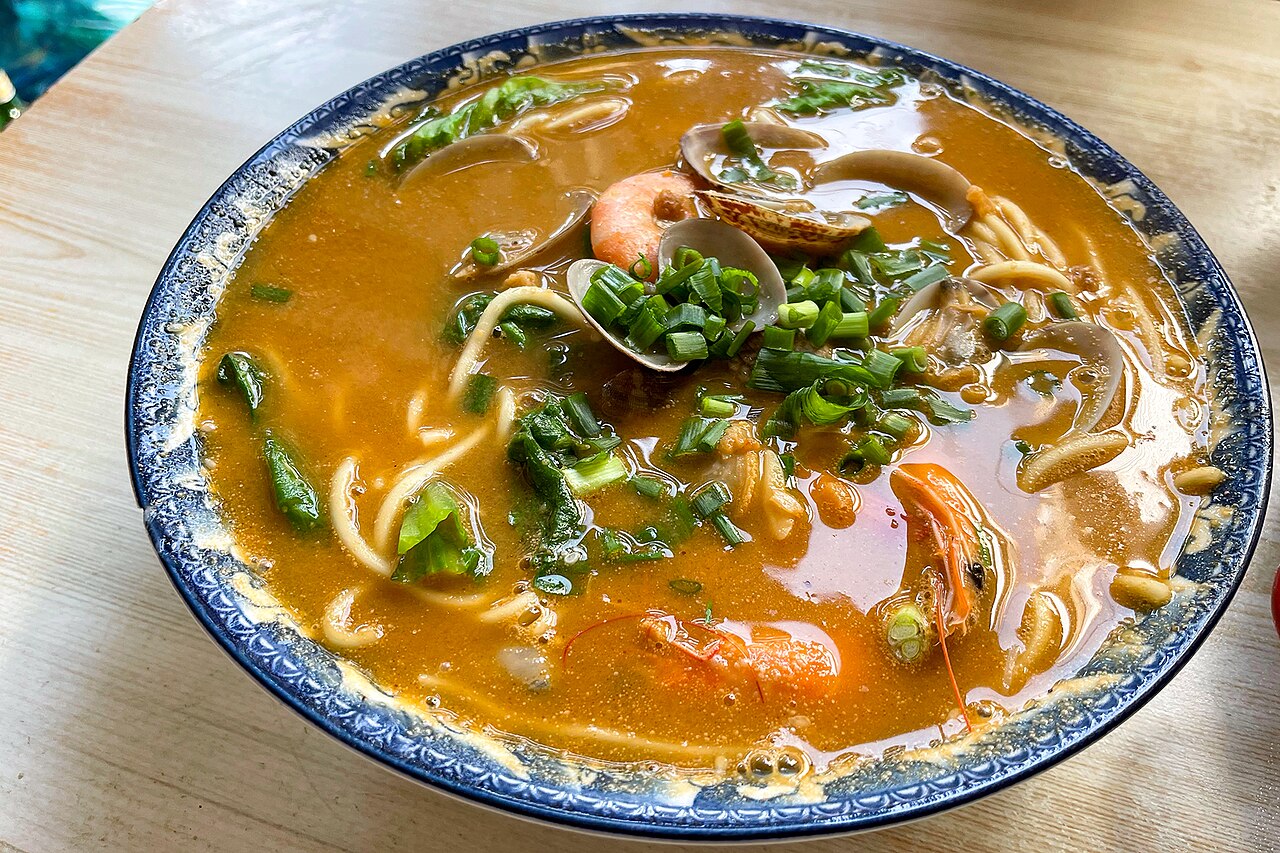 1
1
This is the dish that says "Xiamen" in one bite — yellow noodles blanched into a warm orange broth simmered from shacha (沙茶) sauce, the peanut, dried-shrimp and dried-fish blend that overseas-Chinese brought back from Southeast Asia. The flavour is nutty, fragrant and gently sweet-savoury, never spicy. The fun is that you pick your own toppings — prawns, squid, pork intestine, duck blood, tofu skin, fish cake — and the cook blanches them into your bowl and ladles over the thick broth. Famous shops such as Wutang (乌糖沙茶面) and Yuehua (月华沙茶面) have queues every day.
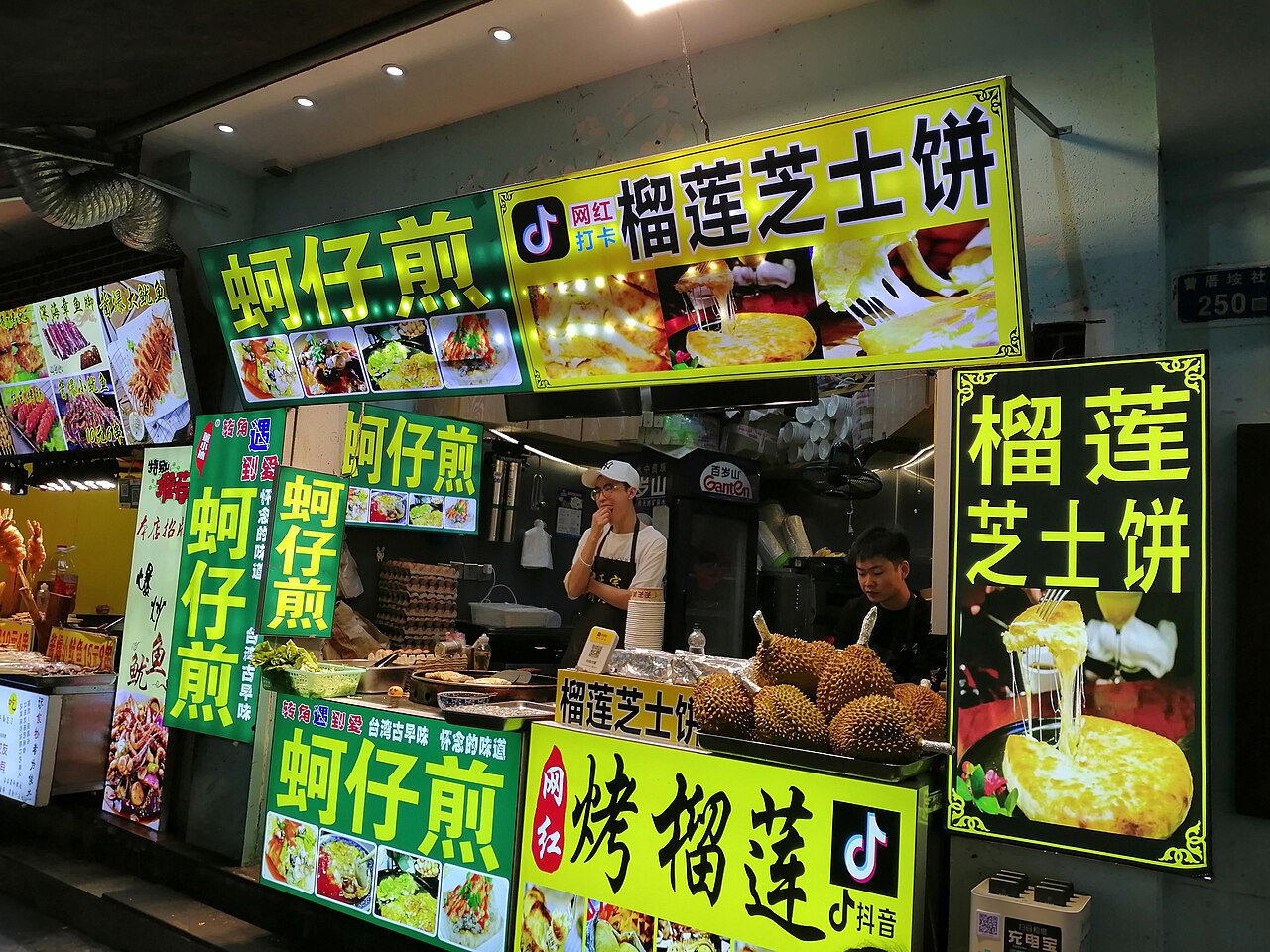 2
2
A Minnan classic that shares its DNA with Taiwan — small, fresh oysters bound with sweet-potato starch and egg, then pan-fried hard so you get two textures in one: crisp at the edges, gooey in the middle. Xiamen's oysters are small but bursting with briny sweetness, and the omelette comes with a tangy-sweet starch dip and a scatter of spring onion and coriander. Eat it straight off the griddle while it's hot. Locals usually order it alongside a bowl of mianxian paste for breakfast or an afternoon snack.
Xiamen's legendary breakfast — superfine rice vermicelli, almost thread-thin, cooked in a pork-bone-and-seafood broth thickened with starch until it turns silky and smooth, easy to spoon down. You add what you like: oysters, pork intestine, shrimp, or whatever's on the counter. The flavour is mild and comforting, exactly what you want first thing in the morning. Locals break a length of fried dough stick (油条) into the bowl and let it soak up the thick broth. It looks simple but it's quietly addictive, and you'll see it in every lane of the old town.
Xiamen's un-fried fresh spring roll — a soft, thin pancake wrapped around a medley of slow-stewed vegetables like bamboo shoot, carrot, cabbage, tofu and tiny shrimp, finished with crunchy bits: ground peanuts, crisp seaweed and fried crumbs, so you get soft and crunchy in the same mouthful. The flavour is gently sweet-savoury from the stewed filling. It's a Qingming-festival (清明) tradition for Xiamen families, but you can find it year-round at old-town stalls. Best eaten the moment it's rolled, while the wrapper is still soft.
The famous Minnan oddity, for the adventurous — sandworm jelly (土笋冻) is made from a small coastal sipunculid "sea worm" that's simmered until its collagen leaches out, then chilled until it sets into a clear, cool jelly with the worms suspended inside. You eat it cold with dips of soy, vinegar, wasabi or chilli sauce. The taste is mild, lightly savoury and oceanic, with a springy, bouncy bite. Honestly, it looks confronting and it isn't for everyone — but it's a genuine local specialty Xiamen is proud of. Try one piece before you decide.
The cosy Minnan dish for when you want something deep and warming — ginger duck (姜母鸭) is duck stir-fried with sesame oil, thick slices of old ginger and rice wine, then braised in a claypot over low heat until the meat is tender and the broth is rich with ginger. The flavour is warm and aromatic from the ginger and sesame oil — not spicy, not sharp — and it leaves you toasty all over. People across Fujian and Taiwan eat it in cooler weather. Order it as a shared claypot for the table; a fermented-tofu dip makes it even better.
The warm sweet that Xiamen locals have grown up on — peanut soup (花生汤) is shelled peanuts simmered for hours over low heat until they're so soft they melt in your mouth, in a smooth, sweet, nutty broth lightly sweetened with rock sugar. The institution is Huang Zehe (黄则和) on Zhongshan Road, which has been making it for over half a century. People love to crack a soft-boiled egg into the hot soup or eat it with a fried dough stick. It works as both a dessert to end a meal and a light, warming breakfast.
Xiamen's take on the sticky-rice dumpling, served hot and sauced — shao rouzong (烧肉粽) is fragrant fried glutinous rice in a bamboo-leaf wrap, packed with marinated pork belly, shiitake, chestnut and salted egg yolk, and sometimes dried shrimp, steamed until soft and savoury. What sets it apart from a plain zongzi is the peanut sauce and sweet-chilli sauce ladled over the top, giving a sweet-savoury, gently spiced finish that cuts the richness of the rice and pork. Old shops in the old town are the ones to seek out. One is a filling meal in itself, and it works as a snack too.
The nibbles to graze on while you wander Gulangyu island (鼓浪屿) — filled pies (馅饼) with thin, flaky pastry around sweet mung-bean paste or a savoury meat filling are the island's classic souvenir. Pair them with fish balls (鱼丸), springy and stuffed with minced pork in a clear broth, soft chewy mochi (麻糍) rolled in ground peanut and sesame, and dried seafood to take home. Be honest with yourself: island food costs more than in the city. But grazing lightly as you stroll past the colonial-era villas and catch the sound of a piano suits the island perfectly.
The best seafood experience in Xiamen — at the Bashi market (八市 / 第八市场), an old wet market in the old town, you pick fresh seafood off the stalls — razor clams, blood cockles, mantis shrimp, crab, prawns and fish — then carry it to a cook-stall beside the market to have it steamed, done with garlic or lightly stir-fried in the Minnan way, which lets the freshness lead instead of drowning it in heavy seasoning. The crucial tip: always confirm the price and weigh everything first, then agree the cooking fee, so you don't get overcharged. Go early, 7–9am, for the freshest catch and thinner crowds.
Xiamen's most famous vegetarian food is inside a temple — Nanputuo Temple (南普陀寺), an old Buddhist temple at the foot of a hill beside Xiamen University, has a celebrated vegetarian canteen known for dishes that mimic meat convincingly using mushrooms, tofu and vegetables. The classics range from "sweet-and-sour fish" to "duck", all made meat-free, with the mild, balanced seasoning typical of Minnan cooking — clean and easy on the stomach. It's a lovely, calm meal after visiting the temple and looking out over the sea, and students and locals come for the lunchtime vegetarian set too.