10 places worth your time
Ordered by geography — start on Gulangyu Island, move to the south of Xiamen Island, then the old town and Jimei across the water.
 1
1
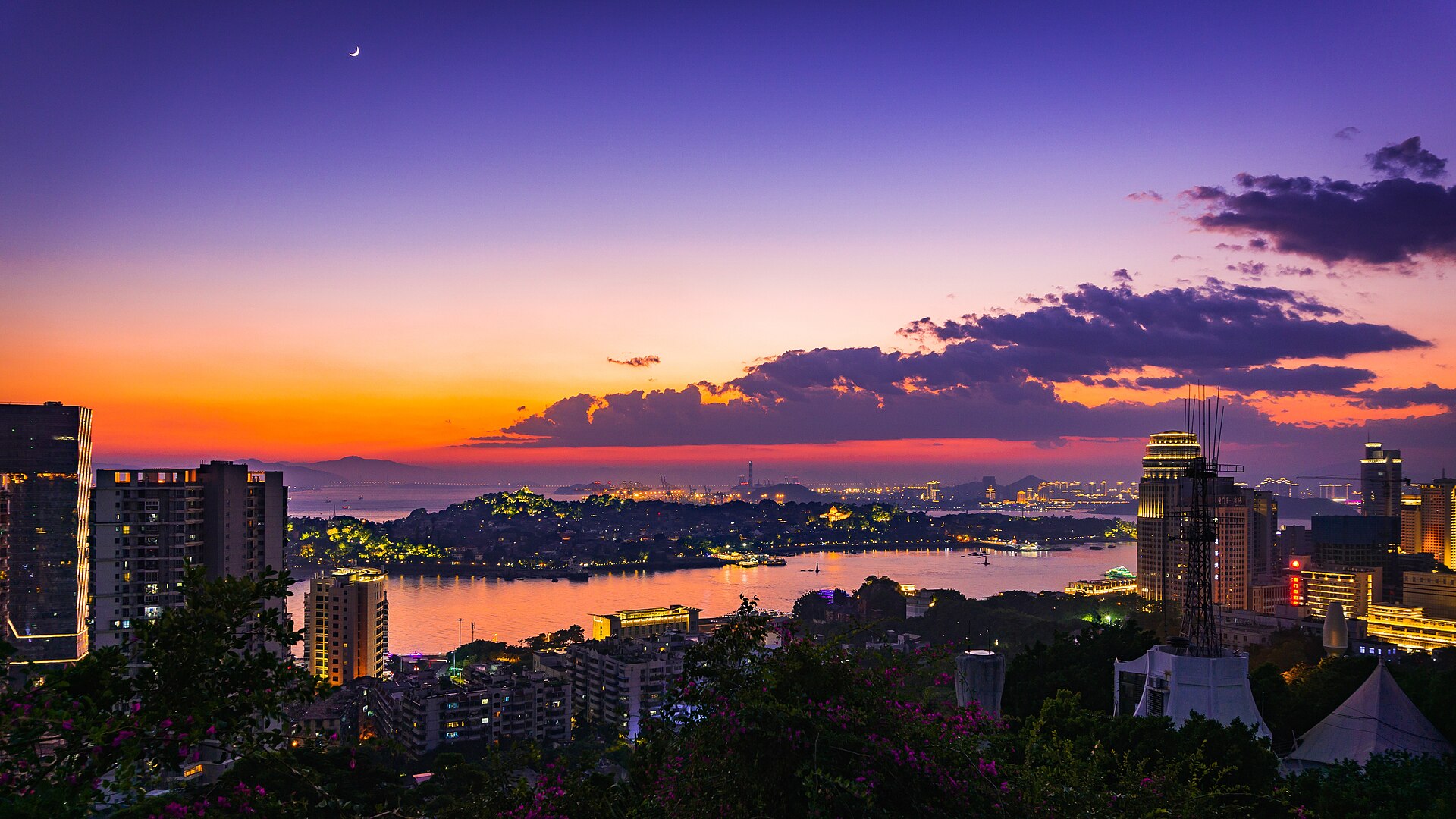
Picture this: you step off the ferry into a lane with not a single car, lined with old colonial villas in a dozen styles, big trees overhead, bougainvillea everywhere, and from a few houses the sound of a piano. This is Gulangyu Island, a UNESCO World Heritage island that was once the foreign quarter of the colonial era, and which earned the nickname "piano island" for having more pianos per head than anywhere in China. Visitors cross by ferry from the Cruise Terminal (邮轮中心码头). The island is car-free, so you walk everywhere, and Sunlight Rock and Shuzhuang Garden are both on it. It is honestly very crowded by day — if you want it quiet, stay a night on the island.
 2
2
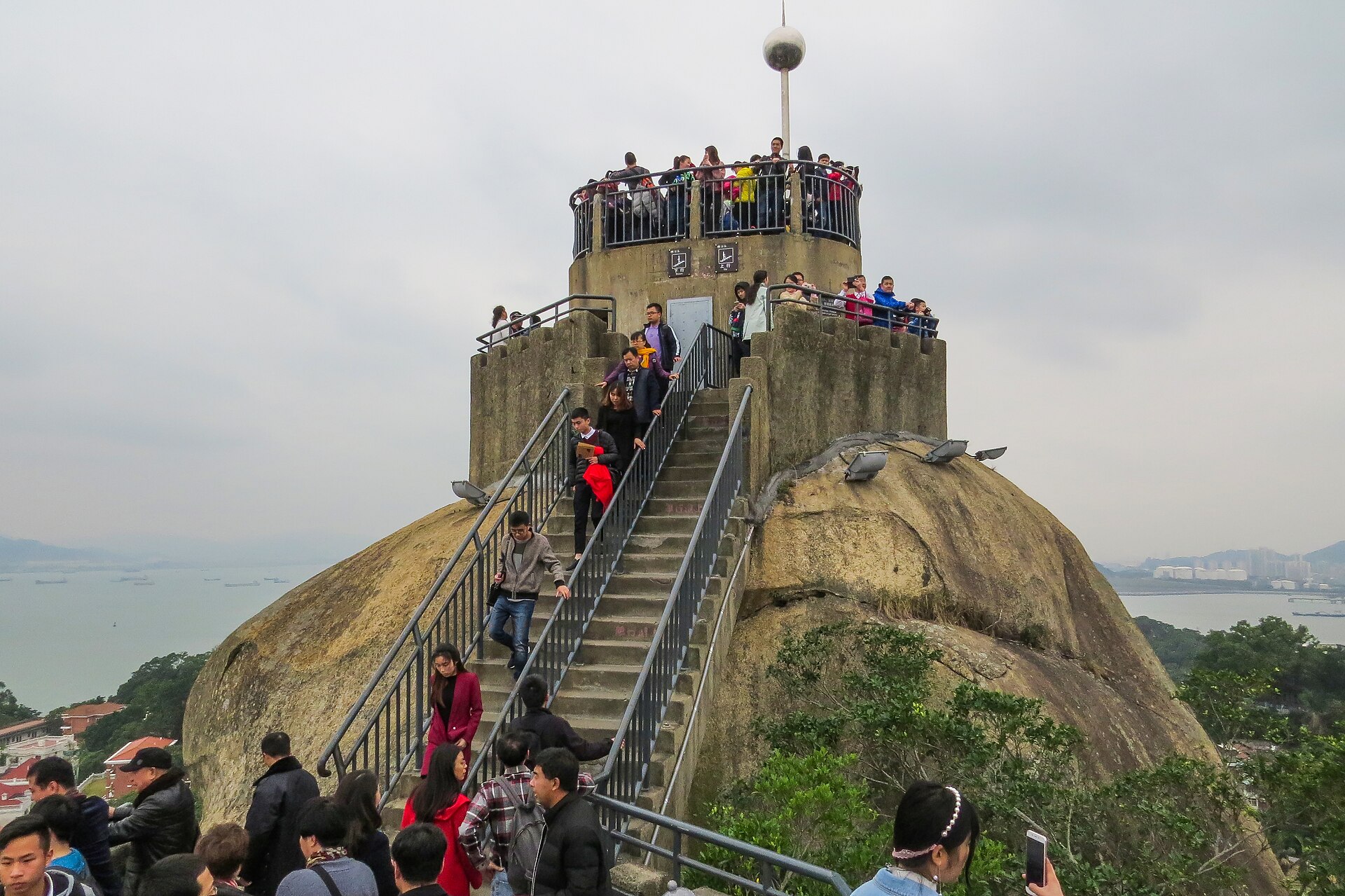
After walking Gulangyu at ground level, Sunlight Rock is where you see it from above — the granite peak that is the island's highest point. A short climb up the steps brings you to the platform on top, with a 360-degree view of the island's red roofs, the strait, and the Xiamen city skyline opposite. Early morning or late afternoon, with soft light, is best for photos, and the way up passes a small temple and old rock inscriptions. The ticket is usually sold as part of a combo with Shuzhuang Garden and other island sights. It gets busy from late morning into the afternoon, so climb early to beat the queue on the narrow steps.
 3
3
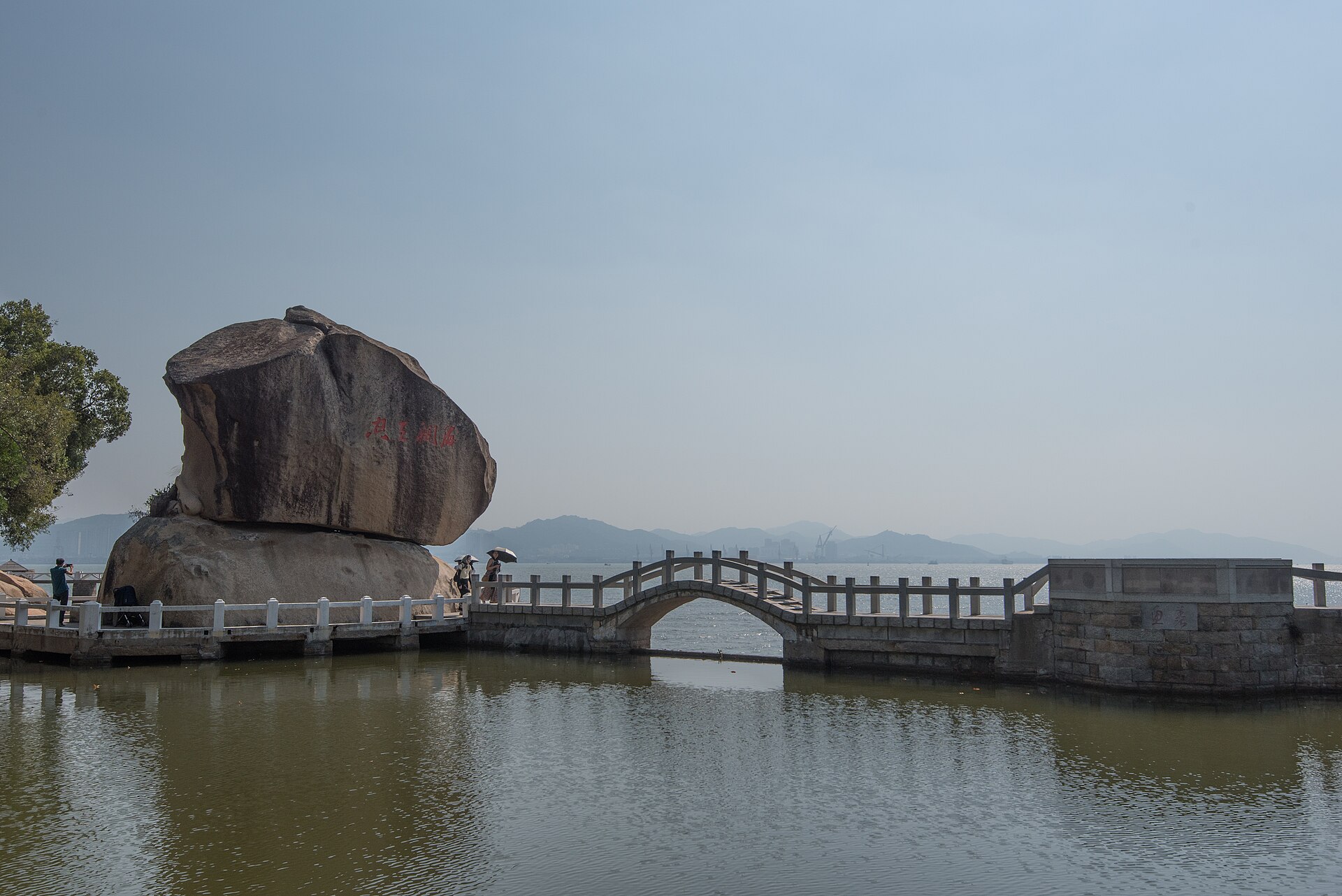
At the foot of Sunlight Rock is a cleverly designed seaside garden — Shuzhuang Garden, a former private garden of a wealthy family that uses the "borrowed scenery" technique to make the sea part of the garden itself. There are waterside pavilions, a zigzag stone bridge reaching out over the water, and Chinese rockery corners — easy, breezy walking. Another highlight inside is the Piano Museum (钢琴博物馆), with a collection of rare antique pianos from around the world, fitting for the piano island. People usually visit it straight after Sunlight Rock since the two sit together, and the ticket is often part of the same combo.
 4
4
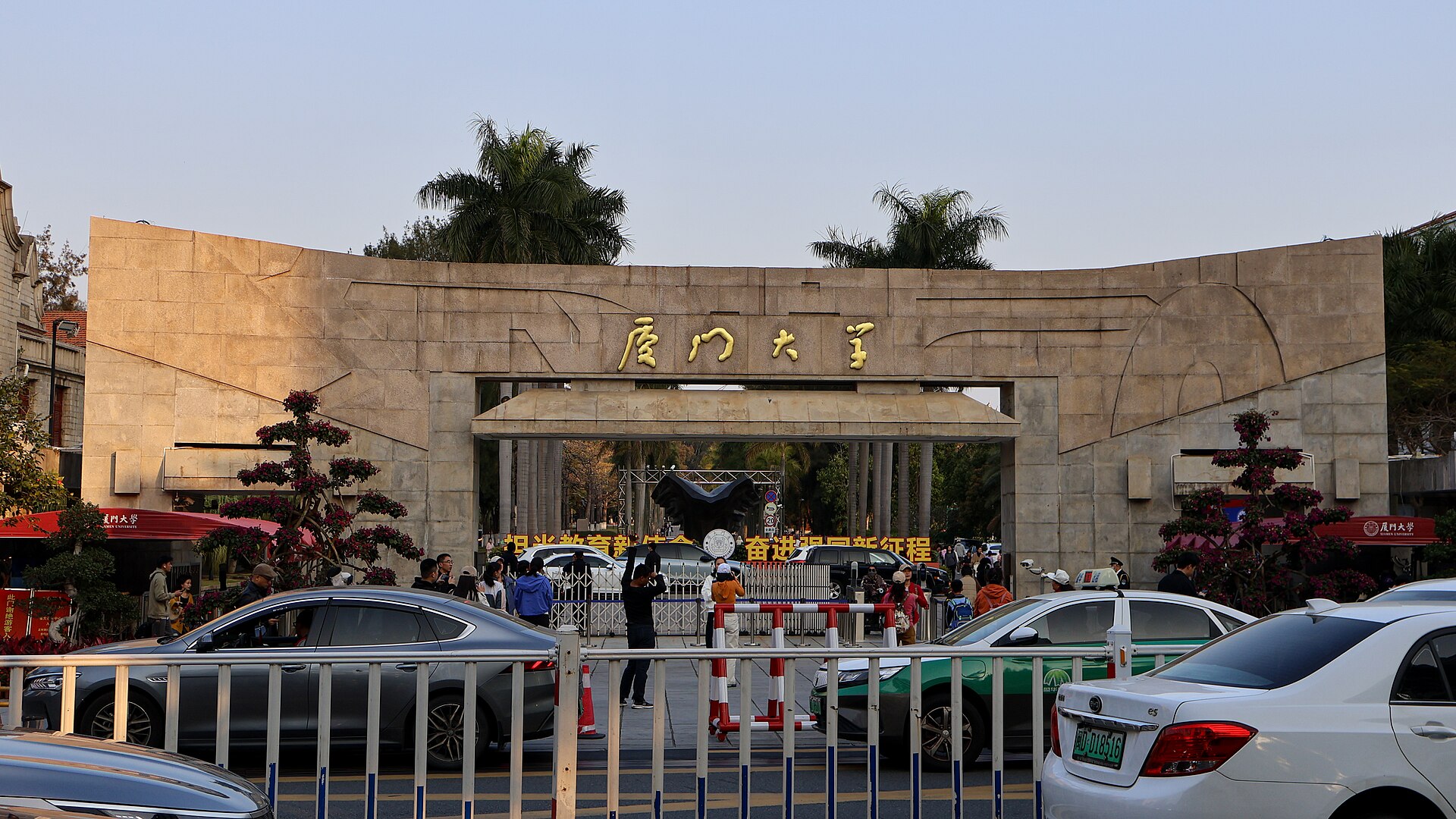
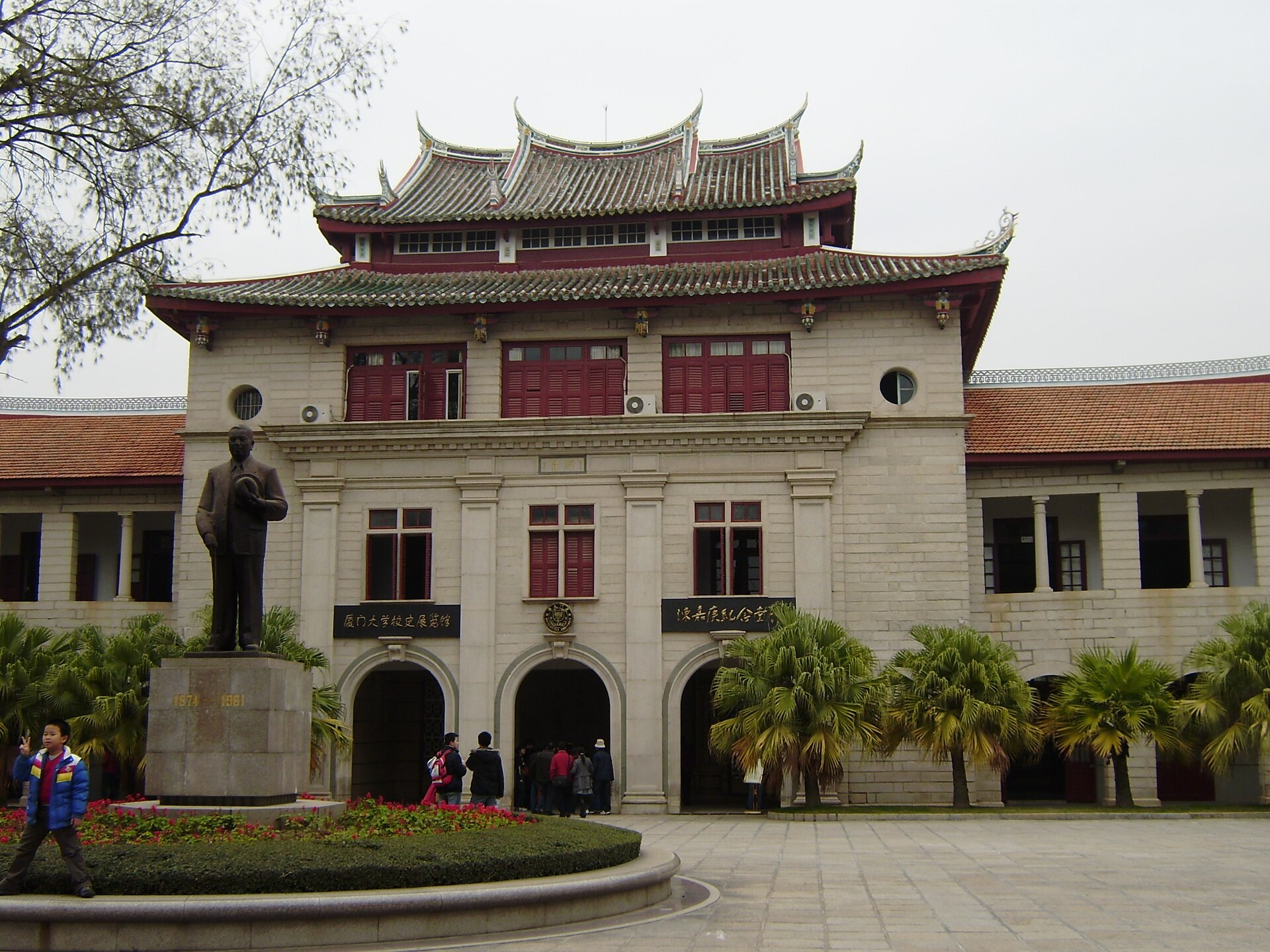
Few universities become a city-level attraction, but Xiamen University is the exception — a seaside campus people call the prettiest in China. It was founded by the overseas Chinese businessman Tan Kah Kee (陈嘉庚), and its "Jiageng" architecture blends Chinese tiled roofs with Western building bodies, lined up beside a lotus pond and the hills. The signature spot is the Furong graffiti tunnel (芙蓉隧道), its walls covered in student artwork. These days entry requires booking ahead, as daily numbers are capped, and on weekdays the campus often only opens to visitors over lunch. The policy changes often, so check the latest before you go. It sits right beside Nanputuo Temple and Baicheng beach.
 5
5
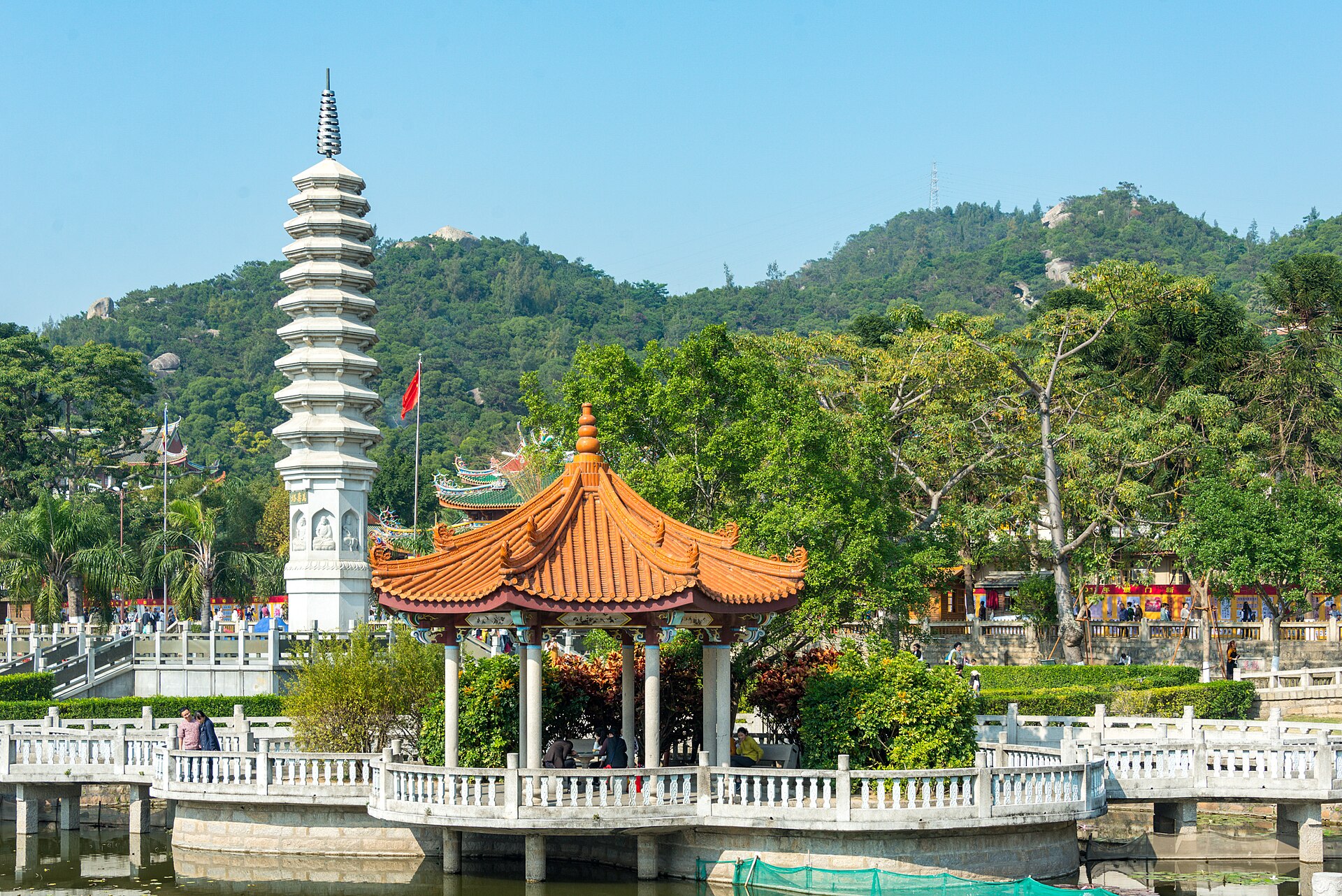
Right against the wall of Xiamen University is Nanputuo Temple, an old Buddhist temple set at the foot of Wulao Peak (五老峰), so people usually do the two together in half a day. The halls step up the hillside in tiers, with a fish-release pond out front and a path up the hill behind the temple that climbs to views over the city and sea. It is also known for its temple vegetarian restaurant, which people talk about a lot for its convincing mock-meat dishes. Entry is free, but this is a working temple — dress modestly, light incense only at the marked spots and visit quietly.
 6
6
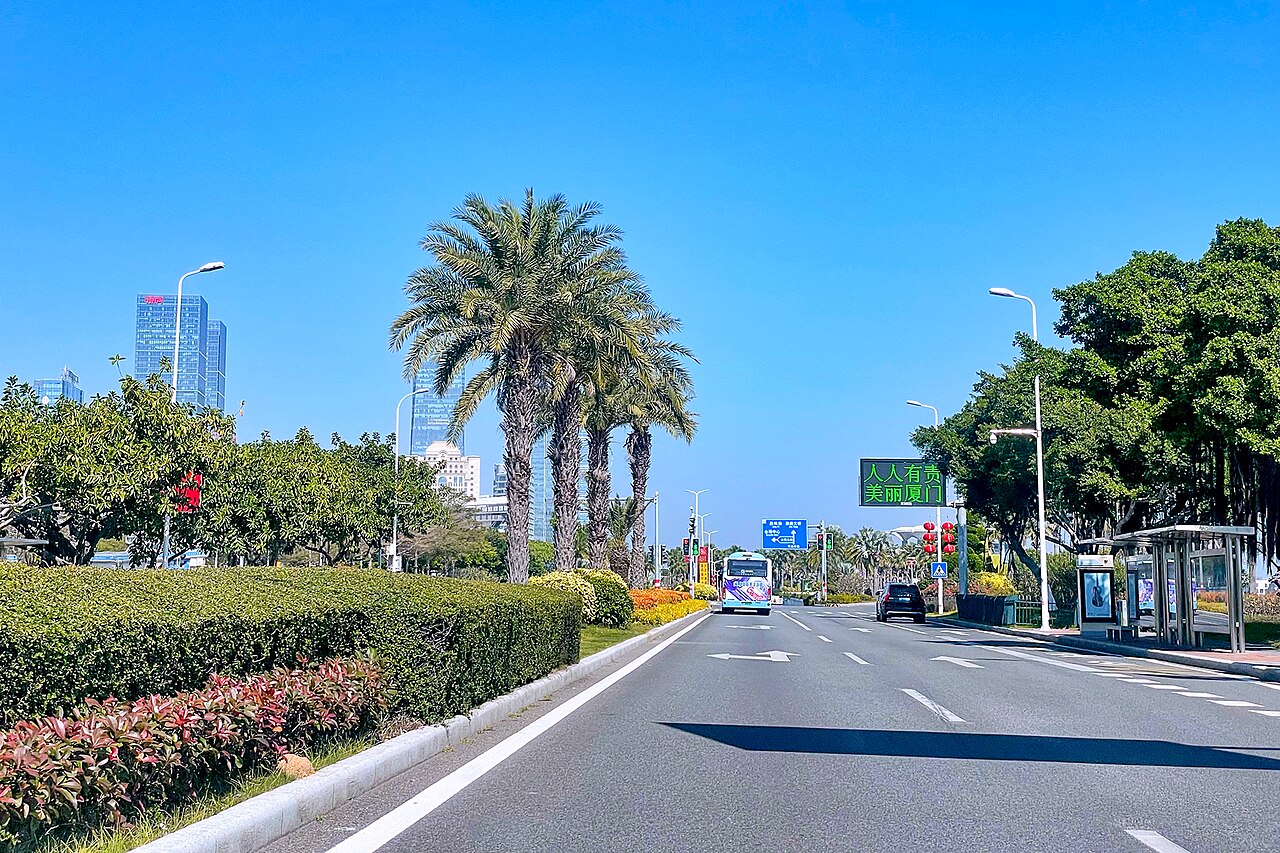
For the full seaside-city feeling, Huandao Road is the route to take — the coastal road running along the south and east shores of Xiamen Island, flanked by sand, palm trees and a seaside cycling and running path that locals use every day. The standout beach is Baicheng (白城), right by Xiamen University, with the quieter stretch at Huangcuo (黄厝) further along. At dawn the sunrise over the sea is lovely, and you can rent a bike or scooter to ride the coast. Pair it with the university and Hulishan Fortress, which are all in the same area.
 7
7
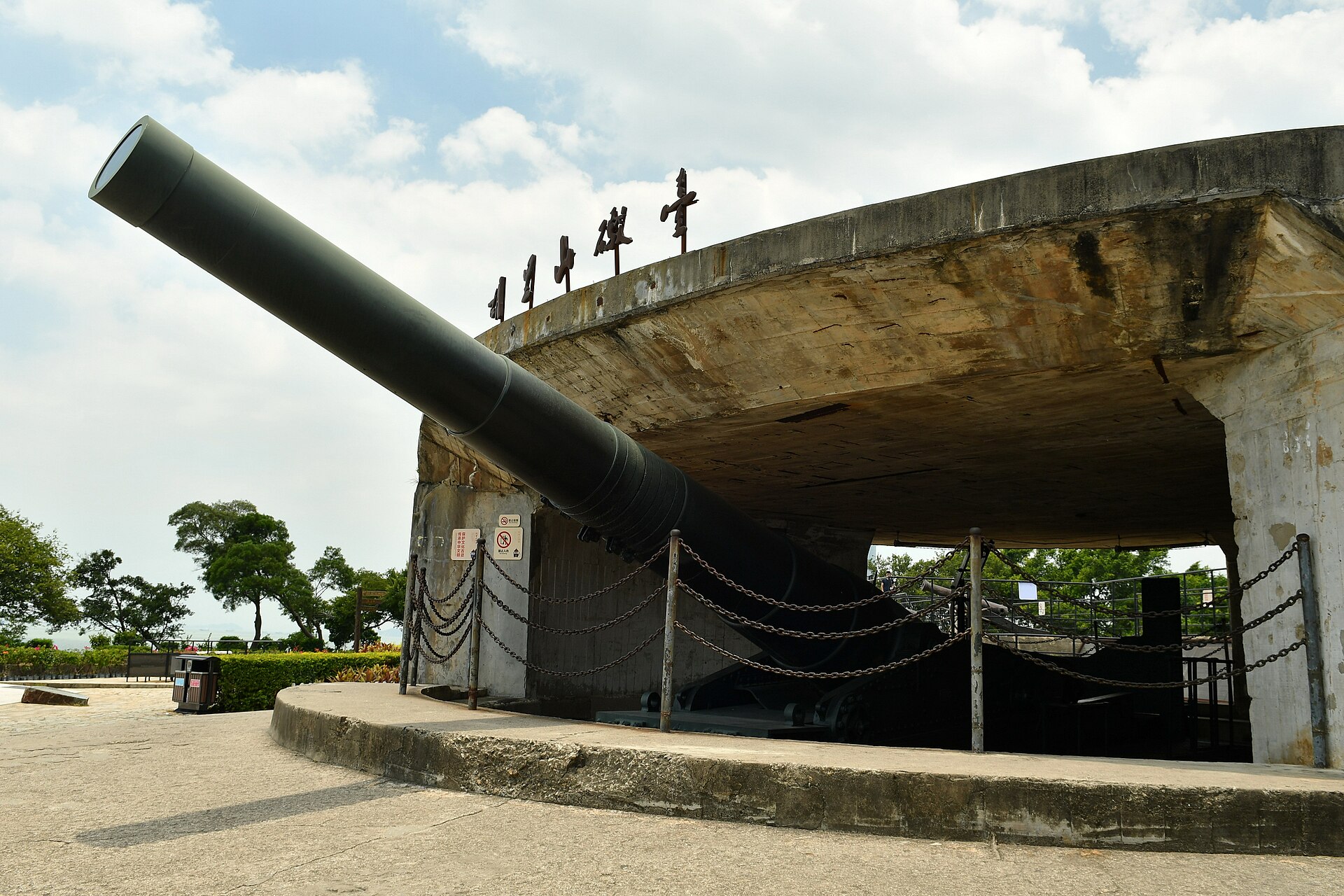
For history lovers, Hulishan Fortress is well worth a stop — a coastal gun fort built in the late Qing era, around 1890, on the strait at the south of the island, near the university and Huandao Road. Its star piece is the German Krupp cannon, recorded as the world's largest and best-preserved coastal cannon. Standing on the fort, you look out over the strait to the small islands opposite, and there is a costumed cannon-firing show twice a day (check the times on site). Inside there is also a museum of old guns and the fort walls to walk around, taking about 1 to 1.5 hours.
 8
8
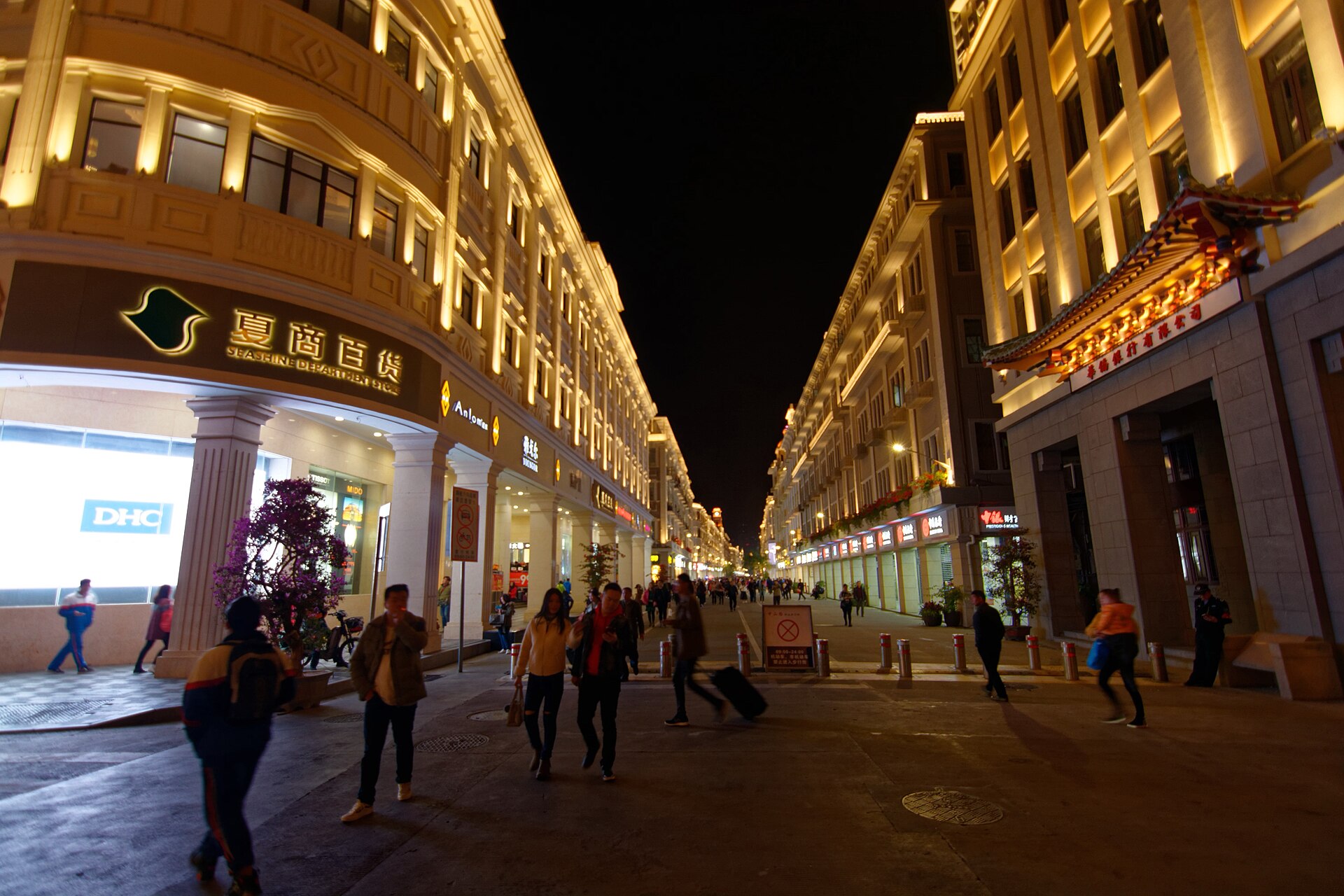
The heart of Xiamen's old town is Zhongshan Road, the main pedestrian street lined with qilou arcade shophouses (骑楼) — covered-walkway arcades in the style of southern China and Southeast Asia. The far end of the street runs down to a pier facing the sea, with Gulangyu across the water. In the evening the whole street lights up and gets lively, and the little lanes off it lead to the Bashi market (八市), an old wet market with proper Minnan food — oyster omelette, fresh spring rolls and plenty of seafood. It is a fun area to wander and eat the local dishes. Free to enter, and easy on Metro Line 1.
 9
9
Across the water from Xiamen Island is Jimei School Village, a district of schools and colleges built by Tan Kah Kee (陈嘉庚) — the same overseas Chinese businessman who founded Xiamen University. The buildings here are in his Jiageng architecture, beautifully blending Chinese tiled roofs with Western building bodies, lined up beside a lake and the sea. The highlight is Turtle Garden (鳌园), with a memorial hall and Tan Kah Kee's tomb, covered in finely detailed stone carving. Half the appeal is the journey — you ride the sea-crossing Metro Line 1 straight there. Give it about half a day.
 10
10
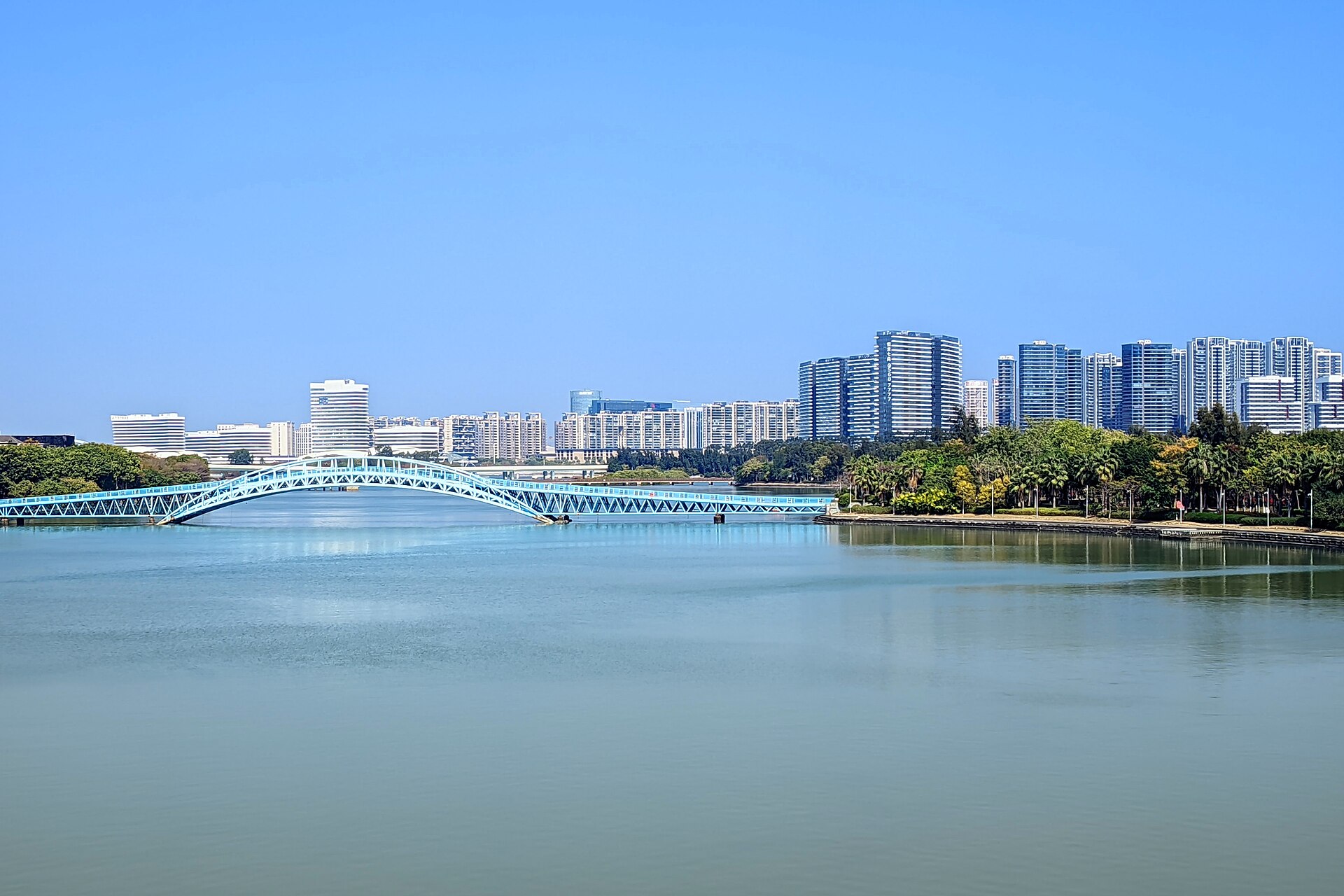
Two extras that round out the picture of Xiamen — Wuyuan Bay (五缘湾), a yacht bay in the northeast of the island with a marina, wetlands and a bridge across the inlet for an evening stroll; it is a quiet, modern corner with few crowds. And the Xiamen Botanical Garden (厦门植物园), also called Wanshi Garden, set against the hills in the centre of town. The spot everyone comes to photograph is the desert / cactus zone, which looks like it dropped in from Mexico, and there is also a man-made rainforest and old rock inscriptions. Pair it with nearby Nanputuo Temple. Keep these for a relaxed day, or for photos.
 +
+
With an extra day or two, Xiamen makes a great base for day trips — Quanzhou (泉州), a UNESCO old city that was a major port on the Maritime Silk Road, is about 30 minutes by high-speed train. The Fujian tulou (土楼), the round Hakka earth houses at Nanjing and Yongding, are a UNESCO site reached by a further 2–3 hours on the road, usually done as a day tour. And Zhangzhou (漳州), the neighbouring city, has an old town and its own local food. We have put the routes, timings and budgets in a separate day-trips guide.