A city where you can walk out of a Ming-dynasty garden, through a French colonial boulevard, and into the observation deck of the second-tallest building on earth — all in an afternoon. This guide is built from verified facts and real visitor accounts to get you ready before you land.
If you have never been to China and are wondering where to begin, Shanghai makes more practical sense than anywhere else. The metro system has English signage on every line. Hotels in the main districts communicate in English without difficulty. The neighbourhoods most visited by tourists are well-lit, navigable and entirely manageable on foot or by subway.
Easy to get around — 20 metro lines connect every major attraction; fares run ¥3–9 (~฿15–45) per ride. Genuinely safe — crime rates are low even by European standards; walking at night in the main districts is routine. Layered in a way few cities are — in twenty minutes on foot, you can move from a 460-year-old classical garden to a colonial-era riverside promenade to the base of the world's second-tallest building. No city elsewhere does that.
Three days covers the main highlights without rushing: the Bund and Pudong on the first, old city and French Concession on the second, Jing'an and Nanjing Road on the third. Five days lets you move at a more enjoyable pace and add a day trip to somewhere outside the city.
Day 1: The Bund in the afternoon, cross to Pudong for the skyline towers, return to the Bund at dusk (the best light of the trip). Day 2: Yu Garden and Old Town in the morning, Tianzifang and French Concession in the afternoon, Xintiandi for dinner. Day 3: Jing'an Temple, Nanjing Road, Shanghai Museum (free, book ahead).
Days 1–3 as above, at a slower pace. Day 4: Shanghai Disneyland (one full day minimum — the world's largest Disney castle). Day 5: A day trip to Suzhou by high-speed rail (30 minutes, UNESCO-listed classical gardens) or Zhujiajiao water town (one hour on Metro Line 17).
Itineraries for every schedule: 1 day (layover) · 2 days · 3 days · 4 days · 5 days
March to May: mild temperatures, cherry blossoms in late March, fewer crowds than summer. September to November: the clearest skies of the year, comfortable walking weather, plane trees in the French Concession turning gold in November. Many regular visitors consider this the best season. Full monthly breakdown at when to visit Shanghai →
As of 2026, Thai passport holders enter China visa-free for up to 30 days for tourism. Many other nationalities have similar arrangements. Policy changes without much notice, so check the current rules at China visa-free entry guide → before committing to flights. Have your passport, a hotel booking and a return ticket ready.
Shanghai has two airports. PVG (Pudong International) handles most long-haul and international arrivals — this is where Bangkok flights land. SHA (Hongqiao) handles primarily domestic routes and some regional international flights; it shares a building with the Hongqiao high-speed rail hub.
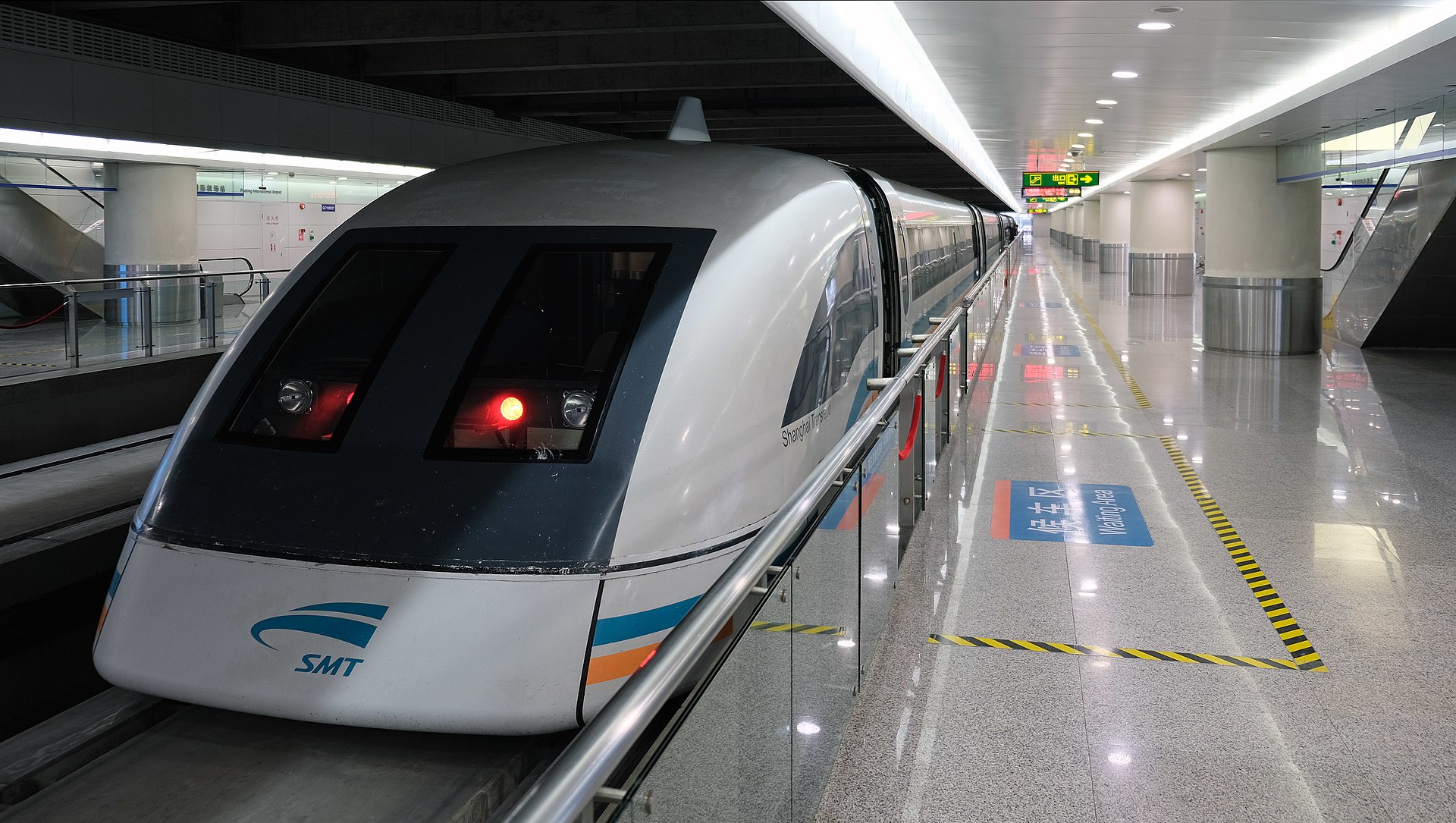
Maglev train: 430 km/h, reaches Longyang Road station in about 8 minutes. Ticket ¥50 (~฿250). Change to Metro Line 2 for the city centre. Metro Line 2: ¥7–8 (~฿35–40), takes 50–60 minutes to the centre. Best value, and runs until well after midnight. Taxi: ¥160–200 (~฿800–1,000) to central Shanghai — practical if you have several bags or arrive very late.
Metro Lines 2 and 10 depart directly from the Hongqiao terminal. Fares ¥4–7 (~฿20–35), journey to People's Square roughly 30–40 minutes. Taxi to central Shanghai ¥60–100 (~฿300–500). The advantage here is the adjacent Hongqiao HSR station: if you are planning a day trip to Suzhou or Hangzhou, you can board the high-speed train without going into the city first.
Shanghai's metro is the easiest way to move between sights. Twenty lines, English signage at every station, trains running 5.30 am to 11 pm. Fares ¥3–9 (~฿15–45) depending on distance. Key stations: People's Square (Lines 1/2/8) for Nanjing Road; Yu Garden (Line 10); Lujiazui (Line 2) for the Pudong towers; Jing'an Temple (Lines 2/7); Disney Resort (Line 11). Pay by scanning an Alipay or WeChat Pay QR code at the gate, or buy a single-journey ticket from the machine. Full guide at Shanghai metro guide →
China runs primarily on Alipay and WeChat Pay. Hotels, international restaurants and large department stores accept Visa and Mastercard. Street food stalls, local restaurants, taxis and almost everything else uses mobile payment — there is often no card reader at all. Set up the tourist version of Alipay before you leave home: it accepts foreign Visa and Mastercard cards and works immediately. Alternatively, withdraw yuan from a Bank of China or ICBC ATM on arrival as a backup. Full guide: paying in China →
Shanghai is a large city, but the main attractions cluster into a handful of districts. Choosing the right one before you book a hotel saves time every day of the trip. Full neighbourhood guide →
Wake up and walk to the Bund in five minutes. Yu Garden is two Metro stops away. This is where most first-timers want to be, and for good reason. Hotels here tend to sit at the upper end of the price range, but the position pays for itself in time saved.
Three metro lines intersect here (Lines 1, 2 and 8), making this the easiest base for covering the city efficiently. Nanjing Road is outside the door. Both budget and luxury hotels are available. Less atmospheric than the Bund area, but highly functional.
Several hotels in Lujiazui face directly across to the Bund — waking up to that view is one of the genuinely memorable hotel experiences in any city. Premium pricing, but the outlook is unique. The three major observation towers are on your doorstep.
Boutique hotels and independent cafes rather than tourist crowds. Wukang Road, Tianzifang and the French Concession's plane-tree boulevards are all within walking distance. This neighbourhood rewards people who want to explore on foot rather than tick off a list.
If your trip involves day trips by high-speed rail to Suzhou or Hangzhou, or if you are connecting from a domestic flight, Hongqiao is the most logistically efficient base. It is not the most atmospheric part of the city, but Metro Lines 2 and 10 connect it to everything within 30–40 minutes.
Shanghai has more attractions than most visitors can cover in a single trip. These six are the core — the places that best explain why the city is worth the journey. Full details at Shanghai attractions → or things to do and book →
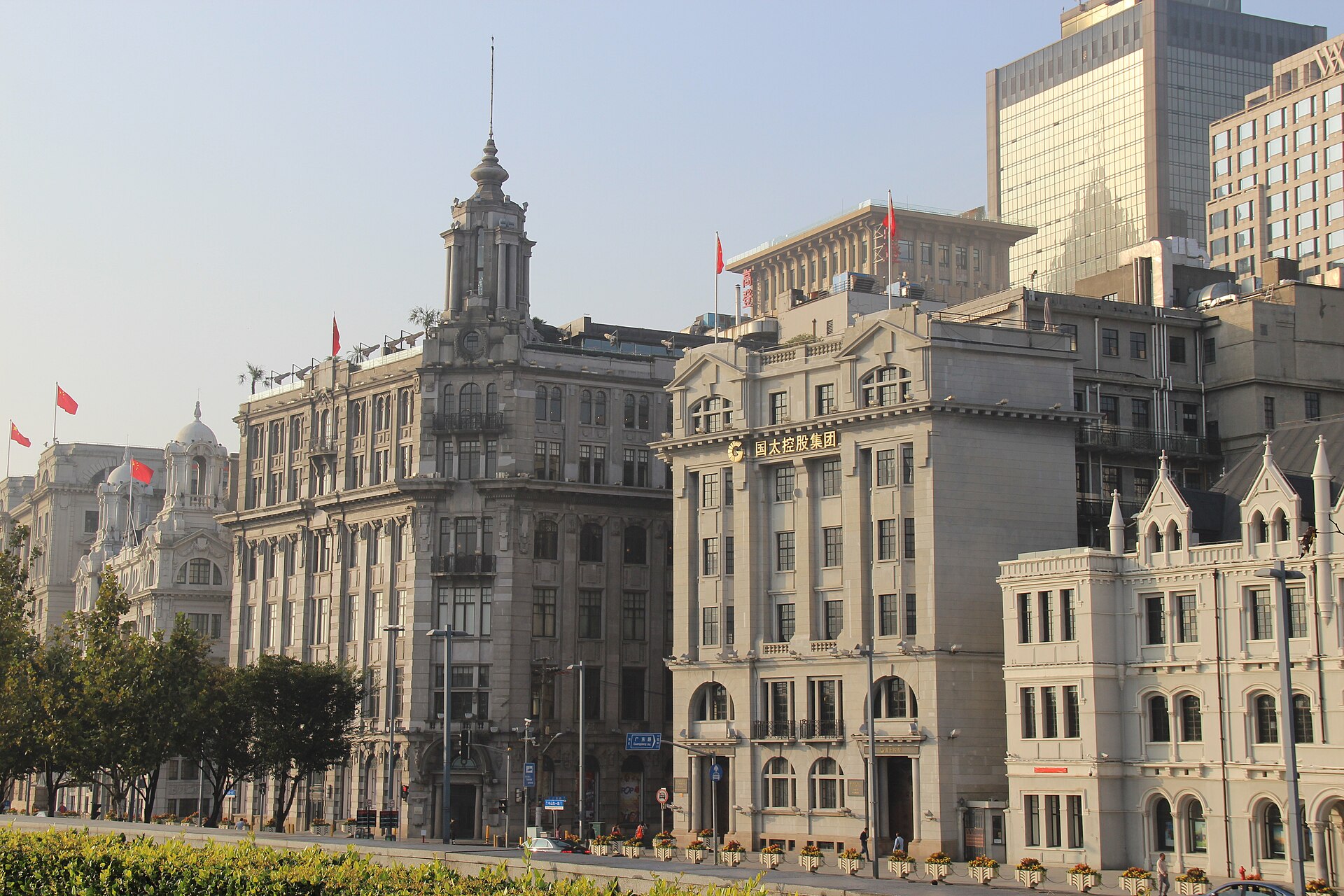
A 1.5-kilometre riverside promenade lined with colonial-era bank buildings, facing the Pudong towers across the water. The single view that captures both centuries of Shanghai at once. Come between 6 and 8 pm when both banks are lit simultaneously.
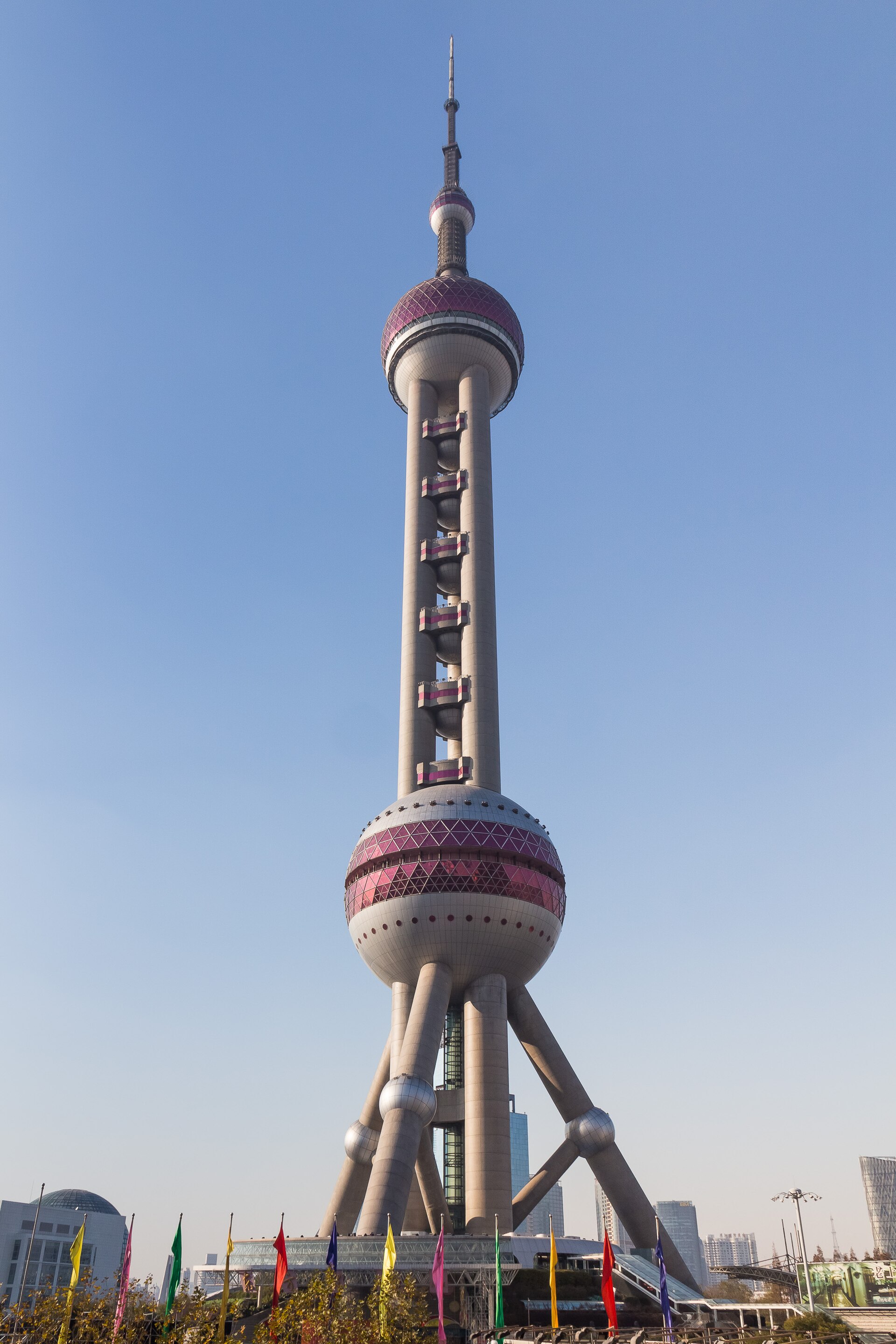
The tower that announced modern Shanghai when it opened in 1994 on what was then farmland. The upper sphere at 350 metres looks directly back at the Bund. The history museum at the base — included in some ticket combinations — is one of the best in the city.
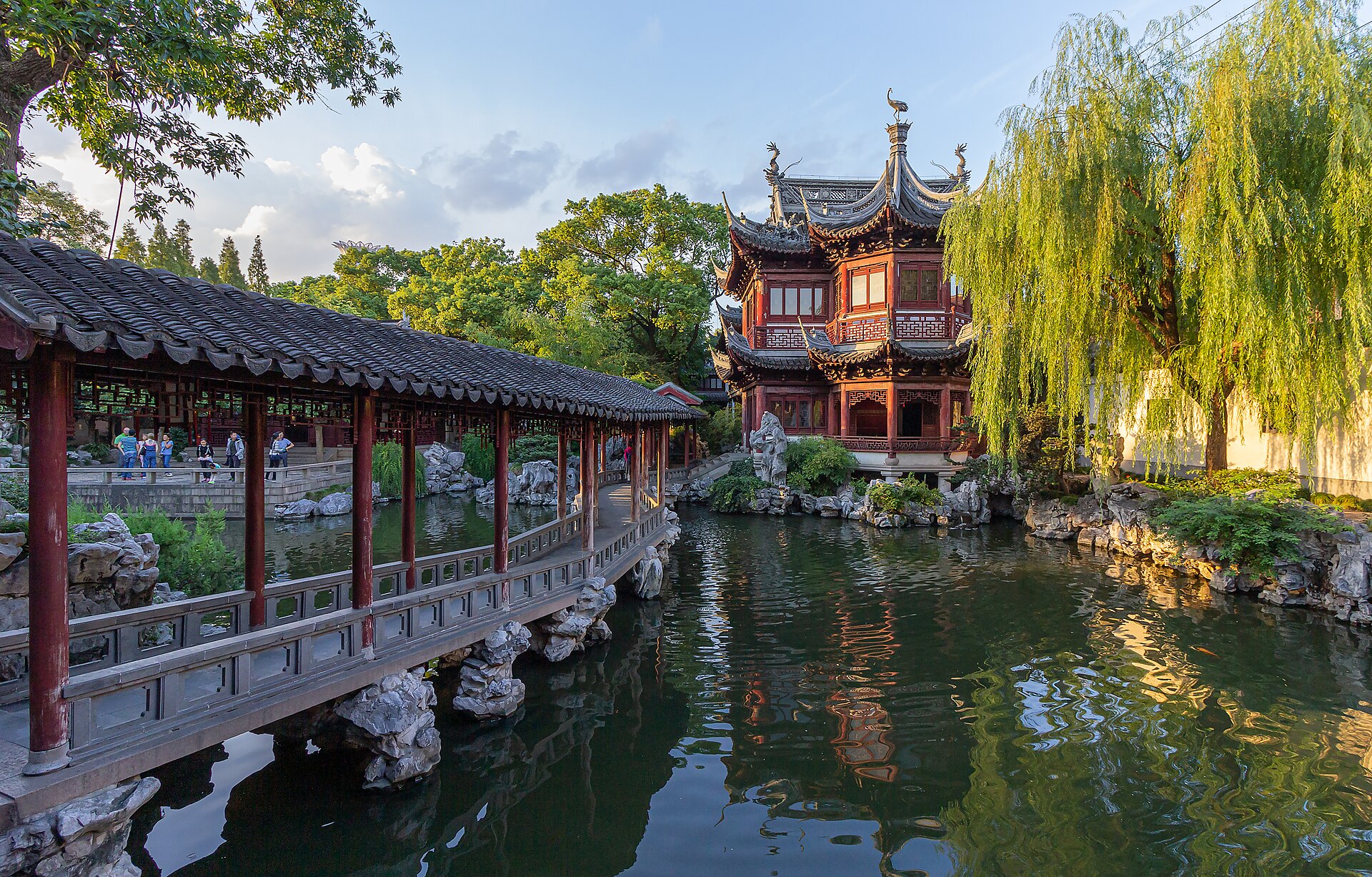
A 460-year-old Ming-dynasty classical garden hidden inside a city of 24 million. Dragon-topped walls, carp ponds, zigzag bridges. The surrounding Yuyuan Bazaar is free and houses the original Nanxiang Mantou Dian xiaolongbao shop, open since 1900.
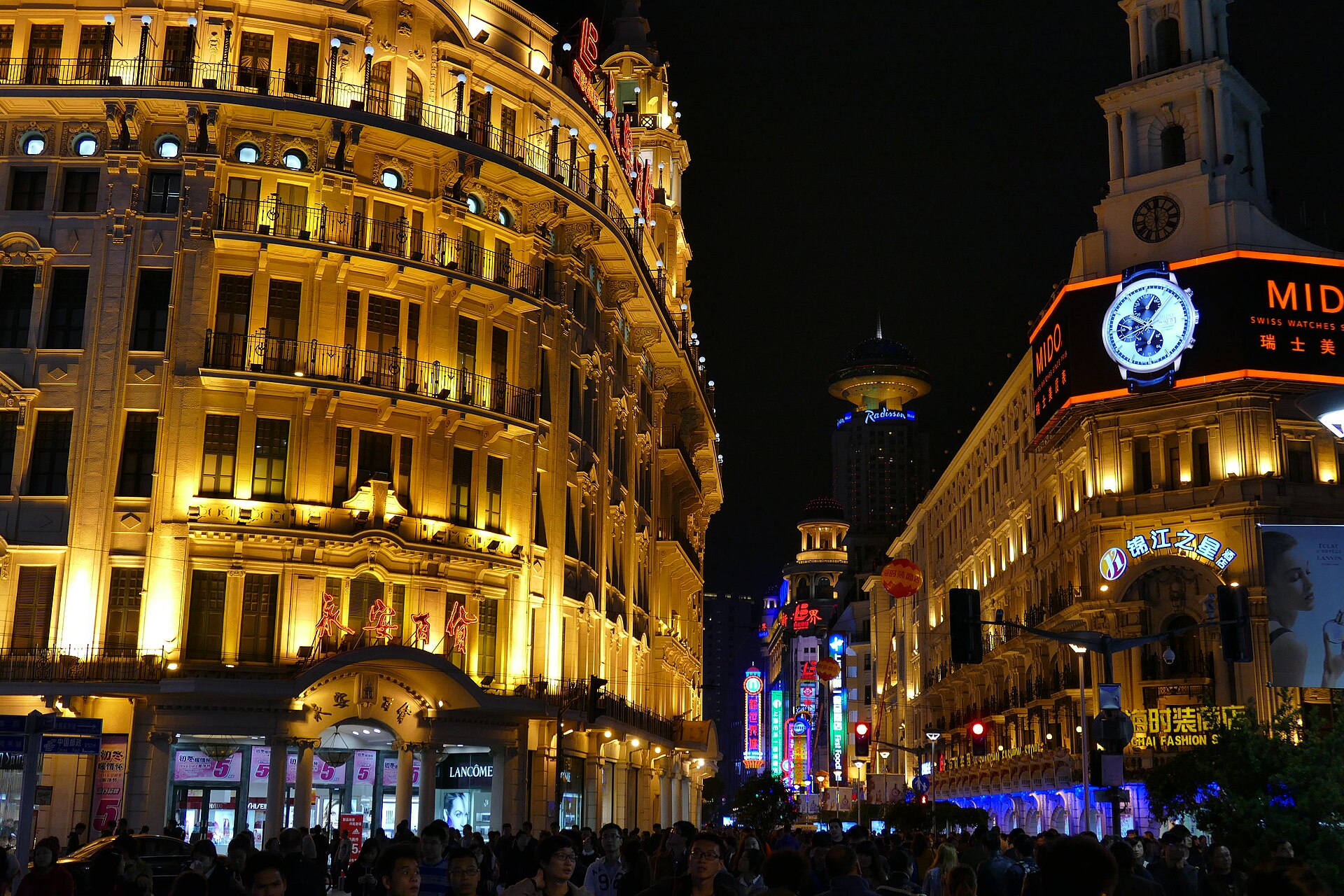
China's busiest pedestrian shopping street runs 5.5 kilometres from People's Square to the Bund. Red neon signs, department stores open since the 1930s, food stalls, and more people per square metre than almost anywhere. Friday and Saturday evenings here have a particular energy.
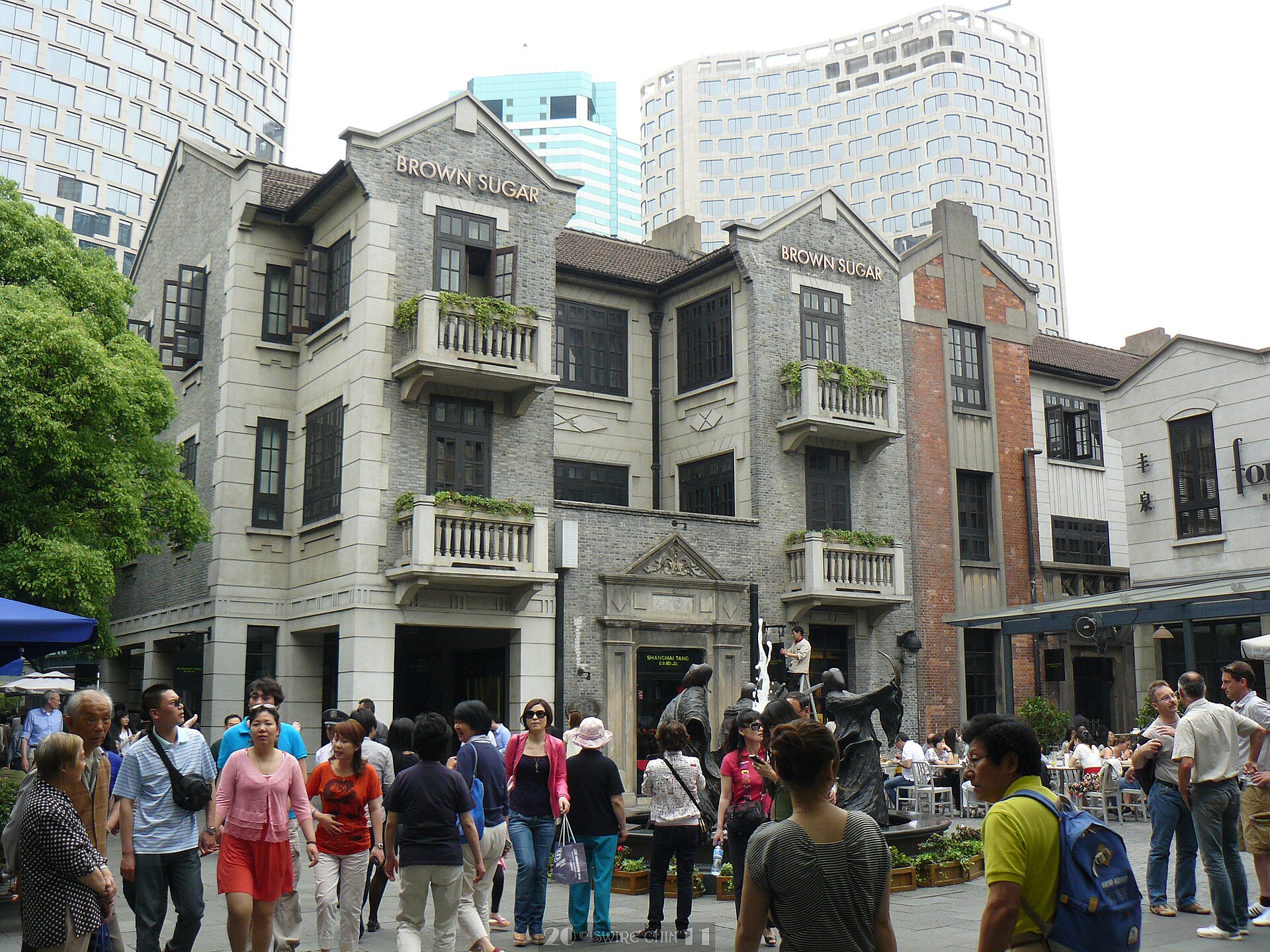
Former workers' housing converted into a network of independent cafes, art galleries and design boutiques inside shikumen (grey brick, arched doorway) lanes. The ceilings are low, the coffee smell is constant, and it feels like a neighbourhood rather than a tourist attraction — because it still partly is one.
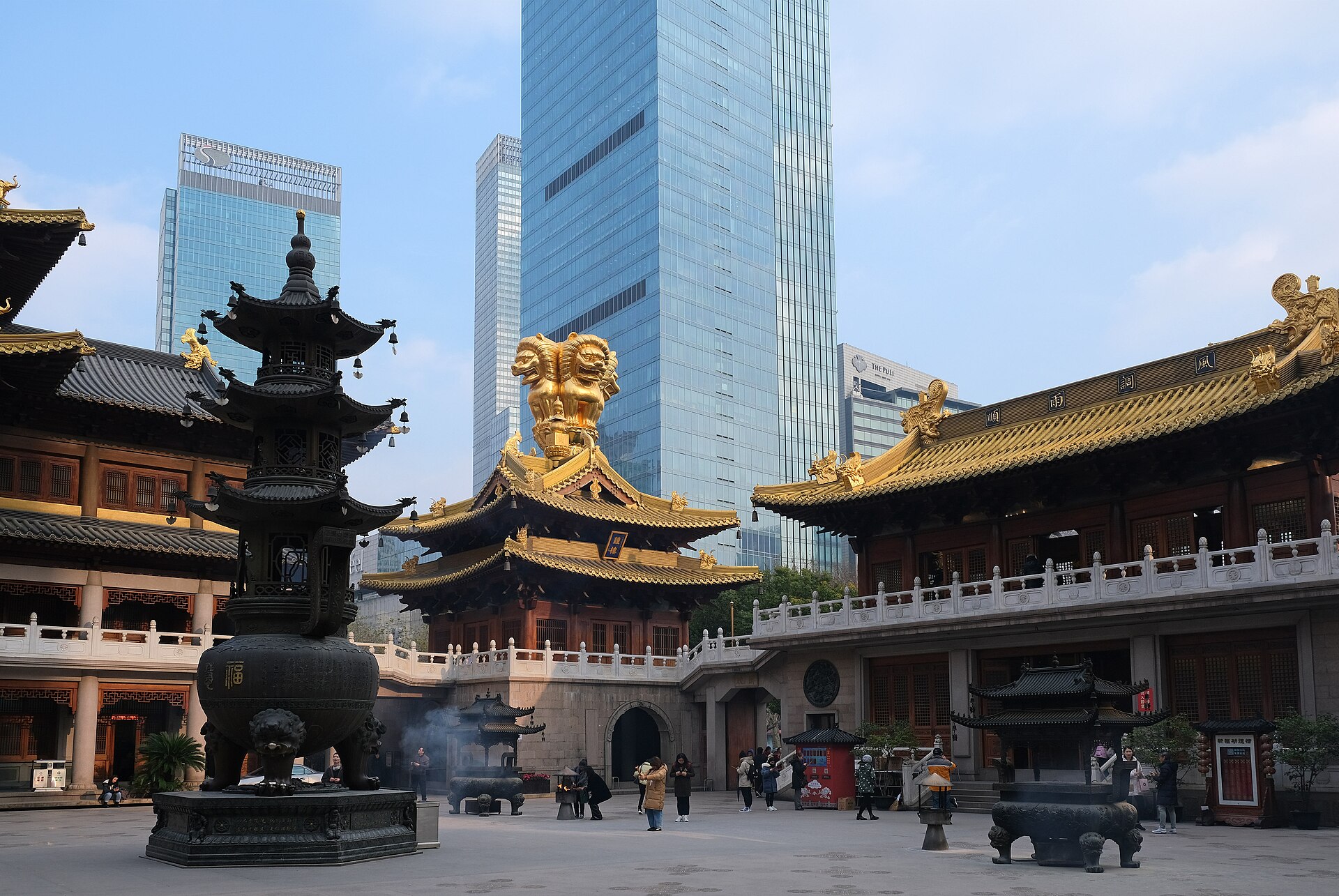
Step out of Jing'an Temple station and the collision is immediate: glass and steel office towers on both sides, golden Buddhist rooflines directly ahead. The temple has stood here for 1,700 years. It still functions as an active place of worship, which makes it feel different from the more picturesque but less inhabited temples elsewhere.
Shanghai has its own regional cuisine — called benbang (本帮菜) — built around soy sauce, sugar and slow cooking. The flavours are richer and sweeter than most Chinese food encountered outside China. These four dishes are the best entry points. Full guide: Shanghai food guide →
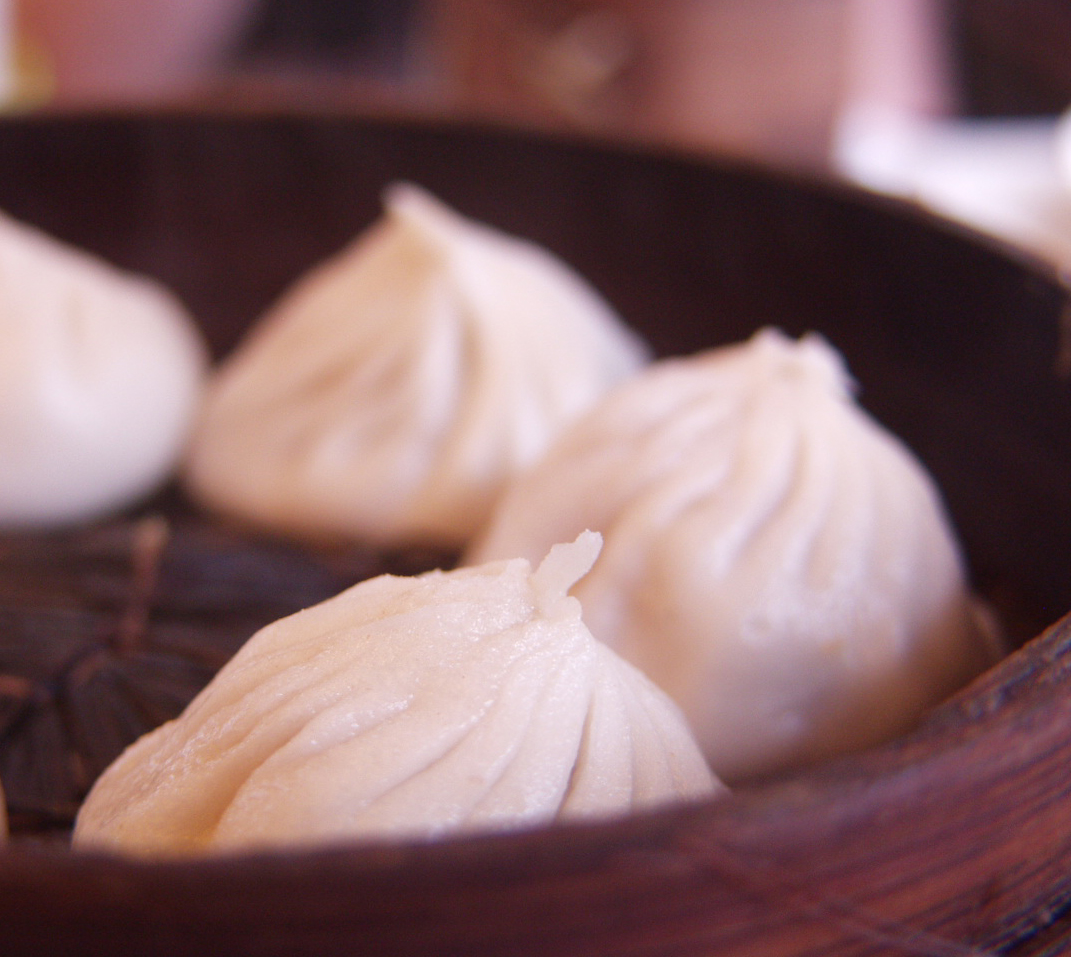
Every visitor to Shanghai agrees on these. A thin wrapper conceals a pork filling and a spoonful of hot broth — created during cooking by the collagen in the pork stock setting as it cools. You bite gently, let the broth release into your mouth first, then eat the rest. The original Nanxiang Mantou Dian at the Yu Garden bazaar has been doing this since 1900.
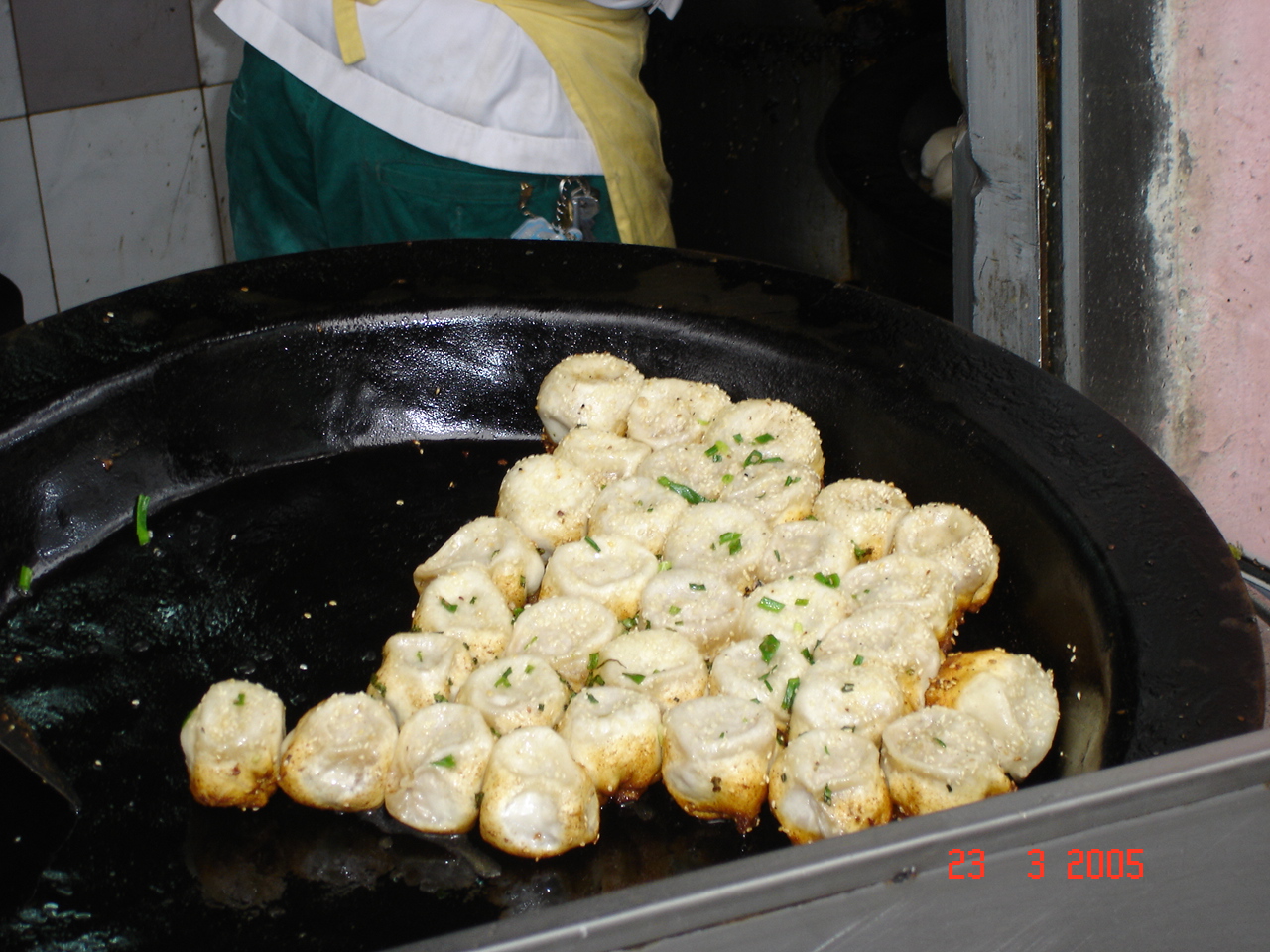
If xiaolongbao are the lunchtime dumpling, shengjianbao are the breakfast one. The bottom is pressed against a hot iron pan and fried until it forms a crackling crust; the top is steamed white and soft, sprinkled with sesame seeds and spring onion. The broth inside is equally good, but the textural contrast is what makes it its own thing. For the best spots to find them in the morning, see the Shanghai breakfast guide →
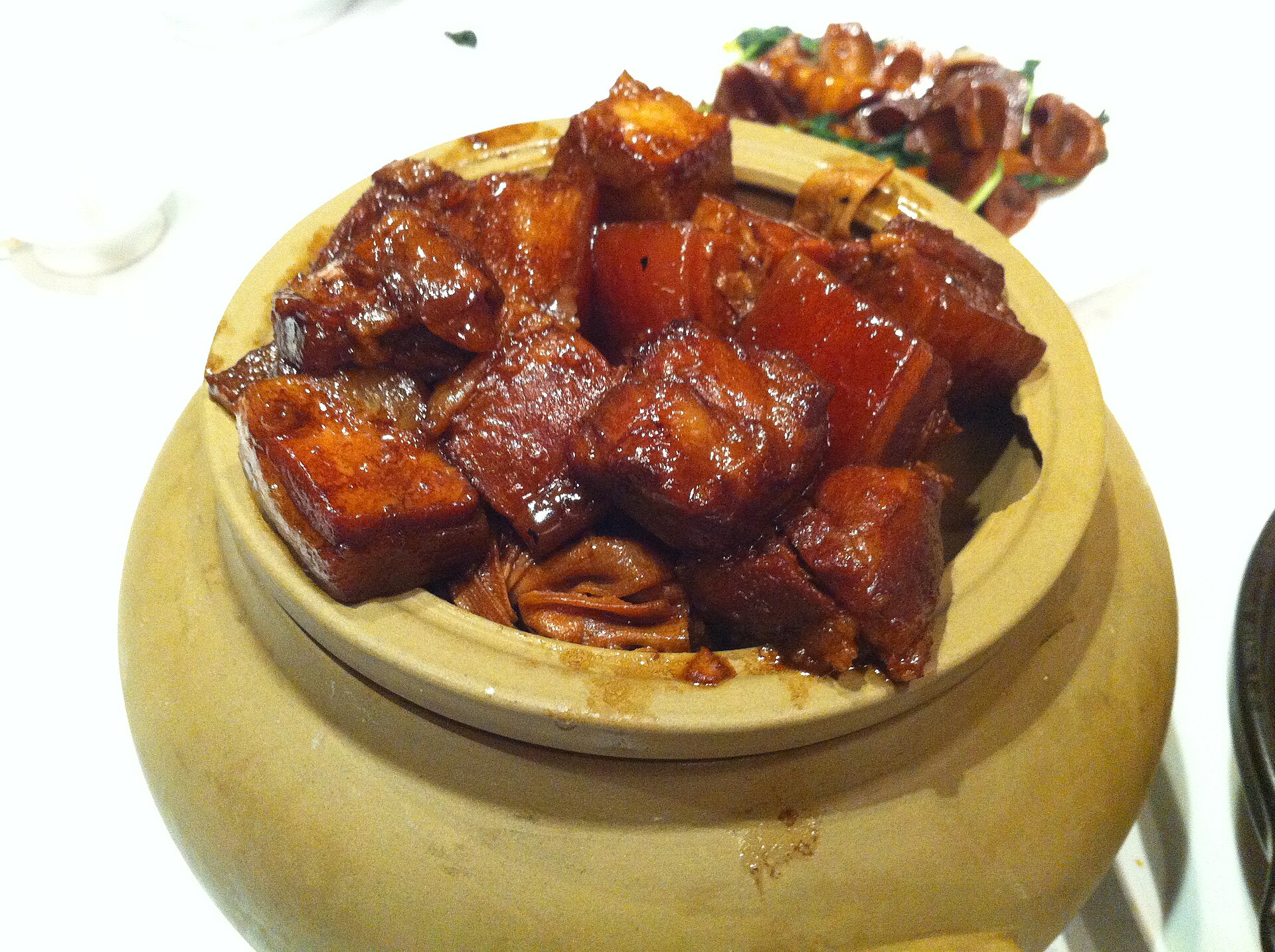
Pork belly caramelised in sugar, braised slowly in soy sauce until the meat pulls apart and the fat becomes silky — not unctuous or heavy, but sweet and rich in a way that is specific to benbang cooking. The dark, glossy sauce it sits in is what you want to pour over plain steamed rice. Order this in any Chinese restaurant at lunch or dinner; it is on virtually every menu.
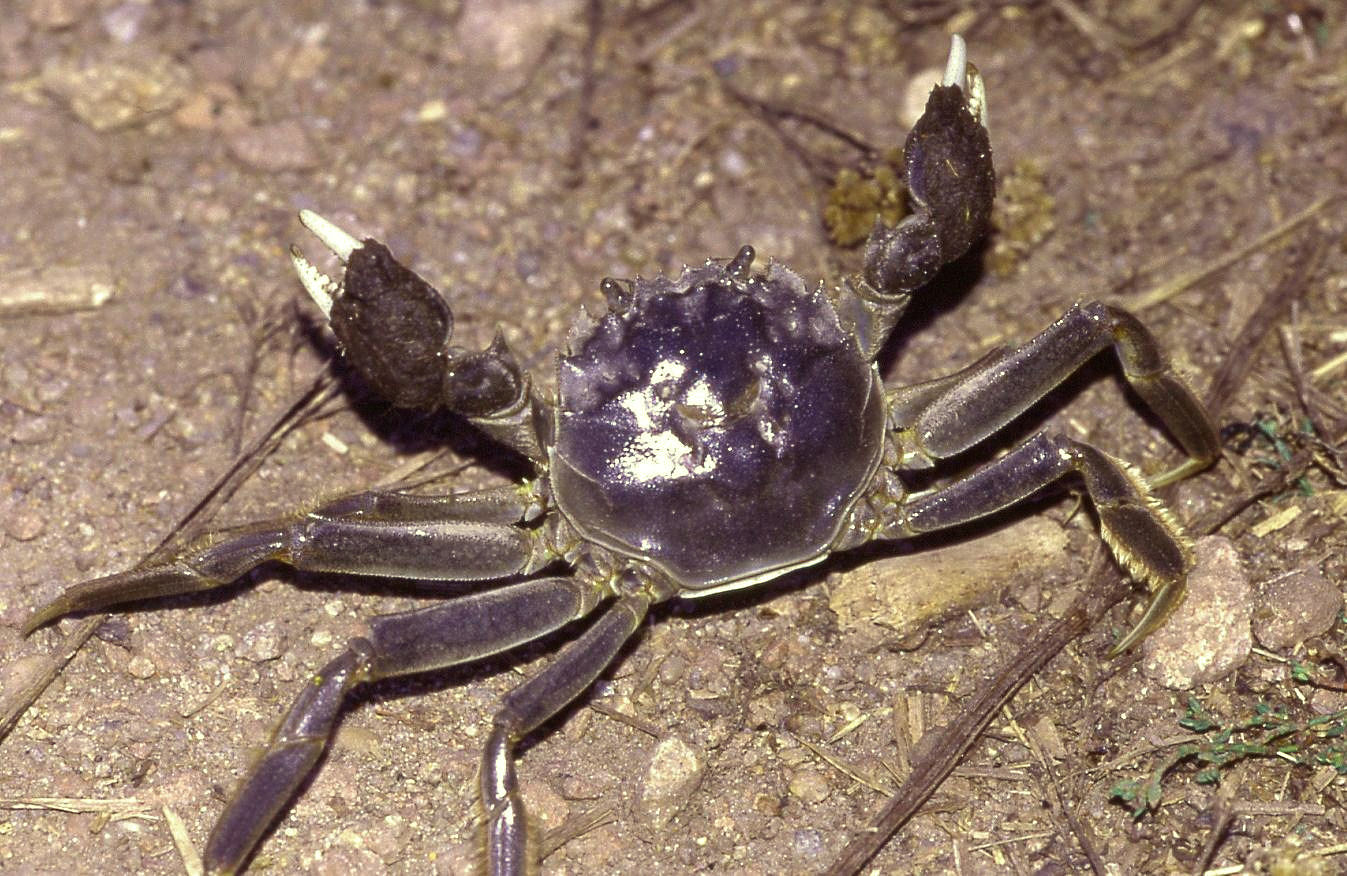
If you visit in autumn, ordering hairy crab is not optional. The bright-yellow roe has a sweetness that has no real equivalent elsewhere, and the white claw meat is delicate beside it. Eaten with ginger and dark vinegar, with warm rice wine on the side. Outside the autumn season, quality drops considerably — most vendors sell frozen crab from other lakes. This is the genuine article.
More food resources: street food districts → · breakfast guide →
Shanghai works for almost any budget. The metro is cheap, most museums are free, street food and local restaurants are excellent value. At the other end, the luxury hotels and Michelin-starred restaurants are among the best in Asia. Full breakdown: Shanghai trip budget guide →
| Level | Accommodation/night | Food/day | Approx. total/day |
|---|---|---|---|
| Budget | ¥150–300 (~฿750–1,500) hostel or budget hotel | ¥80–150 (~฿400–750) | ¥250–500 (~฿1,250–2,500) |
| Mid-range | ¥400–800 (~฿2,000–4,000) 3–4 star hotel | ¥200–400 (~฿1,000–2,000) | ¥700–1,300 (~฿3,500–6,500) |
| Luxury | ¥1,500–5,000+ (~฿7,500–25,000+) | ¥500–2,000+ (~฿2,500–10,000+) | ¥2,500–8,000+ (~฿12,500–40,000+) |
Metro fares ¥3–9 per trip add very little to the daily total. Attraction costs are mostly modest (¥0–50), with the exception of observation decks at ¥180 and Shanghai Disneyland at ¥475–635 per day. More detail at China travel budget guide →
Google Maps, Gmail, Translate, YouTube, Facebook, Instagram, WhatsApp and LINE all stop working the moment you connect to a Chinese SIM or network, unless you have a working VPN. Set it up on your phone at home — configuring a VPN from inside China is harder. Download Amap (Gaode Maps) for navigation — it works without a VPN and has English. For the internet itself, see VPN and eSIM guide →
Street stalls, local noodle shops, tea vendors and small cafes often have no card terminal at all — mobile payment (Alipay or WeChat Pay) is the only option. The tourist version of Alipay accepts foreign Visa and Mastercard and takes a few minutes to set up. Alternatively, withdraw yuan from an ATM on arrival. Major chains and hotel restaurants accept credit cards without issue.
Metro stations have English signs throughout, but taxi and ride-share drivers in Shanghai typically cannot read a romanised address. Save your hotel and key destinations in Chinese characters on your phone — or simply show the driver an Amap pin. Most drivers accept DiDi (China's Uber equivalent), which shows routes in the app and removes the language barrier entirely.
Tipping is not part of Chinese restaurant or taxi culture. Leaving money on the table may prompt the staff to follow you to return it, thinking you made a mistake. Pay the bill total and nothing more. The exception is some international-brand hotels catering to Western guests, where a small gratuity for exceptional service is understood but still not required.
During Golden Week holidays (1–7 May for Labour Day, 1–7 October for National Day) and Chinese New Year (January or February, dates vary by year), domestic tourists travel in enormous numbers. Major attractions become genuinely crowded — the Bund promenade can feel impassable on a Golden Week evening. Hotel prices typically double or triple. If your dates overlap, book three to four months ahead. Full seasonal guide: when to visit →
A friendly person — often a student who strikes up a conversation in good English — suggests visiting a tea house nearby. The experience ends with a bill for several hundred yuan that was never discussed. This is the most common tourist scam in Shanghai and operates almost exclusively near the Bund and People's Square. The response is simple: thank them politely and keep walking. Shanghai is genuinely safe in all other respects — this is the main thing to be aware of.