10 Shanghai attractions worth your time
Not just photo spots — places where the experience matches the expectation.
 1
1
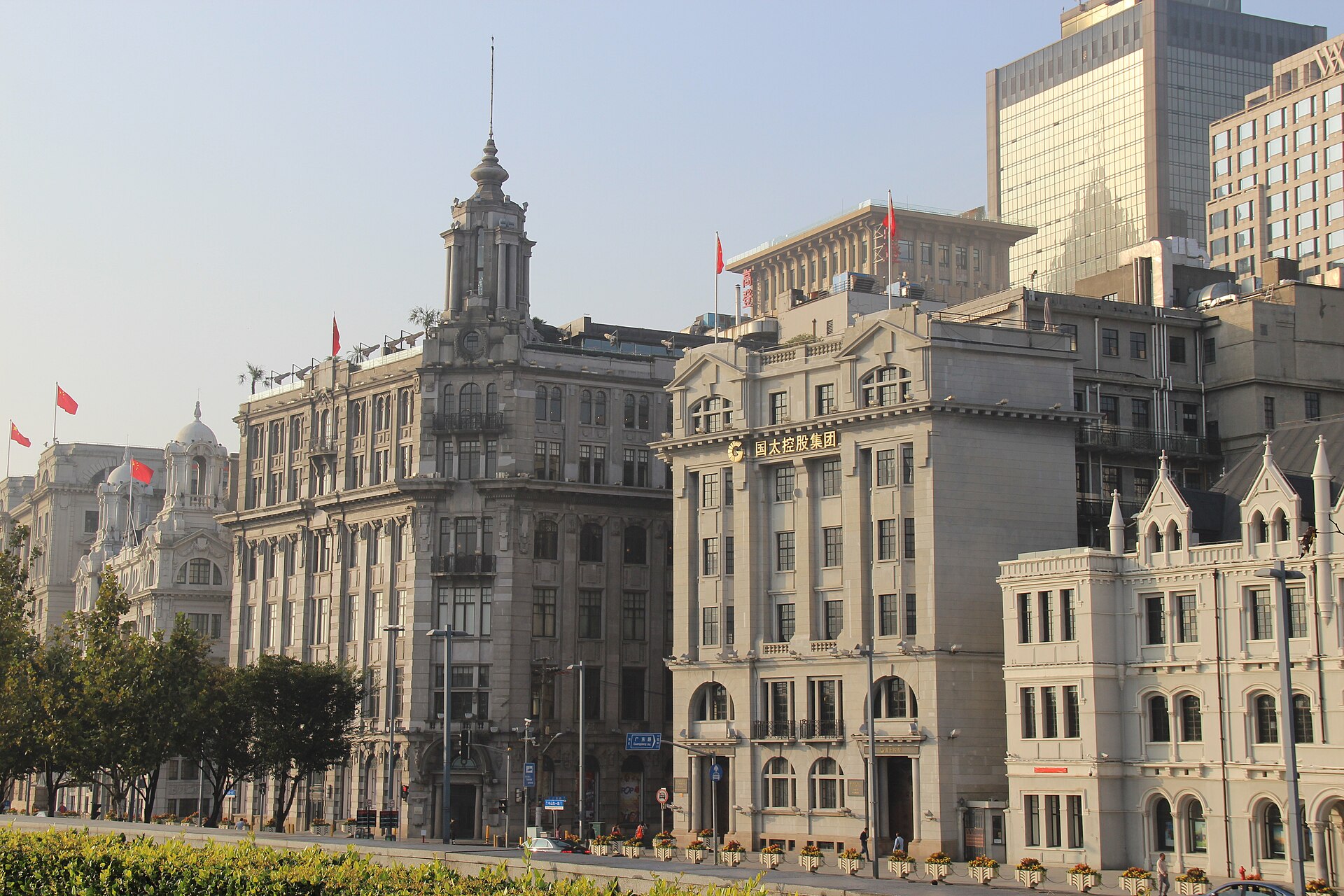
The Bund is the one view of Shanghai you have already seen and the one that still stops you when you stand there in person. A kilometre-long promenade runs along the Huangpu River, flanked on the landward side by thirty-odd heritage buildings — the HSBC Building, the old Customs House with its clock tower, the Peace Hotel with its green copper roof — all lit warm at night and all still in use. Across the water, Pudong's towers spike upward in a skyline that looks designed rather than grown. Come at dusk when both sides are illuminated simultaneously. Come at dawn if you want the promenade to yourself.
 2
2
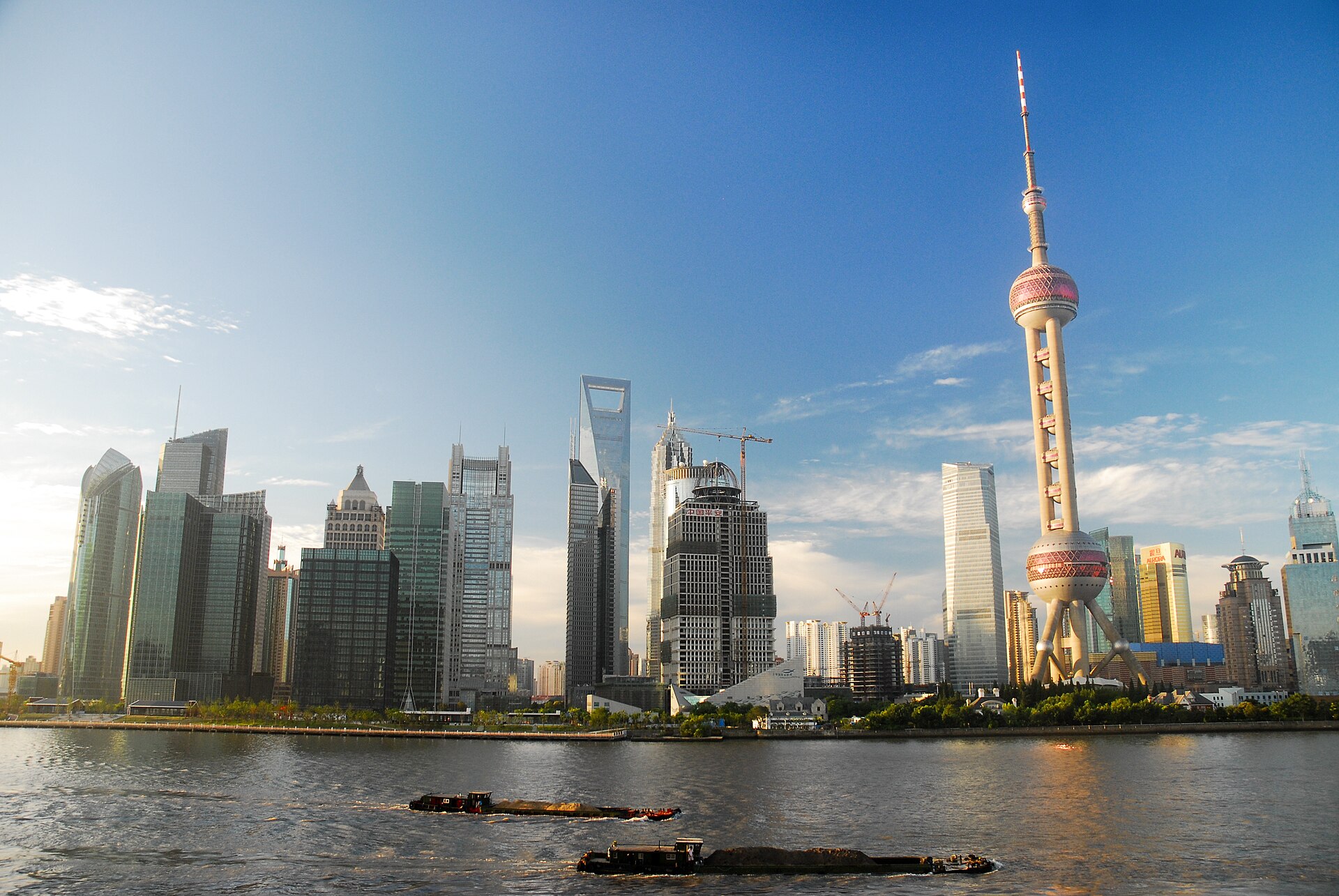
When you cross from the Bund side to Lujiazui, the scale shifts completely. Shanghai Tower stands 632 metres tall — China's tallest building, second in the world — and its Sky Walk observation floor at level 118 puts you at 546 metres with uninterrupted views across the entire city. Tickets are ¥180; book online. Next door, the SWFC (the building with the trapezoidal hole at the top that looks like a bottle opener) has a floor-100 deck at ¥180, and because it faces Shanghai Tower directly, it's the right place to photograph the taller building in context. Both are worth the money. The base of the cluster is free to walk through at any hour.
 3
3
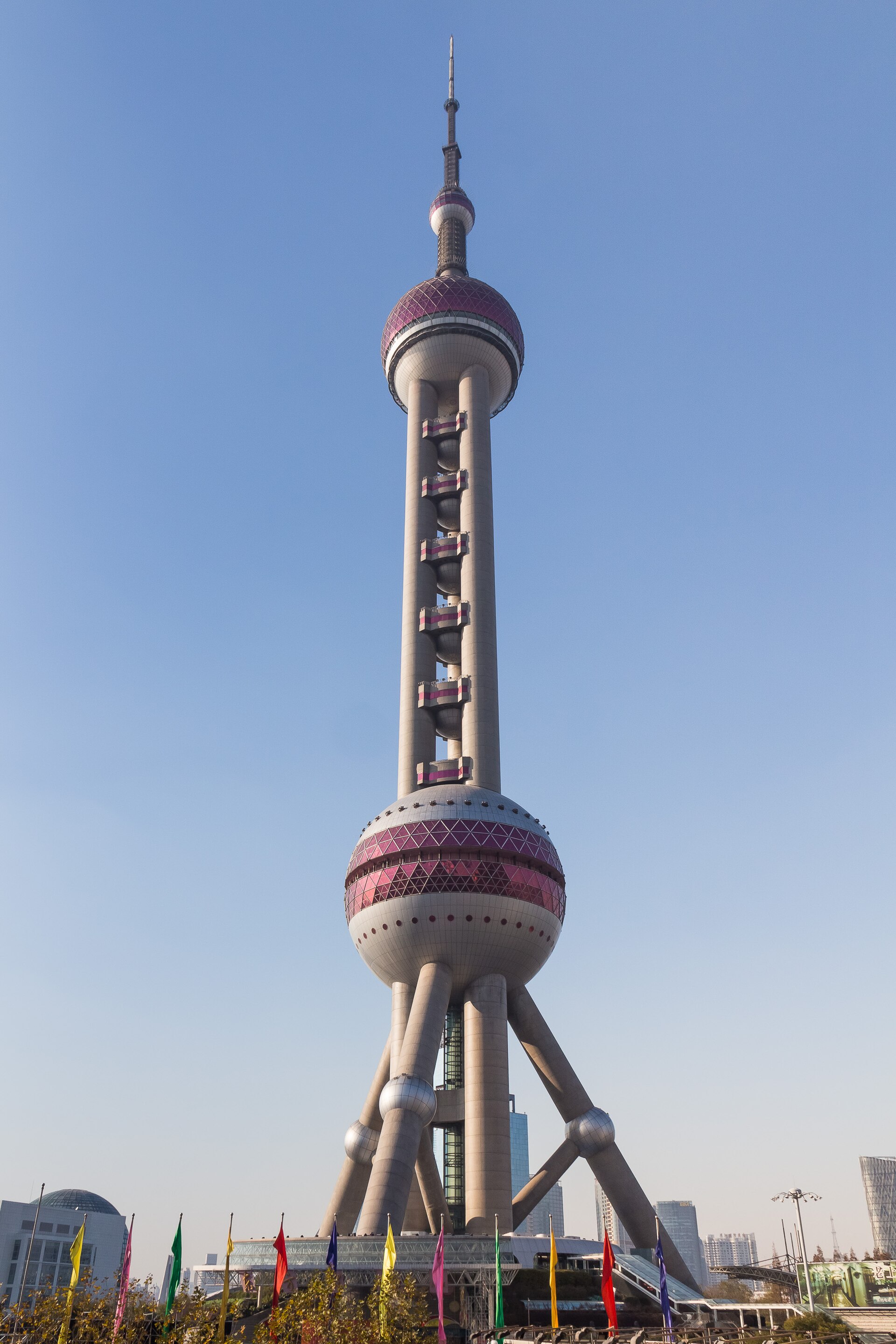
The Oriental Pearl is an improbable building — two oversized pink-red spheres stacked on a concrete column, completed in 1994 when Pudong was still farmland. It looks nothing like anything else in the skyline, and that was intentional: it was meant to signal that something new and ambitious was happening here. At 468 metres it now feels almost modest beside Shanghai Tower, but the view from the upper sphere (350 metres) looks directly across at the Bund's colonial facade — one of the best vantage points in the city. The base houses the Shanghai History Museum, an excellent and undervisited collection tracing the city from the Qing Dynasty through the treaty-port era to today.
 4
4
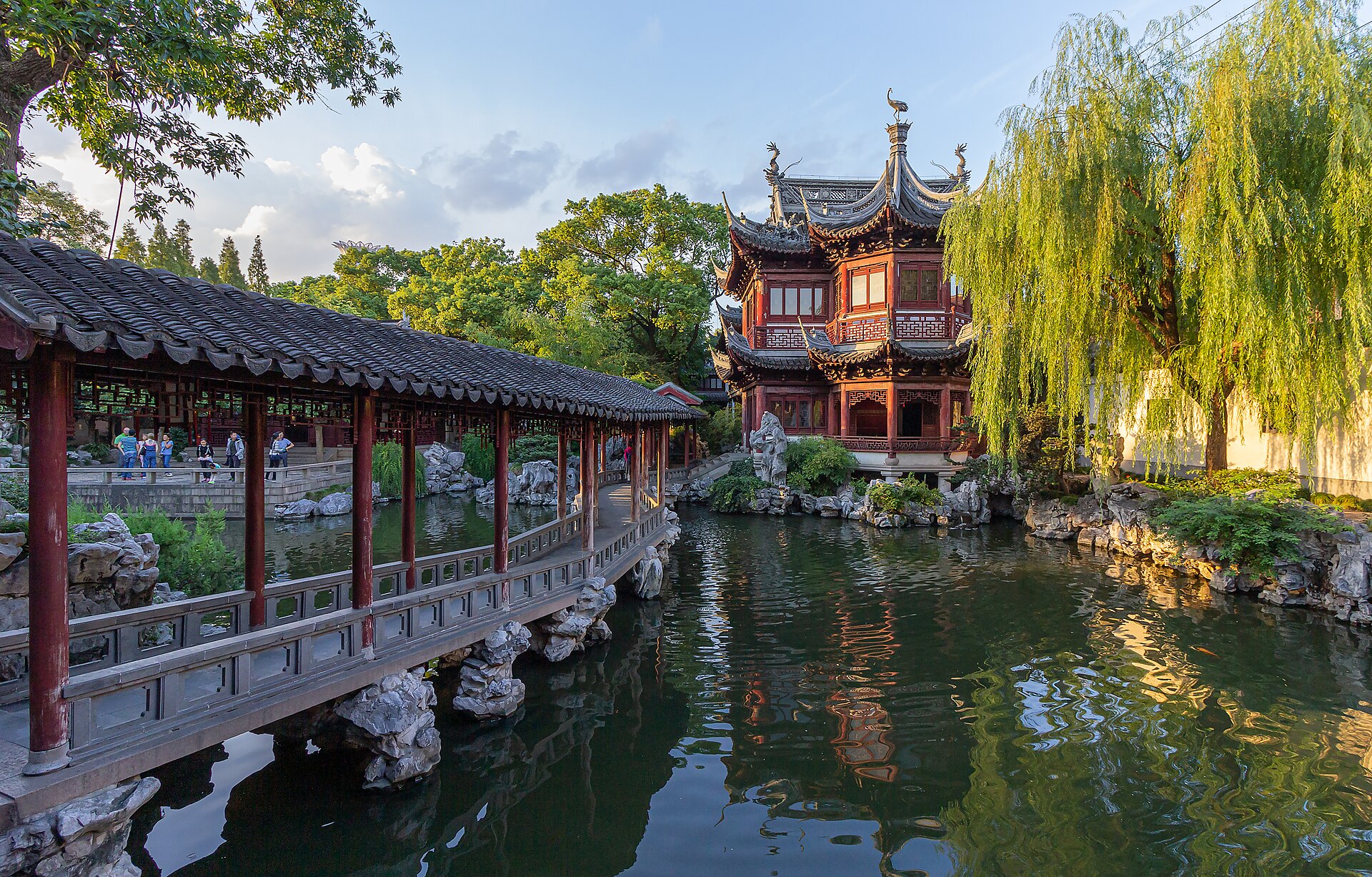
A Ming-dynasty government official built Yu Garden in 1559 as a private retreat for his parents, and the design logic still holds: every step is framed to reveal a composed view, the rockeries are placed to suggest mountains, the carp ponds reflect pavilion rooflines. Dragon-topped walls made from undulating ceramic tiles divide the garden into linked courtyards. It sits implausibly inside a city of 24 million, surrounded immediately by the Yuyuan Bazaar — a pedestrianised market of tea shops, dim-sum restaurants (including the original Nanxiang Mantou Dian, operating since 1900), snack vendors and souvenir stalls. Crowded on weekends, but the historical weight is real.
 5
5
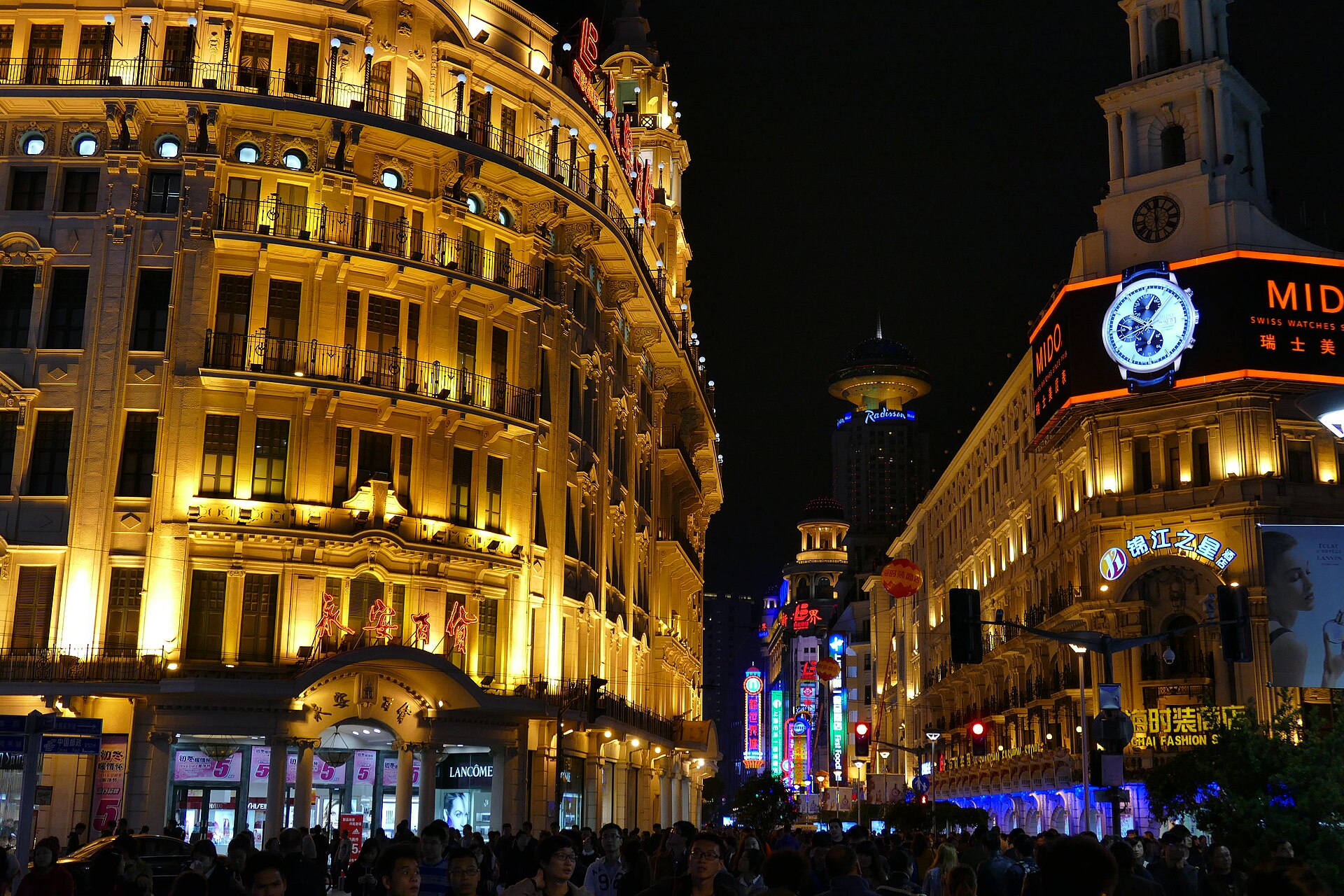
Nanjing Road is where Shanghai puts its energy on display. The pedestrianised eastern section — roughly 1.5 km from People's Square to the Bund — is lined with department stores that have been here since the 1930s alongside international brands, food stalls, tea houses and neon signage in quantities that feel physically warm. In the evening, especially on Friday and Saturday nights, the density of people and light achieves something close to spectacle. It is not a subtle experience. But walking its length at night, elbowed by the city in every direction, is unmistakably Shanghai.
 6
6
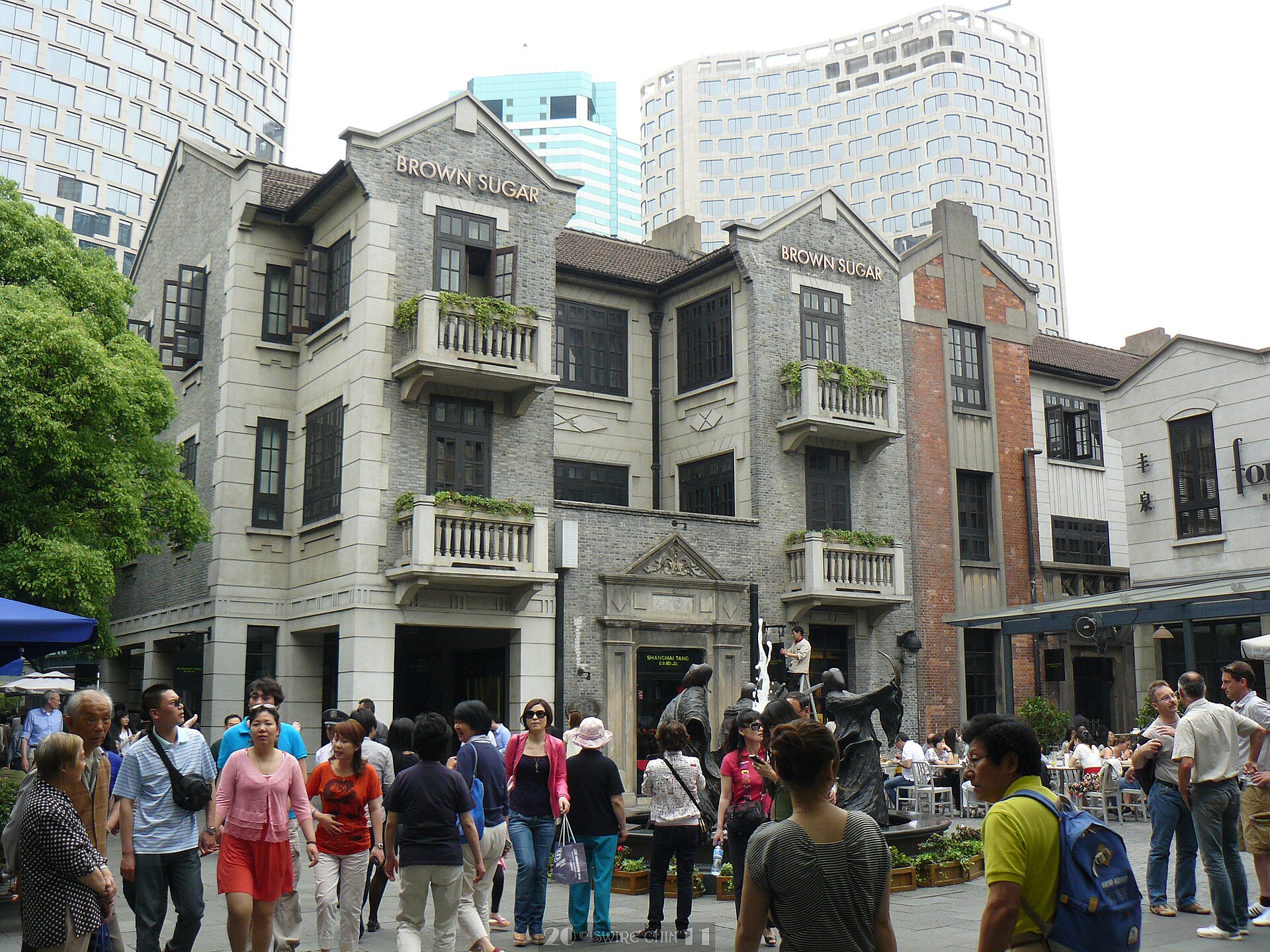
Tianzifang is the answer to what happens when a city decides to convert its old workers' housing into something that residents and visitors both want to be in. The shikumen buildings — grey brick, arched doorways, the characteristic two-storey row houses of old Shanghai — were not demolished but adapted: ground floors became independent cafés, design studios, art galleries and craft boutiques, while upper floors are still lived in. The lanes are genuinely narrow, the ceilings low, the smell of roasted coffee constant. Come on a weekday morning for the version that feels real; weekend afternoons can be busy enough to lose the atmosphere.
Wukang Road does something remarkable in a city of 24 million: it makes you slow down. The London plane trees that line both footpaths have grown large enough to meet overhead, creating a tunnel of green in summer and a lacework of bare branches in winter. Behind them sit Spanish Mission villas, Tudor-revival townhouses and Art Deco apartment blocks in soft ochre, olive and cream — many still in use as cafés, consulates or private homes. The Norman Foster-designed Normandie Apartments (now called Wukang Mansion) anchor the junction at the street's southern end. Walk the surrounding lanes in any direction and you will keep finding more. Take MRT Line 10 or 11 to Jiao Tong University station and wander north.
 8
8
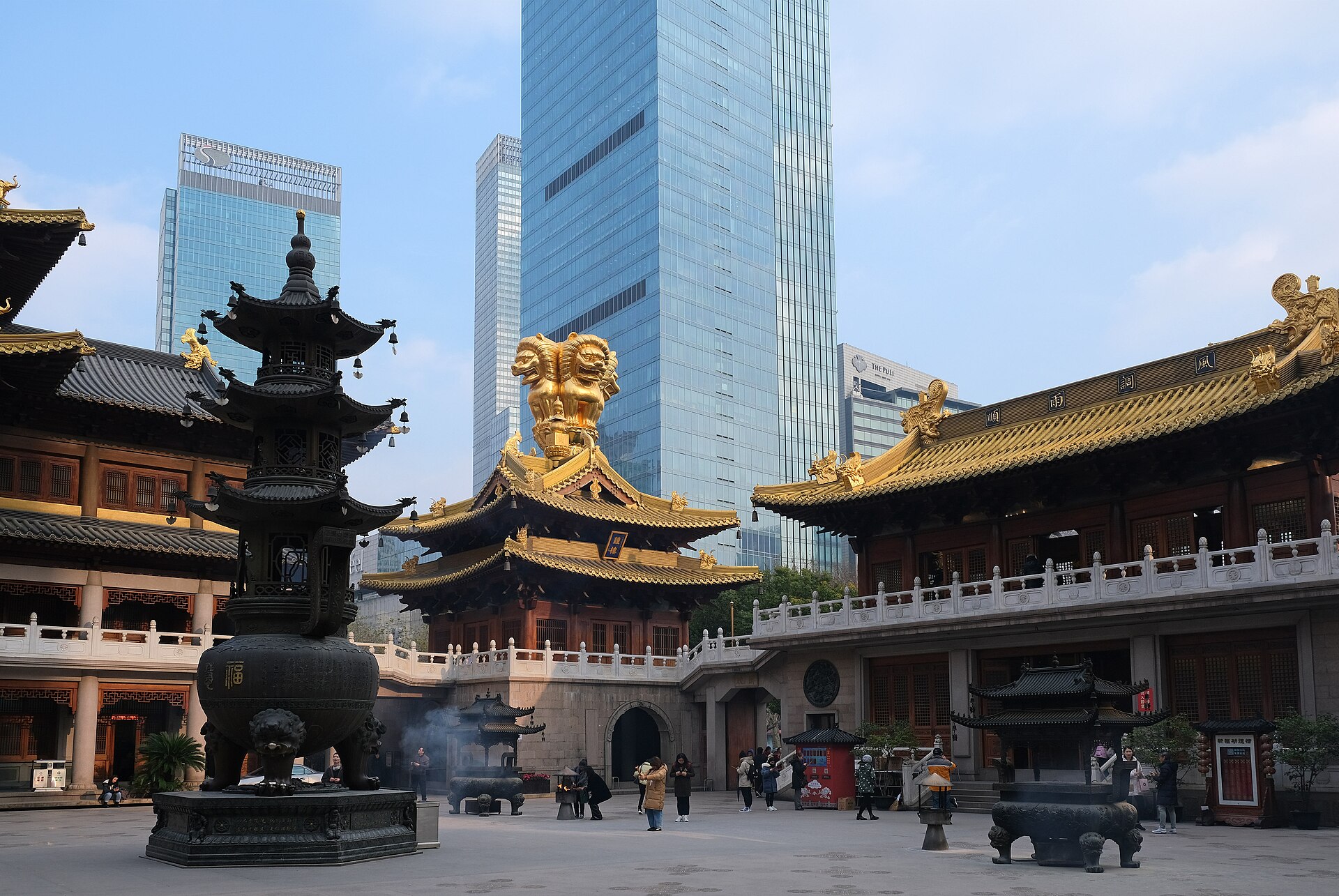
Step out of Jing'an Temple metro station and the visual collision is immediate: office towers of glass and steel on both sides, and directly ahead a Buddhist temple with golden-orange tiled roofs blazing in the sun. Jing'an Temple has stood on this site for 1,700 years, though the current buildings date from a more recent restoration. What the temple delivers is the smell of incense, the deep resonance of a struck bell, the sight of worshippers moving between halls at all hours of the day — a genuine spiritual site rather than a set piece. The adjacent Jing'an Sculpture Park is free and provides a calm place to sit before or after.
People's Square is where Shanghai lives its civic life — the broad open space where kite-flyers, retirees doing tai chi and office workers cutting through all coexist without friction. The square itself has no admission charge and is open at any hour. But the real draw is the Shanghai Museum on its southern edge: one of the finest collections of Chinese art and artefacts in the world, and entirely free to enter. The bronzeware hall (Shang and Zhou dynasties, some pieces 3,000 years old), the ceramic galleries (Song-dynasty celadon, Qing blue-and-white), the jade carvings and the furniture halls all reward genuine time. Two to three hours is not enough. Book a timed-entry slot online in advance — it is now required.
Where Tianzifang is narrow and exploratory, Xintiandi is open and designed — an entire block of shikumen row houses carefully restored and repurposed as a dining and nightlife district. The lanes are wide enough for restaurant terraces. There are cocktail bars, wine shops, French bistros and Japanese izakayas all within shouting distance of each other. On weekend evenings the square at its centre hums in a way that the rest of Shanghai rarely does: the crowd is international, the vibe relaxed, the food expensive but good. Inside the same complex, a small museum marks the site of the First National Congress of the Chinese Communist Party (1921) — a genuinely interesting historical detour that most people walk past without knowing it is there.
 +
+
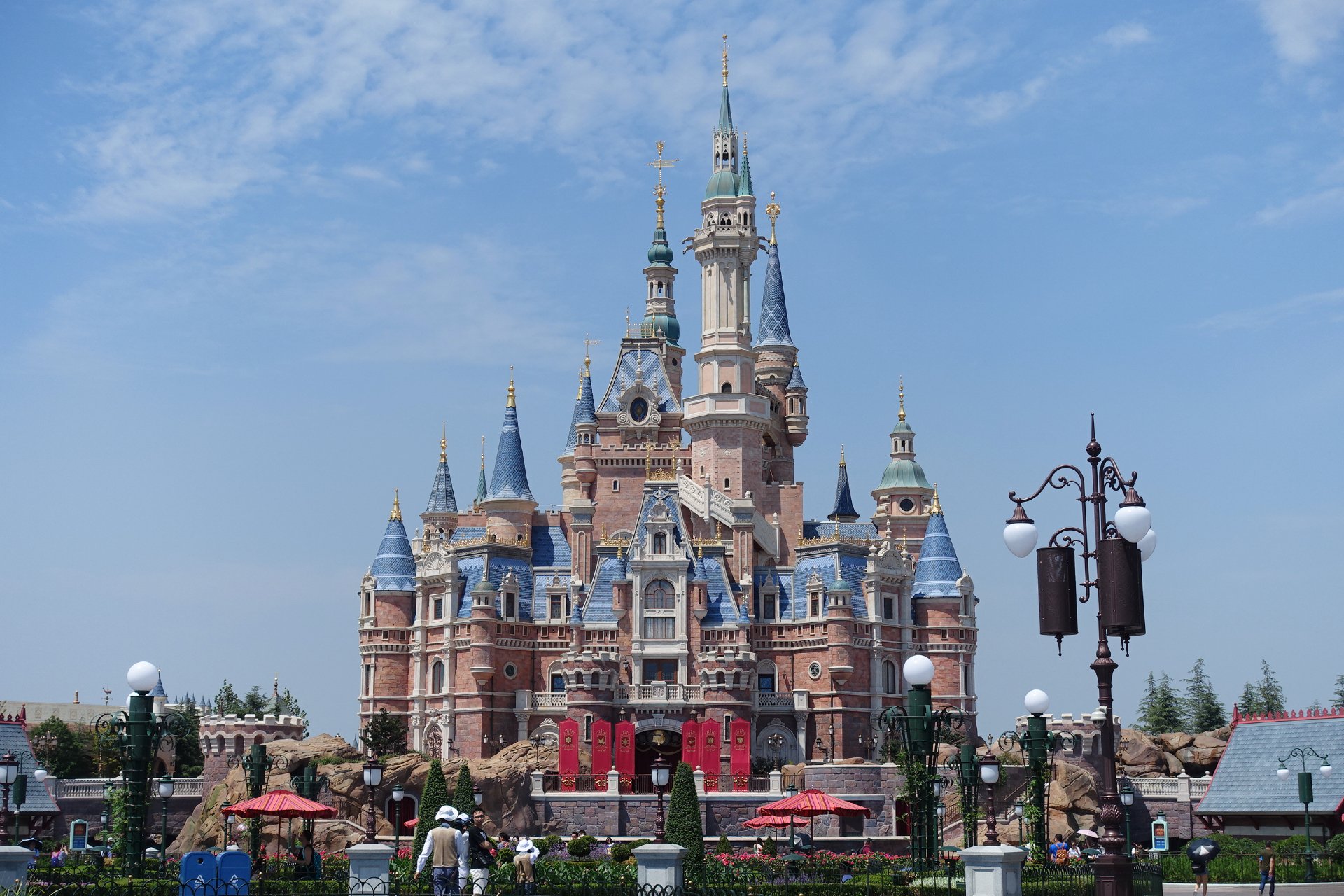
The Enchanted Storybook Castle at Shanghai Disneyland is twice the size of Cinderella Castle at Orlando — the largest Disney castle ever built — and the park around it was the most visited in Asia Pacific within three years of opening in 2016. What makes it different from other Disney parks is genuine: the content has been designed specifically for Chinese audiences, from the stage shows and character costumes to the food and the cultural references woven through each land. Even if you have been to other Disney parks, this one has a different character. Plan a minimum of one full day; families with children typically need two. Book tickets in advance at disneylandshanghai.com — the park sells out on holiday weekends.