Every stop in detail with metro and tips
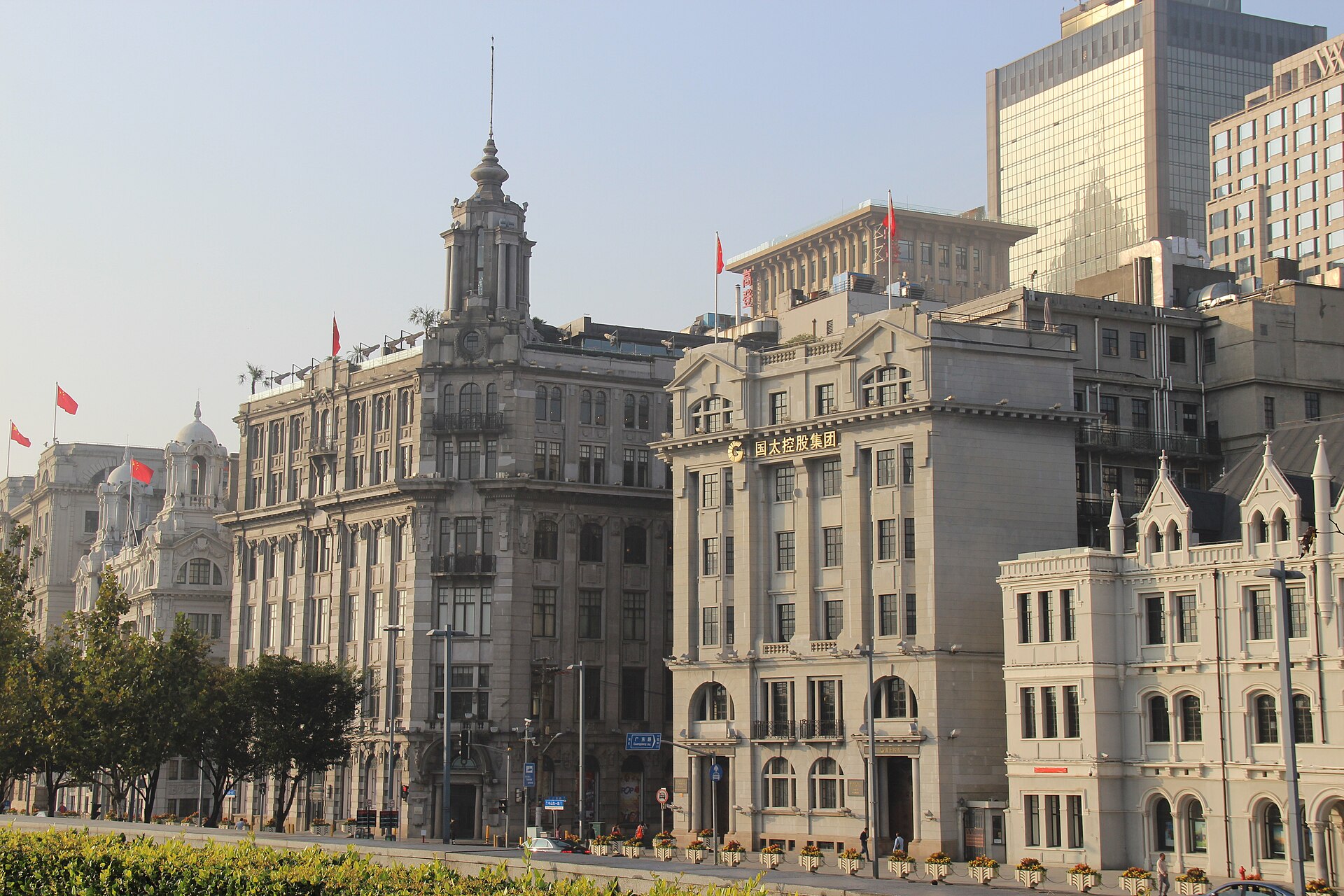
Start at The Bund around 8:30 am — early enough that the large tour groups have not arrived yet, and the light is still soft enough to make the stone facades look the way they were designed to look. The 1.5-kilometre promenade runs along the western bank of the Huangpu River, facing Pudong across the water. On your left: 52 buildings in Art Deco, Baroque, Renaissance Revival and Romanesque styles, constructed between the 1870s and 1930s when Shanghai was the financial capital of Asia. On your right: glass and steel towers that could only exist in a city that decided to become the future.
Walk the full length at whatever pace you like. The Bund is free and open 24 hours. You will come back tonight — but the morning light and the evening light are so different that it barely feels like the same place.
Take Metro Line 10 two stops from East Nanjing Road to Yu Garden station, then walk eight minutes to the garden entrance. Yu Garden was built in 1559 by a Ming official named Pan Yunduan as a private garden for his parents. The outer city has grown up around it completely, but once you step through the gate the scale shifts: dragon-head ceramic walls, zigzag stone bridges, red-lacquered pavilions reflected in carp ponds, and corridors that turn so many corners you stop expecting to know where you are. Allow a full hour inside.
When you leave, the City God Temple Bazaar (Yuyuan Bazaar) surrounds the garden walls — free to enter, a maze of tea shops, souvenir stalls and street-food counters. The single most important stop is Nanxiang Xiaolongbao (南翔馒头店), a dumpling shop that has occupied this corner since 1900. The queue is part of the experience. Order a bamboo steamer of soup dumplings (¥30–50) and eat them at a pavement table. This is not tourist food — Shanghainese come back to this shop their whole lives.
Return on Line 10 northward to East Nanjing Road and step out onto Nanjing Road. This is the most commercially important street in China — 5.5 kilometres from People's Square in the west all the way to The Bund in the east, lined with department stores, international brands, neon Chinese signage and a tram that still runs its original route. The eastern pedestrianised section, close to The Bund, is where the energy is most concentrated; the western section near People's Square is calmer and broader.
Have lunch somewhere along this stretch — there is everything from fast Shanghai noodle shops at ¥30–60 a bowl to food courts in the mall buildings where you can sit in air conditioning. If you have any interest in Chinese antiquities, Shanghai Museum on the south side of People's Square is free and world-class. Book the timed entry ticket online the night before (it fills up).
From East Nanjing Road, take Metro Line 2 eastbound across the Huangpu River to Lujiazui station — the ride takes four minutes and exits you at the foot of three of the tallest buildings on earth. Choose one deck to go up:
Oriental Pearl Tower (东方明珠) — the 468-metre pink-and-silver tower that became Shanghai's defining image in the 1990s. The all-inclusive ticket (~¥199, ~$28 USD) covers the glass-floor platform at 263 metres and the Shanghai History Museum at the base, which tells the city's story from fishing village to financial centre in considerable detail. Open 08:00–21:30.
Alternatively, SWFC (World Financial Center) on floor 100 at ¥180 — this is the angle that puts Oriental Pearl Tower in the foreground of your shot, which Shanghai Tower itself cannot give you. The glass-bottomed walkway at the very top is genuinely vertiginous.
Come back across the river to The Bund for the hour around 18:30 to 19:30. This is the version of Shanghai that photographs cannot fully capture: the stone facades of the colonial buildings light up amber on the western bank, while across the Huangpu, the glass towers of Pudong turn on their white and blue lights simultaneously. The two skylines — one built over a century, one built in two decades — face each other across a river that is 400 metres wide. Walk the promenade one more time, slowly, without the agenda of morning.
For dinner, East Nanjing Road has plenty of options within walking distance. Alternatively, take Line 10 or Line 13 to Xintiandi — the restored shikumen precinct with a good mix of Chinese and international restaurants at ¥100–300 per person, and a noticeably more relaxed atmosphere than the main tourist drag.
- The French Concession and Tianzifang — genuinely beautiful, but they need three to four hours of slow walking to feel them properly. Save for a three-day trip.
- Shanghai Disneyland — a full day each way with transit. Not compatible with a one-day city plan at all.
- Jing'an Temple — the gold-roof Buddhist temple between glass towers is worth seeing, but it sits at the western end of the city and adds 40 minutes of transit each way.
- Day trips to Suzhou or Zhujiajiao — each requires at least half a day once you factor in the HSR ride or bus journey.