10 Experiences Families Actually Remember
Ordered by lasting impact, not Instagram appeal.
 1
1
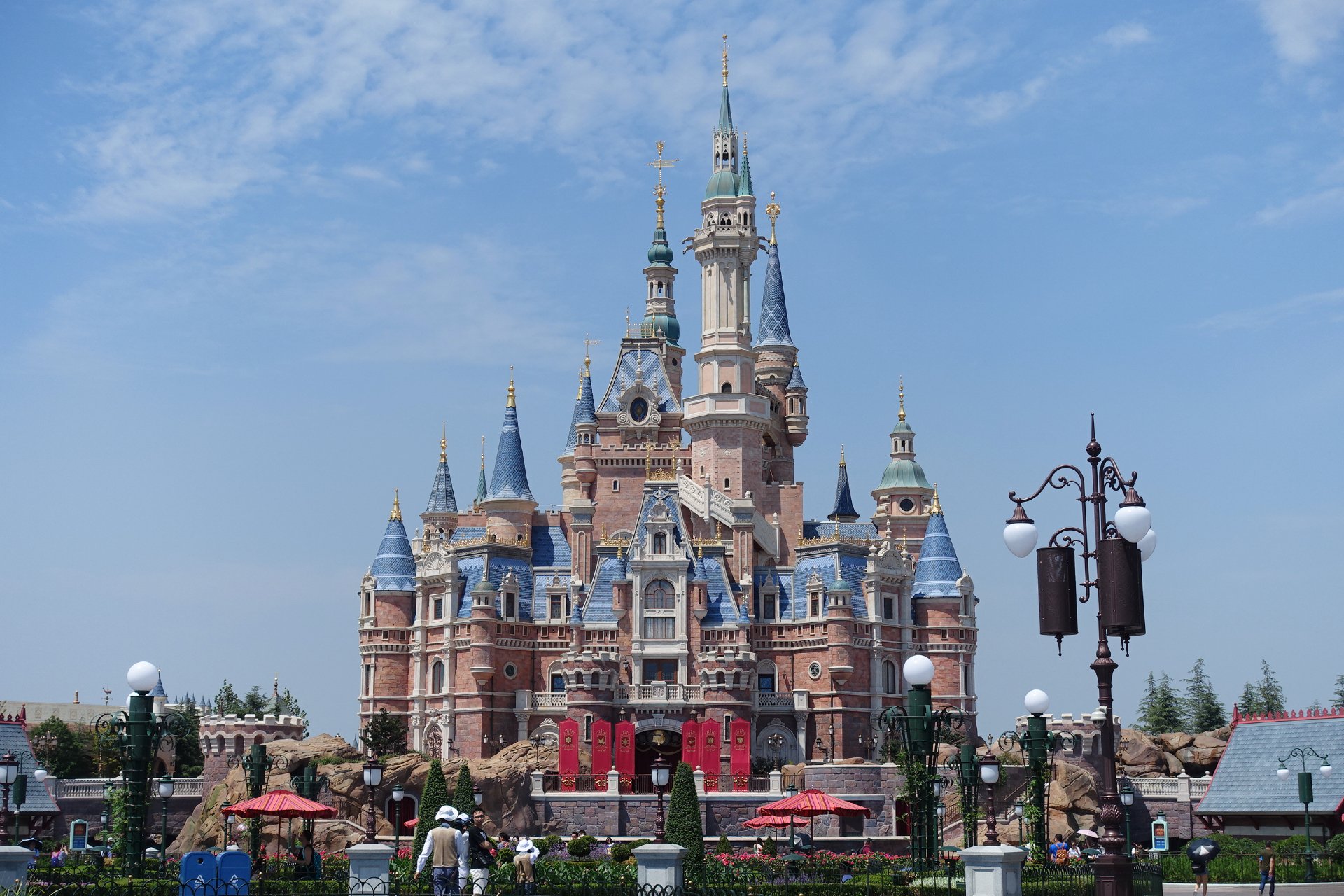
The Enchanted Storybook Castle at the centre of the park is roughly twice the height of the Cinderella Castle in Orlando — it is a genuine spectacle, even for adults. Opened in 2016, Shanghai Disneyland is the only Disney resort on mainland China and has several rides and shows designed specifically for this market. The standout for older children: TRON Lightcycle Power Run, a motorbike-style coaster that is among the fastest in any Disney park. For younger children, Toy Story Land has gentler rides in a colourful setting that holds their attention all afternoon.
Plan at least one full day. Two days if the children are going to want to do things twice — which they will.
 2
2
One of the largest science museums in China, and genuinely interactive rather than display-behind-glass. There is an IMAX theatre, a simulated storm, a robotics workshop, and a sprawling natural history section. The metro station is named after the museum — you come up from the escalator and you are already at the entrance. School-age children can easily spend three to four hours here without flagging. It sits beside Century Park, making it straightforward to combine both in a single day.
The building itself is worth a look — it is shaped like a nautilus shell, set into Jing'an Sculpture Park. Inside, the palaeontology galleries display full-scale dinosaur skeletons that children can walk around rather than peer at through glass, and the interactive zones are genuinely tactile. If you have already visited Jing'an Temple, this museum is less than ten minutes on foot through the park — a natural afternoon pairing. Strollers are welcome throughout.
If your itinerary already has a full day at Disneyland but the children want another theme-park experience, Haichang Ocean Park is the natural second choice. It combines a traditional amusement park with a large marine aquarium, a polar animal zone (penguins, walruses, beluga whales), and sea lion shows. It is located in Lingang on the outer edge of Pudong, not far from the Disney Resort station — so it fits naturally as the day after Disneyland without requiring a return to the city centre first.
 5
5
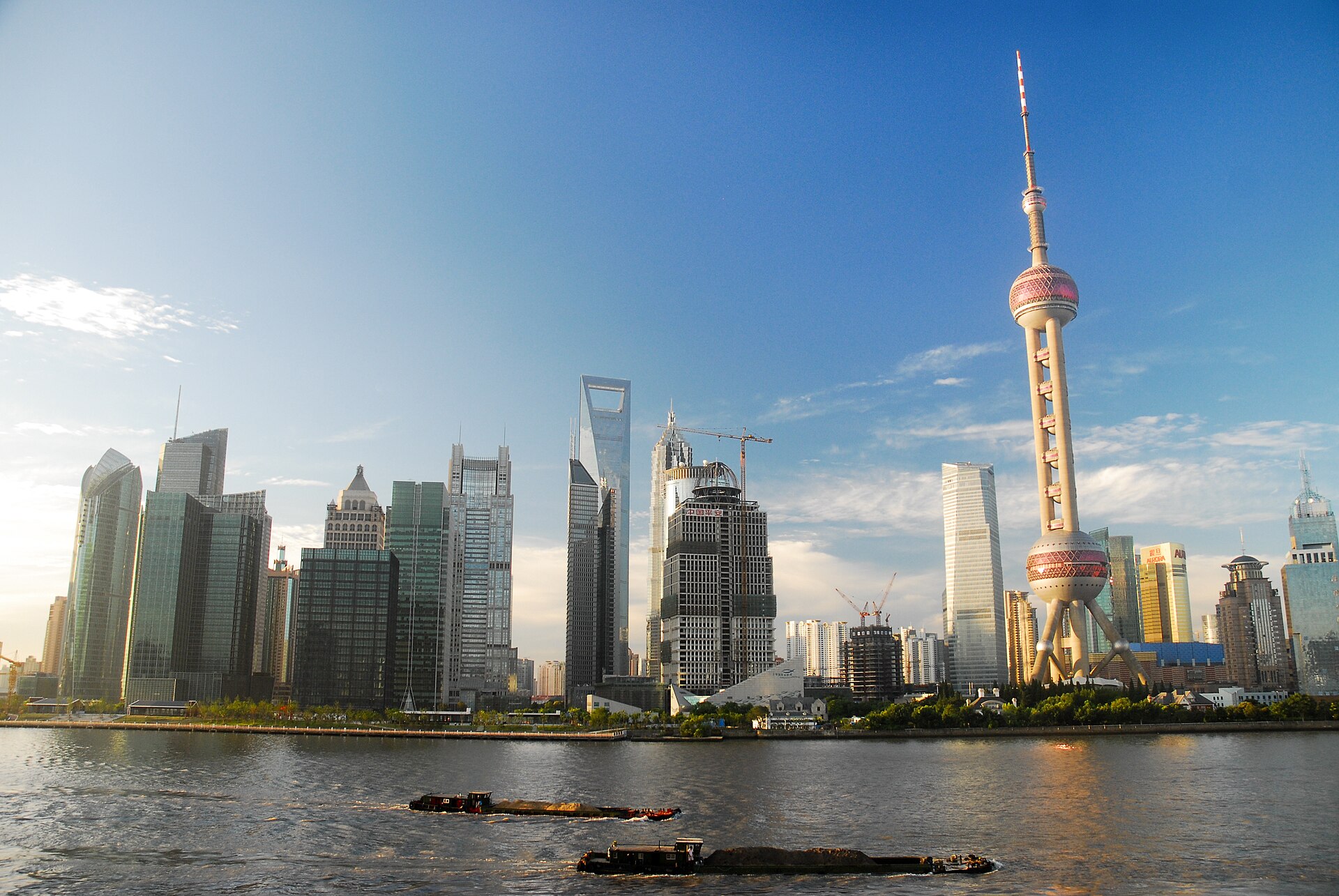
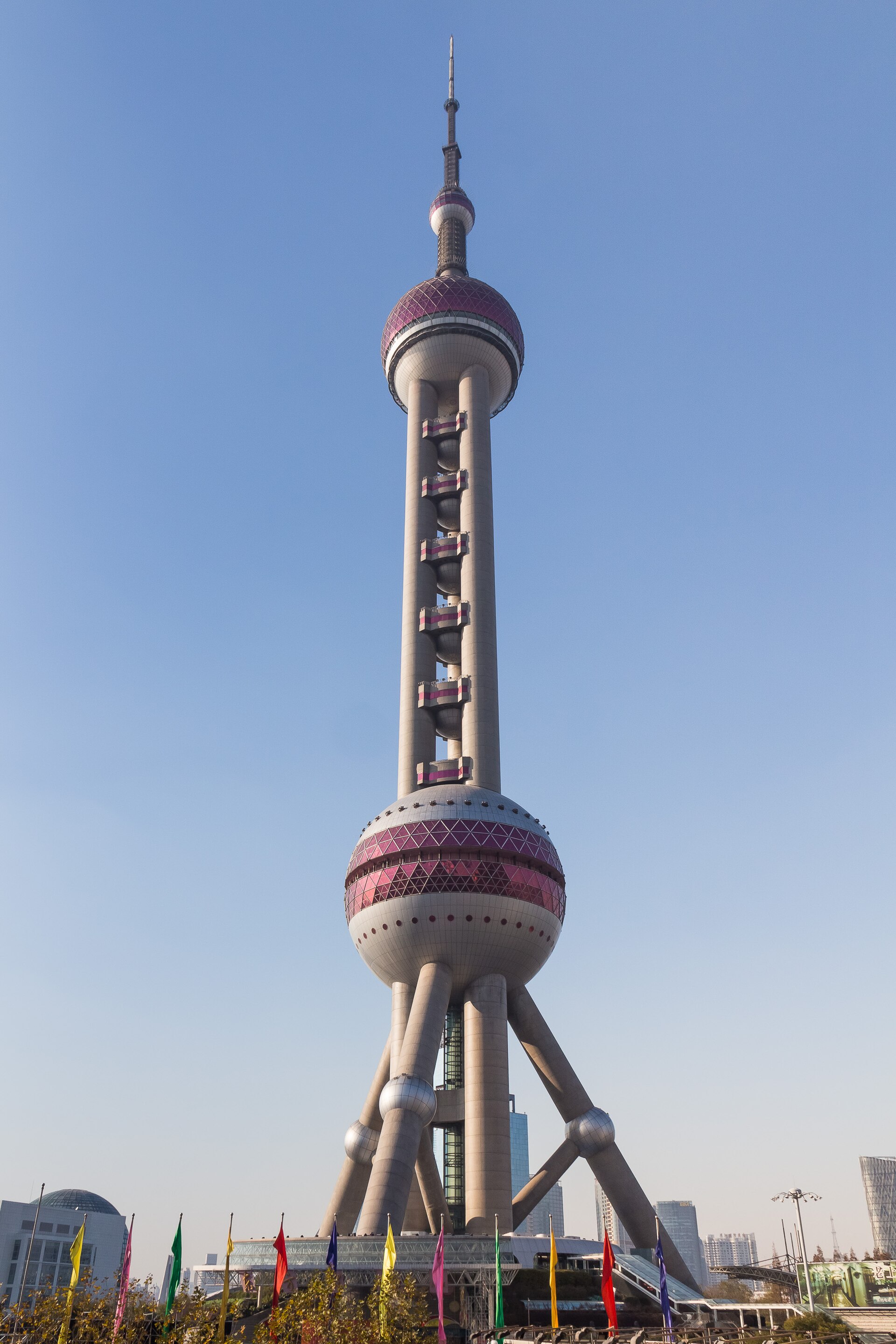
Children tend to react to the glass floor at 263 metres more viscerally than adults do — standing over a transparent panel looking straight down at the road and river below is something they will talk about for a while. Some love it, some freeze up, all of them remember it. At the base of the tower, the Shanghai History Museum recreates the city as it looked in the 1930s, with wax figures, a cobblestone street, and an old-fashioned tram. Older children find this surprisingly engaging; younger ones enjoy the general sense of theatre.
A good family trip needs at least one day with no agenda. Century Park, at 140 hectares, is built for exactly that. Hire a four-wheeled pedal bike or a paddle boat on the lake, find a patch of grass, and let the children run. It sits next to the Science and Technology Museum on Line 2, so combining both in a single day is very easy: museum in the morning, park in the afternoon. Children who have been walking museums and queuing for rides for three days will recover here.
 7
7
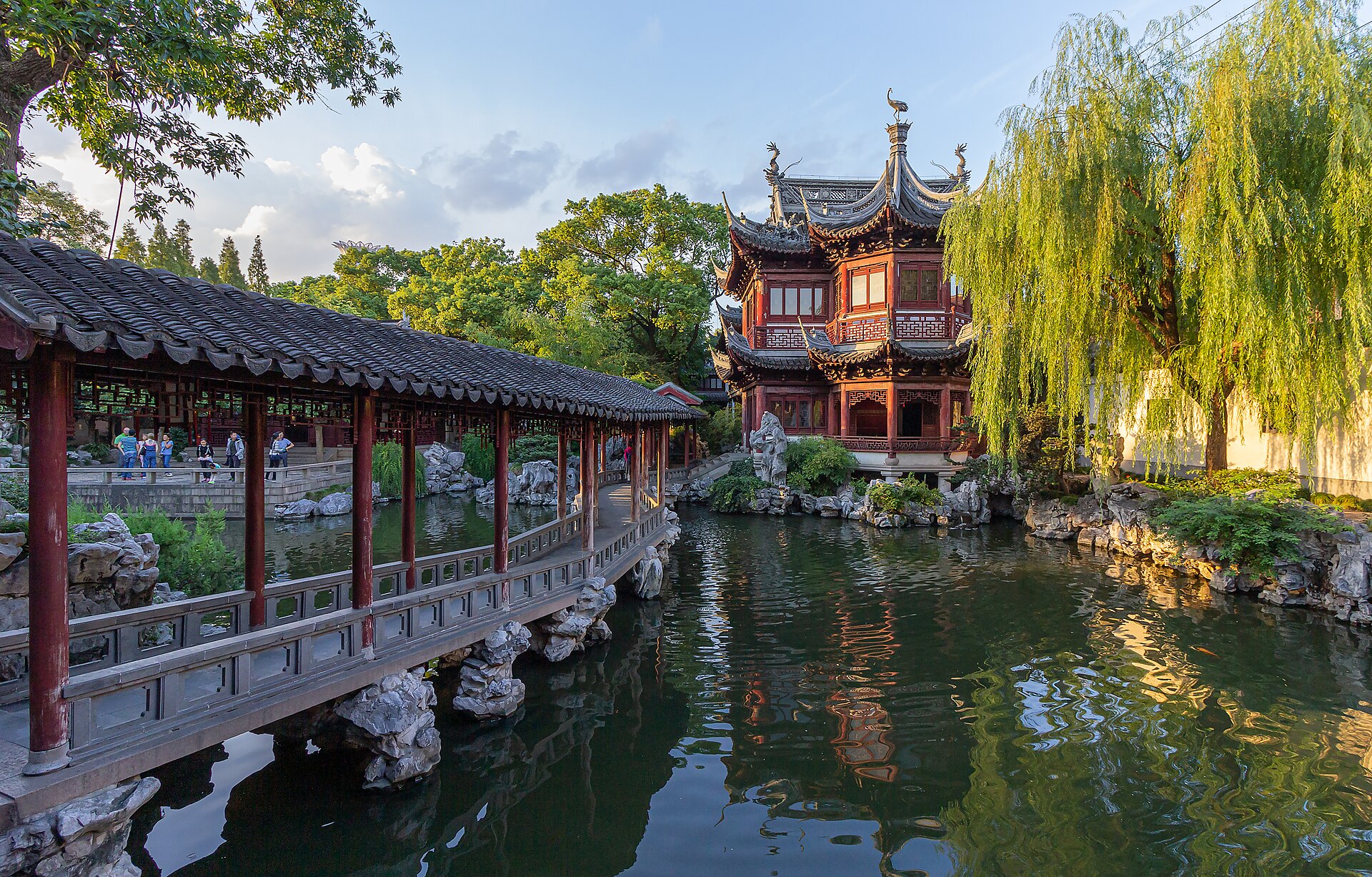
Children tend to be drawn to the dragon walls — ceramic heads mounted along the top of the garden's enclosing walls, looking like the creature is weaving in and out of the stone. The large koi pond under the red pavilion holds their attention too. The garden's winding paths make it feel larger than it is, which younger children enjoy. When you leave, the Nanxiang restaurant on the square outside has been making xiao long bao (soup dumplings) since 1900. Order a bamboo steamer — let them cool slightly before the children eat, as the broth inside is very hot.
This one sells itself entirely on the number. The magnetic levitation train between Longyang Road station (Lines 2 and 7) and Pudong International Airport reaches 430 km/h and covers the 30 km in eight minutes. Children — and most adults — immediately point their phone at the speedometer display and film the number climbing. If your family is flying into or out of Pudong Airport, take the Maglev instead of a taxi. It costs ¥50 per person (¥40 with a same-day boarding pass), and the children will almost certainly rate it as a highlight of the trip.
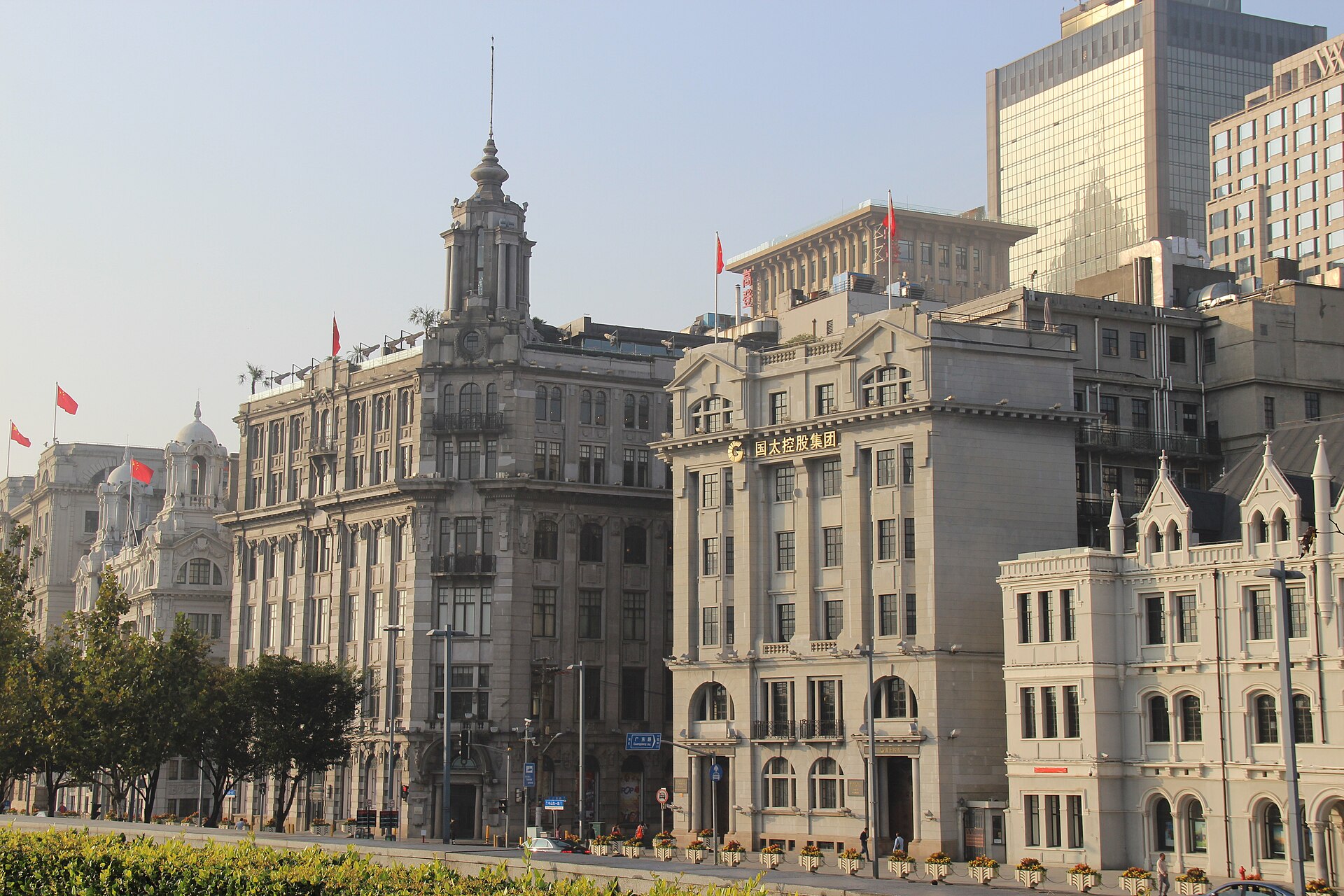 9
9
The view of the Bund and the Pudong skyline from the water is better than the view from either bank. A Huangpu River cruise runs roughly 50 to 90 minutes, sits down the whole time, and requires no walking — which is exactly what a family needs on day three or four of a full itinerary. The evening departure around 19:00 is the one to take: the colonial buildings on the Bund side are lit gold, the Pudong towers are illuminated in white and blue, and the water catches all of it. Main boarding point is near the Bund; secondary pier near Nanpu Bridge (Line 4).
Shanghai Zoo sits on the western edge of the city near Hongqiao, 74 hectares with giant pandas, rhinos, giraffes and a dedicated children's area. Take it if you are staying in the Jing'an or Hongqiao area and want a half-day option close by. Shanghai Wild Animal Park is out in Pudong on Metro Line 16, and adds a drive-through safari section where vehicles pass among free-roaming animals — older children often prefer this format. There is no need to visit both; pick based on where you are sleeping.