11 things to eat before you leave Shanghai
Ranked by how irreplaceably Shanghainese they are — dishes you won't find done quite like this anywhere else.
 1
1
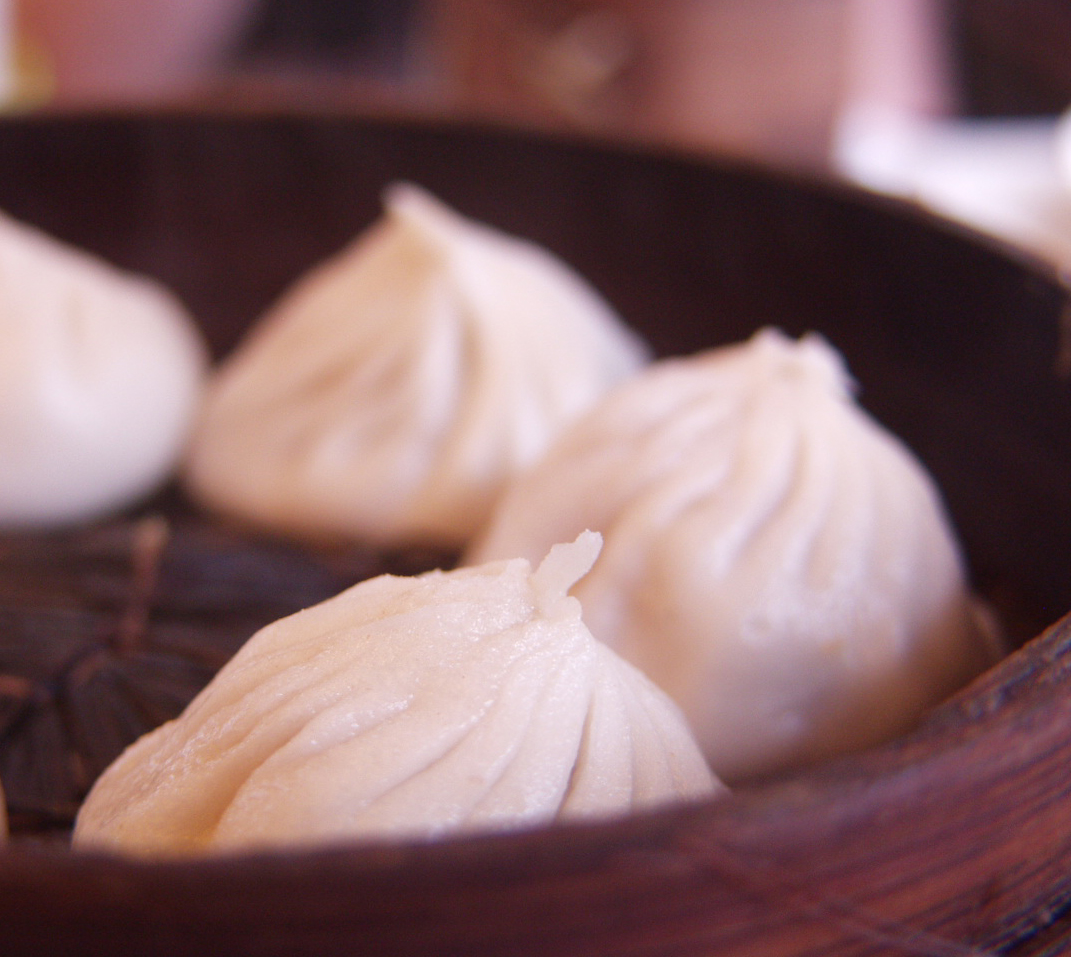
The wrapper is thinner than a business card. Inside, a meatball floats in hot pork broth that was set solid as gelatin before steaming. The correct technique: bite a small hole in the side, wait ten seconds, sip the broth, then eat the whole thing. Skip that step and the scalding soup hits your shirt. Good XLB are pleated with at least 18 folds. Jia Jia Tang Bao on Huanghe Road has been doing this since 1986 and still draws a queue every morning.
 2
2
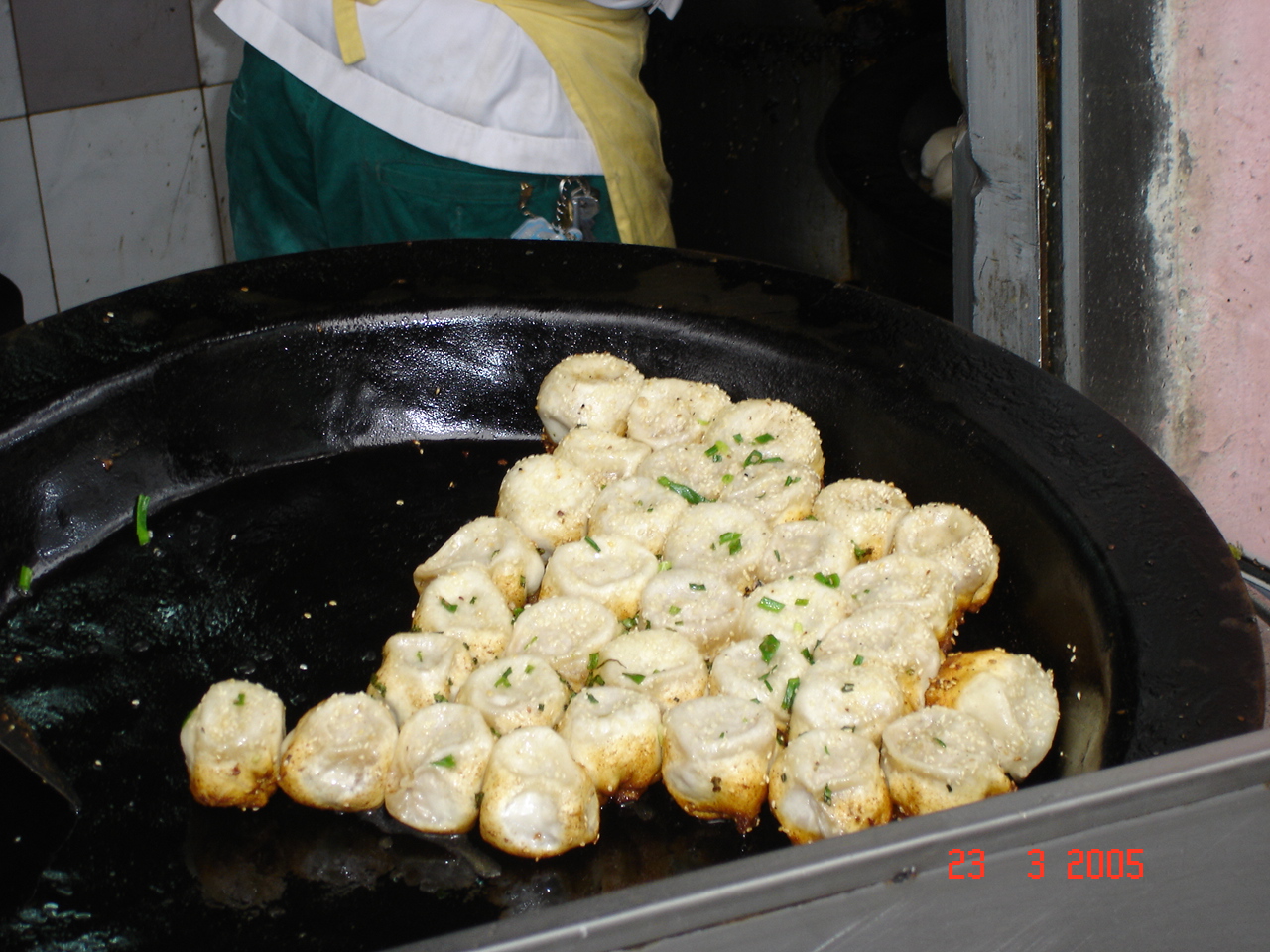
If xiaolongbao is poetry, shengjian bao is rock and roll. The same pork-and-soup filling, but packed into a larger dough ball, then fried in a massive flat-bottomed wok until the base is audibly crunchy and the top stays pillowy. White sesame and chopped spring onion on top. When you bite in, the soup bursts. At Yang's Dumplings, four pieces cost ¥13 — the best fourteen minutes of eating in Shanghai, standing on the pavement with a wax-paper bag.
 3
3
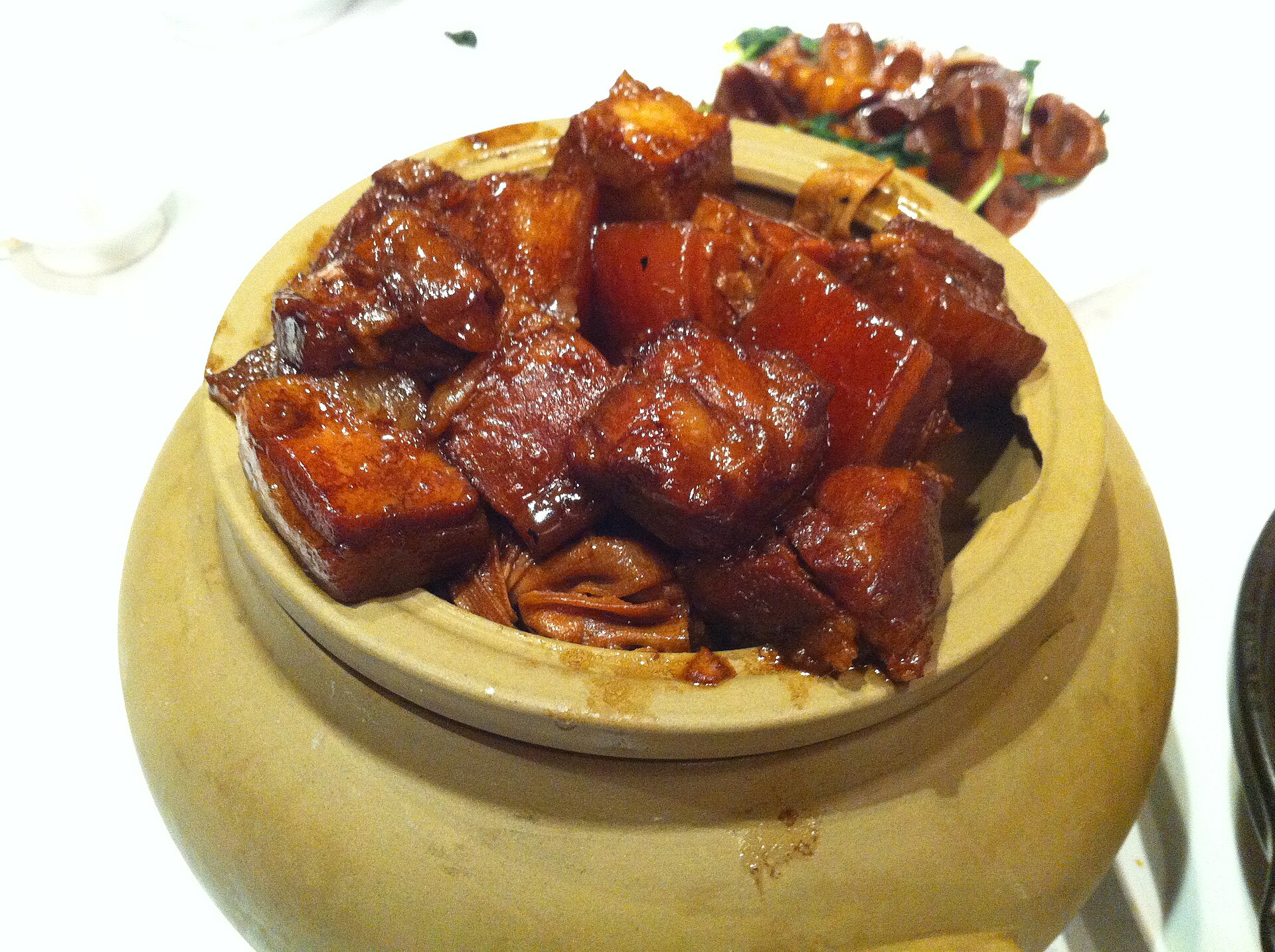
Pork belly braised for four hours in soy sauce, Shaoxing rice wine, rock sugar and aromatics until the fat melts into translucent silk and the skin trembles on the chopstick. The glaze is a deep mahogany-red that stains the white rice underneath. This is the taste that Shanghainese people mean when they say "home cooking." Old Jesse on Tianping Road makes arguably the definitive version: a single portion, glossy, trembling, profoundly flavoured.
 4
4
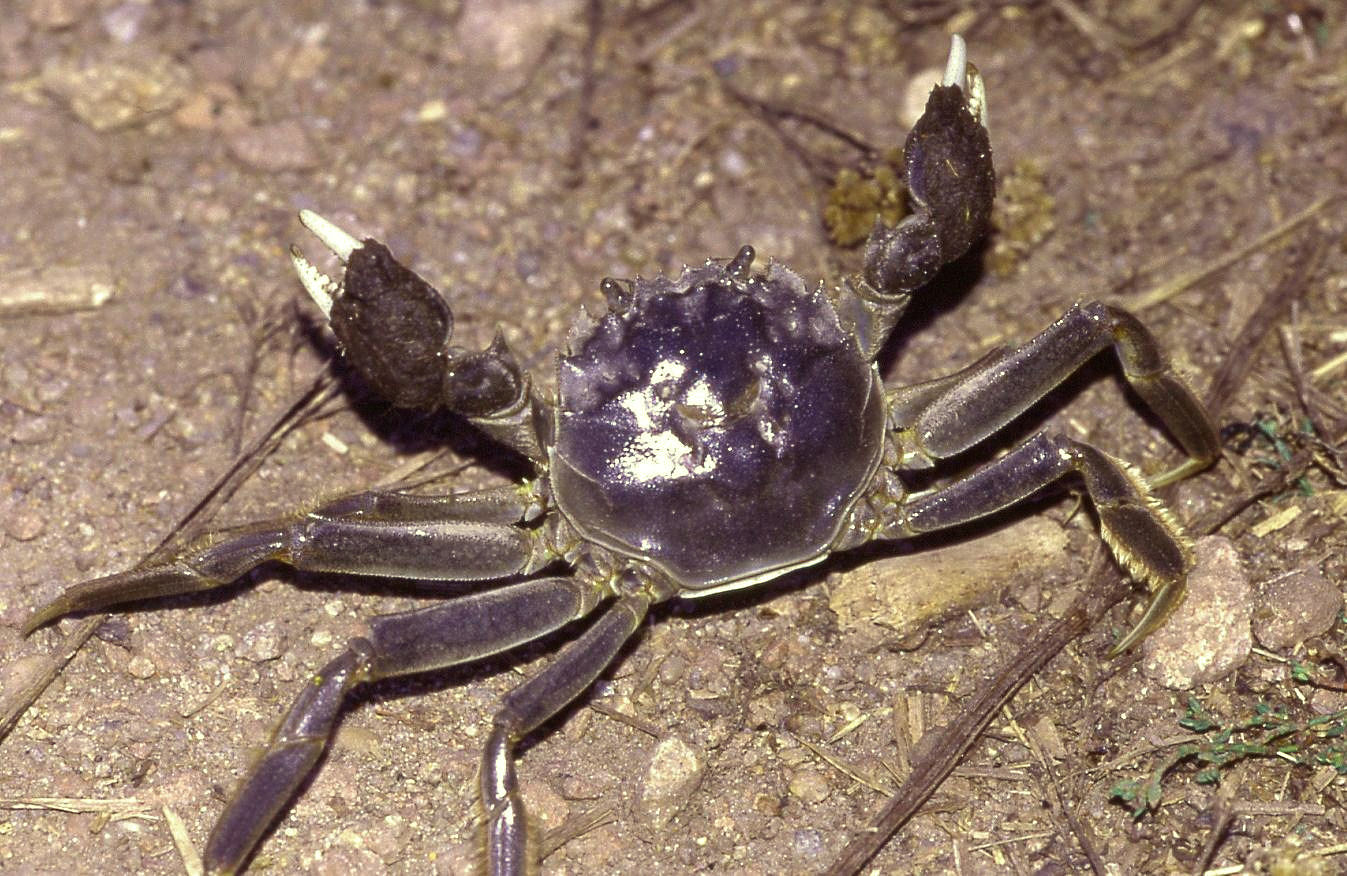
Shanghai goes quietly mad for these each autumn. Female crabs from Yangcheng Lake — carrying bright orange roe, sweet and almost custard-like — are best in September and October. Males, prized for their rich, milky milt, peak in October and November. The traditional preparation is dead-simple: steamed, eaten with black Zhenjiang vinegar and pickled ginger. The flavour is sweet, clean, intensely crabby. Outside this eight-week window, honest restaurants won't have them.
 5
5
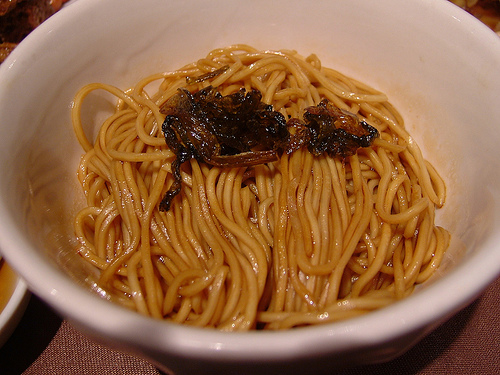
Nothing to look at — plain yellow noodles in a bowl, topped with what looks like a small puddle of dark oil and some dried shrimp. The first bite reframes your understanding of what noodles can taste like. The oil has been slow-rendered with spring onion until the scallion caramelises and perfumes the fat; soy sauce and sugar go in at the end. Every strand is coated. This is what Shanghainese people eat when nothing else will do. A bowl costs ¥10–18. Worth every moment.
 6
6
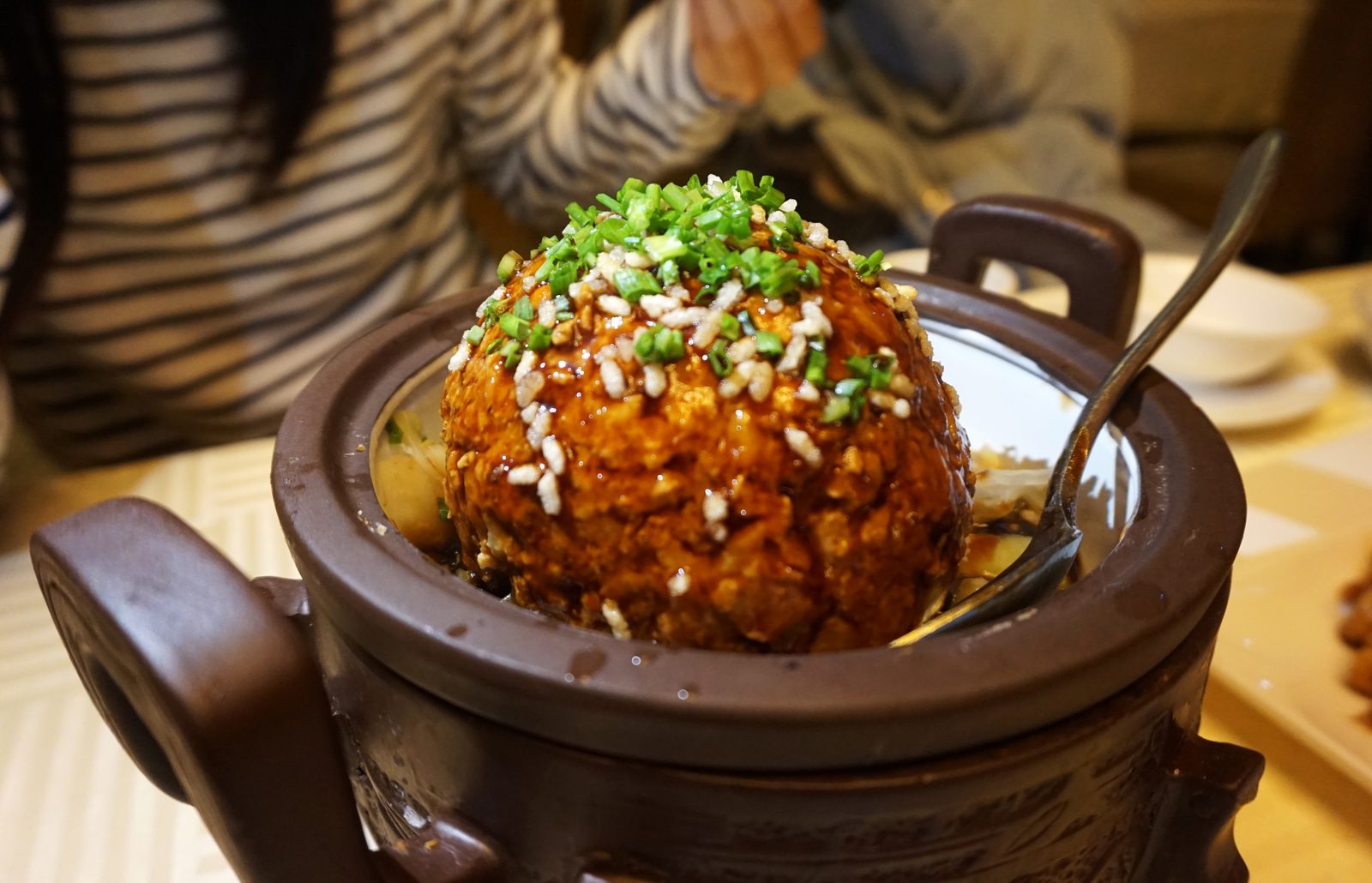
A meatball the size of a fist, made from coarsely minced pork belly — never too fine, so the texture stays yielding without being dense. The name comes from the shaggy edges that supposedly resemble a lion's mane. It comes two ways: red-braised (红烧) in soy and rock sugar, or the white version (清炖) steamed in clear broth with Napa cabbage. The white version is the more delicate choice, letting the sweetness of the pork speak entirely for itself. Both arrive in the clay pot they were cooked in.
The name is a red herring (no pun intended): xun yu is not smoked. Slices of carp or herring are marinated, deep-fried until crackling crisp, then immediately plunged into a warm bath of soy, sugar, Shaoxing wine and five-spice. The sauce clings as it cools, creating a lacquered sweet-savoury coating over a still-crunchy fish. Served cold as a cold appetiser, it's one of those Shanghai dishes that visitors often overlook — then keep ordering through the rest of the meal. A fixture at morning markets sold by weight for centuries.
The Shanghai version of sweet-and-sour bears no resemblance to the fluorescent red sauce you may know from Cantonese takeaways. Here the sweetness comes from rock sugar, the sour from aged Zhenjiang black vinegar — a deeper, more complex acidity with a faint maltiness. The ribs are fried first for texture, then braised until the meat eases from the bone. The sauce is a deep amber, glossy and clingy. Order it at any classic Shanghainese restaurant and you'll understand why this is the dish families make on weekends.
 9
9
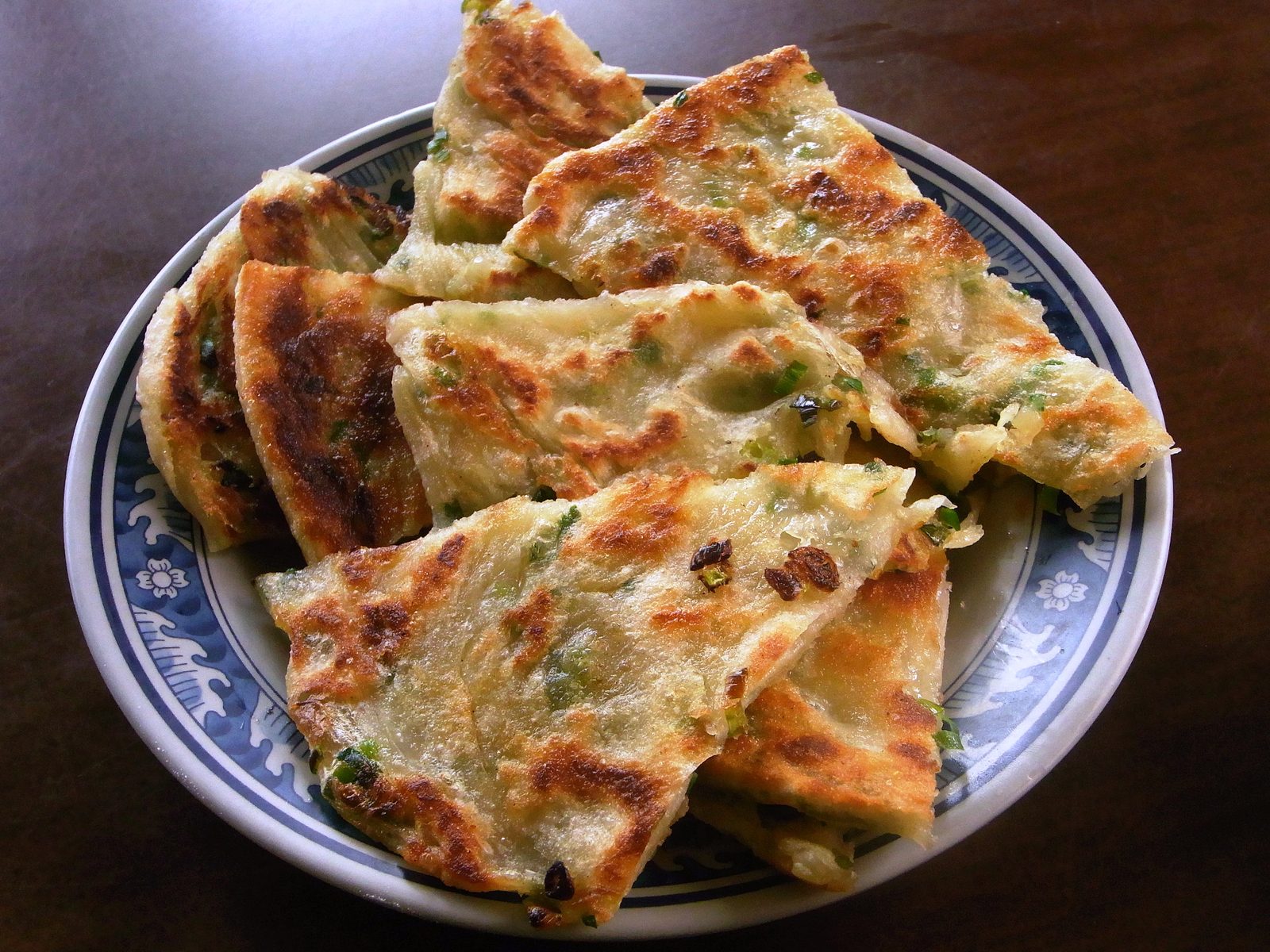
Dough laminated with scallion oil and lard, rolled many times to create distinct layers, then pressed onto a flat griddle until both sides are golden and audibly crisp. The outer surface shatters; the inside layers stay soft and fragrant with spring onion. This has been a Shanghai street breakfast since before anyone can remember — vendors start at 5.30 am and often sell out by mid-morning. Eat it warm, torn and dipped into warm soy milk (doujiang), and you will understand something true about this city.
Xie fen — crab roe and crab meat from hairy crabs, stir-fried with ginger and black vinegar — is what Shanghainese cooks do when they want to make something feel important. It turns up as a filling in xiaolongbao (crab XLB costs twice as much, and it's worth it), spooned over silken tofu, folded into fried rice, or stirred into a bowl of noodles. The flavour is sweet, intensely marine and slightly nutty — nothing quite like it. Unlike the whole crabs, xie fen preparations are available year-round at good restaurants.
Shanghai's breakfast culture is worth setting an alarm for. The classic combination: da bing (大饼, a thin unleavened flatbread) + you tiao (油条, a fried dough stick, crisp outside, airy inside) + doujiang (豆浆, warm soy milk, salty or sweet). Total cost: under ¥10. The alternative is ci fan tuan (粢饭团) — glutinous rice packed around a crushed you tiao, pickled vegetables and dried pork floss, then rolled tight and eaten on the move. Grab one from a street cart and walk. This is the city before the city wakes up.