If Gulangyu is the classic car-free island and Zhongshan Road is the old-town shopping street, Xiamen's south coast is where the young crowd goes — the campus often called China's most beautiful, a millennium-old temple, an arty village that smells of street food all night, and a seafront cycle lane breezy from dawn to dusk.
Plenty of people come to Xiamen and pour all their time into Gulangyu, forgetting the big island has its own gems. If you want Xiamen at its most youthful, head down to the south coast of the island — the stretch lined up along Huandao Road (环岛路), from Xiamen University and Nanputuo Temple down past Baicheng Beach, Zengcuo'an village and Huangcuo Beach to Hulishan Fortress. This is a seaside university town: students, cafés, sea breeze and food filling every lane.
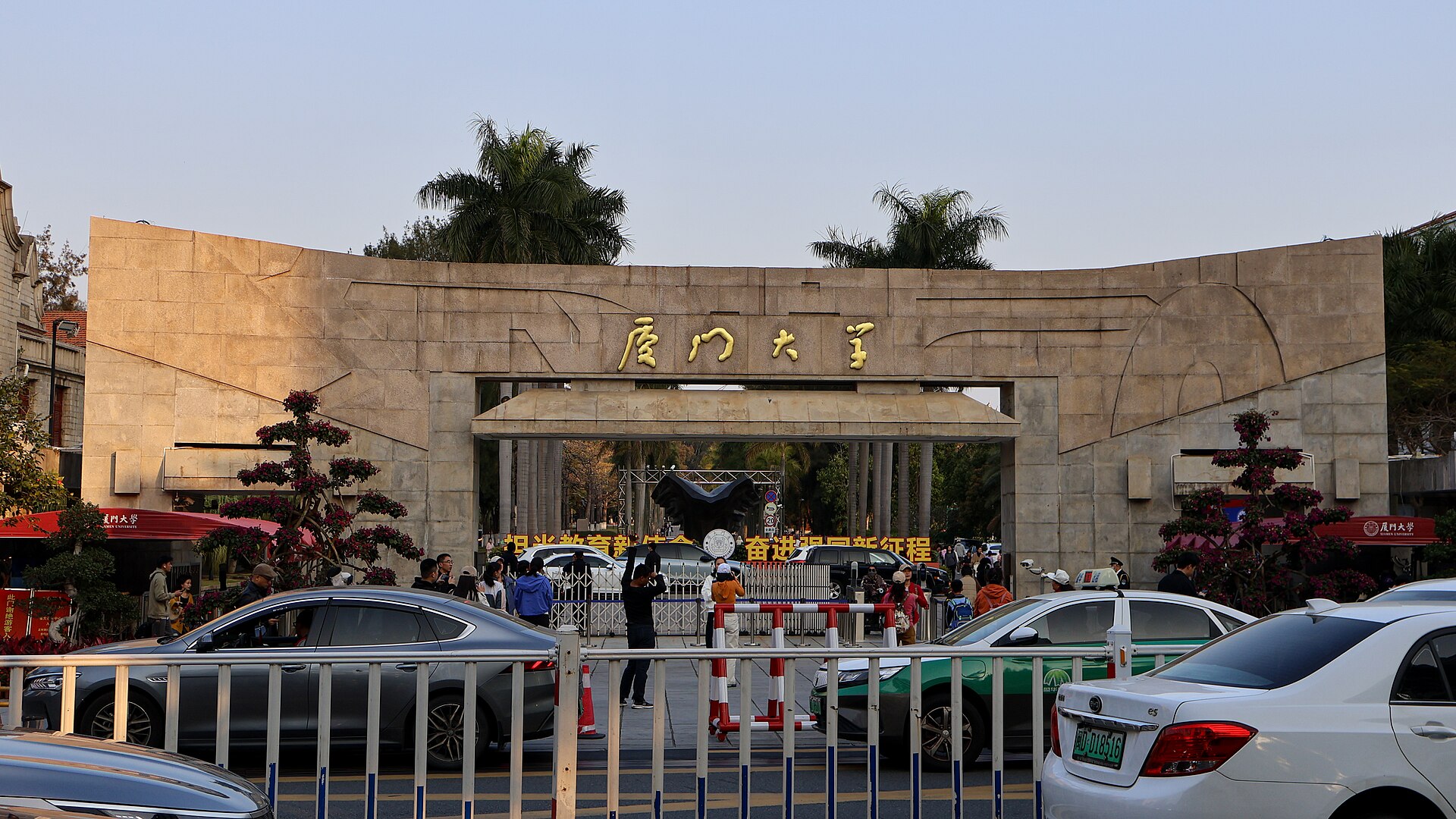
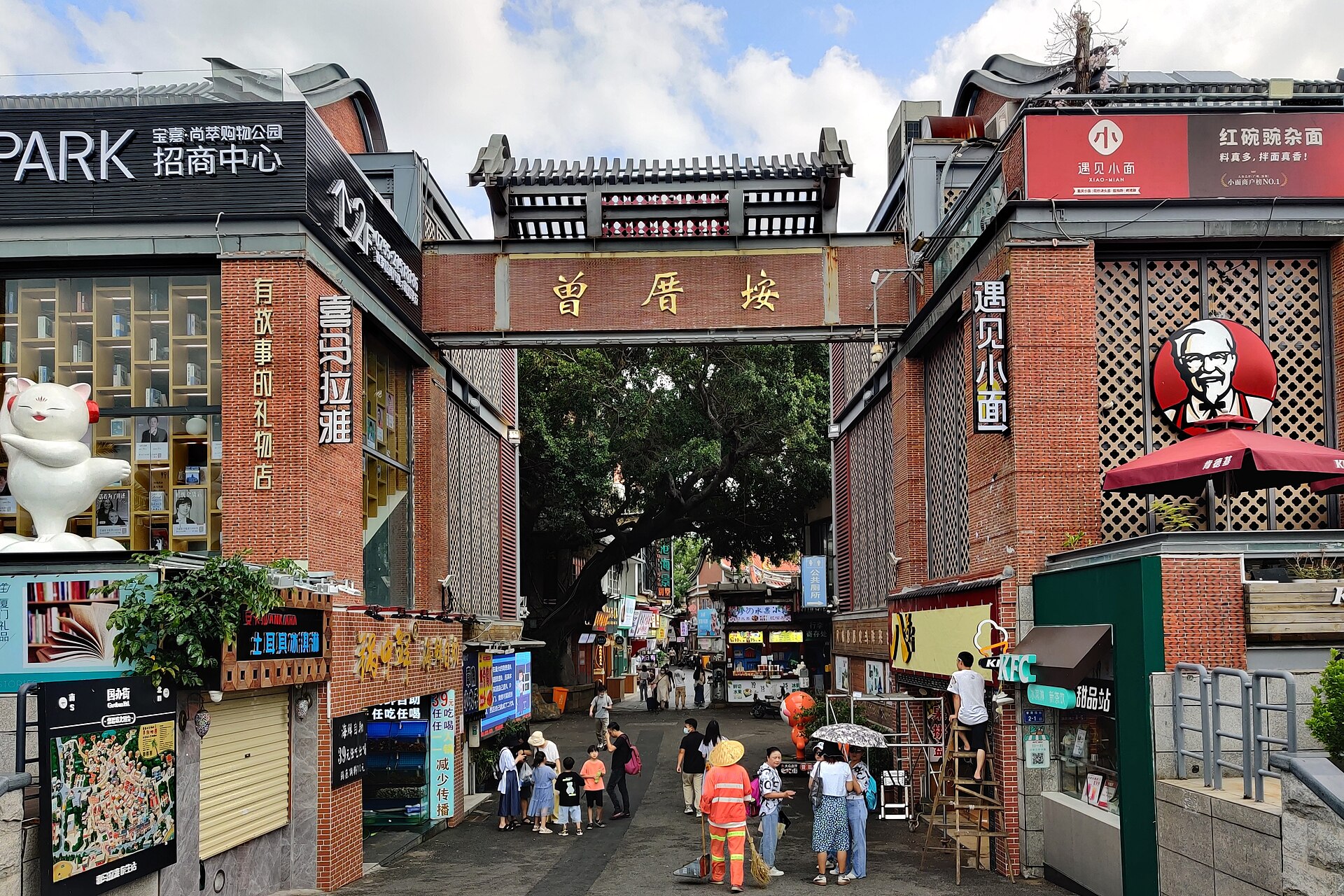
The area has two hearts. The first is Xiamen University (厦门大学), famous as the most beautiful campus in China — Nanyang-style buildings with red-tiled roofs, a lake, and the Furong Tunnel, its walls covered in students' paintings. Right next to it is Nanputuo Temple (南普陀寺), an ancient Buddhist temple set against a hill facing the sea. The second is Zengcuo'an (曾厝垵), a fishing village more than 800 years old that has turned into an arty village full of lanes, street-art walls, guesthouses, cafés and the liveliest street-food stalls after dark.
Picture this — an area where you pay your respects at a temple and walk a seaside campus in the morning, cycle the seafront mid-morning, sit in a café in an old lane in the afternoon, then eat your way down a street-food lane until you're full at night. The south coast does all of it within walking distance and a few bus stops. That's why we love steering young travellers, beach-lovers and budget travellers here — laid-back coastal days without paying a premium.
The south coast feels like a seaside university town — students on bikes, old lanes packed with cafés and street art, and a sea breeze that never stops. It is Xiamen at its youngest and friendliest.
The charm here is that it packs a whole day's rhythm into a single stretch of coast. In the morning you pay your respects at Nanputuo, then walk into the seaside campus; mid-morning you cycle along Huandao Road in the breeze; in the afternoon you slip into Zengcuo'an's lanes for a café and a photo of the art walls; and at night you walk the night market and eat street food until you're full. All of it moves on coastal buses and a few minutes on foot.
This is the area for a young crowd — the Xiamen University campus so pretty it's a check-in spot, friendly-priced guesthouses in Zengcuo'an, student-priced coffee, and a buzzy nightlife where nobody dresses up. You can wander and shoot photos all day without paying much for entry.
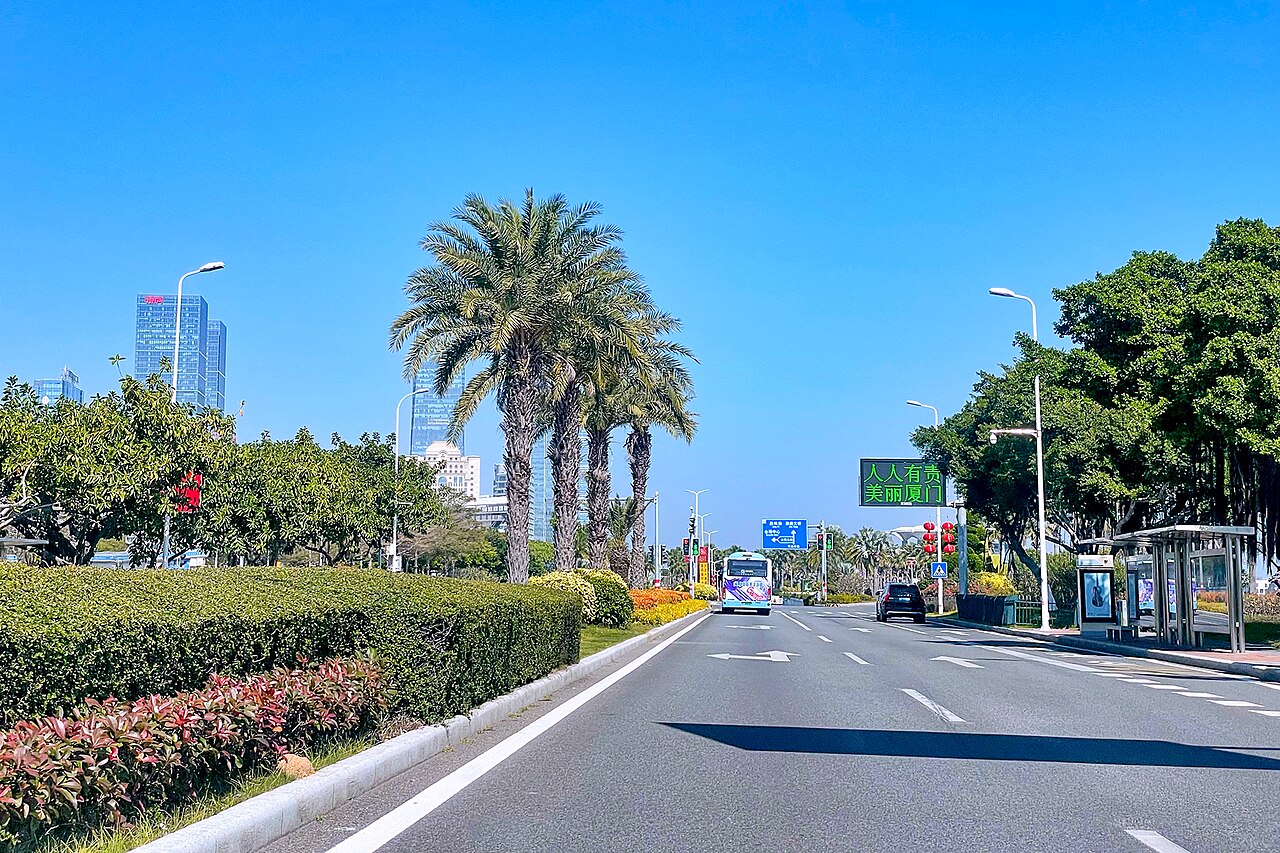
Huandao Road along the island's south coast is the playground for the outdoorsy. Rent a bike and ride the sea breeze from the campus past Zengcuo'an, stop off at Baicheng and Huangcuo beaches for a stroll and photos, and catch the late-afternoon light on the water. It's the area that makes Xiamen feel like it has real sea to breathe.
Zengcuo'an is heaven for people who like to eat as they walk — the lanes are full of sacha noodles, oyster omelette, fish balls and local sweets, alternating with stylish cafés in old houses. You can graze your way through all evening; you just need to pick your stalls a little, since this is a tourist village (more on how to choose below).
If you want to wake up close to the sea without paying resort prices, this is your area. It runs from guesthouses and hostels in Zengcuo'an up to mid-range hotels along Huandao Road such as the Seaview Resort and the Atour, all within walking distance of the beach and the food lanes — good value on both location and price.
Xiamen University is the landmark everyone comes to walk — Nanyang-style red-tiled buildings, Furong Lake, and the Furong Tunnel (芙蓉隧道), a long pedestrian tunnel whose walls are covered in students' paintings. The key thing to know is that it is free but requires advance booking through the university's reservation system (search 厦门大学访客预约系统 in WeChat and tap 参观预约). Slots open three days ahead at 8:00 / 12:00 / 16:00 Beijing time, and you must book at least one day before. Visitors enter through the New South Gate and scan in with their physical passport. During holidays the quota goes fast. Read the booking steps and photo spots in detail in our full Xiamen University guide.
Right by the campus gate is Nanputuo Temple, an ancient Buddhist temple set against the hill and facing the sea, with lotus ponds, pagodas, and the character "佛" (Buddha) carved on the cliff behind that people climb up to for a city view. It is free to enter (on some holidays you need to book a time slot in advance via the temple's official WeChat account, 1–2 days ahead). The inner gates open roughly 8:00–17:00 (no entry inside after 17:00) and the outer gates stay open until about 20:00. There is also a famous vegetarian kitchen here worth trying. Getting there: Metro Line 1 to Zhenhailu (镇海路), then a ~5-minute walk. Read more: full Nanputuo Temple guide.
A fishing village more than 800 years old, turned into what people call China's most beautiful arty village. The winding lanes are full of street-art walls, Minnan ancestral halls, guesthouses, cafés and street-food stalls. Walking into the village and out to the beach is free. The highlight is wandering the lanes for food in the evening, with the night market busiest from roughly 18:00 to 23:00. If you just want to soak up the atmosphere and grab a snack or two, 45 minutes to an hour is enough; if you plan to eat properly, give it the whole evening. See what to eat in the area: Xiamen street food.
Huandao Road runs along the island's south coast, with several stretches of sand — Baicheng Beach (白城) right by the university and easiest to reach on foot, and Huangcuo Beach (黄厝), which is wider and quieter. You can paddle in the shallows and walk and take photos for free (honestly, this is not the clear water of a southern island, so watch the waves and the high tide). What people really love is the seafront cycle lane, long and breezy, along with the sculptures by the road — lovely light and a cool breeze in the late afternoon. Read more: full Huandao Road guide.
At the end of the south coast near the university is Hulishan Fortress, a Qing-dynasty coastal gun fort that still keeps a huge German-made Krupp cannon, with periodic shows demonstrating old-style cannon firing. The view looks out to small islands and the strait. It pairs well after the campus or before Zengcuo'an. There is an entry fee; reach it by coastal bus or a short taxi ride. Read more: full Hulishan Fortress guide.
Once you've done the south coast, you can easily pair it with the rest of Xiamen the next day — cross to the car-free island of Gulangyu or shop the old town at Zhongshan Road. For an overview of everything to see, read the best things to do in Xiamen, and for trips out of town (the Fujian tulou and Quanzhou) see day trips from Xiamen.
The south coast is a fun place to eat — street food in Zengcuo'an's lanes, cafés in old houses, and the temple's vegetarian restaurant — but you do need to choose a little, since it is a tourist area.
Zengcuo'an's lanes are the most fun place to eat in the area, with everything from sacha noodles, oyster omelette (海蛎煎), fish balls (鱼丸), shrimp dumplings, mango ice and local sweets to grilled seafood skewers. Most snacks run ¥10–40 (about ฿50–200) a plate, with bigger pieces of seafood costing more. Be honest with yourself: prices here are at tourist rates (a touch higher than in town, and some stalls ride the hype more than they deliver). The trick is to pick the stalls with the longest queues, check the price board before ordering, and ask the price per gram clearly for seafood. More on what to try: Xiamen street food.
Xiamen is a sea town, so the local dishes you can't miss are oyster omelette (海蛎煎) — Zengcuo'an has several well-known stalls for it — and fresh seafood, found all over the area. There are also Minnan staples like noodle soups and old-style sweets to try. A meal runs anywhere from ¥40–200 (about ฿200–1,000), depending on whether you graze or order a full seafood table. Read about the local dishes: Minnan local snacks and Xiamen seafood.
Between the food lanes, Zengcuo'an hides plenty of cafés in old Minnan houses, many with a balcony or rooftop looking out to sea — a good place to rest your legs over a coffee after an afternoon of walking. Coffee usually runs ¥25–45 (about ฿125–225) a cup. It suits the afternoon before the night market gets busy, or the morning before you head into campus. See cafés across the city: Xiamen food guide.
If you want something light and a little special, Nanputuo Temple has a famous vegetarian restaurant (南普陀素菜) that makes meat-free dishes look uncannily like the meat versions, in the temple's calm setting — a good lunch after walking the campus and visiting the temple. A meal runs about ¥50–120 (about ฿250–600) a person, and it's a dining experience that's hard to find elsewhere. Read more about the temple: Nanputuo Temple guide.
This area is great value for young travellers and budget travellers — close to the sea, the campus and the food lanes, with a more relaxed feel than the city centre.
The upside of staying on the south coast is that you wake up close to the sea, the campus and the food lanes all at once. It suits anyone who wants a youthful feel and friendly prices over the bustle of the shopping districts. Getting into town is easy on Metro Line 1 (alight at Zhenhailu) plus the coastal buses. If you can't decide which area to pick, or want to compare options across the city first, read the 10 highest-rated hotels in Xiamen.
The standout options here are mid-range hotels along Huandao Road and near Zengcuo'an — Seaview Resort Xiamen, right on the seafront road near the university and within walking distance of the beach and the food lanes, and Atour on Huandao South Road / Zengcuo'an, a Chinese boutique brand with clean, tidy design and a good location. Both suit travellers who want a comfortable room at a fair price within the beach district. If your budget is tighter, there are plenty of guesthouses and hostels in Zengcuo'an's lanes.
The area stretches along the south coast, with Metro Line 1 as the spine — alight near the campus and temple, then take a coastal bus or a bike on to Zengcuo'an and the beaches. Walking around each spot is easy.
09:00 — Take Metro Line 1 to Zhenhailu, walk to Nanputuo Temple, pay your respects and climb the cliff for a city view.
10:30 — Enter Xiamen University through the New South Gate (booked ahead) and walk the seaside campus and the Furong Tunnel.
12:00 — Vegetarian lunch at the temple, or find a bite near the campus.
13:30 — Stroll Baicheng Beach right by the university for some sea breeze before heading back.
Morning–noon — Follow the half-day plan above (temple + campus + vegetarian lunch).
Afternoon — Rent a bike and ride Huandao Road from the campus past Baicheng Beach, stop at Hulishan Fortress to see the cannon, then ride on toward Huangcuo Beach.
Evening — Head into Zengcuo'an village, wander the lanes for photos of the art walls, and rest your legs over a coffee.
Night — Walk the Zengcuo'an night market and eat street food until you're full (oyster omelette, sacha noodles, seafood skewers) to close out the day.
For a fuller multi-day Xiamen plan, see the best things to do in Xiamen and the full Xiamen guide · to head out of town for a day, see day trips from Xiamen.