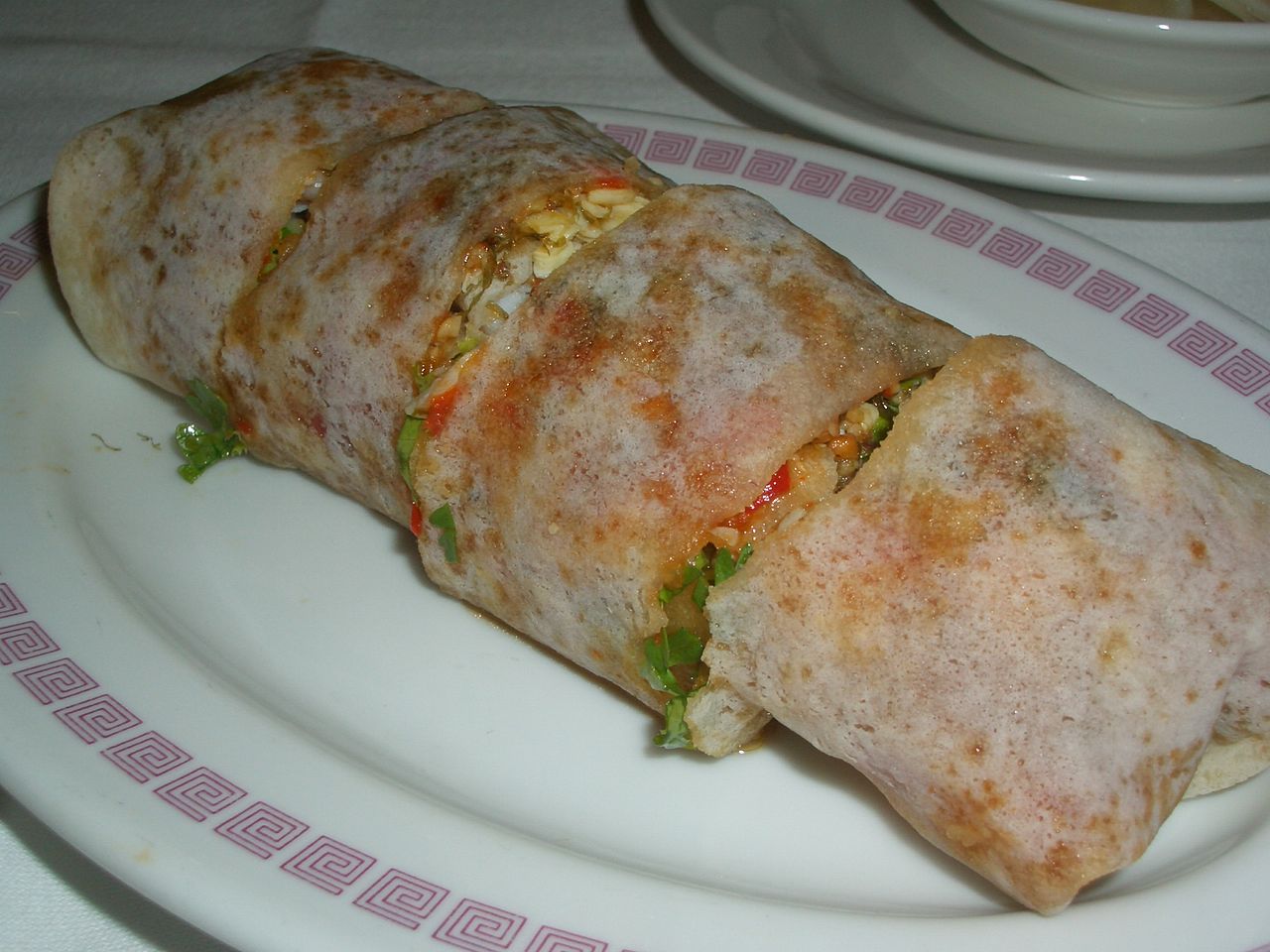
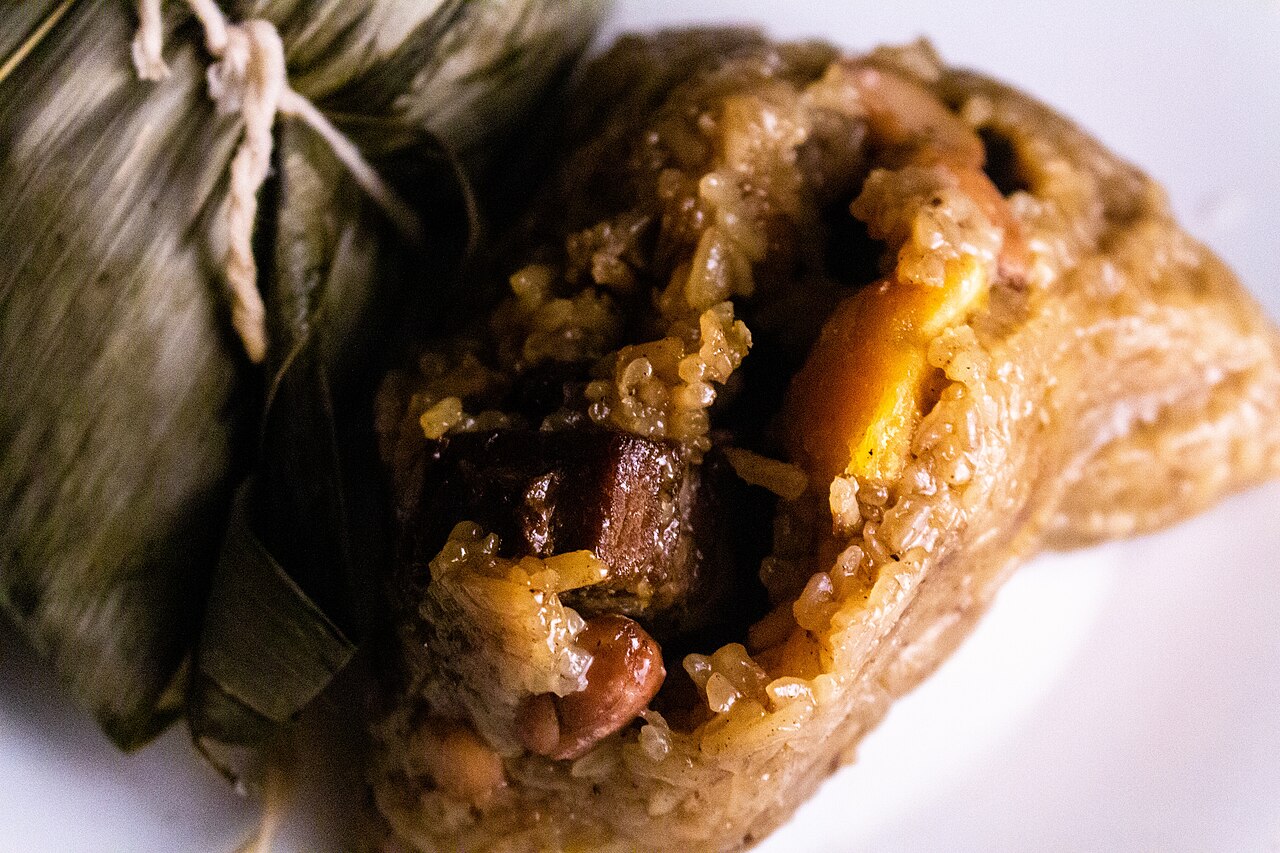
Xiamen is a city built for grazing — fresh popiah spring rolls rolled with sweet braised vegetables and ground peanuts, peanut soup simmered until it melts in the mouth, pork-and-salted-egg zongzi glossed with satay sauce, and skewers dipped in fragrant peanut shacha. The flavour here is sweet, savoury and mellow, not spicy, and you can eat one bite at a time all day.
Honestly, half the charm of Xiamen lives in the snacks down its lanes. People here graze as a way of life — wandering and eating, one bite, one stall at a time. The cooking belongs to the Minnan (闽南 / Hokkien) school: light, fresh and sweet-savoury, not the numbing málà of Chongqing or Hunan. What sets it apart is the thread of peanuts and satay sauce (沙茶 shacha) running through so many dishes. That satay flavour is a legacy of the overseas-Chinese (华侨) who came home from Southeast Asia and brought the taste back with them — which is why a lot of it feels instantly familiar to a Thai palate.
Most Xiamen snacks are cheap and not spicy, so they're easy to dive into — a few yuan a roll, a few yuan a bowl, and you can graze across many of them without spending much. The trick is eating in the right place. The good stuff at local prices is at the Bashi market (八市) and the lanes around Zhongshan Road in the old town, while Gulangyu island and Zengcuo'an are tourist streets where prices climb and some shops sell to crowds rather than to taste. We picked the 8 snacks and sweets that tell the story of Xiamen's grazing culture best — and tell you where to eat them and what they cost so you don't pay tourist prices.
From the fresh spring roll that's the face of the city, to the satay skewers you can smell from down the lane.
1
This is the face of Xiamen snacking — a fresh spring roll that's never fried. A thin, soft, chewy skin wraps a filling of braised vegetables — carrot, bamboo shoot, bean sprout and cabbage stewed until soft and sweet — then it's showered with ground peanuts, crisp fried seaweed, shredded egg and fried bits before being rolled into a plump log. Each bite gives you the soft sweetness of the vegetables, the rich fragrance of peanut and the crunch of seaweed all at once. Locals have eaten popiah for generations, especially around the Qingming festival, but you'll find it year-round in markets and food lanes now. Mellow and sweet-savoury, it's easy going for anyone who doesn't eat spicy.
A warm dessert Xiamen locals eat from breakfast onward — peanuts simmered until they're meltingly soft in a clear, lightly sweet broth that never cloys. The legendary house is Huang Zehe (黄则和) on Zhongshan Road, open since 1945. Locals order it with a crisp fried dough stick, or crack a raw egg into the hot bowl so it poaches in the soup, turning it into a light meal or dessert that's gentle on the stomach. Old shops like this run on coupons — you buy first and collect at the counter. It's very cheap and an easy stop while you walk Zhongshan Road.
3
Minnan zongzi done the Xiamen way — sticky rice stir-fried with a savoury sauce until fragrant, then packed tight with marinated pork belly, shiitake, chestnut, dried shrimp and salted egg yolk and wrapped in bamboo leaves to steam until the rice is soft, chewy and soaked through with flavour. The "shao" (烧) means it's served hot, and when it lands you spoon over a special sauce blending peanut, satay and sweet chilli to lift it. This is a richer, more loaded zongzi than most — one is genuinely filling. A heavier snack, but worth every bite.
A Minnan deep-fried favourite you'll want the moment you see it — minced pork mixed with onion, water chestnut and five-spice (五香), wrapped in a thin bean-curd skin into long rolls and fried until the surface is golden and crisp while the inside stays soft and juicy. They're snipped into bite-sized lengths and served with a sweet dip or satay sauce to cut the richness, sometimes with pickled radish and fresh veg alongside. Each piece gives you crunch outside, tenderness inside, and that warm five-spice fragrance. A moreish savoury snack that's perfect to share.
A seaside city is bound to do good fish balls — Minnan fish balls are made from fresh fish pounded until springy, and the prized version is filled with minced pork in the centre, so you bite through a bouncy shell into a juicy pork core. They're served in a clear broth with celery, scallion and white pepper, light and easy on the stomach. Xiamen and Fuzhou fish balls are cousins, and every shop has its own filling and bounce. This is the watery, palate-cleansing snack that balances out all the fried things — and another one that suits people who don't eat spicy.
The famous edible souvenir from Gulangyu island — thin, flaky pastry around a dense filling. The classic is sweet mung-bean paste, smooth and gently sweet, while the savoury kind has a sweet-salty meat filling that's rich and fragrant. The pastry is buttery and crumbles in the mouth. People buy them by the box to take home. Honestly, on Gulangyu itself the prices are high and a lot of it is tourist-facing branding — so if you want the original taste at a fair price, look for old pie shops back in the mainland old town instead. Better value and the flavour holds up.
A chewy sweet made fresh in front of you — glutinous rice pounded until soft and stretchy, pinched into bite-sized pieces and rolled in ground peanuts mixed with sugar and toasted sesame. Each piece is chewy, soft, sweet and nutty in just the right balance. It's an old Minnan snack, and stalls often pound the dough and coat it right there so you can see it's fresh — some keep it cold in a case, others serve it warm and softer. It costs only a few yuan, a light way to finish your grazing that kids and chewy-texture lovers go for. You'll find it across the old town and on Gulangyu too (though prices run higher on the island).
The heart of Xiamen flavour is satay sauce (沙茶 shacha) — a peanut sauce with spices and dried shrimp, the taste the overseas-Chinese brought back from Southeast Asia. Locals use it as a dip for skewers of fish balls, tofu, vegetables, offal and seafood. The popular way is to blanch your skewers in a shared broth, then dip them in the thick shacha; some are grilled and brushed with it instead. The flavour is nutty, sweet-savoury and gently spiced — something a Thai palate clicks with at once. You pick what you fancy, eat by the skewer and pay by the stick. A fun evening graze you'll lose count of.
Snacks are only part of it — Xiamen also has its legendary satay noodles, oyster omelette and food markets waiting to be walked.
The best and best-value Xiamen snacks are in the old town — know what each area does well, and which ones are tourist-priced.
This is the most authentic place to eat snacks in Xiamen — a wet market where locals actually shop and eat. The streets around it are full of stalls doing popiah, five-spice rolls, fish balls and grilled seafood at genuine local prices, because the main customers are Xiamen residents. Mornings to early afternoon are when everything is freshest and busiest. Follow the stalls with the biggest local crowds and you'll rarely go wrong.
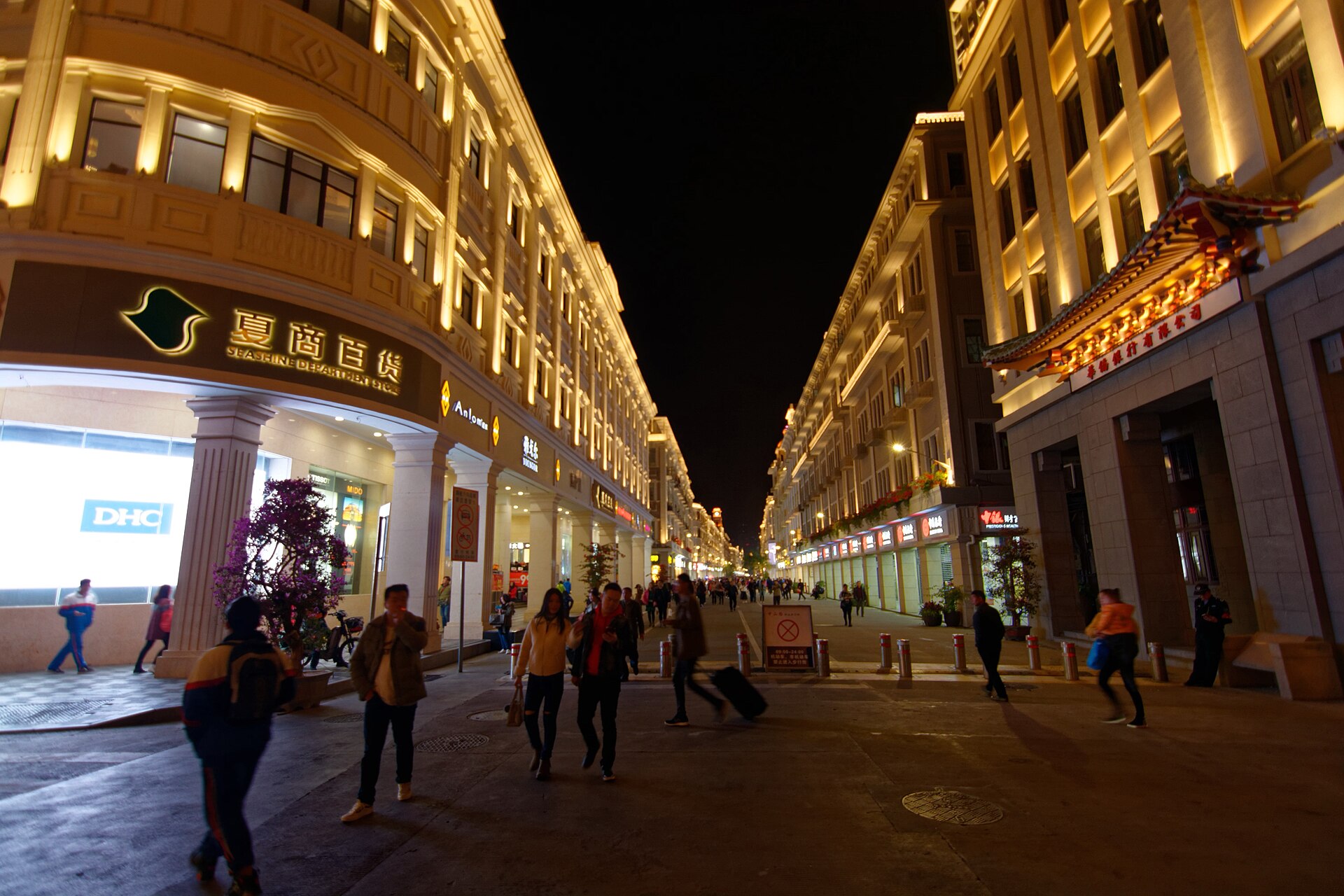
The old town's main pedestrian street, lined with colonnaded heritage buildings — home to the legendary Huang Zehe (黄则和) peanut-soup house, with snack lanes branching off it. The main drag is touristy, but turn into the small side lanes and you'll find old shops where locals genuinely eat. The plus is you can graze across many things in one loop, and it's a short walk from the Bashi market.
An old fishing harbour reborn as a hip, arty quarter — a mix of cafés, bars and snack stalls in a photogenic waterside setting. It's good for an evening stroll with a stop for satay skewers and small bites, and the atmosphere beats the usual tourist streets. Prices are middling — not as cheap as Bashi, but not wildly marked up either. A nice fit if you want both the food and the photos.
Gulangyu island and the Zengcuo'an village are the big tourist draws, lined with snacks — pies, mochi, fish balls and all sorts. They're fun and photogenic, but the prices are clearly marked up, and many shops are franchises selling to crowds rather than the original taste. Honestly, treat snacks here as a token taste — pick old shops with a real queue, and check the price before you buy. For the good stuff at fair prices, head back to the Bashi market.