Home Guangzhou China Guangzhou Hotels About
Home  ›  Asia  ›  China  ›  Guangzhou  ›  Guangzhou or Shenzhen
🇨🇳 China Travel Guide · 2026

Guangzhou or Shenzhen
Which to Visit — or Both?

An old Cantonese capital and a young tech boomtown — two neighbouring cities just half an hour apart by train.

Start here

The good news —you may not have to choose

Picture this. You're planning a trip through southern China's Guangdong province and these two names keep coming up side by side — Guangzhou, the old Cantonese capital with more than 2,200 years of history and the birthplace of dim sum, and Shenzhen, the roughly 40-year-old boomtown next to Hong Kong, packed with skyscrapers, theme parks and malls. The classic question follows: if time is tight, which one do you visit?

Here's the honest headline first — the best thing about this pair is that the two cities are extremely close. High-speed trains run from Guangzhou South to Shenzhen North in as little as 29 minutes, most around 30–55, with services all day. Which means a lot of people don't pick one over the other at all — they base themselves in Guangzhou and add Shenzhen to the same trip.

This guide lays out clearly what each city does differently — the highlights, the food, the vibe, the budget and the crowds — then helps you work out which to choose if you only have time for one, and how to plan a trip that catches both (there's a 4-5 day itinerary at the end). We write from the angle of someone based in Guangzhou — not to make you dislike Shenzhen, which has its own real draws.

Quick verdict

The short answer before the details

If you had to choose right now

You want real Cantonese food, dim sum and yum cha, heritage lanes, temples, a slower pace, and better value Pick Guangzhou — the 2,200-year-old Cantonese capital, dim sum at long-standing teahouses, Shamian Island, the Chen Clan Academy, temples and serious food, at friendlier prices.
You're travelling with kids, or you want big theme parks, shopping, electronics markets, a clean modern city and nightlife Pick Shenzhen — theme parks like Window of the World and Happy Valley, the Huaqiangbei market, brand-new malls, Dameisha beach, and a border with Hong Kong that makes the onward train easy.
Guangzhou · 广州

The Cantonese capital —dim sum, old lanes and deep food
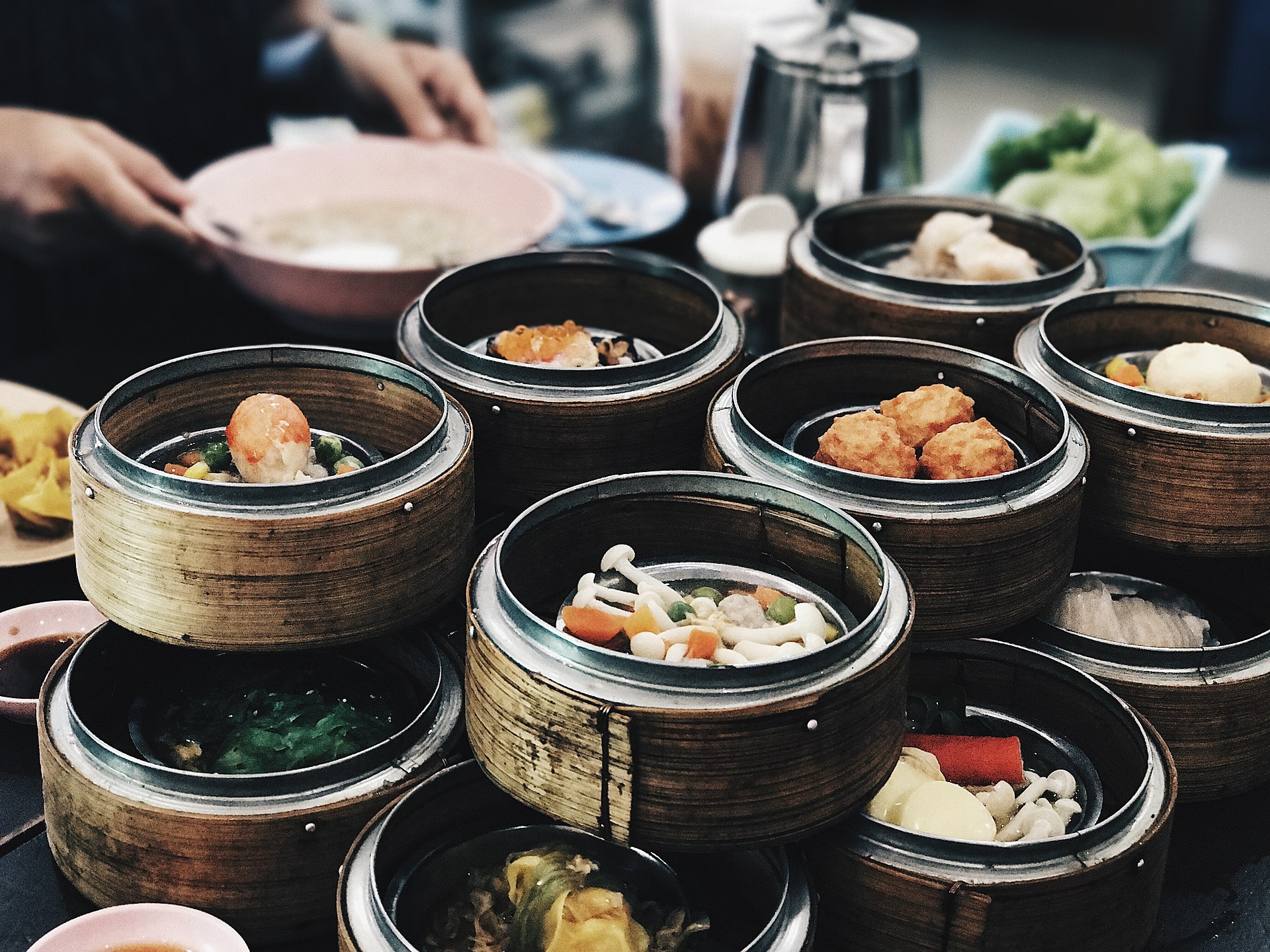
Cantonese dim sum in bamboo steamers in Guangzhou — har gow, siu mai and steamed plates at a traditional yum cha house

Guangzhou has something Shenzhen doesn't — genuinely deep Cantonese roots. The city was founded in 214 BC and has been a trading port and the Cantonese capital for over two thousand years. This is the home of dim sum and yum cha. Get up early, take a table at an old teahouse, order har gow, siu mai and barbecue-pork buns, and sip tea at a leisurely pace, the way Cantonese families have done for generations — it's the thing Guangzhou does best. More in the Guangzhou dim sum & yum cha guide.

Beyond the food, Guangzhou has plenty of old quarters to walk — Shamian Island, a small riverside island full of colonial-era European buildings and leafy lanes; the Chen Clan Academy, with its masterful wood and tile carving; and Beijing Road, the pedestrian shopping street in the heart of the old town. For modern views there's the Canton Tower and an evening Pearl River cruise.

One real advantage is value — hotels, meals, and dim sum in Guangzhou come in noticeably friendlier on the wallet than Shenzhen or Hong Kong. Add direct flights from Bangkok into Baiyun Airport (CAN), around 3 to 3.5 hours, and it's a convenient, good-value place to start a southern China trip.

Strengths · good to know
The home of dim sum & yum cha and the deepest Cantonese food
Heritage quarters — Shamian Island, the Chen Clan Academy, temples, Beijing Road
2,200 years of history — the genuine Cantonese capital
Better value — hotels and food friendlier than Shenzhen or Hong Kong
Direct flights from Bangkok into CAN — start the trip here
A slower pace — easy to walk, eat and wander the old quarters
Fewer large theme parks and attraction parks than Shenzhen
An older city — some quarters feel worn and busy
Very hot and humid in summer (Jun–Sep) with plenty of rain
During the Canton Fair, hotels are pricey and city-wide full
Don't-miss highlights · Guangzhou

The 3 things Guangzhou does best

🥟
Dim sum & yum cha at old teahouses
Cantonese original · breakfast to brunch · great value

This is the main reason people come to Guangzhou. Take a table at a long-standing teahouse, order har gow, siu mai, barbecue-pork buns and braised chicken feet, and sip tea at your own pace. A satisfying dim sum meal costs far less than in Hong Kong.

Dim sum guide →
🏝️
Shamian Island
Colonial quarter · old European buildings · free, leafy

A small island in the Pearl River, full of colonial-era European architecture, big banyan trees, and quiet streets. Lovely for a morning or evening stroll and photos — a complete contrast to the busy city just across the water.

Shamian Island guide →
🏛️
Chen Clan Academy
Masterful carving · folk-art museum

A grand 19th-century ancestral hall and academy showing off intricate Cantonese wood, stone, tile and plaster carving. Entry is around ¥10 (about ฿50), and the metro stops right outside — a must for anyone into architecture and craft.

Chen Clan Academy guide →
Shenzhen · 深圳

A young tech city —theme parks, shopping and towers

Shenzhen has something Guangzhou doesn't — a brand-new-city feel and big theme parks. Forty-odd years ago this was a small fishing settlement on the Hong Kong border; it grew into China's youngest tech-and-finance city, full of skyscrapers, start-ups, and people who moved here from all over the country. If you're travelling with kids or you want rides, the parks here deliver — Window of the World (scaled-down world landmarks), Splendid China and its folk culture villages, and Happy Valley, a full ride park that's opening five new attractions in 2026.

The other strength is shopping and tech. Huaqiangbei is the world's largest electronics market — heaven for anyone into gadgets, components and phones — backed by rows of brand-new malls and the futuristic Futian and Nanshan business districts. There's also OCT-East, a hillside-and-coast eco-resort, and Dameisha beach for an easy day by the sea.

The honest caveat is that Shenzhen doesn't have the old quarters or the deep Cantonese food that Guangzhou does — as a young migrant city, its food is hugely varied (every region of China) but its roots and old-school restaurants can't match Guangzhou's, and the cost of living and hotel prices run a little higher. Its big bonus is that it borders Hong Kong: the high-speed train into West Kowloon takes only about 15–34 minutes, which makes it perfect if you want to add Hong Kong.

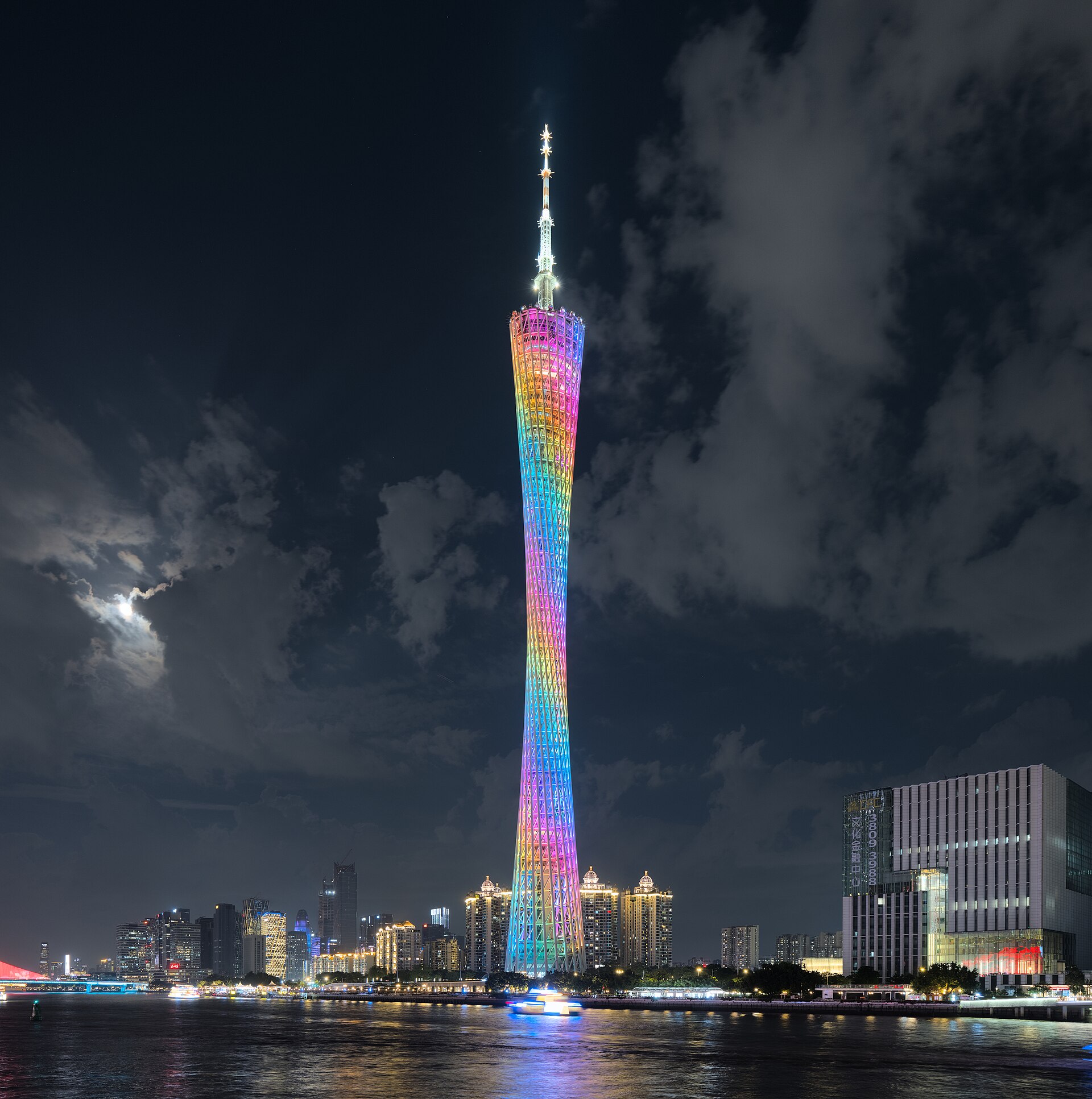
Skyscrapers and city lights at night in a southern Chinese metropolis — illustrative of a modern, high-rise city skyline (photo taken in Guangzhou, used to evoke a modern cityscape)
Strengths · good to know
Big theme parks — Window of the World, Splendid China, Happy Valley, OCT-East
Huaqiangbei — the world's largest electronics market
A new city — towers, clean, brand-new malls, lively nightlife
Varied food from across China — because it's a migrant city
Has a beach (Dameisha) and a hillside-and-coast eco-resort
Borders Hong Kong — train into West Kowloon in ~15–34 min
No old quarters or deep Cantonese food like Guangzhou's
Cost of living and hotels run a little higher than Guangzhou
A spread-out city — parks sit in different zones, plan your moves
Little history or heritage — it's only 40 years old
Don't-miss highlights · Shenzhen

The 3 things Shenzhen does best

🎡
Theme parks (Window of the World / Happy Valley)
Big rides · world landmarks · great for families

Window of the World recreates famous global landmarks at scale, while Happy Valley is a full-on ride park (five new attractions in 2026). Nearby you'll also find Splendid China and its miniature folk culture villages — easily a full day out.

📱
Huaqiangbei electronics market
World's largest electronics market · gadgets galore

A multi-building electronics empire selling everything from chips and components to phones and gadgets you won't find elsewhere. Tech lovers can wander for hours — you can haggle, just check what you're buying carefully first.

🛍️
Shopping + onward to Hong Kong
New malls · Futian/Nanshan · borders Hong Kong

Futian and Nanshan are full of brand-new malls and futuristic towers for serious shopping. And because Shenzhen borders Hong Kong, the train into West Kowloon takes only about 15–34 minutes — an easy onward leg.

Side by side

Every angle in one table

Aspect Guangzhou 广州 Shenzhen 深圳
Main draw Dim sum & Cantonese food, heritage quarters, temples Theme parks, shopping, electronics market, a new city
The image of it 2,200-year-old Cantonese capital + deep food A 40-year-old new city — towers, tech, next to Hong Kong
Size & city life A busy old city with quarters to eat and wander A clean new city, big malls, lively nightlife
Food Cantonese original — dim sum, roast meats, congee (deepest) Varied from across China — lots of modern mall dining
Getting there from Thailand Direct Bangkok → CAN, ~3–3.5 hr Direct (SZX) too, or fly into Guangzhou/Hong Kong + train
Linked to each other HSR ~29–55 min (Guangzhou South ↔ Shenzhen North) · ¥54–83 · departs every ~10 min
Onward to Hong Kong HSR to West Kowloon ~48 min On the border — train into Hong Kong ~15–34 min
Budget Better value — friendlier hotels and food A little higher — a new economic hub
Days suggested 2.5–3 days (dim sum + old quarters + river) 1.5–2 days (theme parks + shopping + Huaqiangbei)
Best for Food lovers / history / budget travellers / first-timers Families with kids / shoppers / tech fans / Hong Kong onward
How they connect

About half an hour apart by train —easy to pair

Guangzhou and Shenzhen sit on the same high-speed rail line, and Shenzhen carries on into Hong Kong, which makes moving around this southern China triangle about as easy as travel gets.

Guangzhou ↔ Shenzhen by train: the fastest trains run from Guangzhou South to Shenzhen North in just 29 minutes, with most around 30–55 minutes. Second-class tickets cost about ¥54–83 (about ฿270–415). More than 100 trains run each day, departing roughly every 10 minutes from early morning to late at night — a day trip is genuinely effortless.
Onward to Hong Kong from Shenzhen: this is Shenzhen's trump card — the high-speed train into Hong Kong's West Kowloon takes only about 15–34 minutes (from Futian or Shenzhen North), with tickets around ¥68–75. If you want to add Hong Kong, arriving via Shenzhen makes the connection simple and smooth.
How to book: reserve ahead on the Trip.com or 12306 app and board with your passport. Book early around the long holidays and the Canton Fair. For the full how-to on booking and boarding, see the China high-speed rail guide.
Use Guangzhou as a base: because trains are frequent and fast, many people stay in Guangzhou (better-value food, cheaper hotels) and pop over to Shenzhen only on the days they want theme parks or shopping. Spend a night in Shenzhen or do it as a day trip — your call.
The food, head to head

Cantonese original —versus a city of every cuisine

Measured on classic Cantonese cooking, Guangzhou is the real thing; Shenzhen wins on variety and modern mall dining.

Guangzhou (Cantonese) — the heartland of Cantonese cuisine. Dim sum and yum cha at teahouses open for decades, Cantonese roast meats (crispy pork, roast duck and goose), and the congee and noodles that started it all. Cantonese-food lovers worldwide treat this as the source. More in the Guangzhou food guide.
Shenzhen (a migrant city) — because people came from everywhere, the food spans every region: Sichuan, Hunan, Dongbei and international, plus lots of modern restaurants in new malls. Easy to find and varied — but on depth of traditional Cantonese cooking, it can't match Guangzhou.

The simple takeaway: if you've come for dim sum and proper Cantonese food at good value, Guangzhou is the answer; Shenzhen shines for variety and modern mall dining. Doing both? Have morning dim sum in Guangzhou, then try the newer spots in Shenzhen's malls — you get both in one trip.

Do both

The "catch both cities" 4-5 day plan

The popular route uses Guangzhou as a base, then adds Shenzhen for 1-2 days (onward to Hong Kong if you like). No leg is more than about an hour by train.

DAY 1
Guangzhou · arrival
Land at CAN, check in — first dim sum and a Pearl River cruise

Fly direct from Bangkok into Baiyun Airport (CAN) and check into a hotel around Zhujiang New Town or Tianhe. In the afternoon, hunt down your first dim sum and walk Beijing Road. In the evening, take a Pearl River cruise for the city lights and the Canton Tower.

DAY 2
Guangzhou · old quarters
Shamian Island + Chen Clan Academy + yum cha

Start with yum cha at an old teahouse, then walk Shamian Island and its colonial buildings. In the afternoon, visit the Chen Clan Academy for its masterful carving; with energy to spare, add Yuexiu Park and the Five Rams statue. In the evening, graze the local snacks around Shangxiajiu.

DAY 3
Shenzhen · theme parks / shopping
A 30-minute train — theme parks and Huaqiangbei

Take the high-speed train from Guangzhou South to Shenzhen North, about 30 minutes. Choose your day: theme parks (Window of the World or Happy Valley, a full day) or shopping (the Huaqiangbei electronics market plus the Futian malls). Stay a night in Shenzhen, or catch the train back to Guangzhou in the evening.

DAY 4
Shenzhen · loose ends / or onward to Hong Kong
Beach, malls — or train into Hong Kong

Wrap up Shenzhen in the morning — Dameisha beach, OCT-East, or the Nanshan malls. If you want to add Hong Kong, the train into West Kowloon takes about 15–34 minutes. If not, ride back to Guangzhou for a relaxed last stretch before flying home.

DAY 5
Guangzhou · farewell dim sum, then fly
One last yum cha, souvenirs, then out to CAN

An easy morning — one last yum cha, then pick up tea and souvenirs around Shangxiajiu before heading to Baiyun Airport (CAN) for the direct flight back to Bangkok. On a shorter trip, fold Shenzhen into a single day and make it four days. See the full plan at the Guangzhou 3-day itinerary.

Make the call

Which city if you are...

If you're here for food and history and only have time for one city — pick Guangzhou. Original dim sum, heritage quarters and deep Cantonese food, plus great value and a direct flight from Thailand, make it the more satisfying base for a southern China trip.
If you're travelling with kids, or you want theme parks, shopping and a modern city — pick Shenzhen. Parks like Window of the World and Happy Valley, the Huaqiangbei market, and brand-new malls are things Guangzhou simply can't match.
If you want to add Hong Kong on the same trip — arriving via Shenzhen is easiest, because it's on the border: the train into Hong Kong's West Kowloon takes about 15–34 minutes, so Shenzhen makes a natural stepping stone before Hong Kong.
If you have 4-5 days and want it all — do both, following the plan above: base in Guangzhou and add Shenzhen for 1-2 days. The two cities are only about 30 minutes apart by train, so moving between them is easy.
Frequently asked

FAQ · Guangzhou or Shenzhen

How long does the high-speed train between Guangzhou and Shenzhen take?
They're very close. On the high-speed line from Guangzhou South to Shenzhen North, the fastest trains take just 29 minutes, with most running around 30–55 minutes. Second-class tickets cost roughly ¥54–83 (about ฿270–415). More than 100 trains run each day, departing about every 10 minutes from early morning to late at night, which makes pairing the two cities in one trip very easy. Book ahead on the Trip.com or 12306 app and board with your passport. See booking and boarding details in the China high-speed rail guide.
If I only have time for one city, should I pick Guangzhou or Shenzhen?
If you're here for real Cantonese food, dim sum and yum cha, heritage lanes like Shamian Island, old temples and architecture, a slower pace, and a smaller budget — pick Guangzhou. If you're travelling with kids, or you want big theme parks, shopping malls, electronics markets, nightlife, and a clean modern city — pick Shenzhen. For a first-timer who wants to understand southern Chinese culture and serious food, Guangzhou usually makes the deeper, better-value base.
How is the food different in Guangzhou versus Shenzhen?
Guangzhou is the heartland of Cantonese cuisine — its dim sum and yum cha are older and more serious, alongside Cantonese roast meats (crispy pork, roast duck and goose), congee, noodles, and restaurants open for decades. It's the city Cantonese-food lovers worldwide regard as the source. Shenzhen, a city of migrants from across China, has hugely varied food — every region of China in one place, with plenty of modern mall restaurants. But for depth of traditional Cantonese cooking, Guangzhou is clearly ahead. See the standout dishes in the Guangzhou food guide and the dim sum & yum cha guide.
How many days do I need to see both Guangzhou and Shenzhen in one trip?
Four to five days is ideal. The popular plan uses Guangzhou as a base for 2.5–3 days (dim sum, Shamian Island, the Chen Clan Academy, Canton Tower, a Pearl River cruise), then takes the train to Shenzhen for 1.5–2 days (theme parks like Window of the World or Happy Valley, the Huaqiangbei electronics market, shopping). The two cities are only about 30 minutes apart by train, so you can stay a night in Shenzhen or do it as a day trip. Onward to Hong Kong, the train from Shenzhen to West Kowloon takes another 15–34 minutes. See the detailed plan at the Guangzhou 3-day itinerary.
What does Shenzhen have that Guangzhou doesn't?
Big theme parks and attraction parks that Shenzhen does very well — Window of the World (scaled-down world landmarks), Splendid China and its folk culture villages, Happy Valley (a full ride park, with five new rides opening in 2026), and OCT-East, a hillside-and-coast eco-resort — plus Huaqiangbei, the world's largest electronics market, brand-new malls, and Dameisha beach. Shenzhen also borders Hong Kong, making the onward train easy. Guangzhou's strengths are history and food, not theme parks.
Which city is better value?
Guangzhou is the better-value city overall — hotels, food, and dim sum at long-standing restaurants are friendlier on the wallet than in Shenzhen. Shenzhen is a newer economic hub where the cost of living and hotel prices run a little higher, especially in the Futian and Nanshan business districts. If you're watching the budget and want great-value food, base yourself in Guangzhou and only head to Shenzhen on the days you want theme parks or shopping — it's easier to keep costs down that way. See good-value options in Guangzhou hotels.