If east Guangzhou is skyscrapers and the Canton Tower, the other side of the city is Liwan — old Canton on the bank of the Pearl River, where you can still walk slowly. Start on Shamian Island among the riverside European buildings, then carry on to the qilou arcades, the restored lanes, Bruce Lee's ancestral home and proper Cantonese sweet soups.
Most people arriving in Guangzhou picture the Canton Tower, the towers of Zhujiang New Town and the Pearl River lights at night. But there is an older face of the city — Liwan (荔湾), on the west side, which Cantonese speakers call "Xiguan" (西关). This is the root of authentic Cantonese culture: the food, the opera, the arcade buildings and the riverside way of life that still survives here.
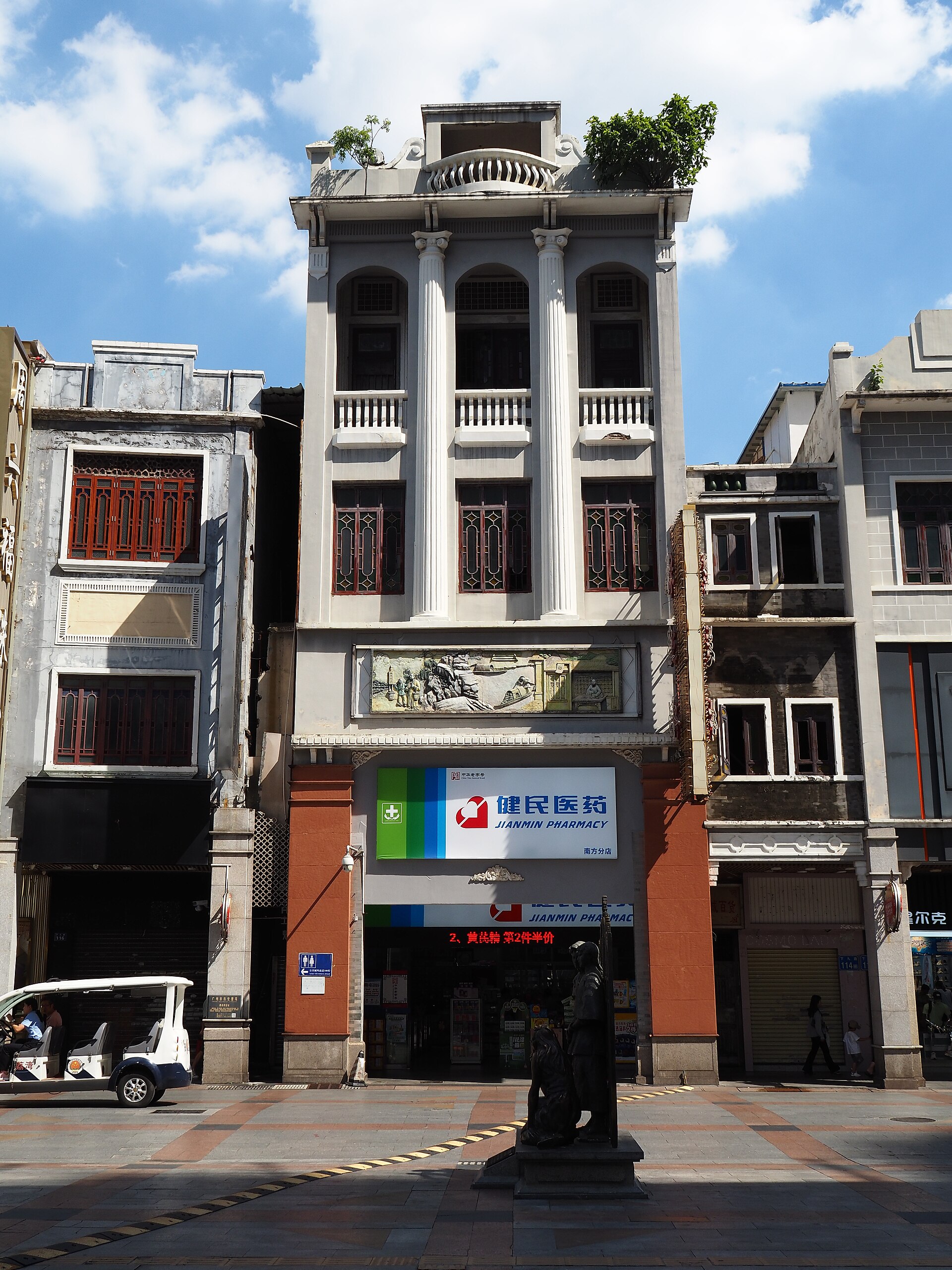
The walk through Liwan begins on Shamian Island (沙面), a small island in the Pearl River that was a Western concession in the 19th century. Today it still holds about 150 European colonial-era buildings — Baroque, Gothic and Neoclassical — lined along tree-shaded boulevards. A few minutes on from Shamian is the Shangxiajiu (上下九) pedestrian street, full of qilou (骑楼) arcade buildings, and Yongqingfang (永庆坊), a restored old-town lane complex that holds Bruce Lee's ancestral home and the Cantonese Opera Art Museum.
Liwan is the answer for anyone who wants to step out of the rush of a big modern city. Nothing here needs hurrying — the whole appeal is in the strolling: looking at old buildings, eating dim sum, drinking coffee in a century-old house and soaking up old Canton. That is why we always suggest setting aside half a day for this side of the city.
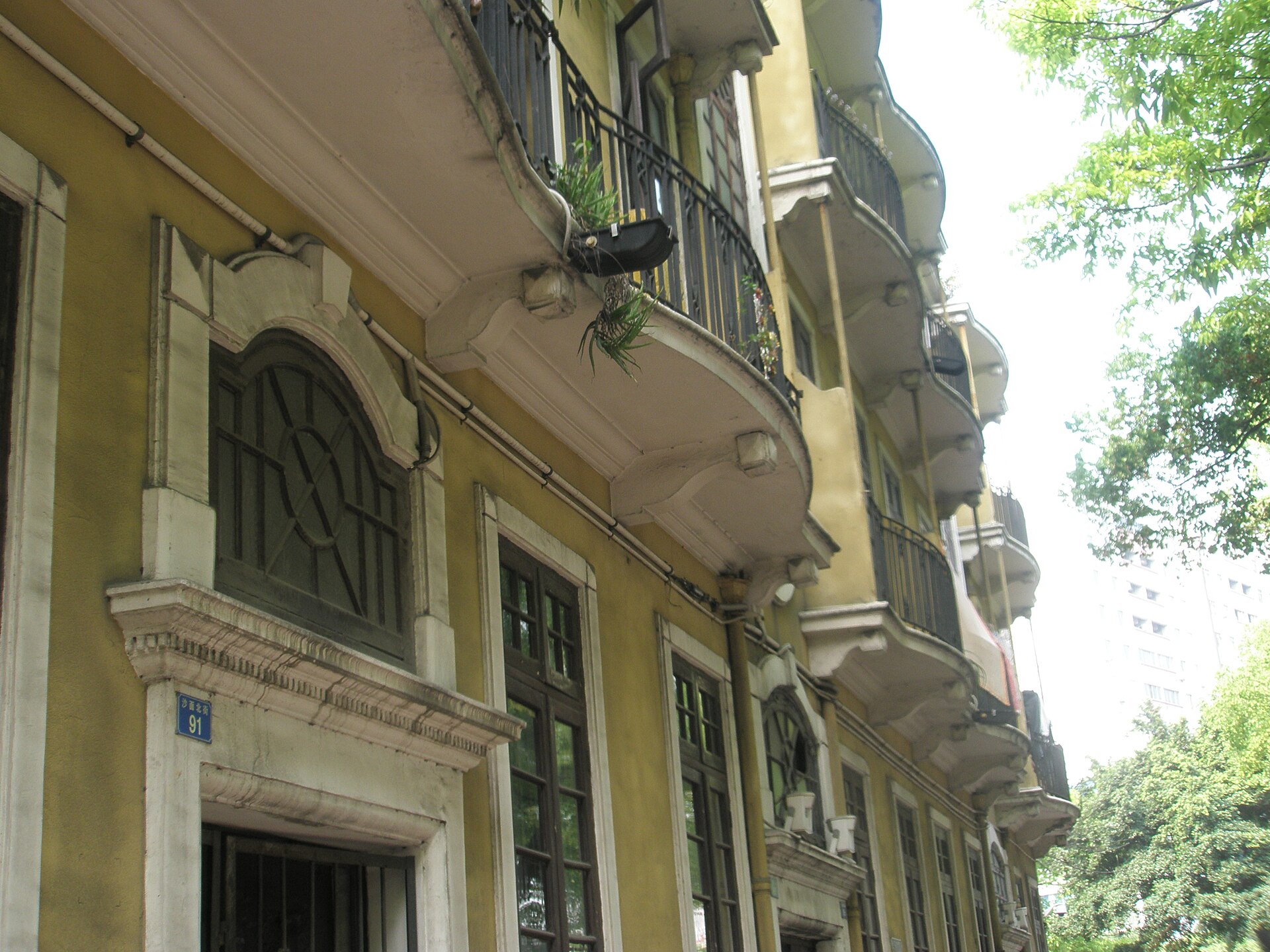
The moment you cross the bridge onto Shamian, the traffic noise drops away to birds and leaves — a quieter rhythm of Guangzhou that many people never know exists.
The charm of Liwan is that you can genuinely walk slowly here, in a city where everything else moves fast. In the morning Shamian is quiet and shaded, with locals strolling and practising tai chi under the big trees. Mid-morning the cafés in the old houses open up. In the afternoon Shangxiajiu fills with shoppers and dim-sum eaters. And in the evening the Litchi Bay canal (荔枝湾涌) lights up along the water — a whole day on foot without getting into a vehicle once.
If you love walking among old buildings and photographing architecture, Liwan is a treat. Shamian gathers European colonial-era buildings onto a single island, while Shangxiajiu and Yongqingfang have qilou arcades that blend Lingnan and European styles — a combination that is hard to find elsewhere in China. You could look at it all day and not tire of it.
Shamian has long been a favourite wedding-photo spot for Guangzhou couples, because every angle works — pastel facades, a Gothic chapel, bronze sculptures on the street corners, and the soft morning and evening light filtering through the big trees. If you like a vintage or European-in-Asia look, you will keep finding shots here.
If you wore yourself out sightseeing the day before, Liwan is your rest day. There are no long queues and no must-do check-ins. Sit in a café in an old house all afternoon, walk along the Litchi Bay canal, or listen to Cantonese opera in a Chinese garden — it is the kind of day that lets you breathe again.
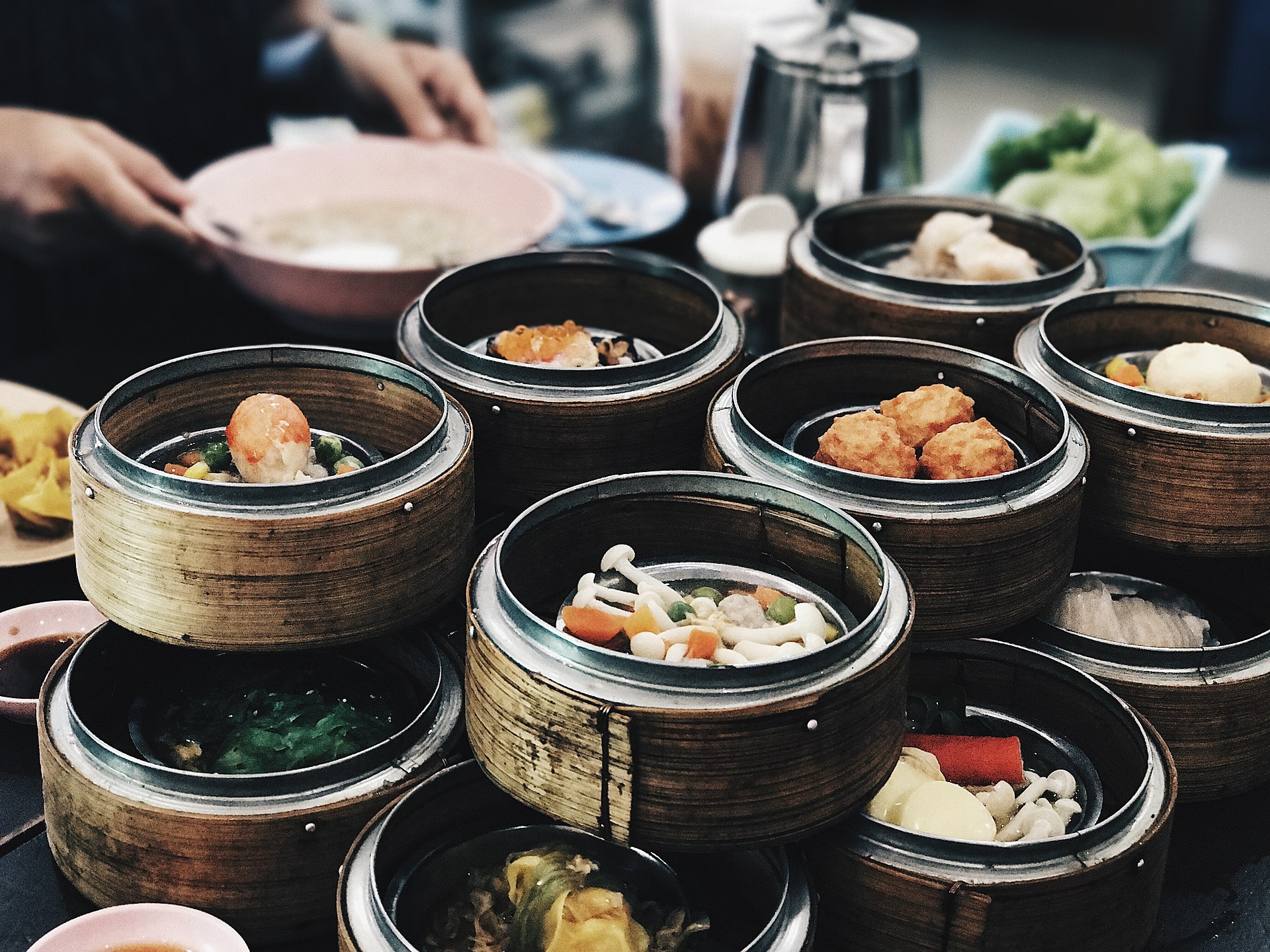
Liwan is the home of dim sum and Cantonese sweet soups. Century-old teahouses such as Taotaoju and Guangzhou Restaurant sit on Shangxiajiu, while Qingping Market near Shamian is an old herbal and dried-goods market that is a pleasure to wander. If you are hunting authentic Cantonese food, this is the cheapest place to start.
A small island in the Pearl River that was a British and French concession in the 19th century. It still holds around 150 European colonial-era buildings — former consulates, banks and old mansions — along tree-shaded streets, plus the Catholic Our Lady of Lourdes Chapel with its Gothic spire and stained glass, and bronze street sculptures on the corners that recreate scenes of old daily life. Walking the island is entirely free — no gate, no ticket — and an easy 1 to 3 hours. More: the complete Shamian Island guide.
Cross the bridge back from Shamian to the city side and you reach Qingping Market — an old market of Chinese herbs, spices, tea and dried goods that has run for decades. This is not a polished tourist market but a real one, where Guangzhou residents come to buy traditional medicine and cooking ingredients. It is a pleasure to wander, full of herbal smells and an old Canton atmosphere you will not find in a mall — a good route from Shamian on to Shangxiajiu.
A pedestrian street about 1.2 km long in the heart of Liwan, famous for its qilou (骑楼) — Lingnan-meets-European arcade buildings with overhanging upper floors that shelter the walkway. It is an old commercial street with more than 300 shops, from century-old teahouses and dessert shops to clothing stores, busiest from afternoon into the evening. Graze your way along it for dim sum and street snacks. More: the complete Shangxiajiu guide.
A restored old-town lane complex on Enning Road (恩宁路), preserving Guangzhou's longest and oldest stretch of qilou arcades (built in 1931). Inside is Bruce Lee's (李小龙) ancestral home — a Xiguan-style mansion built by his father, a Cantonese opera actor — now displaying his life story with holographic technology. Right beside it is the Cantonese Opera Art Museum (粤剧艺术博物馆), a beautiful garden-style museum with the Guangfutai waterside stage that holds live opera. It is open 9:00–21:00, closed on Mondays, and free to enter (check the performance times before you go).
An old canal in the heart of Liwan that has been restored to its prettier self, with the Dieyue Bridge (the Moon Bridge) arching across it — the lights reflecting in the water are lovely at night, and both banks are traditional Xiguan architecture. You can take a small boat along it, or walk the canal into Liwan Lake Park (荔湾湖公园), a quiet park where locals relax and cultural performances are often held — a calm, shaded way to close the loop.
If you still have walking in you, the Chen Clan Academy is a high point of Lingnan architecture and also sits in Liwan district. Take Line 1 from Huangsha just a few stops to Chenjiaci station. It is covered with astonishingly fine wood, stone and ceramic-roof carvings. More: the complete Chen Clan Academy guide, and see the rest of the city at Guangzhou's top attractions.
Liwan is the birthplace of Cantonese food. If you want dim sum and sweet soups at their source, this is exactly where to start.
On Shangxiajiu sit legendary teahouses such as Taotaoju (陶陶居), known for its shrimp dumplings and pineapple buns, and Guangzhou Restaurant (广州酒家), with Wenchang chicken and a full dim-sum range. Both are century-old institutions that Guangzhou locals regard as the home of "yum cha" (饮茶). A meal per person at an ordinary restaurant runs about ¥40–90 (about ฿200–450). More on the dim-sum tradition: the Guangzhou dim sum and yum cha guide.
Cantonese sweet soup (糖水 tong sui) is what Liwan does best. The legendary shop is Nanxin (南信), famous for its double-skin milk (双皮奶) — silky, gently sweet and custard-like. There are plenty of other hot and cold sweets too, such as black sesame soup, glutinous rice balls and soft tofu pudding, at roughly ¥15–35 (about ฿75–175) a bowl. It makes the perfect dessert to round off a lunch.
Shamian has become a genuinely charming café district, because so many of its cafés are inside century-old European buildings — you can sit with a coffee and watch the tree-lined street all afternoon. There are both specialty-coffee places and vintage-feeling cafés; coffee typically runs ¥30–55 (about ฿150–275) a cup. A shaded afternoon is the time for it, after a morning of walking. For more places see the Guangzhou café guide, and for food across the city, Cantonese roast meats and Guangzhou congee and noodles.
This is not a business base like Zhujiang New Town, but it is excellent if you want to wake up inside the old town and start walking straight away.
The appeal of basing yourself around Shamian and Liwan is that you wake up already in the old town — step out of the hotel and you are among the European buildings, the qilou streets and the Cantonese food right away. It suits people who want atmosphere over CBD convenience, and travel onwards is covered by Lines 1 and 6 at Huangsha. If you would rather be in the CBD instead, compare the areas in our guide to where to stay in Guangzhou for first-timers.
The icon of the area is the White Swan Hotel (白天鹅宾馆) — a five-star on the Pearl River set right on Shamian Island, long-established and home to a famous waterfall in its lobby, with riverside rooms looking out over the Pearl River. If you want a luxurious stay in the middle of the old town, it is the first thing to look at.
The way into the area is Huangsha (黄沙) station on Lines 1 and 6, right at the foot of the bridge onto Shamian Island. Within the area, walking is easiest because everything connects.
09:00 — Come out of Huangsha (Line 1/6) Exit D and cross the bridge onto Shamian Island, starting while the island is still quiet and shaded.
09:30 — Walk among the European buildings, the Our Lady of Lourdes Chapel and the bronze street sculptures, stopping for photos.
10:15 — Sit in a café inside one of Shamian's old houses for a coffee and a rest.
10:45 — Cross back to the city side, walking through Qingping Market (清平市场) to see the herbs and dried goods.
11:15 — Head onto the Shangxiajiu pedestrian street, take in the qilou arcades, then have a late-morning dim sum in a century-old teahouse, finishing with double-skin milk.
Follow the half-day route above through the morning, then continue:
13:30 — Walk on to Yongqingfang (永庆坊) on Enning Road, see the qilou arcades, and visit Bruce Lee's ancestral home and the Cantonese Opera Art Museum (closed Mondays).
15:00 — Stroll along the Litchi Bay canal (荔枝湾涌), over the Moon Bridge, into Liwan Lake Park, and rest in the quiet Chinese garden.
16:30 — If you still have energy, take Line 1 to the Chen Clan Academy (Chenjiaci) for its Lingnan carvings.
18:00 — Come back to the Litchi Bay canal in the evening for the waterside lights, and find a Cantonese dinner to close the day.
The area links to the rest of the old town across the following day — see the full plan at Guangzhou's top attractions and the complete Guangzhou city guide.