An Old City you can wander alone all day, hostels and cafes that make friends for you in five minutes, and Thai cooking classes and elephant sanctuaries that are fun even on your own — Chiang Mai is one of Thailand's most backpacker-friendly cities to travel solo.
If you are planning your first solo trip and wondering where to go, Chiang Mai is the answer a lot of people land on — because it is friendly and genuinely safe, including walking back to your hostel at night through the Old City, and for women travelling alone. So many solo travellers come here that it is completely normal. There are only a couple of things you genuinely need to watch out for, and we cover all of them in this guide.
What makes Chiang Mai easy to do alone is the compact, walkable Old City — temples, restaurants, cafes and hostels are packed inside a square of old walls, all within walking distance, so you barely need transport. For trips further out, up the mountains or beyond the city, you grab a Grab or join a group tour. And the things solo travellers worry about most — how to eat alone, how not to feel lonely — all have real, workable answers here.
This guide covers everything a solo traveller in Chiang Mai needs: honest safety advice, getting around a city with no metro, the things that are genuinely good to do alone, how to eat solo without feeling awkward, how to meet people along the way, and the burning-season haze you should plan around.
Safe and friendly — but there are a few things worth knowing first, especially about scooters.
Violent crime against tourists is rare in Chiang Mai. Walking back to your accommodation in the evening through the Old City and the usual tourist areas is safe, and locals are friendly. The thing to watch is pickpocketing in dense crowds, like the walking streets and night markets, as in any tourist city. Keep your passport and valuables secure and you are well covered.
Women who travel Chiang Mai alone overwhelmingly report feeling safe — in the Old City, in restaurants and cafes, and after dark. Street harassment is uncommon. Apply the same basic caution you would anywhere: avoid deserted, dark alleys late at night, take a Grab rather than a long solo walk after midnight, and trust your instincts, and you can travel with real confidence.
Plenty of people rent a scooter because it feels freeing on a solo trip, but this is genuinely the most dangerous part of Chiang Mai. The mountain roads are winding and accidents are common. The simple rules: always wear a helmet, carry an International Driving Permit (IDP), and buy travel insurance that covers motorbikes. If you have never ridden a motorbike before, do not learn here — Grab and red songthaews are far safer.
Always agree the fare with a red songthaew (shared red truck) before you get in — in town it is usually 30–50 baht per person. Skip the touts selling tours outside attractions and book through an app or your hostel instead. And if you visit an elephant camp, choose a no-riding sanctuary that treats its elephants well (see below). On a night out alone, keep an eye on your drink, as you would anywhere.
We have laid out the areas: social hostels and guesthouses in the walkable Old City where it is easy to meet other travellers, plus Nimman, the area for anyone working as they travel. Pick whichever suits how you like to travel alone.
See Areas & Where to Stay →Ordered by what solo travellers tend to enjoy most and find easiest.
For a solo traveller, this is one of the easiest and most enjoyable ways to make friends in Chiang Mai — a Thai cooking class. Most start with a walk through a market to pick ingredients, then teach you to make khao soi, tom yum, pad thai and green curry, which you then eat. You are in a small group of travellers from all over, many of them also solo, and plenty end up sharing dinner afterwards. It is excellent value for a solo traveller, and you leave with the recipes.
2
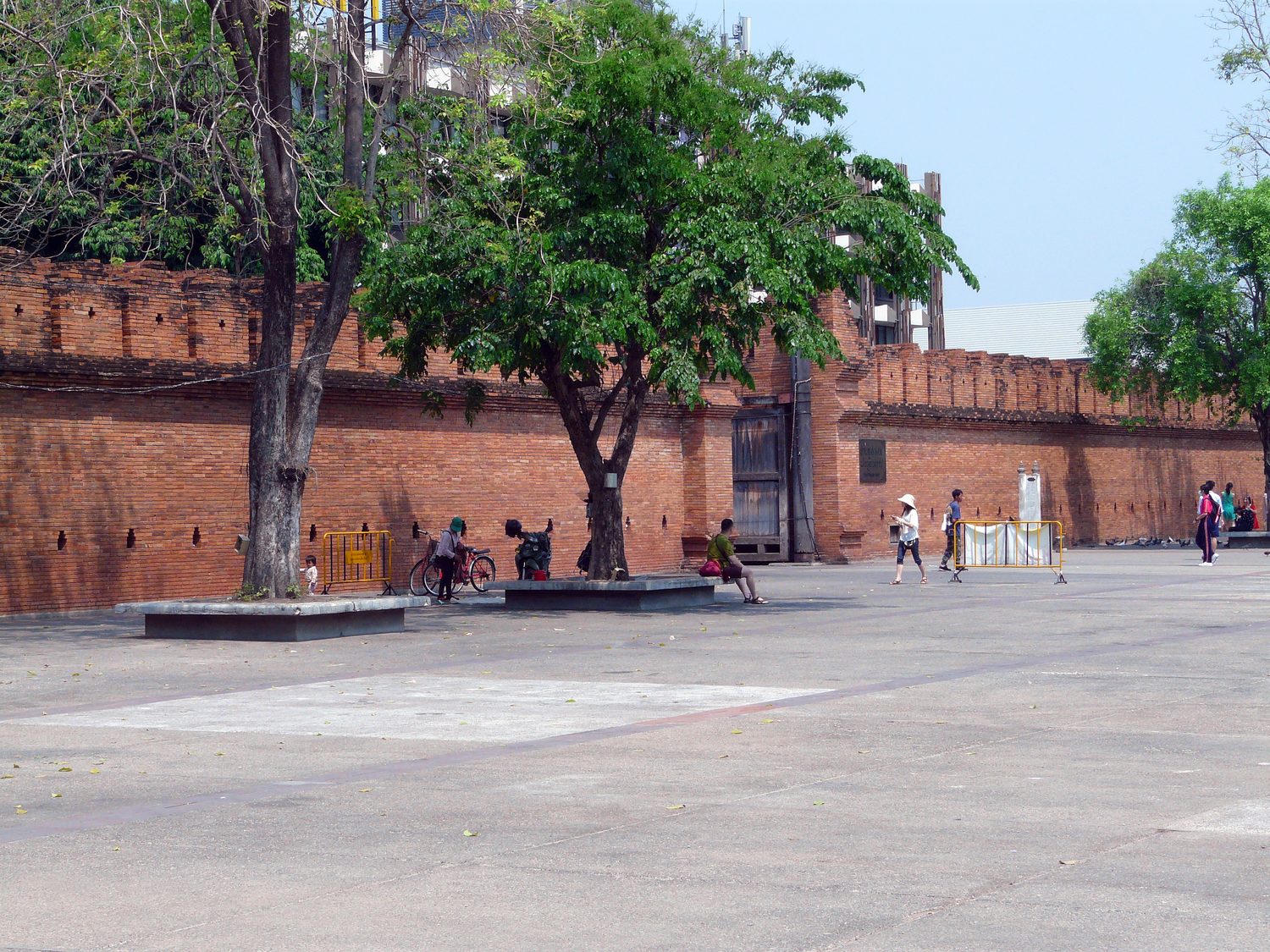
Worried about feeling lonely on a solo trip? The single most effective fix is to stay at a hostel or guesthouse in the Old City, especially around Tha Phae Gate and the old walls. They are social by design, with common areas where you can chat to other travellers, and many run their own walking trips or group dinners for guests. You get affordable lodging and built-in company in one — and you can walk to many temples and restaurants from the door.
3
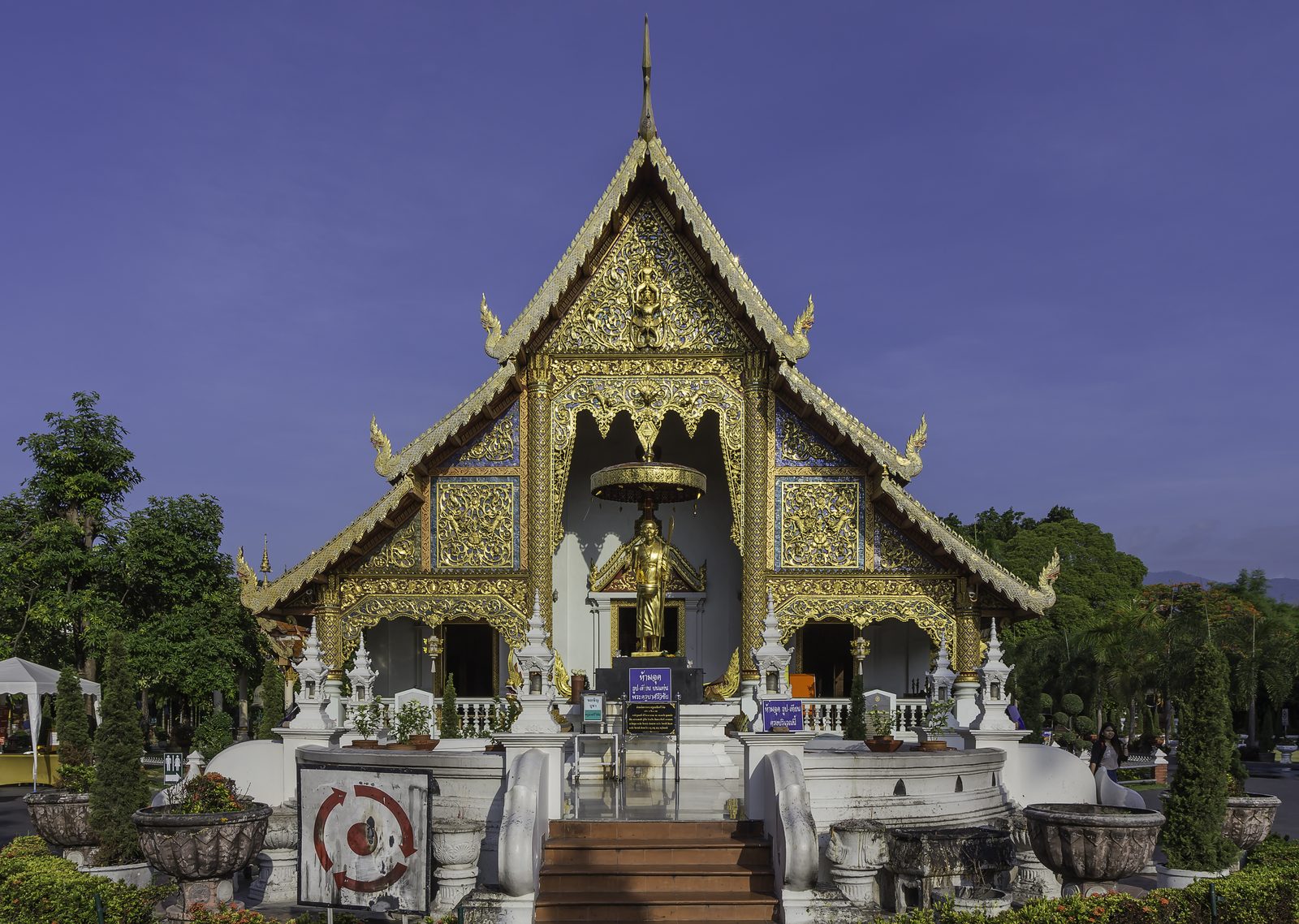
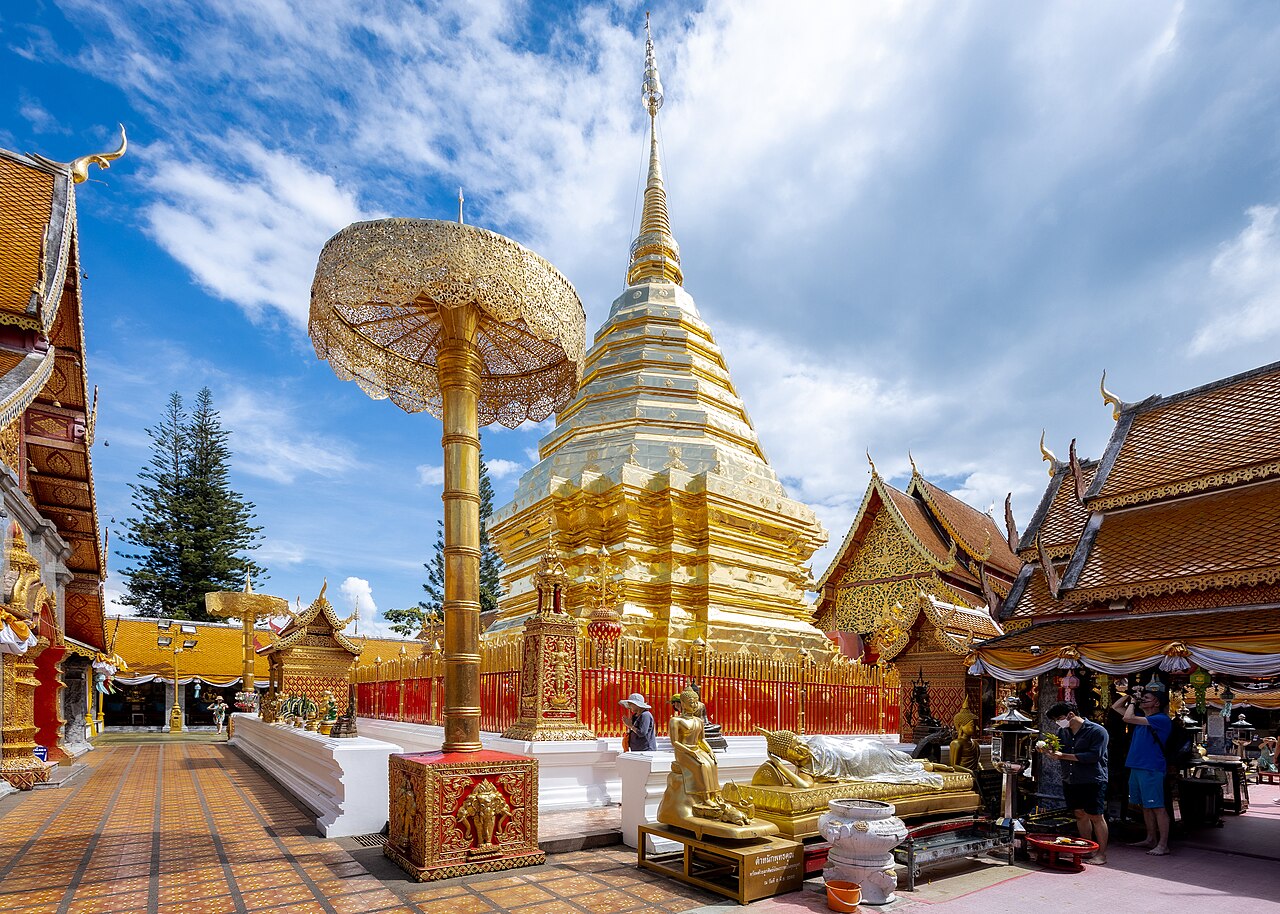
This is one of the best things to do alone here — drift through the square Old City, stopping at Wat Chedi Luang with its huge ancient brick stupa, and Wat Phra Singh with its gilded Lanna viharn. Tiny cafes along the way give you somewhere to pause. You set the entire pace, with nobody to wait for, lingering as long as you like. The Old City is compact and busy throughout, which makes it ideal for walking solo.
4
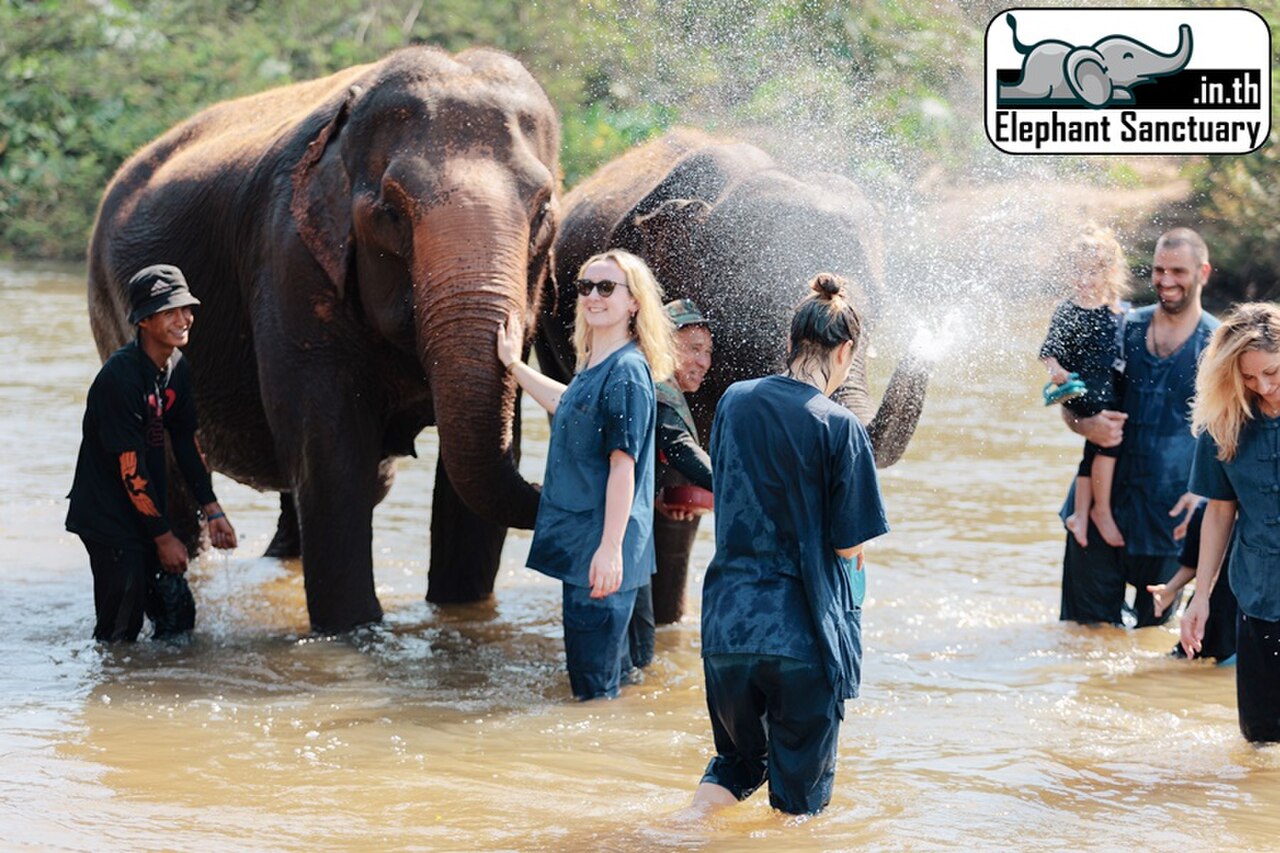
Chiang Mai is the best place to see elephants, but here is the honest advice: choose a sanctuary that does not offer riding and lets the elephants live naturally. The activities are usually feeding them, walking alongside them, and a mud bath. You are in a small group with other travellers who are also often solo, so it is a great way to get both a close encounter with elephants and travel companions in one day. Most tours include round-trip transport from the city.
Nimman is a solo traveller's dream if you like cafes — Chiang Mai is one of the cities digital nomads settle in long-term, and this area is full of cafes with work tables, strong Wi-Fi, and people working alone. You walk into any of them, sit down to work, read, or just have a locally roasted coffee at your own pace. Nobody is rushing you, you do not need company to enjoy it, and this is somewhere people come alone all the time.
6
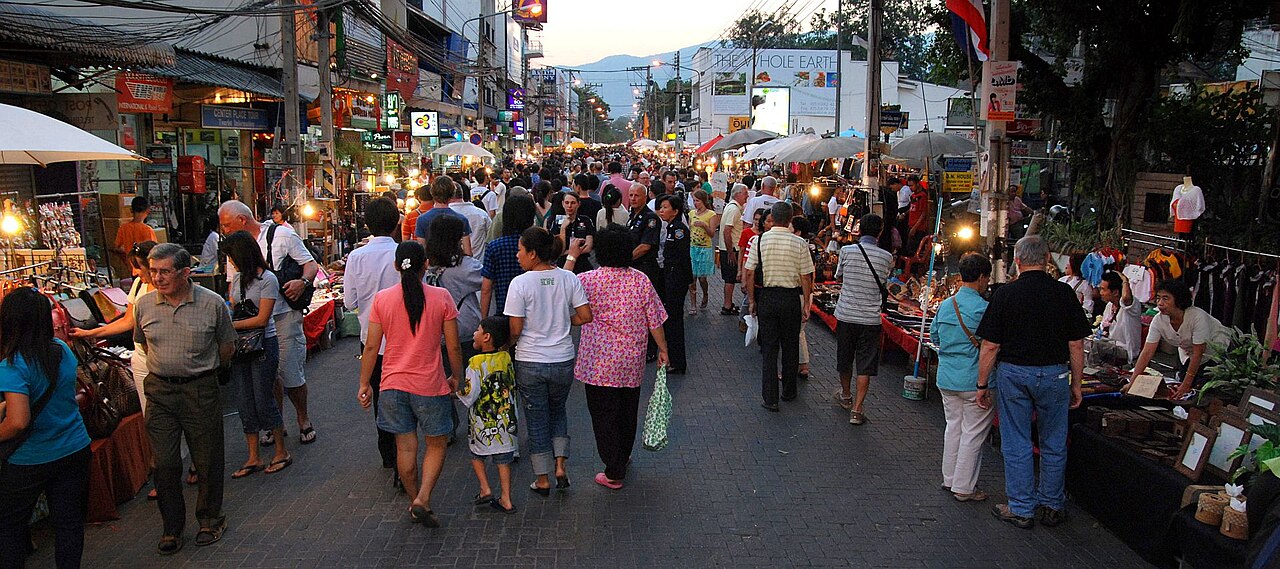
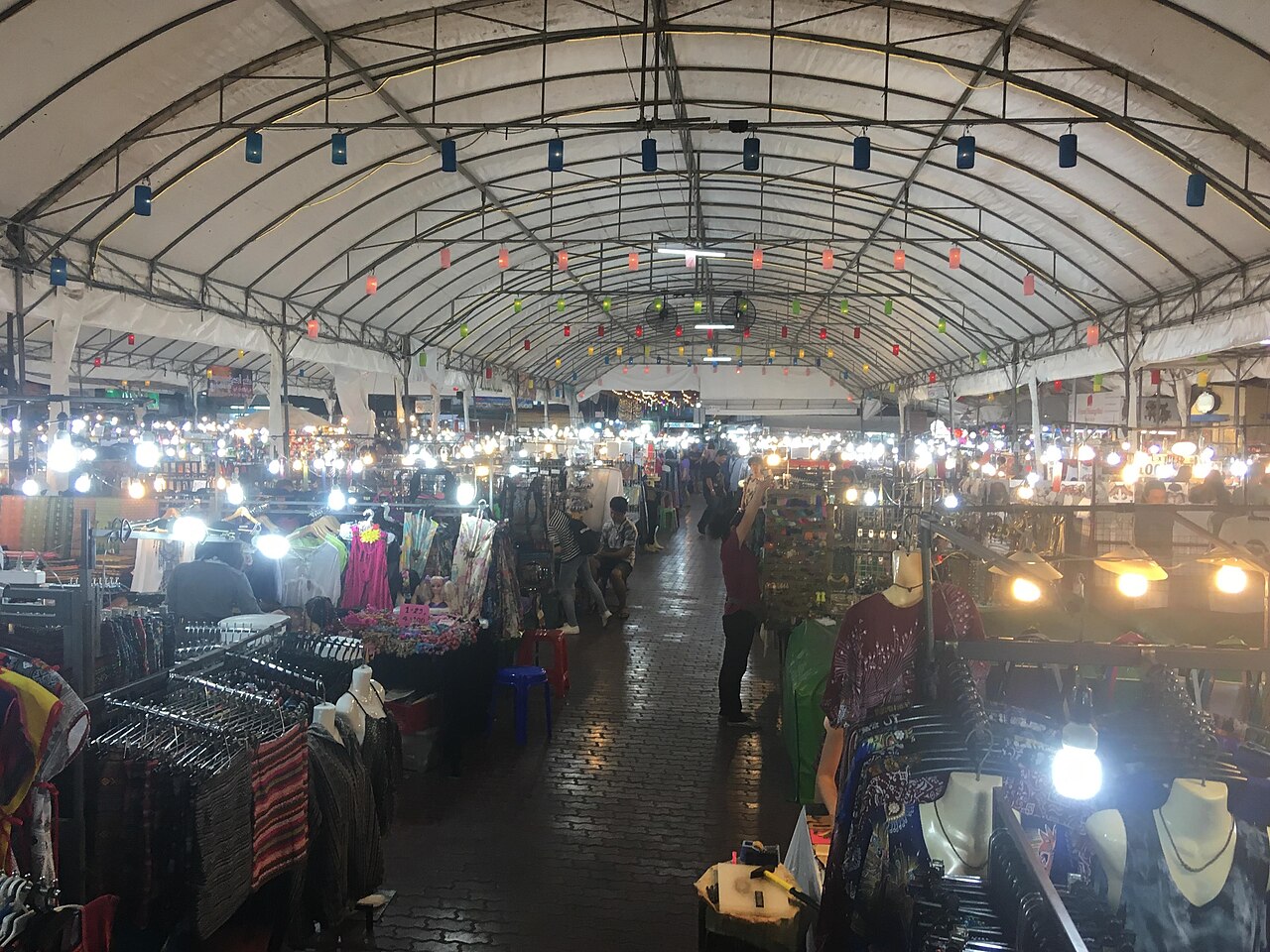
Every Sunday evening, Ratchadamnoen Road in the Old City becomes a long walking street packed with crafts, handmade goods and street food you can order one item at a time. This is a lovely thing to do alone, because you browse at your own pace, stop for khao soi, sai ua (northern sausage) or a sweet, and listen to the live music along the way. You decide entirely how long you stay. It is busy and safe, but watch your bag in the densest crowds.
7
If you want mountain views but do not want to ride a scooter up yourself, the easiest and safest way for a solo traveller is to join a group tour. Doi Suthep is close to the city, with its hilltop temple and a viewpoint over Chiang Mai. Doi Inthanon is the highest peak in Thailand, with waterfalls, the twin pagodas, and a viewpoint over a sea of mist. A tour handles all the transport, and you will meet other travellers who are also solo.
8
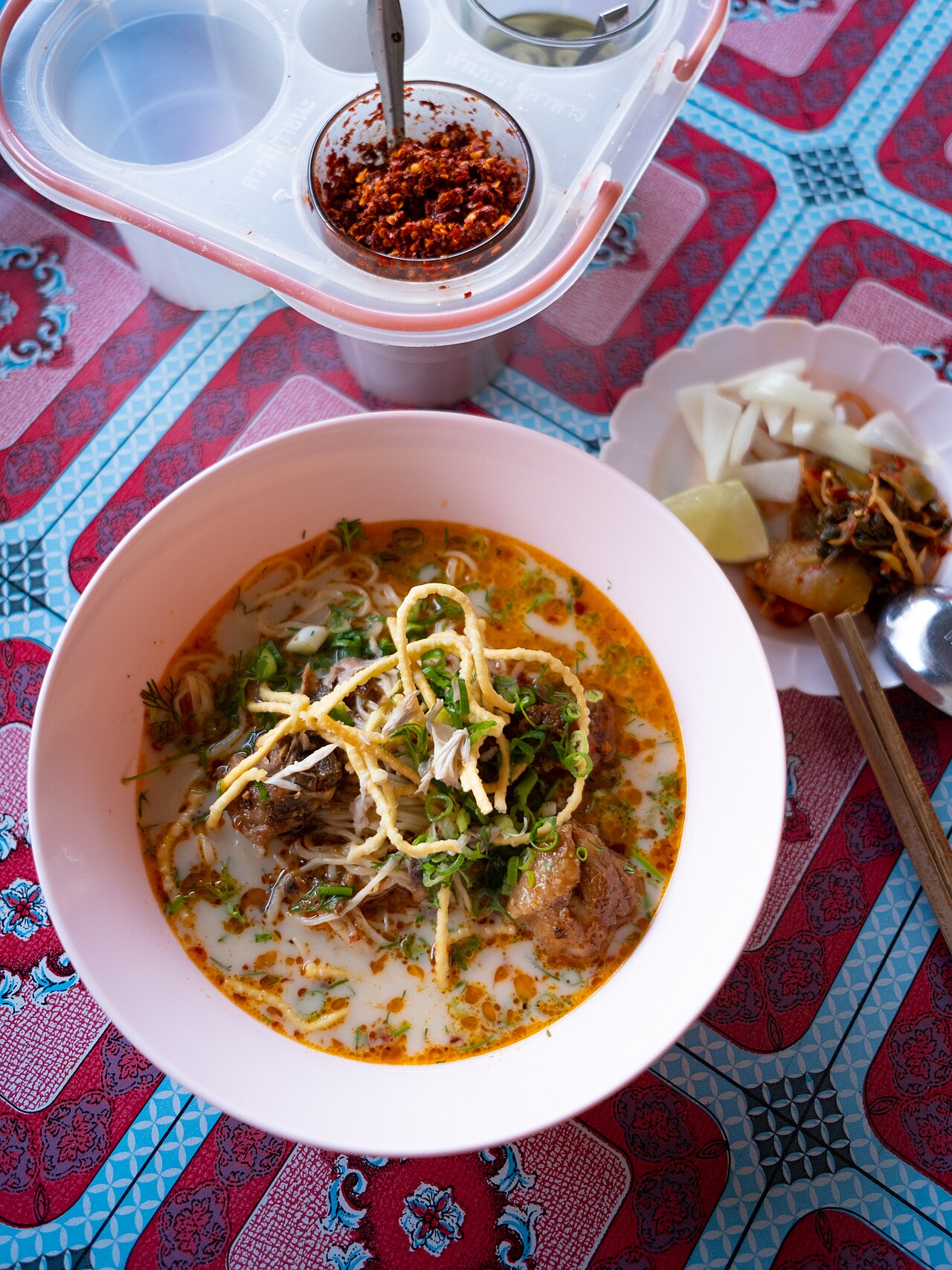
Honestly, Chiang Mai is one of the easiest cities to eat alone. Much of the northern food comes as single portions made for one — khao soi (one bowl is plenty), khanom jeen nam ngiao, khao kha moo, noodle soups, and market street food you order one item at a time. Khao soi shops and casual eateries have plenty of small tables and counter seating, eating alone is completely normal here, and nobody looks twice. To try lots of things, head to Warorot Market or a night market and order little by little.
If you want to meet people and understand the city more deeply at the same time, Chiang Mai is full of small-group options — craft workshops (umbrella painting at Bo Sang, silverwork at Wua Lai, pottery) and Old City walking tours with a guide. You walk with other travellers, hear the Lanna history you would never pick up alone, and these often end with the group going off to eat together. Many hostels run their own walking trips for guests — just ask at the desk.
10
The single thing that makes Chiang Mai easiest to do solo is the walkable Old City — the square of walls is easy to loop on foot, with temples, cafes and restaurants clustered close together. In the evening you can walk east to the Night Bazaar for street food and souvenirs. Many hostels lend bicycles for free, and the flat Old City is easy to cycle because the distances are short. You can head off and explore a new area alone, safely, without relying much on transport.
Chiang Mai has no metro or skytrain, but the Old City is compact enough to walk. For anything further, Grab is a solo traveller's best friend — a clear price, no haggling, and both cars and motorbikes. Red songthaews (shared red trucks) run all over the city, roughly 30–50 baht per person in town. Key tip: if you rent a scooter, you need an International Driving Permit, a helmet, and insurance.
If loneliness is the worry, the most effective tools are staying at a hostel with a common area, taking a cooking class or small-group tour, and sitting in the co-working cafes of Nimman, where plenty of people are working alone. There are a lot of solo travellers and digital nomads here, and many are happy to team up to sightsee or grab a meal — you just have to say hello first.
The best window is November to February, cool and clear, ideal for walking the Old City and heading up the mountains. The honest part: roughly mid-March to April is the burning season, when northern Thailand often has heavy haze and high air-pollution readings, so views are poor and some days are not good for your health. Avoid it if you can, or if you do come then, check the air quality (AQI) before planning outdoor activities.
Chiang Mai is a tourist city where English works reasonably well in the tourist areas and cafes, though markets and songthaews are easier with a few words of Thai or a translate app. Sort a travel eSIM so you always have data for Grab and maps. For payments, bigger shops and cafes take QR/cards, but markets, songthaews and street stalls are mostly cash — always carry small notes.