Chiang Mai's three seasons each pull in a different direction — cool, clear air and thousands of Yi Peng lanterns in November, then a smoky burning season when the haze rolls in around March. Each one has something real to offer, and each comes with a warning worth reading before you book.
If you can only pick one month, pick November. Days are a comfortable 15–28°C, the skies are clear, the rain is gone and the humidity is low, so you can spend all day on the old-city temples or up at Doi Suthep without flagging. Better still, November brings the Yi Peng and Loy Krathong festivals, when the whole city releases sky lanterns and floats krathong on the Ping River — the most beautiful nights of the year. The catch: this is Chiang Mai's busiest week, so book months ahead.
If November doesn't fit, go in December, January or early February — still cool and clear, with genuinely cold nights up in the hills, ideal for warm cafés and a trip up Doi Inthanon. The one stretch to watch is the burning season, roughly mid-February to April, when PM2.5 air pollution climbs; check an air-quality app first. The rainy season (June–October) is green, quiet and cheap, but you trade for afternoon rain.
The weather, what it delivers, and what you are trading for it — told straight.
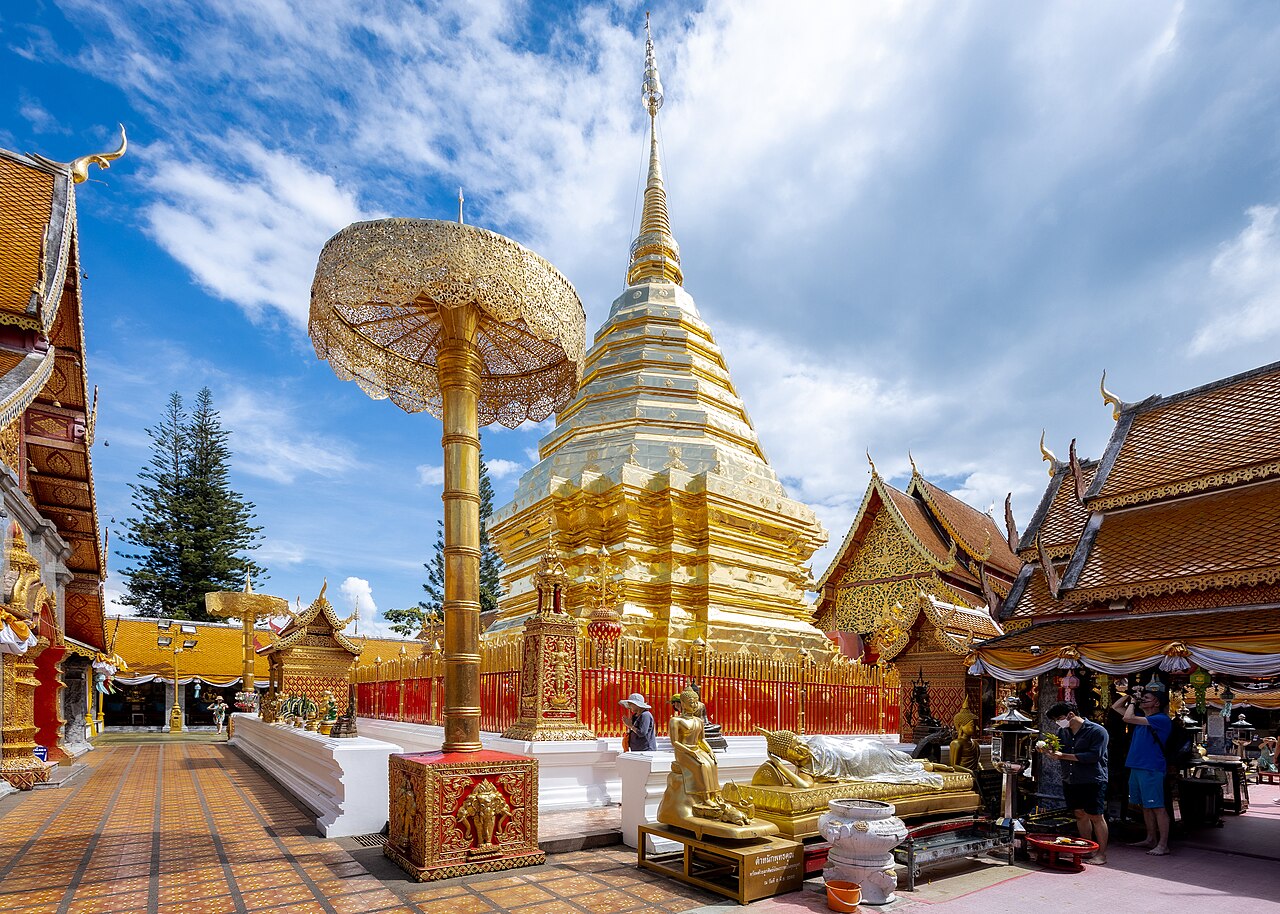
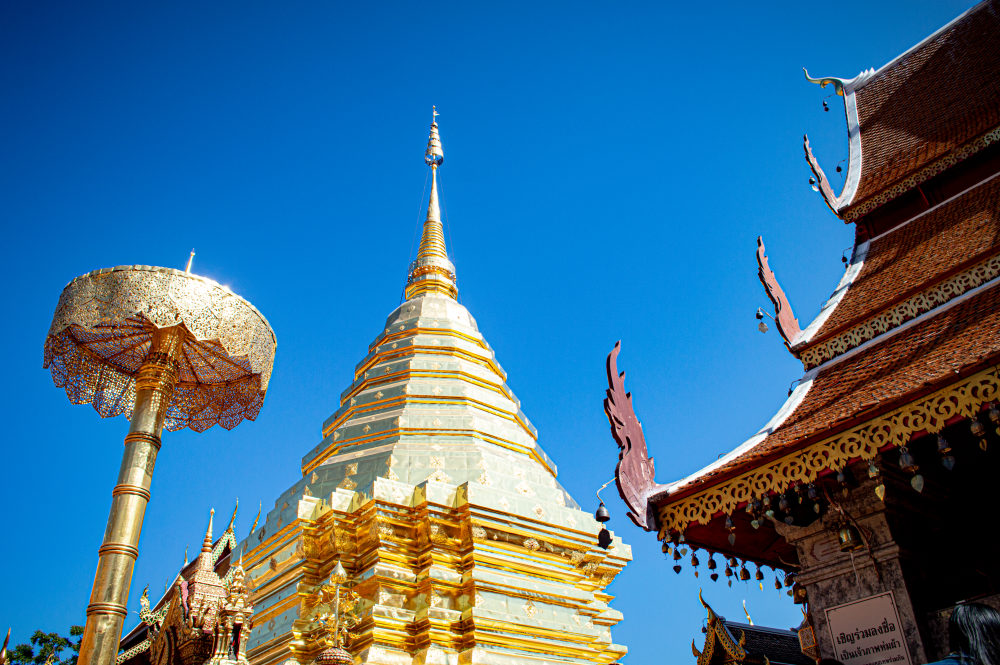
Doi Suthep · Cool season
The best
This is Chiang Mai at its finest. The air turns cool and dry, the skies clear, the rain is gone, and you can walk the old city all day without wilting. Daytime sits around 25–28°C, while nights — especially up in the hills like Doi Inthanon — drop to a genuinely cold 5–10°C, so pack something warm.
November is the highlight of the year. It coincides with the Yi Peng and Loy Krathong festivals, when the city releases sky lanterns and floats krathong on the Ping River all at once. The streets around the moat and Tha Phae Gate are especially lively. This is peak season — accommodation fills and prices spike, so book months ahead.
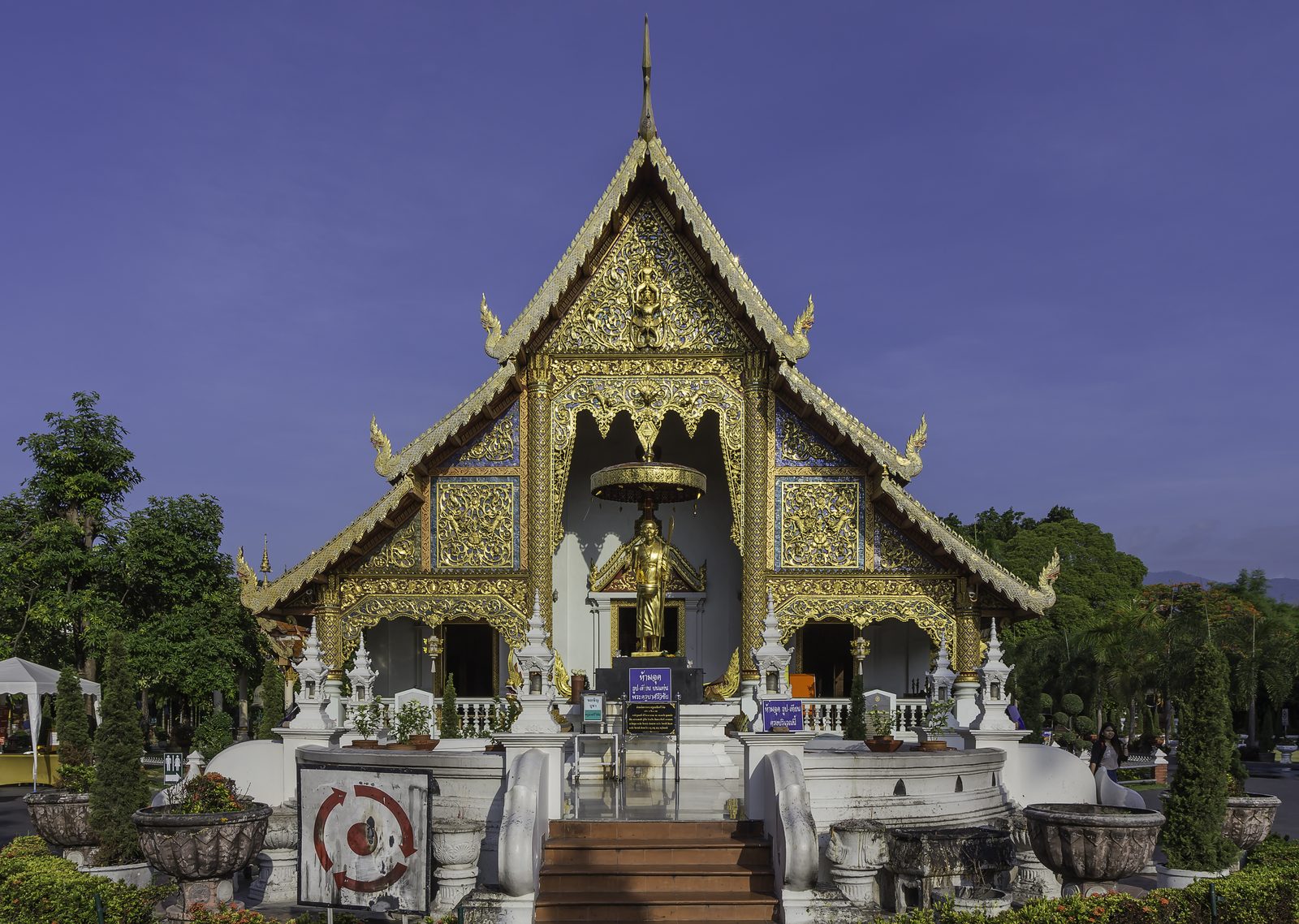
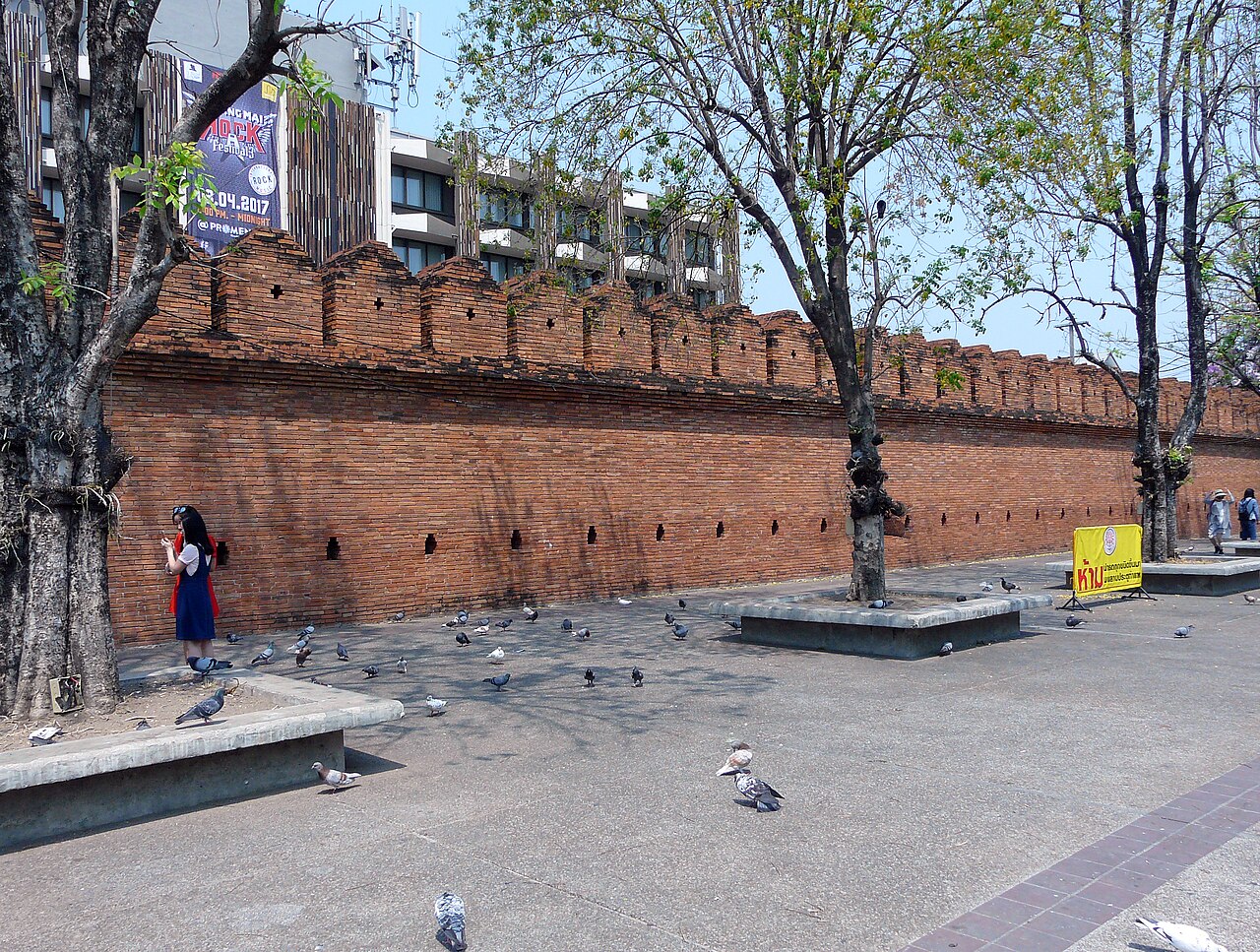
Wat Phra Singh · Hot season
Come prepared
Chiang Mai's hot season is hot in earnest, with April midday temperatures reaching 36–38°C under a fierce sun and dry air. Sightseeing is best kept to early morning or late afternoon, and you'll want to keep drinking water. The payoff many people wait for is Songkran (13–15 April), when Chiang Mai throws the most exuberant water-festival celebrations in the country, especially around the old-city moat.
The single most important thing to know about this season is PM2.5. Early to mid hot season (March to early April) overlaps with the burning season, and on bad days the air turns hazy and hard on the lungs. Check an air-quality (AQI) app before committing to anything outdoors — there's more detail in the next card.
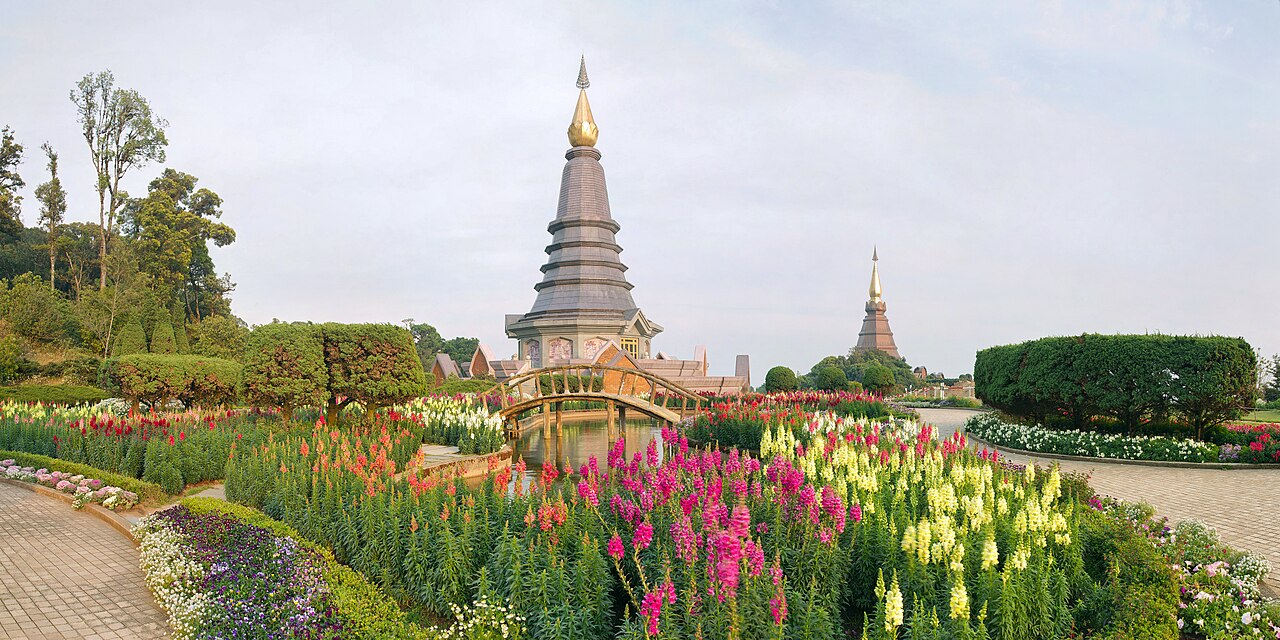
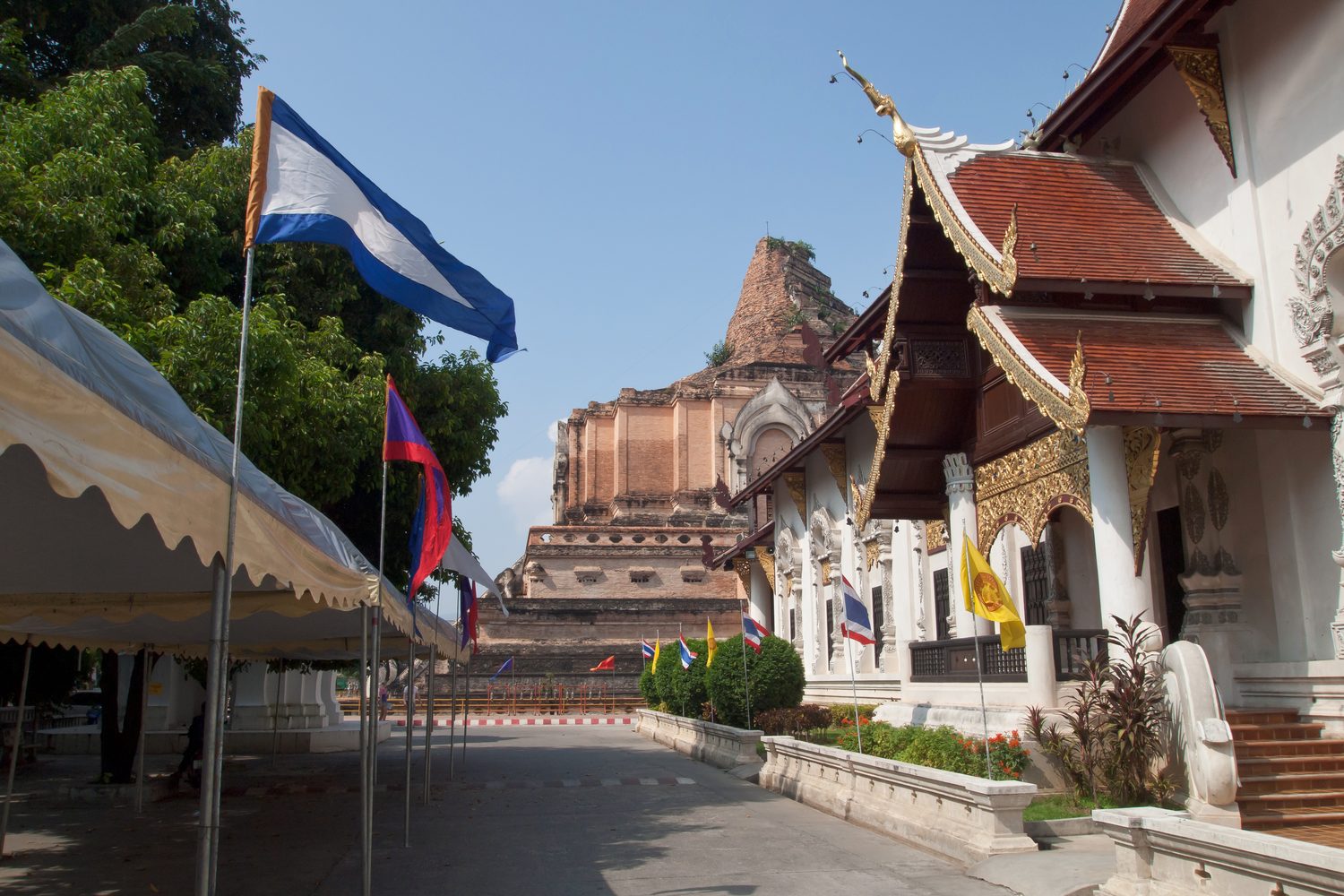
Doi Inthanon · Haze season
Watch the air
This one has to be said plainly. From roughly mid-February to April, Chiang Mai enters its burning season, when PM2.5 air pollution climbs to its annual worst — driven by agricultural burning, forest fires and cross-border smoke from across northern Thailand and neighbouring countries. On bad days the sky goes grey, the peak of Doi Suthep vanishes from view, and the air becomes hard to breathe, particularly if you're sensitive to it.
It is not bad every day, and it varies year to year, but the worst month is usually March. Avoid it if you can. If you do go, check an air-quality (AQI) app every morning, bring an N95 mask, and keep indoor options like the Nimman cafés or a cooking class in reserve for the heavy-haze days.
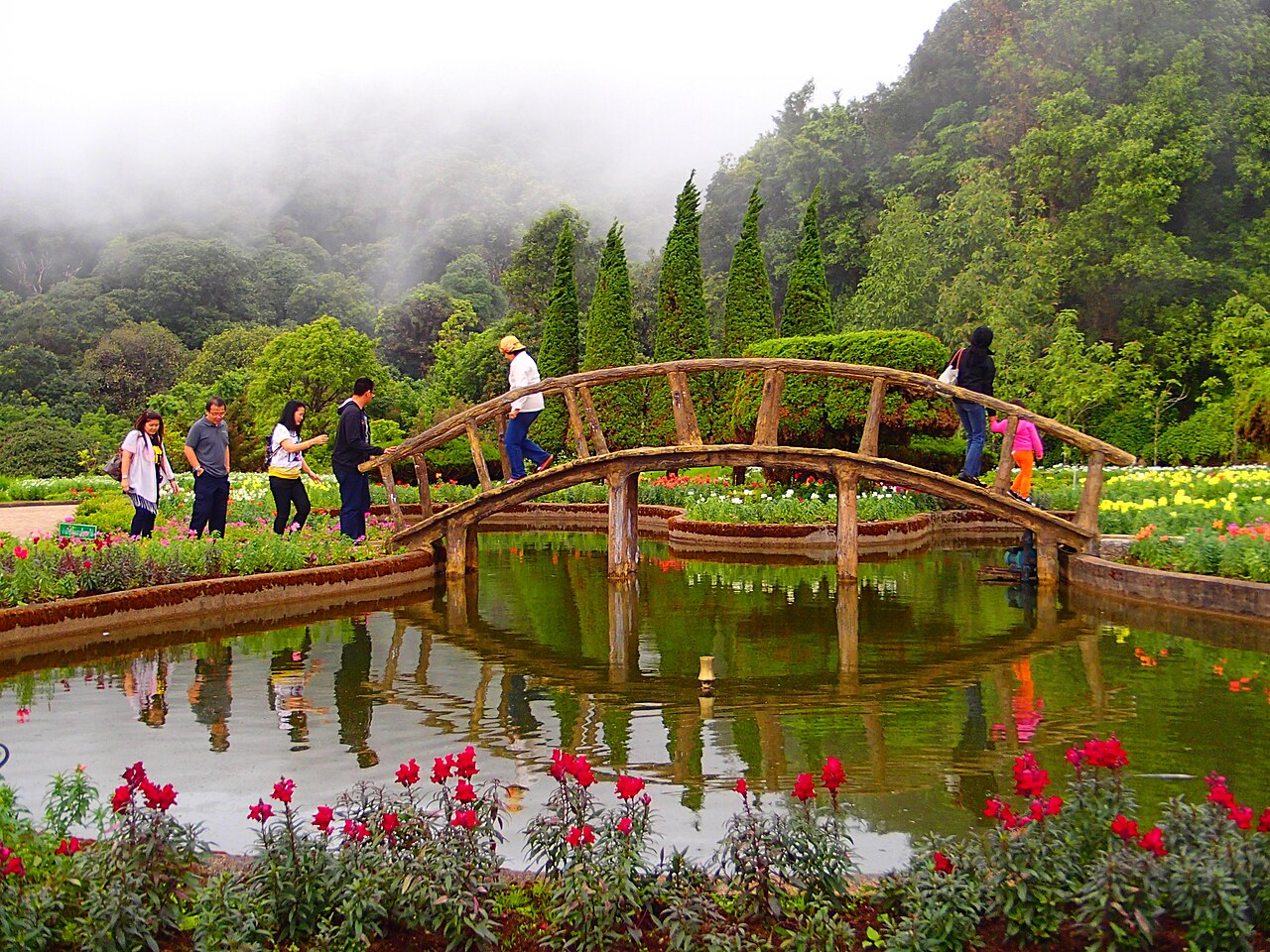
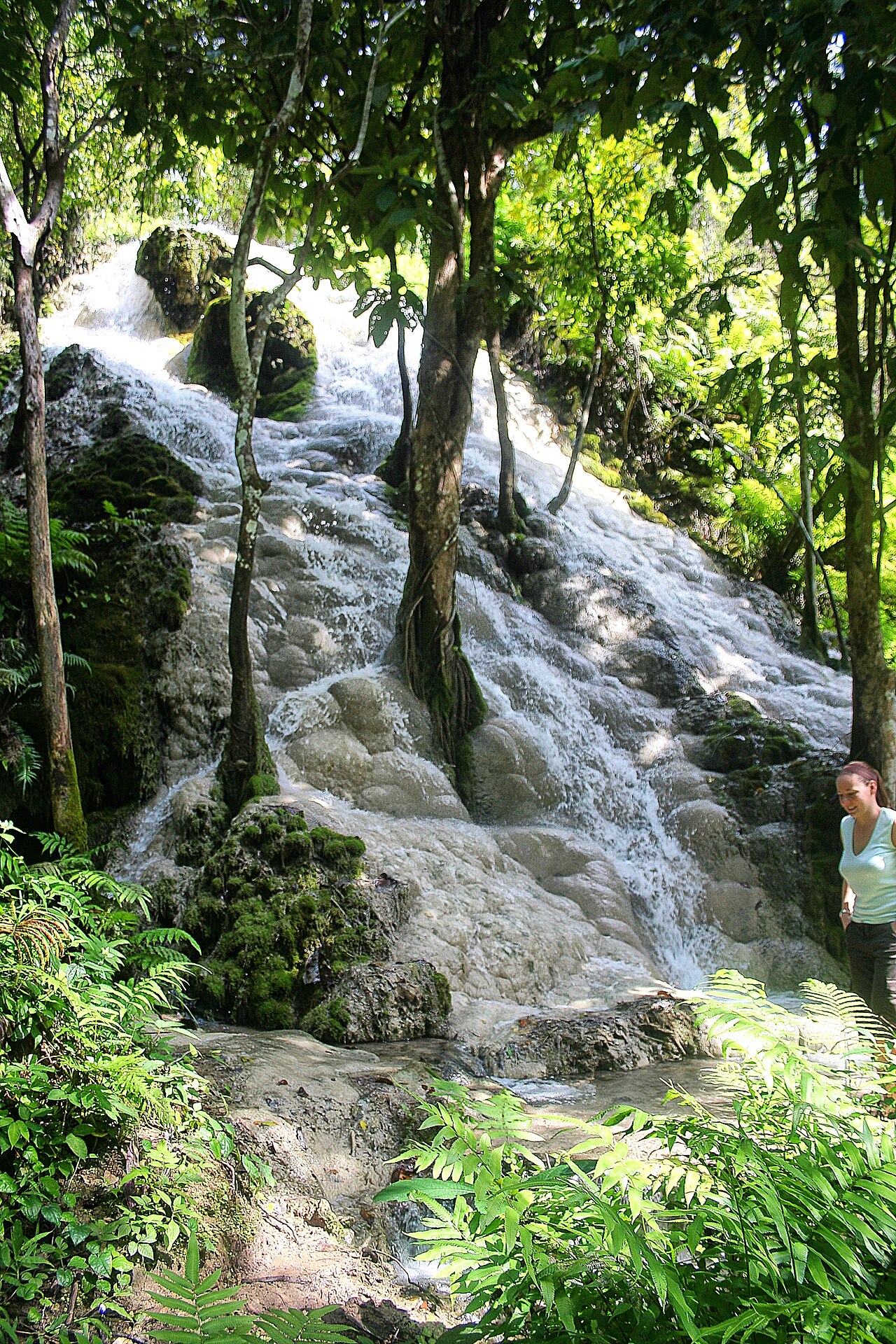
Doi Inthanon · Rainy season
Greenest, quietest
The rainy season is the one most people overlook, and it has a real charm of its own. Most rain comes as afternoon or evening downpours — heavy but short — so mornings are usually fine for getting out. The upside is the landscape: the hills are at their greenest, Bua Tong waterfall runs full, the rice terraces look their best, and the air is clean, with none of the burning-season haze.
This is low season, so crowds thin noticeably and accommodation is the cheapest of the year — you can wander the temples and cafés without a crush. The one thing to watch is September, the wettest month, when it can rain most of the day and the mountain roads get slippery; allow extra time, pack a rain layer, and check the forecast before any trip up into the hills.
Temperature, rainfall, air quality and crowd levels — in one table for easy comparison.
| Month | Temperature | Rain | Crowds | Notes |
|---|---|---|---|---|
| January | 15–29°C | Very low | High (peak season) | Cool · clear skies · best weather |
| February | 16–32°C | Very low | High | Early month good · haze starts late in the month |
| March | 18–35°C | Low | Low | PM2.5 haze at its worst · check the AQI |
| April | 23–38°C | Low | High (Songkran) | Hottest · Songkran · haze lingers |
| May | 23–35°C | Moderate | Moderate | Rains beginning · haze clears, skies open up |
| June | 23–33°C | Moderate | Low | Green and lush · prices easing |
| July | 23–32°C | Moderate | Low | Afternoon/evening rain · mornings still fine |
| August | 23–32°C | Heavy | Low | Rains building · waterfalls full |
| September | 23–31°C | Heavy | Low | Wettest month · mountain roads slippery |
| October | 21–31°C | Moderate | Moderate | Rains tapering · skies clearing, weather improving |
| November | 18–30°C | Low | Highest (Yi Peng) | Best of the year · Yi Peng/Loy Krathong · lanterns |
| December | 15–28°C | Very low | High (New Year) | Coolest and clearest · cold nights |
Two questions that can decide your whole Chiang Mai trip — answered straight, both of them.
Chiang Mai by night · Yi Peng
Golden month
The Yi Peng and Loy Krathong festivals fall on the full moon of the twelfth lunar month, which usually lands in November — some years early in the month, some years late, and shifting each year. People release sky lanterns and float krathong on the water across the whole city at once, the most beautiful nights of the year, with the old-city moat, Tha Phae Gate and the Ping River especially lively.
This is Chiang Mai's busiest week. Accommodation fills fast and prices climb sharply, so book months ahead and confirm the exact dates for your year — miss by a couple of days and you miss it. If you come now, it pairs perfectly with a tour of the old city.
Chiang Mai · Low season
Best value
Chiang Mai accommodation prices bottom out in the rainy season, because it is low season with few travellers, Thai or foreign. Rates can run 30–50% below the cool season, many hotels run promotions, and the queues at temples and cafés are far shorter. Browse options at our best Chiang Mai hotels guide.
The trade-off is the afternoon and evening rain, and September, the wettest month. But if you front-load your outdoor plans into the morning and keep the afternoon for indoor stops, it's an easy trade. This is the calmest, best-value time to see the city — and the hills are at their greenest.
These three periods are the things most people don't know before they book Chiang Mai.
The period to take most seriously. Chiang Mai's PM2.5 air pollution climbs as agricultural burning, forest fires and cross-border smoke set in, and on the worst days the sky goes grey and the view of Doi Suthep disappears, with real effects on breathing. It is not bad every day and varies year to year, but if you can, avoid March in particular. If you do go, check an air-quality (AQI) app every morning, carry an N95 mask, and keep indoor plans in reserve for the heavy-haze days.
Songkran in Chiang Mai draws people from across Thailand and around the world, and the moat becomes one enormous water fight — one of the liveliest stretches of the whole year. The trade-offs are the intense heat, full hotels and rising prices, so book well ahead and expect crowds and slow going around town. If you want to be in the thick of the water, stay near the moat.
Chiang Mai's busiest week, and the most beautiful — the lantern releases and floating krathong are the highlight of the year, but it's also the most crowded. Accommodation fills early and prices climb several times over, flights get expensive, and the big ticketed lantern-release events sell out far ahead. If you want to come now, plan and book everything months out, and check the exact dates for your year, since they shift with the lunar calendar.
These are reasons to time your visit, not reasons to avoid it.
Thousands of lanterns rising into the sky at once is a sight people travel the world to see. Yi Peng is a Lanna tradition held alongside Loy Krathong, when the moat, Tha Phae Gate and the old temples are strung with lanterns, with processions and folk performances. It's when Chiang Mai is at its most beautiful and most alive — book accommodation and any event tickets months ahead.
Songkran in Chiang Mai has two sides: the joyful water fight around the moat, and the quieter tradition — the Phra Singh Buddha procession, the bathing of Buddha images, and building sand pagodas at the old temples. It's a chance to see Lanna culture up close. Just reckon with the intense heat and the packed city, and sort out accommodation and transport well in advance.
During the Vegetarian Festival, restaurants and markets across Chiang Mai — especially around Warorot Market and the old town — put out a wide range of plant-based dishes. It's a good window for vegetarians and vegans; see our pick of places in the Chiang Mai vegetarian and vegan guide. The mood is festive, with yellow flags and street-food stalls everywhere.
Not exhaustive — just the things that actually matter for Chiang Mai.
Whatever month you arrive, there is something worth seeing.