Home Chiang Mai Thailand Chiang Mai Hotels About
Home  ›  🌏 Asia  ›  🇹🇭 Thailand  ›  Chiang Mai  ›  Ethical Elephant Sanctuary
🐘 Chiang Mai · Things to do

Ethical Elephant Sanctuary near Chiang Mai
No riding, no shows — just elephants being elephants

In the Mae Taeng and Mae Wang valleys, a new kind of camp has taken over: no chairs strapped to an elephant's back, no performances — just you, a mahout and a rescued elephant, walking a stream, sharing a whole bunch of bananas, then wading in for a mud bath together.

The story

Why choose a sanctuary with no riding and no shows

Picture a morning in the hills outside Chiang Mai: the air is still cool, thin mist hangs over the treetops, and you are standing by a stream with a bunch of bananas in your hand. A large elephant ambles over and calmly reaches out its trunk to take one. There is no blaring music, no queue to climb on board — just you, a mahout who has cared for this elephant for years, and an animal that gets to live like an elephant. That is what an ethical elephant sanctuary sets out to offer.

Chiang Mai was long known for elephant riding, but travellers have come to understand that riding, training elephants to perform and using a bullhook all cause these animals real stress and pain. Many newer places in the Mae Taeng valley to the north and Mae Wang to the south-west have shifted to becoming refuges for elephants rescued from former trekking camps or the logging trade, and they let people observe and care for the elephants instead of riding them.

A day at a place like this usually starts with getting to know each elephant, preparing their food and feeding them, walking with them through a patch of forest, then finishing by helping them bathe and mud-bath in the stream. It is fun, you get genuinely close to the elephants, and crucially it does not harm them. The only homework is choosing a place that truly looks after its elephants rather than one that simply slapped the word "sanctuary" on the sign — which is exactly what the next section walks you through.
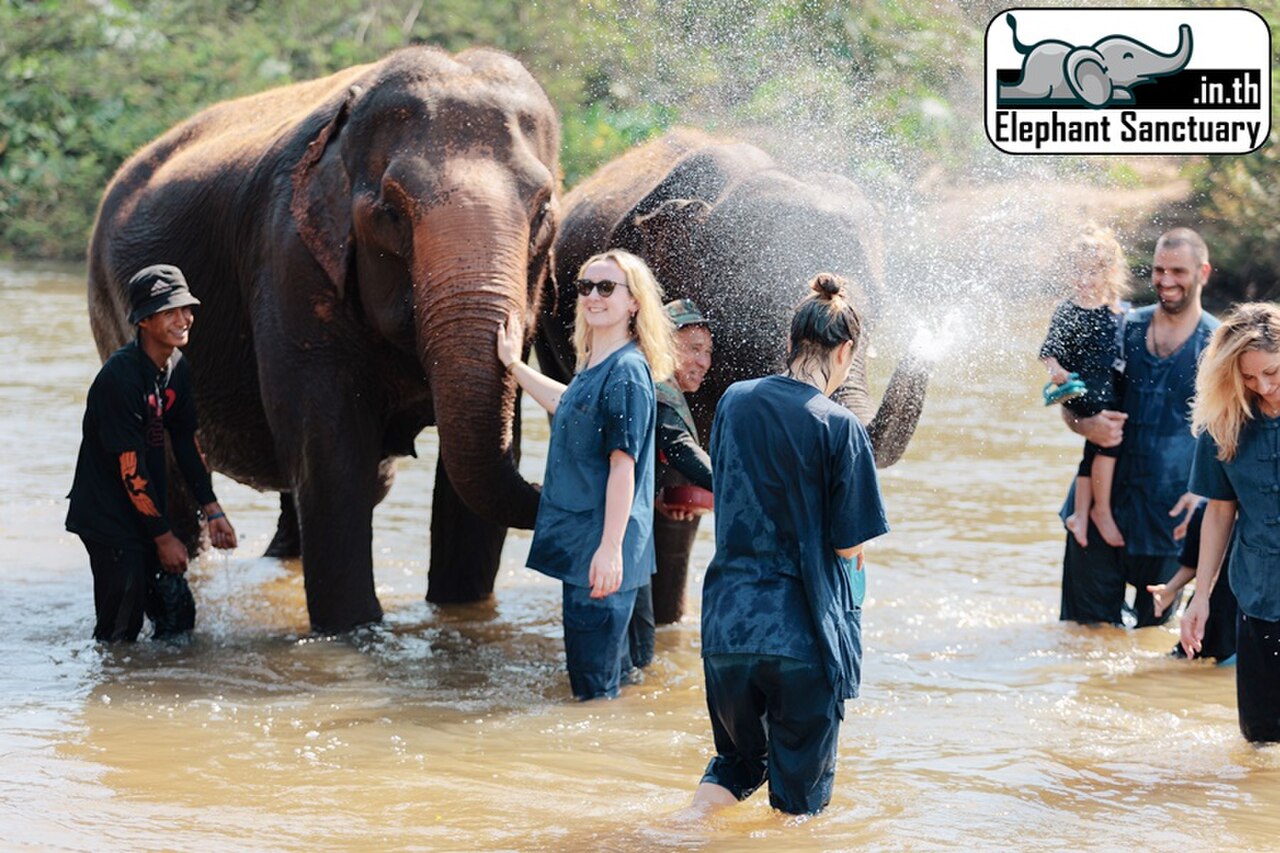
Visitors in sanctuary smocks bathing a rescued elephant in a stream in the hills outside Chiang Mai, with no riding
Bathing the elephants in the stream — the heart of an ethical sanctuary is caring for elephants, not riding them.
🎫
Price
About ฿1,800–2,800
Half day ~฿1,800–2,400 · full day ~฿2,400–2,800
⏱️
Length
Half or full day
Morning or afternoon session
🚐
Distance
1–1.5 hours
Mae Taeng / Mae Wang · pickup usually included
🚫
What it skips
No riding · no shows
No bullhook used on the elephants
🛁
Main activities
Feed · walk · mud-bath
You will get wet — bring a change of clothes
📅
Best months
Nov–Feb
Cool and clear; skip the Mar–Apr burning-season haze
Choosing well for the elephants

5 things to check before you book

Anyone can put "sanctuary" on a sign. Use these five to tell a place that genuinely cares for its elephants from one that just changed its name.

Booking with peace of mind: the better-run places take limited numbers per session and fill up fast in high season (Nov–Feb) — booking ahead online helps you get the slot you want and compare prices and reviews. Pick a listing that clearly says "no riding" and check the rating from people who have actually been before you book. See no-riding sanctuaries on Klook →
A day at the sanctuary

What you'll actually do and how to prepare

🐘 What a day looks like

Typically the day starts with a vehicle picking you up from your hotel in town in the morning, then a roughly 1 to 1.5 hour drive up into the hills. At the sanctuary you change into the smock they provide, hear the story of each elephant, and start by preparing food and feeding the elephants — chopping sugar cane, peeling bananas, rolling supplement balls for older elephants with worn teeth.

After that you usually walk with the elephants through the forest, watching them browse leaves along the way, before the part many people love most: heading into the stream to bathe and mud-bath them. This is the soggy, fun bit. A full-day programme adds a northern-Thai lunch at the sanctuary and more unhurried time with the elephants.

🎒 What to wear and bring

Wear clothes that can get wet and muddy and shoes you can wade in (strap-on sandals or water shoes are best), because the bathing part will soak you head to toe. Most places lend you a smock, but always pack a change of clothes and a towel.

Don't forget sunscreen, insect repellent, a hat and drinking water — it is cool but sunny up in the hills. For your phone or camera, bring a waterproof pouch or a waterproof camera, since your hands will be muddy and wet most of the time. Leave any valuables you don't need in the vehicle or a locker where they will be safer.

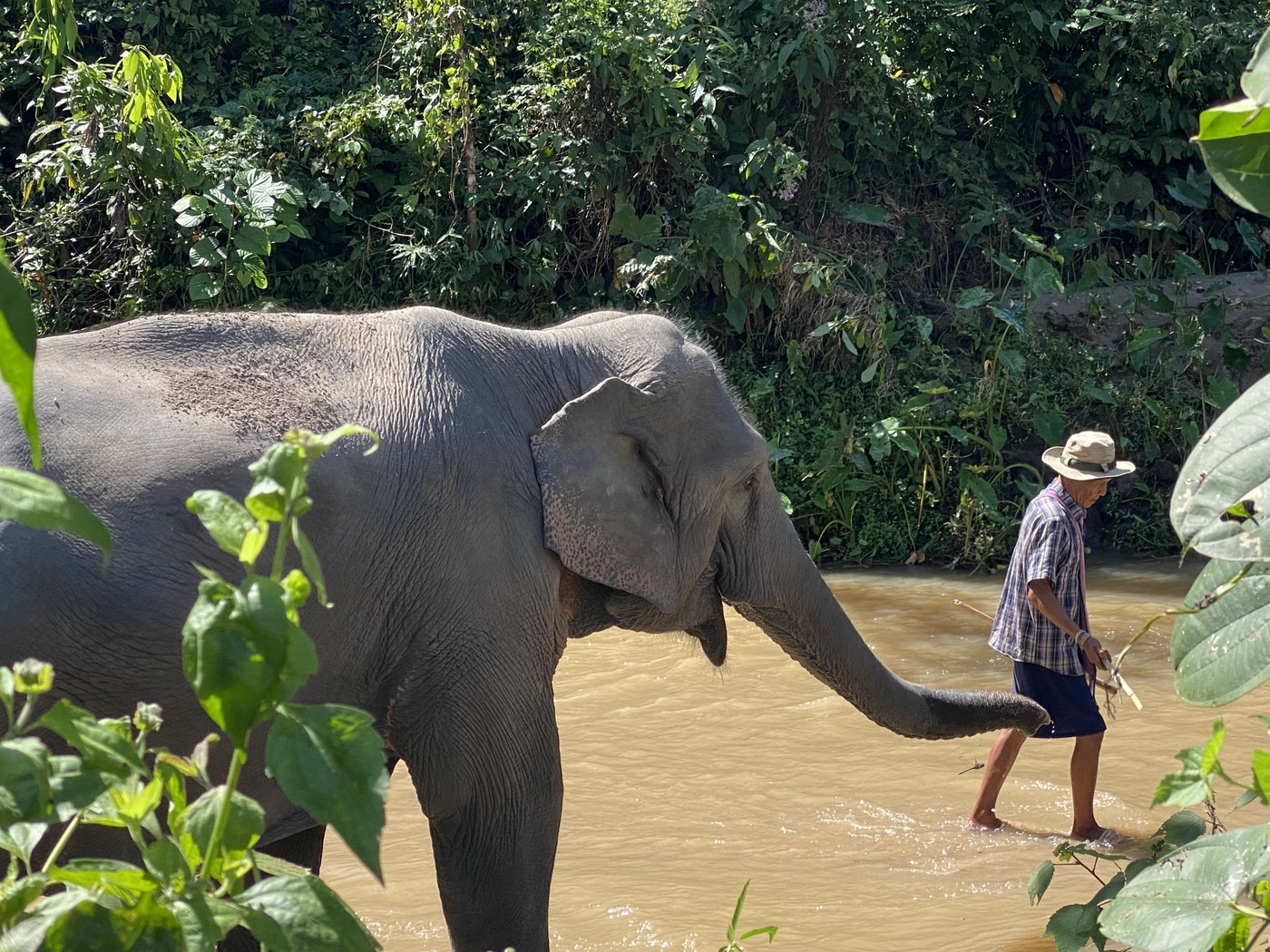
A mahout walking beside an elephant along a stream amid green forest in the hills outside Chiang Mai
A mahout and elephant by the stream — at an ethical sanctuary the elephants get to walk and forage naturally, not carry people all day.

👶 Who it suits — can you bring kids?

This kind of place suits almost everyone — couples, groups of friends and families with children. Kids tend to be thrilled by feeding bananas and bathing the elephants, and many places offer a lower price for children. If you are travelling with young kids or older relatives, a half-day programme is often the sweet spot and won't tire anyone out.

One honest note: even at a well-run place, an elephant is still a huge and immensely powerful animal. Follow the mahout's instructions closely, keep to a safe distance, never approach an elephant from directly behind, and keep a close eye on children at all times.

Getting there

How to reach the sanctuary

Most sanctuaries sit out of town in the hills, so there is no public transport that goes all the way. The easiest and most relaxing option is to let the sanctuary arrange transport, which is usually included in the package anyway.

🚐
Sanctuary pickup
Included in the package
The easiest way — a minibus collects you from your hotel, no driving needed on the winding mountain road.
🚗
Rental car / Grab
Self-drive
More freedom over timing, but the final stretch is a narrow hill road — check the pin and road conditions first.
🛵
Scooter
For confident riders
Some climbs are steep and slippery in the wet — only for riders with real experience.
Timing tip: a sanctuary visit takes up most of a half-day including travel. Pick a morning session and you can still explore the city in the afternoon — walk the Old City or relax in a Nimman café. Sanctuaries in the Mae Taeng valley are on the same route as Bua Tong Sticky Waterfall, so the two pair up easily in a single day.
Nearby

Pair the sanctuary with more of Chiang Mai

A sanctuary takes only half a day, leaving plenty of time for the rest of Chiang Mai.

FAQ

FAQ · Chiang Mai elephant sanctuary before you go

How is an ethical elephant sanctuary different from a regular one?
An ethical sanctuary has no elephant riding and no performances (such as elephants painting, playing football or standing on two legs) and the mahouts do not use a bullhook to control the animals. Instead you observe elephants from a sensible distance, prepare and feed their food, walk alongside them through the forest and help bathe or mud-bath them. Most elephants have been rescued from former trekking camps or the logging industry. A quick test: if a place still offers riding or shows, it is not genuinely putting elephant welfare first, no matter what it calls itself.
How much does a Chiang Mai elephant sanctuary cost?
A half-day programme (morning or afternoon) is around ฿1,800–2,400 per person, while a full day runs roughly ฿2,400–2,800 per person. The price usually includes hotel pickup and drop-off in town, food, the sanctuary's smock and drinking water, and children often pay less. Prices shift with the season and vary by sanctuary, so check the latest rate and book ahead on Klook, as the better-run places take limited numbers per session and fill up fast.
Is a half day or a full day better?
If you are short on time or travelling with young children, a half day is plenty: you still feed and bathe the elephants, and the whole thing including travel fits into half a day. If you want unhurried time with the elephants, a longer forest walk and a northern-Thai lunch at the sanctuary, the full day is better value. Overall a full day feels more relaxed and lets you watch the elephants simply being elephants.
How far is the sanctuary from Chiang Mai and how do I get there?
Most sanctuaries sit in the Mae Taeng valley to the north or Mae Wang to the south-west, around 1 to 1.5 hours from town by road. Nearly all of them include a minibus pickup and drop-off from your hotel in the package, so you do not need to drive. You can self-drive or take a Grab if you prefer, but the final stretch is a winding mountain road, so letting the sanctuary arrange transport is usually easier and more relaxing.
What should I wear and bring to an elephant sanctuary?
Wear clothes that can get wet and muddy and shoes you can wade in, because the bathing part will soak you. Most sanctuaries lend you a smock, but bring a change of clothes and a towel. Pack sunscreen, insect repellent, a hat and drinking water. It is cool but sunny up in the hills, so a waterproof phone pouch or a waterproof camera is well worth having since your hands will be muddy most of the time.
Klook · Chiang Mai tours & activities

No-riding elephant sanctuaries near Chiang Mai — book ahead, get the slot you want

Half- and full-day programmes with rescued elephants — feed, walk and mud-bath, with hotel pickup included. Choose a listing that clearly says "no riding" and check the rating from people who have actually been before you book.

See Chiang Mai sanctuaries on Klook →
Wherebest is a Klook affiliate partner — we may earn a commission when you book through our links, at no extra cost to you.