If one side of Chiang Mai is the golden temples and the old city walls, the other is Nimman — café-lined lanes that double as nomad offices by day, the design shops of One Nimman, the MAYA mall, and sois 1–17 you can wander from morning to late night.
Picture a Chiang Mai with no moat and no temple roofs — only glass-fronted cafés, craft shops, music drifting out of bar doorways, and people hunched over laptops filling the tables. That is Nimmanhaemin (usually shortened to Nimman), the district northwest of the centre, beside Chiang Mai University and the foot of Doi Suthep. Nimman is the most contemporary, most international side of the city.
The spine of it is Nimmanhaemin Road and its numbered side-lanes, running from Soi 1 to Soi 17 — each within easy walking distance of the next, and lined with cafés, restaurants and design shops. The main landmark is One Nimman, an open-air community mall in a Lanna style on the corner, followed by MAYA Lifestyle Shopping Center, the larger mall at the end of the road, and Think Park, a small café-and-shop courtyard opposite MAYA that was the neighbourhood's original gathering point.
Here is the use case: you have spent a full day walking temples until your legs have given out, and what you want now is a good café and a light dinner with a cold drink. Nimman is the answer to that moment. This is not the Chiang Mai you come to for history — it is the Chiang Mai you come to live in: to sit and work, to eat, drink, and stay somewhere comfortable.
Nimman does not trade on history; it trades on contemporary city life — good cafés, good restaurants, an international crowd, and lanes you can wander all day.
The appeal of Nimman is a kind of internationalism you can actually use in a small city. Step out of One Nimman and there is a café where the barista pulls a clean flat white; turn down another soi and you pass Japanese, Italian, Indian and northern-Thai kitchens in a row; walk a little further and you find a bar that runs late. This is where the long-stay foreign community in Chiang Mai actually lives, not merely where it poses for photographs.
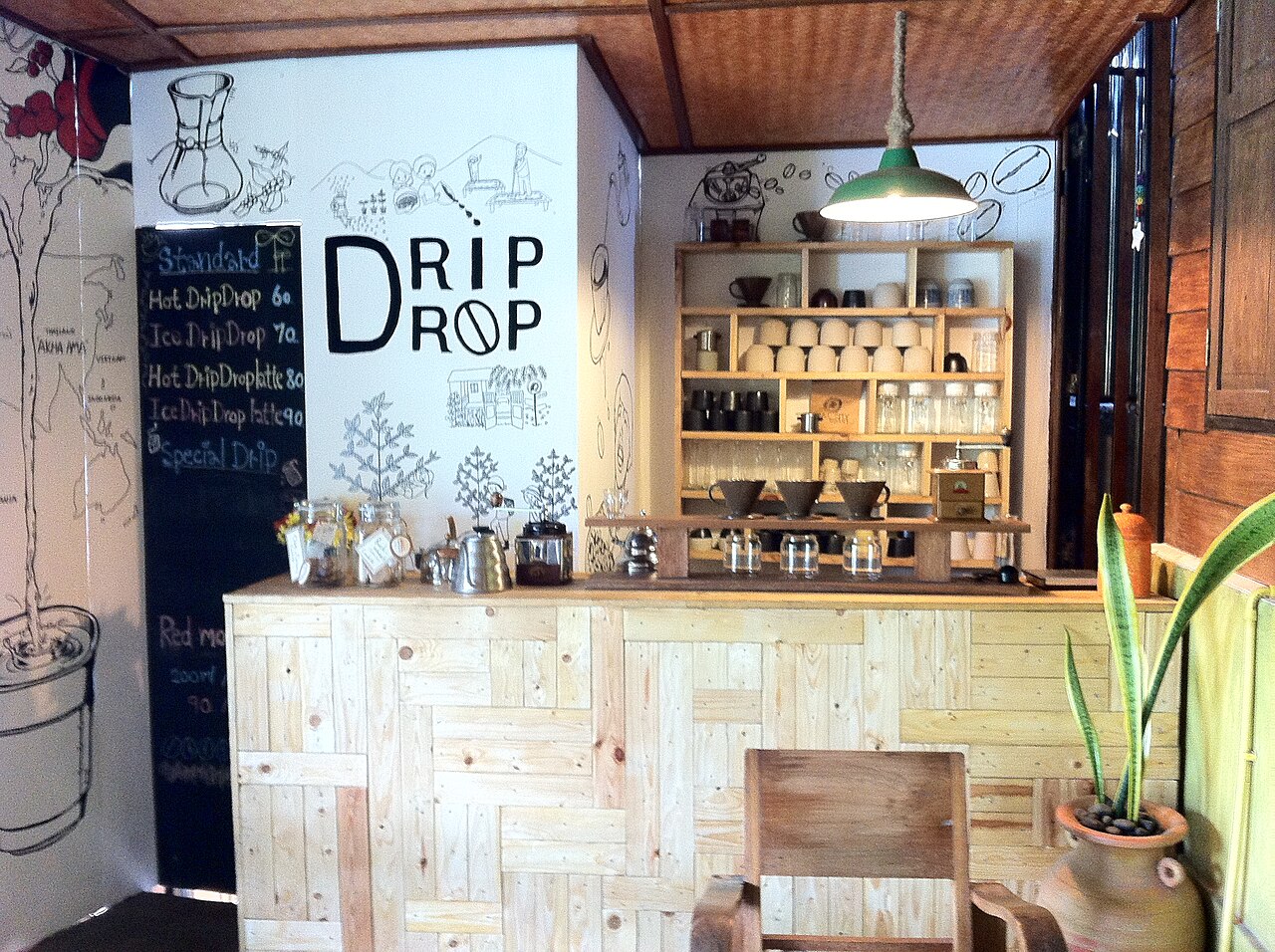
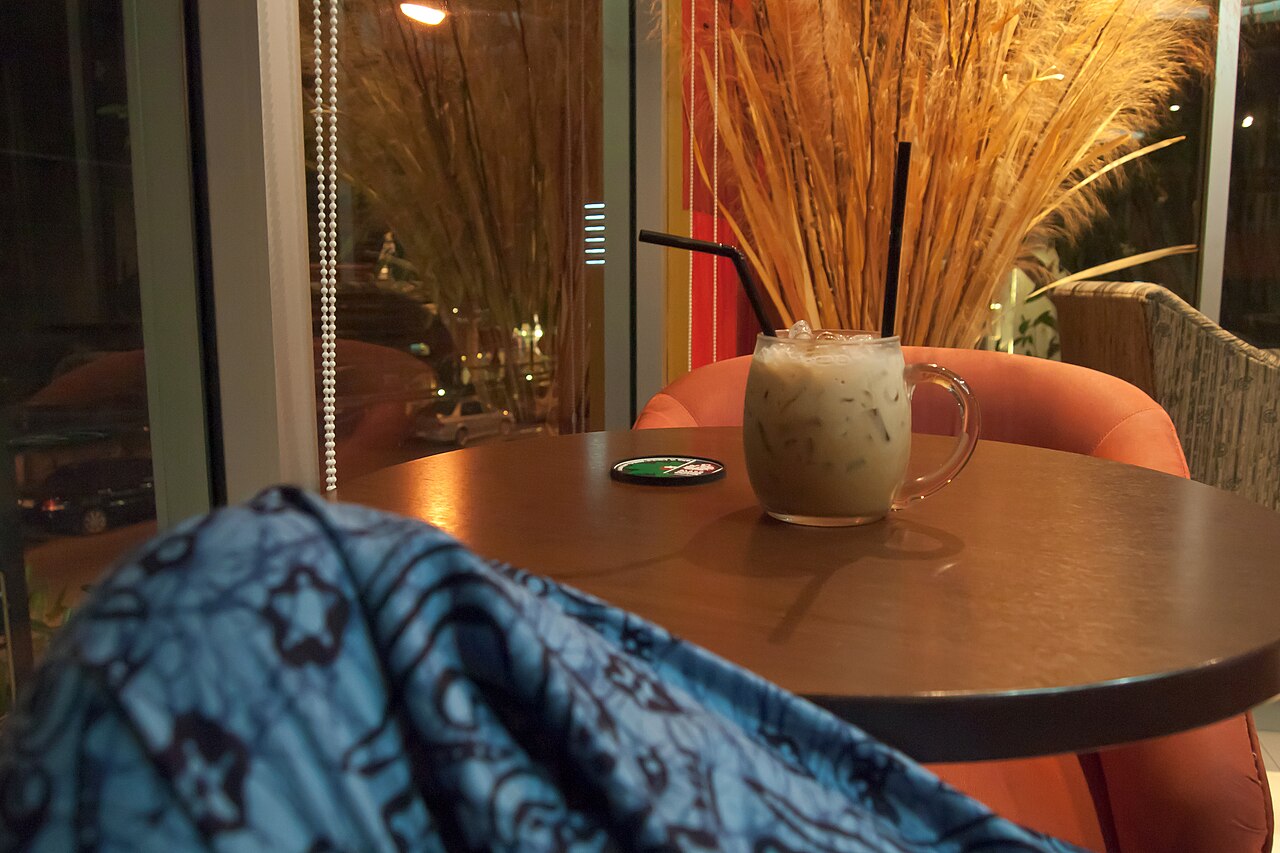
Nimman is the real café district of Chiang Mai, from serious roasters who care about their beans to design-led cafés built to be photographed. Walk it lane by lane and you keep finding new ones. Start at One Nimman or Think Park, then branch off into the sois — it is something you can do all day without much of a plan.
Nimman is one of the most popular bases for remote workers anywhere in Chiang Mai. Most cafés have Wi-Fi and plug sockets for working, there are several co-working spaces in the area, the cost of living is low, and everything is within walking distance. If you are planning a long stay or want to understand life here, see the Chiang Mai digital nomad guide.
If you have eaten khao soi and northern food for several days running and want a change, Nimman has the widest range of cuisines in Chiang Mai — Japanese, Korean, Italian and Indian through to good northern-Thai restaurants and vegetarian kitchens. Prices run a little higher than the roadside stalls, but the choice and atmosphere are wider. You can still find genuine local food in the lanes too.
Nimman is the modern side of Chiang Mai nightlife, from cocktail bars and craft beer to live-music spots and the rooftop bar atop MAYA, which looks out toward Doi Suthep. The mood is relaxed rather than hectic — better suited to a long sit than a heavy party — and it is the evening meeting point for both locals and the area's international residents.
The heart of the neighbourhood — an open-air community mall in a Lanna-colonial style at the corner of Nimmanhaemin Road and Siri Mangkalajarn Road, bringing together cafés, restaurants, craft shops and local souvenir stalls. The central plaza and clock tower are a popular photo spot. Free to wander, open roughly 11:00–22:00 daily (individual stores vary — check ahead if there is a specific shop you want), and on Friday-to-Sunday evenings there is often a Rustic Market. It is the best place to start exploring Nimman, for shopping, eating and photography.
The area's main mall, at the end of Nimmanhaemin Road by the Rin Kham intersection — shops, a supermarket, restaurants, a cinema and an affordable food court. The top floor has a rooftop bar with a Doi Suthep view in the evening. It is a good place to escape the heat or a downpour, and the landmark locals use most often to give directions. Open daily from roughly 11:00 to 22:00.
A small open-air courtyard of cafés and shops directly opposite MAYA. It was Nimman's original gathering point before One Nimman arrived — shaded by trees, with coffee shops, handmade-goods stalls and the occasional small craft market. A good spot to pause and sit while you work your way through the sois.
One of Nimman's real pleasures is the small shops tucked into the sois — local designer clothing, art galleries, ceramics studios, craft stores and homeware — scattered along Soi 1 through Soi 17. Most are independent Thai labels you will not find in an ordinary mall. Wandering and stopping into whatever catches your eye is the best way to see this part of the area.
Nimman sits at the foot of Doi Suthep and beside Chiang Mai University, which makes it a handy base for heading up the mountain. From Nimman, a red songthaew or Grab to Wat Phra That Doi Suthep takes roughly 30–40 minutes. Around CMU you will find cheap student eateries and the Ang Kaew reservoir for an easy walk. If you want nature close to the city, this area is an easy launch point.
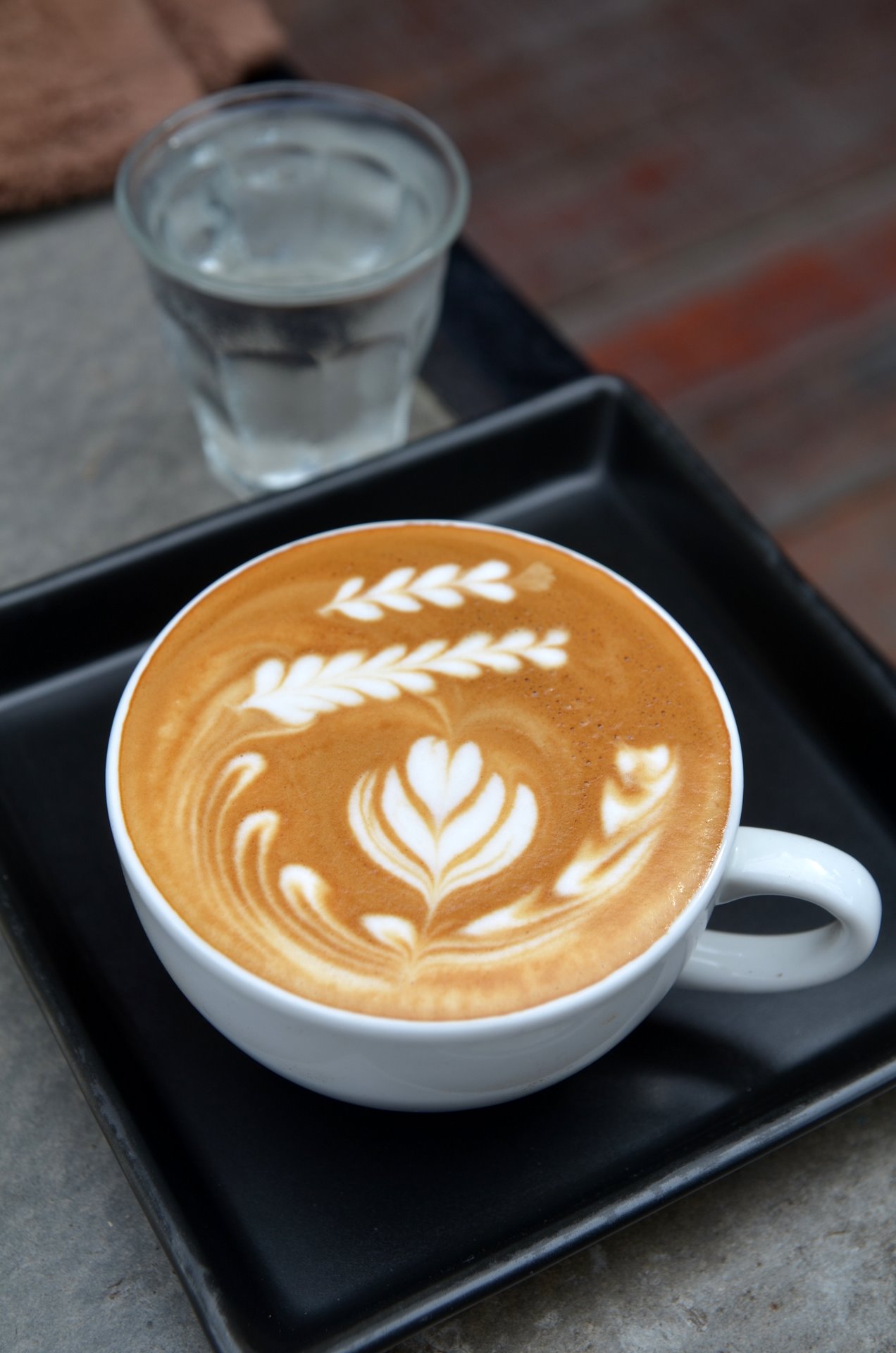
If there is one thing to do in Nimman, it is sit in a café. This is the most concentrated coffee culture in Chiang Mai, from specialty coffee using beans grown in the northern hills to design-led cafés. Coffee typically runs ฿60–120 a cup. We have broken out the standout spots in the Nimman cafés guide.
From brunch cafés to late-night bars in the lanes, this is the neighbourhood you come to for a break from khao soi and northern food — while still finding good local cooking.
The area around Nimmanhaemin Road and its sois has the widest range of cuisines in Chiang Mai — Japanese, Korean, Italian and Indian through to good northern-Thai restaurants and vegetarian kitchens. A casual lunch runs around ฿120–250 per person, and dinner at a nicer restaurant can reach ฿400–800 per person. If your priority is authentic, inexpensive northern food, also look at Chiang Mai street food.
Nimman has the best specialty coffee and brunch spots in Chiang Mai, scattered along every soi — from serious roasters who care about their beans to relaxed cafés good for sitting and working all day. Coffee typically runs ฿60–120 a cup. This is the best part of the city if you are missing the coffee style you know from home. Read more: the Nimman cafés guide, and the whole-city picture in the Chiang Mai food guide.
Chiang Mai's best modern base for travellers who lead with cafés, varied food, shopping, nightlife and remote work.
The strongest argument for basing yourself in Nimman is simple: you wake up already inside the neighbourhood for coffee, food and shopping — no journey required to find a good café or dinner. This is the densest cluster of modern condos and hotels in Chiang Mai, from design hostels up to upper-tier hotels, and you can walk to restaurants and co-working from almost anywhere in the area.
The honest trade-off: Nimman sits about 2–3 km from the temples and the Old City walls. If your trip is built entirely around the old town — the temples, the moat, the morning market — staying inside the Old City may be more convenient, since you can walk straight to the sights. But if you want a modern place to stay, good cafés and nights that stay awake, Nimman delivers all of it in one neighbourhood. Not sure where to base yourself? Read where to stay in Chiang Mai, which compares every area.
Want the whole-city picture first?
Chiang Mai has no metro or subway. Getting around the city relies on red songthaew, Grab, rented scooters and walking. Nimman is about 2–3 km from the Old City — choose based on your budget and how easy you want it.
15:00 — Start at One Nimman: browse the craft shops, photograph the central plaza and clock tower.
16:00 — A coffee break at a specialty café in the lanes (฿60–120).
17:00 — Work your way along sois 1–17, looking into the design shops and small galleries, and stop at Think Park.
18:30 — Dinner: pick from the area's range — Japanese, Italian, or a good northern-Thai kitchen.
20:00 — A nightcap at a cocktail bar in one of the sois, or the rooftop bar atop MAYA with its Doi Suthep view.
Start your morning up Doi Suthep before the day heats up and the crowds build, then come back down to Nimman for the afternoon and evening:
08:00 — Red songthaew or Grab from Nimman up to Wat Phra That Doi Suthep (~30–40 min) for the temple and the city view.
11:00 — Back down to Nimman; lunch at a café or restaurant in the area.
13:00 — A café to work from, or simply somewhere to wait out the midday heat.
15:30 — Walk the sois, shop the design stores, and take in One Nimman and Think Park.
18:30 — Dinner and a nightcap, following the half-day route above.
Want to continue with old Chiang Mai? See the temple-side sights at Chiang Mai's top attractions, or plan the whole trip with the complete Chiang Mai city guide.