A low cost of living, cafes and coworking spaces all over town, a nomad community that has been going strong for years, and internet that genuinely holds up for remote work. This guide is built from real numbers and real experience, so you can decide and get set up before you move.
Ask remote workers around the world which Asian city they want to base in, and Chiang Mai is always on the list. The reasons are simple: a low cost of living relative to the quality of life — a good condo for low five figures in baht, tasty meals for a handful of baht, highland coffee roasted in-house on every other corner, and a real choice of coworking spaces.
The community is already here — Chiang Mai has a large pool of foreign nomads and Thais who work remotely, with events, meetups and online groups that make it easy to find people. Calm but not dull — slower than Bangkok, with far less traffic, yet enough restaurants, bars and things to do that you won't get bored. Nature is close — finish work and drive up a mountain, visit a waterfall, or head to Pai for the weekend. See the full city overview at the complete Chiang Mai guide →
The answer comes down to lifestyle, but here is a rough frame. A lean budget runs about ฿25,000–35,000 a month if you rent a studio, eat at local spots and markets, and get around by red songthaew and scooter. A mid-range budget runs about ฿40,000–60,000 with a one-bedroom condo in Nimman, a mix of restaurants and cafes, and a coworking membership. A comfortable budget is ฿70,000 and up for a well-located condo, eating and drinking out often, and weekends away.
| Expense | Per month (rough) | Notes |
|---|---|---|
| Rent | ฿9,000–20,000 | One-bedroom condo in Nimman / Santitham; monthly leases beat nightly rates; utilities extra |
| Food | ฿8,000–18,000 | Very cheap eating local and at markets; cafes and Western food push it up |
| Coworking | ฿2,500–4,500 | Monthly membership; some skip it and use cafes to save |
| Transport | ฿1,500–4,000 | Monthly scooter rental plus fuel, or red songthaew / Grab |
| Internet + SIM | ฿600–1,200 | Home fibre plus a mobile package (some condos include internet) |
Chiang Mai is small — a few minutes by road across town — but each area has a distinct character. These three are where nomads land most often. See the full breakdown of areas and stays at the where-to-stay guide →
The most popular area for nomads. Cafes, coworking, restaurants and the MAYA mall are all within walking distance, and the community is densest here — you'll meet remote workers everywhere. The trade-off is higher rent than elsewhere, and rooms fill up fast in high season. Best if you want to be in the middle of the convenience and the nomad scene. Go deeper at the Nimman area guide →
Just north of Nimman, a few minutes' walk or scooter ride away, but noticeably cheaper to rent. It's a local neighbourhood with markets, rice-and-curry shops and small coffee places. Ideal for nomads on a tighter budget who want Nimman's convenience without Nimman's rent. Quieter and more easygoing in feel.
The square moat with its ancient Lanna temples, old-building cafes and restaurants all within walking distance. Good for nomads who like to walk and want a heritage atmosphere, with several coworking spaces and work cafes around. Rooms range from monthly guesthouses to small condos. Note that parking is harder and some lanes are quiet at night.
Most nomads book a place by the week first, then find a monthly condo once they arrive so they can see the actual room, test the internet speed before signing, and negotiate. See stays for every budget at Top 10 Hotels in Chiang Mai →, or compare areas at the where-to-stay guide →
Chiang Mai has a real choice of coworking spaces in Nimman and the Old City, from quiet, focus-first rooms to spaces built around community and events. Below are the names that come up most often among nomads — hours, prices and locations change, so check the official page before you go.
One of the coworking spaces that has been part of the Chiang Mai nomad scene for years, with more than one location across the Nimman and Old City / Tha Phae sides. Known for stable internet, proper work desks, and both daily and monthly passes. A good fit if you want a serious place to sit and work.
A work space inside the MAYA mall in the middle of Nimman, known for long opening hours into the night (it has run 24 hours at times — check current hours before relying on it). Plenty of seating, power and an in-house cafe. Good for late-night work or a looming deadline; the feel is more big cafe than quiet office.
A Nimman coworking space known for its community and events. It tends to run meetups, workshops and social sessions where you can meet people. A good fit for nomads who have just arrived and want to make friends quickly, with several work zones and an in-house cafe.
Heartwork is a calmer, warmly designed coworking space for people who like a quiet desk. Alt_ChiangMai is another Nimman-area space that draws remote workers. Both offer daily and monthly passes. The smart move is to try a few on day passes first, then pick the one you like and sign up monthly.
Every nomad's first question. The answer is that the internet in Chiang Mai is generally good for work. Home fibre is fast and inexpensive, most condos and coworking spaces have Wi-Fi that handles video calls comfortably, and 4G/5G mobile coverage is good across the city and around the mountains.
Condo fibre is fast enough for video calls and uploading files, and some condos include internet in the rent. Coworking spaces invest in their connections, so they're usually faster and more stable than an ordinary cafe. If your work leans hard on the internet, test the speed in the actual room and at the coworking space before signing a long lease.
Always keep mobile data as a backup for when your main connection drops mid-meeting. Buy a tourist SIM at the airport or a convenience store — multi-day packages are inexpensive — or activate a Thai eSIM before you fly. Plenty of people tether from their phone to keep working when home internet plays up. See how to choose at the Thailand SIM & eSIM guide →
A visa designed for remote workers and people coming for longer-term activities. It allows a longer stay per entry and is valid for several years. The fine print on income requirements, documents and how long you can stay per entry gets adjusted from time to time — check the current conditions with an official source.
Some people enter on an education visa by enrolling in a Thai-language course, Muay Thai, or another approved programme, which lets them stay continuously. You do have to actually attend, and there are reporting conditions. Choose a properly licensed school and understand the commitment before signing up.
Many people start by entering on a visa exemption or tourist visa, then extend at the Chiang Mai immigration office. It suits anyone who wants to try living here for a short spell before committing long-term, but the number of days and extensions is limited — not a permanent solution.
Whatever visa you use, get health insurance for your stay, keep your financial and accommodation documents ready, and understand the 90-day reporting requirement for long stays. Talk to a reputable visa agency or an official source if you're unsure.
November to February is the most comfortable time to be here: cool, clear skies, sitting outside at a cafe, full days out in nature. It's also when nomads arrive in the greatest numbers, so the trade-off is that rooms fill up fast and short-term rents climb. The rainy season (June to October) is green, quieter and cheaper to rent. Full breakdown at when to visit Chiang Mai →
The thing every nomad has to know: from roughly February to April, the north enters its smoky season as fields and forests are burned. PM2.5 often stays high for weeks at a stretch, the mountain views turn hazy, and some days the air stings. A lot of nomads leave for somewhere else during this window and come back in the cool season. If you stay, get an air purifier for your room, pack a haze mask, and check the AQI daily. Best months at the Chiang Mai season guide →
A big plus of Chiang Mai is its large, active nomad community, which has been going for years. Coming alone doesn't mean being lonely, because there are plenty of places to meet people. Base yourself at one coworking space and the social side tends to follow.
Plenty of coworking spaces in Nimman run regular events and meetups — talks, skill-shares and socials. It's the easiest way to meet people in the same line of work. Join one as a member and turn up to the events they put on.
There are several Facebook groups for nomads and foreigners in Chiang Mai — useful for questions, finding a room and arranging to meet — plus apps like Meetup with frequent language, board-game, climbing and workshop events to join.
The well-known work cafes in Nimman have their regulars. Go often enough and you start recognising people and saying hello — a natural way to build a social circle. See cafes you can work from at Nimman cafes →
A lot of people meet through activities outside work — the gym, a Muay Thai class, yoga, a northern cooking class, weekend trips up the mountains. It's a way to meet both nomads and locals at once. See classes and activities at Chiang Mai cooking classes →
Beyond coworking, Chiang Mai is a real coffee city — beans grown in the northern highlands, in-house roasters everywhere, especially around Nimman and the Old City. Many places have power outlets and Wi-Fi for working. See cafes in detail at Nimman cafes →

Nimman is the heart of Chiang Mai's cafe scene, from serious in-house roasters for coffee people to big-table places you can work at all afternoon. Many have power and Wi-Fi. The etiquette is to keep ordering drinks and avoid hogging a table when it's busy. See the picks at Nimman cafes →
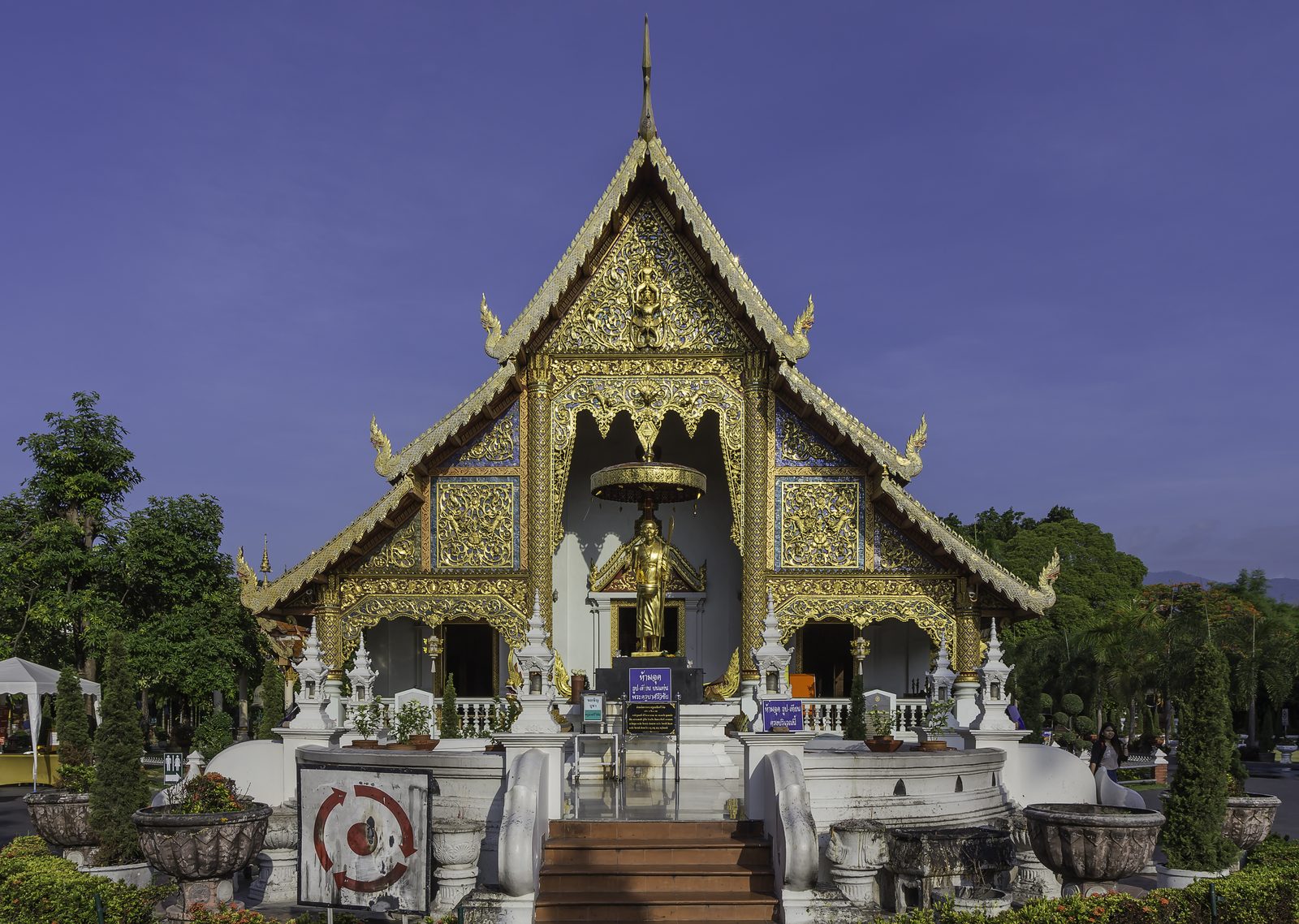
Inside the moat you'll find cafes in old buildings and small gardens to work quietly in, among the heritage streets and Lanna temples. Ideal if you live in the Old City and want to walk to work. Some are quieter than Nimman and see fewer tourists on weekdays.
☑ Pick your timing, avoiding the smoky season (check the best months)
☑ Research the visa options and check with official sources (visa guide)
☑ Get health insurance for your stay
☑ Book the first week somewhere, then find a monthly condo on arrival
☑ Arrange a Thai SIM/eSIM as a backup connection
☑ Try a few coworking spaces on day passes before going monthly
☑ View condos in person, test the room's internet before signing
☑ Activate your SIM and test a tethering backup
☑ Join the online groups and events to find community
☑ Rent a scooter (licence + helmet) or use red songthaews / Grab