Chiang Mai isn't huge, but each neighbourhood has a distinct feel — and stay in the wrong one and you'll spend the day shuttling around in a songthaew before you see anything. Here's who each area suits, what it costs, and what's nearby — honestly.
It's a familiar trap — you spot a good-value place in the app, book it without checking the map, and then on your first morning, when you want to walk the temples inside the Old City, it turns out your hotel is out of town and you're calling a songthaew every time. Chiang Mai is smaller than Bangkok, but the sights and the places to stay are still spread out: the walled Old City, Nimman beyond the moat, the riverside, and on out towards the foot of Doi Suthep. On a three- or four-day trip, time spent in transit is sightseeing time quietly gone.
The good news is that once you understand the layout, the choice is easy. We've split the city into five main neighbourhoods, each with a clear personality — different prices, atmosphere and what you can reach on foot. Work out what you want from the trip, pick the right area now, and the whole thing runs more smoothly.
Want the wider picture of the city and its sights first? See the Chiang Mai city guide or the Chiang Mai first-timer guide. Otherwise, read on for the where-to-stay answer.
For the majority of people visiting Chiang Mai for the first time, staying inside the moat is the most practical base by a wide margin. You can walk from your hotel to Wat Chedi Luang, Wat Phra Singh and dozens of other old temples; Tha Phae Gate and the Sunday Walking Street are close by; and restaurants, cafés and massage shops line the lanes. The Old City is a neat square ringed by a moat and the remains of the old wall, easy to cover on foot. Prices run wide, from guesthouses around ฿500 a night up to boutiques in the ฿2,000–4,000 range. On your first morning in an unfamiliar city, not having to call a ride makes a real difference.
There's a place to stay at every level here — quiet-lane guesthouses, backpacker hostels, and boutiques converted from old teak houses. Match one to your budget and style from the shortlist we keep, and if you're still unsure about day one, read the Chiang Mai first-timer guide to set the wider picture first.
See Chiang Mai hotels at every budget →Honest vibe, a rough ฿-per-night band, and what's nearby for each — so you can match the area to your trip.
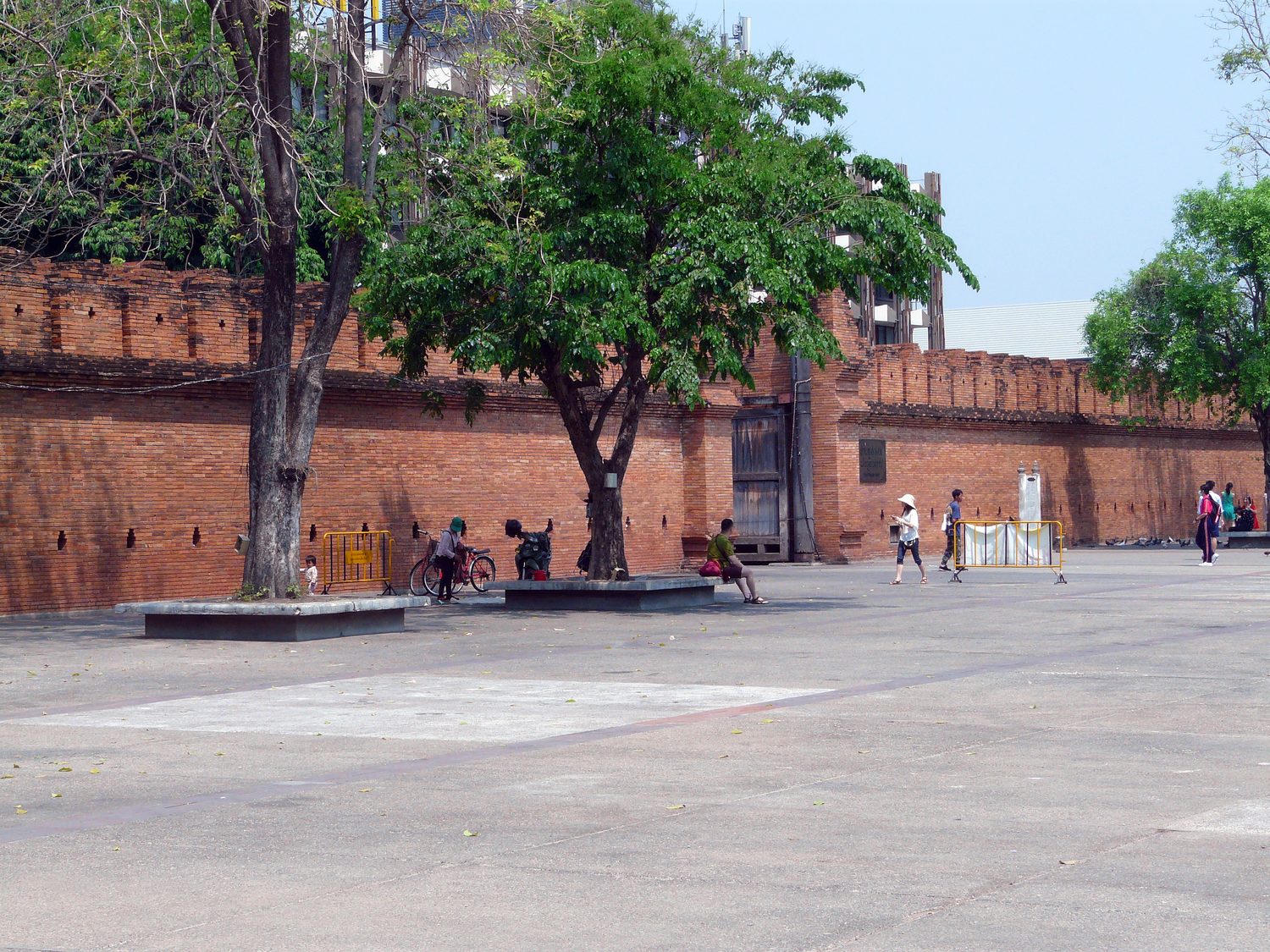
Area 1
Right for: First-timers who want to see the temples and the old centre on foot. Wake up and walk to Wat Chedi Luang and Wat Phra Singh; on Sunday evenings the Walking Street runs from Tha Phae Gate. The trade-off: most places inside the moat are guesthouses and small boutiques, rooms can be on the snug side, and some lanes are narrow for cars — but you walk everywhere all day without calling a ride, which pays off on a short trip.
Right for: Café-lovers, a younger crowd and remote workers. New cafés fill every lane, alongside bars, restaurants, the MAYA mall and One Nimman, all in one area; the side streets (sois 1–17) are easy to wander, and it's at its busiest in the evening. Most stays here are condos and modern hotels. The trade-off: it sits outside the moat, so you take a short songthaew or Grab ride to the temples, and rates run a little above the more local districts.
Right for: Travellers after a relaxed, scenic stay. Resorts and hotels along the Ping River often have rooms that look onto the water, with riverside cafés and restaurants to wander in the evening; it's quieter and more romantic than the centre, and suits couples or anyone there to slow down. The trade-off: it's a little removed from the Old City temples and the walking streets, so you take a songthaew or Grab in, and many riverfront stays sit above the city average on price.
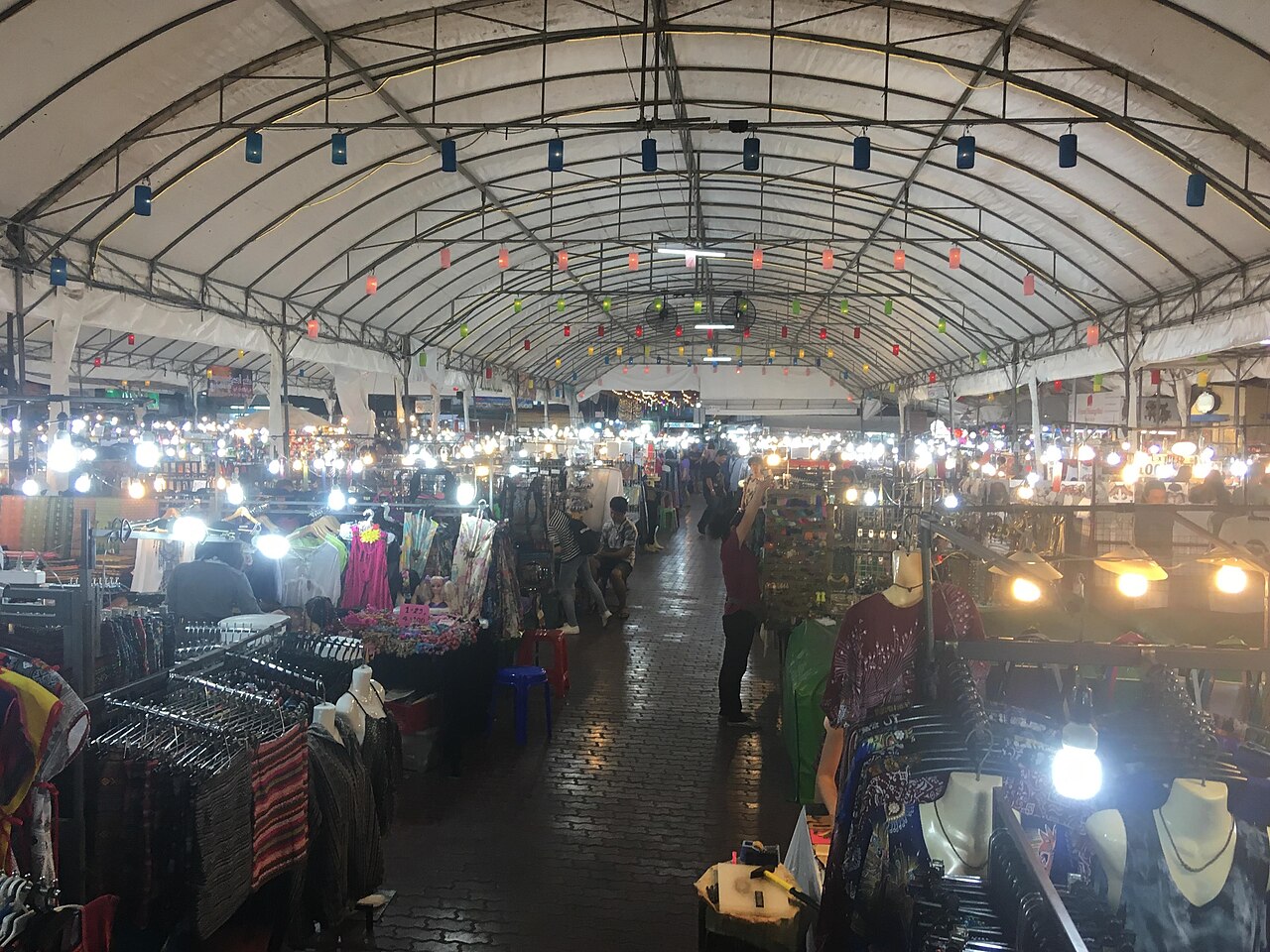
Area 4
Right for: Shoppers and anyone who likes a lively evening. The Night Bazaar, Anusarn Market and late-night restaurants are all within walking distance, there are hotels at every level in one area — from budget to 4-star — and it's roughly a 10–15 minute walk to the Old City. The trade-off: Chang Klan road gets busy and congested in the evening, and some hotels sit on the main road, so check the room's location and noise before you book.
Right for: Anyone staying a while or after local prices. Santitham sits just north of Nimman and is full of monthly apartments, local food shops and cheap cafés — the district where Chiang Mai locals and remote workers actually live. You can walk or take a short songthaew to Nimman. The trade-off: there are no major sights in the area, and the places to stay are practical rather than atmospheric, so it works best as a long-stay base than a short holiday.
A note on getting around the city: Chiang Mai has no metro or BTS. You'll rely on red songthaews (shared red trucks, roughly ฿30–50 per ride within the city), Grab (both cars and motorbikes) and rented scooters (you need a licence, a helmet and careful riding). The Old City is small enough to walk, while day trips out to Doi Suthep or Doi Inthanon are usually done with a hired car and driver. Pick an area close to what you'll do most and you save both time and fares — see getting around Chiang Mai for the full rundown.
Chiang Mai is excellent value for somewhere to stay. If you're watching costs, guesthouses and hostels in the Old City or Santitham start at very reasonable rates, around ฿450–800 a night — see the full shortlist at Top 10 Hotels in Chiang Mai, which runs from budget to the top end, ranked by merit.
For a bit more atmosphere, boutiques in the Old City and resorts along the Ping River are the choices many people make, while anyone planning a longer stay should look at Nimman and Santitham for their monthly apartments. There's more in the Chiang Mai digital-nomad guide, and you can compare the whole trip's costs in the Chiang Mai trip budget.
With your neighbourhood chosen, map out the trip day by day — the Chiang Mai 3-day itinerary threads together the Old City, Doi Suthep and a day trip out at a realistic pace, and the Chiang Mai attractions roundup tells you which area each sight is in and how long to spend there. If you're not sure which month to come, check the best time to visit Chiang Mai first — during the burning season (roughly February to April) the air can turn hazy and the mountain views dim.