10 Experiences Families Actually Remember
Ordered by lasting impact, not Instagram appeal.
 1
1
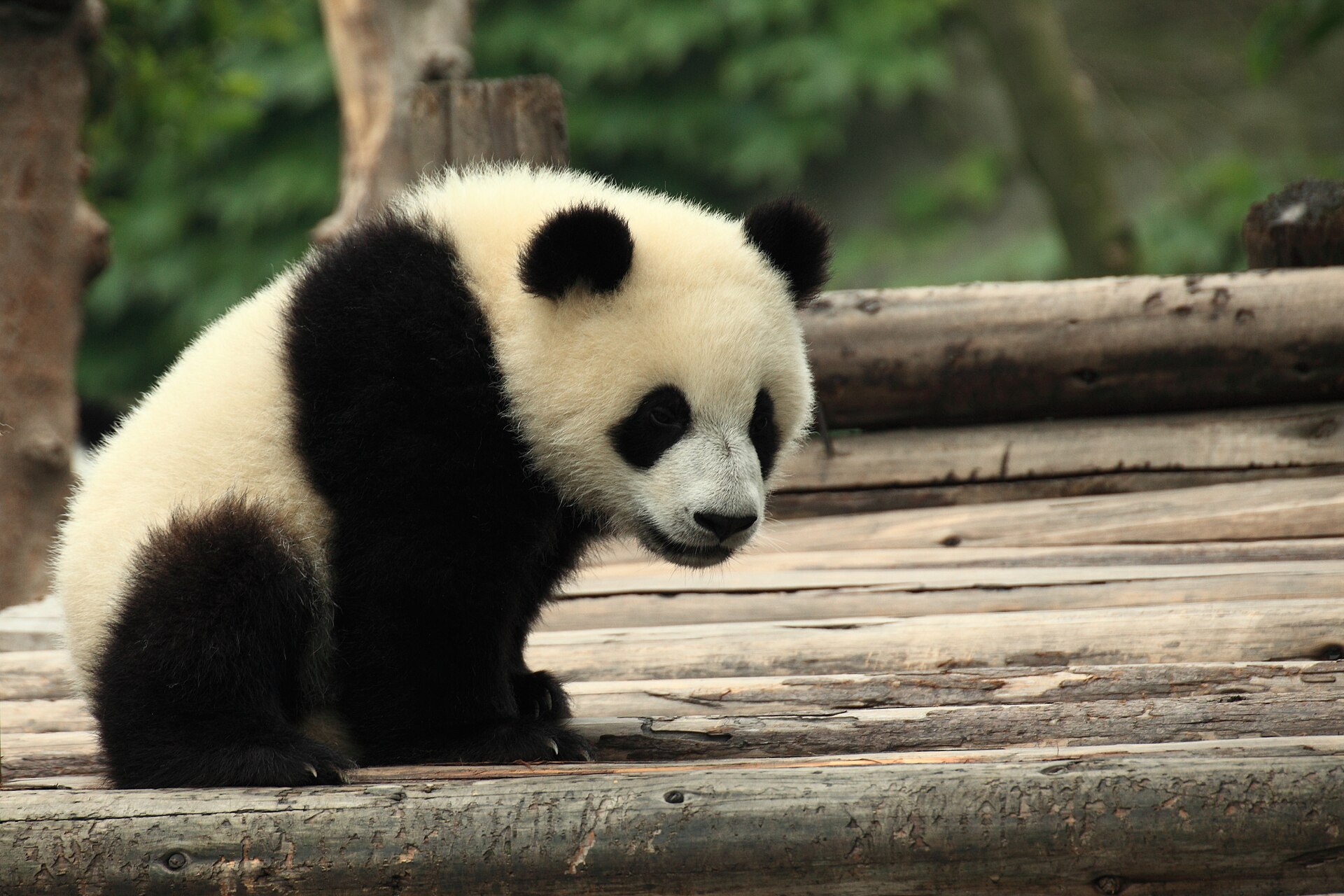
This is why most families come to Chengdu — the largest panda breeding base in China, with dozens of giant pandas living in spacious simulated bamboo forest. Children get to watch full-grown pandas tumble and chew bamboo close up, and the part that gets the loudest reaction is the cub nursery: fuzzy youngsters clambering over wooden climbing frames. There is one rule that matters more than any other here — go early. Pandas are awake and active in the morning while eating their breakfast; by late morning they sleep for hours. Arrive late and the children mostly see motionless black-and-white lumps.
If the children still want more animals, Chengdu Zoo sits on the same metro line as the Panda Base (Line 3, Zoo station). It is a large, relaxed zoo with tigers, lions, giraffes, monkeys and several more pandas — quieter and far less crowded than the Panda Base. It is cheap, the paths are flat and easy, and it works either as a follow-on the same morning or as a gentle stand-alone afternoon for younger children who can't manage a full day on their feet.
 3
3
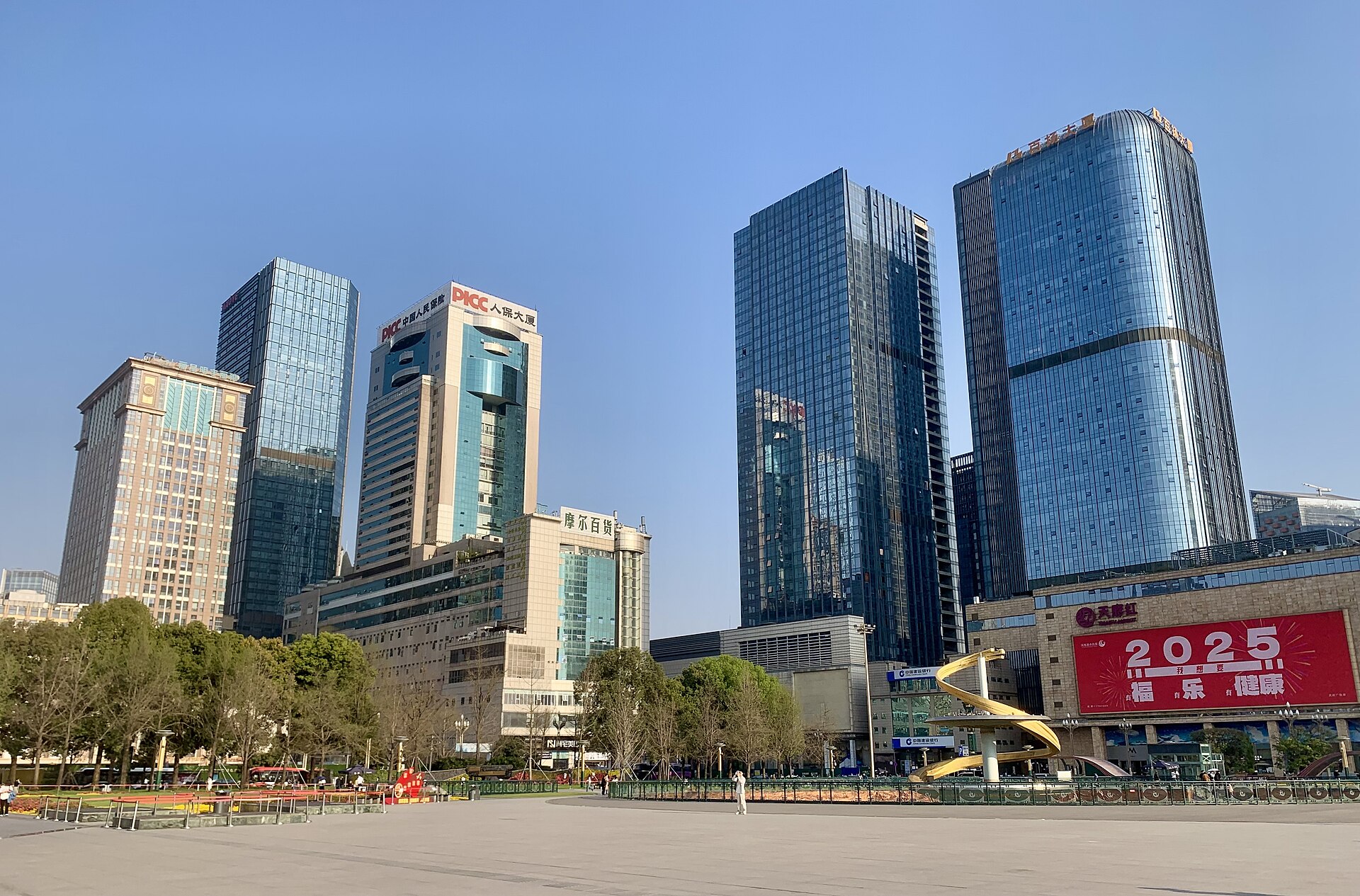
The heart of Chengdu is Tianfu Square, and right on it is the Sichuan Science & Technology Museum — a big building full of hands-on zones on space, robotics, optical illusions and playful physics that children can actually press and operate. It is excellent air-conditioned shelter from the midday heat or rain, and school-age kids happily spend half a day here. The metro station is directly beneath the square, so you come up and you are there. The square itself is wide open for kids to run, with grand civic buildings around it that photograph well.
 4
4
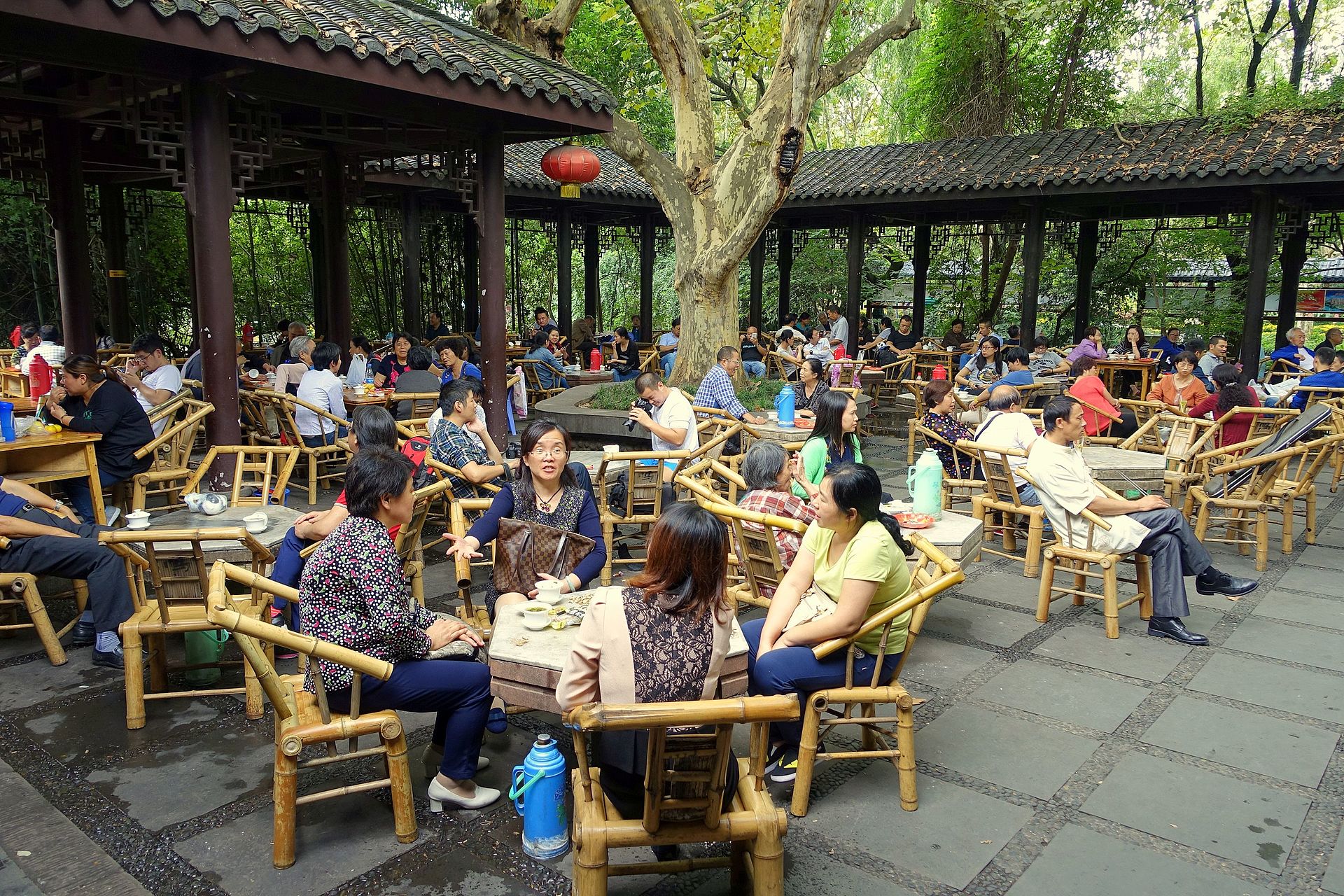
A good family trip needs at least one day with no agenda, and People's Park is the ideal place for it. There is a lake with paddle boats children love, the famous Heming Teahouse where you sit and watch Chengdu live at its own slow speed (and where the city's signature ear-cleaning service is a small spectacle in itself), a little playground, and plenty of open space to run. Children worn out from walking and queuing recover here — and so, genuinely, do the adults.
 5
5
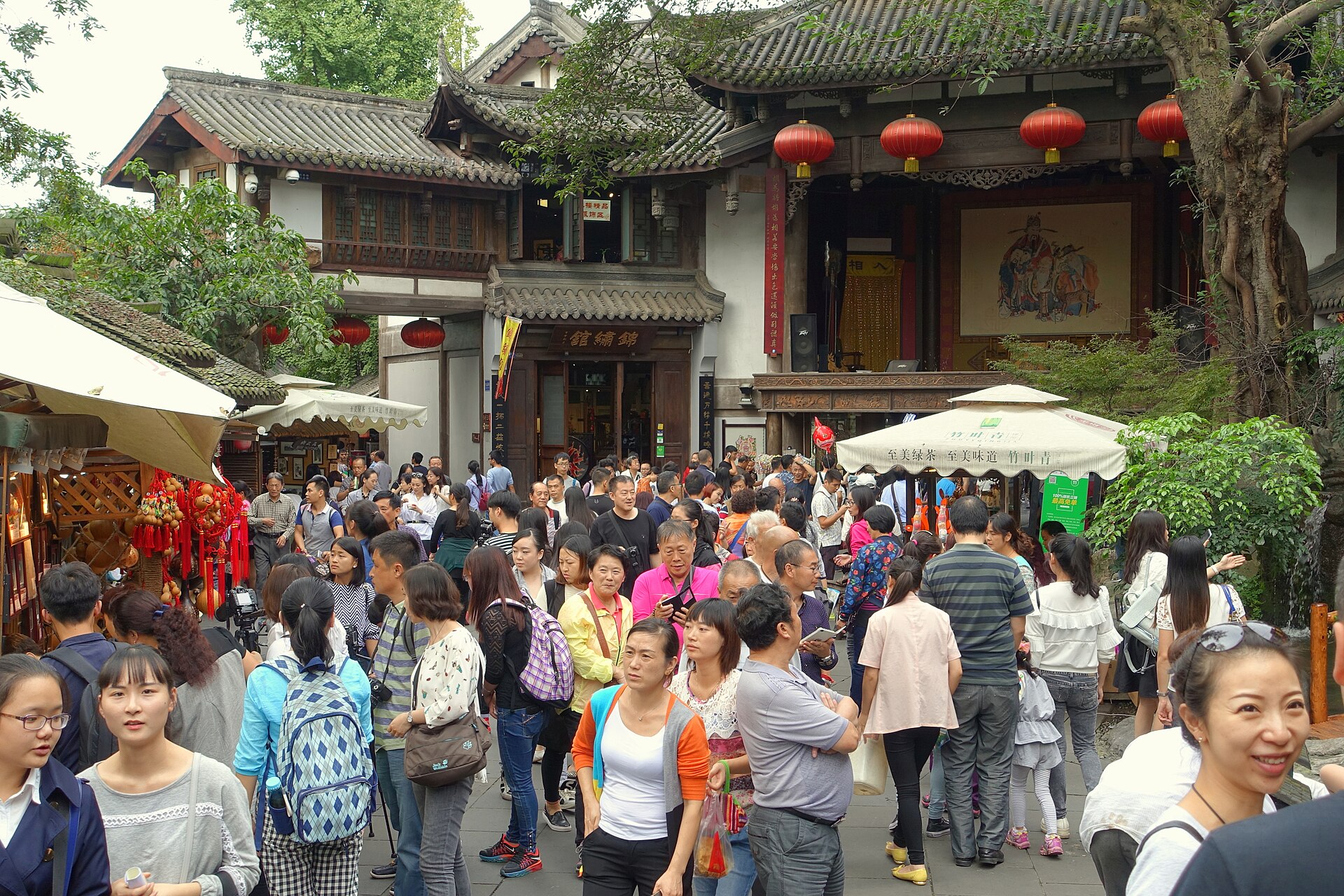
Children who walk into Jinli at dusk tend to light up at the rows of red lanterns and the food stalls open the whole length of the lane. It is an old-style pedestrian street next to Wuhou Shrine, made for slow strolling while grazing — san da pao (三大炮, glutinous rice balls slammed onto a tray with a loud bang that kids love to watch), sugar-figure candy pulled into dragons and animals, shadow puppets, and folk-toy stalls. Strollers can get through, but evenings are busy and some sections are cobbled.
 6
6
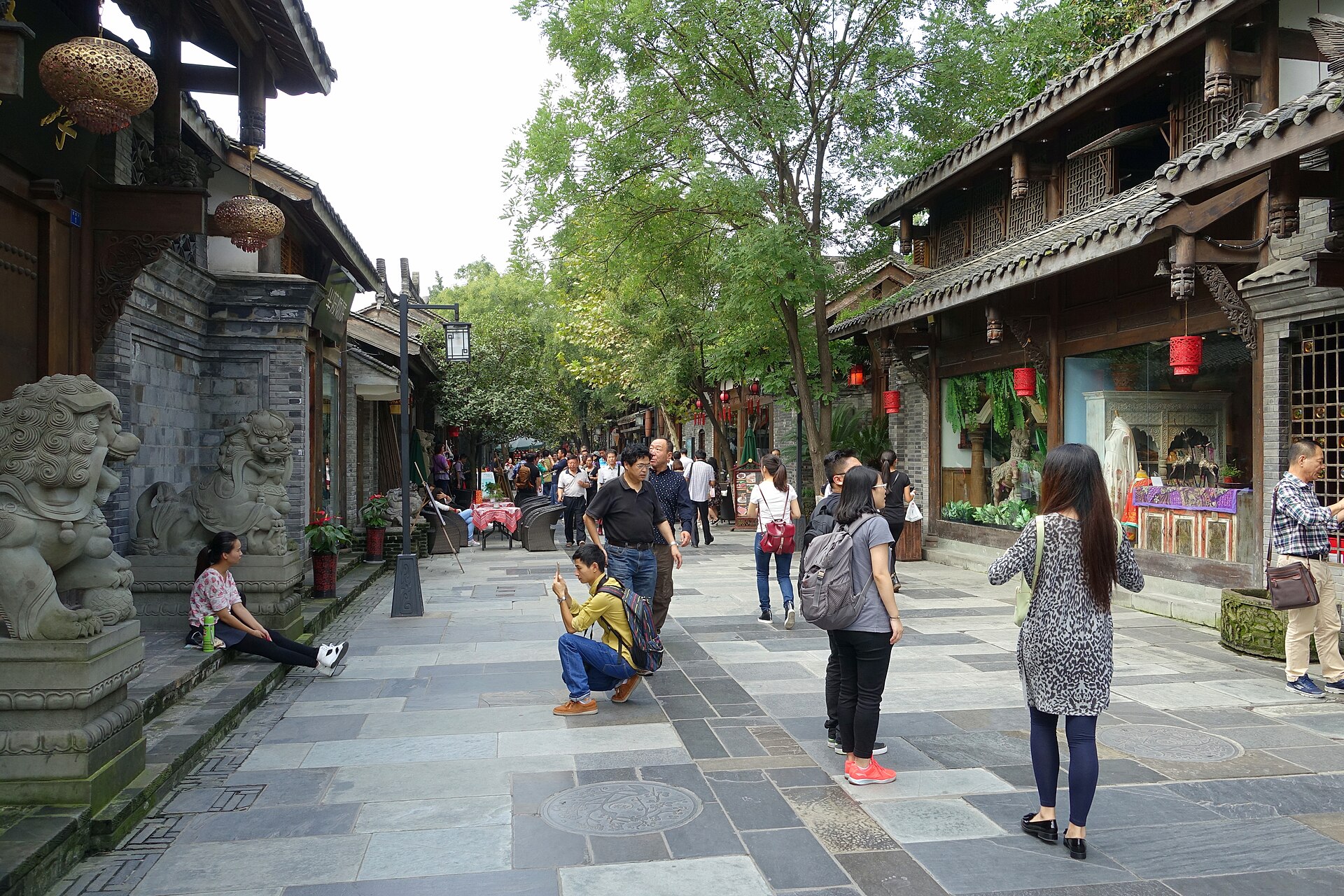
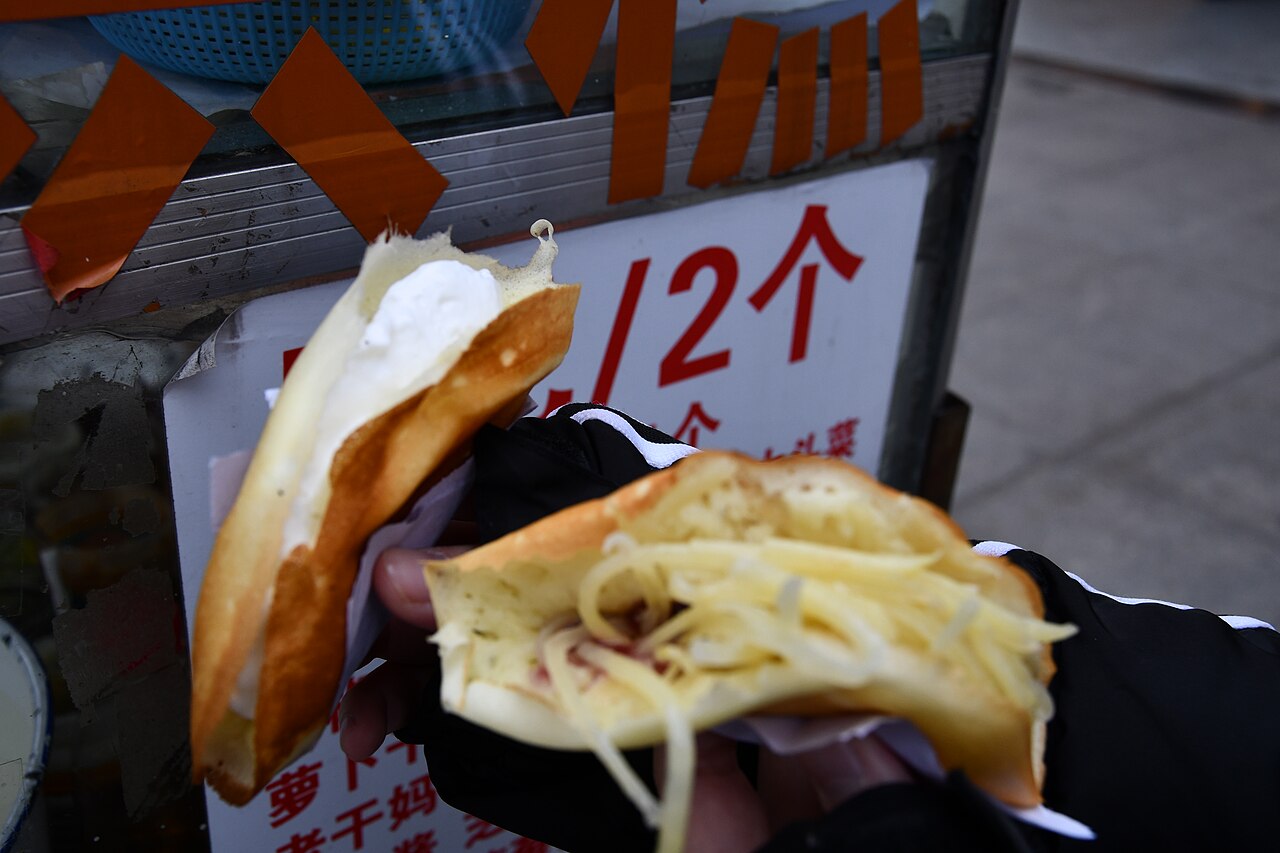
Kuanzhai is a beautifully restored Qing-era district of brick lanes — wider than Jinli and easier to walk, which makes it the better choice for an unhurried family afternoon. There is a stall for dan hong gao (蛋烘糕, a round, sweet-filled pancake cooked fresh and gentle for children), blown-sugar candy shaped into animals in front of you, courtyard cafés, and cute souvenir shops. Strollers roll the whole way — the surface is flatter than Jinli, and there are plenty of places to sit.
 7
7
Worried about bringing children to the spice capital of China and having nothing they'll eat? It's easier than it looks. For hotpot, order a split pot — clear broth (清汤, qing tang) on one side, mala on the other. Tell the staff 不要辣 (bu yao la, "no chilli") or 微辣 (wei la, "mild"); most kitchens are happy to oblige. Safe orders: egg fried rice, clear-broth noodles, boiled wontons (chao shou without the chilli oil). And Chengdu's local sweets are a children's-favourite backup that never fails — san da pao, dan hong gao and bing fen (a cool clear jelly dessert).
 8
8
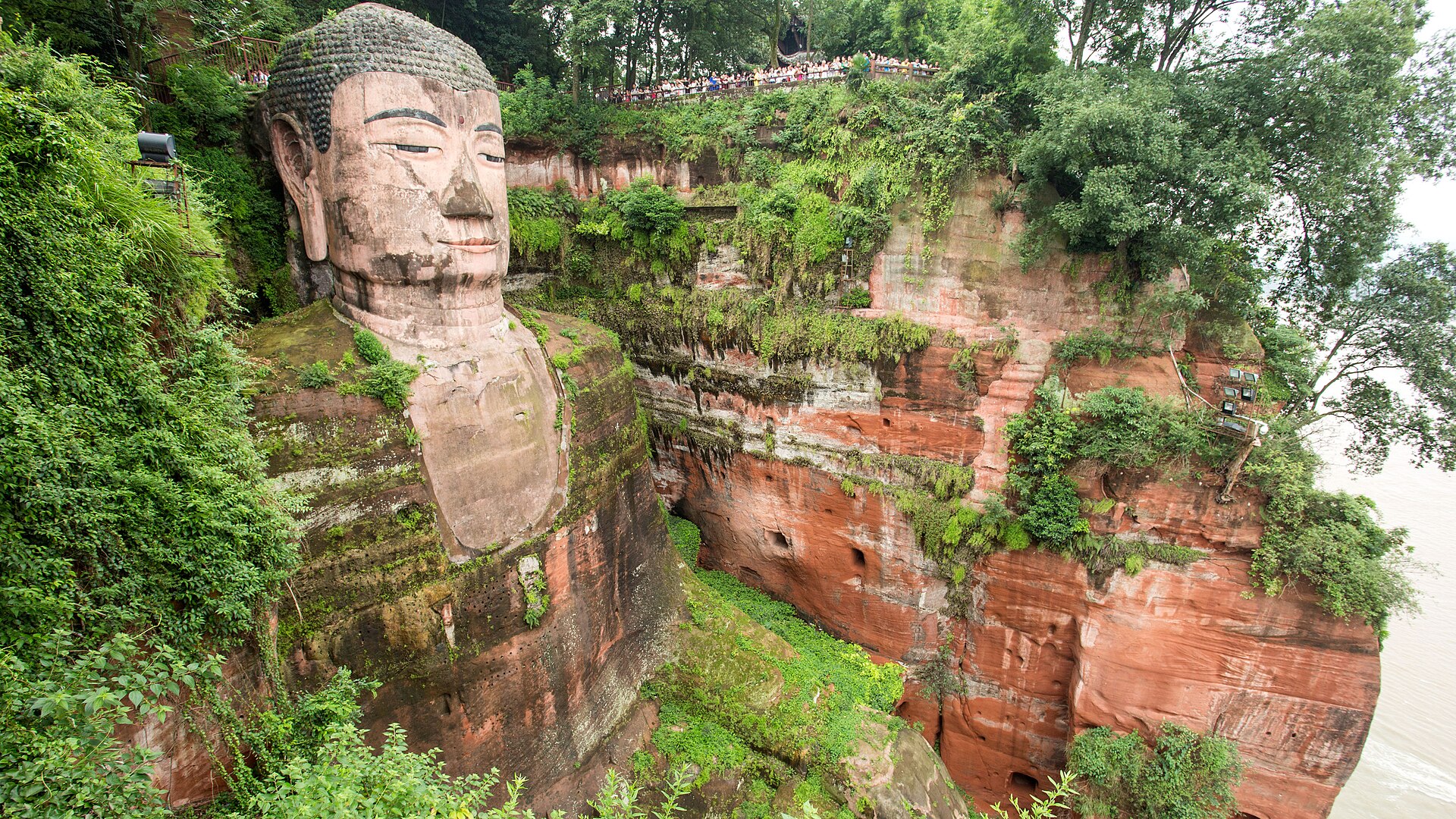
If you have a fourth day and the children are old enough, the Leshan Giant Buddha is a rewarding day trip. The 71-metre Buddha carved into a cliff face is the largest in the world, and children are genuinely awed by the sheer scale. The family-friendly trick: view it from a boat rather than queueing for the narrow, steep stone staircase along the cliff (which is not suitable for small children or strollers). The boat moors right in front of the Buddha, so you see the whole figure in a few minutes — far safer and more comfortable. It's about 1–1.5 hours by high-speed train from Chengdu East.
For families with older children who want something beyond just looking, the panda base at Dujiangyan (about an hour from Chengdu) runs a one-day panda volunteer programme — you help clean enclosures, prepare food, and get closer to the pandas than at the city base. The programme has age and height requirements and must be booked in advance; prices and conditions change with the season, so always check before you go. If your children are below the minimum, Dujiangyan still combines a 2,000-year-old irrigation system and Mount Qingcheng in a single trip.
Sichuan opera's signature act is the face-changing (变脸, bian lian) — performers flick their heads and their masks switch colour instantly, faster than the eye can follow. Children get caught up trying to spot how it's done. The show usually packs in acrobatics, fire-spitting and shadow puppetry too, and it's short enough that kids don't lose interest. Choose an evening show at a family-friendly venue (some are staged inside an old teahouse). Ticket prices and showtimes vary, so check before booking.