A region of Avatar sandstone pillars that is easy to travel alone even without a metro — the National Forest Park has free shuttle buses inside (covered by your ticket), plus cheap DiDi, trains and cable cars to save the stairs. The big sights — the park, Tianmen and the glass bridge — are easy to do solo; you just book the timed tickets ahead. The Cloud Youth Hostel's English-speaking host books your tickets and transfers. Zhangjiajie is a nature destination where coming alone feels reassuringly easy.
If you are planning a solo trip to see the Avatar sandstone pillars and Heaven's Gate on Tianmen Mountain, and wondering whether Zhangjiajie will be hard to get around without a metro, here is the short answer: Zhangjiajie is a very safe and easy place to travel alone, a nature destination with a decade-plus of infrastructure for visitors. The National Forest Park and the Wulingyuan side are busy with staff and visitors all day, the railway-station area and the Tianmen cable-car base in Zhangjiajie city have people about and good lighting, and violent crime against tourists is rare.
What people worry about most is "no metro, so how do I get around the park" — but the key thing about Zhangjiajie is that inside the National Forest Park there are free green shuttle buses all over the park, included in your entrance ticket, running roughly 08:00–19:00 with unlimited rides. To go up, there are cable cars and the Bailong Elevator (the world's tallest outdoor lift) to save the stairs, and outside the park DiDi and taxis are cheap. All the main sights are easy to do yourself, with clear signage. The only things to really prepare for are starting early, because the park is big and full of stairs, and booking the timed Tianmen and glass-bridge tickets ahead, since both cap numbers per slot.
This guide covers everything a solo traveller in Zhangjiajie needs: honest safety advice, getting around without a metro (free in-park shuttles, cable cars, DiDi, the train), the things that are genuinely good to do alone, how to do the big sights — the park, Tianmen and the glass bridge — solo, whether to base in the city or Wulingyuan, and how to meet people and let a hostel handle the city's famously fiddly ticket logistics.
Worth knowing before you plan a solo trip — which zone does what, and why most people stay in both.
The small town that is the gateway to the Zhangjiajie National Forest Park — home to the Avatar floating peaks (Yuanjiajie), Tianzi Mountain, the Golden Whip Stream and the Bailong Elevator. Stay here to get into the park early and hike all day; it is the main base for seeing the sandstone pillars. The Grand Canyon Glass Bridge is a separate area, about 15–30km from Wulingyuan, easy to do as a day trip.
The city itself, with the Tianmen Mountain cable-car base in town, plus DYG airport and the high-speed railway stations. Stay here to ride up Tianmen (Heaven's Gate, the 99-bend road and the cliff glass walkway) and as your arrival and departure base. Budget solo travellers tend to pick the Cloud Youth Hostel on this side, since it walks to the railway station and the host helps sort your trip.
Safer than you would expect — but there are a few small things worth knowing first, so you do not get caught out.
Zhangjiajie is a nature destination with a very low rate of violent crime and good security. The National Forest Park and the Wulingyuan side are busy with staff and visitors all day, and walking back to your accommodation in the evening around Wulingyuan or the railway-station area in Zhangjiajie city is safe, with people about and good lighting. The thing to watch is pickpocketing in dense crowds in high season — shuttle-bus queues, cable-car queues and popular viewpoints. Keep your passport and valuables secure and watch your bag in crowds and you are well covered.
Zhangjiajie is a destination where solo women consistently report feeling safe — on the in-park shuttles, in restaurants and after dark in the tourist areas — because it is a nature destination where lots of people come to hike. Street harassment is uncommon. Apply the same basic caution you would in any tourist town — avoiding quiet trails near dusk, not pushing on alone in spots that are emptying out near closing time, and trusting your instincts — and you can travel with real confidence.
The thing to watch is strangers who push you towards a tour or a charter car, or quote a suspiciously cheap car or ticket price and then add charges later — most often around the railway station, the cable-car base and outside the sights. The fix is simple: book your park, Tianmen and glass-bridge tickets through an official app or have a trusted accommodation reserve them, do not agree a price with touts on the street, and call a DiDi, which shows the price clearly before you get in.
The thing that affects a solo traveller more than crime is that the National Forest Park is very big and full of stairs, so start early, allow time, wear good walking shoes, and pick routes that use the cable cars or lift if you would rather not climb. Zhangjiajie has no metro — inside the park you rely on the free shuttles, and outside it on DiDi/taxi and the train. The most scenic season is Apr–Oct, green and lush (Apr–May and Sep–Oct are best), while summer Jun–Aug brings the famous sea of cloud after rain but is the rainiest and most crowded. Avoid Golden Week (Oct 1–7) and Spring Festival, when prices spike and cable-car queues get long. And the famous misty-pillar photos come on overcast, drizzly days, not in blazing sun.
If you are coming to Zhangjiajie alone and want both a low price and someone to handle the city's famously fiddly ticket logistics, Zhangjiajie Cloud Youth Hostel (张家界一朵云青年旅舍) is the budget pick foreign backpackers talk about — a hostel on the city side (Huangjinta, Yongding District), about a 1km walk from the railway station, around 5km from DYG airport and roughly 25 minutes from the Tianmen cable car. Its standout is an English-speaking host who books the National Forest Park, Tianmen cable-car and glass-bridge tickets and arranges transfers, plus a common area to meet other travellers. Dorm beds from around ¥80 (~฿400) a night, scoring about 8.1 (a thin review base so far). Honestly it is a two-star place with an ageing building, but a solid arrival/departure base that works for solo travellers.
Read the Cloud Youth Hostel Review →Ordered by what solo travellers tend to enjoy most and find easiest.
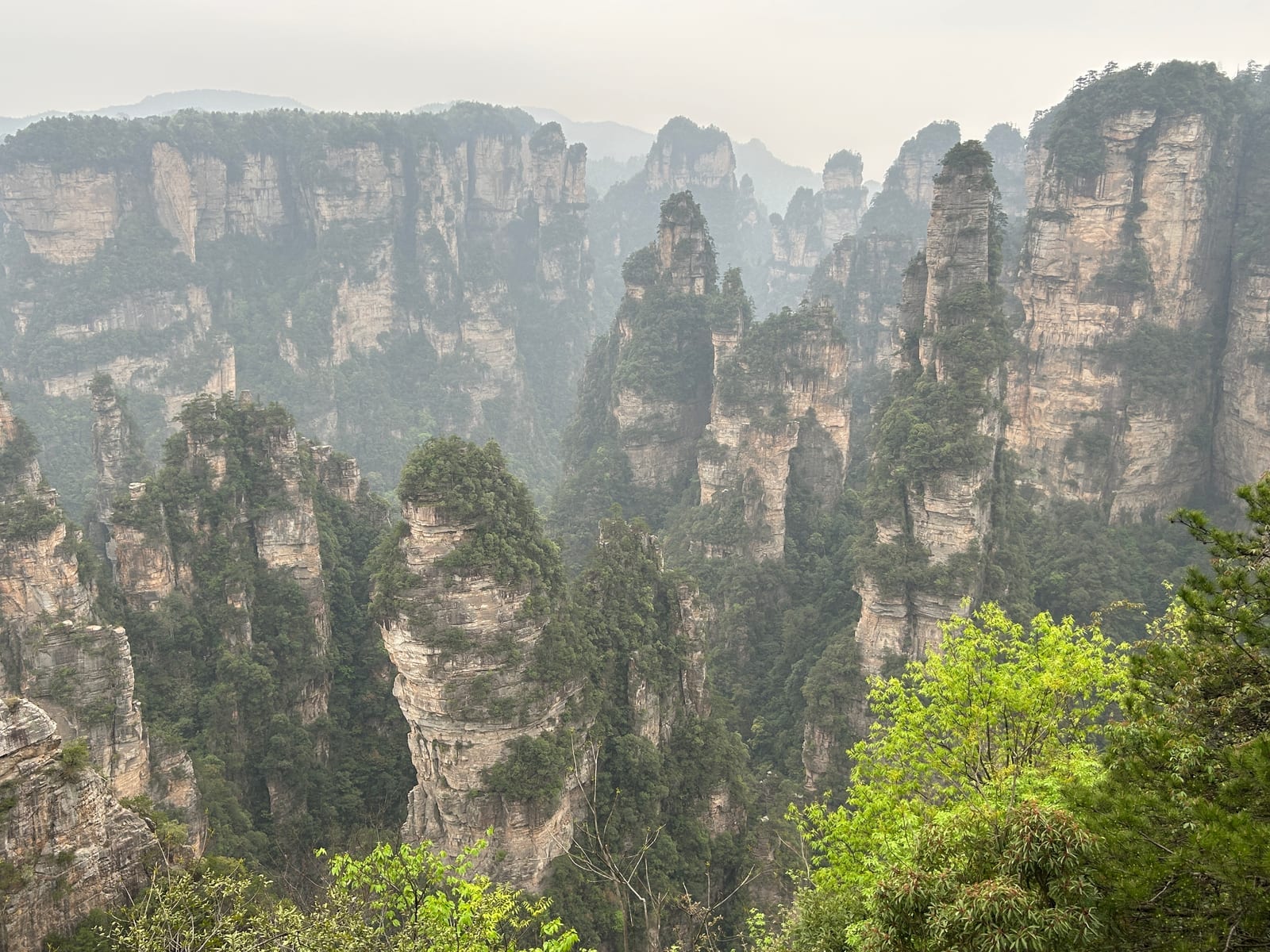
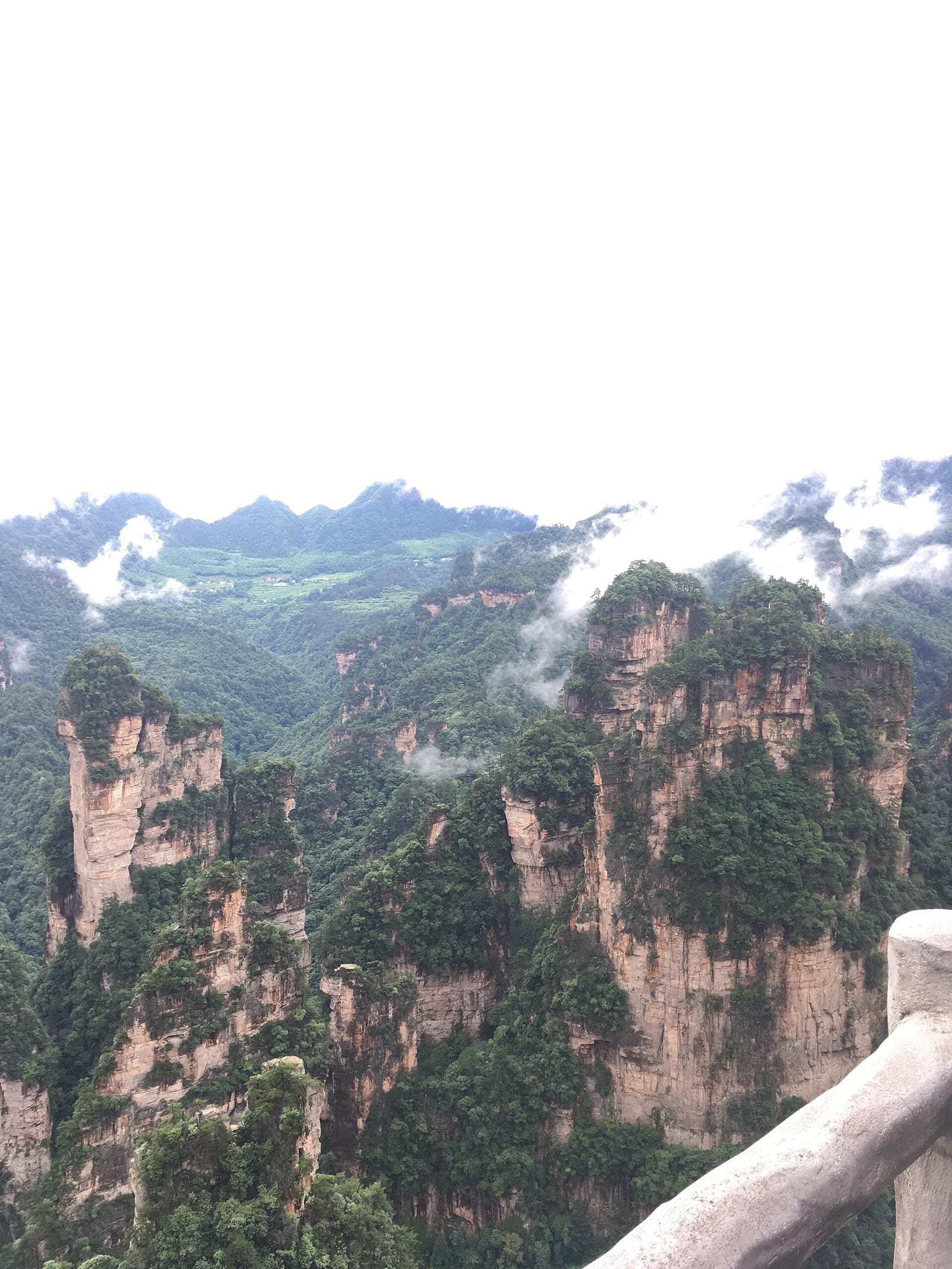
The heart of Zhangjiajie is the Zhangjiajie National Forest Park (Wulingyuan 武陵源), a forest of thousands of sandstone pillars that inspired the floating mountains in Avatar — and it is easy to explore solo, because free green shuttle buses run all over the park, included in your entrance ticket, roughly 08:00–19:00 with unlimited rides and clearly signed stops. Cable cars and the Bailong Elevator get you up to the peaks. You simply follow the marked trails. The thing to know is that the park is very big and full of stairs, so start early and allow plenty of time. The entrance ticket is valid for 4 consecutive days, and solo you can cover Yuanjiajie, Tianzi Mountain and the Golden Whip Stream.
2
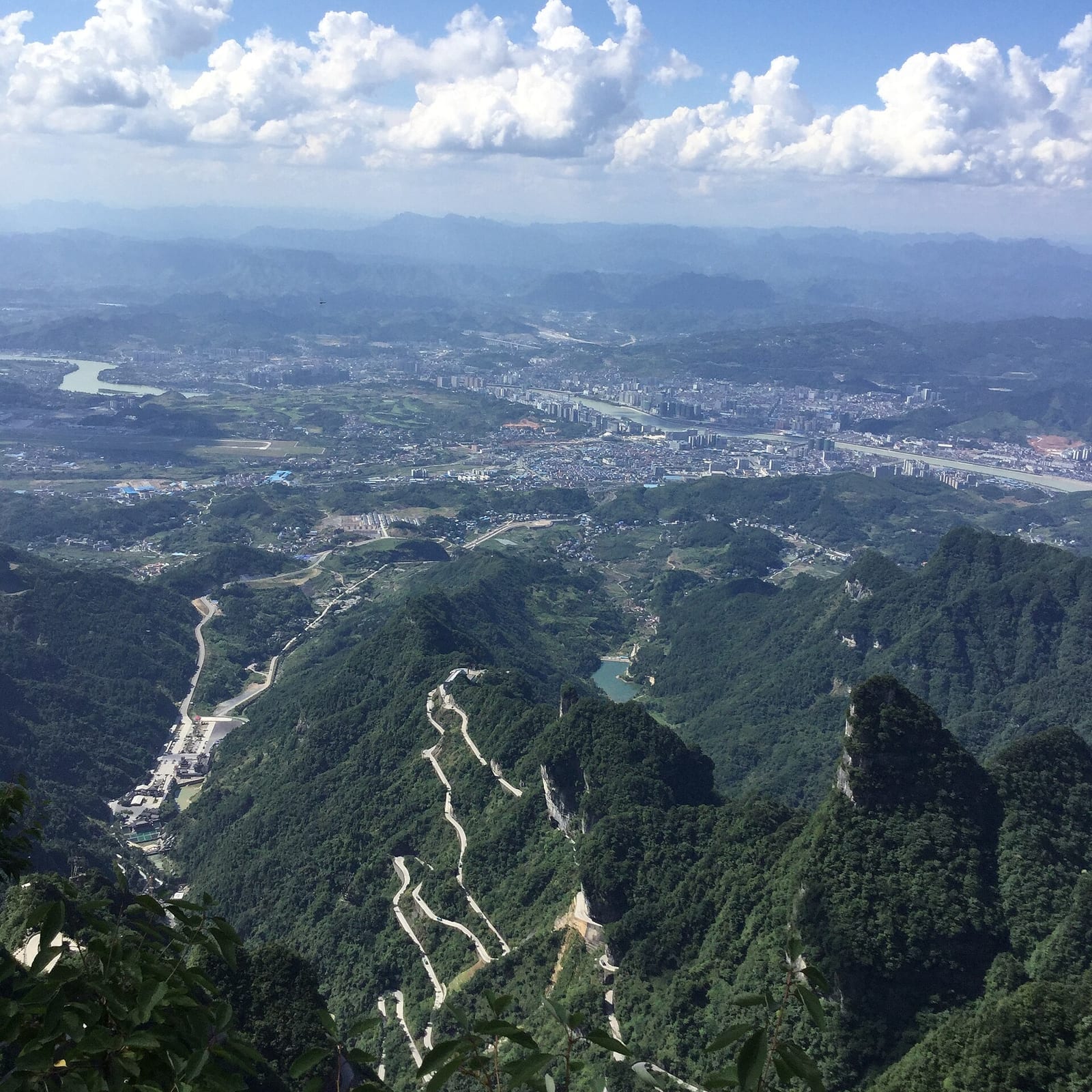
The other highlight that is easy to do alone is Tianmen Mountain (天门山), a peak right by Zhangjiajie city with Heaven's Gate (天门洞), a giant natural arch in the cliff, plus the 99-bend road, the 999-step stairway and the cliff-edge glass walkways. You go up by one of the world's longest cable cars, straight from the city, and explore the top on your own with no trouble. The key thing is that Tianmen caps numbers per slot, so you must book a timed ticket in advance — popular slots sell out fast. Have your hostel or hotel book it, or reserve online ahead, and you are set.
3
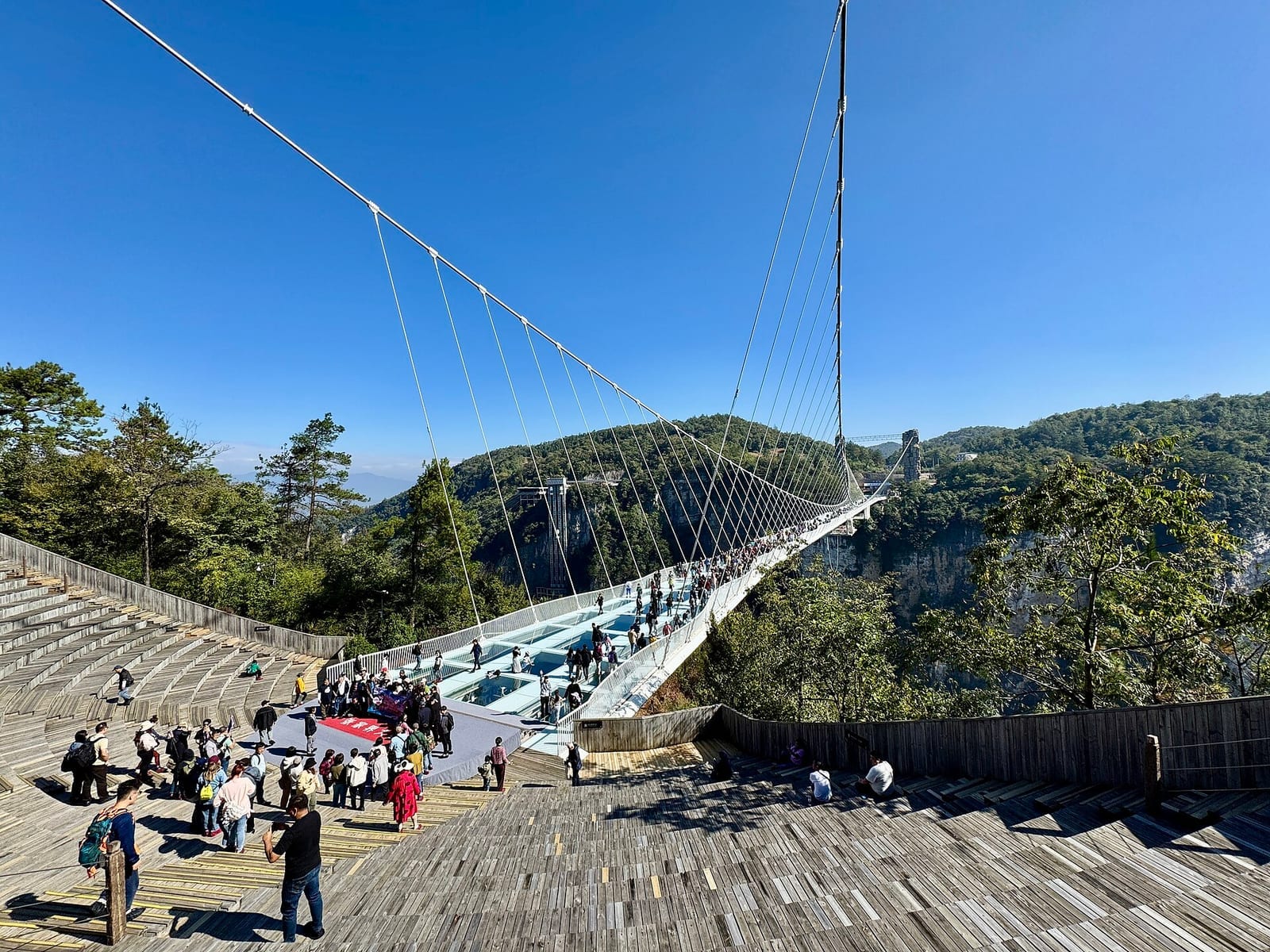
Another image people have of Zhangjiajie is the Grand Canyon Glass Bridge (玻璃桥), a glass-floored bridge spanning a deep gorge that was once the longest and highest glass bridge in the world. You can walk it solo, no group needed. It sits separately from the National Forest Park, about 15–30km from Wulingyuan, as an easy day trip. Like Tianmen, the glass bridge caps numbers per slot, so you need a timed ticket booked in advance. For a solo traveller, the easiest option is to have your hostel arrange the transfer and ticket together, since public transport to this spot is not very reliable.
4
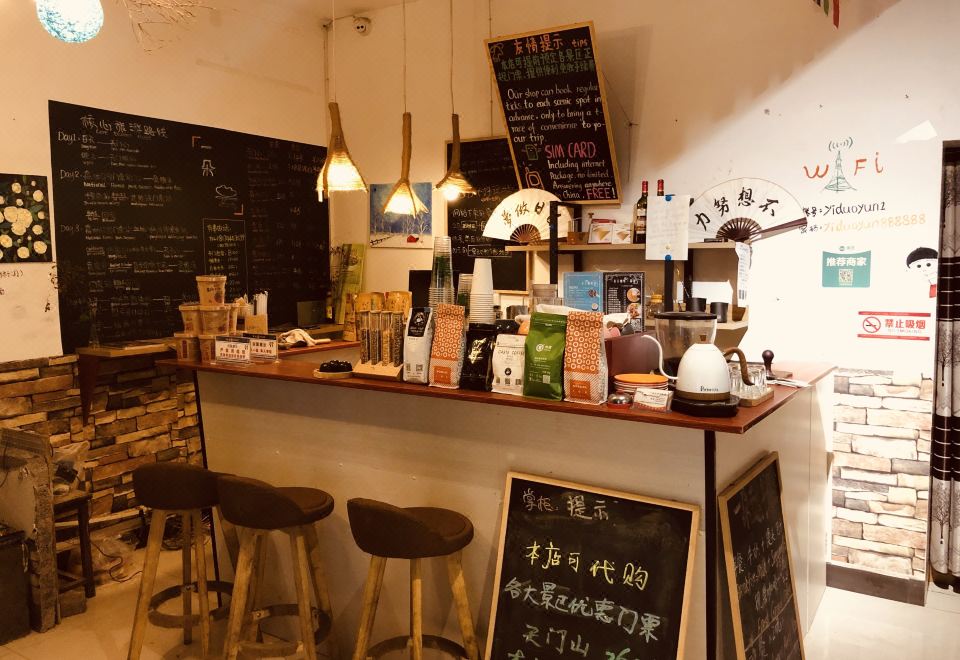
If you want to base on the city side for your arrival and departure nights and want a social hostel feel, Zhangjiajie Cloud Youth Hostel (张家界一朵云青年旅舍) is the budget pick foreign backpackers talk about — a hostel in Huangjinta, Yongding District, about a 1km walk from Zhangjiajie Railway Station, around 5km from DYG airport and roughly 25 minutes from the Tianmen cable car. Its standout is that the host speaks English and helps book your park, Tianmen and glass-bridge tickets and arranges transfers, with a common area to chat to other travellers and find people to share the park with. Dorm beds from around ¥80 (~฿400) a night, scoring about 8.1 (a thin review base of around 102 reviews). To be straight, it is a two-star place with an ageing building, but good value for a budget traveller who wants help with the trip.
5
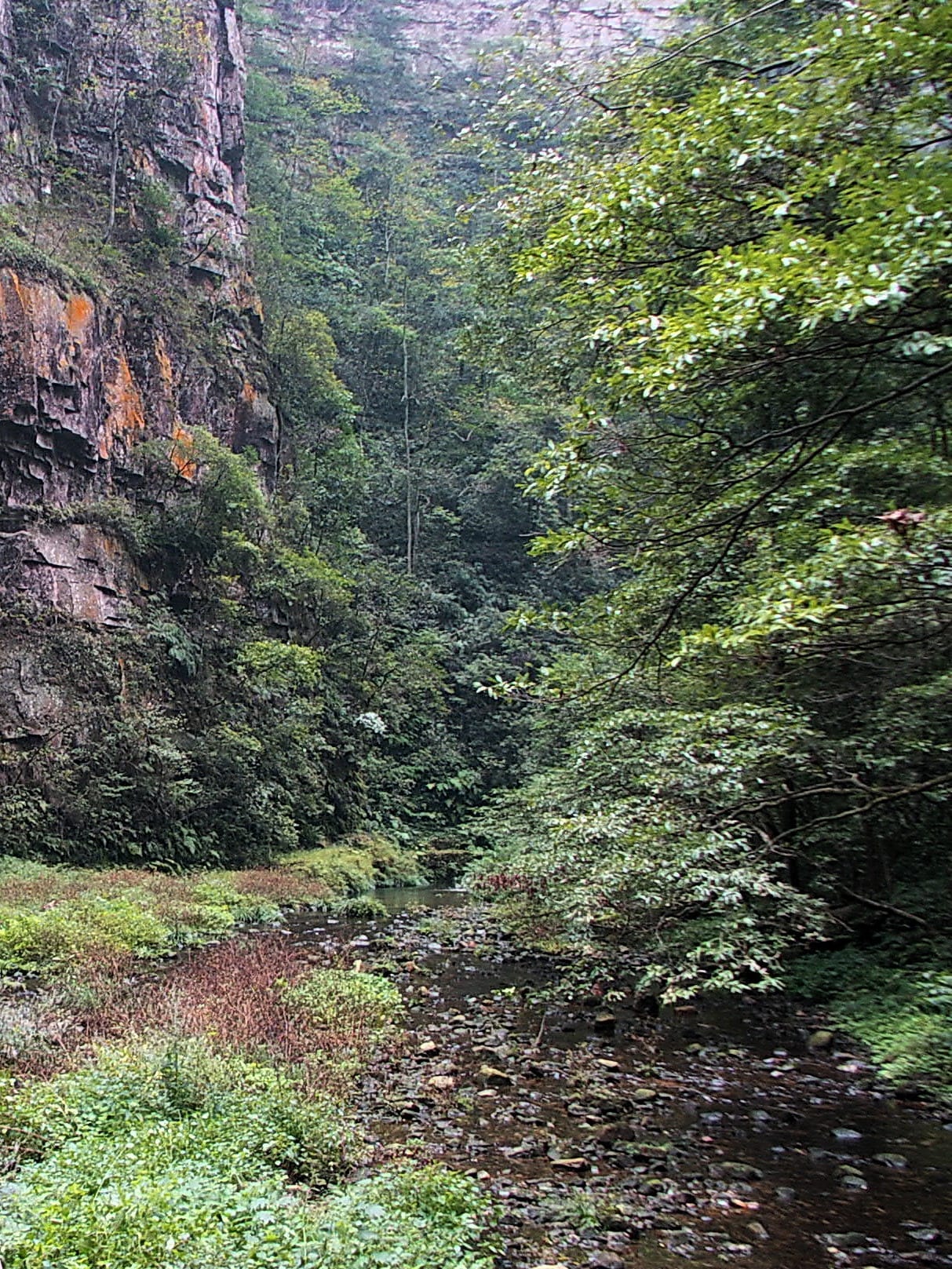
If you would rather not climb a lot of stairs, the easiest and prettiest walk in the park for a solo traveller is the Golden Whip Stream (金鞭溪) — a fairly flat riverside path running about 5–6km beneath walls of sandstone pillars. Walk slowly, listen to the water, photograph the peaks, and watch for the wild macaques that appear on some stretches. It is the most relaxed route there is, with no cable car and no stairs, so you can go solo at your own pace. It links to the foot of the Bailong Elevator if you want to carry on up to the peaks. Lovely as a morning or afternoon walk when you want something gentle.
6
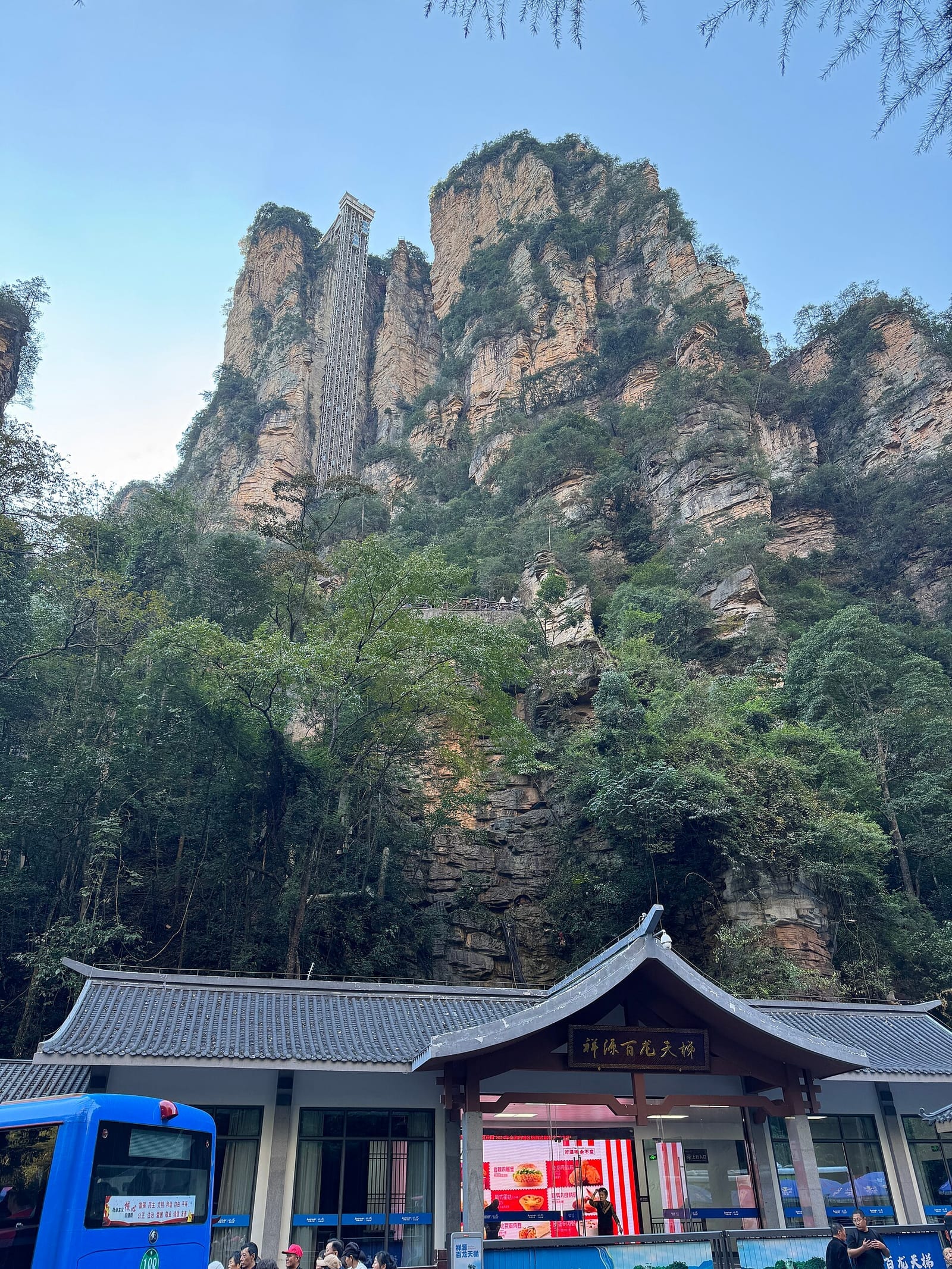
Good news if the stairs worry you: there are ways up that are easy to use alone — the Bailong Elevator (百龙天梯), the world's tallest outdoor glass lift, which carries you up the cliff to Yuanjiajie in minutes, and the Tianzi Mountain (天子山) and Yangjiajie cable cars, which take you to the clifftop viewpoints without a long stair climb. The three are usually included in a full park ticket package, so a solo traveller can cover the peak viewpoints without burning out on stairs. Plan to ride up, walk the viewpoints at the top, then use the free in-park shuttle to link to the next spot — the lowest-effort way to do the park.
Zhangjiajie's signature dish is sanxiaguo (三下锅, "three-layer pot"), a punchy Hunan-style braise of three meats cooked together, alongside fiery, full-flavoured local Tujia food. Eating alone is no problem, because many places have a small pot for one or a picture menu to point at. For quicker meals there are Hunan rice noodles, street food and mall food courts that are easy to order from and pay for by Alipay. Nobody looks twice at eating alone, since it is a tourist town. If you are not great with heat, ask for it less spicy (微辣) or pick a milder dish.
After a full day of hiking the park, finding a cafe to rest in alone is a pause that suits a Zhangjiajie trip well. Both Zhangjiajie city and the Wulingyuan side have cafes about, many with Wi-Fi and comfortable seats where you can have a coffee, plan the next day, check the Tianmen or glass-bridge slot you booked, read a book, or just rest your legs. Sitting in a cafe alone here is completely ordinary — order one drink and you can stay a while, with nobody rushing you. Ideal for an afternoon when you have hiked yourself tired and want to recharge before an evening outing.
9
Because tickets and transport in Zhangjiajie are fiddly — the park has several gates and routes, and Tianmen and the glass bridge need timed slots — a group day tour is a way to handle the logistics and get travel companions at the same time. There is a coach, a guide and pre-booked tickets, with no working out connections or slot bookings yourself. It is ideal for a solo traveller who wants to meet people, or who is on a short visit and wants to cover the main spots. If you would rather not do a full-day tour, the Cloud Youth Hostel can arrange a transfer plus tickets for specific spots. And simply chatting to other travellers in the common area is the easiest way to meet people.
10
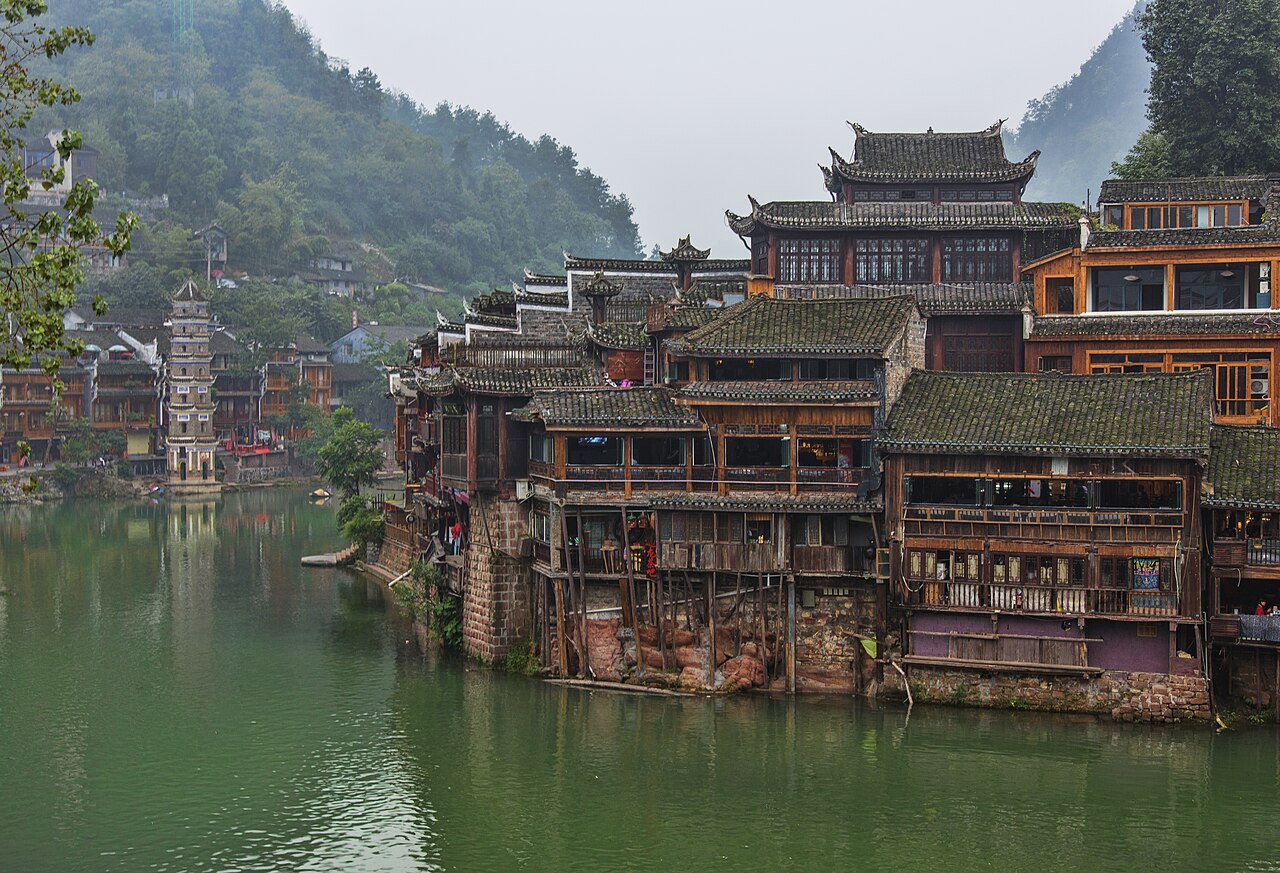
If you want a change from sandstone peaks to an old riverside town, Fenghuang ancient town (凤凰古城) is the most popular day trip from Zhangjiajie — a town of old wooden stilt houses along the Tuojiang River, with stone bridges and a pretty lit-up riverside at night. You can reach it solo by high-speed train or bus, then wander the old town, take a short boat ride, or hunt for riverside photo angles. It is an easy trip alone because it is a busy tourist town. Be aware it is a fair distance, so if you are short on time you might stay a night in Fenghuang to avoid rushing. Check the train/bus times and book ahead.
Zhangjiajie has no metro, but getting around solo is easy. The key is that inside the National Forest Park, free green shuttle buses run all over the park, included in your ticket, roughly 08:00–19:00 with unlimited rides (you may queue in high season). Cable cars and the Bailong Elevator handle the climbs. Outside the park and between zones, use DiDi (China's ride-hailing app, the Uber equivalent), which is cheap and shows the price before you get in, plus taxis and the train. The city (Yongding District) and the Wulingyuan side are about 33km / roughly an hour apart. Key tip: always keep your destination saved in Chinese characters to show the driver, because most cannot read English.
Zhangjiajie does not have a backpacker street like some towns, but you can still meet people. The most effective tools are staying at a hostel with a common area like Cloud Youth on the city side, where travellers chat and swap information and find people to team up with for the park, or joining a group day tour for instant travel companions. Beyond that, the popular trails in the park are busy with foreign travellers, many happy to chat or take a photo for you — you just have to say hello first. The overall feel is friendly, because most people who come here are out hiking the same peaks.
At hotels and hostels used to foreign visitors (like Cloud Youth, where the host speaks English) you can get by in English — but outside your accommodation, especially in local restaurants, with drivers and in the park, English is limited. Download a translate app that works offline before you go — Pleco (the popular Chinese dictionary) or Google Translate with the Chinese language pack saved for when you have no signal. The camera-translate feature is a big help for reading menus and signs in the park. For maps, use Amap (高德地图) or Apple Maps, which are more accurate than Google Maps, which does not work inside China, and have your accommodation write your destinations in Chinese to show drivers.
Google, Instagram and WhatsApp are blocked in China, so prepare a VPN and travel eSIM before you travel (VPN websites are themselves blocked once you are inside China). An eSIM keeps your usual apps working. For payments, link Alipay or WeChat Pay to a foreign card in advance, because cash is barely used — you tap to pay everywhere, from a restaurant to a cable-car ticket to a transfer to a park ticket. This matters a lot when travelling solo, because everything runs on your phone — and since signal is patchy in parts of the park, download maps and tickets offline as a backup.