10 experiences families won't forget
Ordered by what children tend to remember longest, with tips for both little ones and older kids.
 1
1
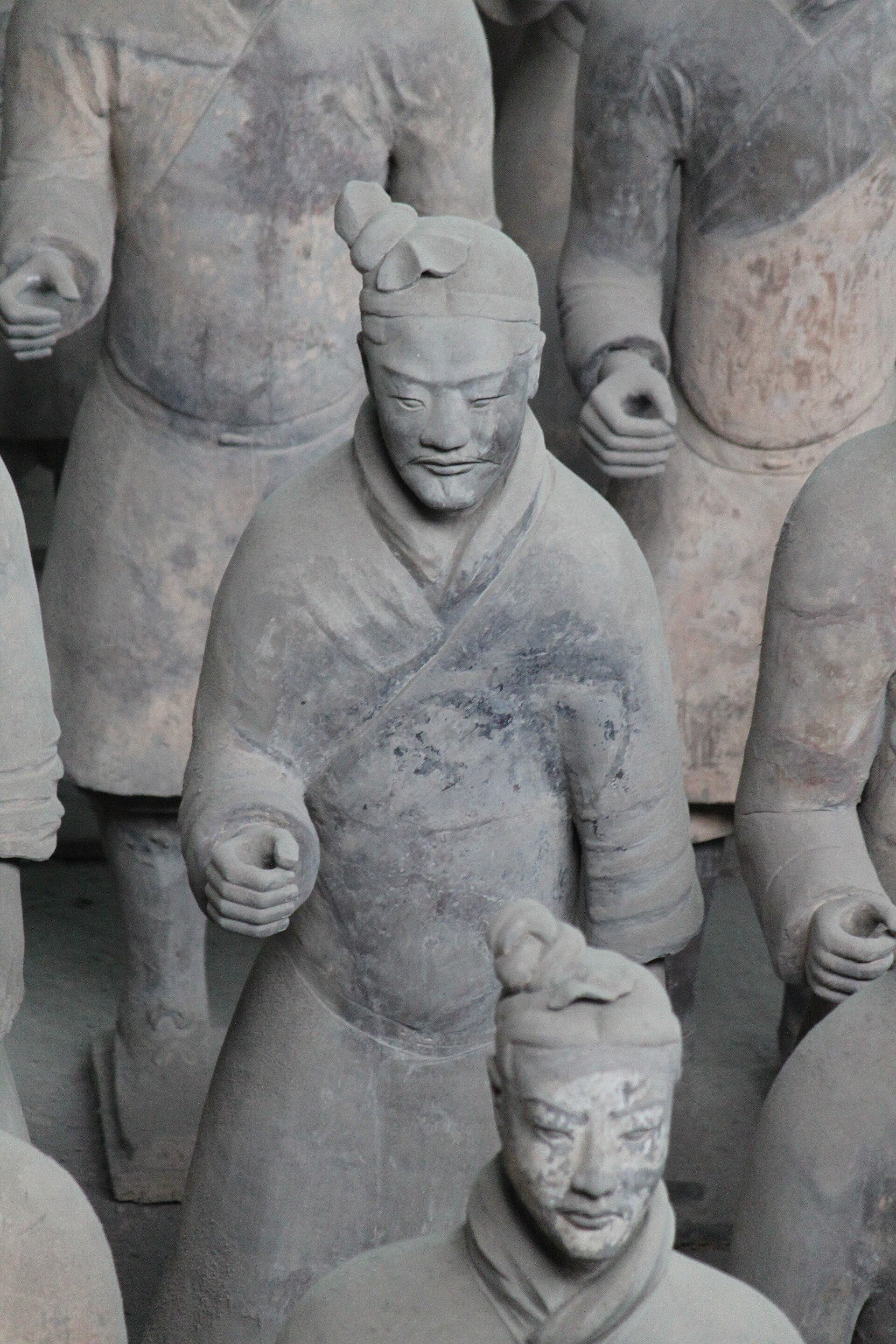
This is the main reason people come to Xi'an — an army of thousands of terracotta warriors buried with the First Emperor Qin Shi Huang over 2,200 years ago. Older children (roughly eight and up) tend to be genuinely struck by the scale and number as they walk into Pit 1, the largest. Younger children can tire of the long walking and the crowds — the trick is to start at Pit 3 (the smallest, with the closest views), then move to Pit 2 and Pit 1, so they see the highlights before they run out of energy.
Plan a half-day here, and you can pair it with Huaqing Palace on the same route.
 2
2
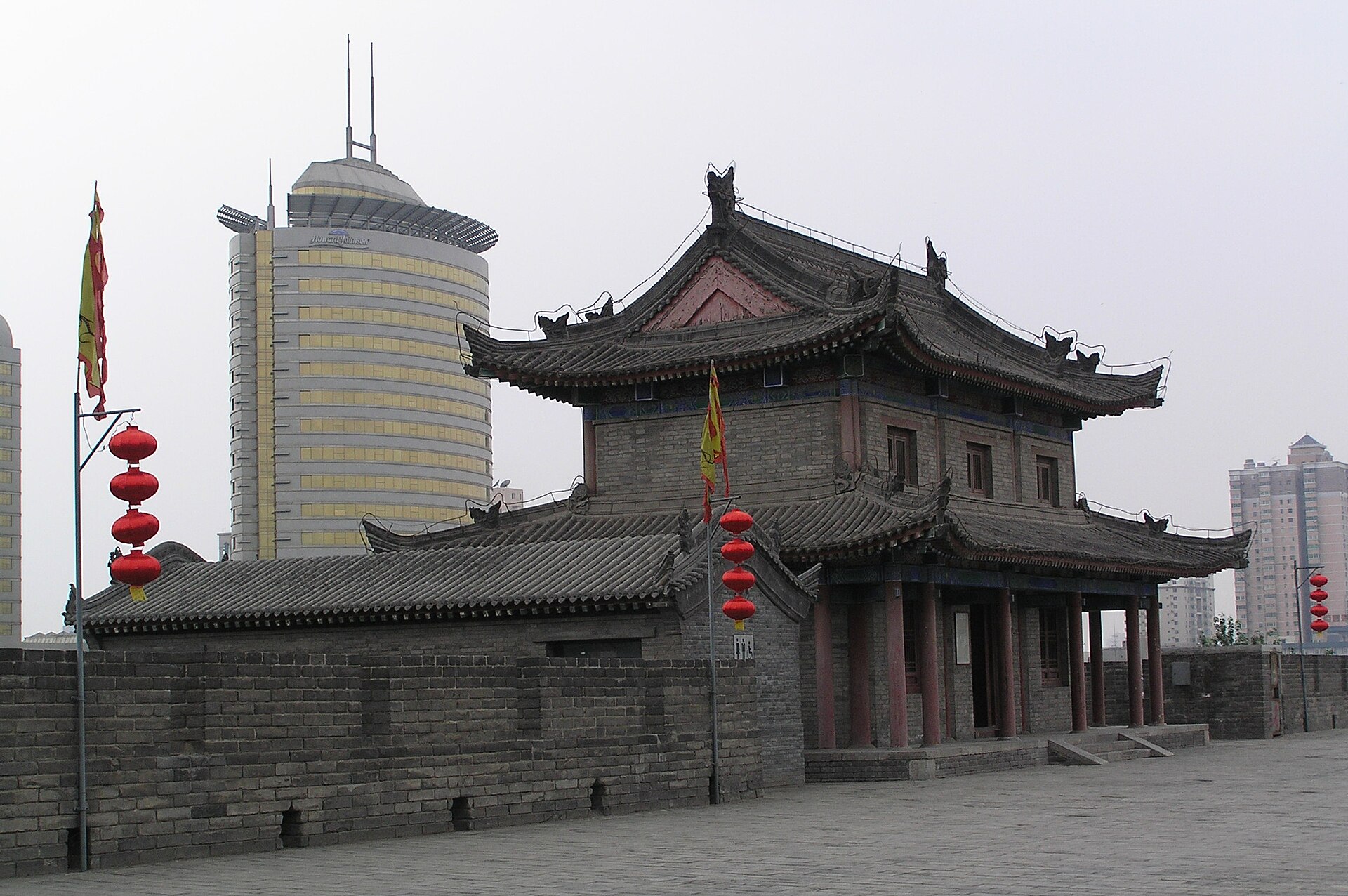
If you pick one activity children talk about after they get home, it is cycling on the city wall. The walkway on top is wide enough to ride comfortably, and it forms a loop around the old town that runs 13.74 km. Children under 12 cannot ride a single bike on their own under the rules, but there are tandem bikes so a parent can ride with the child, plus bikes with a rear child seat. You don't have to ride the whole loop — riding from the South Gate to about a quarter of the way round and back is fun in itself.
 3
3
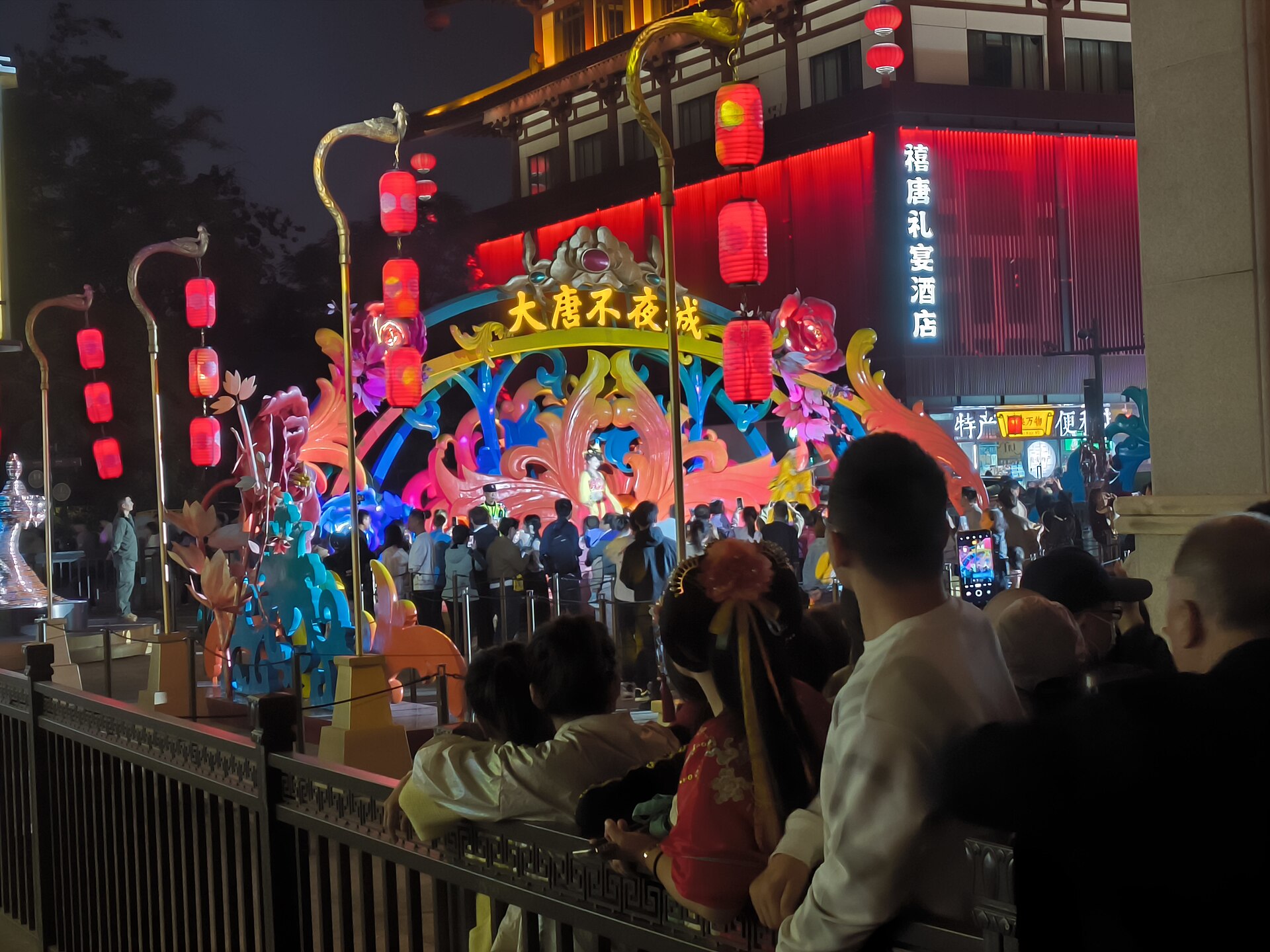
Come nightfall, the long pedestrian street in front of the Big Wild Goose Pagoda turns into something close to a Tang-dynasty film set — buildings in classical style lit in gold, performers in court costume, flower carriages, and short shows dotted along the way. It begins around 18:30 every evening and is entirely free. Children love wandering past the performers, taking photos and catching the small shows that pop up along the street. It is a low-planning evening: you simply stroll and let it unfold.
 4
4
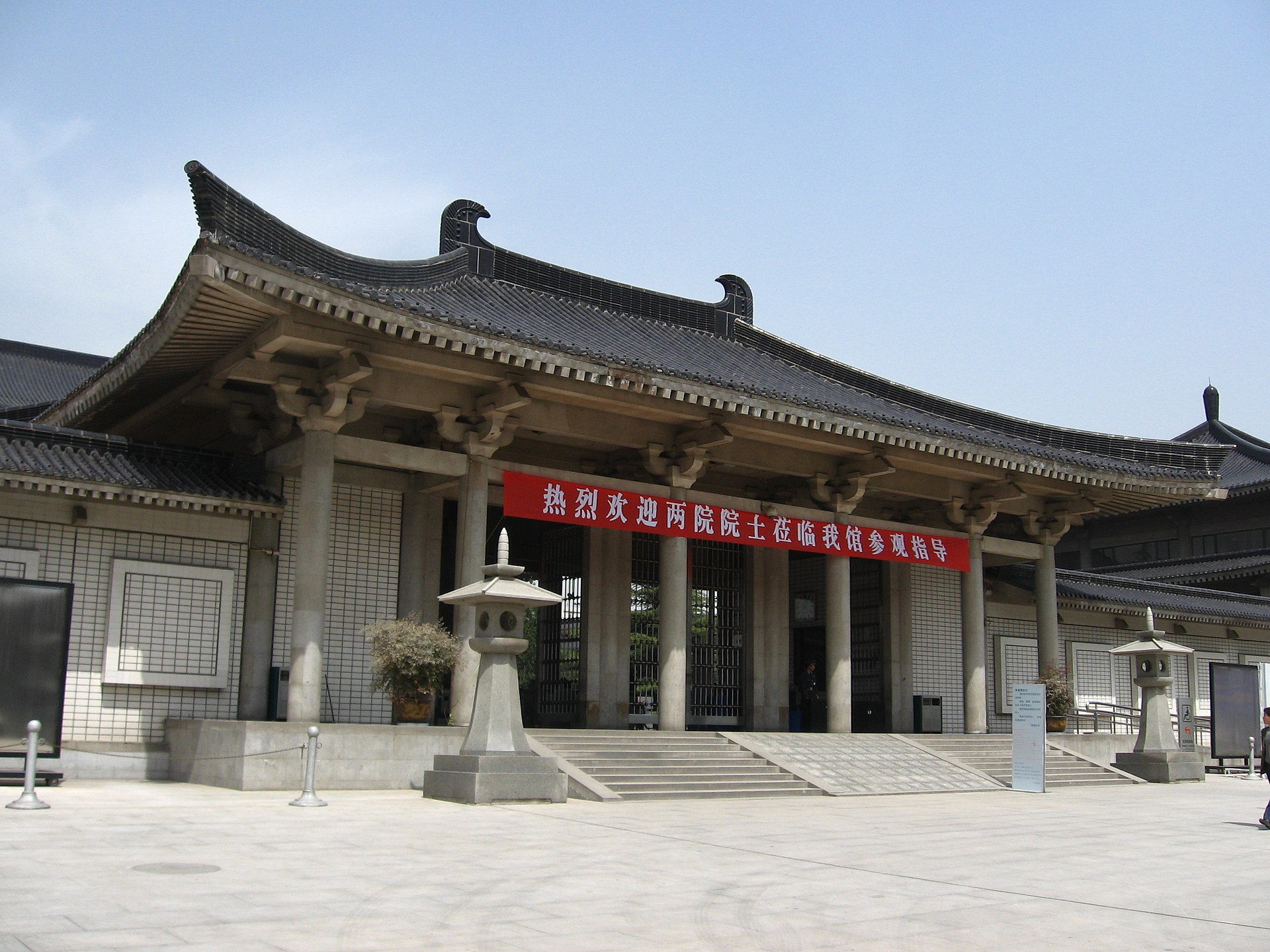
On a scorching day, an air-conditioned museum is a lifesaver. This one holds some of China's finest Tang and Han treasures — bronzes, Tang tri-colour pottery and gold — displayed in a beautiful Tang-style building, and history-minded older children will linger. The thing to know: entry is free, but you must reserve a ticket online in advance with your passport, and tickets open seven days ahead at 08:00 China time and sell out very fast. If you can't get one, try booking through Trip.com or have a tour help with the reservation.
Picture hundreds of jets shooting up in time with music and coloured lights — that is the fountain show on the northern square of the Big Wild Goose Pagoda, which runs free in the evening and tends to thrill children of every age. Tang Paradise next door is a large Tang-dynasty garden by a lake with a water-screen show and evening performances; that part is a paid garden, and some of the bigger shows need a separate ticket. Choose between the free fountains on the pagoda square or going into the full garden.
 6
6
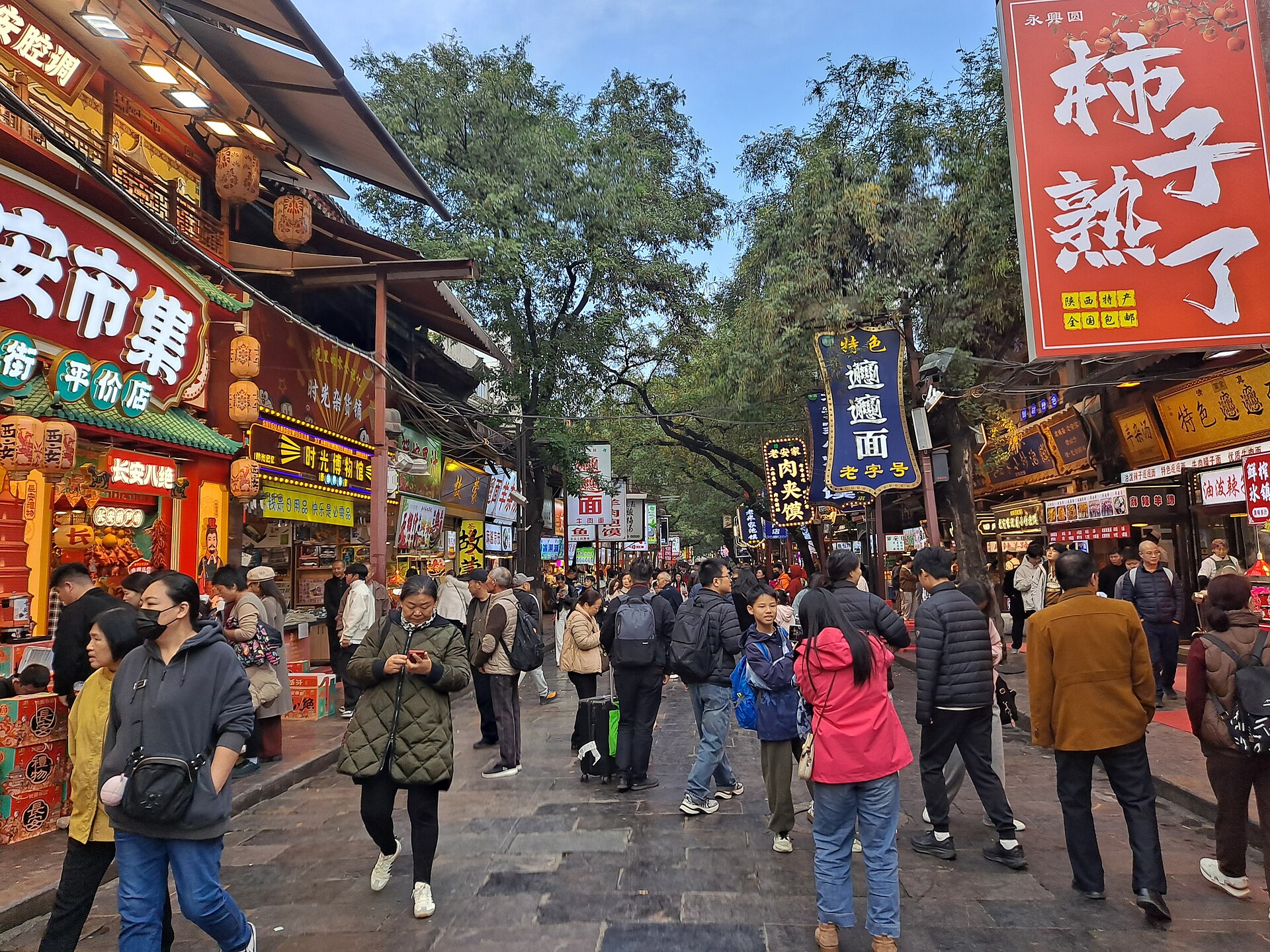
At the heart of the old city stand the Bell Tower and Drum Tower, two ancient pavilions on the central roundabouts; children like climbing up for the view and hearing how the bell and drum once kept the city's time. Just past the Drum Tower is the Muslim Quarter (Huimin Jie), Xi'an's liveliest food street — and the good news is there is plenty of not-spicy food kids will eat: roujiamo, dumplings, fried persimmon cakes and skewers. It gets very crowded in the evening and is hard with a stroller, so carry small children or use a carrier.
 7
7
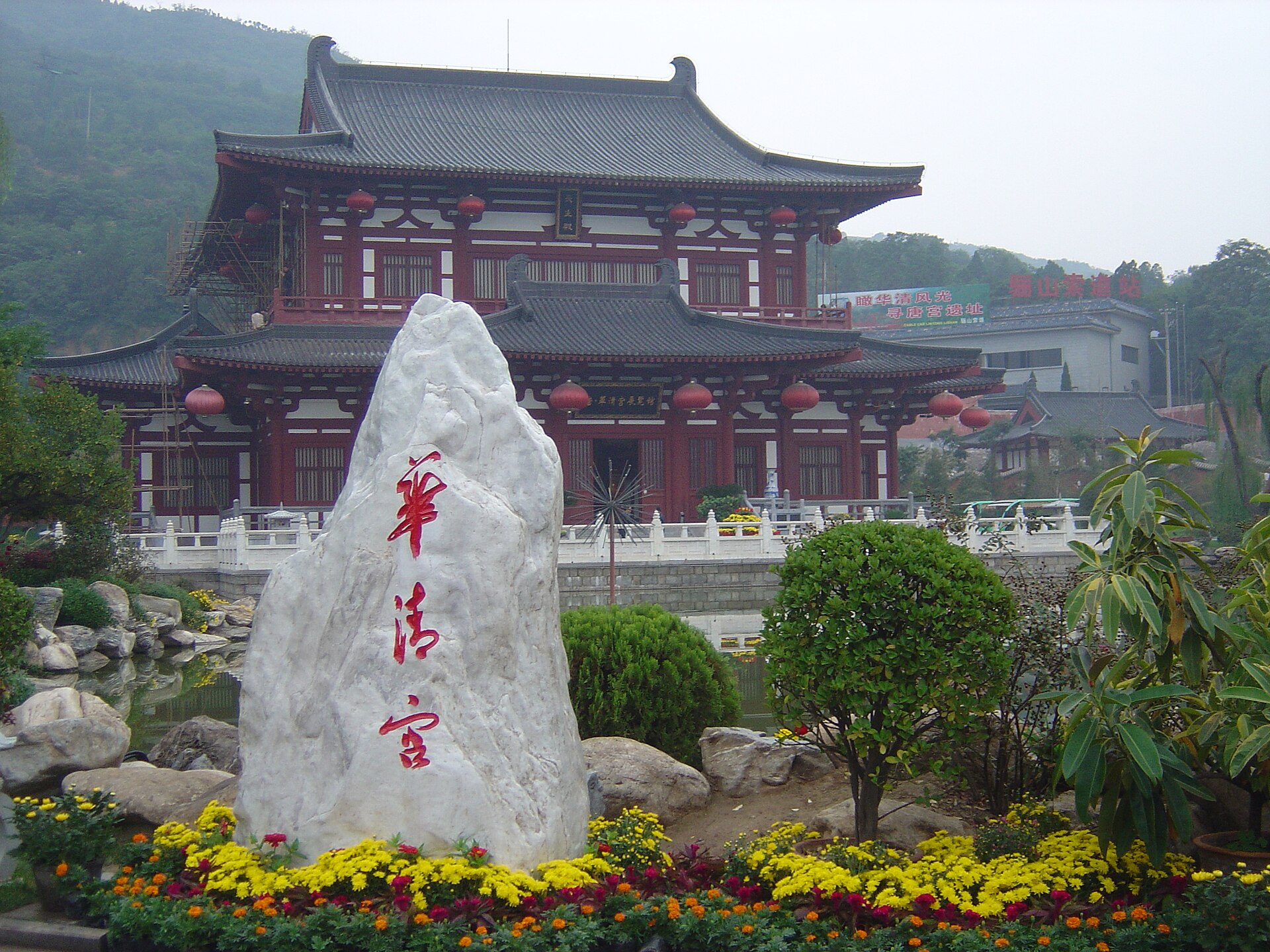
Honestly, the easiest day trip to do with children is Huaqing Palace, because you take Metro Line 9 to Huaqingchi station and walk three minutes — no long drive. The palace gardens at the foot of Mount Li are lovely, with ancient hot-spring pools, lakeside pavilions and shaded paths for kids to wander. It tells the love story of the Tang Emperor Xuanzong and Lady Yang; older children who like a story will enjoy it, while little ones can simply explore the gardens. Pair it with the Terracotta Army on the same day, as they sit on the same route.
 8
8
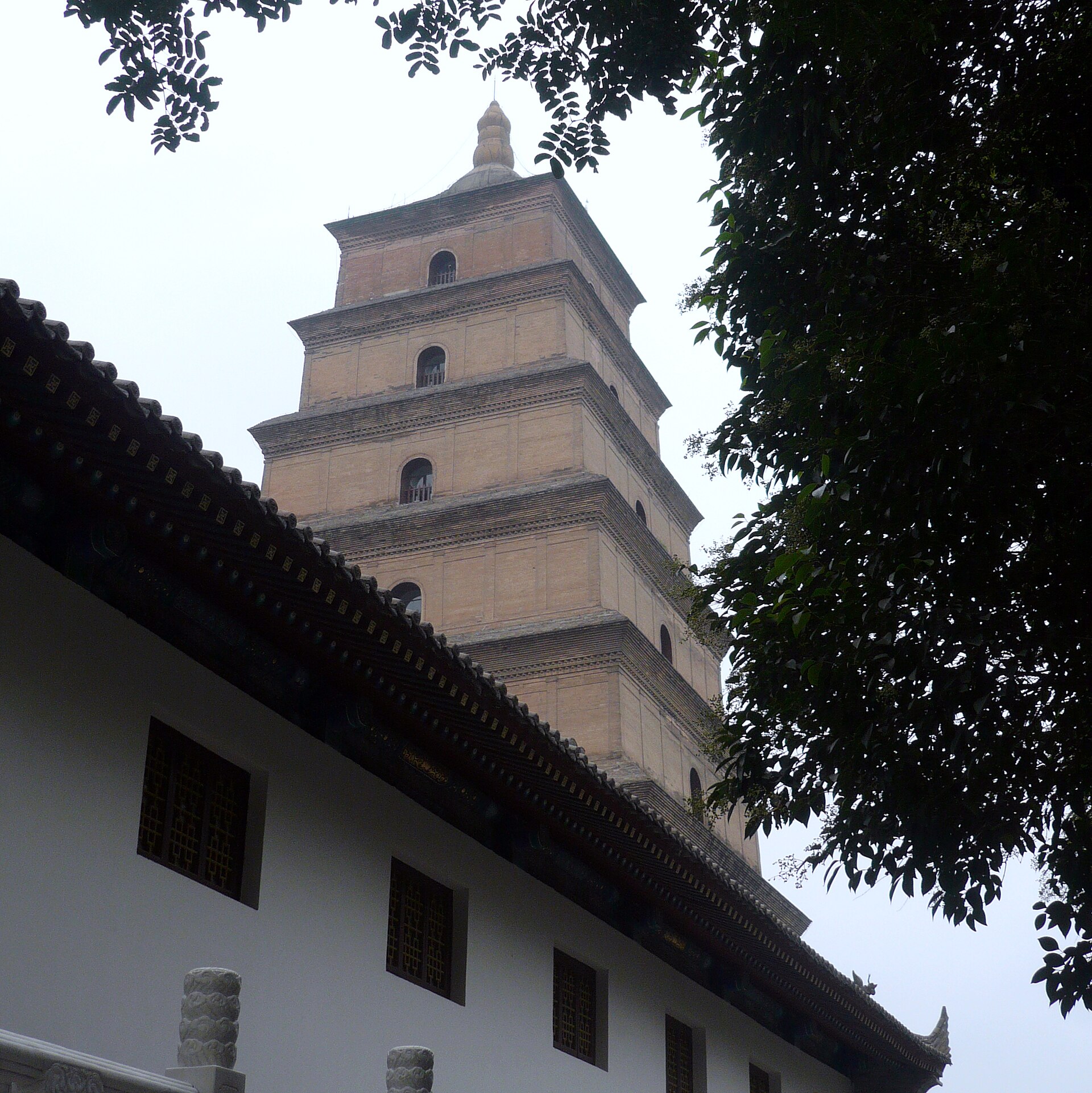
A tall brown brick pagoda built in the Tang dynasty to house the Buddhist scriptures the monk Xuanzang brought back from India. You can climb it for a city view, but the part children really like is the wide gardens around it where they can run, and the fountain show on the northern square in the evening. It pairs perfectly with Datang Everbright City on the same evening, as the two sit side by side and are an easy walk apart.
 9
9
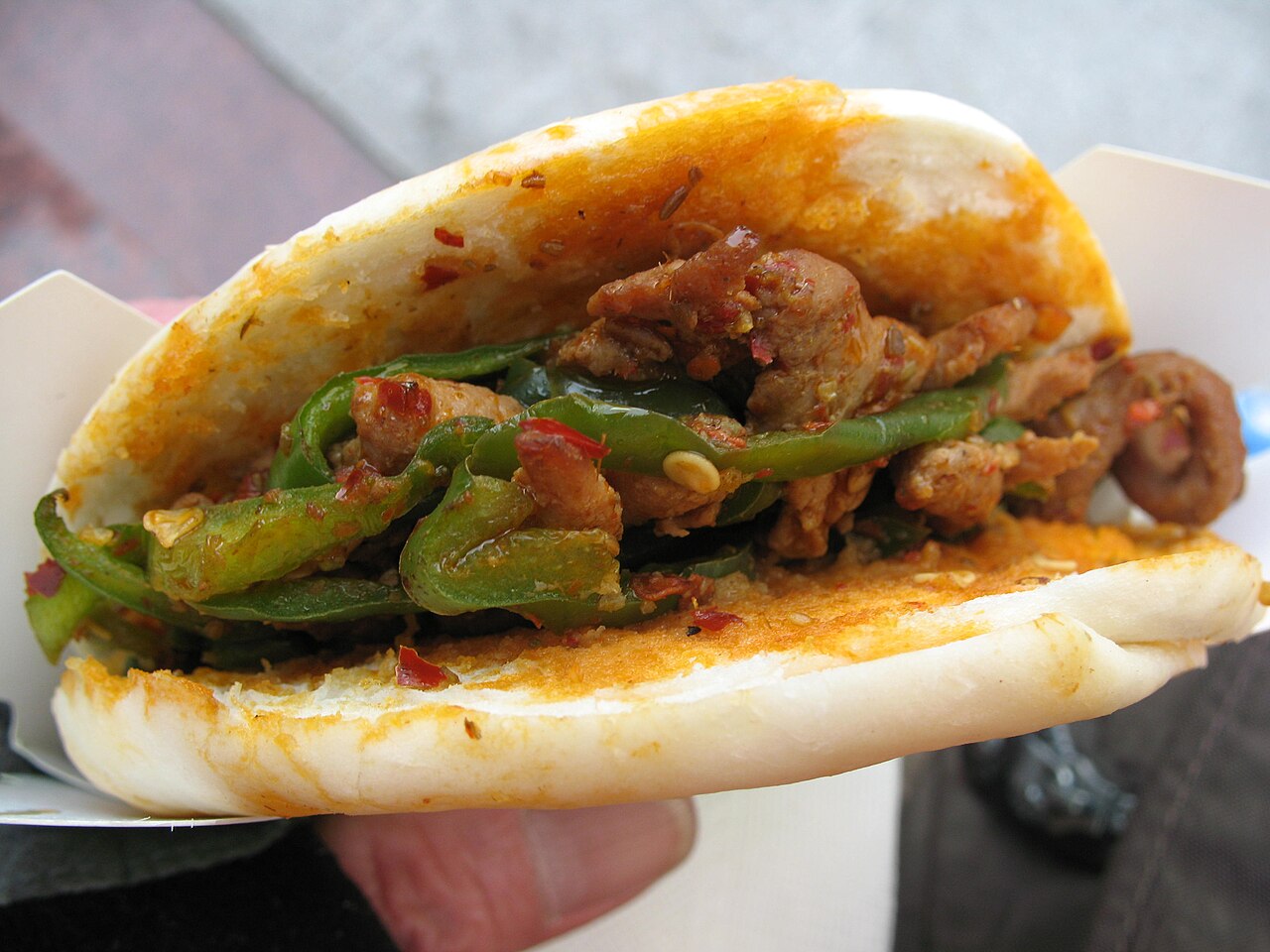
Worried about what kids will eat in China? Xi'an makes it easy, because there is plenty of not-spicy food, especially in the Muslim Quarter. Start with roujiamo (shredded braised meat stuffed into a baked flatbread, like a Chinese burger), which nearly every child loves. Then boiled dumplings with various fillings, fried persimmon cakes (sweet and soft, a great dessert) and skewers you can order without chilli. Wide biangbiang noodles can be ordered mild too. When you order, say bu la (不辣 = not spicy) — most stalls understand and will do it.
Good news for families: many of Xi'an's main sights are on the metro. Line 2 runs north–south through the Bell Tower and the South Gate / city wall (Yongningmen), while Lines 3/4 reach the Big Wild Goose Pagoda and Line 9 goes to Huaqing Palace. Fares are ¥2–9 a ride. Many stations have lifts and strollers are fine, but check for the lift sign at the entrance first. Carriages are packed at rush hour, so avoid those windows or carry small children then.