What to book ahead — and what you can just walk into
Ranked by how often people call it the highlight — with honest price ranges, logistics and whether booking ahead is actually worth it.
 1
1
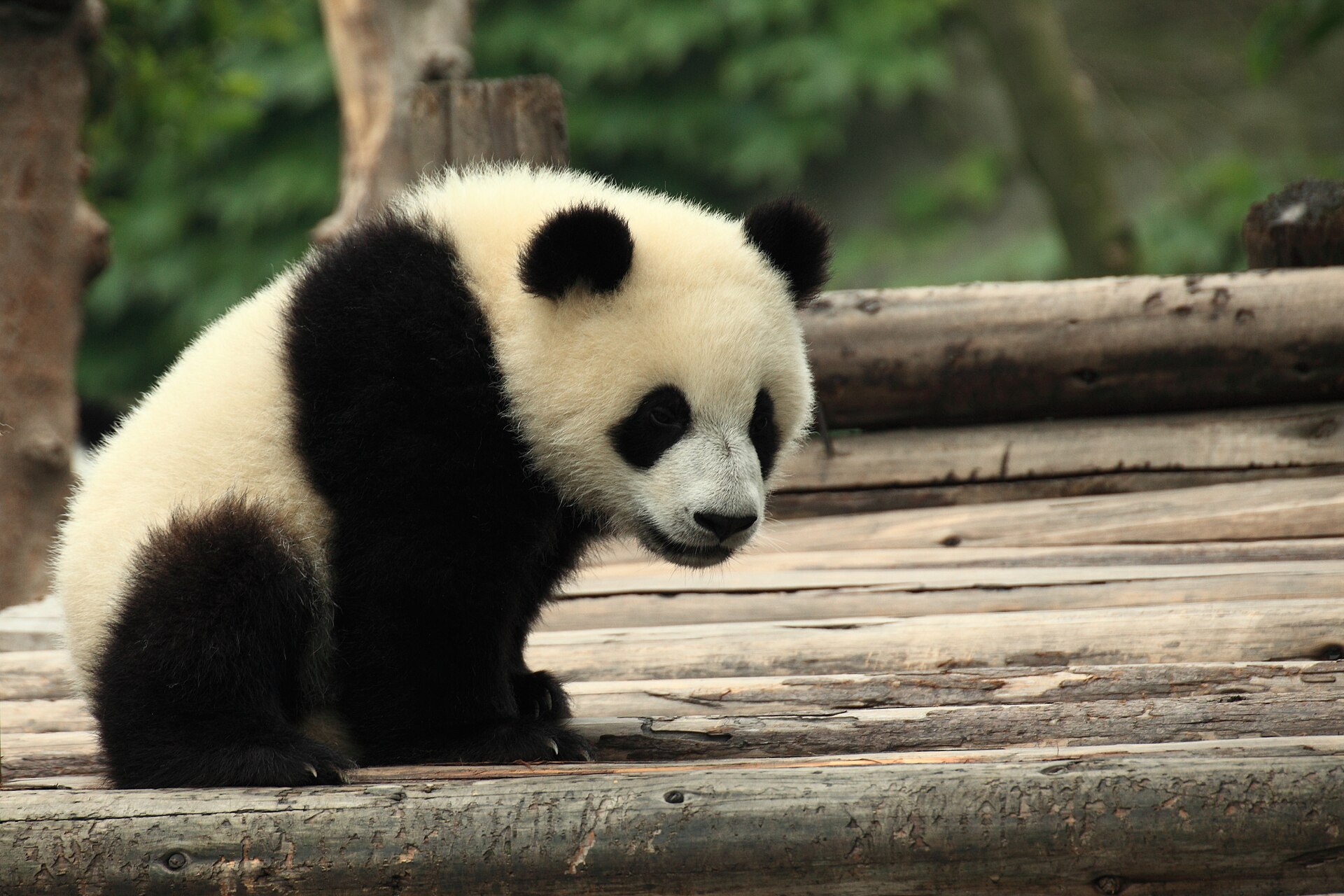
If you only do one thing in Chengdu, most people pick this. The Chengdu Research Base raises dozens of giant pandas and red pandas across a wide bamboo park north of the city. The trick locals all know: go early. Pandas eat and play hardest between about 8:00 and 9:30 am — past noon they tend to curl up into furry, motionless lumps. An early-morning tour on Klook gets you in fast and adds a guide who can point out the cubs in the nursery. For the full visiting details, ticket booking and which bus to take, see the Panda Base guide →
Book tickets/tour on Klook →This is the experience panda lovers fly in for. You put on a blue volunteer uniform, clean enclosures for real, weigh bamboo, pack "panda cake" (a pressed-grain treat) and get closer to the animals than regular visitors ever do. One important note: the Dujiangyan base, long the favourite for this programme, is closed for renovation from 23 April 2026 with no confirmed reopening date. For now you need the Wolong base or the Ya'an base instead. Both are well outside the city, take all day and accept only a limited number of people each day — always reconfirm the status and the quota with the operator before you book flights around it.
See programmes on Klook →Picture it: a performer in vivid opera costume stands centre stage, snaps their head once, and the mask flips from red to gold in a blink. Another snap — black. It happens too fast to follow. This is bian lian (变脸), the closely guarded secret art of Sichuan opera, passed down within families. The Shufeng Yayun teahouse in Chengdu Culture Park performs it every evening, along with fire-spitting, shadow puppetry and folk music. You sip tea at a bamboo table while you watch — a genuine old-teahouse setting rather than a sterile theatre.
Book on Klook →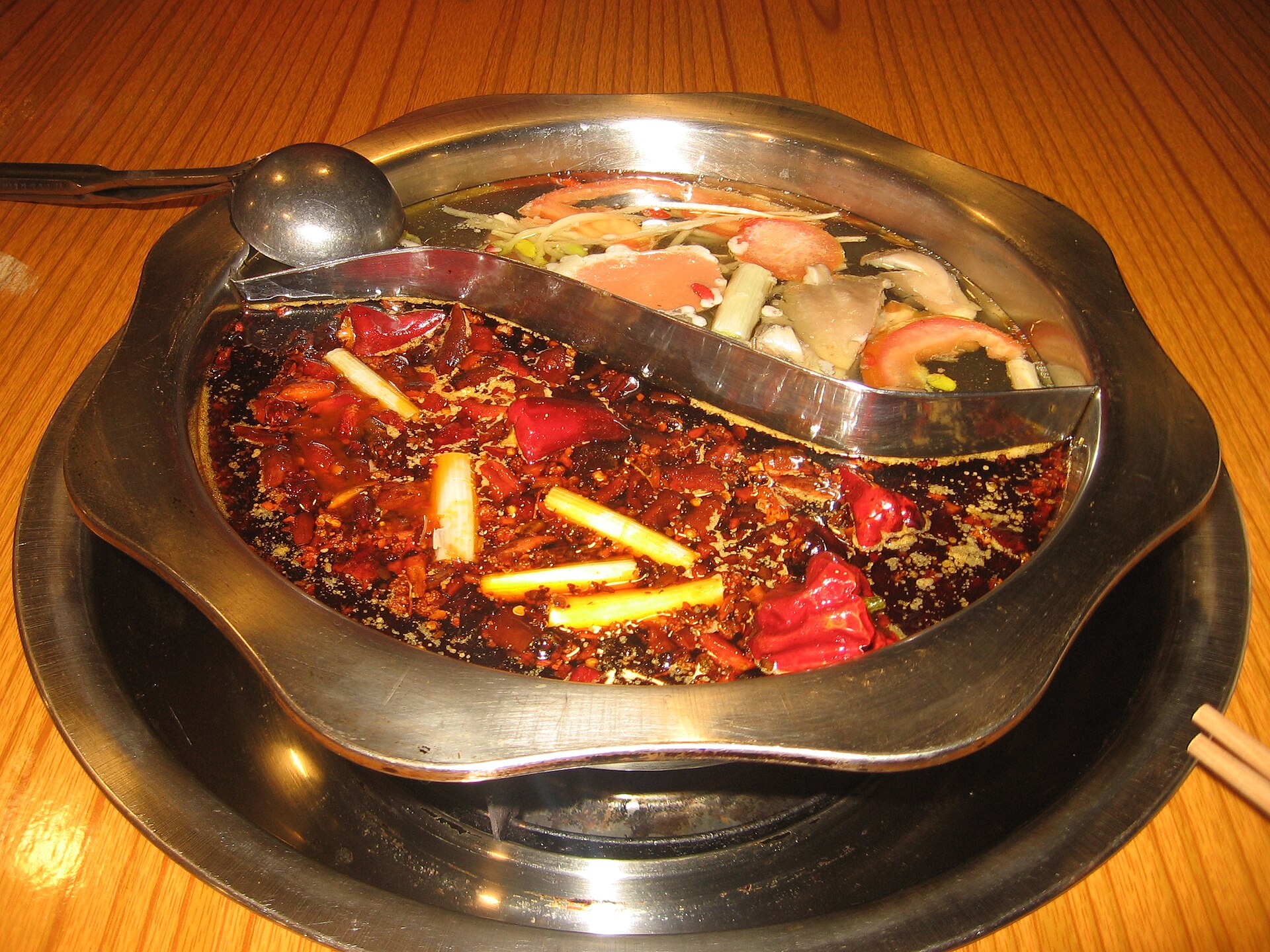 4
4
Chengdu is the capital of mala hotpot, so learning to make it yourself is a deeper way into the city than just eating it. Most hotpot classes start with a walk through a spice market — you smell dozens of dried chillies and the tongue-numbing Sichuan peppercorn (花椒) — then a chef shows you how to fry the broth base before you sit down to eat your own work with free-flow drinks. The alternative is an evening food tour, often by tuk-tuk, hopping several spots to taste 5–7 things before a big sit-down meal. Chengdu prices are still gentler than Beijing or Shanghai. For how Chengdu hotpot differs from Chongqing's, see the Chengdu hotpot guide →
See classes/tours on Klook →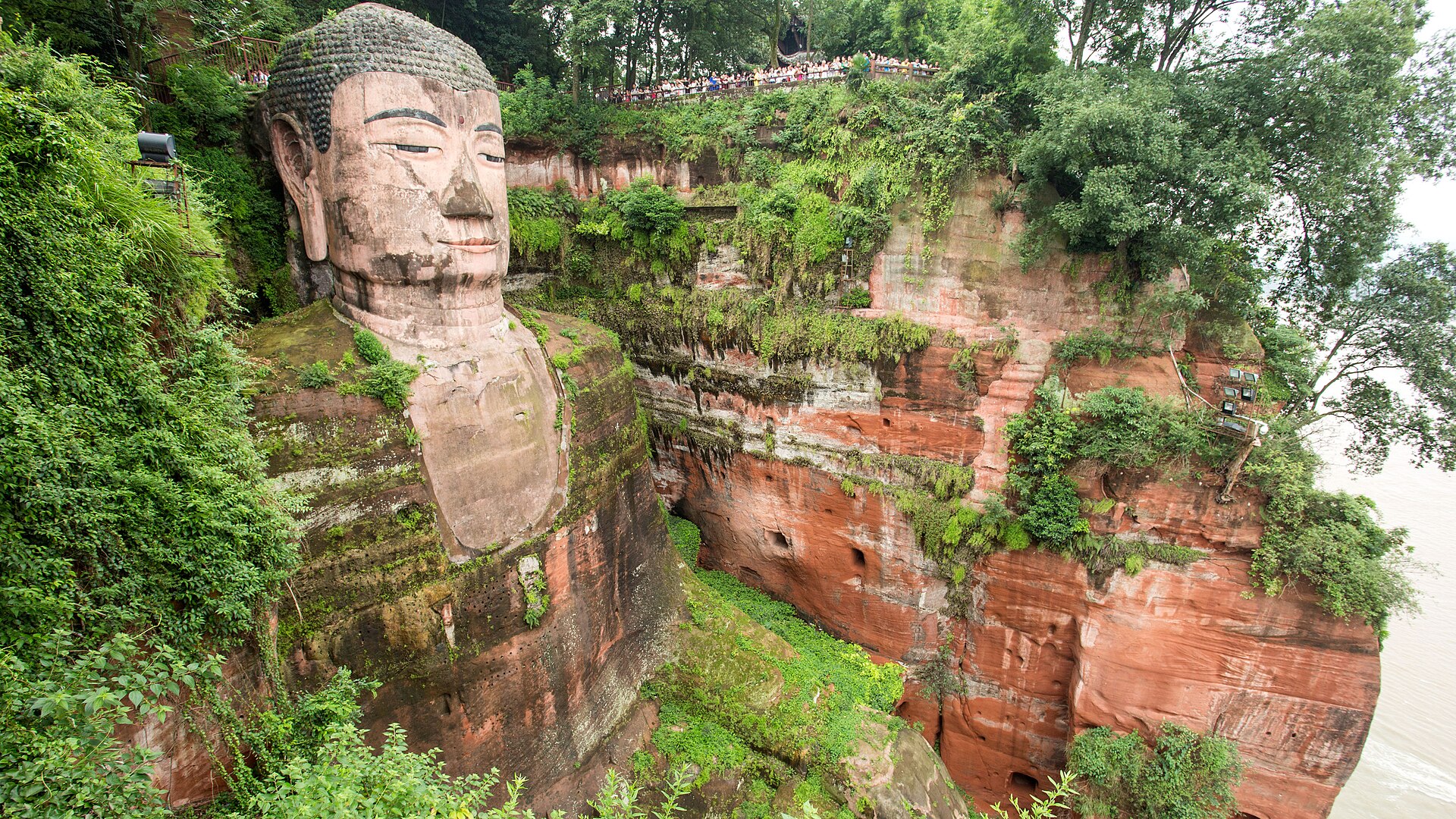 5
5
The Leshan Giant Buddha stands 71 metres tall, carved out of an entire cliff face over 1,200 years ago at the meeting point of three rivers — a single toe is big enough to stand several people on. You walk down a narrow staircase beside the figure to reach its feet, look up, and the word "huge" takes on a new meaning. Or you view it whole from a river boat, which is striking in a different way. From Chengdu it is an easy day trip: the high-speed train from Chengdu East takes about an hour. Read the full details in the Leshan Giant Buddha guide →
Book tour on Klook →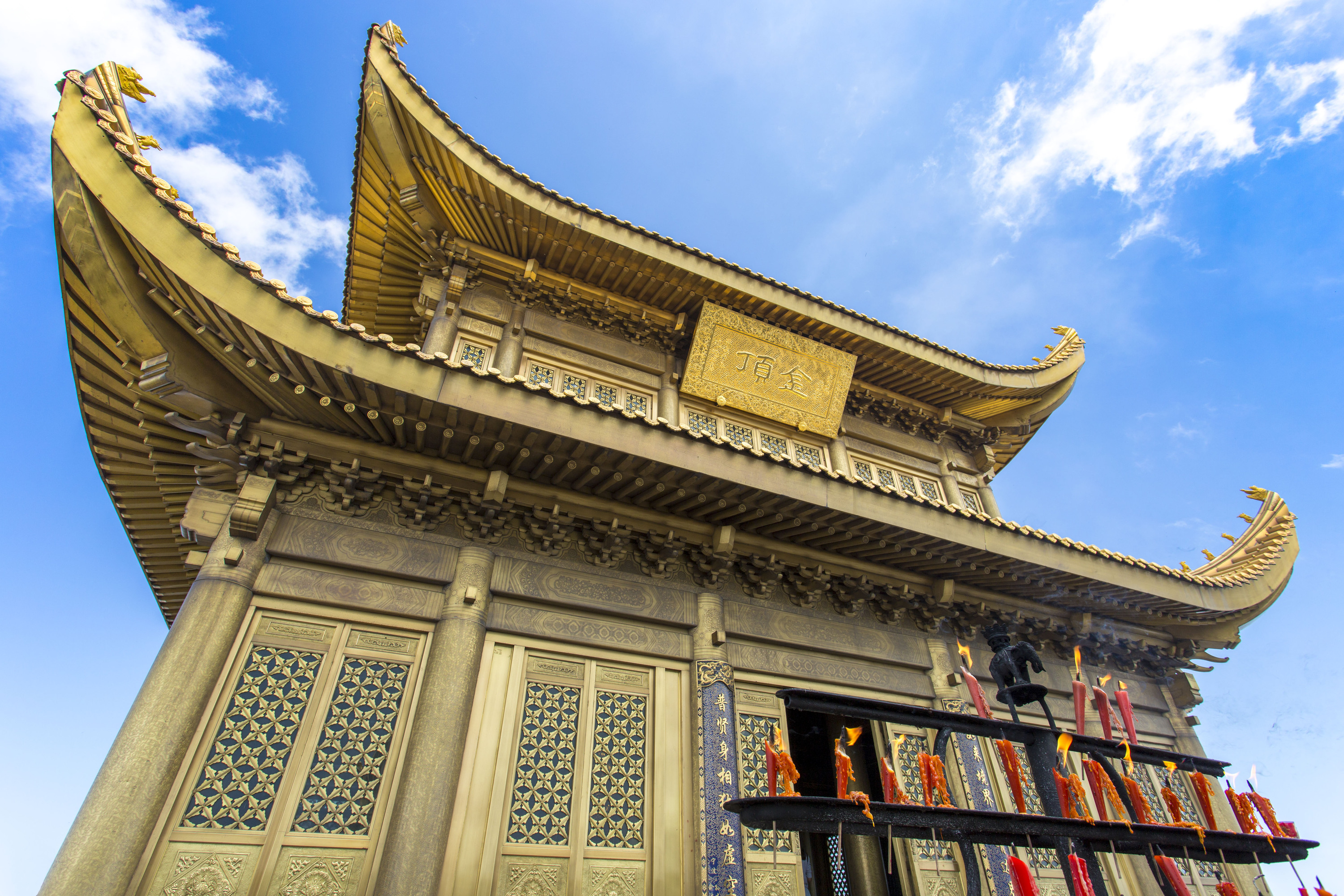 6
6
Mount Emei is one of China's four sacred Buddhist mountains. Its Golden Summit, over 3,000 metres up, is crowned by a gilded statue of the bodhisattva Puxian standing above the clouds. On a clear morning you really do stand above the cloud line. The mountain is big and high — there is a cable car, temples to walk and a steady climb — so it pairs better with the Leshan Giant Buddha as a 2-day, 1-night trip than a rushed single day. Most tours use the high-speed train (Leshan to Emeishan is just 15–24 minutes) and stay a night at the foot of the mountain. More in the Mount Emei guide →
Book tour on Klook →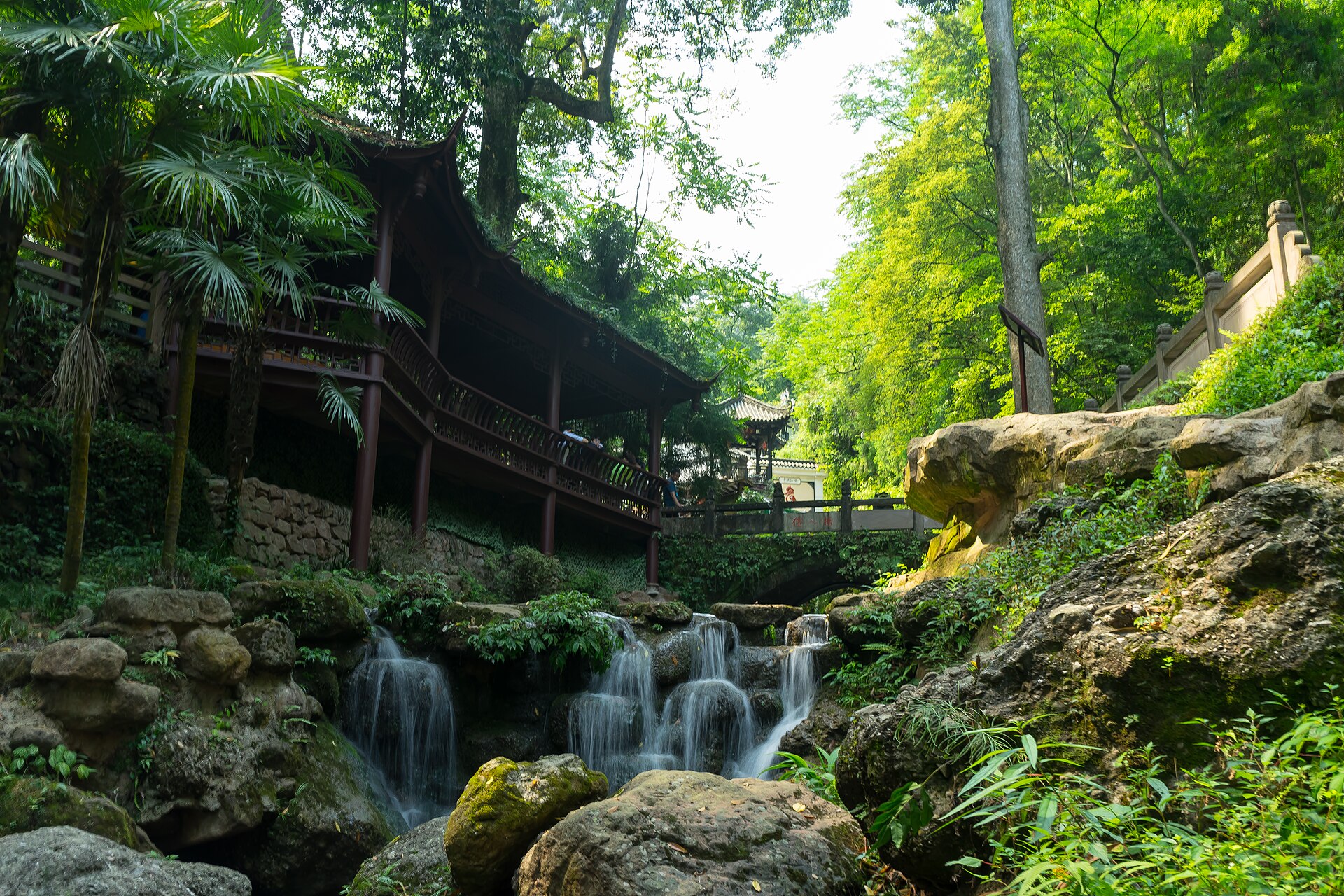 7
7
These two are usually paired in a single day because they sit close together west of Chengdu. Mount Qingcheng (青城山) is one of the birthplaces of Taoism — cool, green forest with red wooden pavilions appearing through the mist, and a quiet, refreshing climb. Dujiangyan (都江堰) is an ancient irrigation system more than 2,200 years old that still works today: a feat of engineering that made the Chengdu plain fertile. Both are UNESCO World Heritage sites, and the west-line train from Chengdu makes them easy to reach. Read the details in the Qingcheng–Dujiangyan guide →
Book tour on Klook →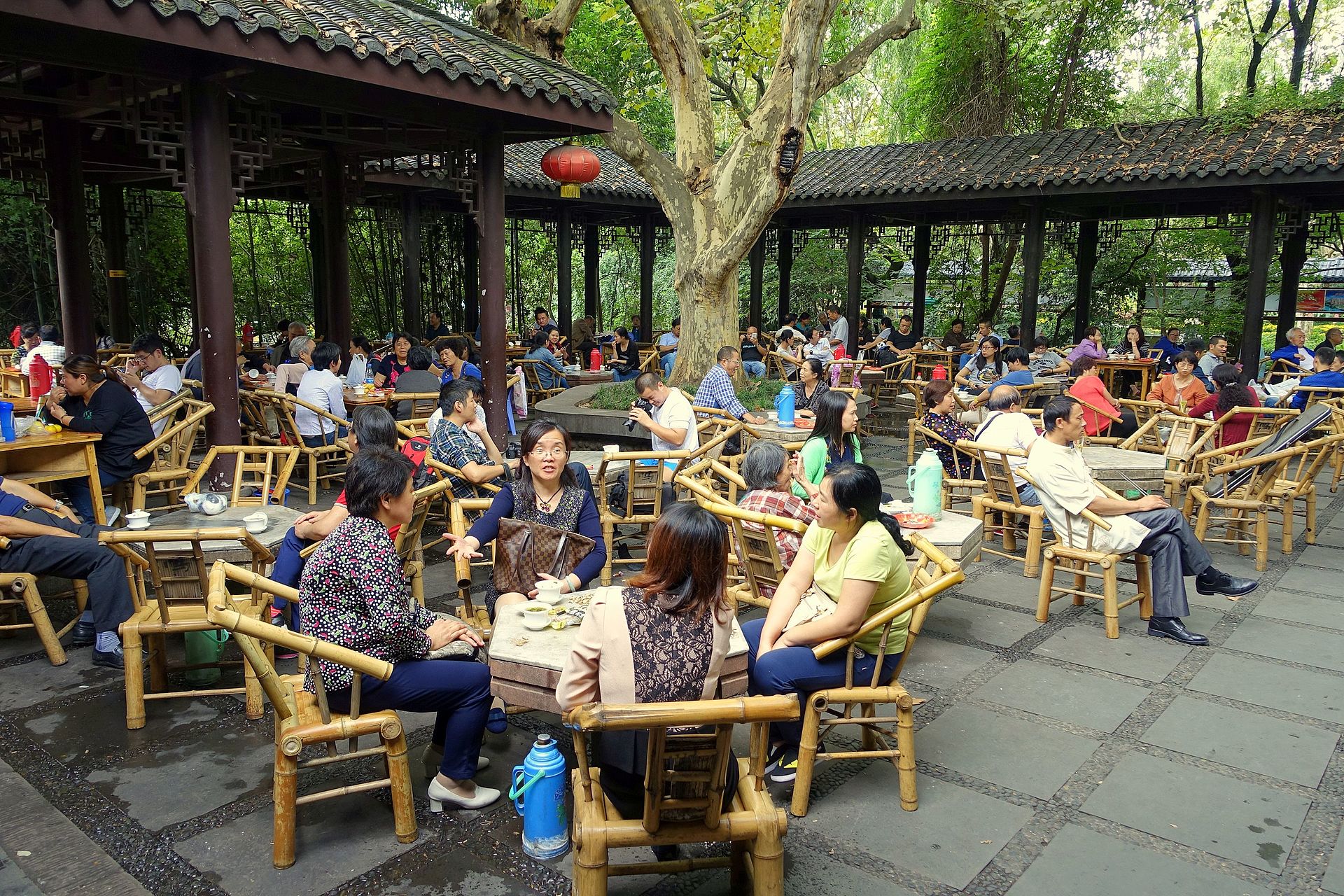 8
8
This one needs no booking at all — you just walk in and sit down. The Heming Teahouse in People's Park is the heart of Chengdu's famous slow living. Order a glass of jasmine tea (~¥15–30) and you can sit all afternoon on a bamboo chair beside the pond. Locals come to play mahjong, chat and read, and there is one wonderfully odd service you should try — ear-cleaning (采耳), where a master uses feather tools and tiny forks to clean your ears. It is ticklish and faintly alarming, and people get hooked on it. For how to order tea and the etiquette, see Chengdu teahouse culture →, or read about the park itself at People's Park →
 9
9
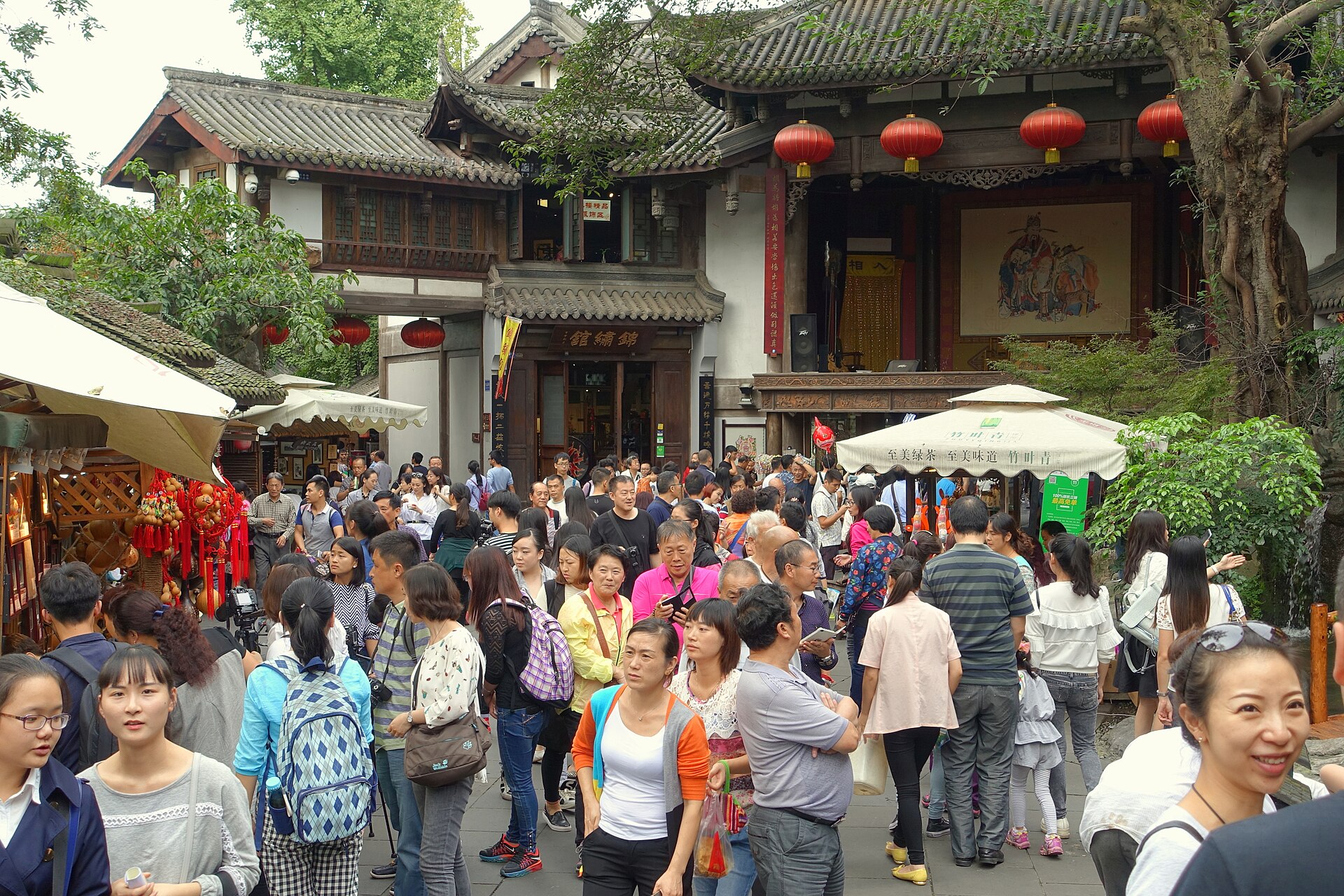
After sundown, old Chengdu lights up with red lanterns. Jinli (锦里), next to the Wuhou Shrine, is a Qing-dynasty-style stone lane packed with snack stalls — fried stinky tofu, crisp pancakes, skewers doused in mala. Kuanzhai (宽窄巷子) is a trio of parallel old courtyard lanes with stylish cafés, quiet bars and teahouses. Walking both needs no booking and there is no entry fee — a perfect way to end the day with food and atmosphere. Read more at Jinli Ancient Street → and Kuanzhai Alley →
If you like strange, hard-to-explain ancient things, this place will floor you. Sanxingdui is an archaeological site of the ancient Shu civilisation, over 3,000 years old, where excavators unearthed giant bronze masks with eyes that bulge out on stalks, bronze trees as tall as a building, and a bronze figure of impossible height. None of it looks like the Chinese art of the same era anywhere else, which is exactly why people enjoy spinning theories about where it came from. The new museum displays it beautifully and is very modern. It is in Guanghan, about 45 km from Chengdu, and a self-guided visit takes around 2 hours — check the transport and other day options at Chengdu day trips →
See tickets/tours on Klook →