A red-roofed German old town versus a breezy Russian-Japanese port — two northern beach cities with cool sea air, but a completely different feel.
Picture this. You want to escape the heat to a Chinese seaside city with cool air and a European flavour, and two names keep coming up together — Qingdao, the Shandong port that Germany once ruled, leaving behind a red-roofed old town, old churches and the Tsingtao brewery; and Dalian, the port at the tip of the Liaodong Peninsula that Russia and Japan took turns governing, leaving grand squares, a Russian-style street and vintage trams. The classic question: if your time is tight, which one do you visit?
Here's the honest headline first — these two are not next to each other the way Guangzhou and Shenzhen are. Qingdao sits on the southern shore of the Bohai Sea and Dalian on the northern shore, a fair distance apart. You can pair them in one trip, but you'll need to budget travel time (a ferry across the bay, or a domestic flight). Most travellers end up choosing one city and doing it justice.
This article lays out exactly what each city gives you — vibe and heritage, beaches, food, the best season, and getting there — then helps you decide which one to pick. One thing to flag up front: our deep travel coverage is stronger on the Qingdao side (we have a full Qingdao guide), while Dalian here is written as honest prose so you can compare. We're not crowning a winner — both have real charm.
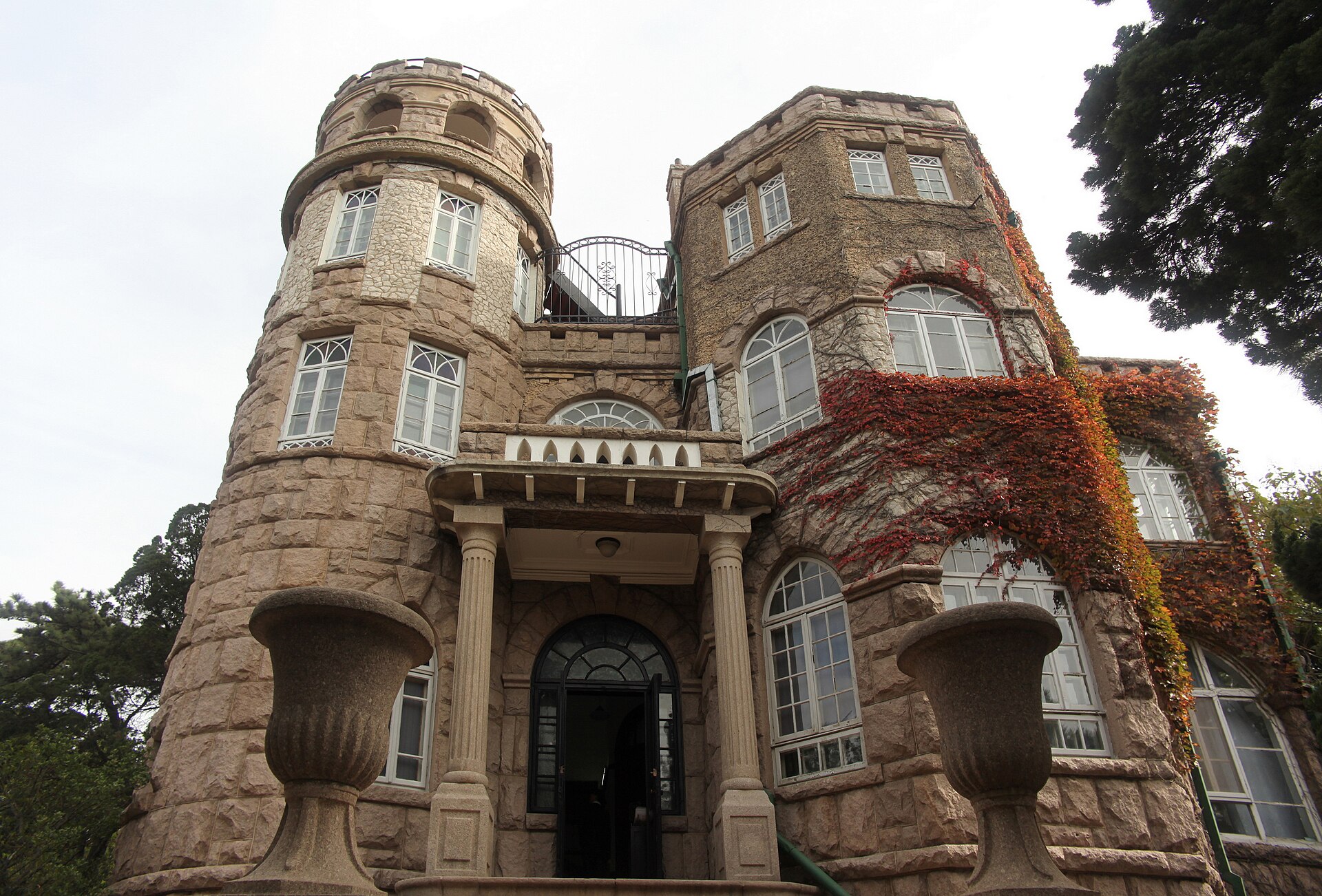
Qingdao has something Dalian doesn't — a sharp, compact German flavour. Between 1898 and 1914 Qingdao was a German colony, and that legacy survives as a red-tiled old town with granite streets running down to the bay, St Michael's Cathedral in a Gothic-Romanesque style, and best of all the Tsingtao brewery the Germans built back in 1903 — a beer brand the whole world now knows.
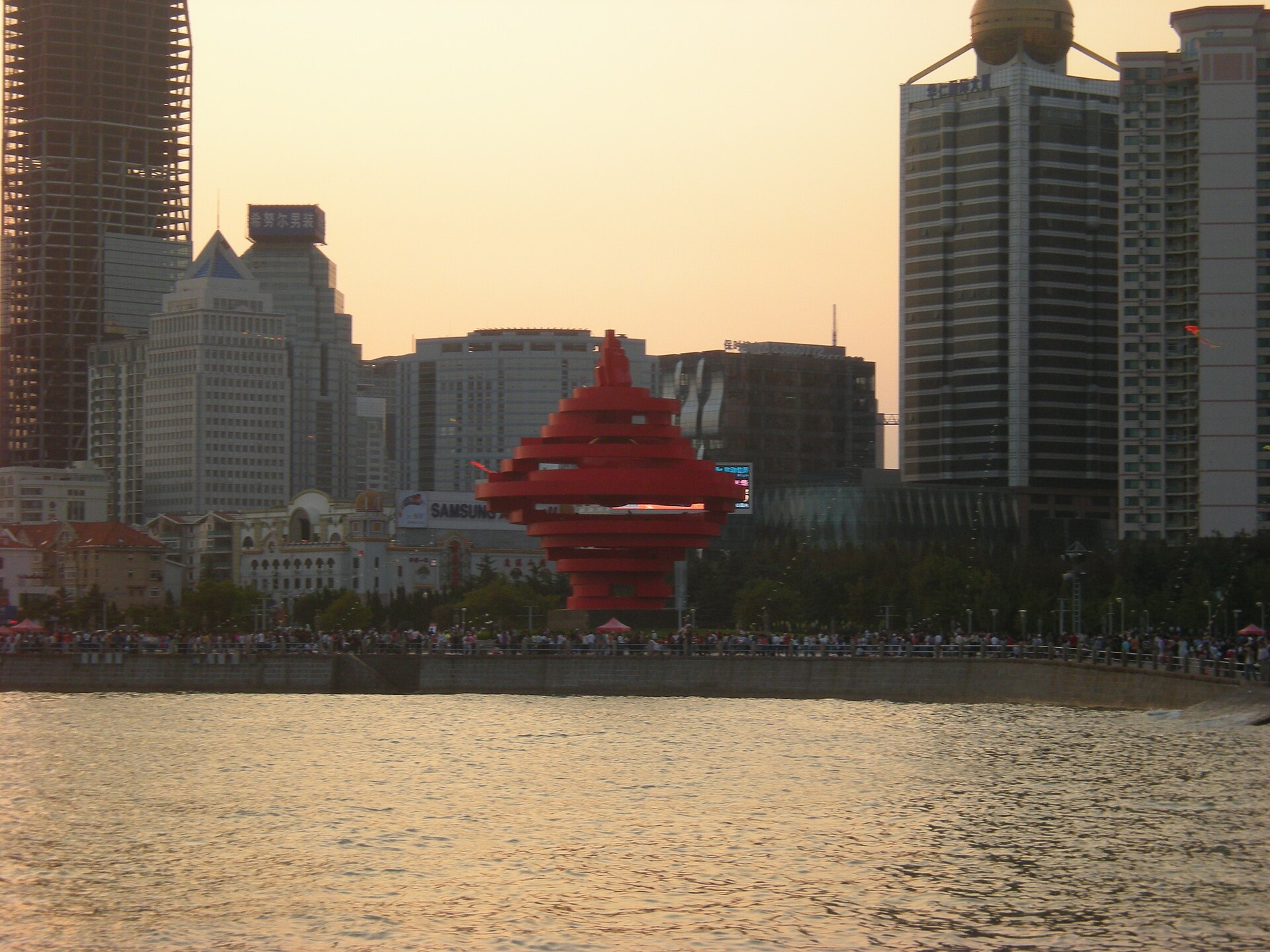
Beyond the old town, Qingdao stacks up plenty of seaside sights to walk — the Badaguan district, full of old villas on streets each planted with a different species of tree; Zhanqiao Pier reaching out into the bay as the city's emblem; May Fourth Square on Fushan Bay with its red "May Wind" sculpture; and Signal Hill for a view over the whole sweep of red roofs. For nature there's Mount Lao, a coastal mountain not far out of town.
What makes Qingdao easy to plan is that the metro is complete and the sights are clustered. Line 3 runs from the old town to Qingdao North, Line 2 heads to Fushan Bay and the east, and fares are cheap (¥2–8, about ฿10–40), paid with Alipay or WeChat. Add several in-city beaches walkable from the old quarter, and it's a city you can easily explore on your own. See everything at our Qingdao attractions roundup.
This is the one thing Dalian can't match — tour the old brewery the Germans built in 1903, taste beer straight off the line, then try the street culture of fresh beer sold in a plastic bag to sip as you walk, paired with boiled clams.
Read the Tsingtao beer guide →The red-tiled old town tumbles down the slope to the bay, with the Gothic-Romanesque St Michael's Cathedral as its landmark. Wander the old lanes that still hold their European feel — a corner you won't find in an ordinary Chinese city.
Read the Qingdao old town guide →Qingdao is a sea city, so the seafood is fresh and cheap — stir-fried clams, boiled shellfish with vinegar, mackerel turned into the city's signature dumplings, and bold Shandong dishes, all eaten with fresh Tsingtao beer. That's the local recipe for a happy night.
Read the Qingdao food guide →Dalian has something Qingdao doesn't — a Russian-Japanese flavour and a spacious, relaxed city feel. Dalian is the port at the very tip of the Liaodong Peninsula, and over its history both Russia and Japan ruled it, leaving a European-style plan that centres on squares and radiates streets out like spokes. Zhongshan Square is the heart, ringed by Russian and Japanese colonial-era buildings, and a short walk over a bridge brings you to the Russian-style street lined with European façades.
The other thing Dalian does well is openness and breathing room. The city is said to have more than 30 squares; the most famous, Xinghai Square, is reckoned to be the largest city square in Asia — so big it's a walk in itself. There's also Binhai Road, a coastal road that winds along the cliffs for around 40 km and gets compared to the corniche of the French Riviera, with sea-and-headland views the whole way. For beaches and amusement there's Tiger Beach (Laohutan) with its ocean park, and the rare touch you won't find easily elsewhere — vintage trams (lines 201/202) still running, a legacy of the Japanese era that's become the city's signature.
Here's the honest part — Dalian is more spread out than Qingdao. The big sights sit far apart, so you'll budget time in transit, and being further north it has a longer, slightly colder winter (cherry blossoms in late April are its spring draw). As a summer seaside city it does very well, but on beer culture and a tightly walkable old quarter, Qingdao keeps the edge. And one thing that matters for planning: we don't yet have a deep Dalian guide on the site, so if you want a city write-up with a ready itinerary, Qingdao is the easier one to research.
Zhongshan Square is a grand roundabout ringed by Russian and Japanese colonial-era buildings, and a short walk away the Russian-style street is lined with European façades. It's the corner that tells the city's colonial history best.
Binhai Road winds along the sea cliffs for around 40 km with views the whole way, ending at the vast Xinghai Square by the bay. Strolling here in the sea breeze is the city's easy-going highlight.
Old trams left over from the Japanese era still carry passengers for a tiny fare, rolling past old buildings on a leisurely city loop. It's a sight you'll barely find in any other Chinese city, and the image people remember Dalian by.
| Aspect | Qingdao 青岛 | Dalian 大连 |
|---|---|---|
| Main draw | German old town, Tsingtao beer, Shandong seafood | Colonial-era squares, coastal road, vintage trams |
| Heritage / vibe | German-by-the-sea — red roofs, churches, granite slopes | Russian-Japanese-by-the-sea — squares, radial plan, trams |
| Size and city feel | Compact, walkable old quarter, sights clustered | Open and spacious, sights spread out, more transit |
| Food | Shandong seafood — clams with beer, stir-fried clams, mackerel dumplings | Dongbei seafood — sea cucumber, sea urchin, oysters, seasonal crab |
| Beer / drinking culture | The strongest — 1903 brewery, beer festival, beer by the bag | Has bars and pubs, but no signature beer culture to match |
| Getting there from Thailand | Usually connect via Beijing/Shanghai → land at TAO (~40 km out) | Usually connect via a major hub → land at DLC (closer in) |
| Getting around | Full metro (lines 1/2/3/8/11/13), easy to do solo | Metro + trams + buses, but sights are spread out |
| Best season | Late May–June and Sept–Oct (summer is busiest) | June–Aug for cool summer + cherry blossoms in late April |
| Recommended time | 2.5–3 days (old town + beer + sea + Badaguan) | 2.5–3 days (squares + Binhai Road + beaches + trams) |
| Best for | Old-town / beer / seafood lovers and first-timers who want easy planning | Square-and-coastal-road fans, a relaxed pace, spring blossoms |
The big difference to remember is that these two cities are not next to each other — Qingdao is on the southern shore of the Bohai Sea and Dalian on the northern shore, with no short direct high-speed rail link like Guangzhou and Shenzhen have. In practice most people pick one and do it fully; if you want to catch both, see the next section for how to pair them.
Qingdao and Dalian are separated by the Bohai Sea, with no quick rail link between them. Visiting both is possible, but takes more planning than the southern city pair.
Qingdao and Dalian are both ports with fresh seafood, but they cook from different schools, and their drinking cultures are clearly different too.
The simple takeaway: if you're a beer-with-seafood traveller who loves a street-side eat-and-drink scene, Qingdao is clearly livelier. Dalian shines on fresh northern sea produce like sea urchin and sea cucumber that fans of the unusual will love. Both are fun for seafood — just different flavours from different schools.