11 dishes to try before you leave Qingdao
Ordered by how distinctive they are — the ones that say "Qingdao" most clearly come first.
 1
1
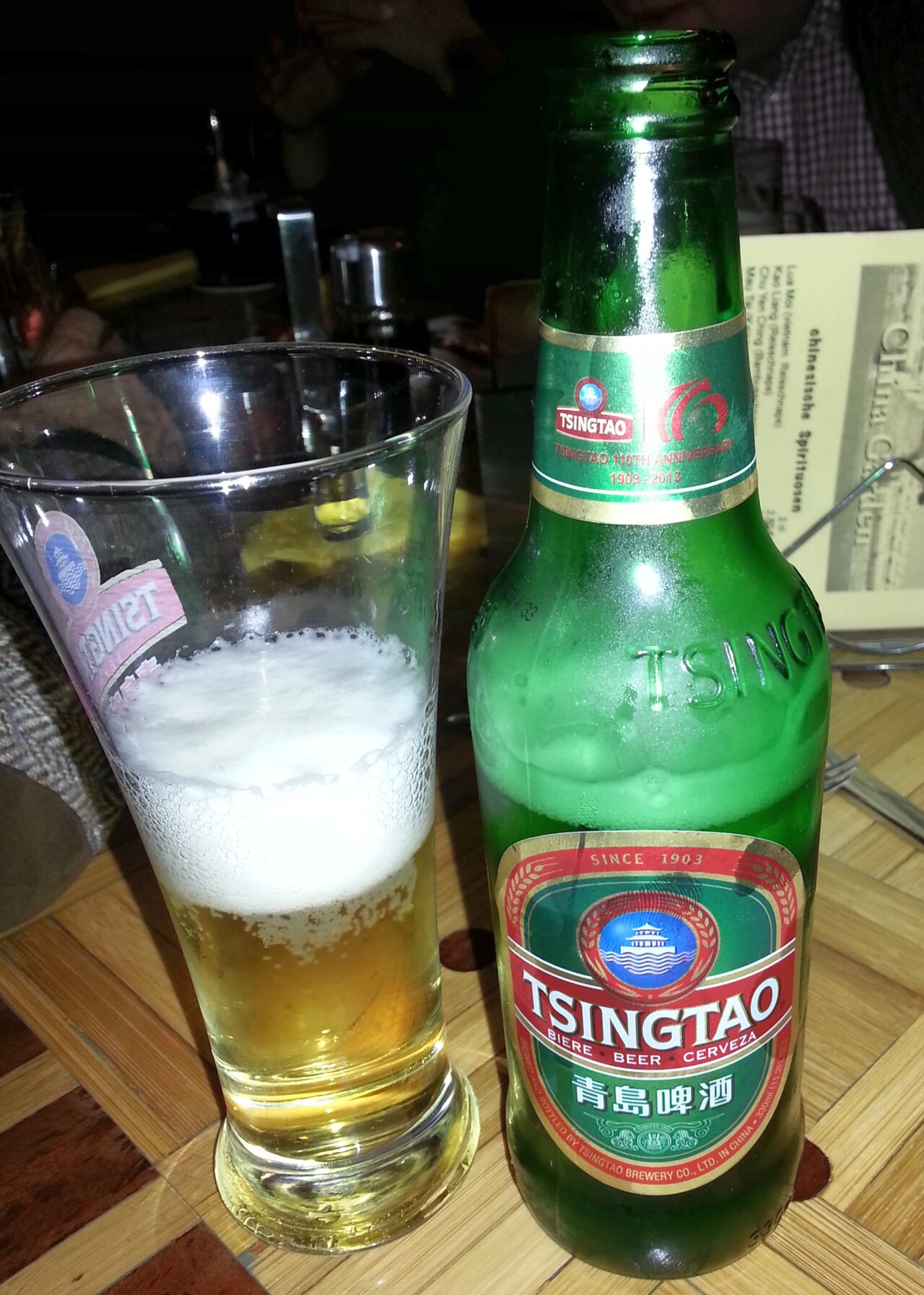
This is the first thing to try in Qingdao — Tsingtao Beer (青岛啤酒), born in 1903 from a German brewing legacy, clean and easy-drinking. The real charm isn't the bottle you can buy worldwide, but the fresh draft (鲜啤) and unfiltered raw beer (原浆) you can only drink in the city, fresher and rounder than anything bottled. The defining image is bagged beer (袋装啤酒) — the shop pours it into a plastic bag tied with a rubber band and a straw to carry away. Beer Street (Dengzhou Road 登州路) is the hub for fresh beer and clams, and August brings the International Beer Festival, the largest in Asia.
 2
2
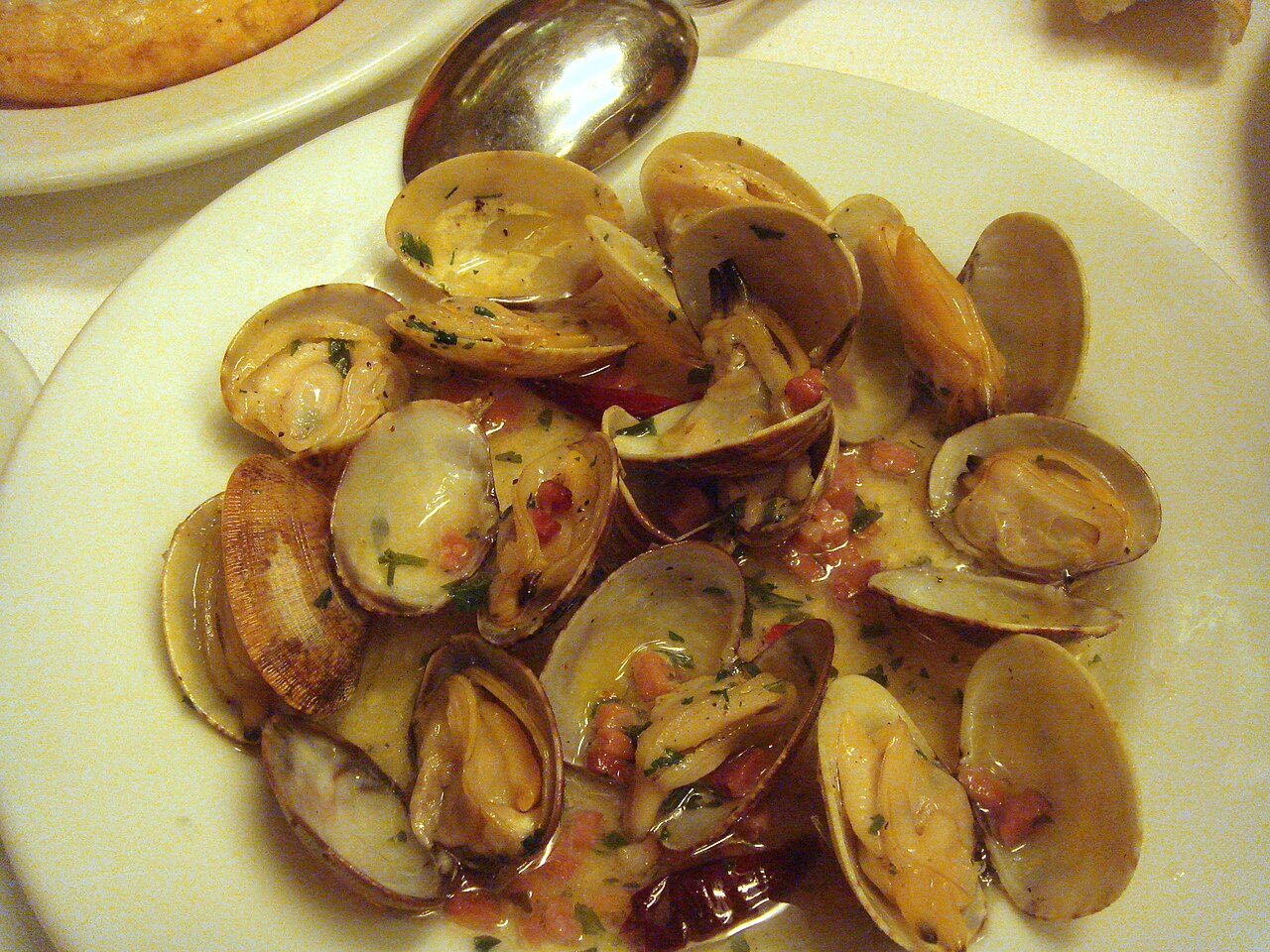
If beer is the soul, spicy clams are its inseparable partner — small clams (蛤蜊, called "gala" by locals) stir-fried over high heat with chilli, garlic, spring onion and seasonings until they pop open in their own briny juices. The flavour is fragrant and mildly spicy, never fiery, and the clam meat is plump and sweet. Eating clams with fresh beer is the local ritual known as 'hā píjiǔ chī gálá' (哈啤酒吃蛤蜊) — drink beer, eat clams — the image of Qingdao locals crowded around a table in the evening, repeated all along Beer Street.
 3
3
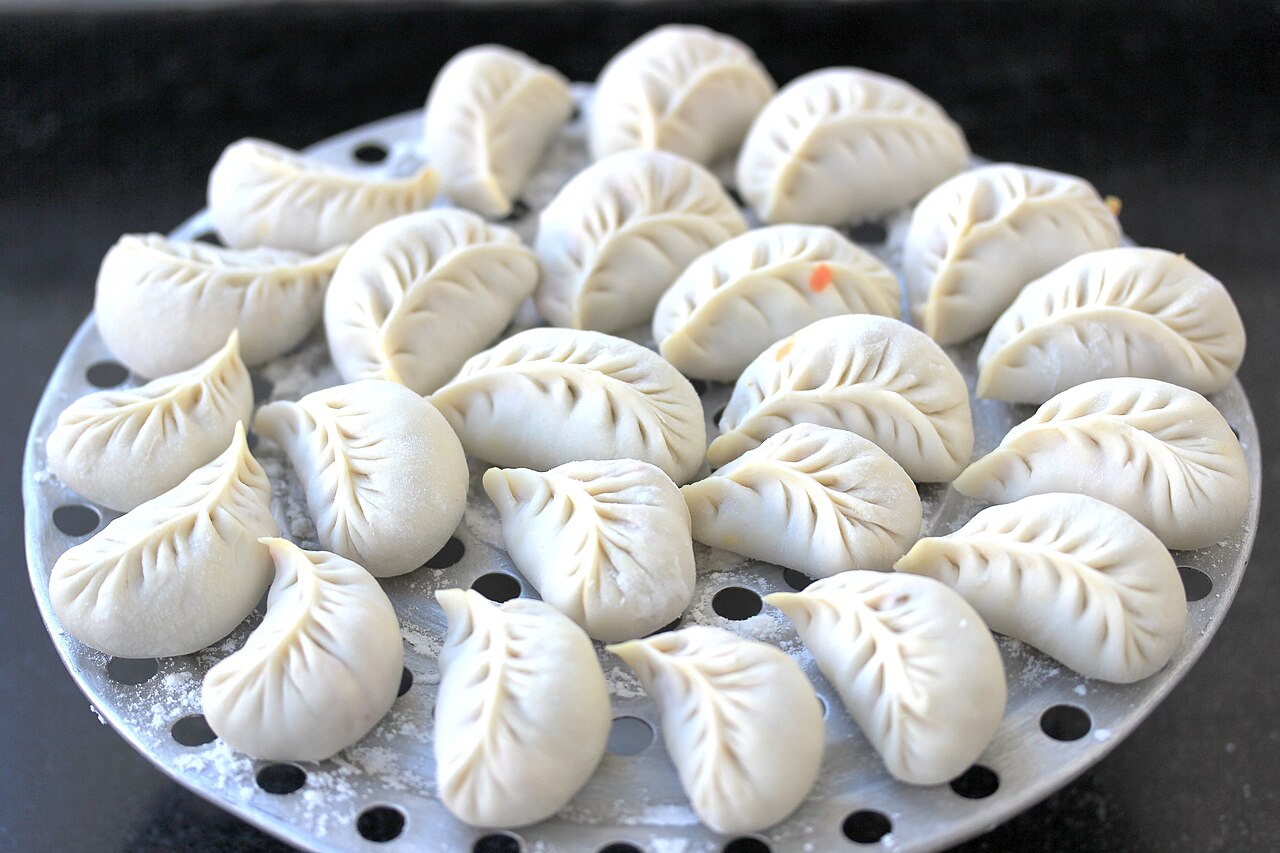
The dumpling Qingdao is proud of — mackerel dumplings (鲅鱼水饺), stuffed with fresh Spanish mackerel (鲅鱼), finely minced with chives and a little pork. The filling is smooth and juicy, gently sweet from the fish and not fishy at all, and the dumplings are larger than usual. Boiled and dipped in black vinegar with garlic, they're a treat. There's a lovely local custom: a son-in-law traditionally gives his in-laws a big mackerel in early spring (鲅鱼礼) as a sign of respect — so this dumpling is bound up with the family life of the city.
Sitting on Jiaozhou Bay (胶州湾), Qingdao's seafood is fresher and cheaper than in many cities — prawns, mantis shrimp (虾虎), all kinds of clams, crab and fish land every morning. The Shandong style is to steam or blanch to keep it fresh, or stir-fry lightly with garlic, never burying the flavour under heavy seasoning. Steamed mantis shrimp with a ginger-vinegar dip is a local favourite. The freshest way to eat is to head to a seafood market like Tuandao (团岛), pick your catch and have a stall cook it. Be honest with yourself: seafood spots along the tourist beaches overcharge, and there have been scale-rigging scams — the key tip is to always confirm the weight and price first.
A Shandong banquet luxury that Qingdao locals treat as a tonic — sea cucumber (海参), especially the spiky northern variety considered a premium ingredient. The classic dish is braised sea cucumber with scallion (葱烧海参), the springy, gelatinous sea cucumber under a rich, fragrant scallion-oil sauce that's both savoury and faintly sweet. It's a showpiece at banquets and good Shandong restaurants. Be honest: it costs far more than other dishes because the ingredient is expensive, and the texture isn't for everyone — but if you want to understand Shandong cooking at full stretch, it's worth trying once.
A go-to lunch for Qingdao locals, filling and good value — pork-rib rice (排骨米饭): pork ribs braised in a fragrant soy-bean sauce until the meat falls off the bone, ladled over hot steamed rice with the thick sauce soaking into the grains. It usually comes with shiitake mushrooms, potato or pickles. The flavour is rounded and savoury, not spicy. It's a one-bowl meal you'll find all over the city, and a lunchtime staple for working people — hearty and satisfying without any fuss.
Come evening, the smell of grilled-skewer smoke drifts across Qingdao — shāokǎo (烧烤), Chinese-style BBQ skewers of lamb, beef, chicken wings, squid, shellfish and vegetables grilled over charcoal and dusted with cumin, chilli flakes and spices, fragrant and eaten hot. Qingdao's twist is that it grills far more seafood than other cities — clams, mantis shrimp, squid — and with fresh beer it's even better. This is the night food locals sit over for hours, busiest of all at the Taidong (台东) night market.
Another dumpling Qingdao locals eat for breakfast and as a snack — potstickers (锅贴), long dumplings pan-fried in a flat pan until they have a crisp golden bottom while the top stays soft. Fillings range from pork-and-chives and pork-and-cabbage to seafood versions with shrimp or shellfish. One bite gives you the crunch of the base and the juice of the filling at once, dipped in black vinegar to cut the richness. They're easy to find both in Pichaiyuan alley and at dumpling shops citywide — filling and cheap.
Qingdao's oldest food alley — Pichaiyuan (劈柴院), a Y-shaped lane in the old town near Zhongshan Road that's been going since the early 20th century. Inside, it's lined with stalls of all sorts: grilled skewers, grilled seafood, potstickers, sweet sticky rice and old-fashioned sweets. The brick-walled old-alley atmosphere is lively and fun. Be honest: these days it's fairly touristy and pricier than local markets — but it is a one-stop spot to graze on a lot of different bites in a good-looking setting, ideal for snacking while you wander the old town.
The root of Qingdao's flavour is Shandong (鲁菜) cuisine, the oldest of China's eight great culinary traditions and the template for much of northern Chinese cooking. Its hallmarks are the freshness of the ingredients, a balanced savoury flavour, and high-heat technique. Classic dishes run from sweet-and-sour carp (糖醋鲤鱼) and sweet-and-sour pork (糖醋里脊) to steamed seafood and garlic stir-fries. Nothing is spicy; the aim is to draw out the natural flavour of the ingredients. Alongside the banquet dishes there's plenty of everyday Qingdao home cooking to try. If you want to understand why this city's food is rounded rather than bold, start by understanding Shandong flavour.
The small local bites tell you a lot about how Qingdao eats — seaweed jelly (海菜凉粉), made from seaweed boiled until it sets into a clear, cool jelly, sliced and tossed with garlic, vinegar, soy sauce and chilli oil, tangy and refreshing on a hot day with beer. In the morning there's something warming like tiánmò (甜沫), a thick savoury grain porridge with vegetables and beans, and skewered sweets like candied haw (糖葫芦) from the night markets. These cost just a few yuan but capture Qingdao better than many fancier dishes.