The imperial capital or the city of the future — two very different faces of China. Here is how to choose, before you book.
You've decided on China for your first trip — and then you stall on the booking page, unable to choose between Beijing and Shanghai. Almost everyone planning a first visit hits this exact wall, and there isn't one right answer, because these two cities deliver genuinely different experiences.
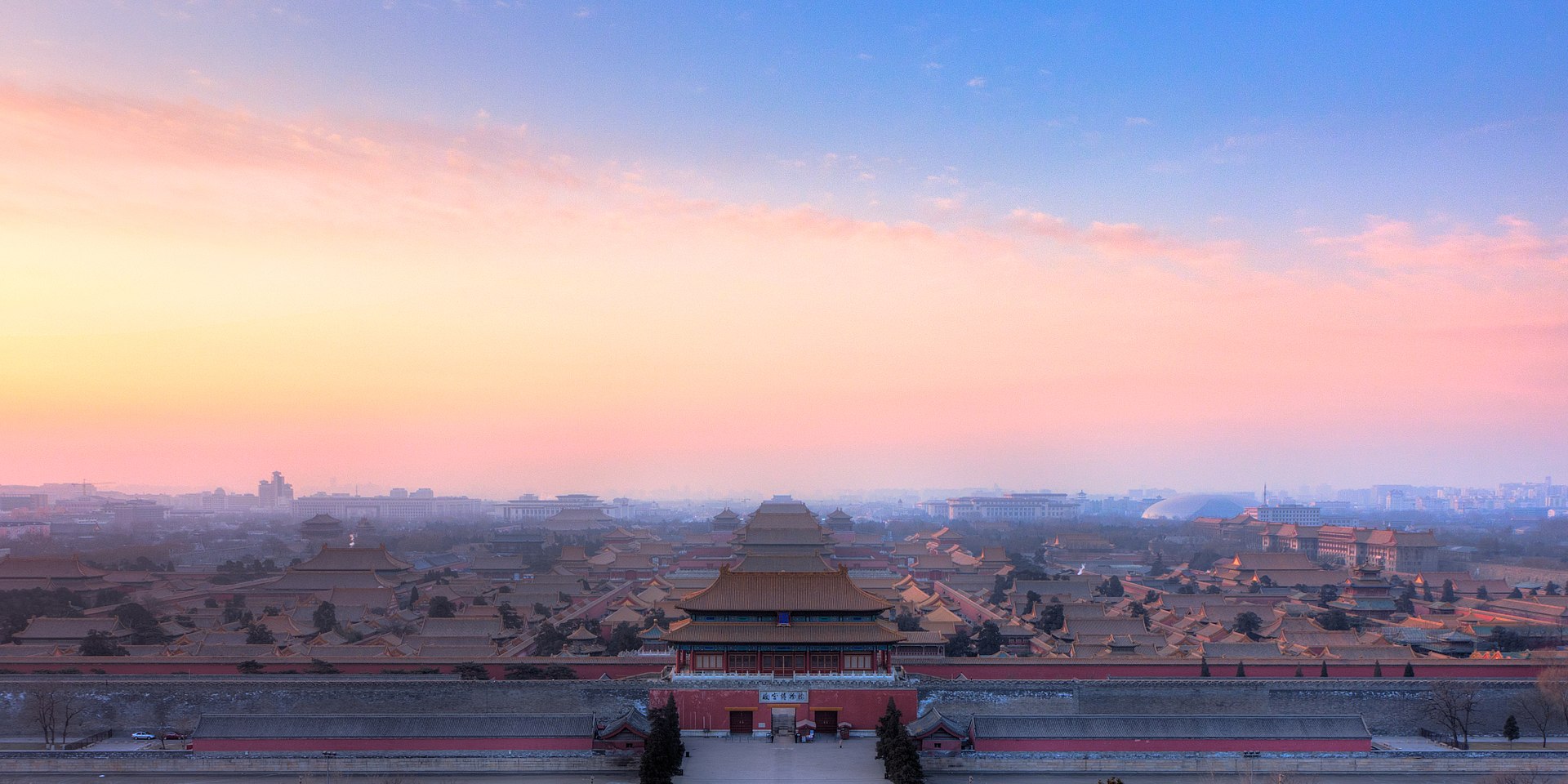
Beijing is the historic capital — the Great Wall, the Forbidden City, Tiananmen Square, the Temple of Heaven, the hutong alleys and Peking duck. This is "old China": monuments, dynasties and the cultural weight of a place that has been the seat of empire for centuries. Shanghai is China's most modern, cosmopolitan city — the Bund, the Lujiazui skyline, the leafy French Concession, Disneyland, and easy high-speed-rail day trips to canal towns like Suzhou and Hangzhou.
Here's the part most people miss: the two cities are only about 4.5–6 hours apart by high-speed train. So for many travellers the best answer isn't "which city" — it's "do both". This guide compares them honestly across every factor, then shows you how to fit both into a single trip.
Beijing has been China's capital for over 800 years, and every square metre tells that story. The Forbidden City is the largest imperial palace complex in the world — nearly a thousand rooms, more than you can see in a single day. Tiananmen Square is a vast civic space at the city's heart, the Temple of Heaven is Ming-dynasty architecture at its most elegant, and the hutong alleys still hold the rhythms of old Beijing life.
But the reason the whole world comes here is the Great Wall — the single greatest construction project in human history. The Mutianyu and Badaling sections are about 1.5–2 hours outside the city by road. Standing on a rampart that follows the ridgeline as far as you can see is the kind of thing people genuinely call once-in-a-lifetime. And don't leave without Peking duck at a long-standing house like Quanjude or Siji Minfu.
These two are the main reason people come to Beijing. Read our full attractions guide for opening hours, ticket prices, how to get there and the best times to avoid the crowds before you plan your trip.
All Beijing attractions →If Beijing is your first city, start with our first-timer guide and ready-made 3-day itinerary. You'll know which day to do what, how to get around, and which neighbourhood is most convenient to base yourself.
See the 3-day plan →Shanghai is the city China shows off to the world. The Bund lines the Huangpu River with colonial-era trading houses, looking across at the Lujiazui skyline, where three of China's tallest skyscrapers stand together. The French Concession is all leafy plane-tree streets and cafes in old villas. And Shanghai Disneyland has the largest castle of any Disney park in the world.
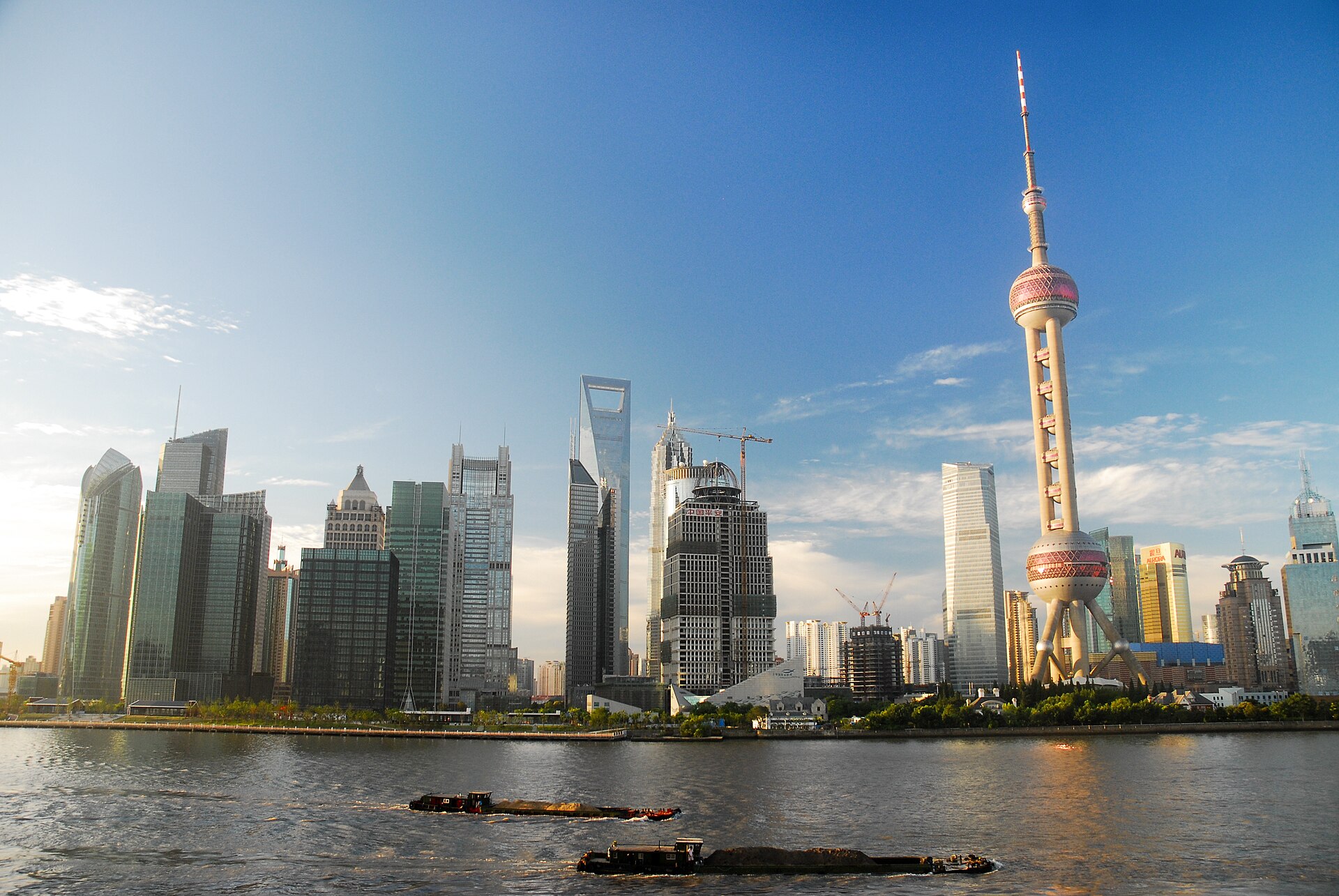
For a first trip to China, Shanghai often feels gentler. It's the most international city in the country — plenty of English signage, locals used to visitors, and major sights closer together. Crucially, it's the gateway to China's classic canal towns: high-speed rail reaches Suzhou in around 30 minutes and Hangzhou, with its famous West Lake, in about an hour — both easy as day trips.
The heart of Shanghai is in this set of sights. Read our full attractions guide for hours, prices, how to get around, and the best time of day to see each one at its most beautiful.
All Shanghai attractions →If Shanghai is your first city, start with our first-timer guide and ready-made 3-day itinerary — including advice on whether to base yourself in Puxi or Pudong.
See the 3-day plan →| Factor | Beijing | Shanghai |
|---|---|---|
| Vibe | Historic capital, classic China, deep culture | Modern metropolis, international, skyscrapers, contemporary city life |
| Headline sights | Great Wall · Forbidden City · Tiananmen Square | The Bund · Lujiazui skyline · Disneyland |
| Good for first-timers | Yes, but sights are big and spread out — lots of walking, plan ahead | Slightly easier — international, lots of English, sights closer together |
| Getting around | Excellent metro, but big distances + the Wall is a trip out of the city | Comprehensive metro + 8-min Maglev from PVG; sights closer together |
| Food | Original Peking duck, hearty northern Chinese, hotpot, bold flavours | Xiaolongbao, sweeter Shanghainese cuisine, cafes, fine dining |
| With kids | Best for older kids into history; a lot of walking | Excellent — Disneyland, Science Museum, Ocean Park |
| Day trips | Great Wall (Mutianyu/Badaling) · Ming Tombs | Suzhou ~30 min · Hangzhou's West Lake ~1 hr by high-speed rail |
| Weather | Bitterly cold winters (great in snow); spring/autumn are best | Milder but humid; hot, rainy summers; autumn is best |
| Overall budget | Similar — options at every budget; Beijing attraction tickets are cheap | Similar — more luxury stays/dining, but budget options exist too |
This is what many China travellers eventually figure out: you don't have to choose. The two cities are about 1,318 km apart, but the Jinghu high-speed railway (running between Beijing South and Shanghai Hongqiao) tops out at 350 km/h and covers the distance in just 4.5–6 hours — the fastest G trains in around 4.5 hours — with dozens of departures a day and easy booking. A domestic flight (about 2.5 hours) is the alternative if you're tight on time.
If you have seven days or more, doing both is the most complete first trip to China there is — old China and new China in one go. Check the latest timetables and fares in our China high-speed rail guide.