A lake in the middle of the city where red-billed gulls land every winter, a thousand-year-old temple thick with incense, a World Heritage forest of soaring limestone pillars, and a Dragon Gate carved into a cliff above Dianchi Lake — forty-eight hours is exactly enough to feel the best of Yunnan's capital.
Two days in Kunming is enough for the Kunming people talk about — the city so mild it's nicknamed the "Spring City" (春城), the lake downtown where the gulls gather in winter, the ancient temples, the limestone forest unlike anywhere else on earth, and the cliff above Dianchi Lake where people hand-carved a path down to the Dragon Gate. All of it fits into two days, as long as you don't lose time deciding on the fly.
This plan is built for travellers who are short on time — a quick weekend, or anyone using Kunming as the gateway into Yunnan before pushing on to Dali and Lijiang. Day 1 keeps you in the city core all day — the lake, the temples, the Golden Temple and Yunnan food, easy on the feet. Day 2 heads out of town for one big trip — the Stone Forest as a full day, or the Western Hills Dragon Gate plus Dianchi Lake and a minority-culture village. What's not in this plan: the Dali–Lijiang route and the Jiuxiang caves — if you want all of Yunnan, see all the Kunming attractions or start the Yunnan trip planner from Kunming and add a day.
One tip that matters most: book a hotel in the city centre around Green Lake and the Jinbi pedestrian street, or near Kunming South Railway Station if you're moving on by train — both keep the metro within easy reach and make early starts simple. See the 10 best hotels in Kunming for options to match your budget. If you only have one day, start with the 1-day Kunming itinerary instead. And don't forget this: Kunming sits at ~1,890 m, so the sun is fierce even when the air is cool — pack sunscreen and a light jacket for the mornings and evenings.
Red-billed gulls at Green Lake in the morning · the thousand-year Yuantong Temple · a crossing-the-bridge noodle lunch · the bronze Golden Temple · Nanqiang Street and Yunnan street food after dark
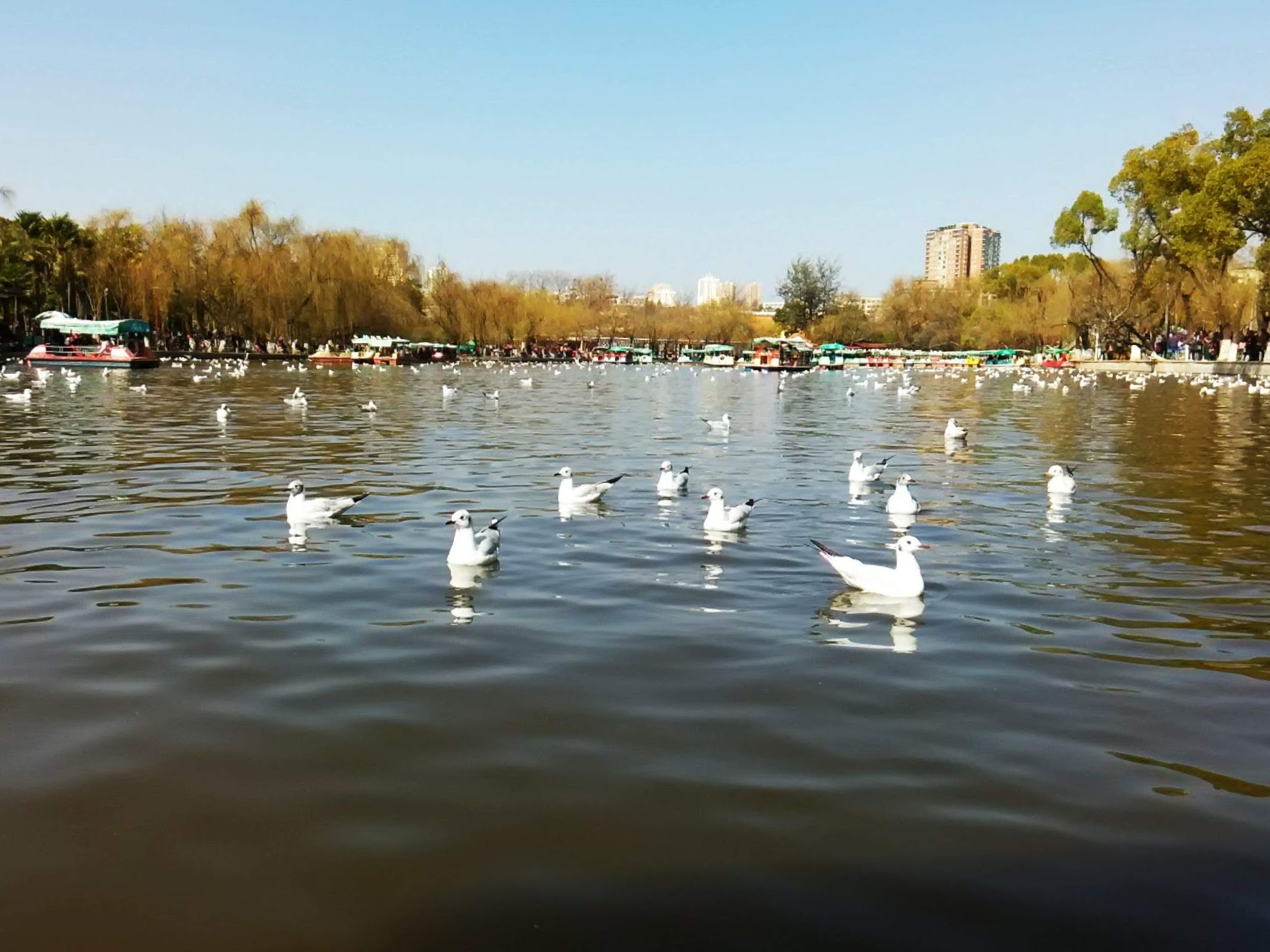
Leave the hotel early — the goal is to reach Green Lake (翠湖公园) in the morning while the crowds are still thin. This downtown park is the heart of Kunming, free to enter, with causeways linking islands, Chinese pavilions, lakeside willows, and locals practising tai chi, singing and dancing at dawn. But the real highlight is winter (Nov–Mar), when tens of thousands of red-billed gulls (红嘴鸥) migrate down from Siberia to cover the lake. You can buy bird feed to hand them, and the sight of gulls wheeling over the middle of the city has become a symbol of Kunming. Stroll for 1 to 1.5 hours.
A short walk or DiDi northeast brings you to Yuantong Temple (圆通寺) — the oldest and largest Buddhist temple in Kunming, more than 1,200 years old, dating to the Tang dynasty. What sets it apart is a layout that descends as you go in, the reverse of most temples, with a pond at its centre, stone bridges, an octagonal pavilion and halls that bring Mahayana, Theravada and Tibetan Buddhism together in one place — a fitting mirror of Yunnan's mix of peoples. Allow about an hour.
Lunch has to be crossing-the-bridge rice noodles (过桥米线) — Kunming and Yunnan's signature dish, born from a legend about a wife who devised a way to carry hot food across a bridge to her husband studying on an island. It arrives deconstructed: a bowl of fiercely hot chicken broth sealed under a layer of oil, white rice noodles, and several small dishes of raw ingredients (thin meat, a raw egg, vegetables, mushrooms) that you cook one by one in the bowl using the heat of the soup. See the picks in the Kunming food guide.
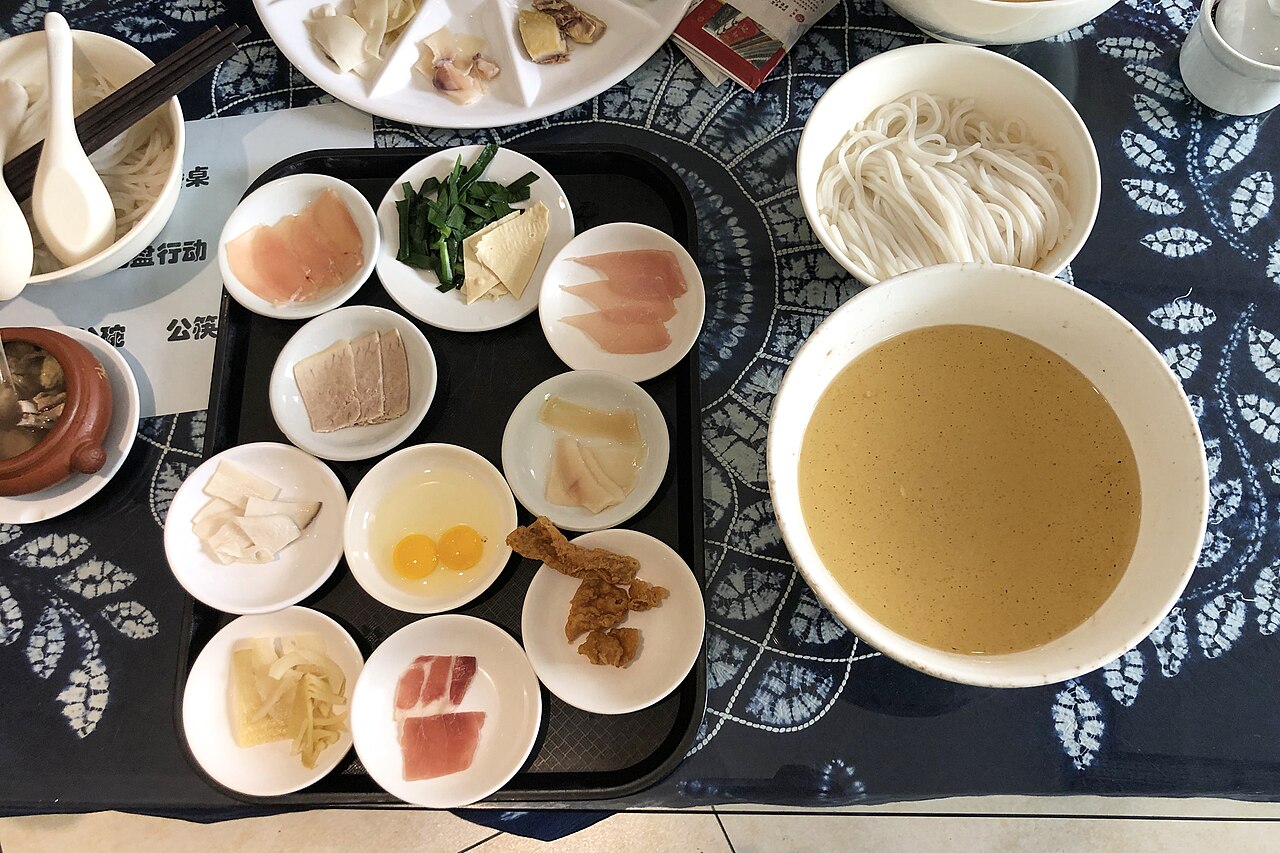
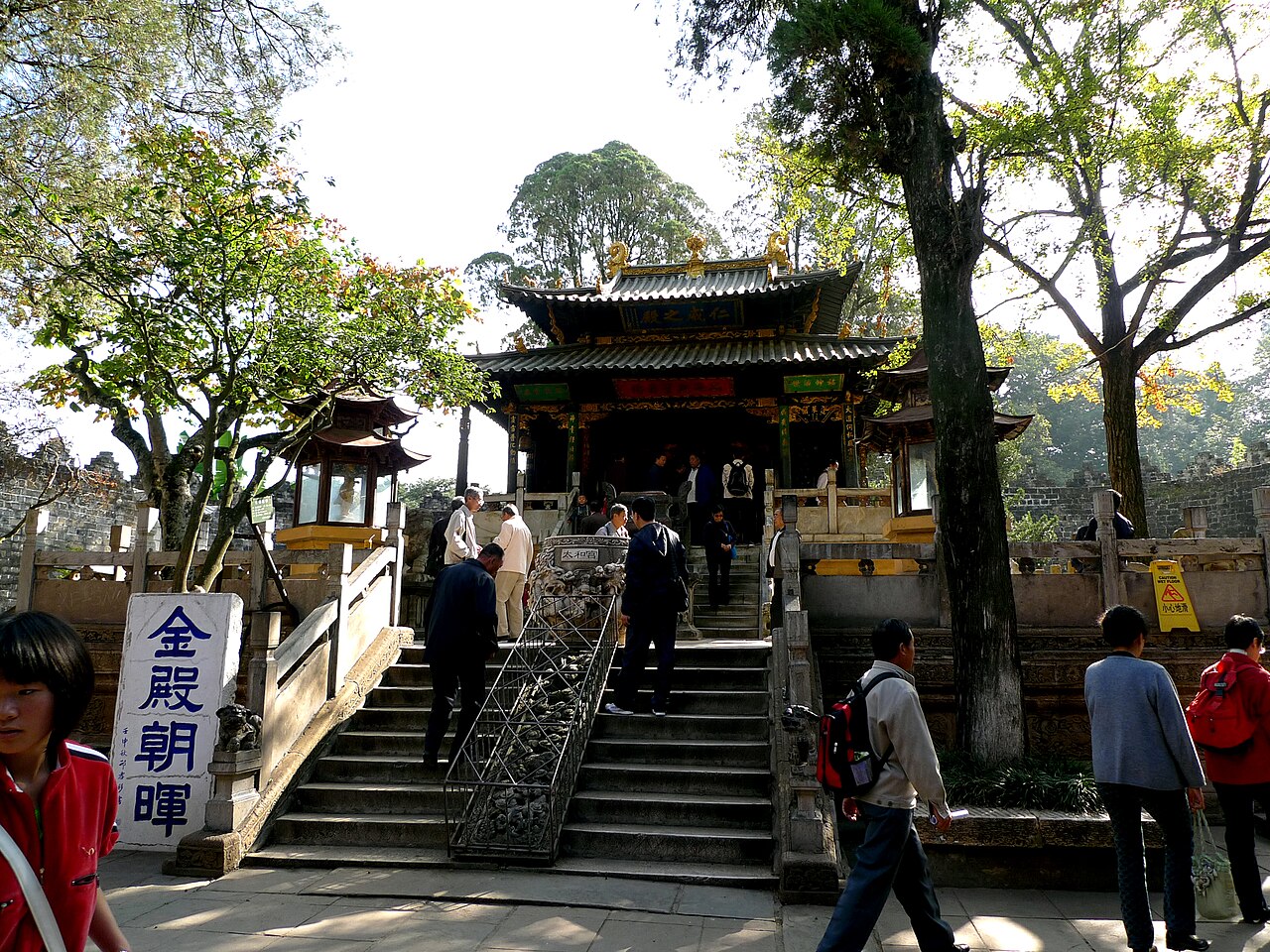
In the afternoon, take a DiDi or bus northeast to the Golden Temple (金殿, in Mingfeng Park) on Mingfeng Hill — the largest and most complete all-bronze hall in China, cast from over 250 tonnes of copper in the Ming–Qing era. It sits among pine woods and camellias (which bloom in winter and early spring), with old city walls, a bell tower and views over Kunming from the hill. You can walk it or take the cable car — allow 1.5 to 2 hours.
In the evening, head back into the centre to Nanqiang Street (南强街巷) — an old lane turned street-food and café quarter near the Jinbi pedestrian street, its timber houses strung with lanterns and little stalls lining both sides, busiest after dark. Graze through Yunnan snacks one at a time — fried potato cubes (炸洋芋) dusted with chilli, grilled rushan cheese (乳扇) from Dali, rose flower cakes (鲜花饼) filled with rose petals, and stalls of fresh fruit juice. See the full street-food run-down in the Kunming street food guide.
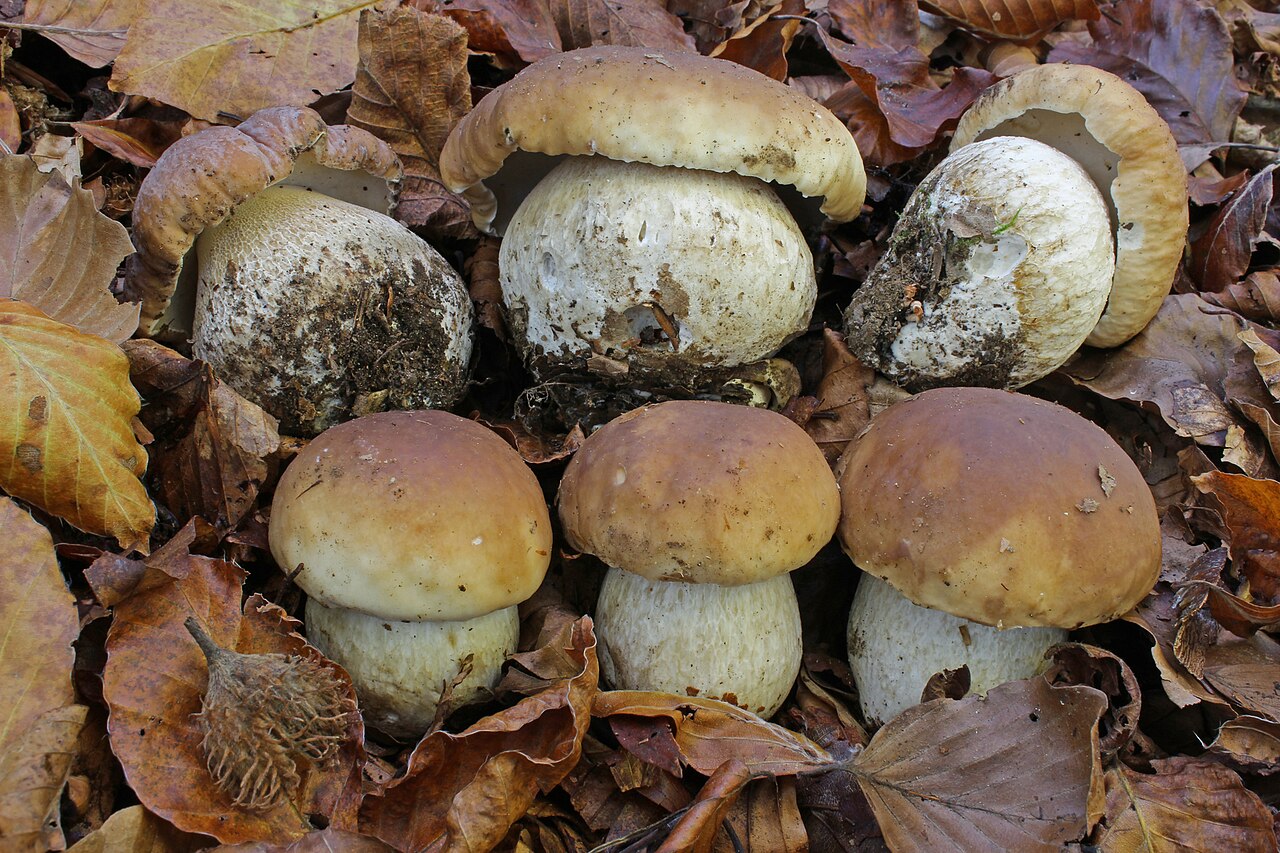
For dinner, pick a Yunnan restaurant in the quarter — clay-pot steam chicken (汽锅鸡), where steam slowly cooks the chicken into a clear, deeply sweet broth, or stir-fried wild mushrooms / wild-mushroom hotpot (野生菌) if you're here in mushroom season, both easy on the wallet at ¥70–150/person. If you come in the rainy months (Jun–Sep), don't miss Yunnan wild-mushroom hotpot (野生菌火锅) — the legendary local delicacy, several kinds of wild mountain mushrooms simmered into a deep, sweet broth. For a lot of people it's the whole reason to time a Kunming trip for this season — but order it from a place that truly knows its mushrooms, since some wild varieties are toxic if undercooked.
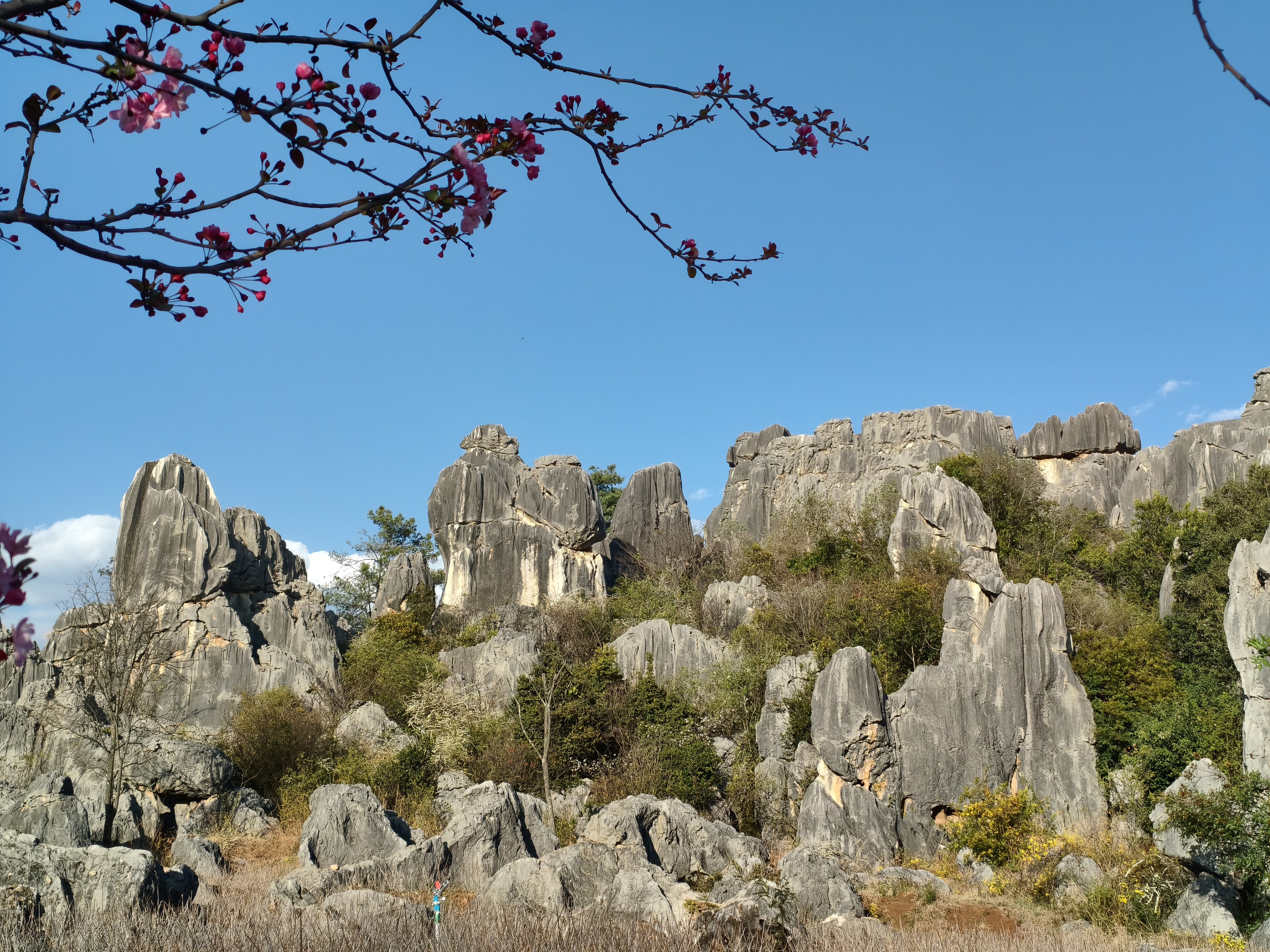
Choose one day trip — the World Heritage Stone Forest as a full day (Metro Line 1 + high-speed rail), or the Western Hills Dragon Gate above Dianchi Lake plus the Yunnan Nationalities Village (Metro Line 3)
The first option for Day 2 — the Stone Forest (石林), the strangest landscape Kunming has and a UNESCO World Heritage Site. It lies ~85 km southeast of the city, so it takes a full day. These are limestone karst pillars over 270 million years old, eroded by water into hundreds of thousands of soaring grey stone columns. You walk through gaps in the rock, climb stairways, study the oddly shaped peaks, and find the Ashima stone (阿诗玛), which the local Sani people (彝族) tell of as a beautiful maiden turned to stone. The area around the forest is Yi minority country, with folk performances and bright traditional dress. Wander unhurried for 3 to 4 hours.
How to get there (important): the fastest way is Metro Line 1 to Kunming South Railway Station (昆明南站), then a high-speed train to Shilin West (石林西), about 20 minutes, followed by a ~15-minute shuttle or taxi into the forest — roughly 1.5 hours one way. The alternative is a bus from the East Bus Station, ~2–2.5 hours, cheaper but slower. You'll get back to the city in the early evening, just in time for dinner.
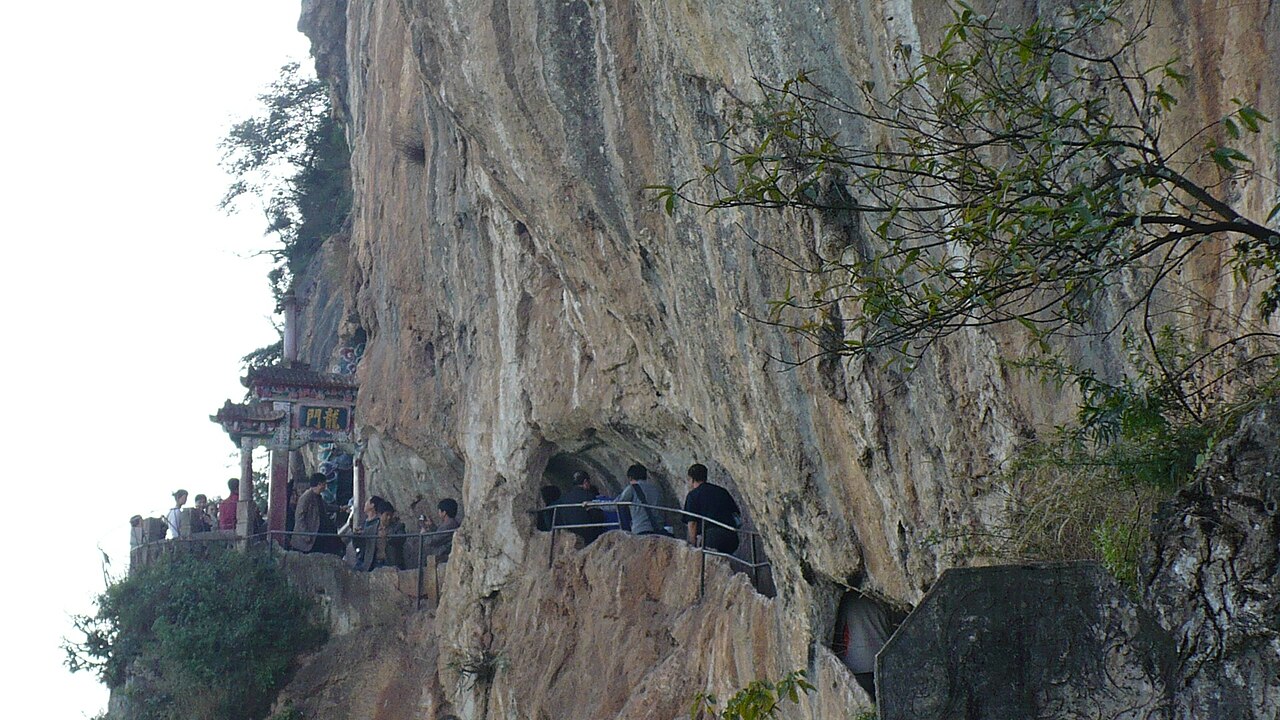
If you'd rather stay close to town and combine mountain views, a lake and minority culture in one day, take this route — the Western Hills (西山) stretch above Dianchi Lake (滇池), the largest lake in Yunnan. The highlight is the Dragon Gate (龙门) — a path and grottoes that Daoist monks and stonemasons cut into the cliff by hand over more than 70 years. You walk a ledge along the sheer rock face above the lake, with Dianchi spreading wide below, reached by cable car or sightseeing tram.
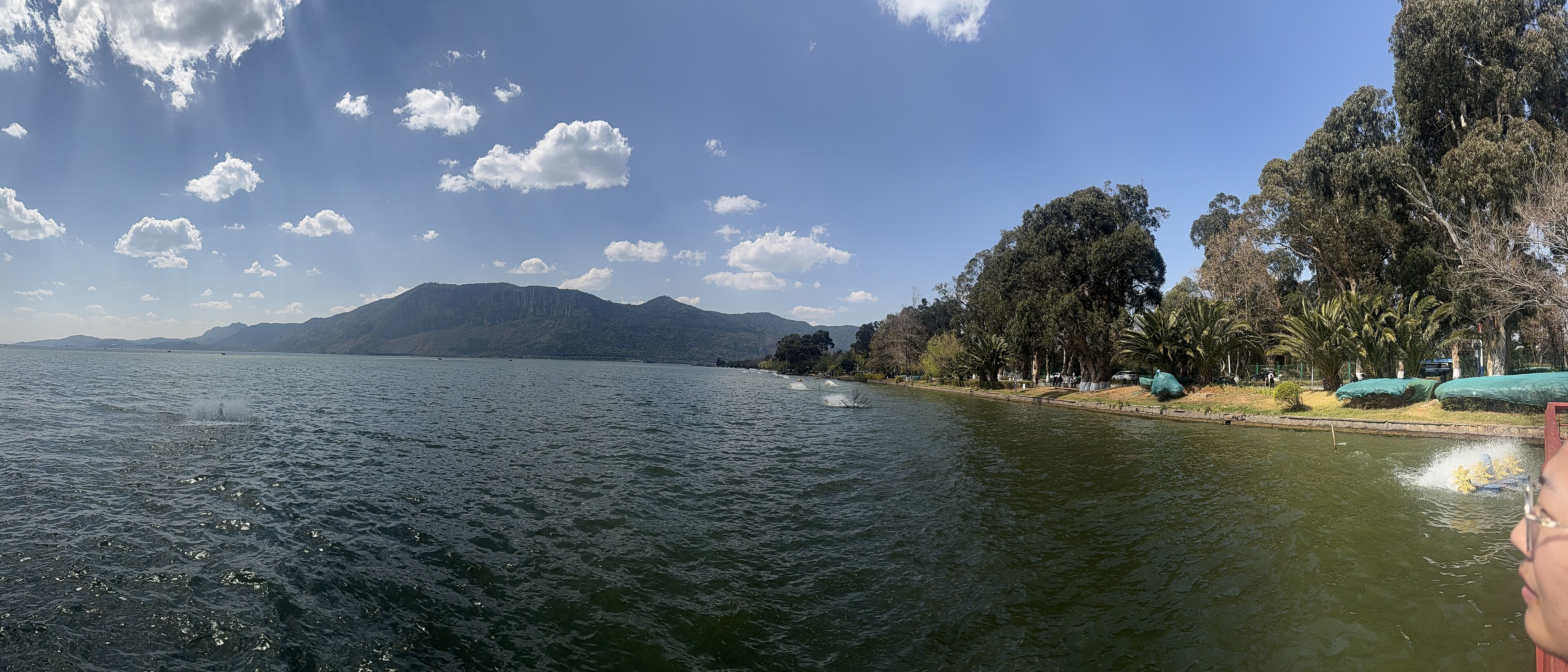
Coming down to Dianchi Lake, you can walk the shore, rent a bike or take a boat — and in winter the red-billed gulls gather here too, in even larger flocks than at Green Lake. Nearby is the Yunnan Nationalities Village (云南民族村), a culture park that recreates the villages of 25 Yunnan ethnic groups — timber houses, traditional dress, dance shows and folk festivals. It's an easy half-day and great with family.
In the evening, head back into the centre — if you came from the Stone Forest, ride the high-speed train back to Kunming South and transfer to Metro Line 1; if you came from the Western Hills, Metro Line 3 carries you straight back into town. Collect your bags, rest, and get ready to move on.
For a farewell dinner, if you didn't try it yesterday and you're here in season, order Yunnan wild-mushroom hotpot (野生菌火锅) to close the trip — several kinds of wild mushroom simmered into a deep, sweet broth, eaten warm, which suits Kunming's cool evening air perfectly, at ¥120–250/person. Out of season, swap in a clay-pot steam chicken (汽锅鸡) or a Yunnan buffet. If you're catching an onward train, check whether your ticket leaves from Kunming South (昆明南站, Metro Line 1) for high-speed services to Dali/Lijiang, or the older Kunming station (昆明站).
The city centre around Green Lake / the Jinbi pedestrian street suits this plan best — you can walk to the lake, the temples and the street food. Or near Kunming South Railway Station if you're focused on onward high-speed rail. Mid-range hotels run ¥250–500/night. See the 10 best hotels or the 6 luxury hotels in Kunming.
Metro + walking + DiDi cover this plan — Line 1 runs south to Kunming South (for the train to the Stone Forest), Line 2 passes Green Lake and the old railway station, Line 3 runs east–west to the foot of the Western Hills (terminus Xishan Park), and Line 6 reaches Changshui Airport. Kunming is a spread-out city, so the metro plus DiDi works best. Fares ¥2–8, paid via the Kunming Metro QR, Alipay or WeChat. See the Kunming getting-around guide.
Set up Alipay (the international version, linked to a Visa/Mastercard) before you travel. Shops, the metro and most ticket counters accept Alipay or WeChat Pay only; some places don't take cash. See the guide to setting up Alipay & WeChat Pay.
| Item | Budget | Mid-range | Comfort |
|---|---|---|---|
| Hotel (1 night) | ¥100–220 (~฿500–1,100) |
¥250–500 (~฿1,250–2,500) |
¥600–1,800+ (~฿3,000–9,000+) |
| 3 meals/day | ¥50–90 (~฿250–450) |
¥100–200 (~฿500–1,000) |
¥250–500 (~฿1,250–2,500) |
| Metro / city rail, 2 days | ¥20–40 | ¥40–80 (+ HSR to the Stone Forest) |
¥100–180 (+ some DiDi) |
| Admission (2 days total) | ¥40–100 (Western Hills/Dianchi · Green Lake/Golden Temple cheap or free) |
¥130–230 (Stone Forest, or Western Hills + Nationalities Village) |
¥230–360 (Stone Forest + Golden Temple + cable car/shows) |
| 2-day total (approx.) | ¥310–670 (~฿1,550–3,350) |
¥770–1,490 (~฿3,850–7,450) |
¥1,580–4,640+ (~฿7,900–23,200+) |
Reference rate ¥1 ≈ ฿5 · prices are approximate and vary by season · hotel costed for 1 night · Stone Forest tickets have peak/off-peak rates — check before you go · autumn-to-rainy-season wild-mushroom hotpot (Jun–Sep) is an extra worth budgeting for.