10 Kunming attractions worth your time
Ordered from the lake at the old city's heart out to the stone forest, the cliffs and the great lake — tap any card for the full in-depth guide.
 1
1
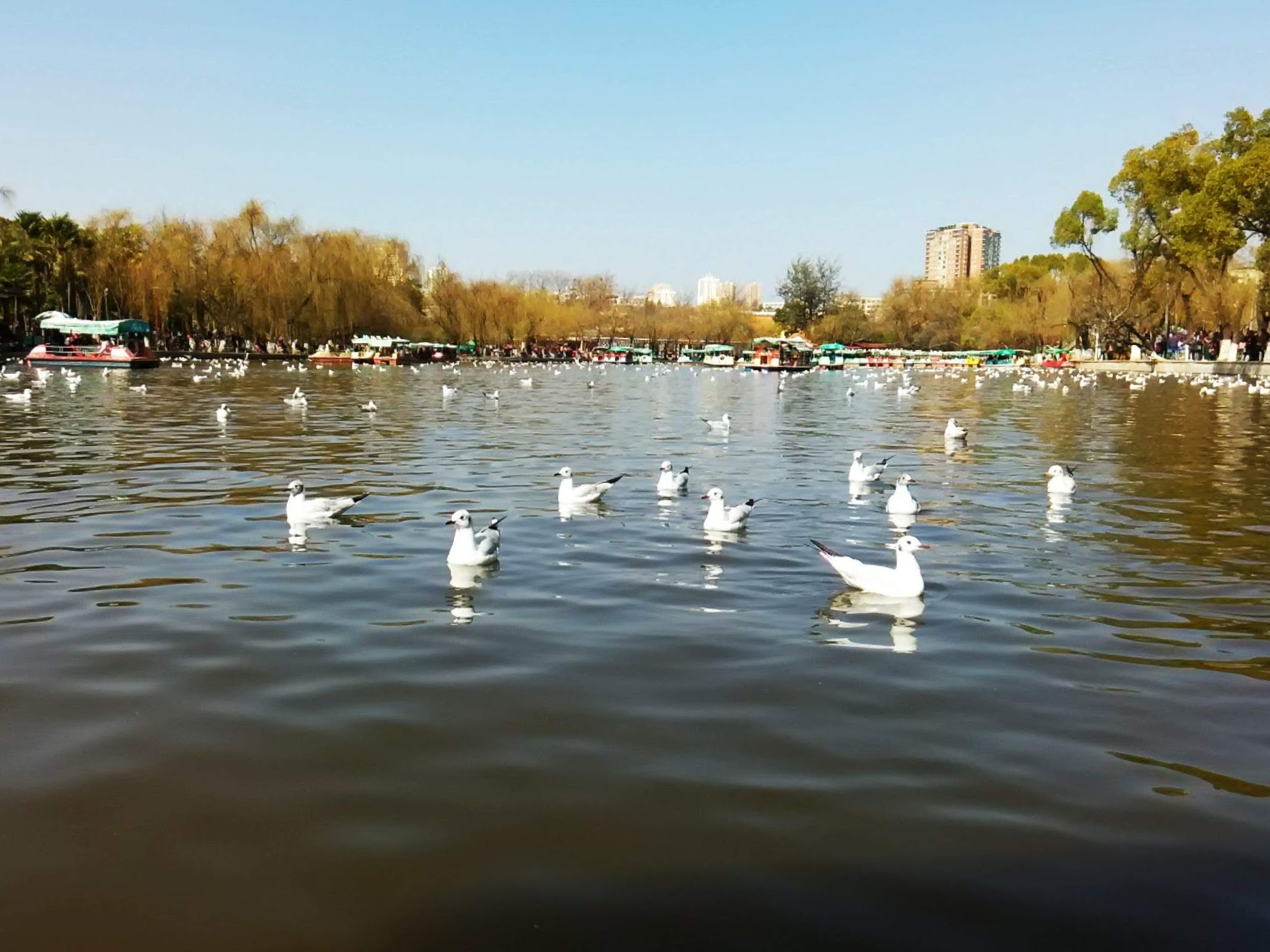
Picture a lake park at the centre of the old city: willows trailing into the water, old pavilions and stone bridges over the lotus ponds, people sipping tea in lakeside teahouses. This is Green Lake — the "emerald lake" at the heart of old Kunming. It's free and open all day, and its real highlight comes in winter (Nov–Mar) when tens of thousands of black-headed gulls (红嘴鸥) fly in from Siberia. The whole park lines up to feed them, and the gulls wheel overhead snatching bread from outstretched hands — an unforgettable sight. The lake is ringed by the Yunnan University quarter, with old lanes and cafés to wander into afterwards.
Read the full Green Lake guide →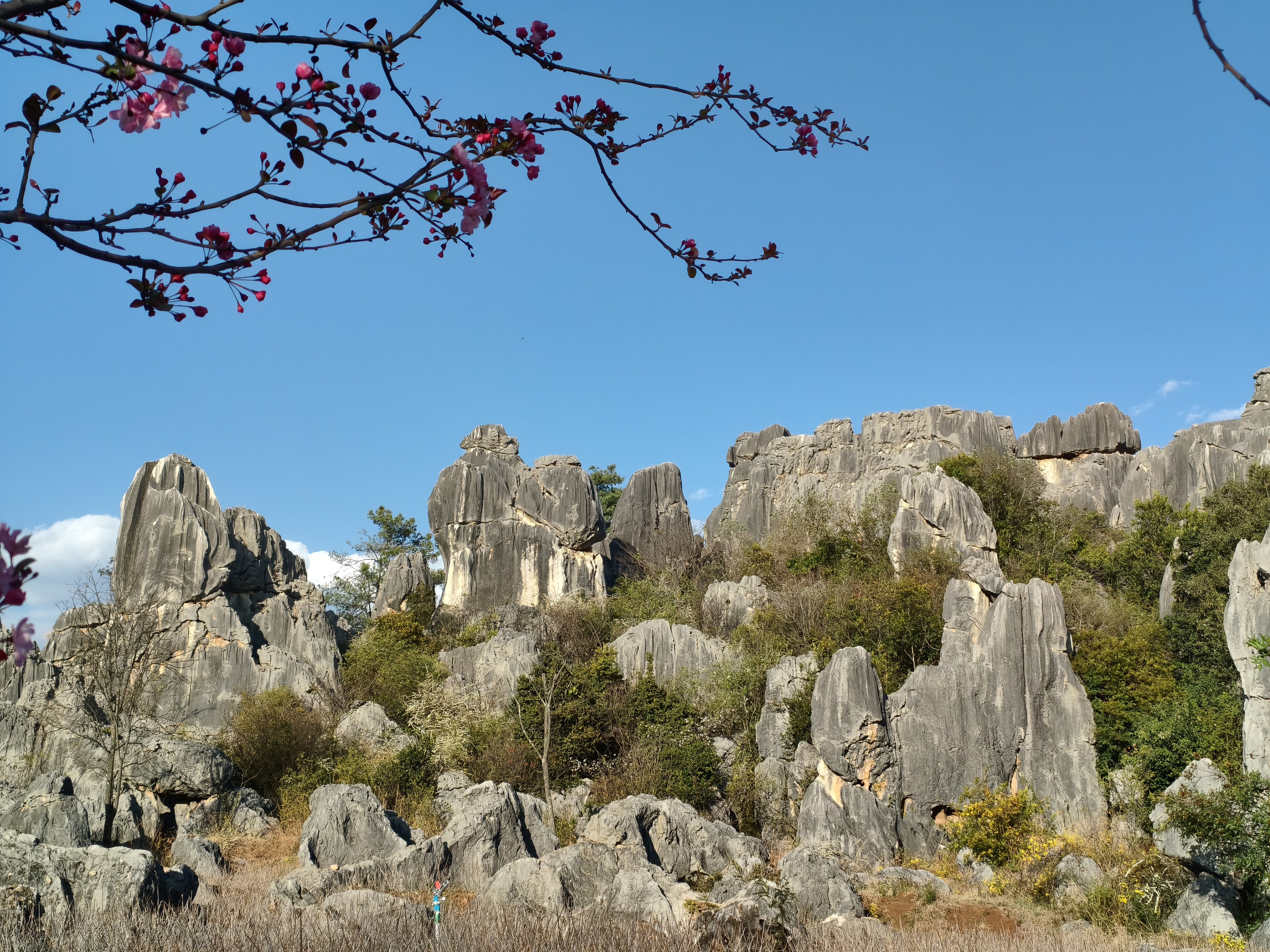 2
2
Ever seen a forest where the trees are made of stone? That's the Stone Forest. Thousands of sharp grey limestone pillars rise from the ground into a "forest" carved by water over millions of years — enough to earn UNESCO World Heritage status. The park is vast, split into the Major and Minor Stone Forest, the Sword Pond and the "Ashima" rock, a legend of the local Sani-Yi people. You can walk it all day. It sits about 85 km southeast of Kunming, reachable as a day trip by high-speed rail or bus. Time your visit with the Yi people's Torch Festival and it's livelier still. This is Kunming's most famous day trip.
Read the full Stone Forest guide →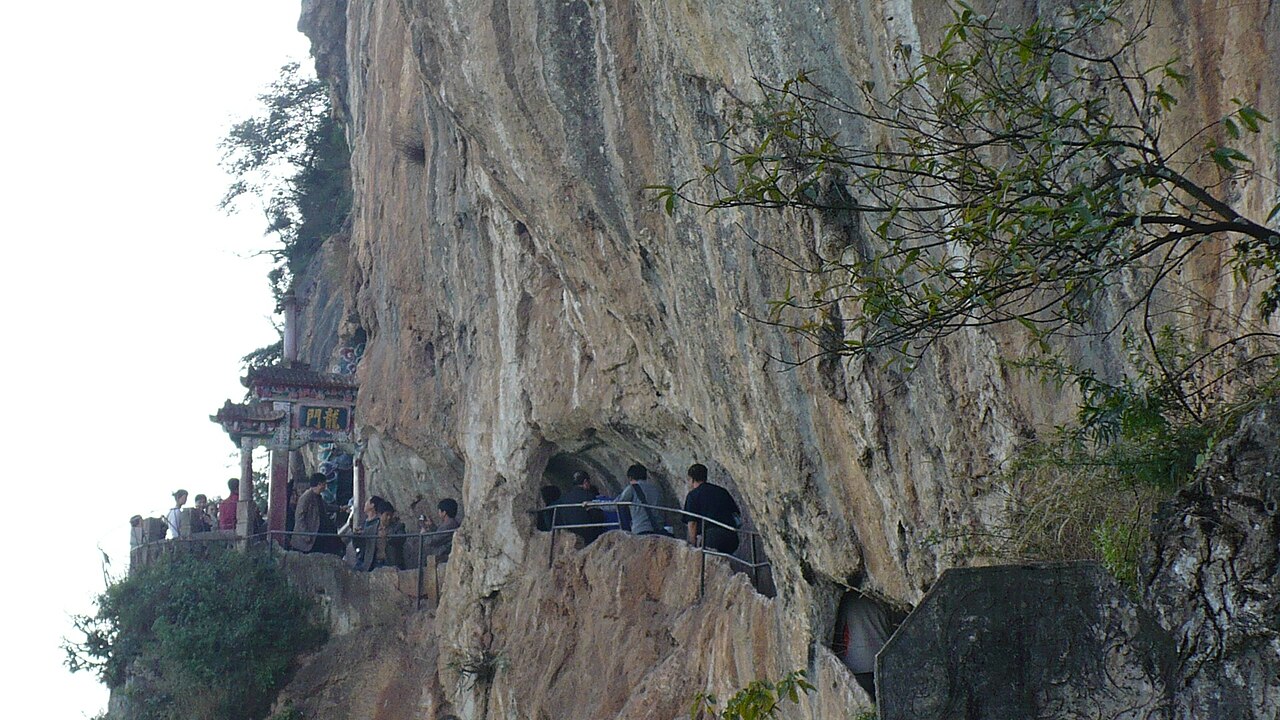 3
3
The Western Hills are a green ridge above Dianchi Lake that locals nicknamed the "Sleeping Beauty" because, from a distance, the skyline resembles a reclining woman. The highlight is the Dragon Gate (龙门), a narrow walkway that Taoist monks spent decades hand-cutting into the sheer rock face in the 18th century, with shrines and carvings set into the cliff and the whole expanse of Dianchi Lake spread out below. The path also passes Huating and Taihua temples and the tomb of Nie Er, composer of China's national anthem. Reach it by cableway across the lake from the Haigeng side or by scenic-area shuttle; allow about half a day.
Read the full Western Hills & Dragon Gate guide →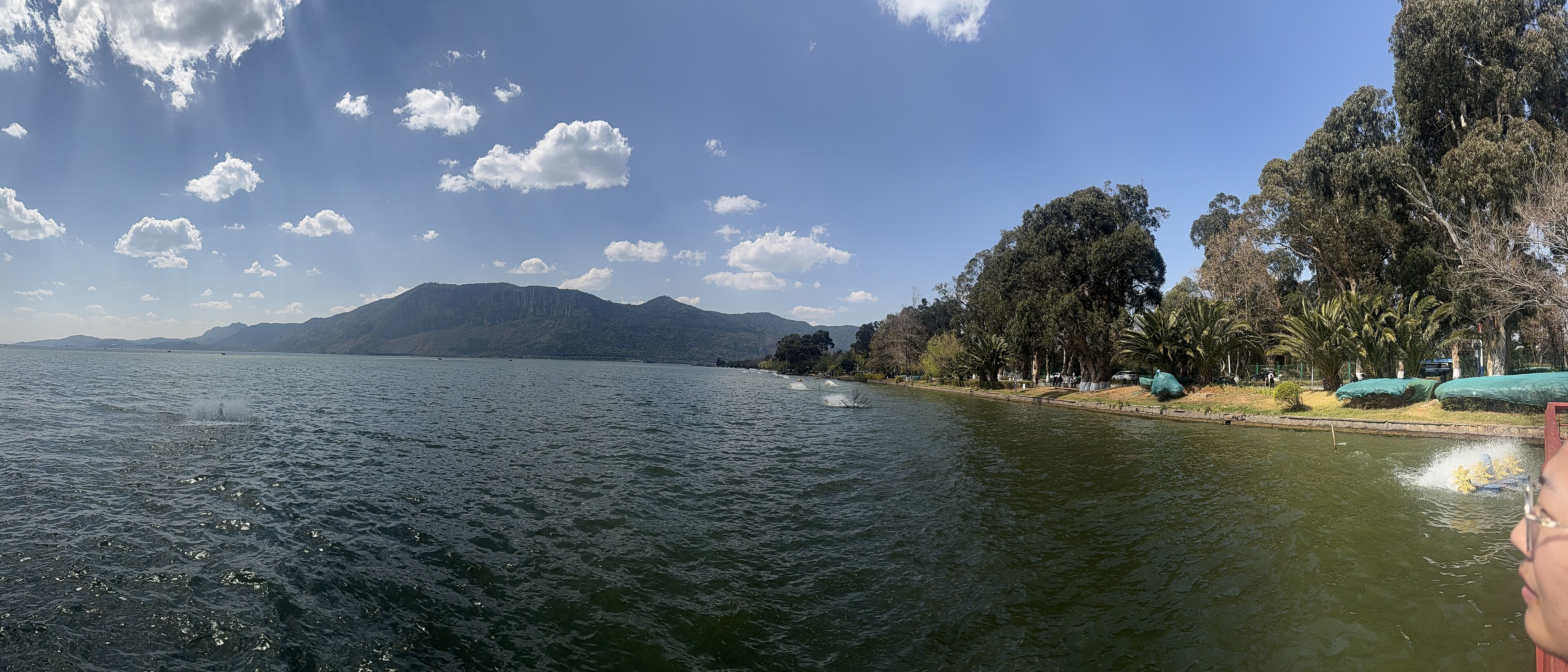 4
4
Dianchi Lake is called the "Pearl of the Plateau" because it's the largest lake in Yunnan — so wide you can't see the far shore. People come to walk the waterfront and watch the Western Hills mirrored in the lake, not to swim. (The lake had pollution problems in the past; it has improved a great deal, but it remains scenery and a promenade, not a place to bathe.) The standouts along the shore are the Haigeng Dam (海埂大坝), a long lakeside walkway that also draws gulls in winter, and the Yunnan Nationalities Village (云南民族村), a culture park recreating the homes of 26 of the province's ethnic groups. Come in the late afternoon and the sunset behind the Western Hills is lovely.
Read the full Dianchi Lake guide →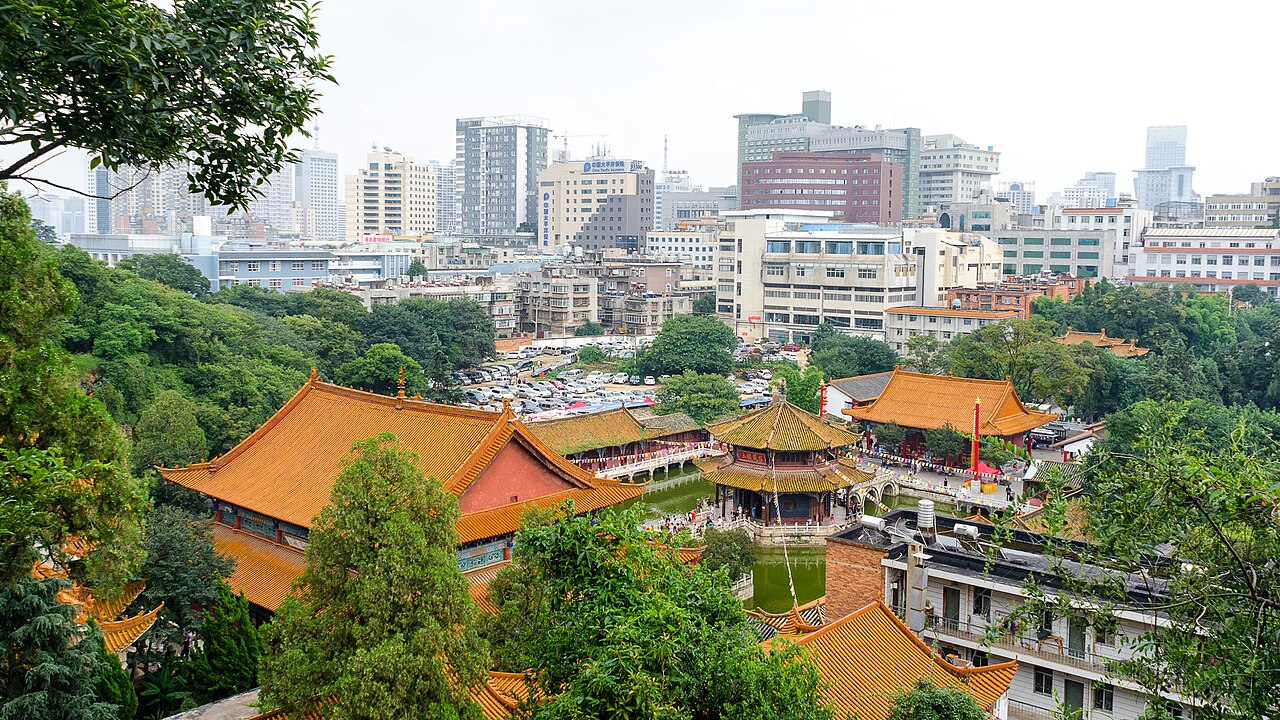 5
5
Kunming has three very different old temples. Yuantong Temple (圆通寺) is a thousand-year-old temple in the city centre, built with halls and a bridge over a central pool, an easy walk from Green Lake. Golden Temple (金殿) on Mingfeng Hill to the northeast is a Taoist hall cast entirely in bronze — a rare thing in China — set among camellia gardens. And Qiongzhu Temple (筇竹寺) is famous for its 500 painted clay arhats (五百罗汉), whose faces and poses are so lively they look like real people. See our Kunming temples guide for how to string them together and for opening hours.
Read the full Kunming temples guide →Yunnan is home to more ethnic minorities than any other province in China — 25 groups, including the Yi, Bai, Dai, Hani and Naxi. If you don't have time to travel to Dali or Xishuangbanna yourself, the Yunnan Nationalities Village brings it all together in one place: a large culture park on the shore of Dianchi Lake that recreates the houses, temples and pagodas of each group, with folk-dance performances, festivals and regional food to try. It's good for families with children and an easy half-day on foot. It sits right beside the Haigeng Dam, so you can pair it with the Western Hills and Dragon Gate in a single day.
See the Dianchi Lake guide →Many people don't realise Kunming has a small, free-to-wander old town within the city limits — Guandu (官渡古镇), an ancient community once on the edge of Dianchi Lake, with stone-paved lanes, temple courtyards, old stone pagodas and several small temples clustered together. But what really draws the crowds is the street food — fried doughs, the famous "crossing-the-bridge rice noodles" (过桥米线) and old-style Yunnan snacks, with stalls lining the lanes the whole way through. Graze your way along for a whole afternoon. Entry is free and it's near the metro — a great late-afternoon stop if you want to see how locals in Kunming really eat.
What to eat in Kunming →If you want to understand where Yunnan came from, why it has so many ethnic groups, and who the ancient Dian Kingdom (滇国) were, the Yunnan Provincial Museum is the place that answers it best. The large modern building in Chenggong district displays the bronzes of the Dian Kingdom from more than two thousand years ago — bronze drums and finely cast animal-shaped vessels — through to the later history of Yunnan. Entry is free (you may need to register or book a slot online on busy days), and the air-conditioned halls make it a good stop on a less-than-perfect-weather day, or an introduction before you head off to Dali and Lijiang.
See the full Kunming guide →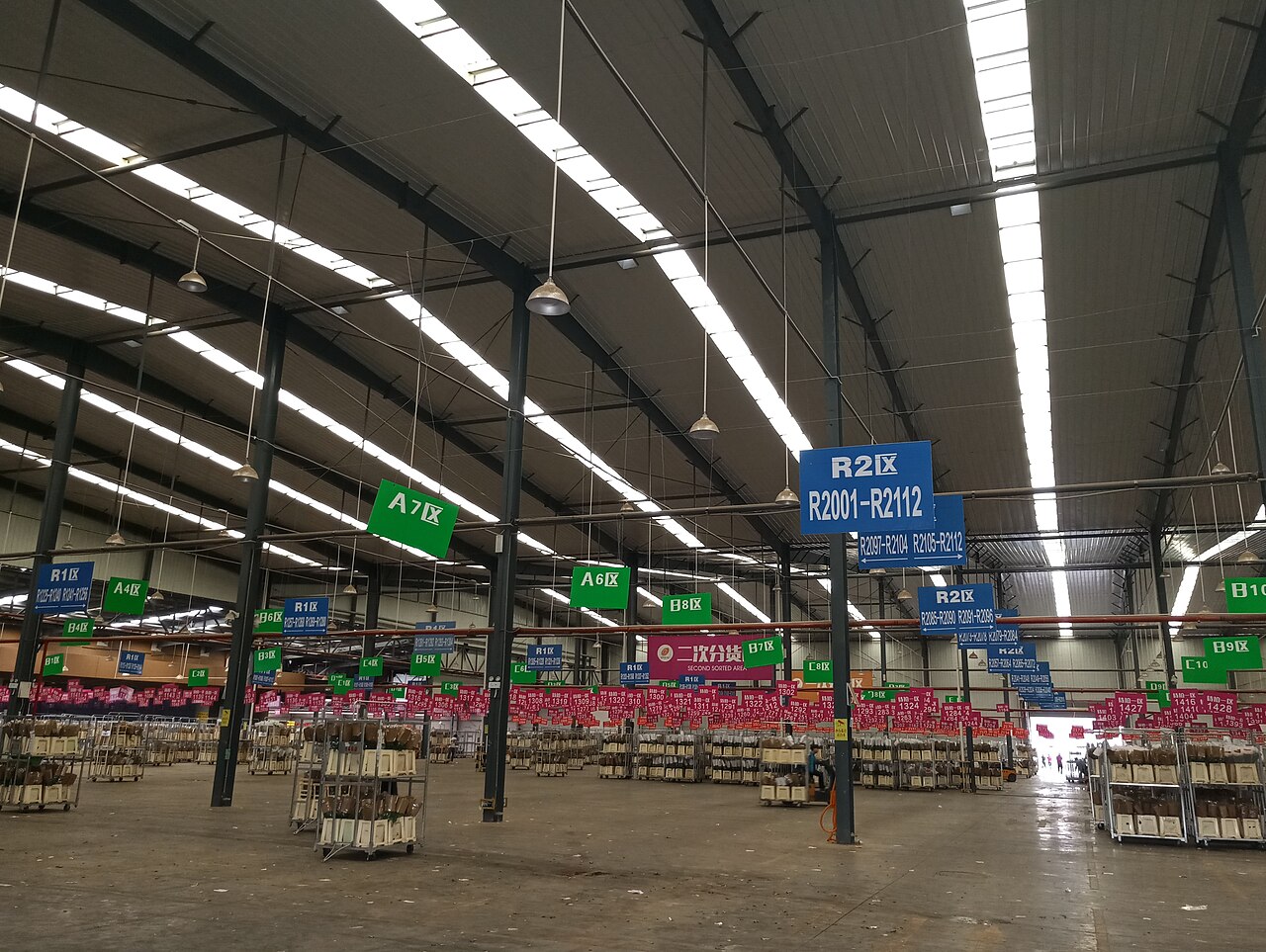 9
9
Yunnan is China's flower basket, and Dounan is its beating heart — the largest fresh-flower auction market in Asia and in China. Most of the cut flowers sold across the country (and exported to many others) pass through here. By day it's a retail flower mall, with roses, lilies and gypsophila in huge bunches at prices that startle you. But the real spectacle is the night auction, from around 9–10 pm into the small hours, when thousands of traders pour into the great hall to bid. Thousands of people and millions of stems in a single night is a scene you won't find anywhere else. It's in Chenggong district on the shore of Dianchi Lake.
See the full Kunming guide →If the Stone Forest is rock above ground, Jiuxiang is the rock world below it — a large limestone cave system east of Kunming, with deep gorges, an underground river, stalactites and stalagmites, and waterfalls that crash down out of the dark in a way that genuinely stops you. You follow raised walkways and take a small boat for part of the route, and it stays cool even in summer. Many people pair Jiuxiang with the Stone Forest in one trip (they're not far apart) to see both the rock above ground and the rock below it in a single day. We cover how to get there and other day trips in our Kunming day-trips guide.
See the Kunming day-trips guide →