10 things worth your time
Ordered by the experiences Koh Chang visitors recommend most — from the beaches to the diving islands.
 1
1
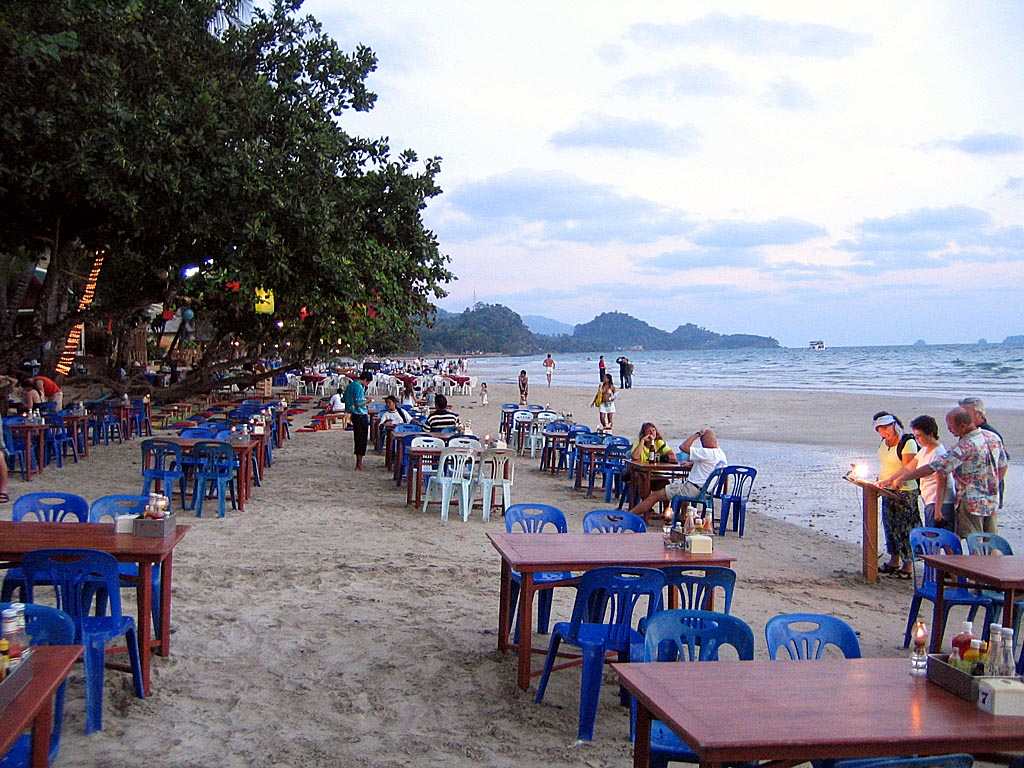
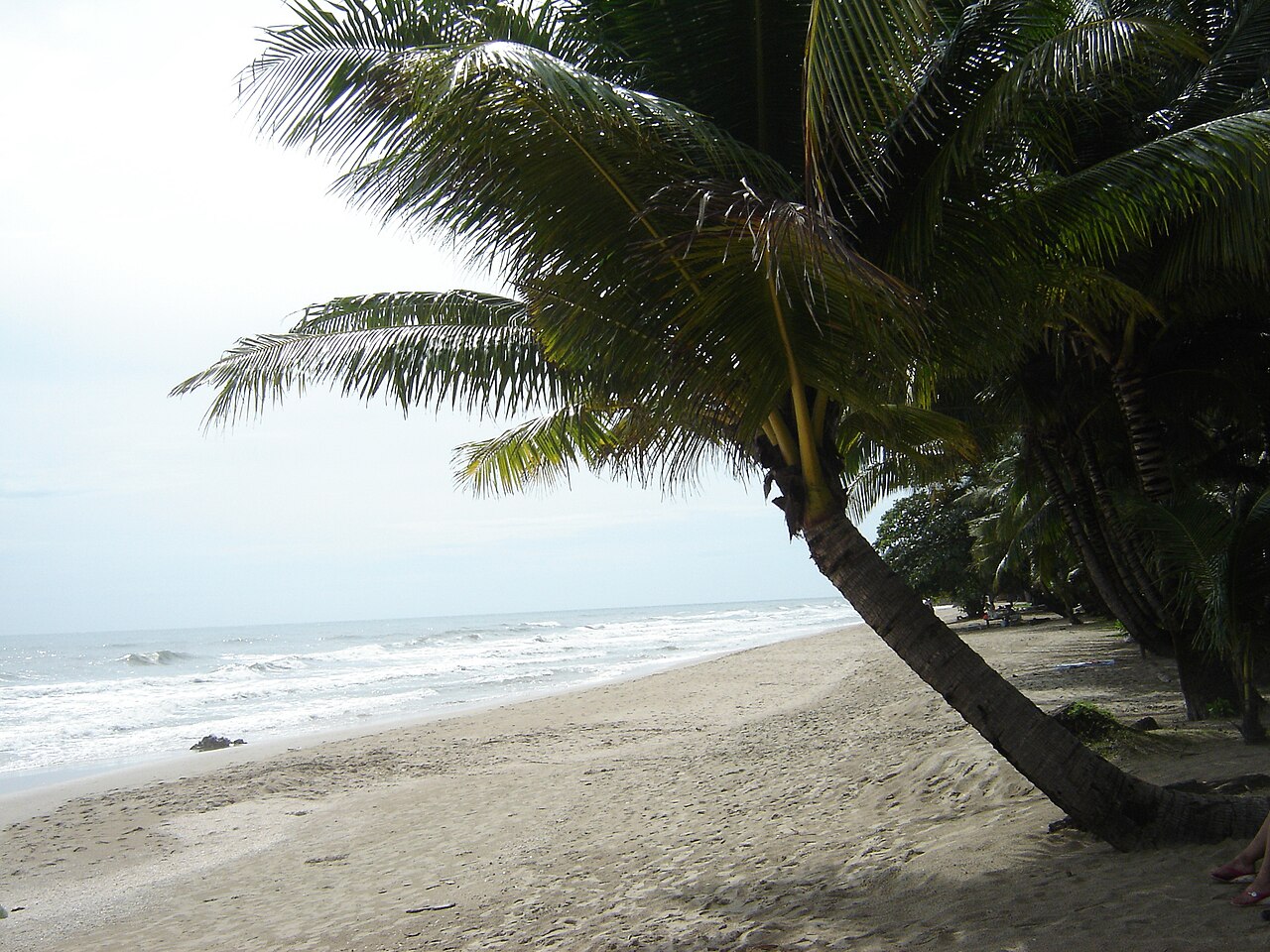
Picture the island's longest beach lined end to end with hotels, restaurants and beach bars. By dusk the wooden tables and canvas chairs come down to the waterline and people drift out for the sunset. White Sand Beach (Hat Sai Khao) is the main beach and the one that developed first — you can swim here, the sand is easy underfoot (a few rocks at the north end), and it suits anyone arriving on Koh Chang for the first time who wants everything within reach. Walk out of your room and there's somewhere to eat and drink. It's lively without the full-on party feel of the backpacker beach. Note that in the monsoon a lot of places close, so check before you go.
 2
2
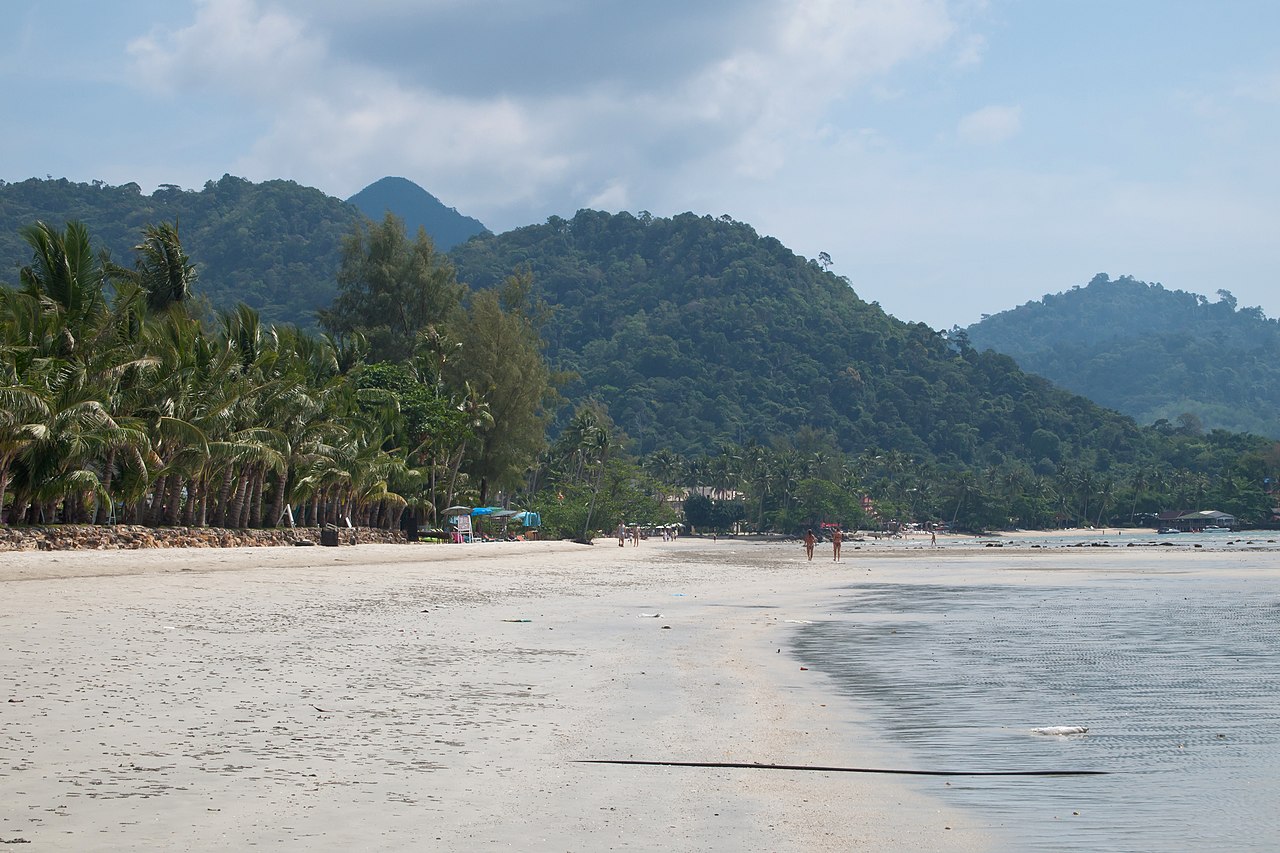
If White Sand Beach feels too busy, drop a little south to Klong Prao — a long, quiet, more spread-out central beach cut by lagoons and khlongs (canals). The hotels here lean mid-range to upscale, and it suits couples and families who want calm but with food nearby. At the canal mouths you can kayak through the mangroves. The water is fairly shallow, so you wade out a way before it deepens; at low tide the beach goes very wide, good for a stroll and photos. It's also a handy base because it sits near the trailhead up to Klong Plu Waterfall.
 3
3
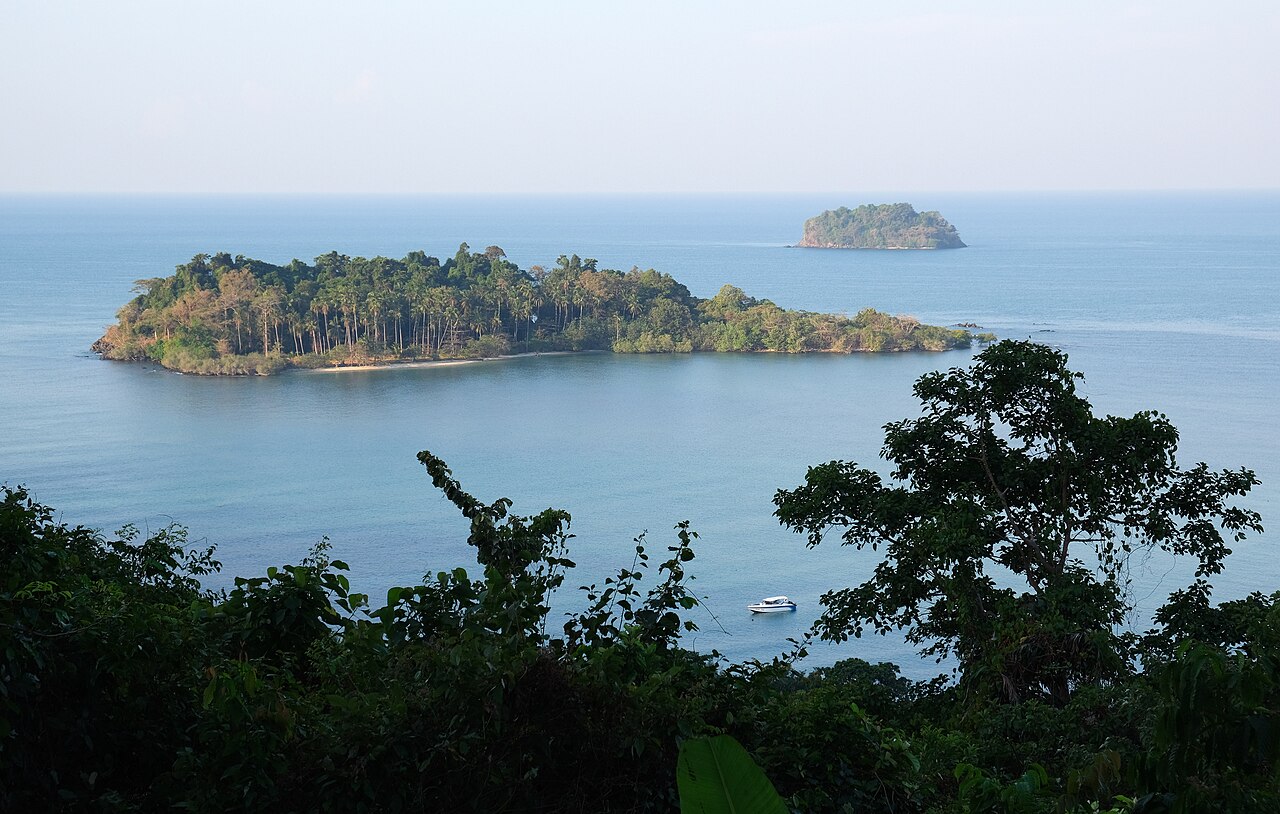
The image that stops you: standing on a hillside looking down over small forested islands scattered across a clear blue sea — this is the Kai Bae viewpoint, the best-known sunset scene on Koh Chang. It's on the road just south of Kai Bae Beach, where you can pull in and park (a small entry/parking fee). Kai Bae Beach itself is relaxed and quieter than White Sand, with little islands you can paddle out to. Honestly, the beach is rocky and shallow at low tide, so it swims best at high tide. Head to the viewpoint shortly before sunset and wait for the golden light.
 4
4
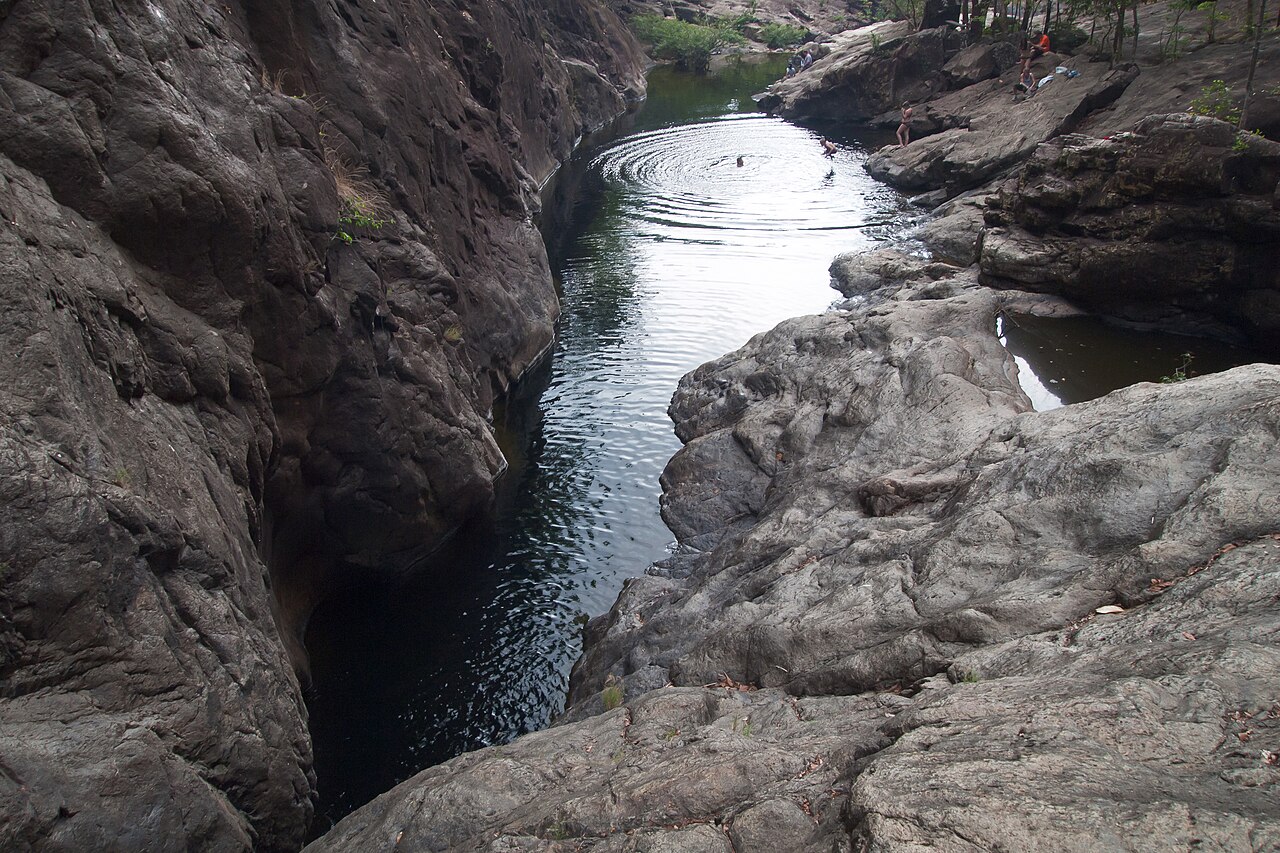
Koh Chang isn't only sea — its interior is rainforest with several waterfalls, and the main one people visit is Klong Plu, inside Mu Ko Chang National Park near Klong Prao Beach. From the car park it's a short 10–15 minute walk through the forest to the fall, which has a clear pool you can swim in. It runs hardest and fullest after the rains (May–October); in the dry season the flow is gentler but you can still cool off. Watch the slippery rocks and don't jump into the pool. Bring grippy footwear and water. It's a good half-day change of scene from the beach.
 5
5
The day out most people don't want to miss is a boat trip down to the southern islands inside the marine national park — above all Koh Rang, which has the clearest water and the healthiest coral. A typical tour is a big boat or speedboat looping past four or five islands (Koh Rang, Koh Yak, Koh Mai Si and others) for snorkelling over coral and fish, with some trips offering a scuba dive too. Expect around ฿1,000–1,400 per person plus a national-park fee of about ฿200. ⚠️ Honestly, during the southwest monsoon (May–October) the sea is rough and many operators stop running or cut sailings, so go in the dry season when it's calm and clear. Bring motion-sickness tablets if you're prone, and don't touch or stand on the coral.
 6
6
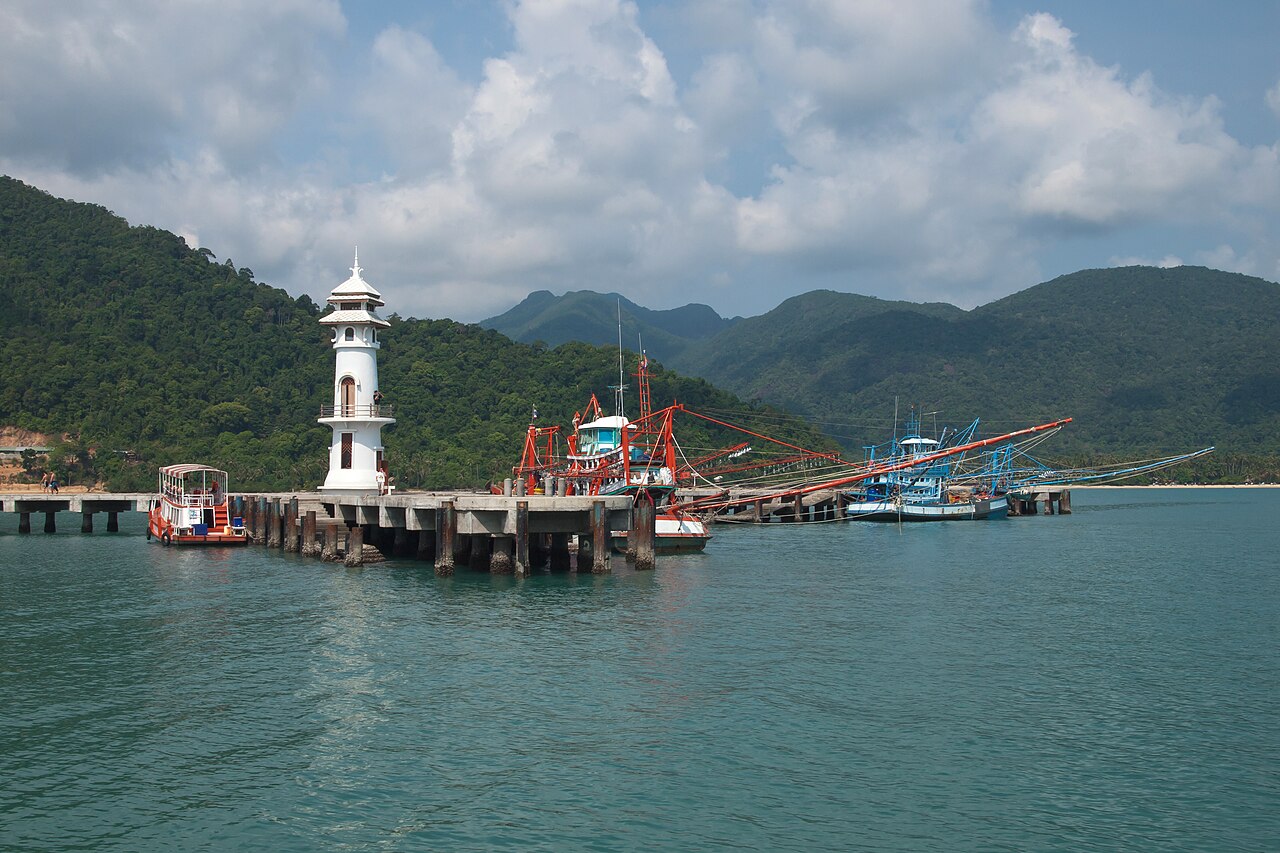
At the far south end of the west-coast road sits Bang Bao, an old fishing village built out over the water along a long wooden pier. These days it has seafood restaurants on stilts, souvenir shops, dive shops and small guesthouses. Walk to the end of the pier and you reach a white lighthouse with a fine view over the bay and the brightly painted fishing boats. Many of the southern-island snorkelling trips also set off from here. The mood is different from the beaches — a working waterfront that still smells of the catch. Come for a seafood dinner and a stroll along the pier at sunset.
The east and south of the island are quieter and rawer than the beach coast — a world of mangroves, calm bays and fishing villages. The bays around Salak Phet and Salak Kok are where people kayak through the mangrove channels, watching for birds and crabs and the estuary up close. Several hotels and small operators run half-day paddles, and some offer a sunset paddle through the mangroves. It suits anyone who wants to escape the beach and find the slower, calmer side of Koh Chang — but you'll need your own transport, or a tour with pickup, because it's a way from the main beach zone.
More than 70% of Koh Chang is rainforest inside Mu Ko Chang National Park, with a dense green mountain spine running down the centre, several waterfalls hidden in it (Klong Plu, Klong Nonsi, Than Mayom), short forest trails and viewpoints over the bays. It suits anyone who wants to see more of Koh Chang than the shoreline — walk the forest among the tropical trees, listen to the birds and cicadas, or drive the cross-island road for a high view. Some trails are better with a local guide, especially in the rains when the paths are slippery. Respect the park rules — take your litter, leave the plants, and watch for monkeys that may grab food.
The name "Koh Chang" comes from the island's elephant-head shape, not from wild elephants — all the elephants on the island are in camps. We'd point you to a responsible sanctuary that lets you watch, feed and bathe the elephants rather than ride them, because carrying riders on a seat all day harms an elephant's health over time (the same stance we take in Chiang Mai). Before you book, ask clearly what the programme involves, how the elephants are looked after, whether they get rest, and steer clear of anywhere that makes elephants perform shows. Choose well and you'll get close to the elephants in a way that's comfortable for both you and them.
Koh Chang already has plenty of sea and jungle, but with extra time there's more around it — Koh Mak, a small, flat, quiet island you can cycle around, with clear water, about an hour by speedboat; Koh Kood, the bigger, more pristine island with lovely clear-water beaches, better as an onward overnight than a day trip; and on the mainland, Trat old town with its markets, the Bang Phra canal community and local food, worth a stop on your way to or from the island (see our Trat guide). Koh Mak and Koh Kood suit anyone after an island even quieter and clearer than Koh Chang.