An easygoing stretch of west-coast sand with little islands floating just offshore — then a short way up the hill, the viewpoint where the whole island comes to watch the sun go down. Here's the honest version, good points and caveats.
If White Sand Beach to the north is Koh Chang's busiest main beach, Hat Kai Bae is its quieter, slower cousin a little further down the coast. The beach runs about 800 metres of soft pale sand with palm trees for shade, and the thing that sets it apart is the cluster of little islands floating just offshore — the nearest, Koh Man Nai, is only around 400 metres out, with a couple more small islands scattered beyond it. They give the sea view something to rest on; it never feels flat or empty out there.
Be straight with yourself before you picture a full day of swimming in clear water, though: Kai Bae is rocky and shallow at low tide. The sand strip along the front is fairly narrow and scattered with stones, and when the tide pulls out the water gets so shallow you can walk a long way — but it's awkward going underfoot because of the rocks. The comfortable swimming window is high tide in the dry season, when the sea is calm and shallow, fine for floating about or letting children paddle. If swimming is the main event, White Sand Beach to the north suits better — Kai Bae is more about the quiet atmosphere and the island view than the swimming.
The real headline around here isn't on the beach at all, but on the hill just to the south — the Kai Bae Viewpoint, the most famous sunset photo spot on Koh Chang. Stand at the railing and you look down over those small islands layered out across the water, and when the late light turns warm and gold it becomes the postcard shot every visitor to the island goes home with.
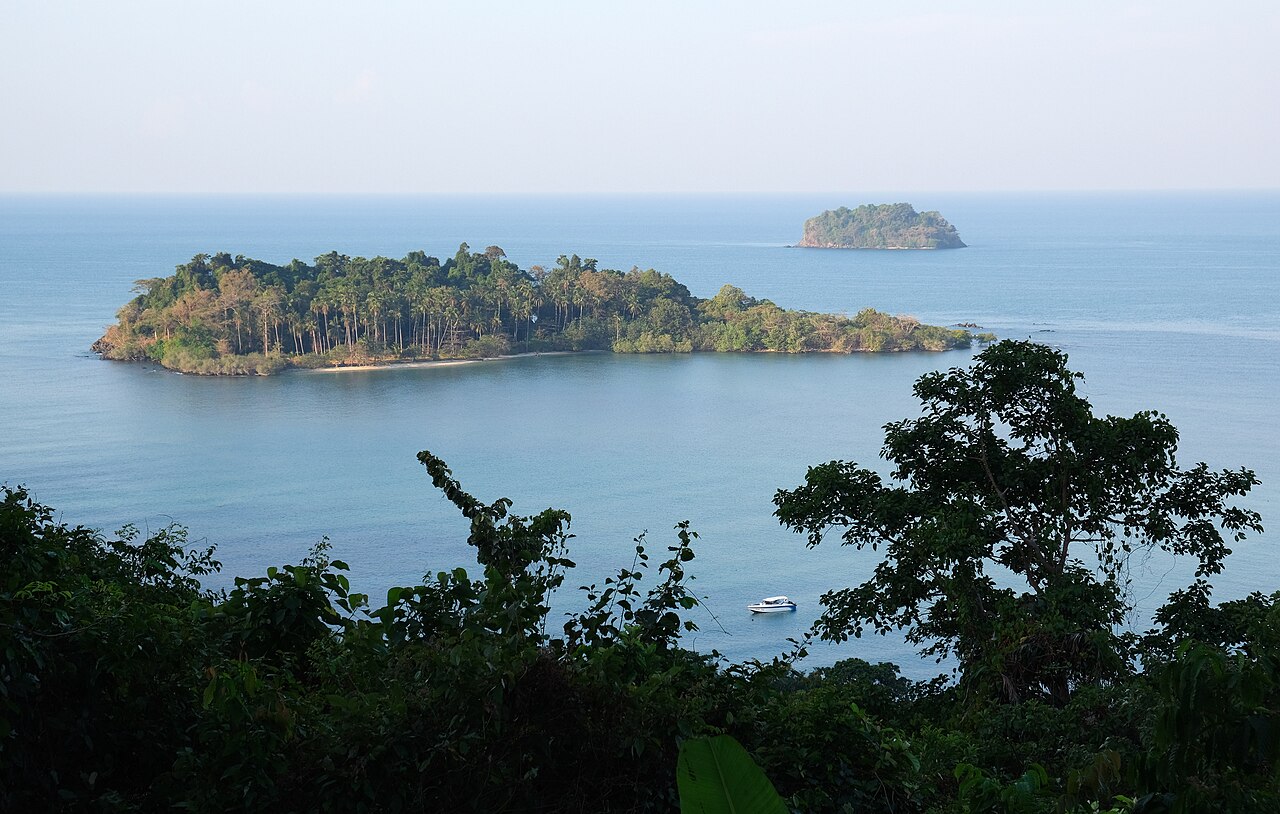
An easygoing beach — each part suits a different time of day.
The viewpoint is on the west-coast road where it begins to climb the hill out of Kai Bae towards Lonely Beach — easy to spot thanks to the large car park beside the road, sometimes with a café or shop alongside. Look down and you see Koh Man Nai and several smaller islands layered across the water. It's at its best close to sunset, around 17:15 to 18:15; arrive 20 to 30 minutes early to claim a railing spot before the crowd builds.
At high tide in the dry season (November to April), the water in front of Kai Bae is calm and shallow — easy for a relaxed float or to let children paddle. At low tide the sea pulls right out, leaving a shallow, stony foreshore that's awkward to wade across. Water shoes or sturdy sandals help a lot. Before you go in, ask your accommodation or check a tide app — it makes planning your swim much easier.
Kai Bae has a scattering of beachfront restaurants and small bars, quieter and usually a touch cheaper than the White Sand zone. It's a good place for a cool drink looking out at the sea after you've come down from the viewpoint, or an unhurried dinner. Browse Koh Chang seafood and the island's beach bars and nightlife for more — just remember that in the monsoon season many places close or cut their hours.
Kai Bae is well placed for getting around. From here you can take a boat out for a day of snorkelling around the southern islands — Koh Rang has the clearest water — or ride to neighbouring beaches: Klong Prao Beach to the north, and the backpacker-party strip of Lonely Beach to the south. For the full picture of the island's beaches, see the Koh Chang beaches guide.
The image that circulates most is the layered offshore islands against warm gold light as the sun drops. The best light is roughly 17:15 to 18:15 (it shifts with the season). Get there 20 to 30 minutes early: late afternoon draws a crowd, the railing spots with the cleanest island view are limited, and arriving early gets you the better angle.
A little haze in the evening sky actually helps — the more distant islands fade into soft layers, which adds depth. Carry a light layer for the breeze on the hill, and leave time for the ride back, because the hill road darkens quickly once the sun is down.
November to April is the best season: clear sea, light waves, open skies, sharp sunsets, and the restaurants, bars and resorts all open. December to January and Songkran are the peak — busiest and priciest. May to October is the south-west monsoon: rain, a rough sea, many southern-island snorkelling trips stop running, and some restaurants, beach bars and resorts close or cut their hours. Worth knowing before you commit, so you're not caught out.
The upside of the monsoon is the quiet, the cheap rooms, the lush green jungle and full waterfalls (such as Klong Plu Waterfall). The ferry still runs, though crossings can be choppy. For detailed planning see the best time to visit Koh Chang, and the bigger picture of Thailand's seasons in when to visit Thailand.
Koh Chang is an island you reach by car ferry from the Trat mainland first (there's no airport on the island, no train, no BTS/MRT). Once you're on the island, there are only a few ways to get around.
Kai Bae is a mid-coast base on the west side — quieter than White Sand, close to the viewpoint, and usually a touch cheaper than the main beach.
The Kai Bae area suits travellers who want a calm, relaxed feel — less of the bustle of White Sand — while still having restaurants and convenience stores within walking distance. Options range from small, friendly guesthouses to mid-range beachfront resorts. You're close to the sunset viewpoint and a short ride from the other beaches. If you want to be right in the thick of things, choose White Sand; if you want cheap and party, choose Lonely Beach.
Remember that in the monsoon season (May to October) many places close or scale back — check with your accommodation before booking that it's actually open. For the full rundown of which beach to base on, see where to stay on Koh Chang.