Day one, drift along the west-coast beaches and climb to the Kai Bae viewpoint for sunset. Day two, take a boat out to snorkel Koh Rang and the southern isles. Day three, walk the jungle to Klong Plu Waterfall and stop at Bang Bao before the ferry home — three days is just enough to settle into the slow rhythm of Thailand's second-largest island.
Plenty of people give Koh Chang two days and leave before they have actually relaxed — which is understandable, because the island is big, the jungle is everywhere and the pace is genuinely slow. Add a third day and the trip finally syncs with the island itself. You get a full day on a boat snorkelling Koh Rang, the clearest water on this side, plus time to lie on a beach without watching the clock.
This plan is built for an easy-going Koh Chang trip. Each day has one clear theme: a beach day with the Kai Bae viewpoint at sunset, a snorkelling day out to Koh Rang and the southern isles, and a final day taking in Klong Plu Waterfall, Bang Bao and one quiet beach before the ferry back. Every west-coast beach sits on a single road, so you move between them by shared songthaew or scooter (though the hills are steep — more on that below).
The single most important planning fact: Koh Chang is a genuinely seasonal island. November to April is best — clear calm sea, the snorkelling boats all running, everything open. May to October is the monsoon: a rough sea, snorkelling trips that often stop, and many resorts and restaurants that close or run reduced hours. If you come in the monsoon, be ready to switch Day 2 to land plans — read the detail in our best time to visit guide.
Have less time? See the 2-day plan. New to the island and want the big picture first? Read the Koh Chang first-timer guide.
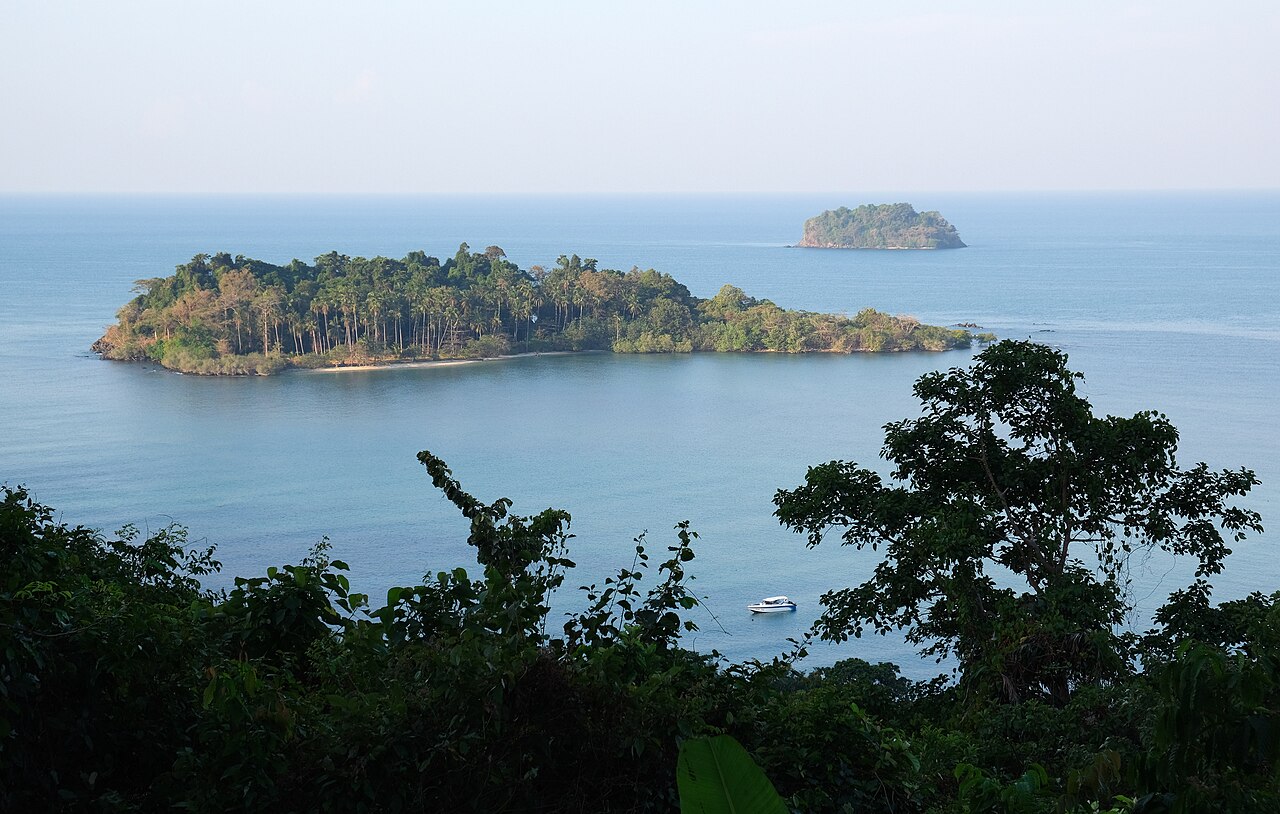
White sand against the jungle · warm sea · a sunset over the little islands off Kai Bae — the day that eases you into island time before anything else.
Start the first morning gently. If you are staying at White Sand Beach (Hat Sai Khao), just walk down to the sand — it is the main, liveliest beach, with a strip of places to eat, good for an early stroll and a swim before the sun gets fierce. For something a touch quieter, shift to Klong Prao, a longer, more spread-out beach, or Kai Bae, relaxed with little islands sitting offshore. Decide which beach suits you in our Koh Chang beaches guide.
All of Koh Chang's beaches are free to enter, but some are rocky and shallow at low tide (Kai Bae especially), so a quick glance at the tide table helps you time a proper swim. No rush this morning — let your body settle into the island's pace.
The afternoon sun is at its harshest, so duck into the shade for an easy lunch — fresh seafood, pad thai, som tam, or a simple beach shack. Then take your pick: an hour of Thai massage by the sand for very little money, or hop on a songthaew or scooter to scout a beach you have not seen yet, saving it for the days ahead.
In peak season (November to April) the late-afternoon light is lovely for wandering the shoreline and hunting a palm-fringed frame, before you head up to the Kai Bae viewpoint for sunset.
Close the first day at the spot locals love — the Kai Bae viewpoint, on the rise just south of Kai Bae beach, looking down over a cluster of little islands strung across the sea. It is the classic Koh Chang sunset photo that everyone comes home with. There is a small entry or parking fee, a deck to sit on and a café or two. Between 17:30 and 18:30 the golden light spreads across the water — the prettiest hour of the day.
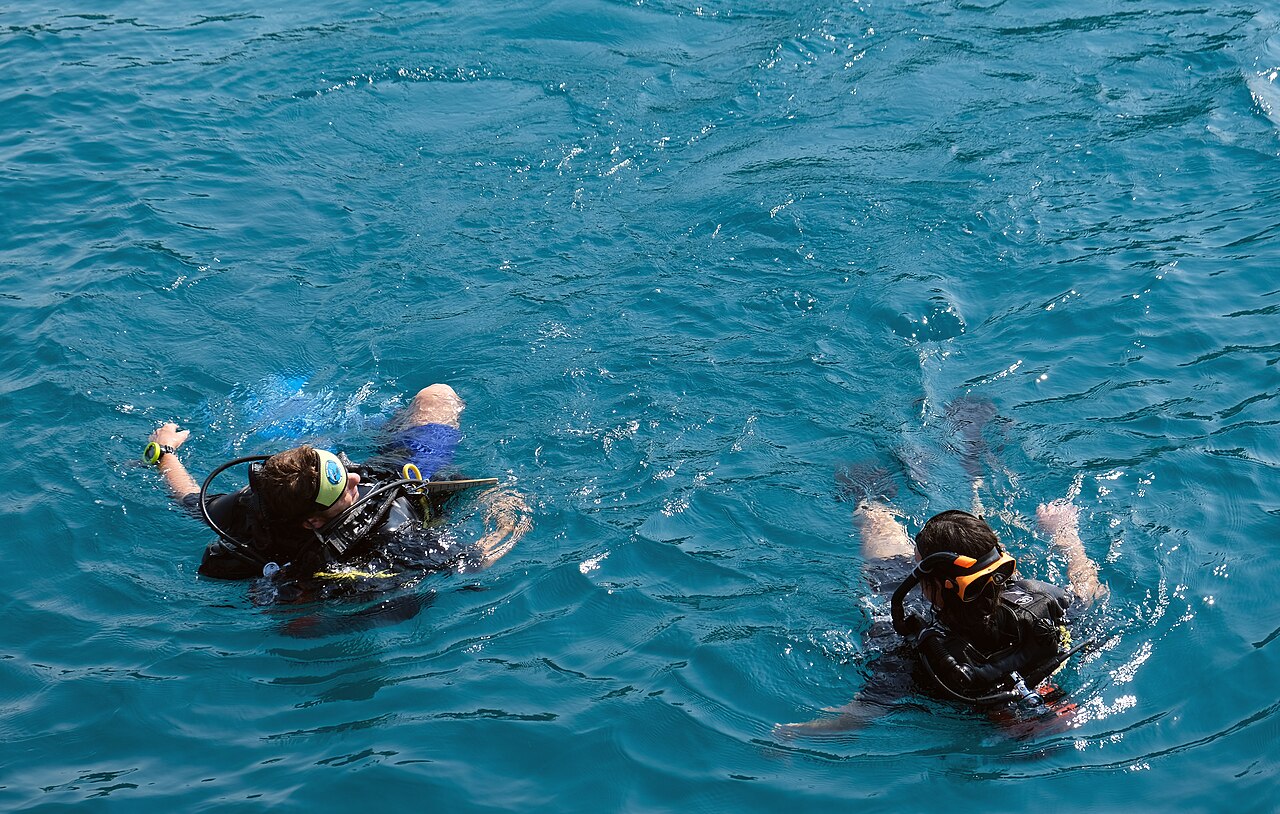
The clearest water on this coast · snorkelling over coral at Koh Rang · island-hopping the southern isles — a full day at sea that is the highlight of the trip (Nov–Apr).
Today is the highlight. The tour boats leave from the Bang Bao pier in the south early (usually ~08:30–09:00, with a pickup from your accommodation) and head for Koh Rang, which has the clearest water and the best coral on this coast, inside Mu Ko Chang National Park. A standard trip stops at four or five islands — Koh Rang, Koh Wai, Koh Yuak, Koh Mai Si — snorkelling over coral and fish, often with a lunch stop on Koh Wai.
Bring swimwear, reef-safe sunscreen, a towel and seasickness tablets if you are prone to it. Masks are usually provided, but pack your own if you want to be sure. See the dive sites and full detail in our Koh Chang snorkelling & island-hopping guide.
In the afternoon the boat usually moves to a second snorkel site and stops at Koh Wai or a nearby island for a swim, a stroll along the sand or a rest under the palms — the genuinely lazy part of the day, before it loops back to the mainland in the late afternoon to early evening (usually ~15:30–16:30). Keep a little energy in reserve, as you will have had a full day of sun and saltwater.
Back at your place, shower off the salt and rest after the day, then head out for an easy beachside dinner. Tonight calls for grilled seafood or a place over the water at White Sand or Kai Bae, watching the sky darken and listening to the surf. If you still have energy and want a taste of the island's after-dark side, Lonely Beach is the main party beach, with bars and fire shows — the other beaches are far more low-key. See our picks in the Koh Chang beach bars & nightlife guide.
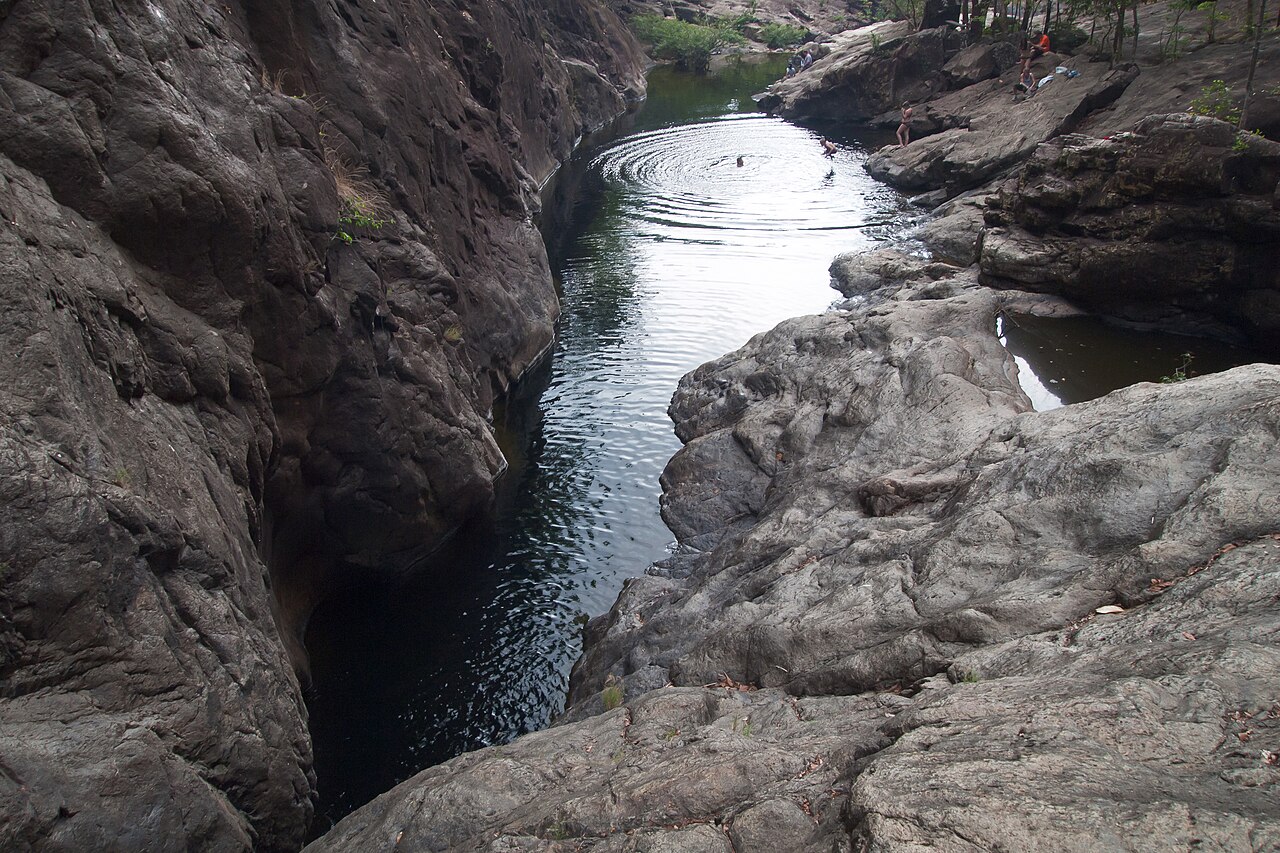
A jungle waterfall · a fishing village on stilts over the sea · one quiet beach — an unhurried last day before the ferry back.
Start the last day at Klong Plu Waterfall, the island's main fall, inside Mu Ko Chang National Park near Klong Prao beach. It is a 10–15-minute walk from the car park through the jungle to the falls, where a clear pool lets you take a dip. After the rains (and in early cool season) the water is fullest and at its best; in the dry months it can thin out. Go early while it is quiet and the air is cool.
There is a national-park fee at the entrance. Mind the slippery rocks and do not jump into the pool; pack grippy shoes, swimwear and water. See how to get there and what not to miss in our Klong Plu Waterfall guide.
From the waterfall, take a songthaew or ride south to Bang Bao, an old fishing village where the houses stand on wooden stilts out over the sea. A long wooden jetty runs to the lighthouse at its end, lined with shops, dive operators and seafood restaurants where you eat right over the water. The mood is easy and old-fashioned, and a late lunch here means fresh, well-priced seafood — pick by size and ask the price per kilo before you order. Read more in our Koh Chang day-trips guide and our Koh Chang seafood guide.
Round off the trip with a songthaew up to the northern piers (Ao Sapparot / Dan Kao), then the car ferry back across to the Trat mainland — about a 30–45-minute crossing. From there it is a van or car back to Bangkok, or a night on the Trat mainland before you travel on. If you want to keep going, Koh Mak and Koh Kood sit further south, ideal for a future leg of the trip. See all the routes in our getting to Koh Chang guide.
For a first trip, pick White Sand Beach — the main beach, lively, with food, bars and sunsets. Klong Prao is quieter, good for couples and families. Kai Bae is relaxed and near the viewpoint. Lonely Beach is the cheapest and the party beach. Every beach is on one road, and a lot closes in low season, so check it is open before you book. See real places in where to stay or the 10 best Trat / Koh Chang hotels.
Koh Chang has no metro, no train and no airport on the island — you arrive by car ferry. On the island the main option is the shared red songthaew along the west-coast road (a fixed per-person fare), or rent a scooter for freedom — but the hills are very steep, especially Kai Bae→Lonely Beach, so helmet on, check the brakes, walk it if unsure. Grab is essentially unavailable. See getting around Koh Chang.
It is an island, so some things cost more or are harder to find than on the mainland — bring any regular medication, reef-safe sunscreen and some cash (small shops are cash-only). Mobile signal is fine on the west coast but can be weak in the south and in the jungle. See SIM / eSIM options in the Thailand SIM & eSIM guide · for the overview, read the first-timer guide.
| Item | Budget | Mid-range | Comfort |
|---|---|---|---|
| Stay (per night) | ฿400–900 (bungalow / Lonely Beach) |
฿900–2,200 (Klong Prao / White Sand) |
฿2,500–6,000+ (beachfront resort) |
| 3 meals | ฿250–450 | ฿400–800 | ฿800–1,600 |
| Songthaew / scooter rental | ฿100–250 | ฿200–400 | ฿400–900 (private car / taxi) |
| Activities / entry tickets | Free–฿250 (beach + viewpoint) |
฿200–500 (waterfall park / Bang Bao) |
฿1,200–1,800 (Koh Rang snorkelling tour) |
| Daily total (approx.) | ฿750–1,850 | ฿1,700–3,900 | ฿4,900–10,300+ |
Prices are approximate and vary by season · over peak (Dec–Jan and Songkran) rooms spike several times over, while in the monsoon (May–Oct) rooms are cheaper but many shops and tours close · the Trat–Koh Chang ferry fare is charged separately per person / per car (see the Koh Chang trip budget).