Koh Chang is Thailand's big, jungly, laid-back second-largest island, in Trat near the Cambodian border. It has two clearly different faces. The dry season (November to April) brings clear seas and everything open — this is the prime window. The wet season (May to October) is the south-west monsoon: rain, a rough sea, and much of the island closed. That's the single most important fact before you book.
If you can only pick one month, pick November or February–March — dry, low rain, a calm clear sea, snorkelling at Koh Rang running, and, most importantly, the resorts, restaurants, dive shops and beach bars all open. This is when White Sand Beach, Klong Prao, Kai Bae and the island's viewpoints look their best. December–January and Songkran are the peak — the busiest and priciest weeks.
The thing to know before anything else: May to October is the monsoon. Rain and a rough sea mean the snorkelling trips often stop, and many resorts, restaurants, dive shops and beach bars close or run reduced hours. Koh Chang is far quieter than Phuket or Samui in low season. The upsides are lush jungle, full waterfalls like Klong Plu, cheap rooms and few crowds; the ferry still runs but crossings are choppier — so if you go then, check directly with your accommodation that it's open.
A Gulf island has only a dry season and a wet one — each with its upsides and its trade-offs, told straight.
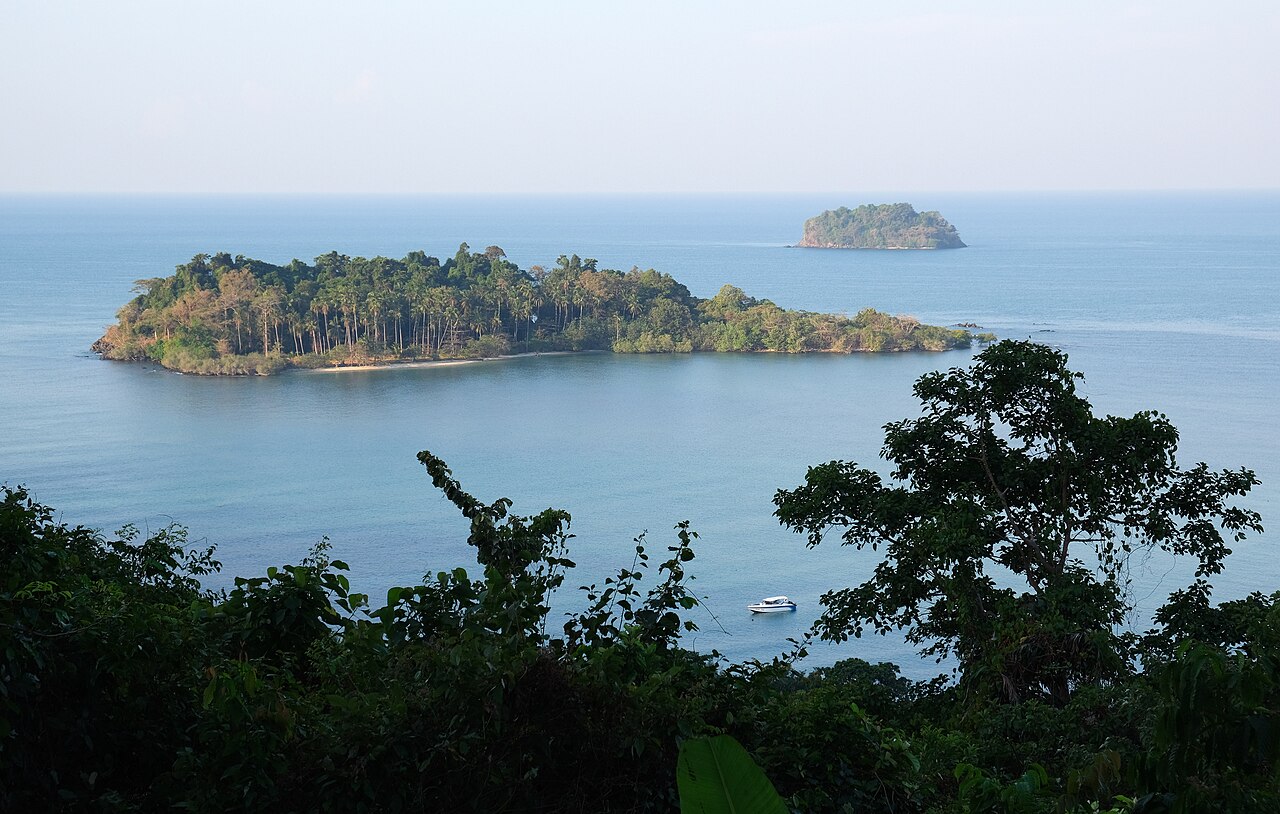
Kai Bae viewpoint · Dry season
The best
This is Koh Chang at its finest. The rain eases off, skies are clear on most days, and the sea settles and clears — the boats to Koh Rang start running again and the resorts, restaurants and dive shops reopen after their long monsoon break. Days sit around 30–31°C, kept comfortable by the sea breeze, ideal for lying on the beach, snorkelling and island-hopping.
The trade-off: this is the start of high season, so crowds build and room rates climb, especially approaching Christmas and New Year. Late November to early December remains the sweet spot, before the New Year prices spike.
Clear seas · Late dry season
The best
Many travellers rate this the best stretch of all: the sea is at its clearest and rain is still scarce. February is comfortable; March and April warm steadily from 32 up to 33°C, with sun that's strong but tempered by the sea breeze. It's the prime window for everything on the water — snorkelling over the coral, kayaking, and boat trips to Koh Rang and the southern islands.
Watch out for Songkran (mid-April), when rooms get expensive and sell out fast and the ferries fill up — the second peak of high season. Late April starts to feel hotter and brings the first rains of the monsoon, with waves building on some days.
Lush jungle · Early monsoon
Best value · some closures
The south-west monsoon starts here, but the early months aren't as heavy as those that follow — there are still sunny spells between showers, with the rain mostly coming in the afternoon and evening. Snorkelling trips still go out on some days when the sea isn't too rough. The jungle turns green and Klong Plu Waterfall starts to swell. This is when room rates begin to drop noticeably.
But know that the island starts to wind down from here — some restaurants, dive shops and beach bars begin to close for the season. Visitor numbers fall and the beaches are quiet. If you can take afternoon rain and want a quiet island at a low price, May–June is a good window — but check with your accommodation and tour operators first that they're open and running.
Rough sea · Peak monsoon
Much of the island closes
The wettest stretch of the year, with September–October the heaviest. The sea on the island's west coast is rough and murky, the snorkelling and island-hopping trips to Koh Rang stop running for most of the period, and this is when many resorts, restaurants, dive shops and beach bars close for the season or run reduced hours — especially the smaller beaches like the south end of White Sand and Lonely Beach. Koh Chang is far quieter than Phuket or Samui in low season; some beaches feel almost deserted.
It isn't always grim — prices are at their lowest, crowds are thin, the jungle is lush and Klong Plu Waterfall is full and at its best. Clear days bring the sea right back to beautiful. But you need a flexible plan, a spare buffer day, a daily forecast check, and above all to check with your accommodation before booking that it's open and trips are running. The ferry still crosses but the sea is choppier. After mid-October the rain starts to ease and high season opens up.
Temperature, rainfall, whether the island is open and crowd levels — in one table for easy comparison.
| Month | Temperature | Rain | Crowds | Notes |
|---|---|---|---|---|
| January | 24–31°C | Very low | High (high season) | Best weather · clear sea · island fully open · high prices |
| February | 25–32°C | Very low | Moderate | Clear sea · ideal weather · fully open |
| March | 26–33°C | Low | Moderate | Clearest sea · best for snorkelling |
| April | 27–33°C | Low | High at Songkran | Hottest · Songkran crowds · first rains late month |
| May | 27–32°C | Moderate | Low | Monsoon begins · prices easing · some closures start |
| June | 26–31°C | Heavy | Low | Afternoon rain · cheap · trips on some days |
| July | 26–31°C | Heavy | Low | Full monsoon · rough sea · trips usually stop |
| August | 26–31°C | Heavy | Low | Wet · much of the island closed · waterfalls full |
| September | 25–31°C | Heaviest | Lowest | Heaviest rain · many places shut · cheapest |
| October | 25–31°C | Heaviest | Low | Still wet · rain eases after mid-month |
| November | 25–31°C | Low–moderate | Moderate | High season begins · island reopening · clearly improving |
| December | 24–30°C | Very low | High (New Year) | Clear sea · fully open · prices spike over New Year |
The water is warm year-round, but clarity, waves and whether the boats run all shift sharply with the season — here's what to know before you get in or book a trip.
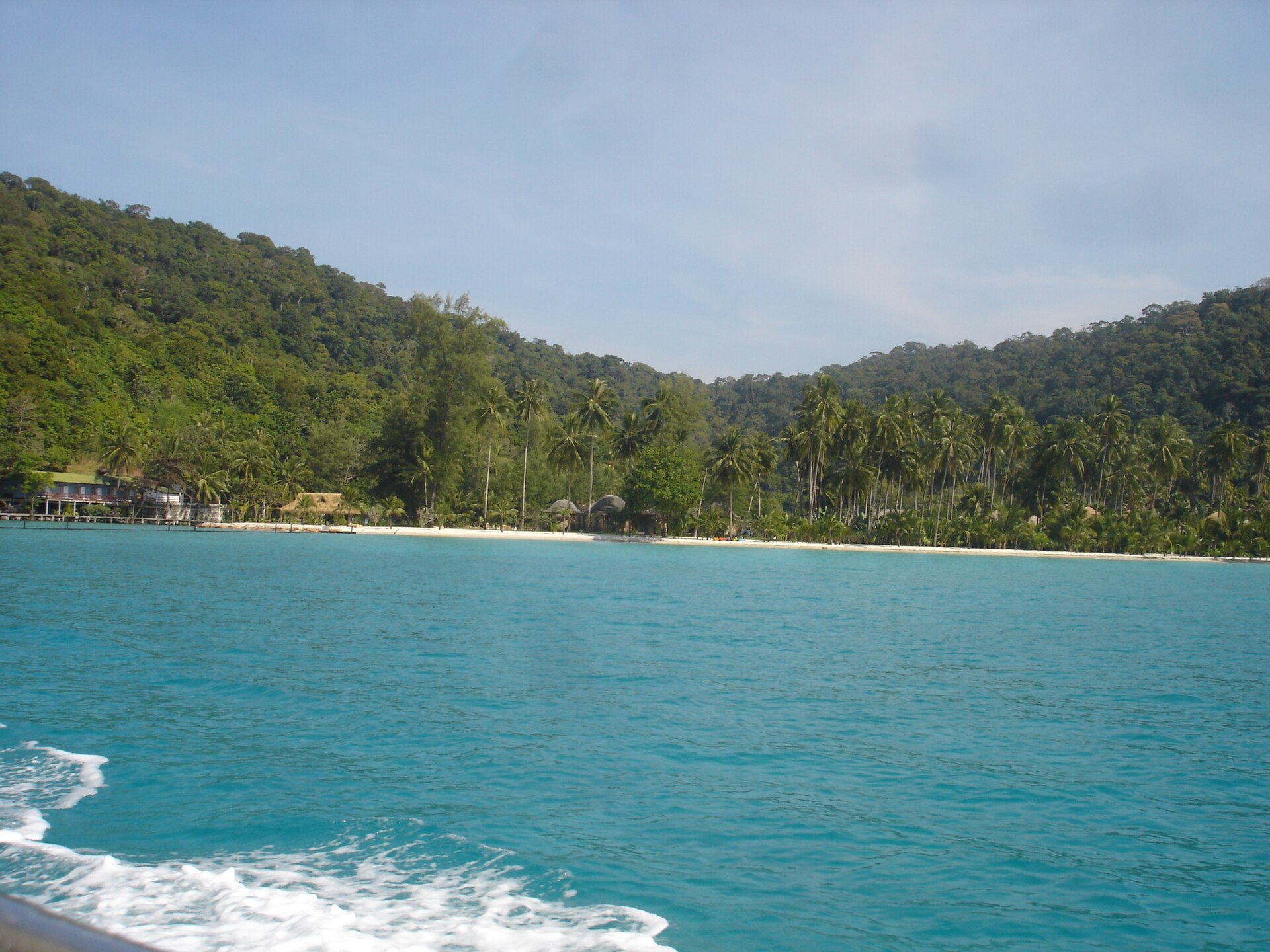
The sea is at its calmest and clearest — you can see the coral well around Koh Rang and the southern islands, making it ideal for snorkelling, scuba diving, kayaking and island-hopping. The water is comfortably warm. The west-coast beaches — White Sand, Klong Prao and Kai Bae — have gentle waves, and the tour boats go out almost every day. Use our snorkelling and island-hopping guide and the Koh Chang beaches guide to pick a beach and a trip.
The sea is still swimmable on clear days, but waves grow stronger than in the dry season and the water turns murky on some days. Mornings are usually clear — the best part of the day to get in, ahead of the afternoon rain. Snorkelling trips to Koh Rang become less reliable: some days they run, some days they're cancelled because of the swell. If you're planning a boat trip this season, keep a spare day and book something flexible you can move.
The west-coast sea is rough with strong currents, and the snorkelling and island-hopping trips to Koh Rang stop running for most of the period. On the roughest days even swimming off the beach isn't safe — always check the warning flags and ask locally before getting in; a red flag means no swimming. What still works is the inland side of the island: Klong Plu Waterfall is full and beautiful, jungle walks, and kayaking in the sheltered east-coast bays.
Koh Chang has two Thai high-season peaks and a monsoon when the island closes — these are what many travellers don't realise until they've booked.
The peak of high season, because the weather is at its best and it lines up with the New Year break, when Thai and international travellers head to the island all at once. Room rates are the highest of the year, the better resorts sell out fast, and the ferries are packed on holiday days with long vehicle queues for the crossing. For dry-season weather at more reasonable prices, shift to early-to-mid January once the New Year crowds clear, or aim for early November before the peak arrives — and book rooms and boats several weeks ahead.
The Songkran long weekend is Koh Chang's second high-season peak, when Thai travellers move all at once. Rooms fill fast and rates rise, and the ferries get very busy on travel days, with vehicle queues for the crossing that can run to an hour. It's the hottest part of the year, but the sea is still clear and the island fully open, with relaxed water-splashing along the beaches and villages. If you go then, book several weeks ahead, allow time for the ferry queues, and avoid travelling on the first and last days of the holiday.
This isn't a crowded period, but it's the one to avoid if you want the island fully open. The rain is heaviest in September–October, the sea is rough, the snorkelling trips to Koh Rang usually stop, and many resorts, restaurants, dive shops and beach bars close for the season — some smaller beaches feel almost deserted. If you do come, check with your accommodation first that it's open, be ready for the rain, and focus on what still works — waterfalls and jungle walks — rather than the sea activities.
A hot, humid island means a light bag — these are the things that actually matter for Koh Chang.
Whatever month you arrive, this big jungle island always has something worth seeing.