Ordered from on the island — out to see the real thing
Sorted from on-the-island out to the neighbouring islands and the mainland, with an honest note on which is half a day, a full day, or worth an overnight.
 1
1
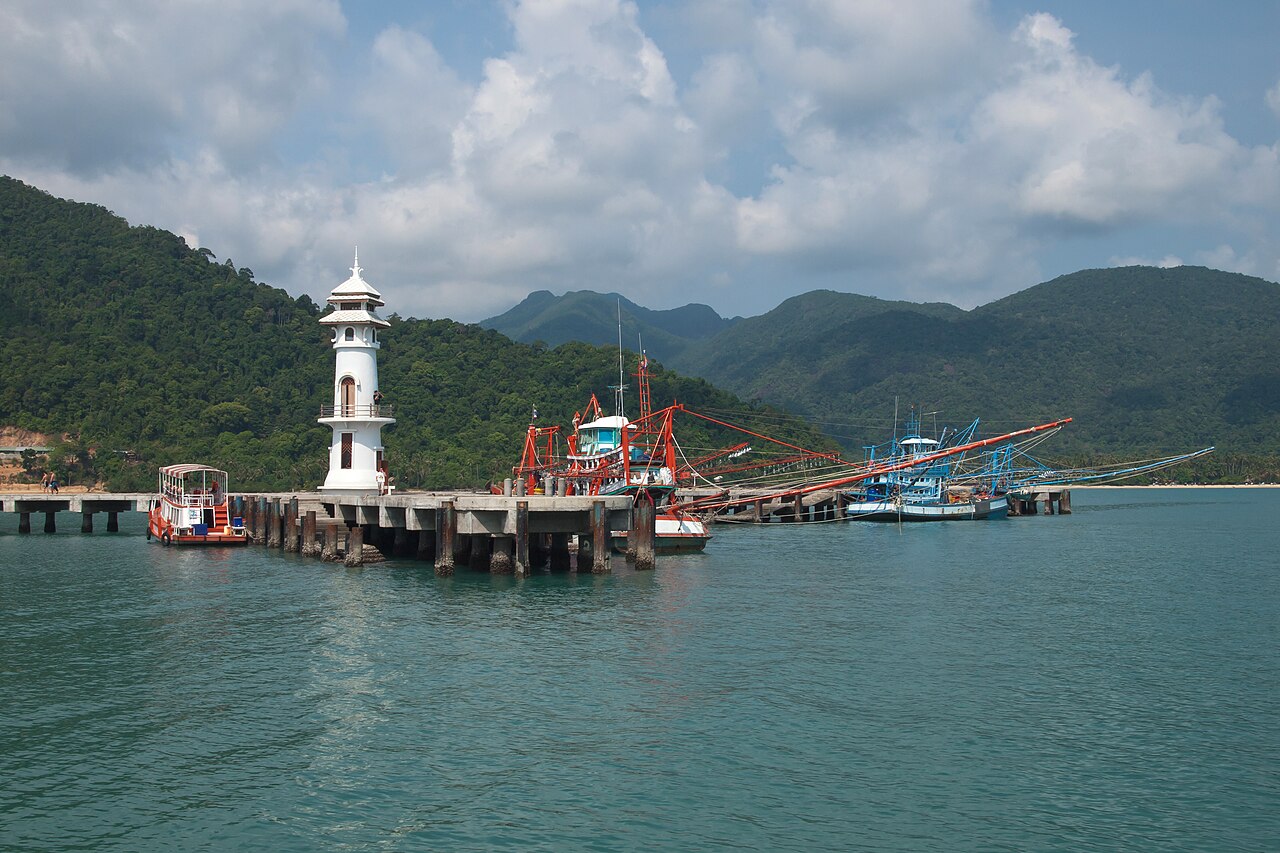
If you only make one trip off the beach, make it this one. Bang Bao is an old fishing village at the far southern tip of the island, where the houses are built on stilts linked into a wooden pier about 350 metres long reaching out into the bay. Many have become restaurants, souvenir shops and dive shops, though there are still fishing boats moored alongside.
The highlights are wandering the pier, climbing the white lighthouse at the very end (with views over the bay and the boats heading out to the nearby islands), and sitting down to fresh seafood in restaurants built on stilts over the water — fish, prawns and squid grilled or steamed to order, priced by weight. I'll be honest: this is a tourist zone, so prices run higher than the shops in the village itself; ask the per-kilo price before you order. Come in the late afternoon for the sunset over the bay. For more, read our Koh Chang seafood guide.
Tired of the busy west-coast beaches and craving some quiet nature? Cross to the island's east-and-south side at Salak Kok and Salak Phet. This side is far less developed than the west coast — still traditional fishing villages, with the island's largest stretches of mangrove forest.
The standout is kayaking through the mangroves — there's a community kayak station at Salak Kok where you can hire a paddle kayak to thread the channels, watch the birds and see how the fishing community lives. The water is calm, so it suits beginners, and there's a mangrove boardwalk at Salak Phet (the Red Bridge / Baan Nai Nai) you can walk without getting in a boat. To be honest, there's no pretty swimming beach here, so if you're after clear water it isn't the place — but for peace and nature it's worth it. Paddle early or late, when it's shadier and the water is calmer.
The heart of Koh Chang is Mu Ko Chang National Park, blanketed in thick green rainforest, with short jungle trails and waterfalls (such as Klong Plu) to walk to — a good land-based outing on a day when you want to escape the beach sun.
As for the elephants — the island is named after them, but there are no wild ones; every elephant is in a camp. Our honest advice is to choose a camp that focuses on observing, feeding and bathing the elephants rather than riding them. To be straight with you, several camps on the island still offer rides and keep the animals chained, which raises real welfare concerns. If you can, avoid riding programmes and pick an operator that treats the elephants well — animals with room to roam, not worked hard, not controlled with hooks — the same stance we take on elephants in Chiang Mai. For everything to see, read our Koh Chang attractions guide.
 4
4
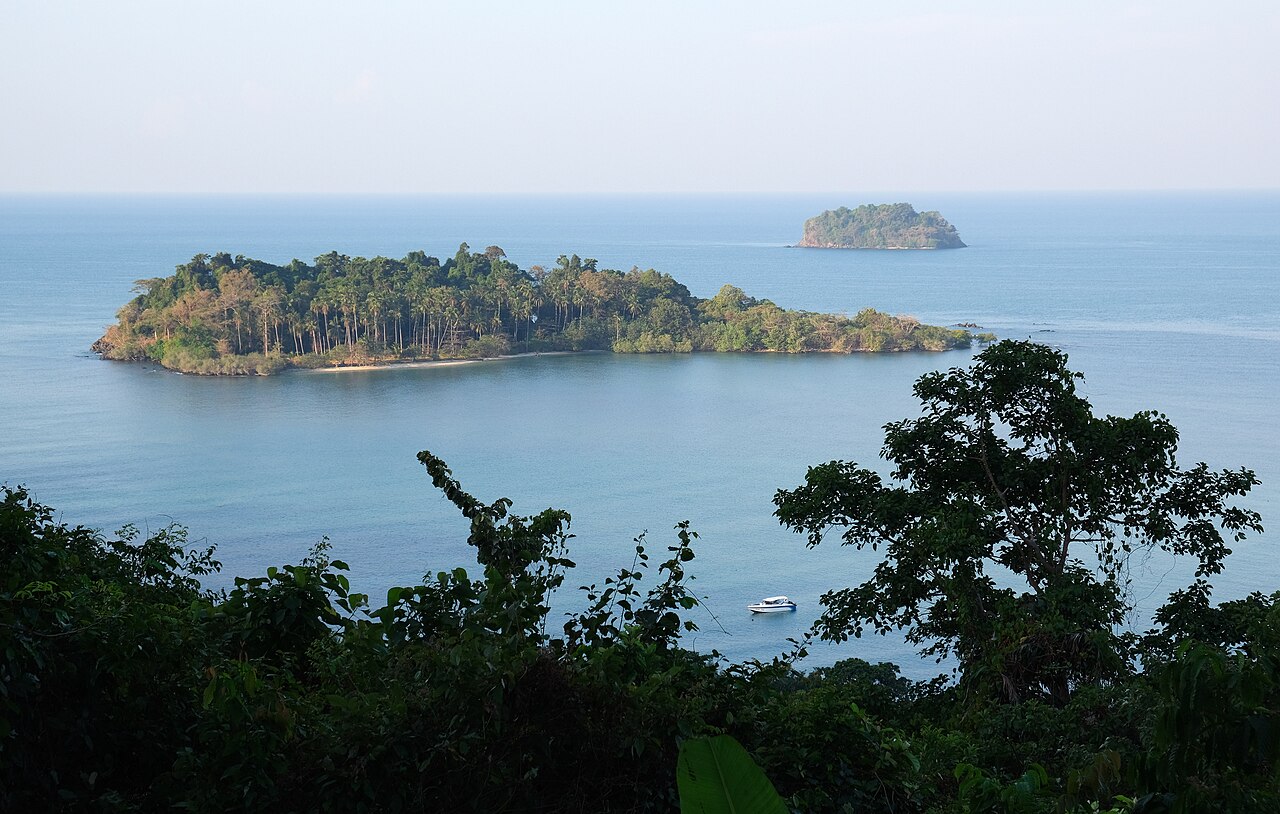
If you have time to spare and want to really get away, Trat province has two neighbouring islands that beach lovers talk about often. Koh Mak is small and flat — easy to cycle around — with a slow, quiet feel that suits anyone who wants to switch off with nothing to rush for. Koh Kood is bigger, with clearer water and a lot of unspoilt nature, white-sand beaches and waterfalls in the jungle.
To be honest, most people stay overnight on these two rather than visit for the day, because you have to take a boat and the schedules are limited. In the high season a catamaran (such as Boonsiri) links Koh Chang–Koh Mak–Koh Kood, while most speedboats leave from the mainland piers (Laem Ngop for Koh Mak, Laem Sok for Koh Kood). If you really want a day trip, a boat tour is the easiest way, but we'd suggest at least one night to make it worthwhile.
Koh Chang is part of Trat province, and Trat town on the mainland has its own small-town charm — worth a stop on your way in or out of the island (before or after the ferry). If you come by bus from Bangkok or fly into Trat Airport, you'll likely pass through town anyway.
The highlight is the old quarter along Bang Phra canal, with its old wooden houses, cafés and unhurried pace, plus the municipal and evening markets where you can try Trat's local dishes. To be honest, Trat is a town many people pass straight through, but if you have a half-day, wandering the old quarter and eating cheap noodles and seafood is a pleasant way to spend it. Read on in our Trat travel guide.