🌏 Destinations · All 🇹🇭 Thailand · Full guide Bangkok Chiang Mai Phuket 🌤️ Best Time to Visit 🧭 Travel Guide About Contact 🇹🇭 ไทย🇬🇧 English
🌤️ Season Guide · Updated 2026

When Is the Best Time to Visit Thailand?

Cool dry season, Songkran, or low-season beaches — the best month in Thailand depends on the region. We break down what the weather is like, how busy it gets, and whether prices run high or low — plus the one thing most people miss: the Gulf islands rain on a completely different schedule from the Andaman coast.

Start Here

The First Question of Every Thailand Trip —which month should I go?

Thailand is a year-round destination, but the best month comes down to two things: what you want to do, and which region you're going to. A trip lying on a clear-water Phuket beach and a trip soaking up the cool mountain air in Chiang Mai want completely different months. And here's what catches a lot of people out: Koh Samui is at its wettest late in the year, right when Phuket is at its very best — because the two coasts catch different monsoons.

On this page we'll start with the big picture of what each part of the year is like, then break it down region by region (Bangkok · the North · the Andaman coast · the Gulf), with a month-by-month table comparing weather, crowds, and prices side by side — plus the three things people ask about most: the best cool-season window, Songkran in mid-April, and why the two coasts' rainy seasons run opposite to each other.

❄️
Cool · Nov–Feb
Clear skies, little rain, comfortable air — the best window almost nationwide, but the busiest and priciest.
☀️
Hot · Mar–May
Genuinely hot, with Songkran in mid-April; seas still good for one last beach run before the rains.
🌧️
Rainy · Jun–Oct
Afternoon-to-evening downpours, cheap rooms, thin crowds, lush scenery and full waterfalls.
🏝️
The Gulf flips
Samui/Phangan/Tao are wettest Oct–Dec; best Feb–Apr and Jun–Sep — opposite the Andaman.

⚡ Updated for 2026

The figures on this page (monsoon windows, temperatures, festivals, holidays, and accommodation prices) are based on 2025–2026 patterns. The exact start and end of each monsoon shift every year, and the weather is becoming less predictable, so before you book — especially a boat tour or island trip — always re-check the latest forecast from the Thai Meteorological Department.

The 4 Regions at a Glance

Pick Your Region First —because each one's best month is different

Start by deciding where you're headed. Each card sums up when it's at its best, what the weather is like, and who it suits.
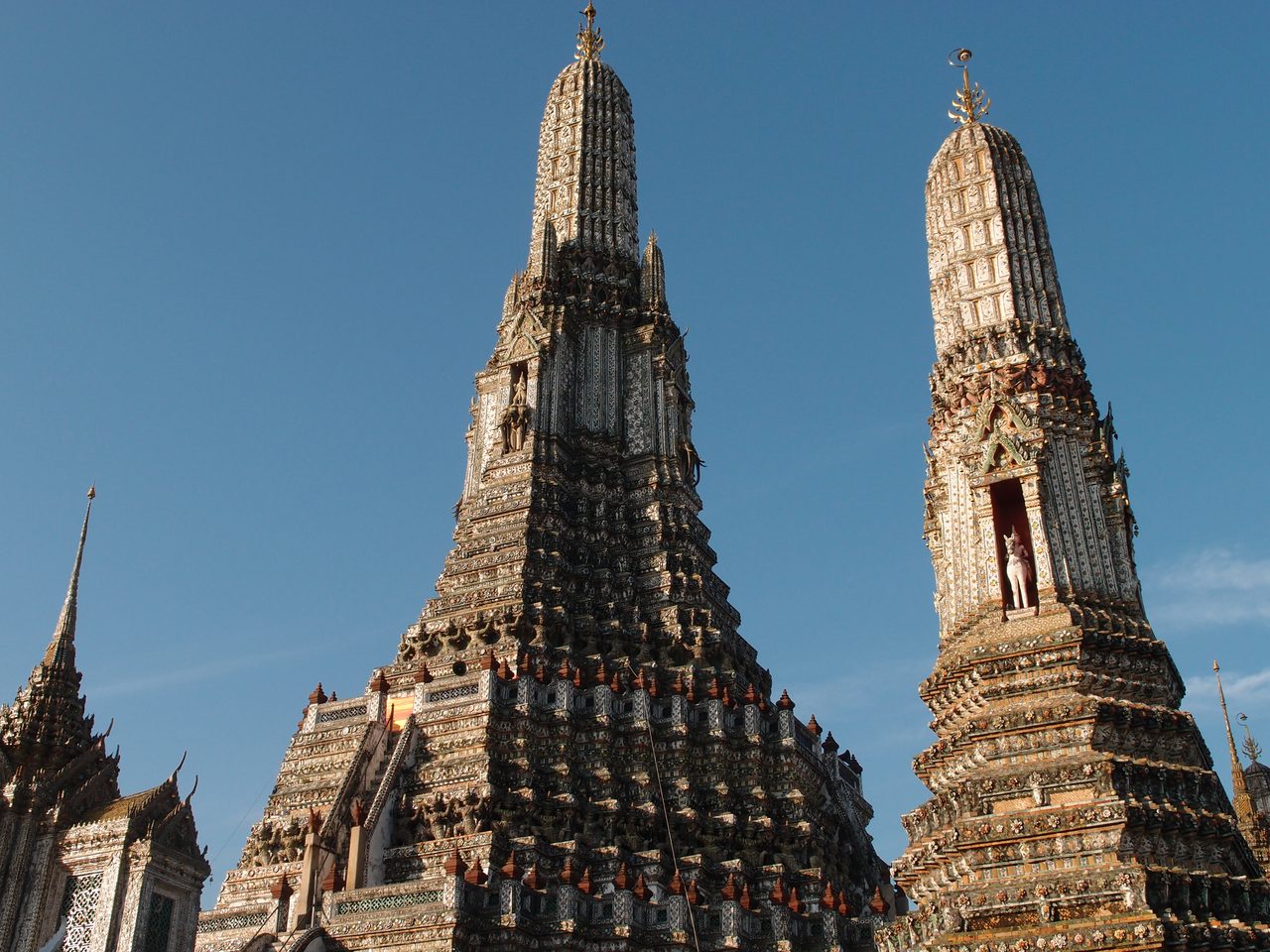
Wat Arun on the Chao Phraya River in Bangkok under clear cool-season skies 🏙️ Bangkok + Central Best Nov–Feb
Bangkok & Central Thailand
Bangkok & Central · best Nov–Feb

Hot and humid most of the year. The most comfortable time to walk around is the cool season (Nov–Feb), with clear skies and lower humidity. April is the hottest month. The rainy season is mostly afternoon-to-evening downpours that clear up — and the temples, malls, and markets work year-round.
🌡️Weather: Hot and humid, ~26–35°C; April hits 38–40°C
Highlights: Temples, the Chao Phraya River, markets, street food
💸Prices: High in the cool season (Dec–Jan); lower in the rains
👍Best for: City breaks, culture, shopping, food
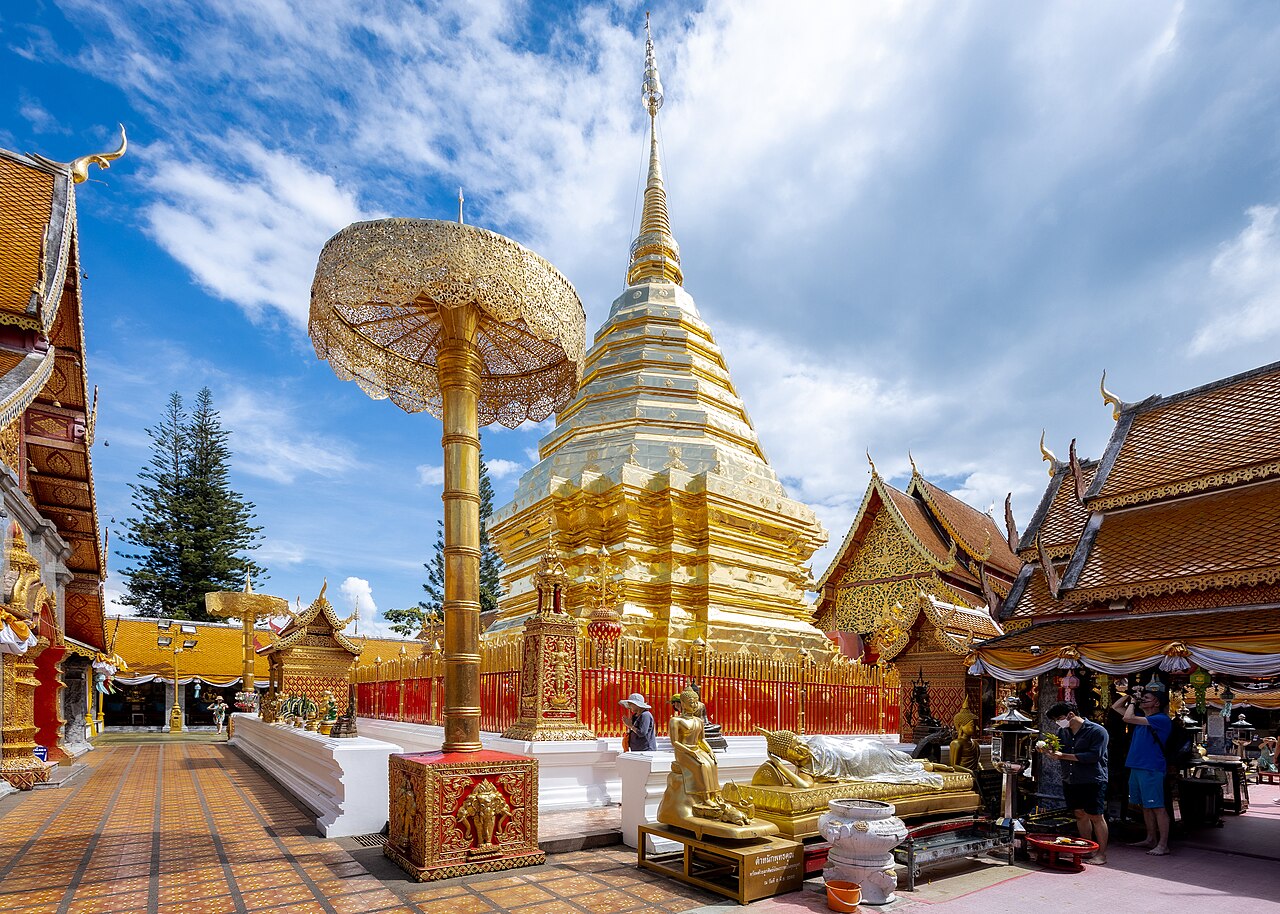
Wat Phra That Doi Suthep on the mountainside in Chiang Mai, northern Thailand ⛰️ The North Best Nov–Feb
The North — Chiang Mai & Pai
The North · best Nov–Feb

The cool season is the north's headline act — pleasantly cool (some days below 15°C up in the hills), clear skies, great for mountains and seas of morning mist. The catch: from roughly February to April there's a haze/PM2.5 problem from crop burning, so check the air-quality reading before you go.

🌡️Weather: Cool, ~14–28°C (cool season); hot and dry Mar–Apr
Highlights: Doi Suthep, misty hills, Loy Krathong/Yi Peng (Nov)
💸Prices: Highest in the cool season; ⚠️ smoke haze Mar–Apr
👍Best for: Nature, cool air, cafés, Lanna culture
Maya Bay with clear water ringed by cliffs on the Andaman coast near Phuket 🐚 Andaman Coast Best Nov–Apr
Andaman Coast — Phuket & Krabi
Andaman Coast · best Nov–Apr

The west coast (Phuket, Krabi, Phi Phi, Lanta, Similan) is at its best in the cool-to-hot season (Nov–Apr): clear water, calm seas, boat tours running daily. In the rainy season (May–Oct) the swell picks up and some island tours get cancelled — but accommodation drops a lot.

🌡️Weather: Hot and humid, ~26–33°C year-round; calm seas in the dry months
Highlights: Diving, Phi Phi, Maya Bay, Similan, beaches
💸Prices: Highest Dec–Jan; cheapest in the rains (May–Oct)
👍Best for: Beaches, diving, island-hopping, families
White-sand beach and blue water on Koh Samui in the Gulf of Thailand 🏝️ Gulf Islands Best Feb–Sep
Gulf Islands — Samui, Phangan, Tao
Gulf Islands · best Feb–Sep

This is the big exception — the Gulf islands rain on a different schedule from the Andaman coast. They're at their best from roughly February to September (including the rainy season elsewhere, when they're still sunny), but wettest and roughest around October to December — the exact opposite of Phuket.

🌡️Weather: Hot and humid, ~26–33°C; ⚠️ heavy rain Oct–Dec
Highlights: Chaweng Beach, diving off Koh Tao, Phangan's Full Moon Party
💸Prices: Cheapest Oct–Nov (the islands' rainy season); high in the dry months
👍Best for: Beach-goers dodging the Andaman rains, divers, partygoers
Month by Month

All 12 Months, Compared at a Glance —weather, crowds, prices, and highlights

See in one sweep where the months you're free fall on the calendar. Weather is for Bangkok/central Thailand. "Prices / crowds" reflects overall popularity and accommodation prices relative to the rest of the year.

MonthWeather (Bangkok)Highlights / notesPrices / Crowds
JanuaryCoolest, ~22–32°C, clear skiesHigh season · Andaman at its best · cool in the northHigh
FebruaryWarming up, ~24–33°CStill high season · Andaman + Gulf both good · ⚠️ haze starts in the northHigh → Moderate
MarchGetting hot, ~26–35°CSeas still good · ⚠️ heavy smoke haze in the northModerate
AprilHottest, ~28–38°C+🎉 Songkran 13–15 Apr · seas still good before the rainsHigh (during Songkran)
MayHot and humid, ~27–35°CRains begin · Andaman swell builds · prices start droppingDropping
JuneHumid, afternoon rain, ~26–34°CRainy season · the Gulf (Samui) sunnier than the AndamanCheap
JulyAfternoon–evening rain, ~26–33°CLush greenery, full waterfalls · 🕯️ Buddhist Lent (holiday)Cheap
AugustWetter, ~26–33°CFull rainy season · 👑 Mother's Day 12 Aug (holiday)Cheap
SeptemberWettest, ~26–32°C⚠️ Heaviest rain / flooding possible · full low seasonCheapest
OctoberRain easing, ~25–32°CEnd of the rains · Andaman recovering · ⚠️ Gulf rains beginCheap–Moderate
NovemberCooling down, ~24–32°C, skies clearingEarly high season · 🪷 Loy Krathong/Yi Peng · ⚠️ Gulf at its wettestModerate → High
DecemberPleasantly cool, ~22–31°CPeak high season · Andaman at its best · ⚠️ Christmas–New Year priceyHighest (New Year)
Highlight 1

The Cool Season (Nov–Feb) —the best window almost nationwide

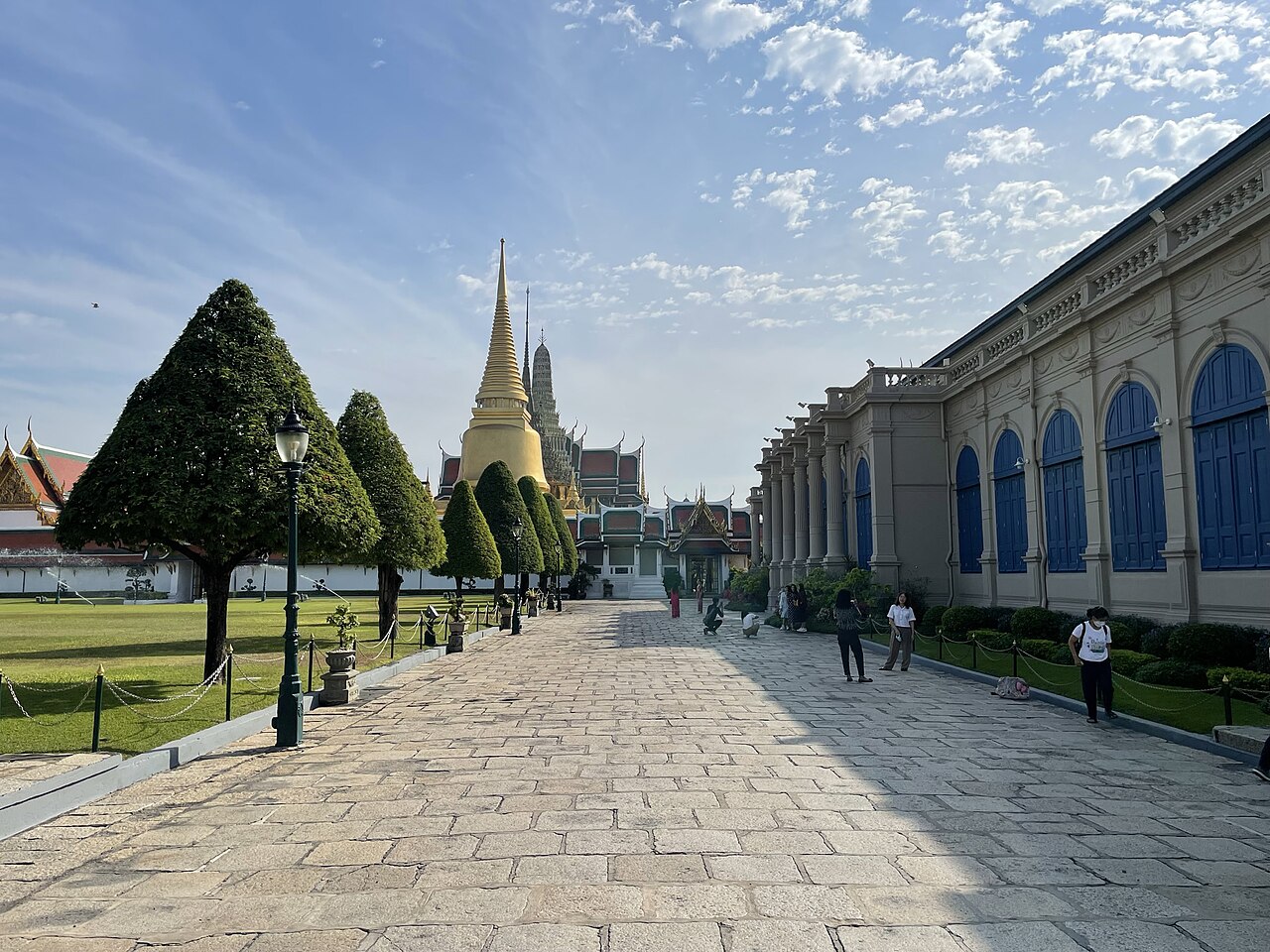
The Grand Palace courtyard in Bangkok under clear cool-season skies
Clear cool-season skies and low humidity make this the easiest time of year to walk the cities and hit the beaches.
Cool Season · Nov–Feb

Why "cool" is the high season

From November to February, cooler air pushes down from the north, the rain stops, the skies clear, and the humidity drops. It's the one stretch when nearly every region (except the Gulf islands, which are in their rainy season) is in good shape at the same time. The trade-off is the biggest crowds and highest prices of the year, especially around Christmas and New Year.

  • Bangkok/central: easy walking weather, clear skies, low humidity (see the Bangkok breakdown)
  • Chiang Mai/north: pleasantly cool, beautiful morning mist (see the Chiang Mai breakdown)
  • Phuket/Andaman: clear water, calm seas, boat tours daily (see the Phuket breakdown)
  • Festivals: Loy Krathong/Yi Peng (Nov), New Year countdowns nationwide
  • ⚠️ Peak prices: Christmas–New Year, when beachfront rooms are expensive and fill fast

💡 Cool-season tip

For cool-season weather without the peak prices, aim for November (early high season, before New Year rates kick in) or late January–February, once the New Year crowds have gone. For the 24 Dec–2 Jan window, book accommodation and domestic transport several weeks ahead.

Highlight 2

The Hot Season + Songkran (Mar–May) —the hottest months, and the most fun

Hot Season · Mar–May

The hottest months bring the biggest festival

March to May is the proper hot season — many cities hit 38–40°C and the midday sun is fierce. But it's also when Thailand is at its most exuberant, thanks to Songkran (the Thai New Year, around 13–15 April), and the seas on both coasts are still good before the rains arrive.

  • Songkran (13–15 Apr): a nationwide water fight; biggest around the Chiang Mai moat, Khao San/Silom in Bangkok, and Bangla Road in Patong, Phuket
  • Seas still good: Mar–Apr, both the Andaman and the Gulf are still lovely before the monsoon
  • ⚠️ Haze in the north: Feb–Apr, Chiang Mai and the north get smoke haze — check the PM2.5 reading first
  • ⚠️ Serious heat: avoid walking in the midday sun; bring water, sunscreen, and a hat
  • Prep for Songkran: a waterproof phone pouch and quick-dry clothes — expect to be soaked all day

Songkran is when Thais head home and travel is packed — flights, buses, and accommodation fill fast, so book well ahead if you're going then. Read the full breakdown in our Songkran festival guide.

Crowds throwing water during the Songkran festival in Chiang Mai in April
Songkran in Chiang Mai — the biggest water festival of all, right in the middle of the hot season in April.
Highlight 3

The Rainy Season & the Two Coasts That Run Opposite —the thing people miss most

White-sand beach and blue water on Koh Samui in the Gulf of Thailand on a sunny day
Koh Samui on a sunny day — but late in the year (Oct–Dec) Samui is at its wettest, just as Phuket peaks.
Rainy Season · Jun–Oct (+ Gulf Oct–Dec)

You can travel in the rains, and the two coasts rain at different times

In the rainy season (roughly June to October), it usually rains hard in the afternoon or evening and then clears, so mornings are still fine for sightseeing, rooms are noticeably cheaper, and crowds are thin. But the key thing to understand is that the two coasts catch different monsoons, so they rain at different times.

  • Andaman coast (Phuket/Krabi): rain and swell May–Oct · best Nov–Apr
  • Gulf islands (Samui/Phangan/Tao): wettest Oct–Dec (November the worst) · best Feb–Sep
  • The simple rule: late in the year, go to Phuket, not Samui · in the rains (Jun–Sep), if you want a beach, head to Samui
  • ⚠️ Heaviest rain: Sep–Oct in central, northern, and Andaman Thailand; flooding possible in places
  • Rainy-season upsides: cheap rooms, full waterfalls, lush greenery — great for cities, temples, and spas

🏝️ How to find a beach year-round

The trick is to switch coasts with the season — from November to April head to the Andaman side (Phuket/Krabi/Phi Phi), and from May to September, when the Andaman gets choppy, cross to the Gulf side (Samui/Phangan/Tao), which stays sunnier. For help choosing an island, read our guide to Thailand's islands: Andaman vs Gulf.

Before You Pick a Month

6 Windows That Shape Your Trip —plan around them and you'll have a better time

There's no month you have to avoid, but knowing about these helps you choose a window and pack for it.

🎉
Songkran (13–15 Apr)
Hugely fun, but travel is packed and prices spike, many shops and offices close for days, and you'll get soaked in the play zones — bring a waterproof pouch.
🌧️
Heaviest rain (Sep–Oct)
Central, northern, and Andaman Thailand are at their wettest, with flooding possible in places and some boat tours cancelled — but it's the cheapest, quietest time.
🏝️
Gulf rains Oct–Dec
Samui, Phangan, and Tao are wet and rough late in the year, opposite the Andaman — so for late-year beaches, choose Phuket over Samui.
😷
Northern haze (Feb–Apr)
Chiang Mai and the north get high PM2.5 from crop burning, with hazy skies on bad days — check the air-quality reading first and reconsider if you're sensitive to it.
🎄
Christmas–New Year (late Dec–early Jan)
The peak of the year — beachfront rooms are expensive and fill fast and domestic transport is packed, so book several weeks to a month ahead.
The "sweet spot" windows for value
November (early high season, before prices spike) · late January–February (after the New Year crowds) — good weather, thinning crowds, prices not yet at peak.
Budget by Season

How Much Do Prices Move with the Season —and which month gives the best value

Peak beachfront prices can run 2x the low season or more in the same place. Here's the overview of how the budget shifts across the year.

PeriodPrice levelWho it suits
Christmas–New Year (late Dec–early Jan)Most expensiveThose wanting a beachfront New Year; book far ahead
High season (Dec–Feb, outside New Year)ExpensiveAnyone dodging heat and rain who wants clear skies and seas
Songkran (mid-Apr)ExpensiveFestival lovers who handle heat; book tickets and rooms very early
Late high season (Mar, before Songkran)ModerateThose wanting good seas before the rains, prices not yet at peak
Early high season (Nov)Moderate → HighThose wanting cool-season weather before New Year prices spike
Early rains (May–Jun)DroppingBudget travellers; rain not yet heavy, the Gulf still sunny
Full rainy season (Jul–Sep)CheapestBudget hunters who don't mind rain and indoor sightseeing
Gulf rainy season (Oct–Nov)Cheap (Samui only)Those who'll trade rain for cheap Samui/Phangan rooms

💰 Money tips that actually help

Crossing the country is often cheapest by overnight sleeper train (e.g. Bangkok–Chiang Mai, about 12 hours · Bangkok–Surat Thani, then a ferry to the islands) or a domestic flight (AirAsia, Nok, Thai Lion, Bangkok Airways — book ahead for good fares). Map out your route and weigh flying vs train vs bus in our guide to getting around Thailand. To book tours and transfers ahead, try Klook (prices vary — check the latest before booking).

Related Guides

Got Your Month —now keep planning your Thailand trip

🇹🇭

The Complete Thailand Travel Guide

Every region and city, getting around, visas, budget, and Thailand itineraries for travellers.

Thailand Guide →
🏝️

Thailand Islands Guide

Andaman vs Gulf, which island suits whom, which season is best, and how to reach each — pick the island to match the season.

Islands Guide →
🚆

Getting Around Thailand

Domestic flights · overnight sleeper trains · VIP buses · ferries to the islands — compare time, price, and comfort.

Transport Guide →
🏙️

Best Time to Visit Bangkok

Bangkok's weather month by month, why the cool season is easiest for walking, when the rain falls, and the best-value windows.

Bangkok by Month →
⛰️

Best Time to Visit Chiang Mai

The cool season, morning mist, Yi Peng, and the haze window to avoid — choose your month for the north.

Chiang Mai by Month →
🐚

Best Time to Visit Phuket

When the Andaman Sea is clearest, when the rainy-season swell picks up, and when the island boat tours run.

Phuket by Month →
Frequently Asked Questions

Questions About the Best Time to Visit Thailand

When is the best time to visit Thailand?
For most of the country, the best stretch is the cool, dry season from roughly November to February — clear skies, little rain, comfortable temperatures, the Andaman coast (Phuket/Krabi) at its best, the north (Chiang Mai) pleasantly cool, and Bangkok walkable. March to May is the hot season (Songkran falls in mid-April), and June to October is the rainy season. But there's one big exception: the Gulf islands (Samui, Phangan, Tao) are wettest from October to December, the opposite of everywhere else. So the best month depends partly on which region you're heading to.
Can you travel Thailand in the rainy season, or does it rain all day?
You can, and in the rainy season (roughly June to October) it usually doesn't rain all day — it's typically a heavy downpour in the afternoon or evening that lasts an hour or two, then clears, so mornings are usually fine for sightseeing. The upside is noticeably cheaper accommodation, thinner crowds, lush greenery, and full waterfalls. The catch is rougher seas on the Andaman coast, with some island boat tours cancelled on bad days. September and October are the wettest months for central, northern, and Andaman Thailand, so plan some indoor options (temples, malls, spas) and check the forecast before booking a boat tour.
Why does Koh Samui have a different rainy season from Phuket?
Because they sit on different coasts and catch different monsoons. Phuket, Krabi, and the Andaman islands face the southwest monsoon, so they're wettest from May to October and at their best November to April. Samui, Phangan, and Tao, over in the Gulf of Thailand, are sheltered from the southwest monsoon but take the full force of the northeast monsoon late in the year, making them wettest and roughest around October to December (November is often the worst). So Samui's best window is roughly February to April, plus June to September, when it's sunnier than the Andaman coast.
Should I visit during Songkran (mid-April), and how do I prepare?
Songkran (around 13–15 April) is the Thai New Year and the most exuberant water festival of the year — if you love a lively, chaotic atmosphere, it's unmissable. The biggest celebrations are along Khao San and Silom roads in Bangkok, around the moat in Chiang Mai (the biggest of all), and on Bangla Road in Patong, Phuket. Be ready for it: it's the hottest time of year, you'll get completely soaked in the play zones, so bring a waterproof phone pouch, and many shops and offices close for several days. Travel is packed as Thais head home, so book flights and accommodation well ahead.
When should I avoid visiting Thailand?
There's no period you have to avoid, but a few worth knowing about — (1) April is the hottest month (many cities hit 38–40°C) on top of the packed travel and higher prices around Songkran; (2) September and October bring the heaviest rain in central, northern, and Andaman Thailand, with flooding possible in some areas; and (3) late October to December is the window to skip for the Gulf islands (Samui/Phangan/Tao), when rain and seas are at their worst. If you can't avoid these, keep a backup plan and book accommodation that can be cancelled.
When is the cheapest time to visit Thailand?
The cheapest stretch is usually the rainy season (roughly May to October), especially September, when the rain is heaviest and it's full low season — Andaman beach resorts drop noticeably, with some down to half their high-season rate. The most expensive periods are the cool high season from December to February (peaking around Christmas and New Year) and Songkran. Peak beachfront prices can run 2x the low season or more. If you're on a budget but still want good weather, aim for November (early high season, before New Year prices spike) or late February.
Ready to Plan?

You Know Which Month —
now start building your Thailand trip

Open the full Thailand travel guide for cities, itineraries, and getting around — or start searching for accommodation in the place you want to visit during the season you've chosen.

🔴 Book Thailand Hotels Thailand Guide