Home Koh Chang Thailand Koh Chang & Trat Hotels About
Home  ›  Asia  ›  Thailand  ›  Koh Chang  ›  Getting Around
🛺 Koh Chang Transport Guide · 2026

Getting Around Koh Chang
No Metro, No Train — the Songthaew Rules

Koh Chang is a remote island in Trat: no metro, no train, and Grab is essentially unavailable. What actually moves you around is the shared red songthaew along the west-coast road. You can rent a scooter for freedom, but there's one thing to flag up front — the hills here are seriously steep.

Before you set off

An island with no metro — but it has its own way

First, to be clear: Koh Chang has no metro, no BTS/MRT and no train on the island. It's a large, jungle-clad island in Trat province, and you arrive by car ferry from the mainland rather than flying in. Most of the places visitors stay sit along a single road that runs down the west coast, from White Sand Beach southward.

The workhorse of getting around Koh Chang is the shared red songthaew (red taxi) that runs up and down that west-coast road as the main public transport, charged per person by distance — flag one down on the roadside. If you'd rather have your own freedom, you can rent a scooter, though you need to take the steep hills very seriously. Filling the gaps are car and jeep rental for families or groups, and boat taxis for spots the road can't reach.

But there are two things to make peace with first: Grab is essentially unavailable on Koh Chang, and there's no public bus. So don't plan your trip around hailing a ride the way you would in Bangkok. This guide walks through every option the island actually offers — songthaews, scooters, rental cars, boats — and tells you plainly which suits whom, and which hills to watch out for.

Your main option

The red songthaew — the island's main public transport

Flag it down, pay per person, riding the west-coast road — for visitors on Koh Chang, this is the workhorse.

On an island with no metro and where Grab barely works, the best stand-in is the shared red songthaew, which runs up and down the west-coast road all day. It passes every main beach from White Sand to Klong Prao, Kai Bae and Lonely Beach, down to Bang Bao pier — the lifeline most visitors rely on.

🛺
Red songthaew
SHARED RED TAXI · pay per person, flag it down

The red songthaew is charged per person by distance. Short hops within one beach run around 50–80 baht per person; going further south (to Bang Bao, say) or riding late costs more. Just flag one down on the roadside if it has space, and it'll run you along its route.

Tip: agree the fare before you get in every time, and ask whether it's a per-person or a private charter rate. With few passengers, the driver often waits to fill the truck before leaving, or you can pay a private rate to go straight away. Late at night, after the restaurants close, they get scarcer — leave time to get back.

Rough fares: within a beach ~50–80 baht/person · across to a far beach ~100–200 baht/person
Route: the west-coast road — White Sand → Klong Prao → Kai Bae → Lonely Beach → Bang Bao
At night: fewer trucks, higher fares — allow time to get home
🏍️
Scooter / motorbike rental
SCOOTER HIRE · the most freedom, but be careful

A scooter gives you the most freedom — any beach, any time, for around 200–300 baht a day. Rental shops line the main beaches, but before you ride, check the bike's condition, photograph any existing scratches, and read the contract: some shops charge heavily for damage if you crash.

The honest truth: Koh Chang is one of the islands where scooter crashes are common, thanks to steep, winding roads — especially the Kai Bae ↔ Lonely Beach stretch. If you're not confident, take a songthaew instead; it's far safer (read the safety section below before you decide).

Price: ~200–300 baht/day · you fuel it yourself
Before you rent: check the brakes · photograph existing damage · read the contract · wear a helmet
Watch out: very steep hills on the Kai Bae ↔ Lonely Beach stretch
Why the songthaew fits Koh Chang so well: there's no metro, no public bus, and Grab barely works, so the songthaew is the safe option that doesn't make you ride steep hills yourself. For couples or small groups, splitting a fare works out fine, and you avoid risking the roads as an unfamiliar rider — budget for it in your trip plan from the start. See our full Koh Chang trip budget.
Read this before you rent a scooter

Koh Chang's hills are genuinely steep — ride with care

Let's be blunt about this first, because it genuinely matters for your safety: Koh Chang's main road has very steep, winding hills, especially the stretch between Kai Bae and Lonely Beach, which combines a steep climb and descent with sharp bends. Inexperienced scooter riders skid or lose their brakes on that section all the time — it's a spot where visitors get hurt regularly.

⛑️
Always wear a helmet

Every time, even for a short hop. Make sure the rental helmet fits and the strap is fastened tight — it's the thing that genuinely helps if you go down.

🛑
Check the brakes first

Test the front and rear brakes at the shop. If they feel loose or weak, ask for another bike or don't rent. On steep hills, the brakes are everything.

🚶
Walk it if unsure

If a hill looks too steep and you're not sure, stop and walk the bike down. No shame in it — it costs a few minutes and is far safer.

🌙
Never ride drunk or at night

The roads are poorly lit and the bends and hills are hard to read after dark. Don't ride after drinking — take a songthaew home, or have your resort call a ride.

The safety bottom line: if you're not a confident rider, or you've never ridden up and down hills before, Koh Chang is not the place to learn. Use the red songthaew as your main transport and save the scooter for genuinely confident riders — it's well worth it over risking an injury mid-trip, because clinics and hospitals on the island are limited. Read up on choosing a beach and base before you plan your moves in our Koh Chang beaches guide.
Other options

Rental cars, boat taxis and walking your beach

🚙
Car / jeep rental
CAR · JEEP · good for families and groups

Renting a car or jeep is more flexible than a scooter and safer on the steep hills — good for families, larger groups or anyone with lots of luggage. It runs about 1,200–1,800 baht a day depending on the model and season. There are rental shops on the island and on the mainland; some people rent on the mainland and drive straight onto the ferry.

Tip: if you drive yourself, you can take the car across on the ferry, with a separate vehicle ticket on top of the passenger fare. An automatic is easier on the steep hills, and check the brakes are sound just the same.
Price: ~1,200–1,800 baht/day (car/jeep)
Ferry-friendly: drive your own car onto the ferry (separate vehicle ticket)
Best for: families · groups · lots of luggage
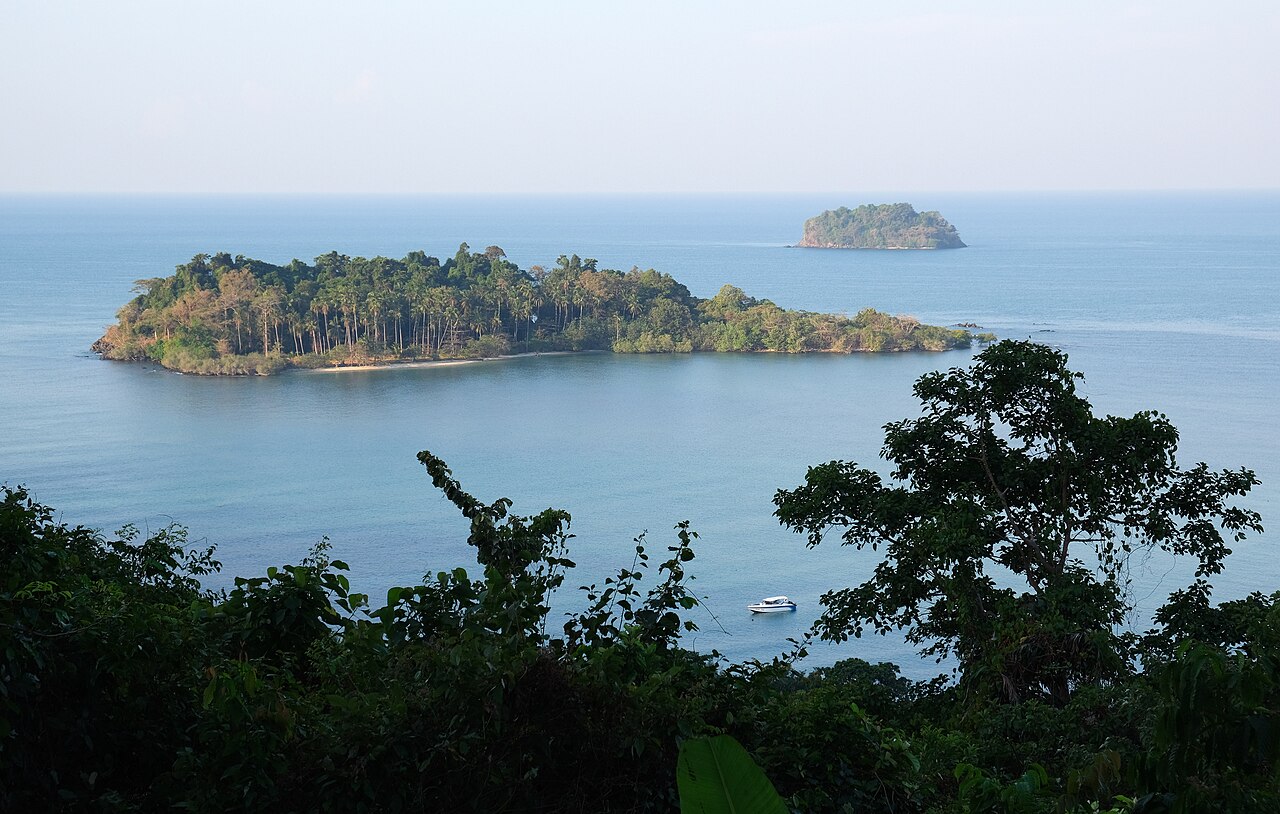
Koh Chang, Trat — small islands offshore seen from the Kai Bae viewpoint, where longtail boats for hire cross to nearby islands Boats
Longtail / taxi boats
BOAT TAXI · between beaches and islands

Beyond the road, Koh Chang also has longtail and hire boats that cross to beaches the road can't reach, or over to nearby islands like Koh Wai and Koh Rang. Prices are negotiated by distance and group size, and most leave from Bang Bao pier and the various beach jetties.

Tip: agree the price and a pickup time before you board. For a day return to Koh Rang or Koh Wai, it's usually easier to book a snorkelling tour with a bigger boat and gear included. Check the sea state too — in the monsoon the swell is rough and small boats may not run.

Use it for: beaches the road can't reach · Koh Wai / Koh Rang
Price: negotiated by distance + group · fix a pickup time
Watch out: monsoon (May–Oct) — rough seas, small boats may not run
🚶
Walking your beach
WALKING · fine within a single beach

If you've chosen your accommodation well, within a single beach you can usually walk to restaurants, bars and the sand without needing a ride. White Sand Beach and Lonely Beach both have a strip of places you can stroll along the shore day or night — one upside of basing yourself to match your style.

Tip: walking across to a far beach isn't recommended — you'd have to climb steep hills on a road with traffic and no footpath. For beach-to-beach distances, a songthaew is safer. Keep the walking for your own beach.

Walkable: within one beach · along the shore · to restaurants/bars
Don't walk: across to a far beach (steep hills, no footpath)
Upside: pick the right beach and you'll barely need a ride
🚐
Resort transfers
RESORT TRANSFER · ask at check-in

Many Koh Chang resorts run a transfer or will call a ride for you — both pickups from the pier on arrival and trips to points around the island. Some have their own loop service, particularly resorts in slightly out-of-the-way spots or up on a hillside.

Tip: ask the front desk about transfers and ride-calling when you book or check in, because Grab barely works here. Having the resort call a songthaew or a private car is the surest option if you need to go far or get back late.

Helps with: pier pickups · trips around the island · a ride home late
Ask about: is there a transfer · cost · do I book ahead
Best for: out-of-the-way/hillside resorts · families
Bicycle rental — possible but limited: there are some bike rental shops on the main beaches, fine for an easy cycle around the flatter parts of White Sand Beach or Klong Prao. Don't try to cycle across to a far beach, though — Koh Chang's hills are too steep for most people to manage. Keep the bike for pottering around close to where you're staying.
Make peace with this first

No Grab, no bus, no train — you arrive by ferry

This is what sets Koh Chang apart from a city, and it's worth understanding before you plan how you'll get around.

If you're used to opening an app to hail a Grab in Bangkok, or hopping on a metro to get anywhere, here's the thing: Koh Chang has none of that. No metro, no BTS/MRT, no train, and Grab is essentially unavailable — the island isn't a real service area, so at times there are very few cars or none. There's also no public bus on the island. Don't build your trip around hailing a ride.

Koh Chang, Trat — a large jungle-covered island with small islands offshore, reached by car ferry from the Trat mainland
Koh Chang — Thailand's second-largest island, in Trat, blanketed in jungle and reached by car ferry from the Laem Ngop piers, about 30–45 minutes.
Getting here + getting around

What Koh Chang does and doesn't have

Mode On Koh Chang Use instead
Metro / BTS / MRT ❌ None Red songthaew along the west-coast road
Train ❌ None (arrive by ferry) Bus/minivan + car ferry from the Trat mainland
Grab / ride-hailing ⚠️ Essentially unavailable Songthaew · ask your resort to call a ride
Public bus ❌ None Red songthaew (the main public transport)
Car ferry ✅ Yes (how you arrive) Ao Thammachat / Centre Point piers (Laem Ngop)
So how do you get to Koh Chang: you arrive by car ferry across from the Trat mainland. Ferries leave the Laem Ngop-side piers (Ao Thammachat / Centre Point) and land at Ao Sapparot / Dan Kao on the island, taking about 30–45 minutes and carrying both foot passengers and cars/motorbikes. From Bangkok you come by bus/minivan (~5–6 hr) or fly to Trat Airport (TDX) and connect by van — see every option in our getting to Koh Chang guide, and compare it with getting around Thailand.
The real tip

Remember these two things and Koh Chang flows

If we had to boil it down to two points: one — pick a beach to base on that fits your style from the start, and lean on the songthaew. Koh Chang's beaches line up along a single road, so if you choose one with restaurants and bars nearby, you'll walk around your own beach for most of the trip and only take a songthaew to cross to another beach or reach the waterfall.

Two — check the ferry times and leave a buffer. The last boats run in the late afternoon or early evening (fewer still in the monsoon), so on your last day, don't leave your accommodation so late that you miss the crossing. And if you plan to rent a scooter, go back and read the safety section on those steep hills before you decide.

For first-timers on Koh Chang: White Sand Beach is the main beach with the most songthaews passing, plenty of restaurants and easy walking — a good first base. Kai Bae and Klong Prao are quieter but still served by the road. Budget a few hundred baht a day for songthaew fares — see how to choose a beach and base in our where to stay on Koh Chang guide, and start planning at our Koh Chang first-timer guide.
Frequently asked questions

FAQ · Getting around Koh Chang

Does Koh Chang have a metro or a train?
No, it has neither. Koh Chang is a remote island in Trat province with no metro, no BTS/MRT and no train on the island. You reach it by car ferry from the Trat mainland. Once you're there, the main way around is the shared red songthaew that runs the west-coast road, paid per person, backed up by scooter rental, car/jeep rental and boat taxis between beaches. See how to get to the island in our getting to Koh Chang guide.
How do Koh Chang's red songthaews work, and where do I catch one?
The shared red songthaew is the island's main public transport. It runs up and down the west-coast road through White Sand Beach, Klong Prao, Kai Bae, Lonely Beach and down to Bang Bao. You pay per person by distance — short hops within one beach run around 50–80 baht per person, while going further south or late at night costs more. Just flag one down if it has space. If there are few passengers the driver may wait to fill the truck, or charge a private rate if you want to leave straight away. Always agree the fare before you get in. Read about choosing a beach in our Koh Chang beaches guide.
Is renting a scooter on Koh Chang dangerous?
A scooter gives you the most freedom, but be honest with yourself: Koh Chang is one of the islands where scooter crashes are common, because the road is very steep and winding — especially the stretch between Kai Bae and Lonely Beach, which climbs and twists at once. Inexperienced riders skid or lose their brakes there often. If you rent one, always wear a helmet, check the brakes before you set off, walk the steepest hills if you're unsure, and never ride drunk or at night when the road is poorly lit. If you're not a confident rider, take a songthaew instead — it's far safer.
Can I get a Grab on Koh Chang?
Essentially no. Koh Chang isn't a real Grab service area — at times there may be very few cars or none at all. Don't plan your trip around Grab. Use the red songthaew as your main public transport, back it up with a rental car or scooter, and ask your resort to call a private transfer if you need to go far or get back late. There's also no public bus network on the island.
How do I get to Koh Chang if there's no airport on the island?
Koh Chang is reached by car ferry across from the Trat mainland. Ferries leave from the Laem Ngop-side piers (Ao Thammachat / Centre Point) and land at Ao Sapparot / Dan Kao on the island, taking about 30–45 minutes, carrying both foot passengers and cars/motorbikes. From Bangkok you take a bus or minivan to the piers (about 5–6 hours), or fly to Trat Airport (TDX) and connect by van. See the full breakdown in our getting to Koh Chang guide.
What's the best way to hop between beaches on Koh Chang?
Within a single beach, walking is fine for short distances. To cross from one beach to a far one, the red songthaew is the easiest option for most visitors. If you want freedom and you're confident on steep hills, a scooter or a car/jeep is more flexible. There are also longtail and taxi boats for hire that cross to beaches the road can't reach, or to nearby islands like Koh Wai and Koh Rang, for a negotiated price. See more in our Koh Chang day trips guide.